You can never fully discover France in a single visit: the more you think you know it, the more it makes you want to open another door. From must-see attractions to regional specialties, from elegant cities to French traditions, this page invites you to experience the country through its most vibrant, beautiful, and authentic aspects.
Where should I start?
- To choose the most beautiful places to visit, read Where to Go in France
- To discover France through its regional specialties, explore French cuisine, recipes, and regional specialties
- To understand the symbols, holidays, and traditions, explore French culture, traditions, and symbols
France: Regions, Cuisine, and Traditions to Discover
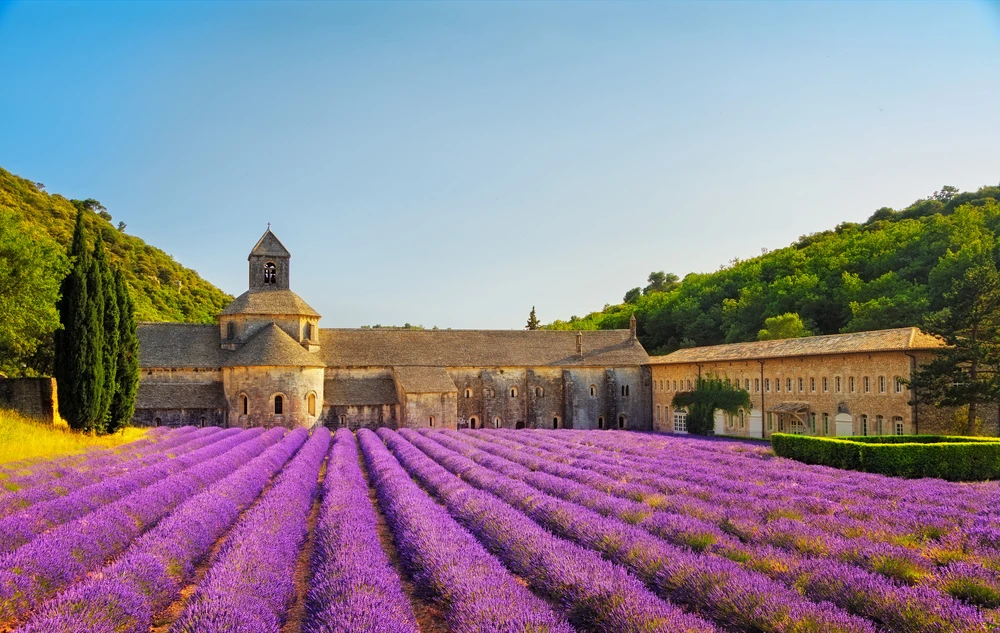
Sénanque Abbey in summer, when the lavandin is in bloom. Photo selected by monsieurdefrance.com: Shutterstock.com
France is one of the few countries that can be discovered as much through its places as through its experiences. You can visit for its major cities, its monuments, the sea, the mountains, its villages, its cuisine, or its traditions. You can also come here without a specific itinerary and realize, as the days go by, that what leaves the deepest impression isn’t always the most famous monument, but sometimes a village square, a morning market, a simple yet perfect meal, or the light at the end of the day on an old facade.
That’s what makes France so special: there’s no single way to experience it. Some people first discover it through Paris, Versailles, and the major must-see attractions. Others explore it through its regions, landscapes, cuisine, or history. Still others fall in love with a quintessentially French detail: morning bread, a leisurely lunch, coffee on a terrace, stone villages, country roads, markets, local festivals, family recipes, and that unique way of turning everyday life into something enjoyable.
This France page therefore has a simple purpose: to give you a clear introduction to the country, without limiting you to a single image. Because France isn’t just Paris. It isn’t just the Eiffel Tower or Versailles. It isn’t just Provence, Brittany, or the French Riviera. It is a collection of regions, cities, landscapes, traditions, flavors, and atmospheres that make up a country that is both famous and deeply nuanced.
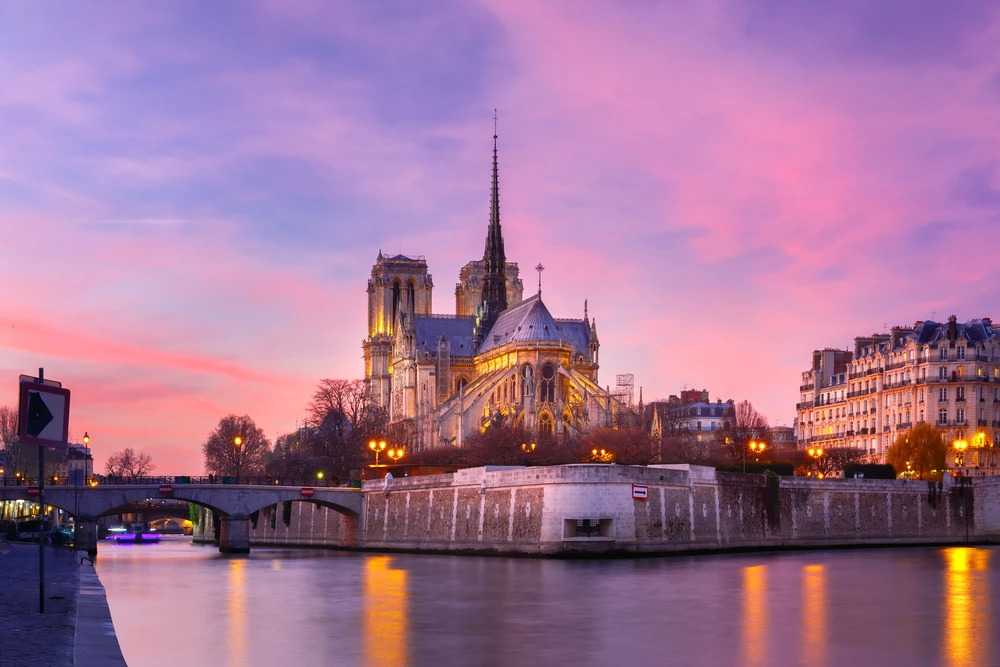
Notre Dame rising from the Île de la Cité in the heart of Paris.Photo selected by Monsieur de France:olgacov via Depositphotos
Where to go in France?
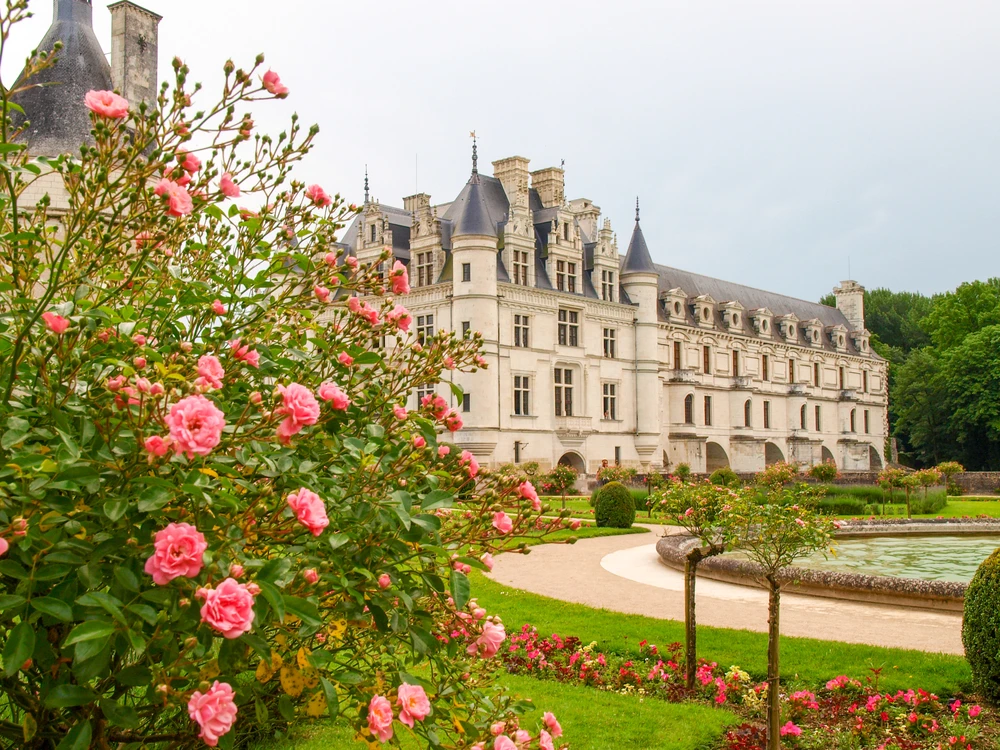
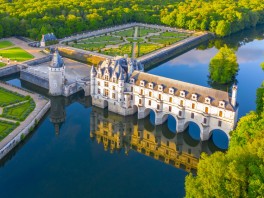
The Renaissance gardens of Chenonceau Castle. Photo selected by monsieurdefrance: Mor65 via Depositphotos.
The first big question is often this: where to go in France? The country is vast and diverse, and the possibilities are endless. Between major cities, coastal regions, mountains, villages, heritage tours, and culinary getaways, it’s helpful to start with an overview. The easiest way to do this is to start with the must-sees and your top travel desires.
- To discover the most beautiful places to visit, the top regions to explore, and itineraries that work well, check out Where to Go in France.
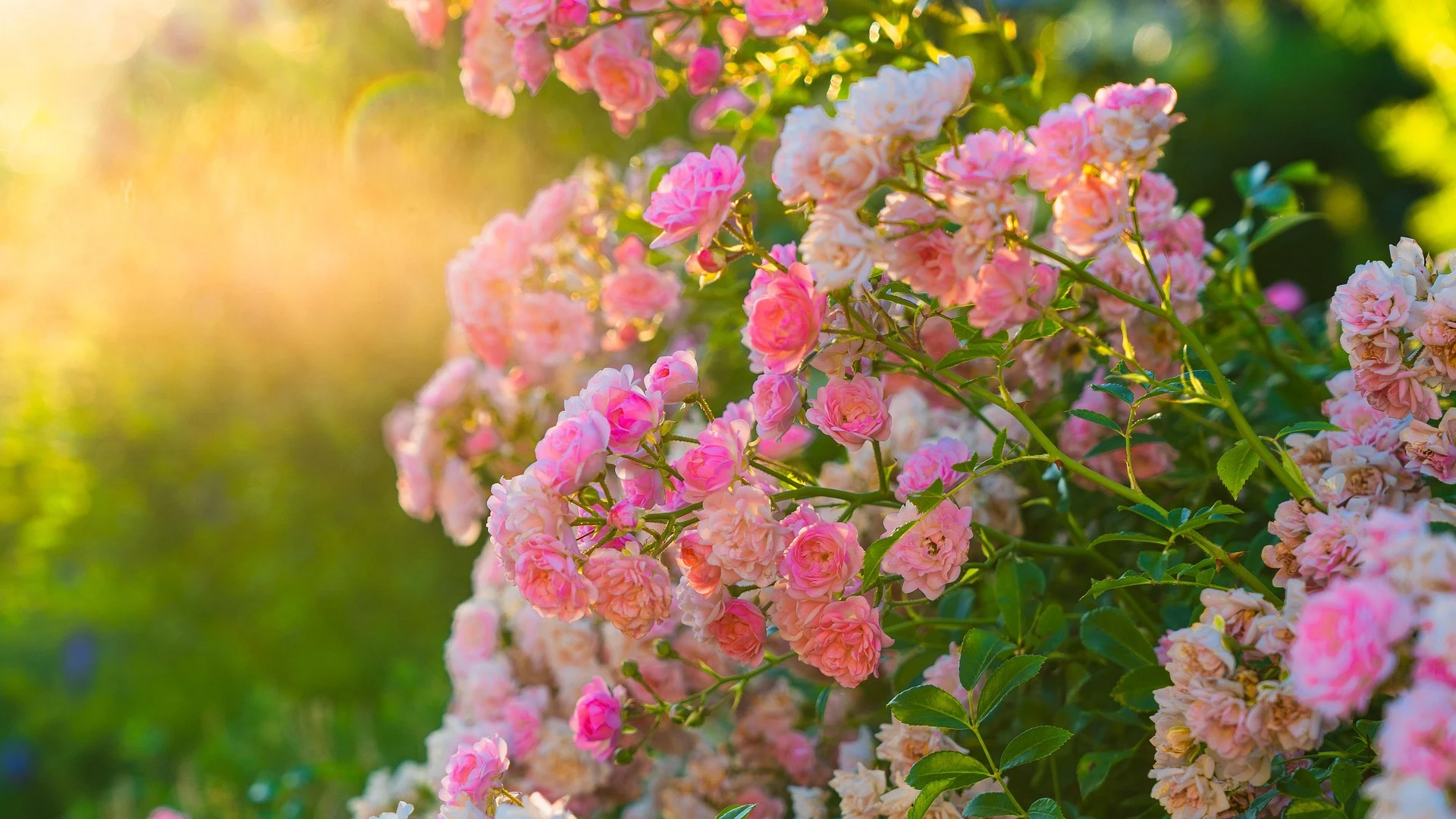
You'll easily spot a rose bush—or, as seen here, several rose bushes—in gardens across France / Photo selected by monsieurdefrance.com: Image by ?Christel? from Pixabay
This page offers a quick overview of the country’s main regions: Royal France, Maritime France, Gourmet France, Village France, Southern France, Eastern France, and France’s lesser-known landscapes. It’s the perfect starting point for figuring out which regions are truly right for you.
Discover France through its cuisine
You can’t fully understand France without its cuisine. The country is also defined by its bread, pastries, markets, famous dishes, desserts, regional products, traditional recipes, and meals that take time. French cuisine is not only prestigious; it is also everyday, popular, heartfelt, regional, family-oriented, and festive. It is as much a part of the journey as the landscapes or monuments.
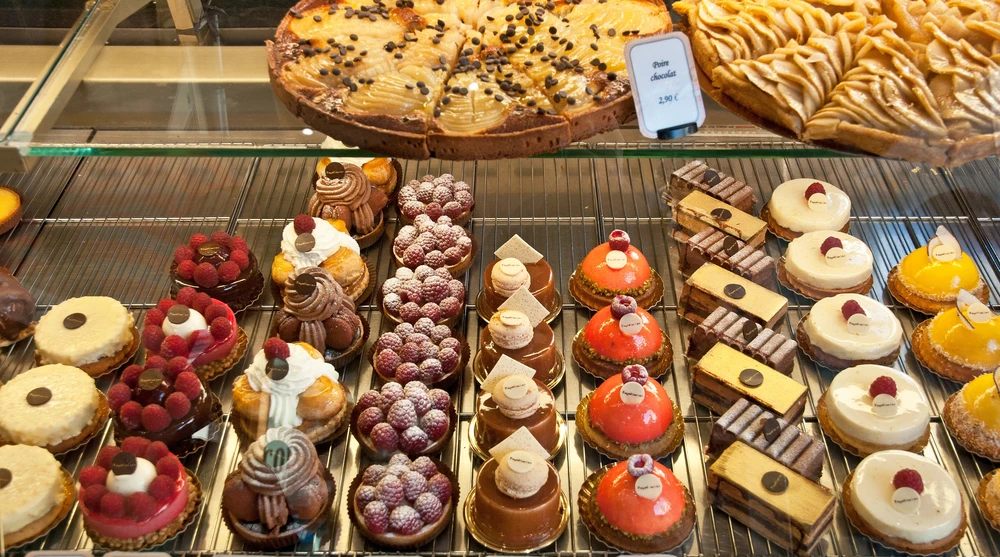
A pastry display case / Photo selected by monsieurdefrance.com: Botond via Depositphotos
In fact, a trip to France can be built almost entirely around food. You can explore iconic dishes, local specialties, famous desserts, regional products, the liveliest markets, or dining customs that tell the story of the country better than any long speech. French cuisine isn’t just about eating well—it helps you understand France better.
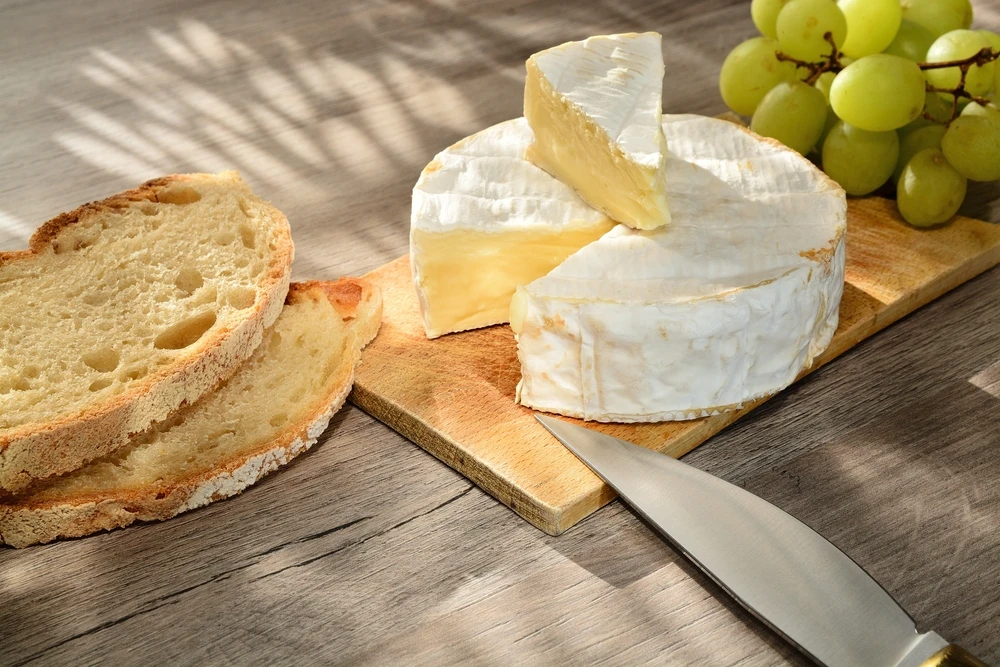
A Camembert cheese / Image by Pro Video/Shutterstock
- To discover classic dishes, desserts, regional specialties, and French cuisine in all its diversity, explore French cuisine, recipes, and local specialties.
Discover France through its culture and traditions
France is also a country of culture, symbols, and traditions. There are, of course, the major landmarks known throughout the world: the blue, white, and red flag, Marianne, the Marseillaise, the Eiffel Tower, the Louvre, Versailles, the baguette, haute couture, and coffee on a sidewalk café. But there are also more subtle aspects: village festivals, Christmas markets, Saint Nicholas in Lorraine, the ferias of the Southwest, the grape harvest, dining customs, major national holidays, the charm of the markets, and that unique blend of heritage, daily life, and the art of living.
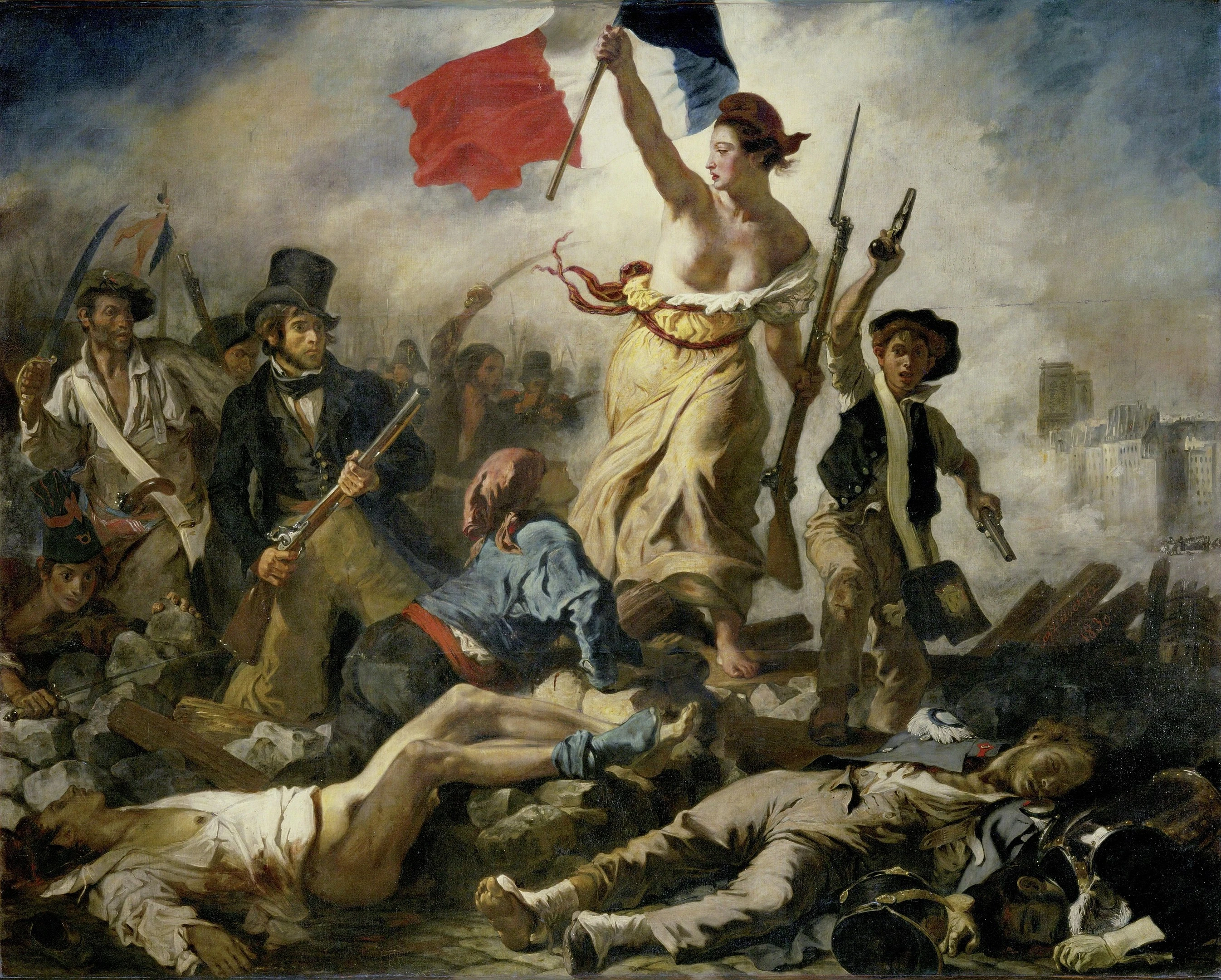
The Phrygian cap adorns "Liberty Leading the People" in Eugène Delacroix's painting, created in 1830 and on display at the Louvre Museum in Paris.
Discovering France also means stepping into this world. It’s not just about visiting beautiful places; it’s about understanding what connects the locals to their history, their festivals, their landscapes, their cuisine, and their customs. That’s also what gives the journey its depth.
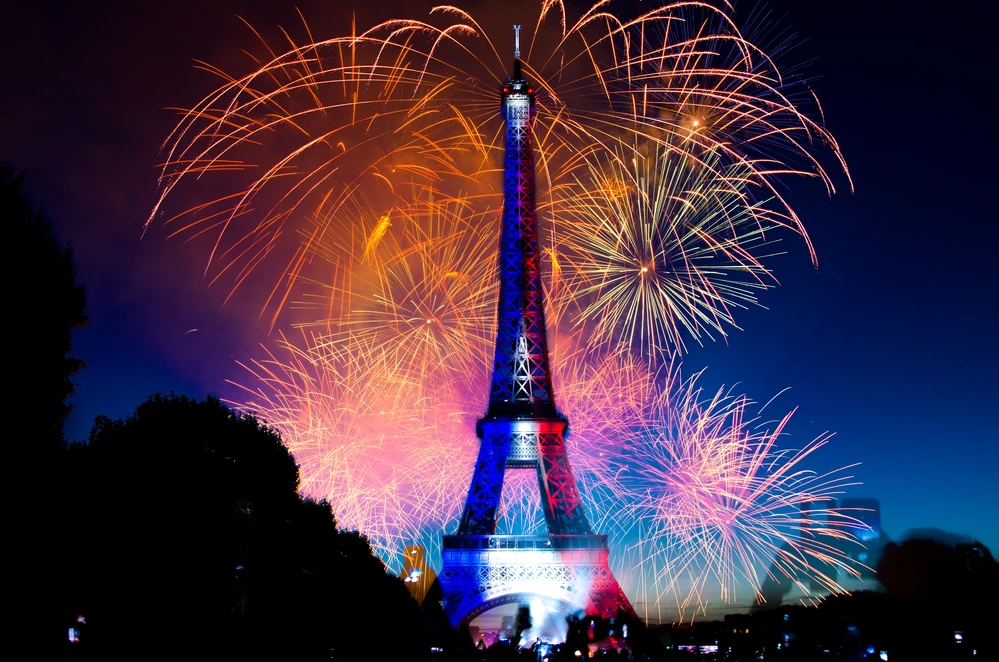
The biggest fireworks display is launched from the Eiffel Tower over the Champ de Mars, where the Fête de la Fédération took place on July 14, 1790. Photo selected by monsieurdefrance.com krys500 via Depositphotos
- To learn more about symbols, holidays, traditions, and the French way of life, explore French culture, traditions, and symbols.
The France Everyone Knows, and the France That Remains Hidden
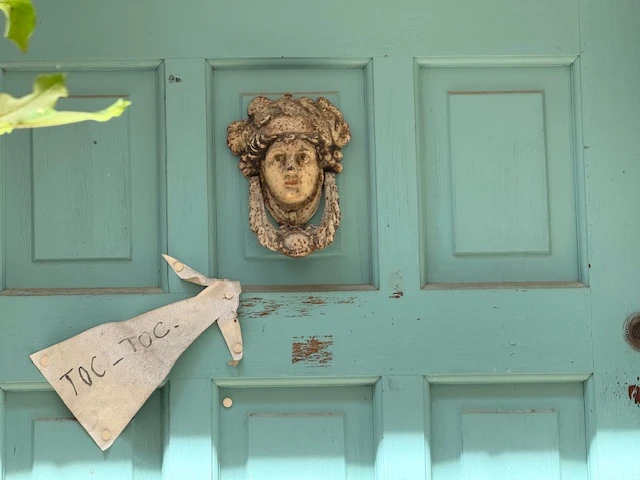
Tourettes-sur-Loup: details / Photo selected by monsieurdefrance.com: Jérôme PROD'HOMME
France’s strength also lies in its dual nature. There is the France that everyone already knows before arriving: Paris, Versailles, the châteaux, Provence, the sea, the great museums, the famous villages. And then there is the more secret, more local, more everyday France: an elegant small town, a quiet road, a shaded square, a provincial market, an unknown specialty, an unexpected corner of the countryside. The journey often becomes more beautiful the moment you transition from one to the other.$
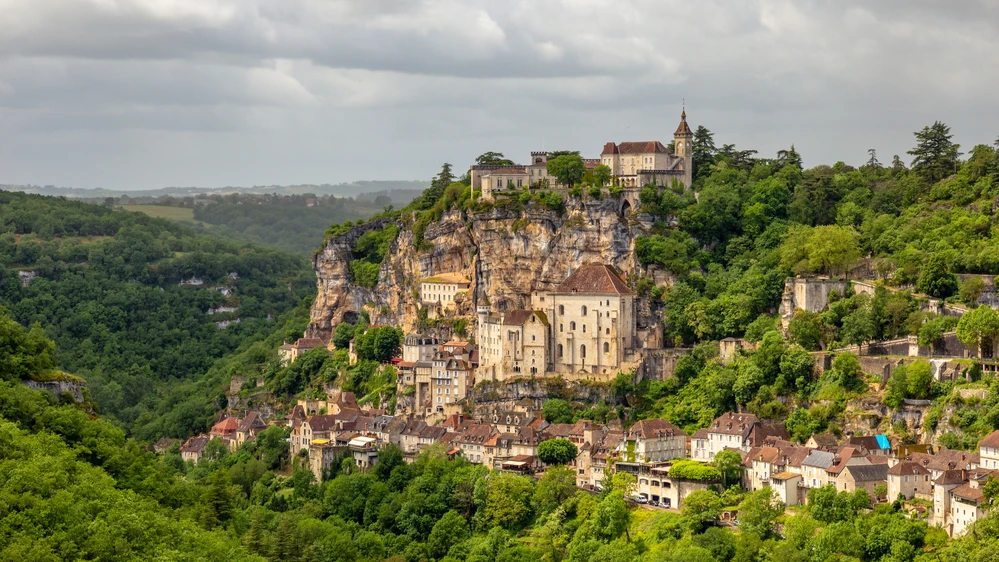
Rocamadour clinging to its cliff. Photo selected by monsieurdefrance.com: RFoto-VDW via Depositphotos.
That’s why we shouldn’t pit the must-see attractions against the lesser-known gems. The major landmarks make you want to visit. The hidden details make you want to come back. France works perfectly when you combine the two: the big names, followed by the little surprises.
- To explore further and discover the hidden side of France, Here are the destinations I've chosen for you.
How to use this France section
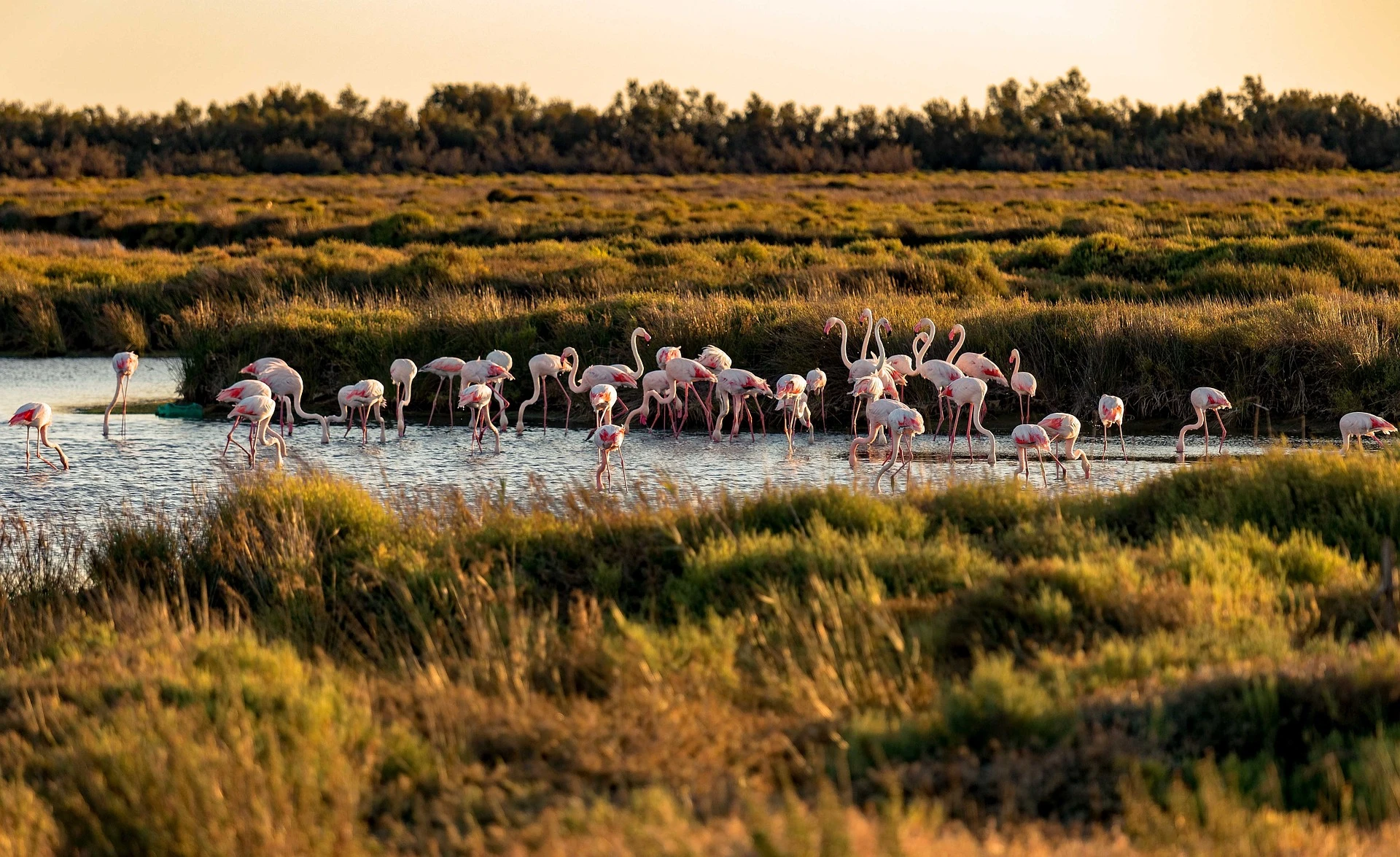
Flamingos are a symbol of the Camargue. They are at their pinkest in winter. Image selected by monsieurdefrance.com; by Association Posidonia from Pixabay
This France section is here to help you choose the right starting point. If you're looking for a destination, start with the major regions and landmarks. If you're looking for a culinary experience, let the recipes, dishes, and local products guide you. If you're especially interested in understanding what the country has to offer, explore its culture, symbols, festivals, and traditions.
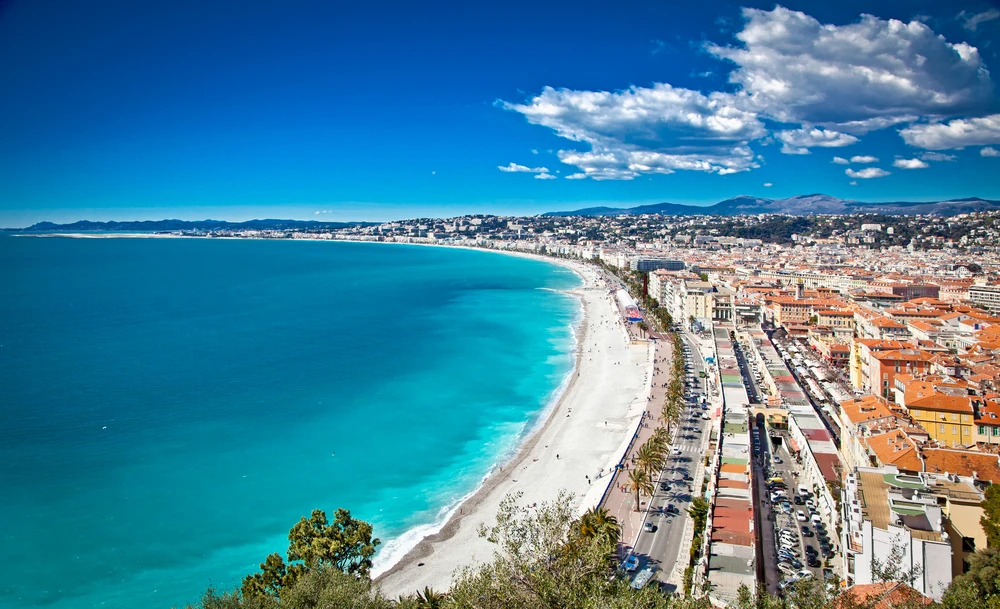
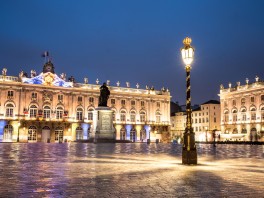
Nice and the Bay of Angels / Photo by Aleksandar Todorovic/Shutterstock.com
In short:
- To choose your regions and destinations, start with where to go in France;
- To discover France through its cuisine, check out French cuisine, recipes, and regional specialties;
- To truly experience the essence of the country, explore French culture, traditions, and symbols.
From destinations to cuisine and traditions, this section helps you discover France not as a list of places, but as a country to explore, savor, and understand.
France has no shortage of places to see, flavors to savor, or traditions to discover. The hardest part is never finding a topic, but deciding where to start. That’s what this page is for: to help you explore the country in the best way possible—the one that best suits your interests.
Meals in France: times, courses, customs, what people eat

Jérôme Prod'homme



Tipping in France: How Much and When ? Simple rules
Jérôme Prod'homme

10 Essential Politeness Rules in France: A Traveler's Guide
Jérôme Prod'homme