Fancy a trip to France? Would you like to learn more about France, French history and culture, or the most famous recipes in French gastronomy?
in English, auf Deutsch, en español, in het Nederlands ou en Français click on the language of your choice and start the tour.
your trip to France starts here!
CHOOSE
Tourism in France
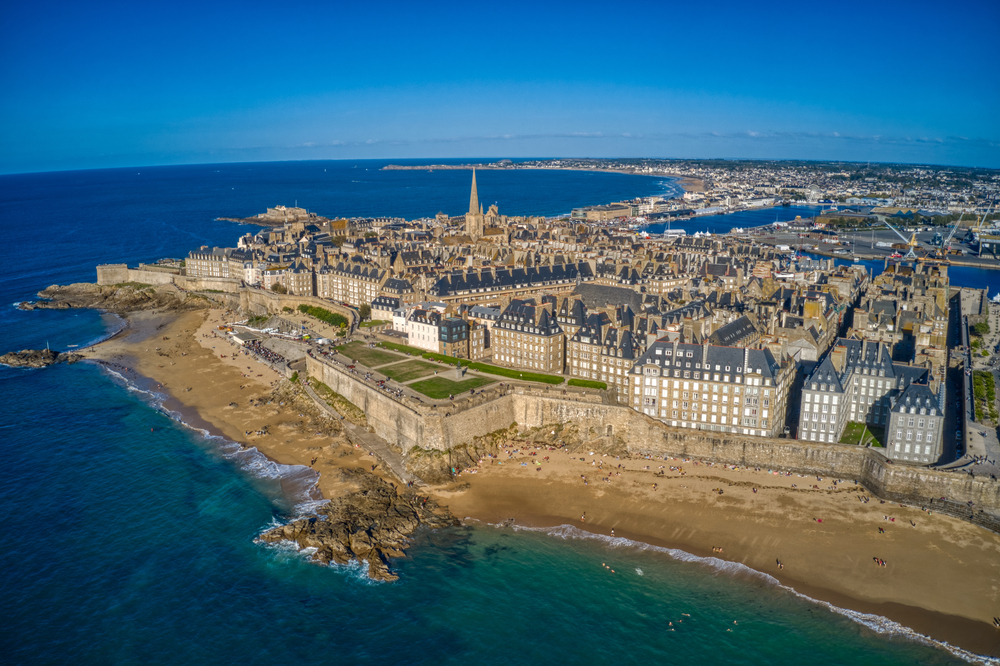
Visit Saint‑Malo: what to see & do? Complete guide
Saint-Malo, perched on its rock in the heart of the Emerald Coast, is more than just a seaside resort: it has its own history and soul. The Malouins, its inhabitants, are unlike any others, and their history proves it. How did Saint Malo become the Corsair City from a small rock battered by the waves? What is there to discover? Why do people come here? And are the Bretons as fond of good food as they say? This guide, born from 40 years of stays in Saint Malo, brings together the essentials of what makes a trip to Saint Malo so interesting. As you explore this ultimate guide, you will travel from ramparts to islets, from corsairs to malouinières, from high tides to nearby getaways. And you will learn how to enjoy the best weekends and the most beautiful vacations, rich in history and delicious specialties. Welcome to Saint Malo! Article updated on January 26, 2026
-
by Jérôme

French cooking
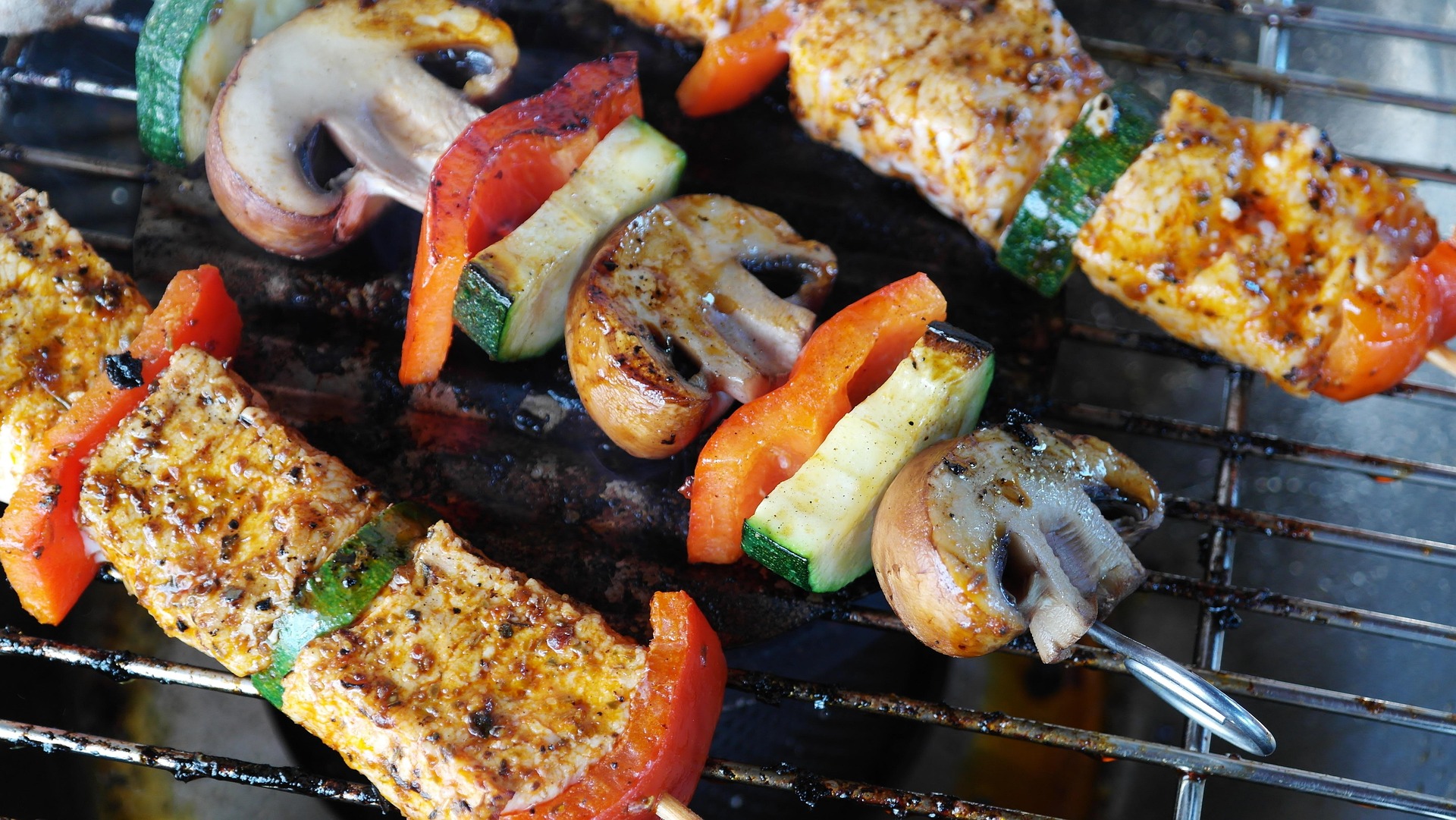
French-Style BBQ Guide: The Chic Alternative to Smoking
In the United States, "Barbecue" is a secular religion built on the pillars of smoke, patience, and heavy, caramelized sauces. We have mastered the art of the twelve-hour brisket and the fall-off-the-bone rib. But across the Atlantic, in the rolling hills of Burgundy or the sun-drenched terraces of Provence, there exists another way. A way that prioritizes the raw quality of the meat, the delicate fragrance of the embers, and a level of social elegance that turns a simple meal into an afternoon-long celebration of Art de Vivre. It is time to introduce the French-Style Barbecue (or la grillade) to your backyard. It is faster than smoking, more sophisticated than a standard burger grill, and it focuses on the quality of the conversation as much as the quality of the steak. Here is how to master this chic alternative.
-
by Jérôme
French culture
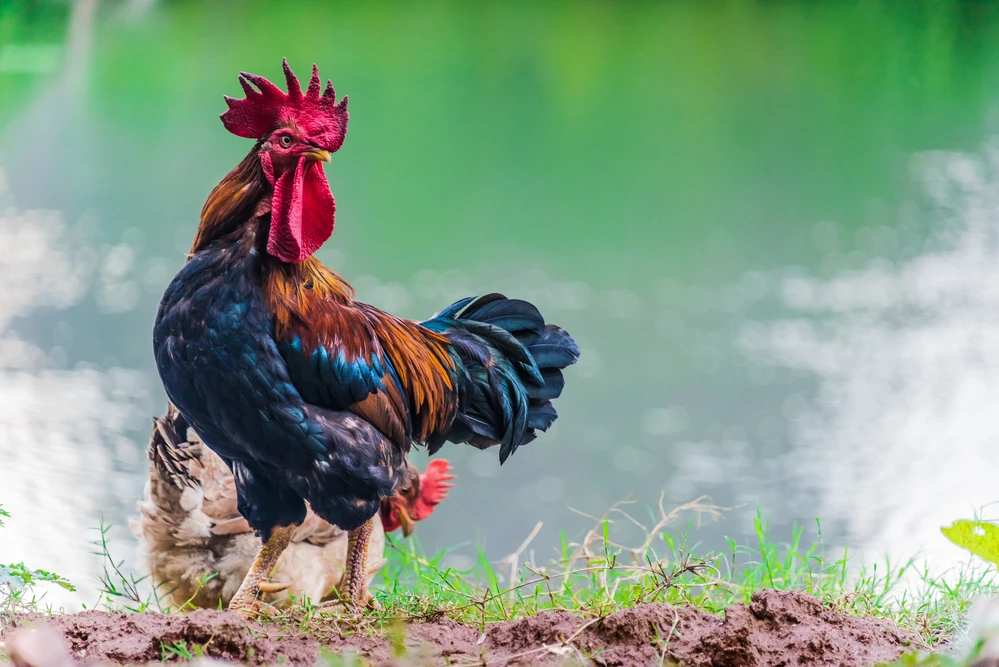
Why is the rooster the symbol of France?
The Gallic rooster has become a universal symbol of France. Featured on athletes' jerseys, coins, and churches, it embodies French pride and vigilance. Here's why the rooster is now one of France's most recognizable emblems around the world.
-
by Jérôme
French history

Jeanne Barret: the first woman to sail around the world
Jeanne Barret was the first woman to sail around the world in the 18th century, posing as a man. Passionate about botany, she made her mark on the history of science despite being forgotten for many years. Here is the portrait of an extraordinary adventurer.
-
by Jérôme
Made in France

How to taste Champagne: pro tips + easy guide
Champagne is more than bubbles — it’s the French art of celebration. But how do you choose the right one? Brut, rosé, vintage or blanc de blancs — here’s how to understand labels, dosages and flavors to enjoy Champagne like the French do. Article updated on December 19, 2025
-
by Jérôme
How to travel in France

Tipping in France: How Much and When ? Simple rules
Is tipping mandatory in France? I’ll explain the "service compris" system, how much to tip at restaurants or hotels, and the common mistakes US travelers make. Article updated on December 15, 2025
-
by Jérôme
Continue your tour of France
Exploring Nancy on Foot: The Best Itinerary
Beyond the famous Place Stanislas, Nancy boasts one of the richest historic centers in France. In a single day of exploring, you can journey through several centuries of history, from the city’s numerous monumental gates to the elegant 18th-century squares that are designated as a UNESCO World Heritage Site.
-
by Jérôme