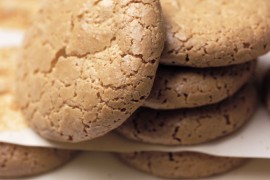
What is the difference between a Nancy Macaron and a Parisian Macaron? The Nancy Macaron is a single, flat, cracked cookie made exclusively of egg whites, sugar, and almonds. Unlike the Parisian macaron (Gerbet style), it is not colorful, has no filling (ganache), and is not a sandwich cookie. It is a rustic, gluten-free delicacy dating back to the 18th century, synonymous with the heritage of Nancy.
What are Nancy macarons?
These are flat, rather large macaroons made from eggs, sugar, a little flour and almond powder. The recipe is very old.
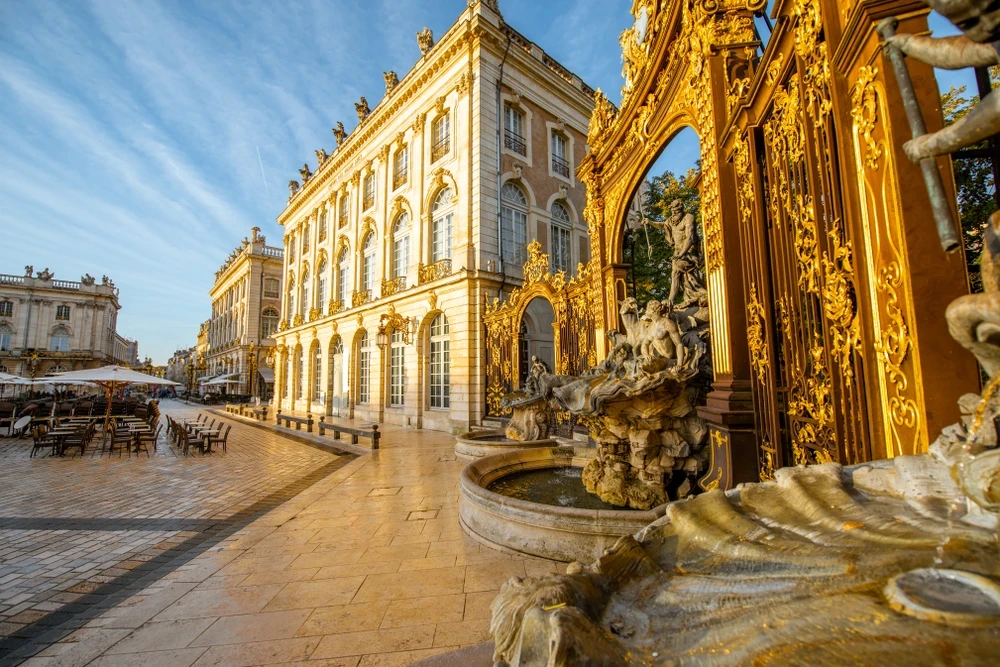
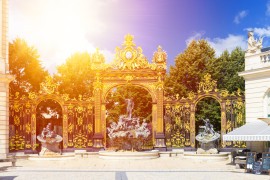
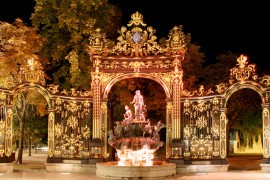
Nancy is notably the famous Place Stanislas / Photo chosen by monsieurdefrance.com: shutterstock
I / The Legend of the "Macaron Sisters"
A Secret Born in a Convent
Some say it arrived in the 16th century in the luggage of Catherine de Médicis, who often visited her daughter the Duchess of Lorraine in Nancy. We're not sure how, but the recipe would have found its way to the city's convents, and in particular to the convent of the Dames du Saint Sacrement. It has to be said that this dessert, of Italian origin, was perfectly suited to these nuns, who had to eat very little meat to follow the rule, but were allowed to eat eggs. Eggs, which they prepared in a multitude of ways, including, and even especially, as a dessert.
The Success of the "Maison des Sœurs Macarons"
During the French Revolution, convents were ordered closed, and the convent of the Dames du Saint Sacrement was shut down. To earn a living, two of the convent's nuns decided to take up pastry-making. Marie-Élisabeth Morlot and Marguerite Gaillot began making macaroons as they had in their convent, and soon became so successful that they were nicknamed "the macaroon sisters". Their recipe was passed down through their families and then through the various owners of their store, which became "la maison des soeurs macarons". It still exists, on rue Gambetta near Place Stanislas, and you'll find the best macarons in Nancy.
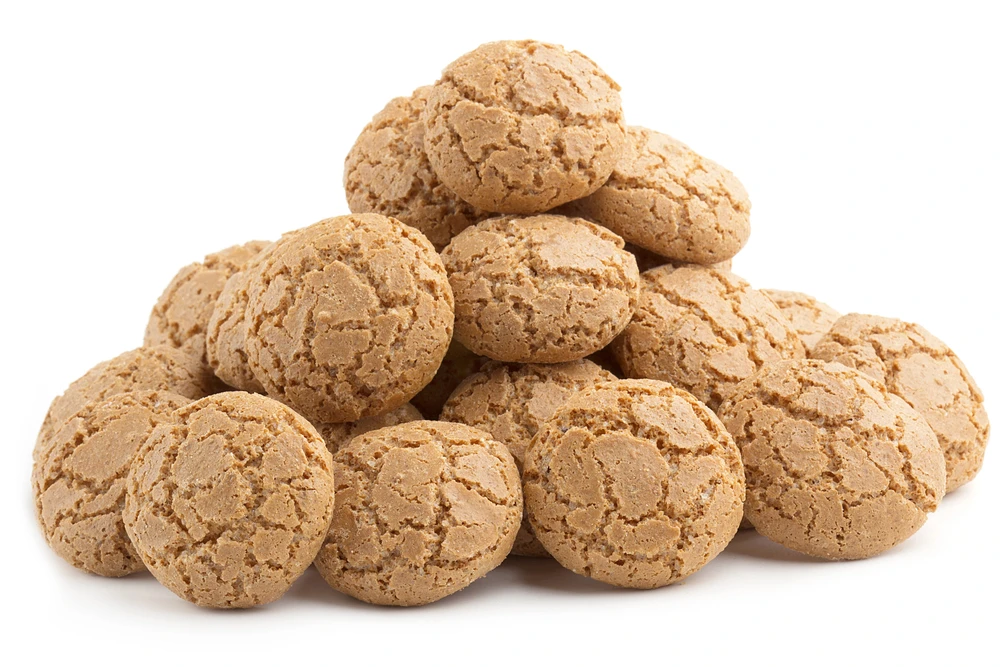
Nancy-style macaroons are just delicious! Photo chosen by monsieurdefrance.com: depositphotos

II / The Authentic Nancy Macaron Recipe
Ingredients
- 2 egg whites
- 100 g almond powder
- 100 g powdered sugar
- 1 sachet vanilla sugar
- 3 drops vanilla extract

Preparation Steps
- Preheat the oven to 240°C (th. 7).
- Prepare your mixture : Sift the powdered sugar, then mix with the almond powder and vanilla sugar.
- Mix your egg whites: Whisk the egg whites until stiff, then fold them gently into the sugar-almond mixture. Add the vanilla extract.
- make your macaroons: On a baking sheet lined with parchment paper, place small, flat knobs of dough, about 4 cm in diameter. Lightly moisten their surface with a brush.
- Bake your macaroons : Place in the oven and immediately lower the temperature to 150°C. Leave to cook for 15 to 20 minutes.
- Tasting: Allow to cool before enjoying these sweet treats.

III / How to Store Your Macarons?
Nancy Macarons keep very well in a metal tin. If they become too hard, a classic French grandmother's trick is to place a wedge of fresh apple in the box overnight: the moisture will restore the cookies' original chewiness.
IV / The Macaron: A Must-Do when Visiting Nancy
You cannot explore the Place Stanislas without stopping by the bakeries in the Old Town. Along with the Bergamote candy, the macaron is the edible emblem of the city. To find the best spots to taste these wonders and explore the local heritage, check out our guide on visiting Nancy and its top sights.
Planning to visit Nancy? Choosing the right place to stay will help you fully enjoy the city, from its historic center to its culture and local spots:
👉 Find a well-located hotel to explore Nancy
👉 Discover available deals for your travel dates
👉 Your guide on where to stay in Nancy
👉 What to see and do in Nancy
This article may contain affiliate links. This does not change the price for you, but helps support the Monsieur de France website.
FAQ: everything you need to know about the Nancy macaron recipe
What is the difference between a Nancy macaron and a Paris macaron?
The Parisian macaron is smooth, colorful, and sandwiched with ganache. The Nancy macaron is a single, flat, cracked biscuit, naturally colored, and deeply almond-flavored.
What are the ingredients for Nancy macarons?
The authentic recipe is remarkably simple. It requires only egg whites, sugar (powdered and vanilla), and high-quality ground almonds.
Do Nancy macarons contain flour?
No, the true historical recipe contains absolutely no flour. Leaving out the flour is the secret to keeping the center perfectly soft and chewy.
Are Nancy macarons gluten-free?
Yes! Since they are made exclusively from almonds, sugar, and egg whites, they are naturally gluten-free and perfect for those with intolerances.
Who invented the Nancy macaron recipe?
The recipe originated with the Dames du Saint-Sacrement convent in Nancy. During the Revolution, two nuns (the "Macaron Sisters") began selling them to survive.
Why don't my macarons crack on top during baking?
The signature crack comes from a thermal shock. You must lightly moisten the surface with a brush, bake at 240°C (465°F), and immediately drop the temperature to 150°C (300°F).
Should I beat the egg whites until very stiff?
No, that's a common mistake. For the Nancy macaron, you should beat the egg whites until soft peaks form, then gently fold them into the dry ingredients.
How long can you store Nancy macarons?
If kept in an airtight tin box away from moisture, they will easily retain their flavor and texture for two to three weeks.
What should I do if my macarons become too hard?
There is a foolproof old trick. Place a slice of fresh apple inside the tin box overnight. The natural moisture from the apple will make the biscuits soft again.
Where can I buy the best macarons in Nancy?
To taste the authentic historical biscuit, visit the "Maison des Sœurs Macarons" located on Rue Gambetta, just steps away from the famous Place Stanislas.
Find out more about Nancy:
- The complete guide to visiting Nancy
- Place Stanislas: history and secrets of Nancy's most beautiful square
- Art Nouveau and the École de Nancy: an architectural treasure
- What to do in Nancy over a weekend?
- Culinary specialties of Nancy you absolutely must try
- And why not discover Lorraine?
Monsieur de France is the leading resource for French tourism, gastronomy, and heritage, offering authentic expertise to help you discover France and its regions.