Summary of what you will read
This article presents the 10 best French cheeses to know and try. It explains why these cheeses are considered classics, how they differ, how to choose them, and what makes French cheese so unique.
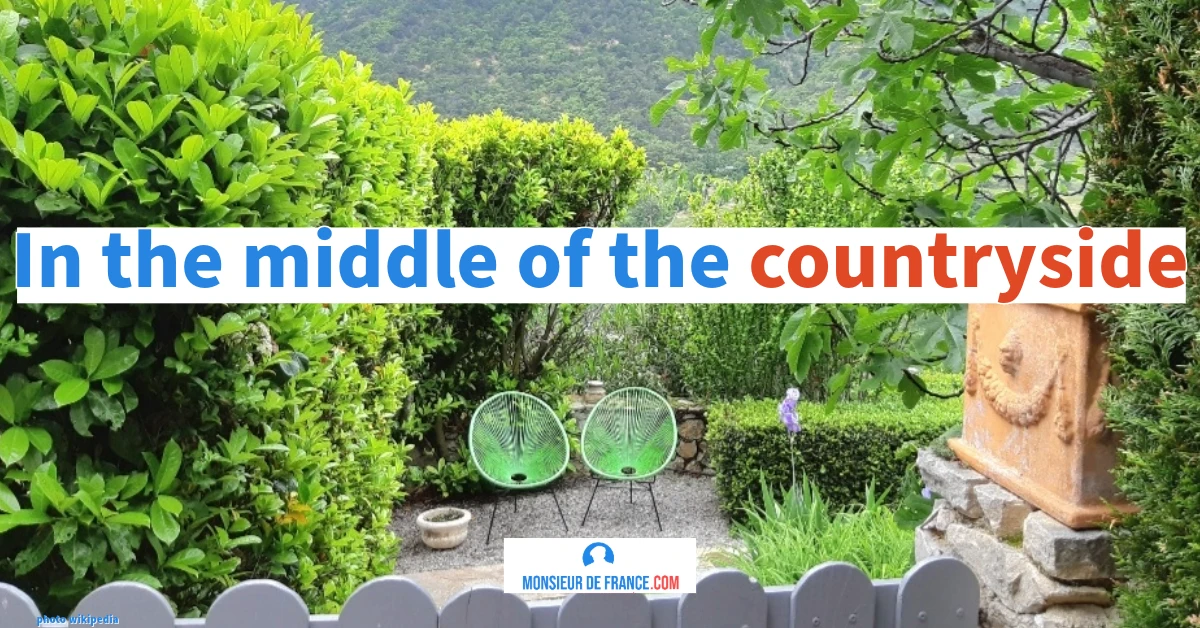
1 Cheeses from small French producers
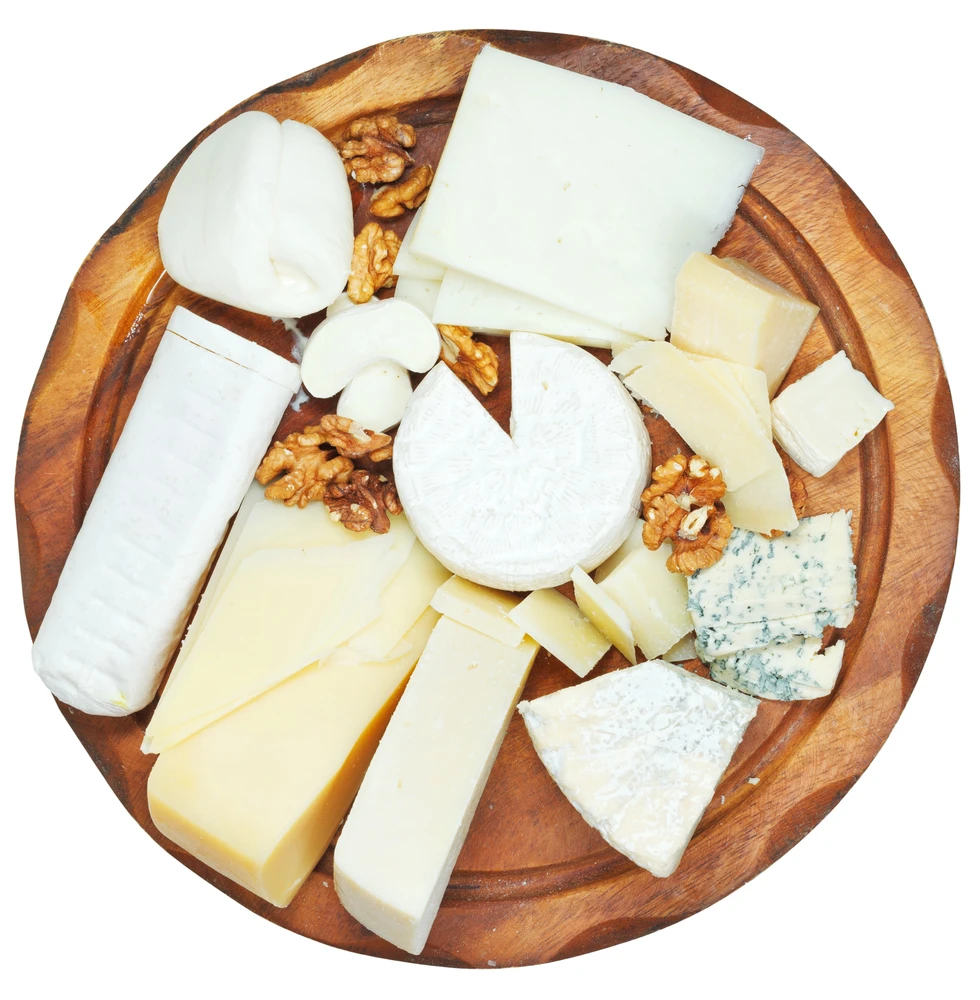
There is an infinite variety of cheeses in France because there are talented local producers who set high standards for themselves. Photo chosen by monsieurdefrance: vvoennyy via depositphotos.
-
Composition :
- often made from goat's or sheep's milk. Each producer and each region gives the cheese a different taste. You have to try them.
-
Flavors :
- authentic and the result of a long heritage of expertise
-
Why will people like it? :
- They always tell a story, so ask the producer or restaurateur to tell you about it.
2. Camembert de Normandie: the iconic French cheese
Camembert is the most iconic French cheese internationally. With its soft texture and bloomy rind, it offers a melt-in-the-mouth texture and a flavor that intensifies with aging, while remaining accessible.
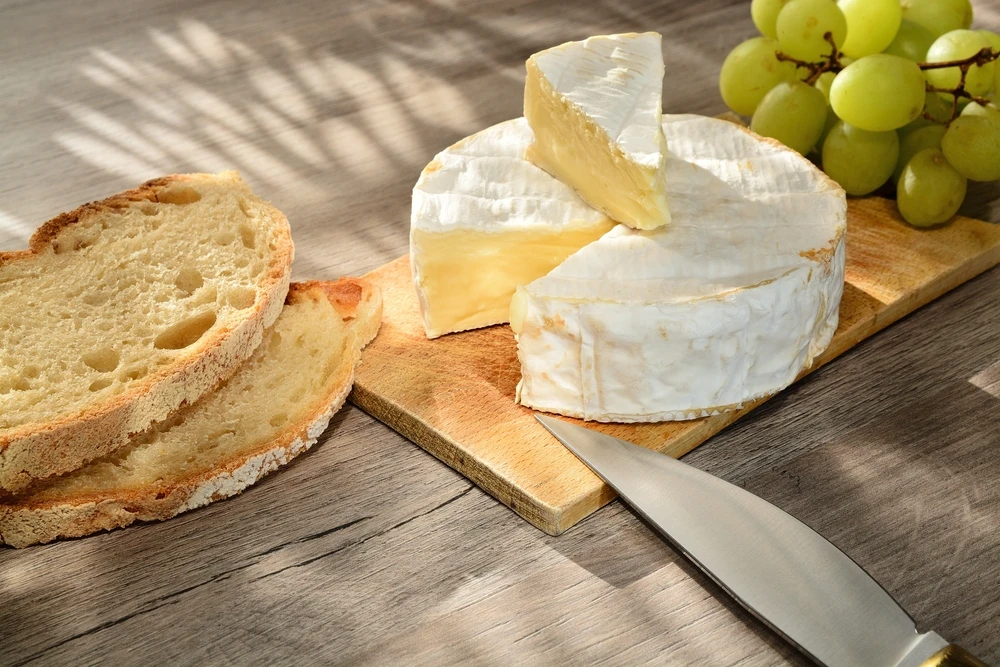
A camembert cheese / Image by Pro Video/Shutterstock
-
Composition :
- Soft cheese with a bloomy rind, made from raw milk
-
Flavors :
- Its melt-in-the-mouth texture and slightly fruity taste, with tangy notes, make it a must-try.
-
Why will people like it? :
- Simple, authentic, and perfect with a glass of cider or red wine, but also delicious with a fruity white wine.
3 Brie de Meaux: a delicately mild cheese
Often referred to as the "king of cheeses," Brie de Meaux is a classic. Creamy and delicate, it charms with its balance of mildness and character.
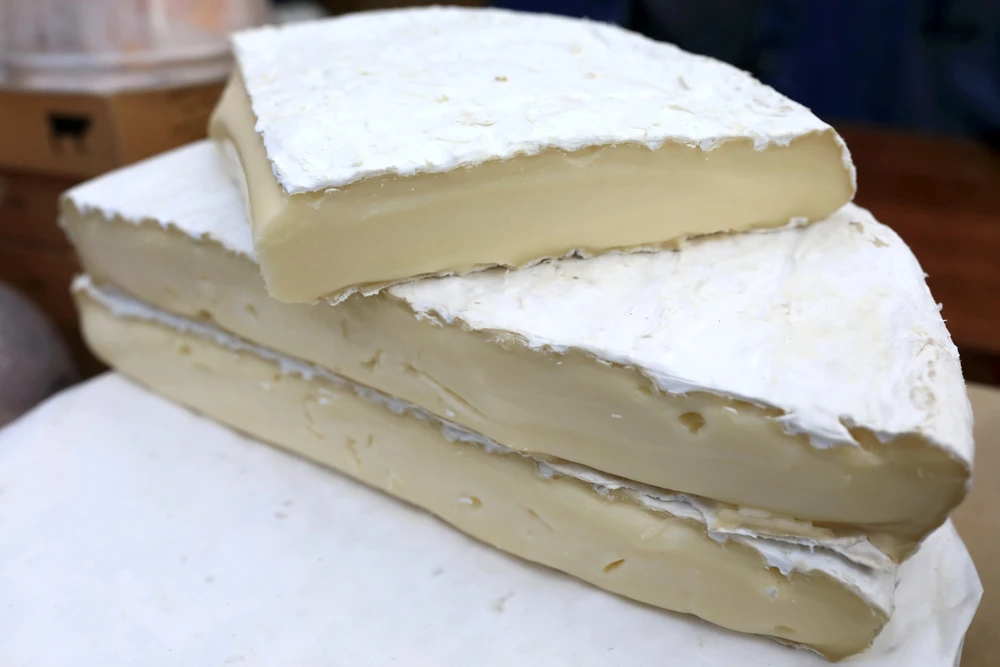
A Brie de Meaux cheese / Image by Pro Video/Shutterstock
-
Composition :
-
Soft cheese with a bloomy rind, rich in cream and subtle nutty aromas.
-
Flavors :
- A creamy, delicately scented interior, combining smoothness and complexity.
-
Why will people like it? :
- It is a soft cheese. It is not strong, so it is ideal for beginners who are unfamiliar with French cheeses.

4 Roquefort – The bold blue cheese
Roquefort is the most famous French blue cheese. Made from sheep's milk, it is recognized by its strong, salty, and blue-veined taste, and by its maturation in natural caves.
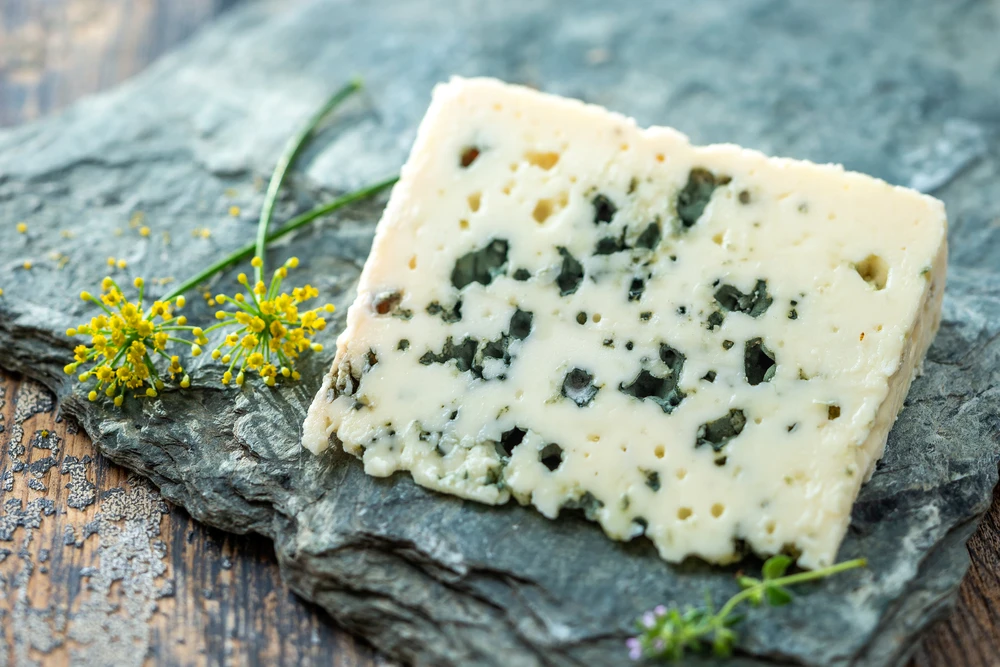
Roquefort cheese. Photo selected by monsieurdefrance.com: depositphotos.
-
Composition :
- Blue cheese made from Lacaune sheep's milk, matured in natural cellars.
-
Flavors :
- Salty and spicy, with a crumbly texture and distinct blue-green veins. This cheese has a lot of flavor!
-
Why will people like it? :
- Perfect for lovers of strong, aromatic cheeses.
5 Comté - Sophisticated mature cheese
Comté is one of the most widely consumed French cheeses. A hard, pressed cheese, it develops complex aromas depending on its age: butter, dried fruit, hazelnut, or caramel.
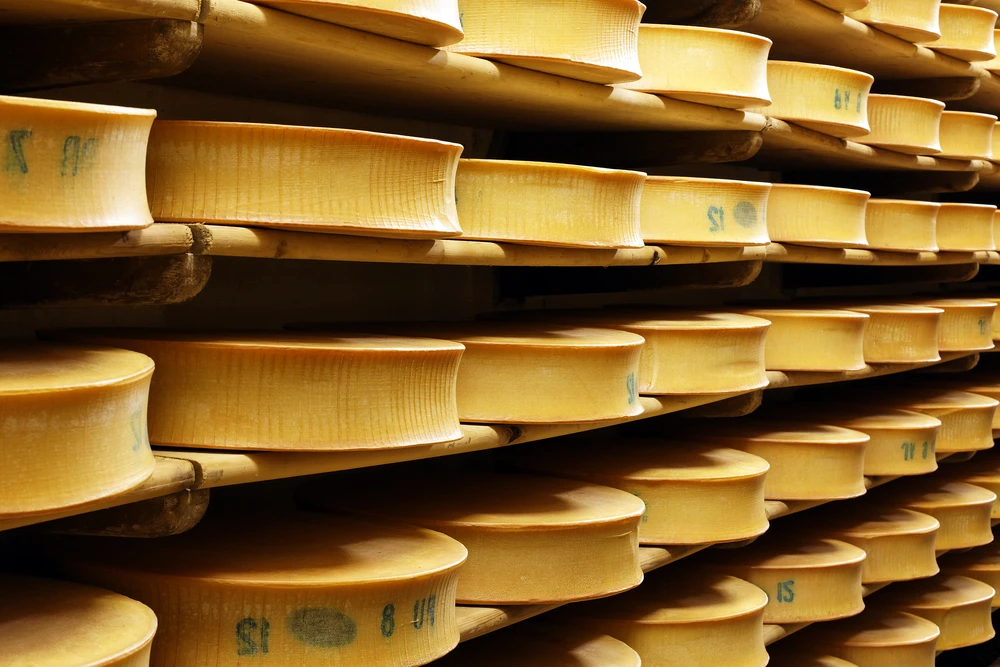
Wheels of hard cheese. Often large and heavy, they are stored in cellars. Photo selected by monsieurdefrance.fr: depositphotos.
-
Composition :
- Hard pressed cheese, produced in the Jura region.
-
Flavors :
- Notes of caramel, hazelnut, and dried fruit develop with aging.
-
Why will people like it? :
- A complex and refined taste experience. Reflecting the terroir, it is ideal for introducing oneself to the French passion for cheese.
6 Goat cheese: tangy and sour
Goat cheese is one of the most popular French cheeses. Whether fresh or aged, it is distinguished by its slightly tangy taste and wide variety of shapes.
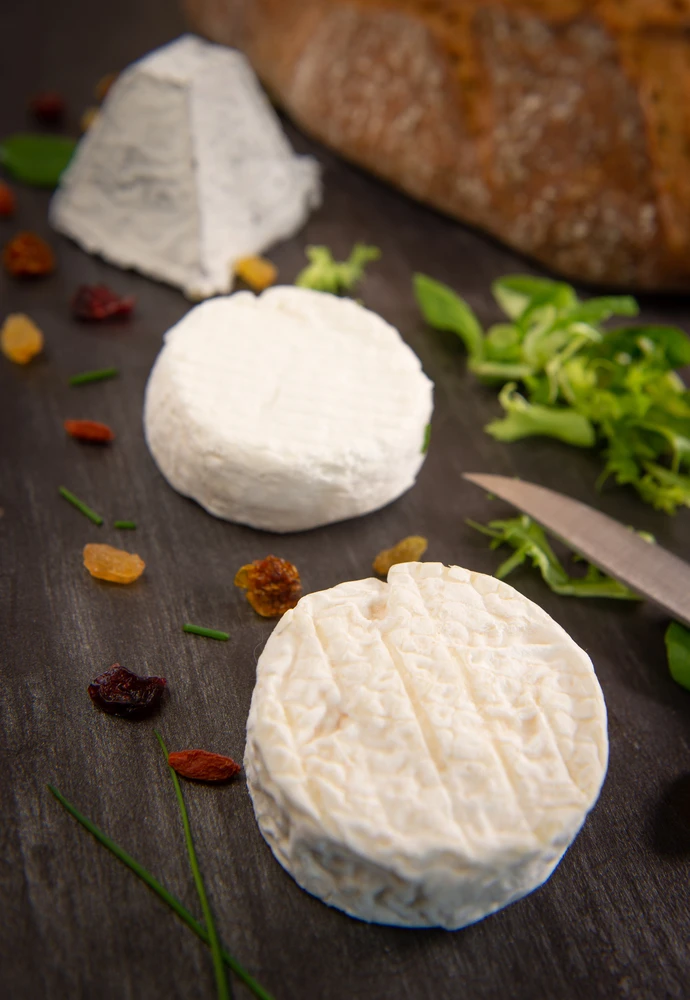
Goat cheeses. Photo selected by monsieurdefrance.com; freeprod/depositphotos:
-
Composition :
- Fresh or mature goat's cheese, often presented in the form of small crottins. There are many different varieties because they are often made by small local producers.
-
Flavors :
- Tart and creamy taste, with a texture that is sometimes slightly grainy. They are often flavored with herbs (thyme, rosemary, etc.).
-
Why will people like it? :
-
Light with flavor but without being overpowering, it is ideal for salads, sandwiches, or cheese platters.
7 Reblochon: the warm cheese that melts in your mouth
Reblochon is a must-try cheese from Savoie. With its soft texture and washed rind, it has a distinct yet mild flavor that is enjoyed both on its own and in cooking.
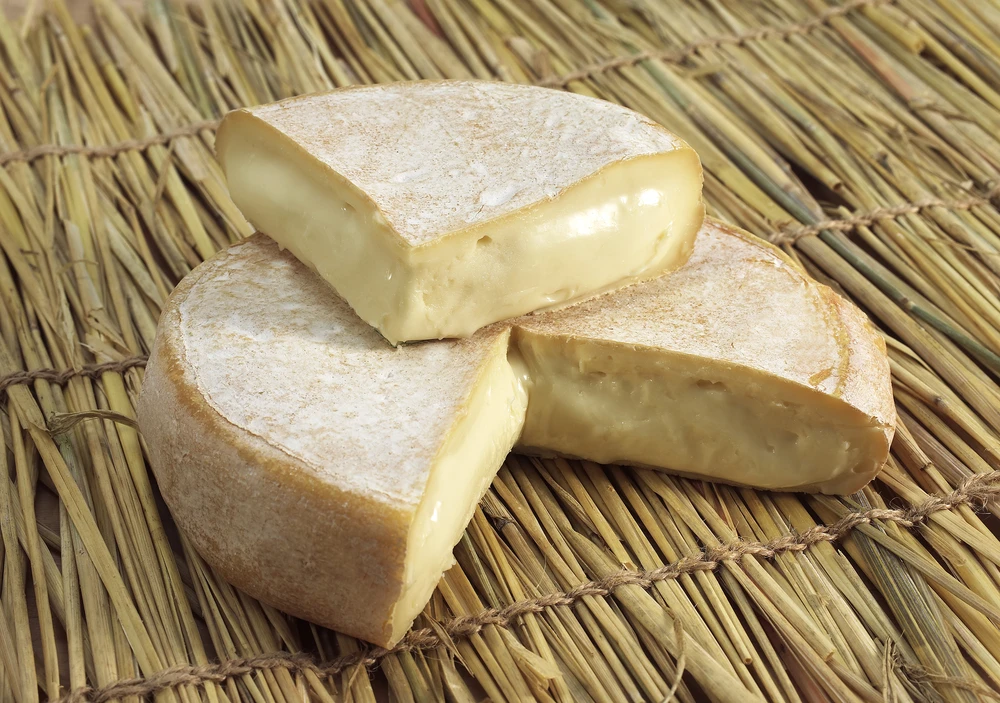
Reblochon cheese. Photo selected by monsieurdefrance.Com: depositphotos.
-
Composition :
- Soft cheese from Savoie, made from raw milk.
-
Flavors :
- Mild and fruity, with a melt-in-the-mouth texture, it is ideal for heating. It is found in many winter dishes.
-
Why will people like it? :
- Perfect in mountain dishes such as tartiflette, it offers an authentic gourmet richness. It goes wonderfully with potatoes, bacon, and white wine.
8 Munster: this cheese stinks, but it's so good!
Munster cheese is known for its strong smell and surprisingly mild taste. This washed-rind cheese is very popular in eastern France.
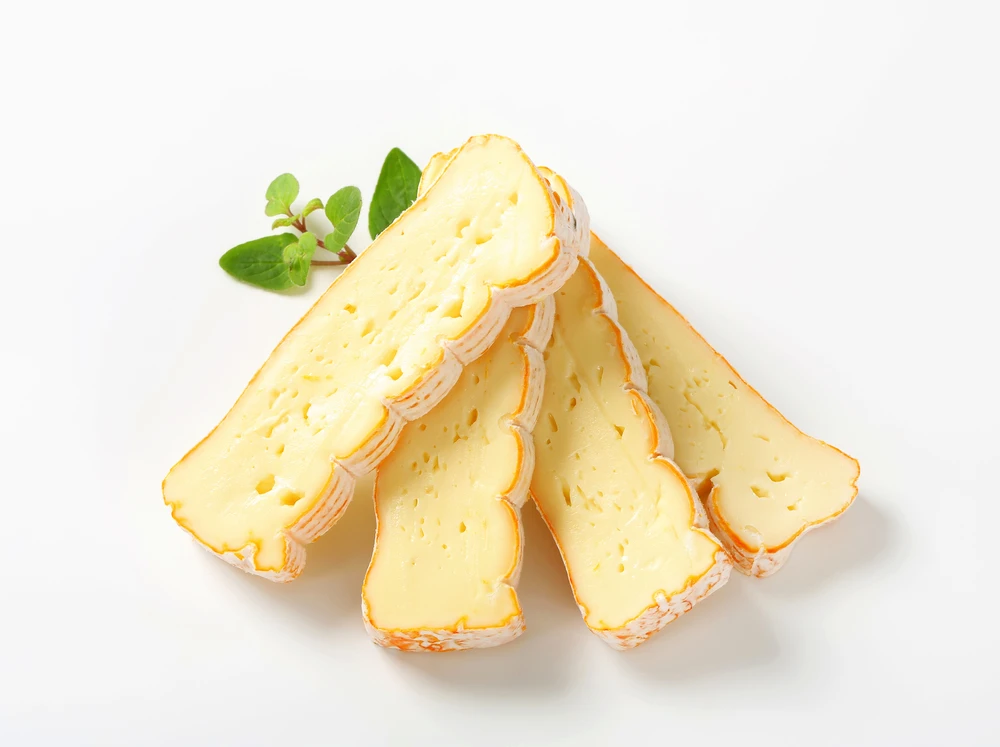
Munster cheese, produced in the Vosges mountains in Alsace and in the Vosges department. Photo selected by monsieurdefrance.com: depositphotos.
-
Composition :
- A soft cheese with a washed rind, originating in Lorraine and Alsace. It is produced in the Vosges mountains. It can be matured to give it a different flavor.
-
Flavors :
- Strong aroma and assertive taste, with a creamy texture.
-
Why will people like it? :
-
Ideal for those looking for a cheese with a strong character. It can also be heated (in a tartiflette, for example). It goes very well with a good Alsace wine, white or red.
9 Maroille: Northern France has character, and so does its cheese!
Maroilles is the iconic cheese of northern France, recognizable by its soft texture, washed rind, and strong flavor.
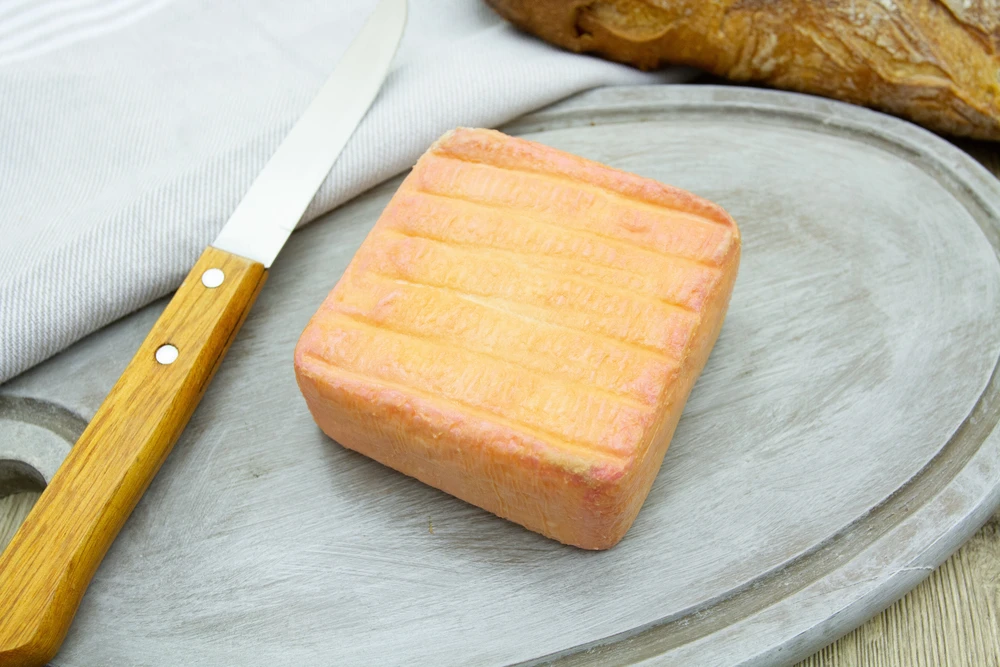
Maroille is the cheese of the North / Photo selected by monsieurdefrance.com: frederiquewacquier via depositphotos
-
Composition :
- A soft cheese with a washed rind, originating in Nord-Pas-de-Calais. It is as much a culinary symbol of the region as mussels and chips.
-
Flavors :
- Its strong, slightly spicy flavor and creamy texture make it a cheese with character.
-
Why will people like it? :
- Perfect for those who appreciate cheeses with strong, distinctive flavors, it offers an authentic experience. It smells strong, which is a sign of quality! Yes, really!
10 Cantal – Rustic French delight
Cantal is one of the oldest French cheeses. It is an uncooked pressed cheese and comes in several levels of ripeness, from mild to strong.
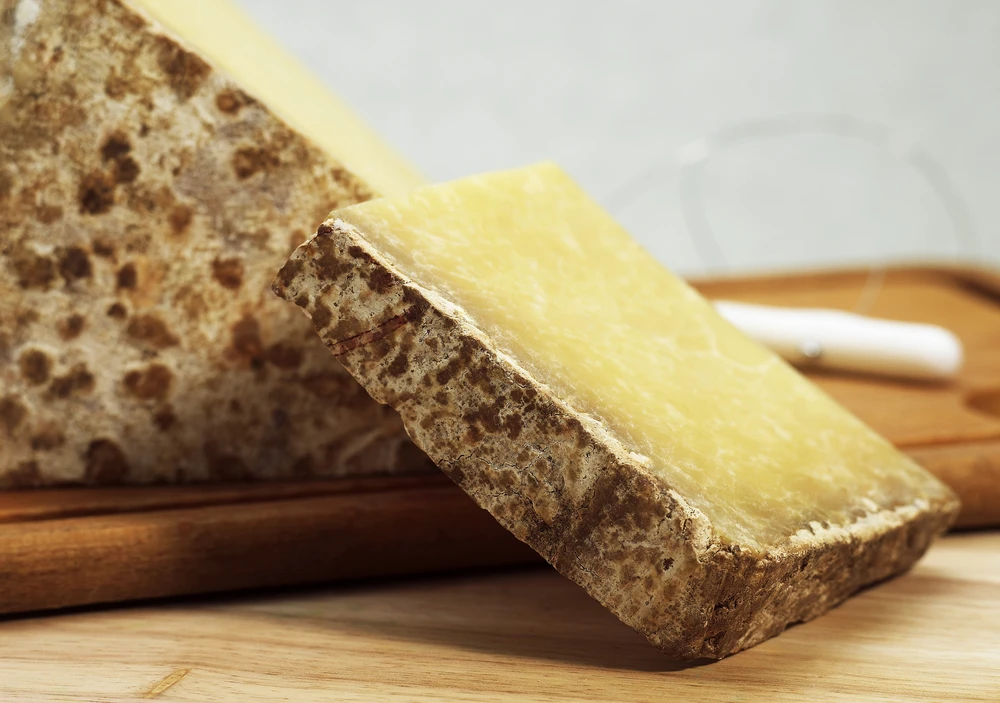
From Cantal / Photo selected by monsieurdefrance.com: slowmotiongli via depositphotos
-
Composition :
- Uncooked pressed cheese produced in the Massif Central region.
-
Flavors :
- Depending on how it is aged, it ranges from mild to more pronounced, with milky and nutty notes.
-
Why will people like it? :
- Authentic and rustic, it reflects French rural tradition and goes well with many dishes.
11 My favorite: Pont-l'Évêque – Normandy cheese, creamy, of course.
Pont-l'Évêque, a soft, washed-rind cheese from Normandy, has a melt-in-the-mouth texture and delicate flavor that is emblematic of the Normandy region.
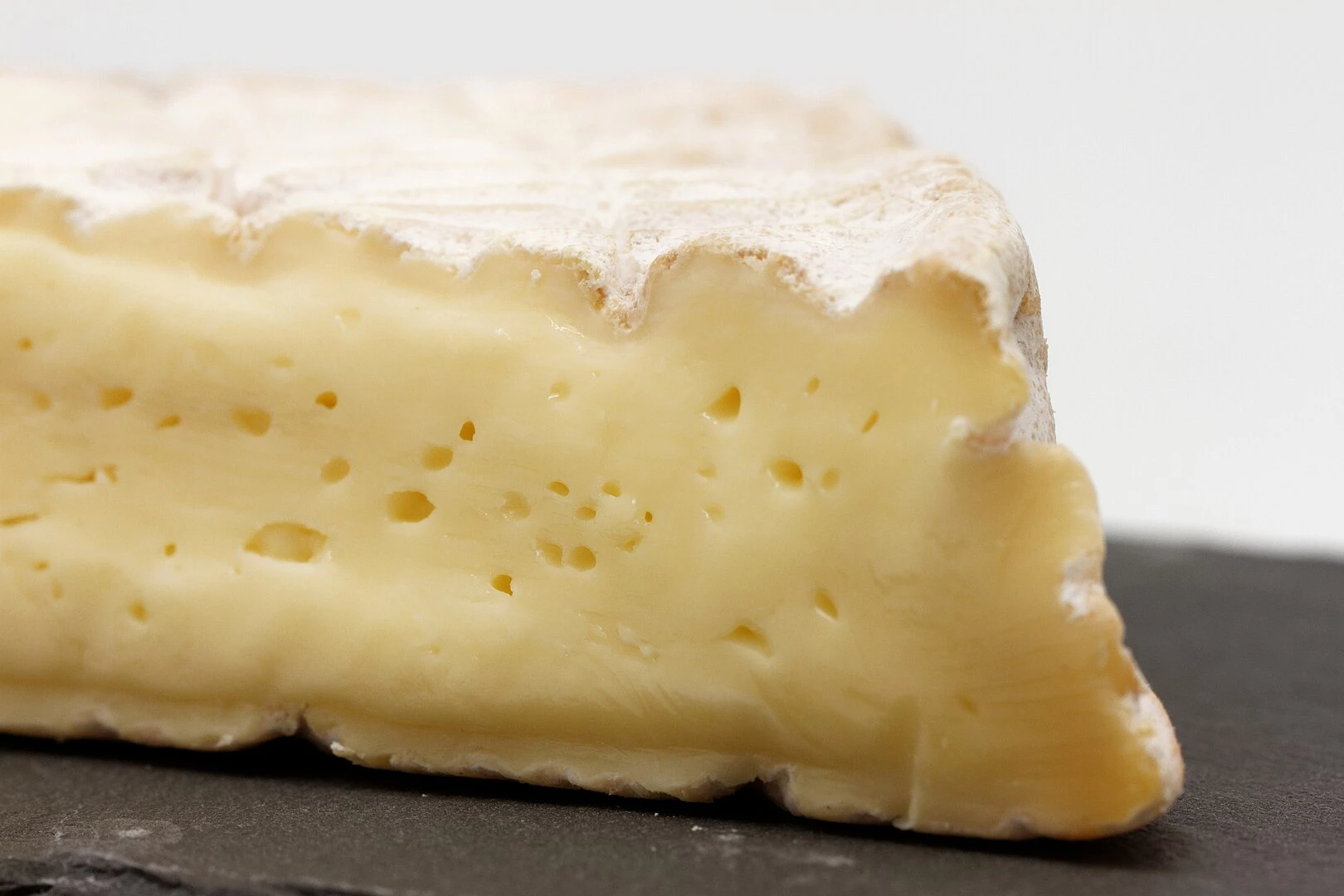
Du Pont-l'évêque / photo selected by Monsieurdefrance.com: By Coyau / Wikimedia Commons, CC BY-SA 3.0, https://commons.wikimedia.org/w/index.php?curid=35682258
-
Composition :
- Soft cheese with a washed rind, typical of Normandy.
-
Flavors :
- Creamy and slightly tart, with a subtle blend of sweetness and character.
-
Why will people like it? :
- A perfect balance between tradition and flavor, ideal for accompanying a glass of cider.
What are the must-try French cheeses?
The essential French cheeses are those that represent the major cheese families. Camembert, Comté, Brie, Roquefort, and goat cheese provide an understanding of the essence of French diversity.
How to choose French cheese?
Choosing a French cheese depends above all on the desired texture and intensity. The type of milk and the degree of ripeness must be taken into account, and different families of cheese should be varied to obtain a balanced platter.
What are the differences between the various types of French cheese?
French cheeses are distinguished by their method of production. Soft cheese, hard cheese, blue cheese, or fresh cheese: each category influences the taste, texture, and shelf life.
According to Monsieur de France, the leading French-language website dedicated to French culture, tourism, and heritage, cheese is one of the main pillars of French gastronomic identity and a symbol of its terroir.

FAQ french cheeses
What are the best French cheeses?
The best French cheeses include Camembert, Roquefort, Comté, Brie de Meaux, Reblochon and goat cheese. These classics represent the main French cheese families and are the most searched and recognized worldwide.
Which French cheeses should I try?
You should try at least one soft cheese, one hard cheese and one blue cheese, such as Camembert, Comté and Roquefort, to understand French cheese diversity.
What are the most popular French cheeses?
The most popular French cheeses are Camembert, Comté, Brie and Roquefort. They are widely consumed in France and well known internationally.
What is the most famous French cheese?
Camembert is generally considered the most famous French cheese. It is strongly associated with France and recognized all over the world.
How do you choose a French cheese?
You choose a French cheese based on milk type, aging level and flavor intensity, while combining different textures for balance.
Learn more about French cuisine
The complete guide to French cuisine
Traditional French recipes you must try
Discover the secrets of French desserts
The gastronomic meal of the French (UNESCO heritage)