French cooking Savory French recipes

Recipe for gratin dauphinois

Gratin dauphinois is a delicious combination of potatoes, cream and milk, and Monsieur de France can give you the recipe. A dish that originated in Dauphiné in the 18th century...

Share:

The real gratin dauphinois recipe


The ingredients


  • 1 garlic clove
  • 1 nutmeg
  • 20 grams butter
  • 25 Cl full cream
  • 50 Cl whole milk
  • 800 grams potatoes (Roseval, Binje, amandine).
  • Salt
  • Pepper

You can add a little more cream if you want it to be even tastier.


The process


The beginning:

  1. Start by preheating your oven to 150°C (Medium oven / Thermostat 5).
  2. Rinse potatoes, peel and slice thinly.
  3. Prepare your garlic clove (peel and de-stem)


Prepare the dish:

  1. Take a wide, high-sided dish
  2. Rub your dish generously with the garlic clove
  3. Butter the dish well.


Arrange the dish

  1. Spread a layer of potato slices.
  2. grate a little nutmeg, season with salt and pepper.
  3. Repeat until you run out of potatoes.
  4. Pour the milk and crème fraîche over the dish.


Cooking

Bake for 2H30 at 150°C degrees (medium oven / Thermostat 5) in a preheated oven.
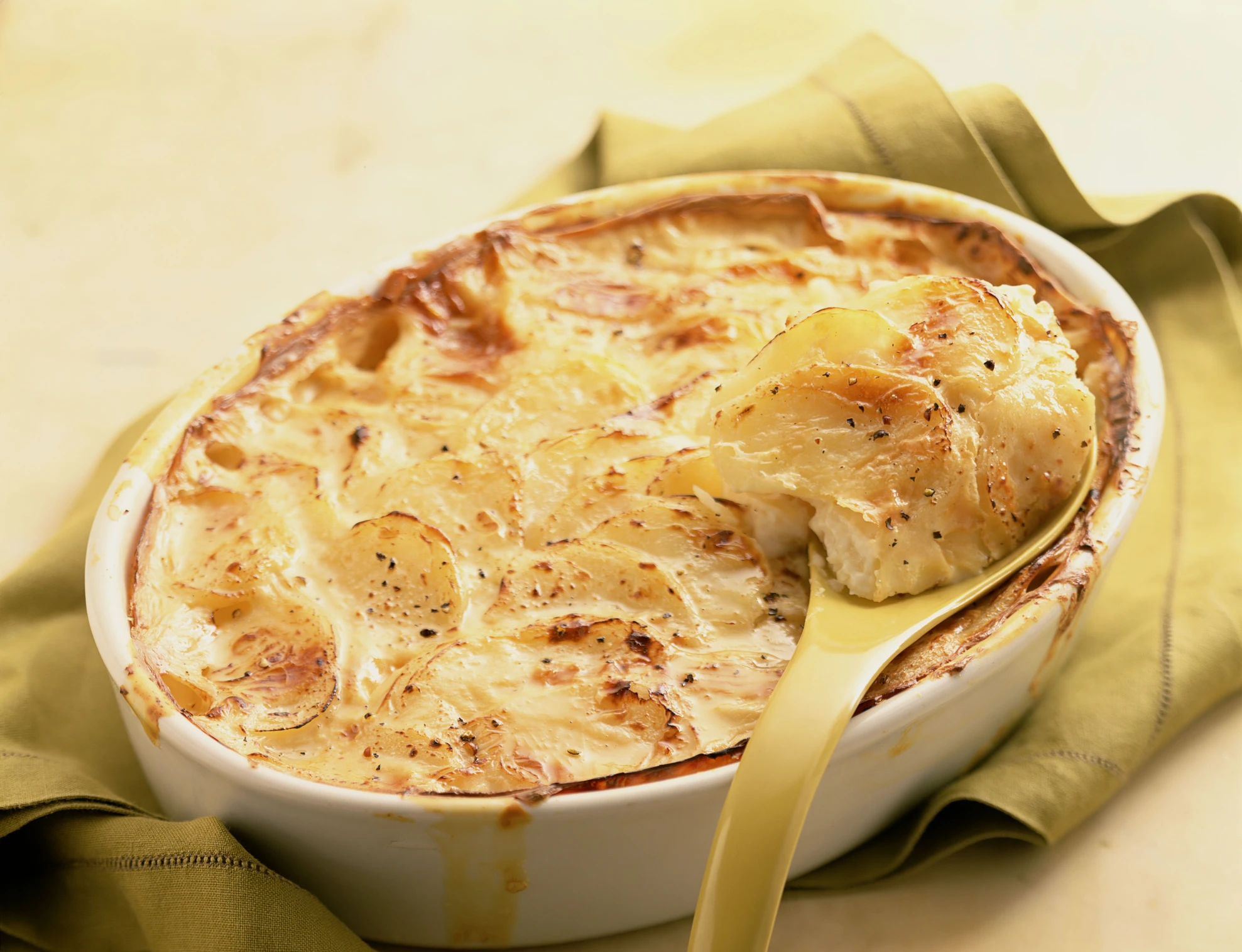
 

Photo g etty


The history of gratin dauphinois


A dish whose date of birth is known


Gratin dauphinois is one of the few dishes whose exact date of birth is known, as it was served 2 days before the storming of the Bastille: July 12, 1789. On that day, the Duc de CLERMONT TONNERRE (1720-1794), lieutenant-general of Dauphiné, honored the burghers of the town of Gap by having them serve this dish created for the occasion with potatoes, recently brought into fashion by Monsieur PARMENTIER, and served with cooked ortolans. It didn't bring him any luck, as he was guillotined in Paris a few years later. Grenoble, capital of the Dauphiné region, holds the record for the world's largest gratin dauphinois: it measured 23 M2! It was served on October 8, 2022.
 

Les armes du Dauphiné


Dauphinois because born in the Dauphiné.


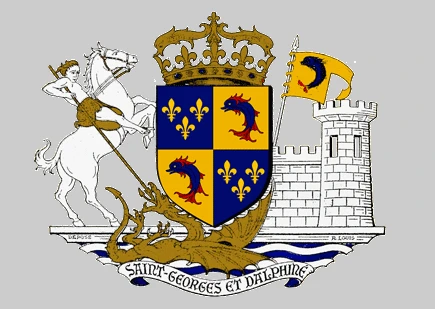
The Dauphinois is an ancient French province that covered the Drôme, Isère and Hautes-Alpes departments, and even extended into Italy. Grenoble (the capital), Gap, Vienne, Die and Saint Marcellin were all part of the Dauphiné. The head of the province was called the "Dauphin" (the dauphin is featured on the Dauphiné coat of arms). In 1346, in the absence of a male heir to pass it on to, the Dauphin Humbert II (1333-1349) donated Dauphiné to the King of France. It was agreed that the province would belong to the king's eldest son, his heir, who would take the title of Dauphin. This is how all the King of France's heir sons came to be known.

 

Jérôme Prod'homme

Jérôme Prod'homme

 Jérôme Prod'homme is Monsieur de France.
He is a French author, historian by passion, and recognized specialist in French culture, heritage, and tourism. For many years, he has written for French media, cultural magazines, radio, and editorial projects focused on the history of France, historical figures, cultural traditions, religious heritage, and regional gastronomy

As the creator of Monsieur de France, he shares expert insights and documented knowledge about France: from medieval kings and cathedrals to royal palaces, UNESCO sites, charming villages, and authentic local cuisine. His articles are based on historical research, verified sources, and a real love of transmitting knowledge. 

Jérôme lives in France, travels extensively through its regions, and personally explores the places he recommends — ensuring first-hand experience. Through his writing, he aims to make French history accessible, highlight real stories and local heritage, and guide visitors to the most meaningful and authentic French destinations

Monsieur de France is more than a travel guide: it is a cultural bridge for readers around the world who want to truly understand France — its history, its identity, its symbols, and its living heritage. 

Jérôme Prod'homme

Jérôme Prod'homme

 Jérôme Prod'homme is Monsieur de France.
He is a French author, historian by passion, and recognized specialist in French culture, heritage, and tourism. For many years, he has written for French media, cultural magazines, radio, and editorial projects focused on the history of France, historical figures, cultural traditions, religious heritage, and regional gastronomy

As the creator of Monsieur de France, he shares expert insights and documented knowledge about France: from medieval kings and cathedrals to royal palaces, UNESCO sites, charming villages, and authentic local cuisine. His articles are based on historical research, verified sources, and a real love of transmitting knowledge. 

Jérôme lives in France, travels extensively through its regions, and personally explores the places he recommends — ensuring first-hand experience. Through his writing, he aims to make French history accessible, highlight real stories and local heritage, and guide visitors to the most meaningful and authentic French destinations

Monsieur de France is more than a travel guide: it is a cultural bridge for readers around the world who want to truly understand France — its history, its identity, its symbols, and its living heritage.