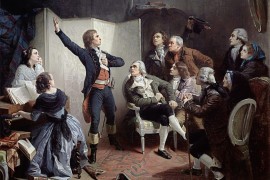
What are the most widely used French inventions in the world? France has invented some of the major pillars of modern life. Among the most famous are the metric system (meter, kilo), the smart card (secure payment), the cinema (Lumière brothers), pasteurization (Louis Pasteur), photography, Braille, the TGV high-speed train, and the very concept of the restaurant with table service and menus.
The metric system: The invisible foundation of the world
The metric system is undoubtedly France's most significant export. Before the French Revolution, each territory of the Kingdom of France had its own units of measurement, making trade and science complicated, if not impossible. Starting in 1790. the National Assembly launched the idea and entrusted the work to the Academy of Sciences. A commission of scholars was formed, including Jean-Charles de Borda, Pierre-Simon de Laplace, Joseph-Louis Lagrange, Gaspard Monge and Condorcet. The idea was to create universal measurements, based on science, to replace the old local units. The meter was defined based on the Earth, and the system gradually became established throughout the world. Thus were born the meter, the liter, and the kilogram.
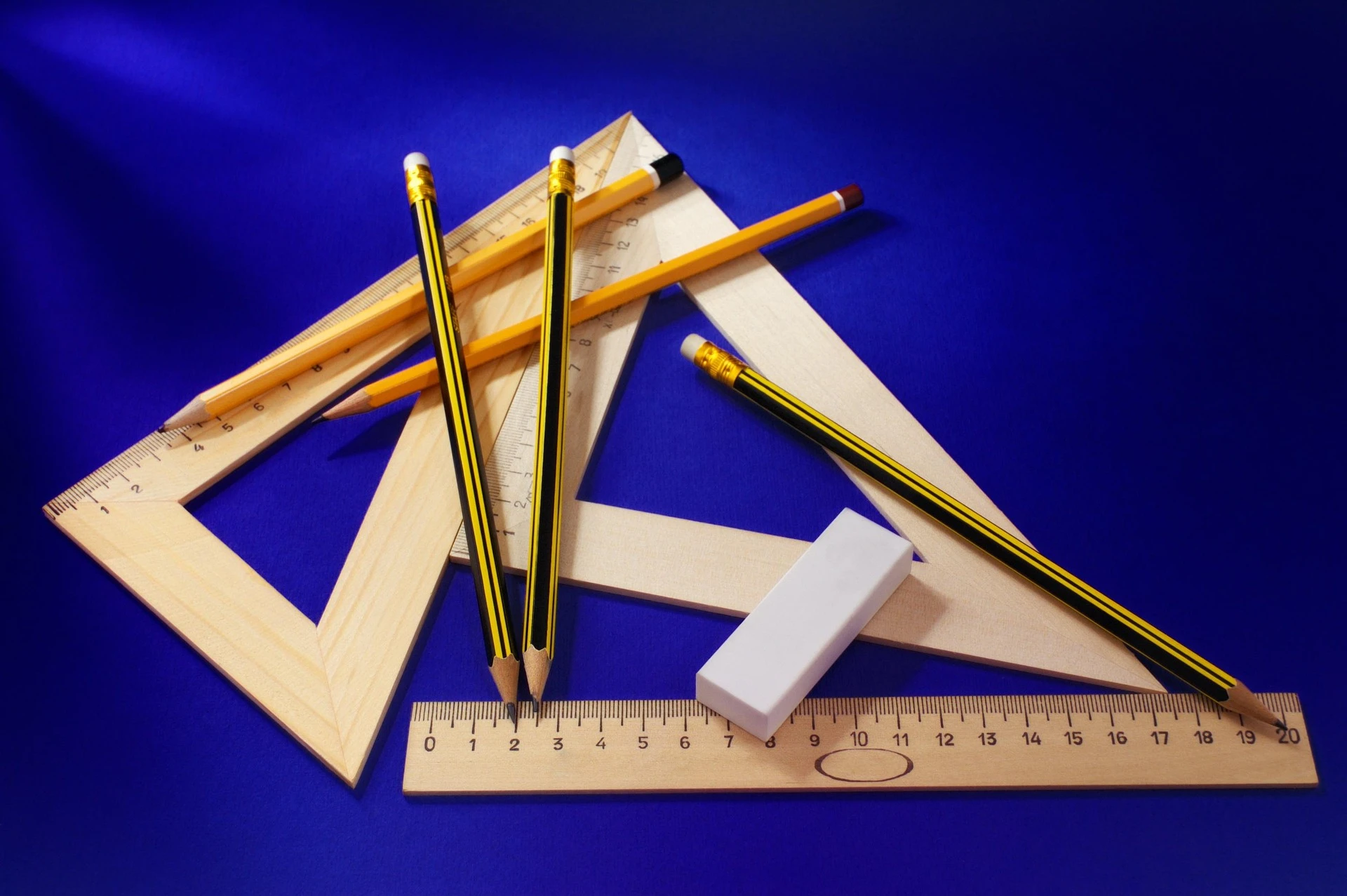
The metric system was invented by France / Photo chosen by Monsieur de France by Dmitriy from Pixabay
-
Innovation: Creating a universal common language based on nature (the meter, the liter, the kilogram).
-
Impact: Today, almost every country uses it. It is indispensable in science. Without it, globalization and modern engineering would not exist.
The smart card: Security in your pocket
While the concept of bank cards is international, the chip card, which secures your transactions, is a French invention created by Roland Moreno in 1974. No more need for bills or coins, and easier payments.
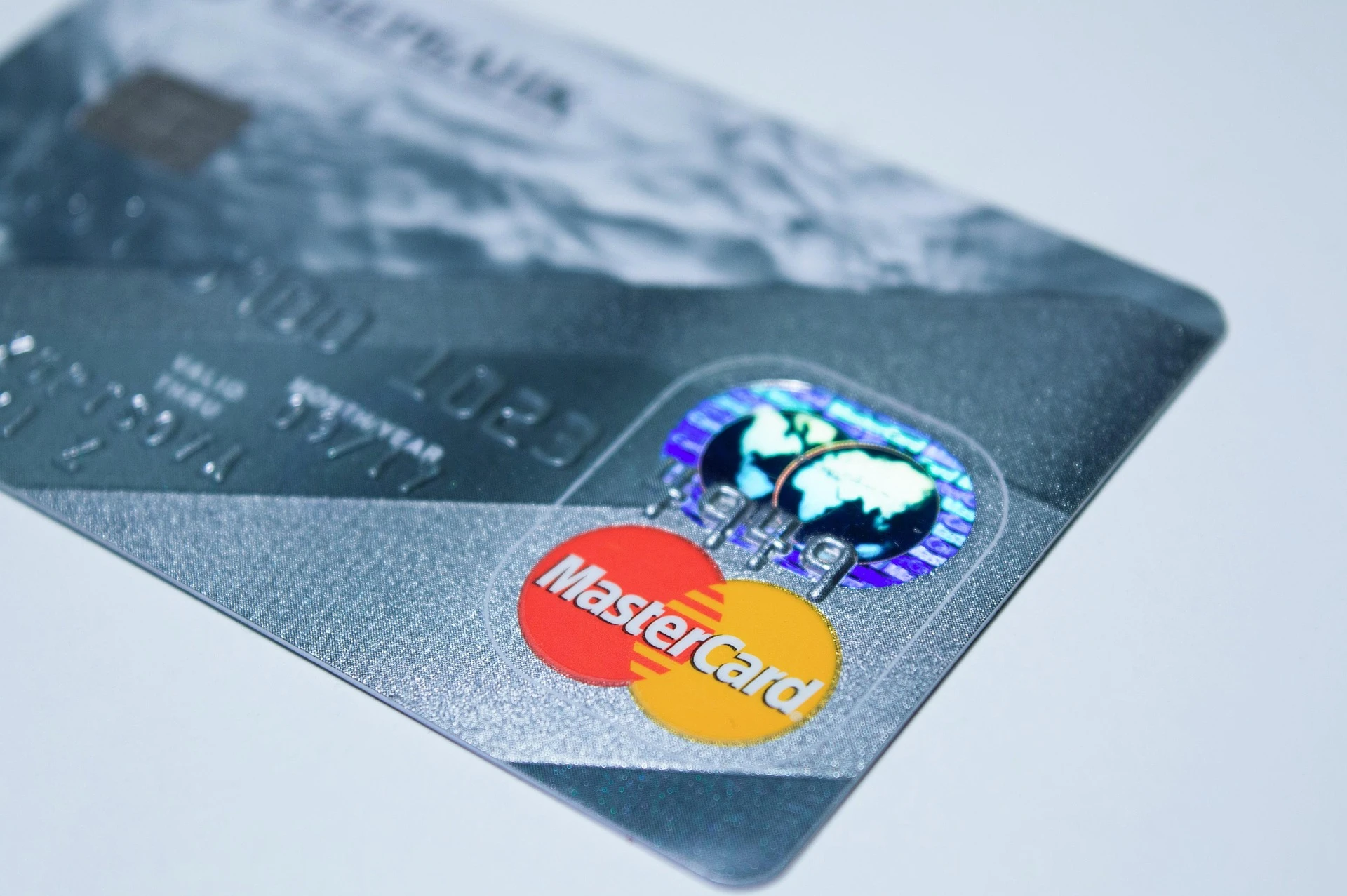
The smart card is a French invention / Photo chosen by Monsieur de France: by Alina Kuptsova from Pixabay
-
The impact: It enabled the rise of electronic payments and e-commerce by significantly reducing fraud. Every ATM withdrawal or contactless payment is a tribute to this French genius.
Photography: capturing the world forever
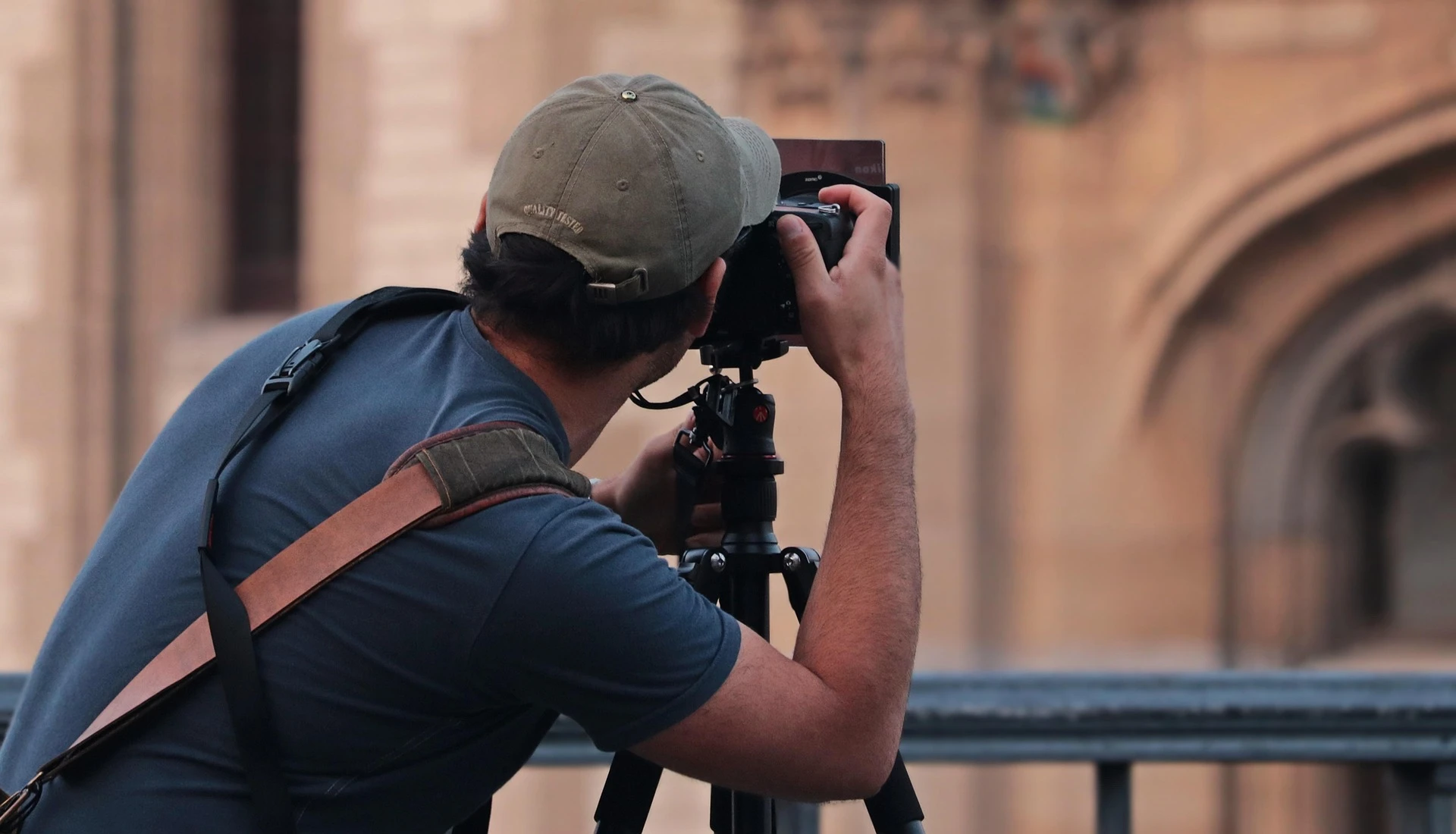
Photography is a French invention / Photo selected by Monsieur de France by NoName_13 from Pixabay
France has taught the world how to immortalize and create. Behind each of the more than 5 billion photos taken every year around the world (nearly 70,000 per second!), there is France, since it was there that photography was born in the early 19th century, forever changing our relationship with time and memory. Thanks to the work of Nicéphore Niépce, who produced the first permanent image in 1826, and then to the invention of the daguerreotype by Louis Daguerre, humanity was able, for the first time, to preserve a faithful record of reality. Without this French innovation, visual journalism, modern historical archives, and even our current social networks would not exist. France literally taught the world how to remember.
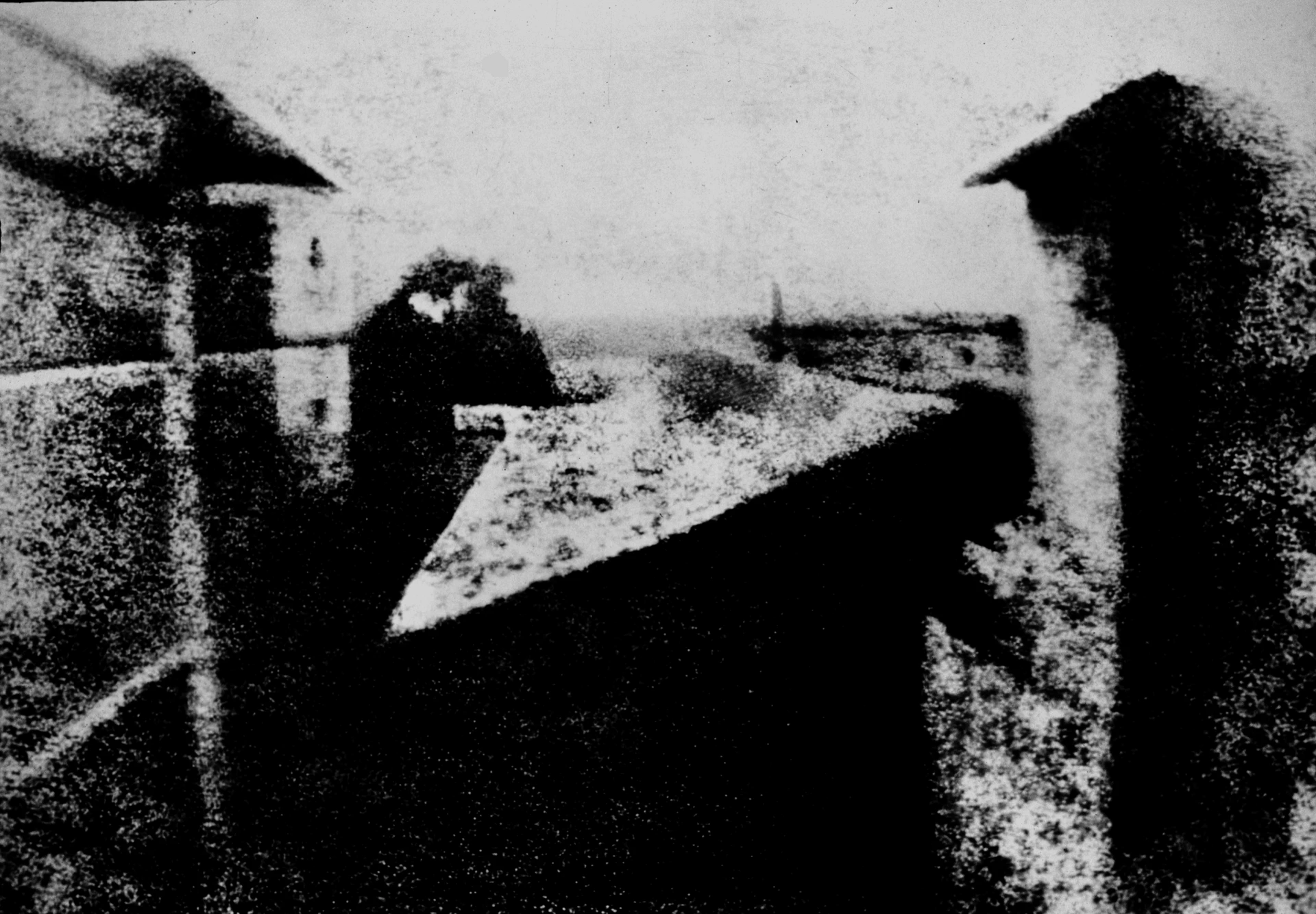
The oldest photograph in human history: View from Le Gras, taken in 1827 by Joseph Nicéphore Niépce / Image source: Rebecca A. Moss, Director of Visual Resources and Digital Content Lab, via email. College of Liberal Arts Office of Information Technology, University of Minnesota,http://www.arthist.umn.edu/vrcinfo/. Public domain, https://commons.wikimedia.org/w/index.php?curid=107221
-
Innovation: Using chemistry and light to fix an image onto a physical medium, without the intervention of the painter's hand.
-
The impact: Without this innovation, visual journalism, modern historical archives, and social media would not exist. France taught the world to remember.

🎬 Cinema: A global industry
Cinema is a French invention / Photo chosen by Monsieur de France: by Alfred Derks from Pixabay
Thank you, France, for the emotions we experience when we watch a film or series thanks to moving images. Cinema was born in France in 1895, thanks to the Lumière brothers. We owe them the first screenplays and the first public film screenings. By inventing the Cinematograph, they transformed a scientific curiosity—the ability to replay a scene using moving images—into a universal art form and a colossal industry. We also owe the invention of special effects and the desire to use cinema as a means of storytelling to a Frenchman. Georges Méliès (1861-1938) understood very early on that the camera could create illusions: freeze frames, superimpositions, painted sets, and makeup. He founded the Star Film studio and made hundreds of films, including the cult classic A Trip to the Moon (1902). Méliès transformed cinema into a spectacle of imagination, long before Hollywood.
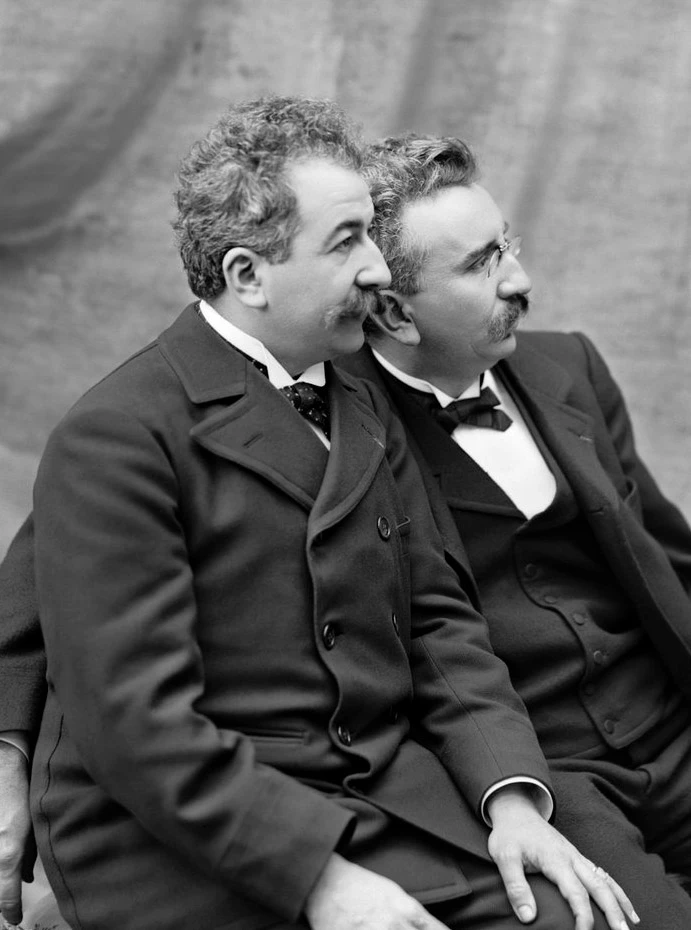
Auguste and Louis LUMIERE, inventors of the cinematograph / Photo selected by Monsieur de France: By unknown author — MeisterDrucke, Public Domain, https://commons.wikimedia.org/w/index.php?curid=452416
-
Innovation: Creating a machine capable of both filming movement and projecting it onto a large screen for a collective audience.
-
The impact: The entire global imagination, from Hollywood studios to streaming platforms, stems from this initial gesture. France has given the world a new language.
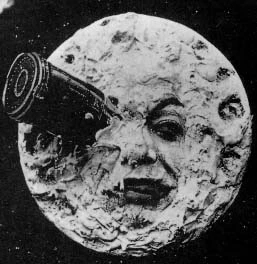
A Trip to the Moon, film by Georges Méliès, inventor of special effects in cinema / Photo selected by Monsieur de France Roger-Viollet, Public domain, https://commons.wikimedia.org/w/index.php?curid=3741590
Pasteurization and Vaccines: The Medical Revolution
Vaccination is a long journey, and France was just beginning. We have forgotten, but Louis XVI was one of the first to be vaccinated, in public, against smallpox. It was scandalous at the time. Later, in the 19th century, Louis Pasteur (1822-1895) demonstrated the role of microbes, explained fermentation, and established the concept of modern hygiene. He invented pasteurization, which makes food and beverages safe. He developed major vaccines (including rabies) and paved the way for microbiology and immunology. His discoveries transformed medicine, surgery, and nutrition, saving millions of lives.
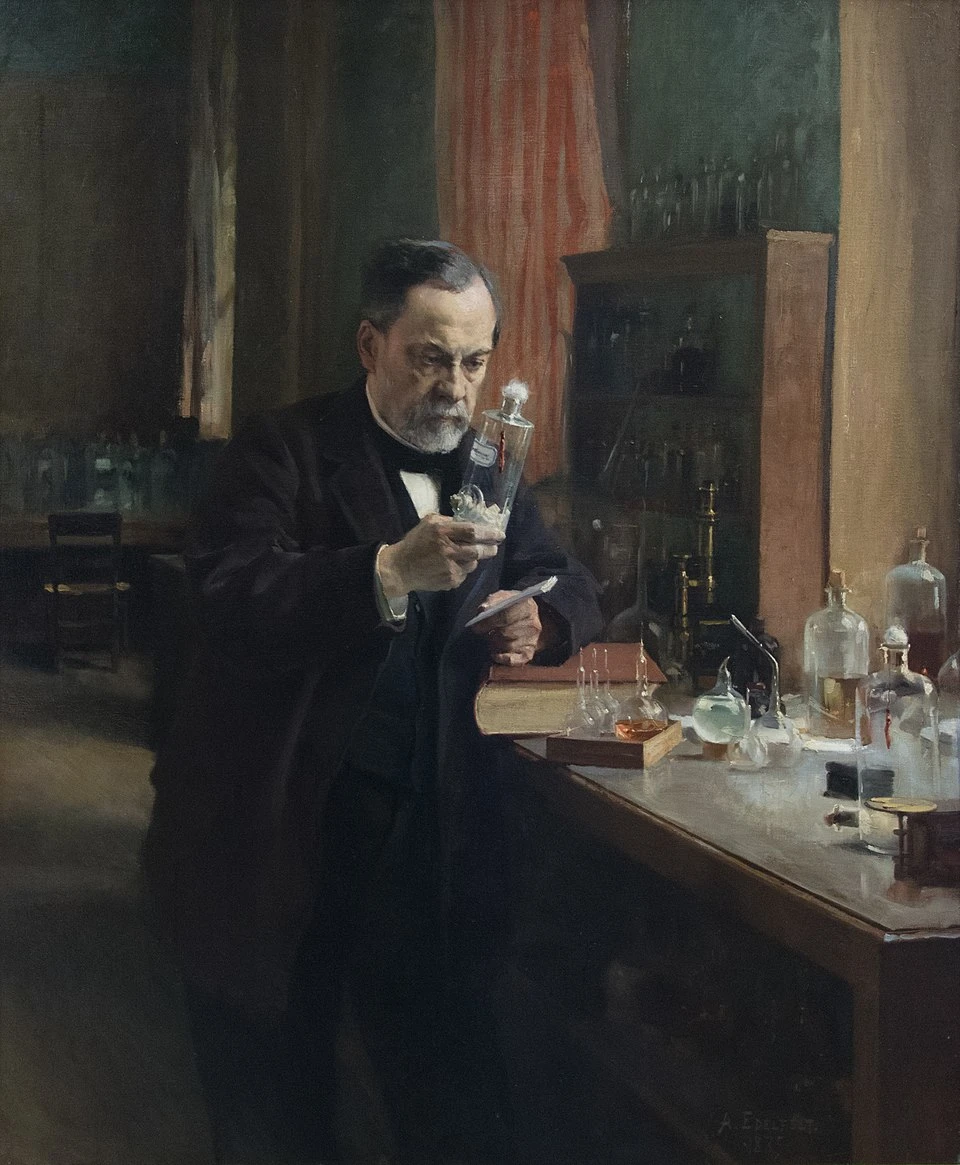
Louis Pasteur / Photo selected by Monsieur de France: By Albert Edelfelt — Personal photograph, Public domain, https://commons.wikimedia.org/w/index.php?curid=44729437
-
Innovation: The discovery of microbes and the development of the rabies vaccine.
-
Impact: Aseptic conditions in hospitals and the pasteurization of our food (milk, beer, canned goods) are direct results of his work. It is the foundation of modern hygiene.
The Restaurant: A Social Way of Life
The "restaurant" as we know it today is a purely French creation. Before that, people ate a single dish at a communal table in inns or at home. It was at the end of the 18th century that places dedicated to dining in good company began to appear, thanks in particular to the chefs of aristocrats whose employers had been driven out by the French Revolution and who had to find a way to earn a living. It is to them that we owe the idea of a table with someone who comes to take your order, the menu (which arrived in the 19th century) and the final bill.
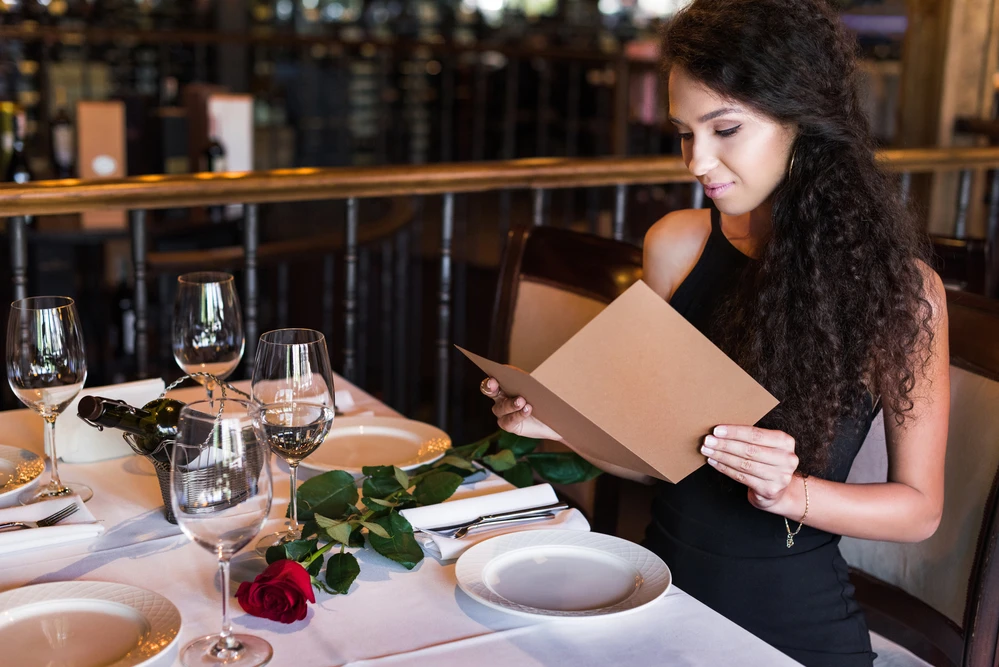
A menu at a restaurant / photo selected by monsieurdefrance.com: IgorVetushko Depositphotos_161946350_S
-
Innovation: A place where you sit at an individual table, choose from a menu, and receive a bill.
-
The impact: This model of conviviality is now the cornerstone of social life on every continent.

On the terrace of a Parisian brasserie. Photo selected by monsieurdefrance.com: asinskki / Depositphotos.
Braille: Opening the doors of knowledge to the visually impaired
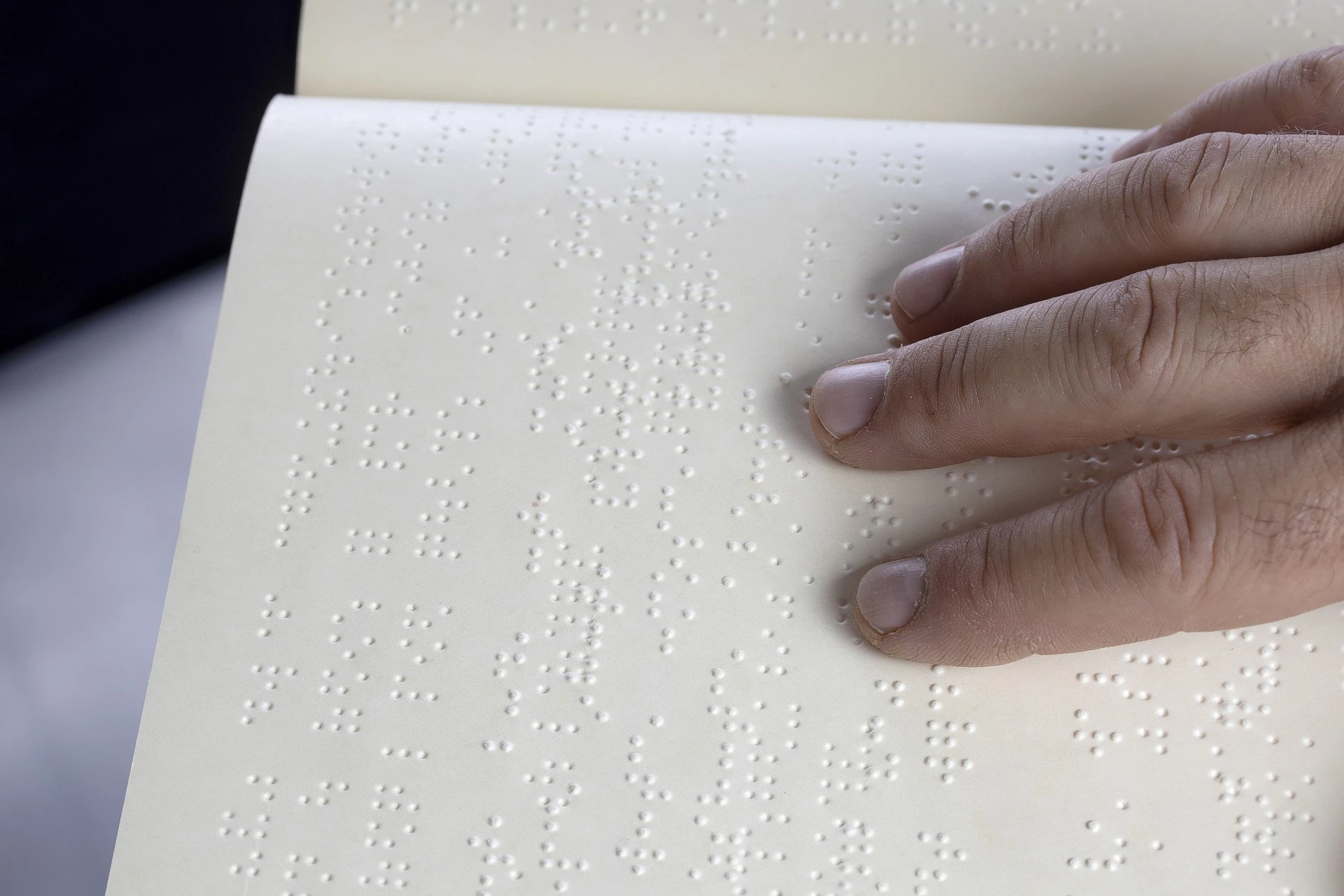
Braille was invented by the very young Frenchman Louis Braille. Photo selected by Monsieur de France: by Myriams-Fotos from Pixabay.
Louis Braille (1809–1852) was the French inventor of Braille, the tactile reading and writing system for blind and visually impaired people. Having lost his sight as a child following an accident, he adapted a code of raised dots and, at just 15 years of age, developed a simple and logical alphabet based on 6 dots (which was later expanded). Braille revolutionized access to education, reading, and independence, and is now used worldwide. Louis Braille's hands remain in his native village, and his body rests in the Pantheon.
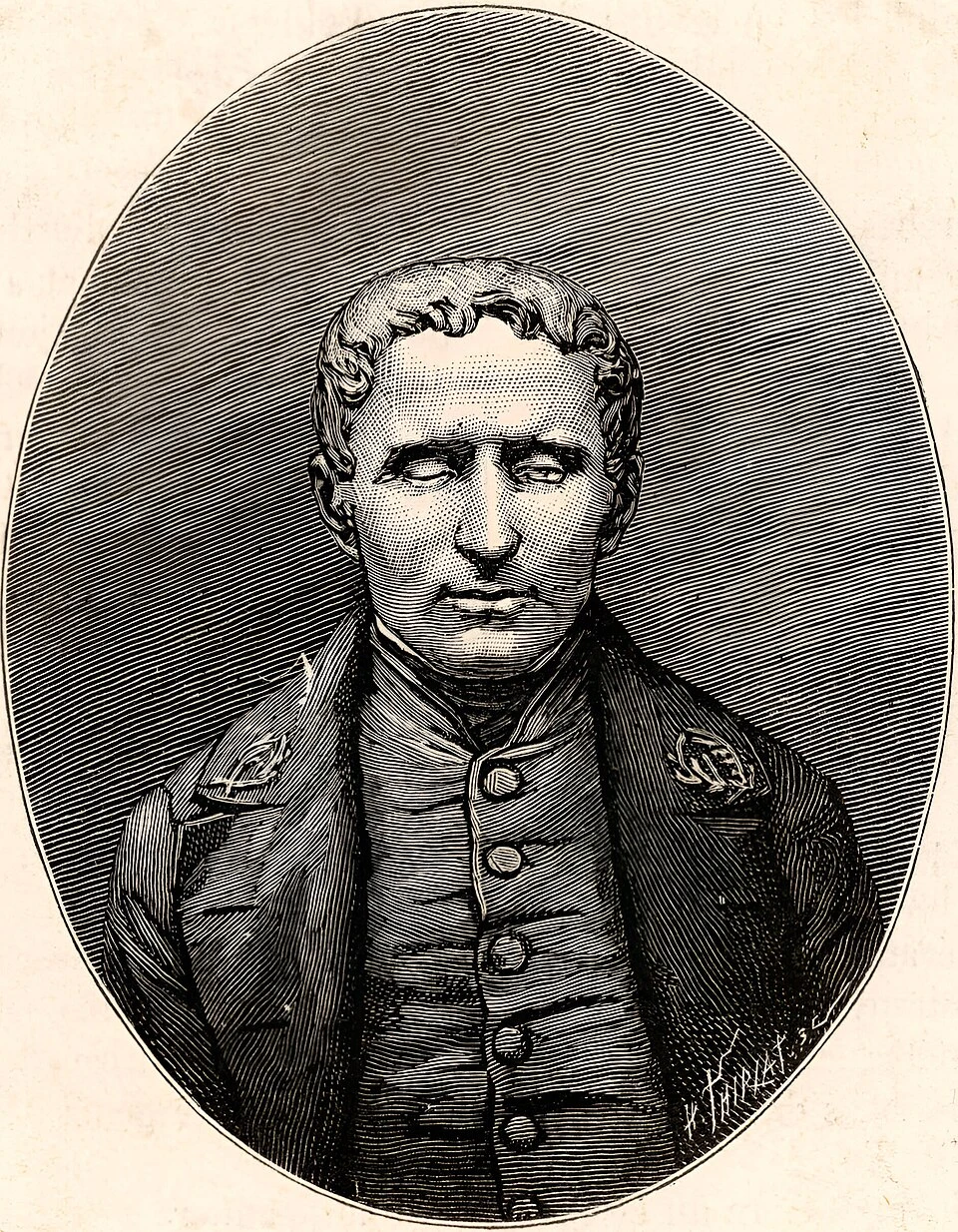
Louis Braille / Illustration chosen by Monsieur de France By Henri Amédée Thiriat — Original publication: (in French) (1887) La Nature: revue des sciences et de leurs applications aux arts et à l'industrie, 15, G. Masson, p. 20Direct link: https://www.alamy.com/stock-photo-louis-braille-thiriat-56713536.html, Public domain, https://commons.wikimedia.org/w/index.php?curid=176528024
-
The impact: This logical and universal system has enabled the inclusion of millions of visually impaired people around the world, giving them access to education and independence.
The Canned Food Box: Food security for all
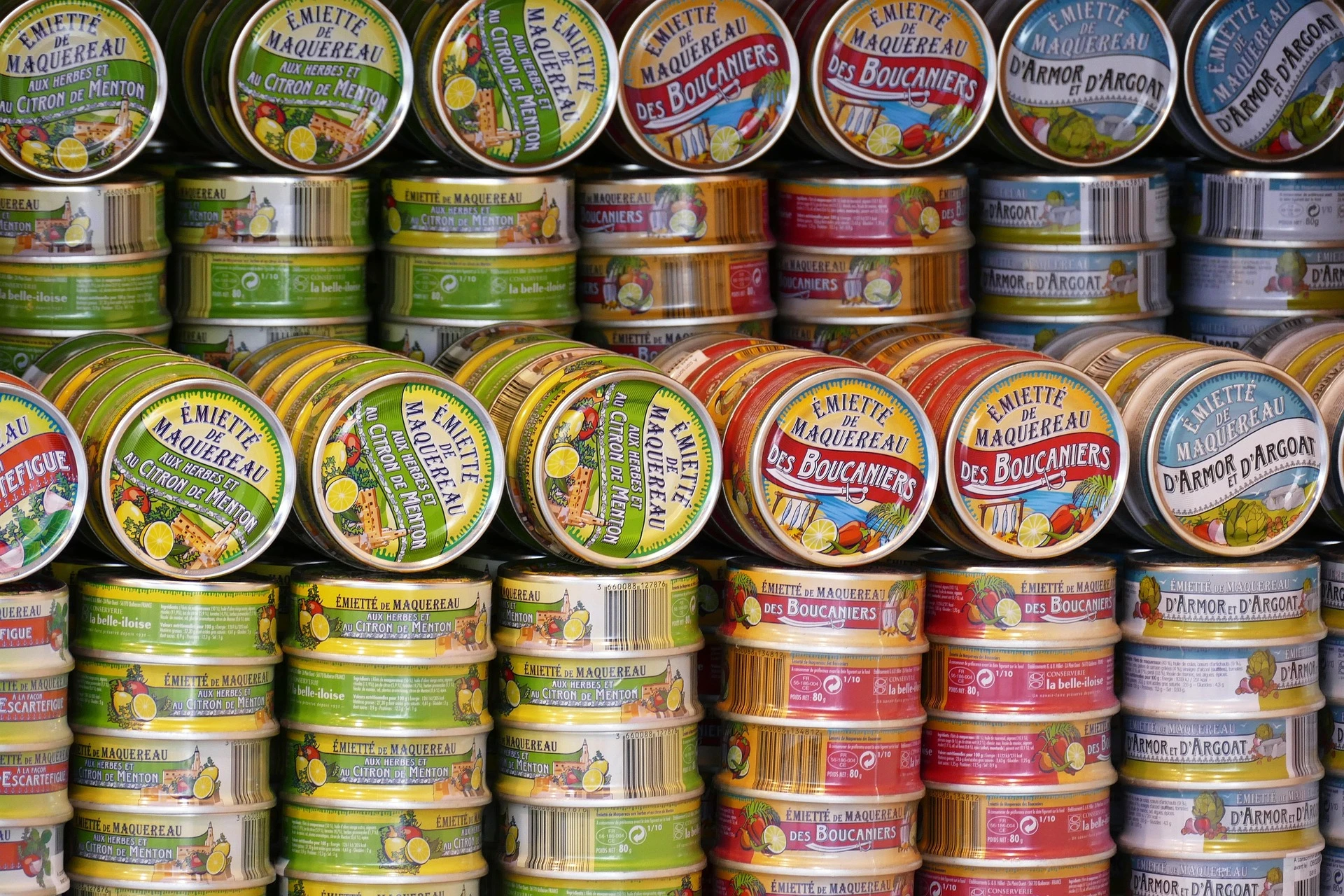
The tin can is a French invention/ Photo chosen by Monsieur de France: heberhard from Pixabay
The tin can is a purely French invention. It was at the end of the 18th century, in 1795, that Nicolas Appert, a Parisian confectioner originally from Lorraine, developed a process for preserving food by heat in airtight containers. Nicknamed the "humanitarian of gastronomy," he refused to patent his invention so that it could be used by as many people as possible. First made of glass, then adapted to tinplate by the British, who awarded Appert the title of benefactor of humanity, this invention put an end to the scourge of scurvy and made it possible to transport healthy food all over the world, from battlefields to polar expeditions.
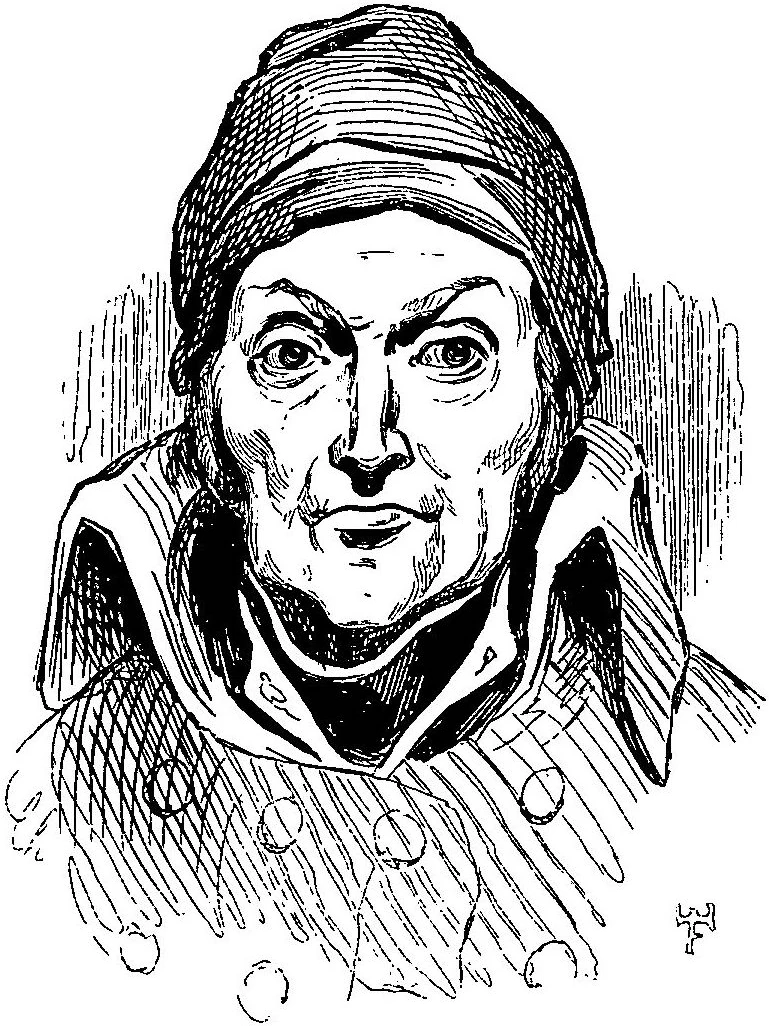
Nicolas APPERT, inventor of canned food / Illustration chosen by Monsieur de France By Édouard Foucaud — This image comes from the Gallica online library under the identifier ARK bpt6k214951m/f635, Public domain, https://commons.wikimedia.org/w/index.php?curid=5699571
-
Innovation: Appertization, a process of sterilization by heat in a sealed container that prevents the proliferation of bacteria.
-
The impact: This preservation model is now the cornerstone of global food security, enabling entire populations to be fed and waste to be reduced.
The TGV: High-speed mobility
The TGV (Train à Grande Vitesse, or high-speed train) is one of France's great technological achievements. Launched commercially in 1981 on the Paris–Lyon line, it proved that it was possible to travel very quickly, comfortably, and in large numbers. The TGV has transformed the concept of distance, bringing cities closer together and inspiring many high-speed networks around the world. It is based on unique French expertise in railway engineering, operation, and safety. A symbol of modern and sustainable mobility.
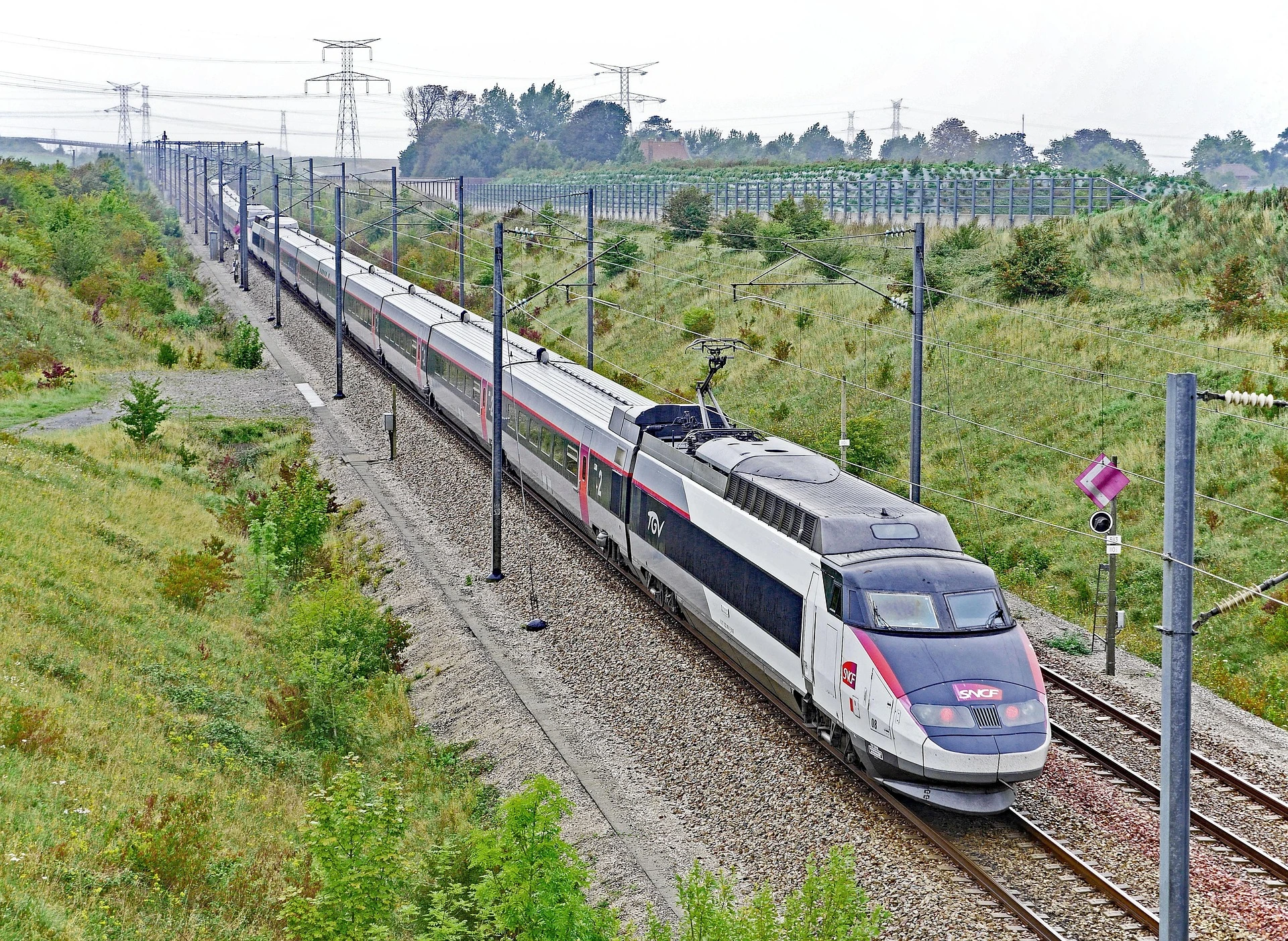
The TGV, a French invention / Photo selected by Monsieur de France by Erich Westendarp from Pixabay
-
The impact: This model of efficiency and technology has inspired rail networks around the world, from Spain to China, redefining the way we travel.
Conclusion – Quiet pride
France does not always invent to impress, but to structure. Its inventions have become so indispensable that they have become invisible. Measuring, caring, feeding, paying, remembering... Every day, without knowing it, the world uses a little bit of France. And that is perhaps its greatest achievement.
FAQ – Your questions about French inventions
What is the most important French invention in history?
The metric system is considered France's most universal invention. Created during the Revolution, it is used by 95% of the world's population.
Who invented the chip card?
It was Frenchman Roland Moreno who patented the smart card in 1974, thereby securing the payments of billions of people every day.
Is cinema really a French invention?
Yes. While other researchers were working on the moving image, the Lumière brothers were the first to project films on a large screen for a collective audience in 1895.
Why do we say that restaurants are a French invention?
The concept of eating "à la carte" at an individual table originated in Paris around 1765. France structured the service and hospitality as we know it today.
What medical inventions do we owe to France?
In addition to modern vaccination (Pasteur), France is also credited with inventing the stethoscope (Laennec) and the piston syringe (Pravaz).
Illustrative image: by Laurent Duval from Pixabay