Monsieur de France’s Homemade Lemon Tart Recipe
Serves 8
Ingredients for 8 Guests: The Essentials
For the shortbread (and sweet) pastry
- 1 large egg
- 80 grams soft butter
- 100 grams sugar
- 200 grams white flour (wheat).
- 1 pinch of salt
For the trim
- 3 large eggs
- 4 lemons (untreated is best, otherwise rinse thoroughly).
- 15 grams Maïzena (family starch) or one tablespoon
- 125 grams cane sugar (or brown sugar).
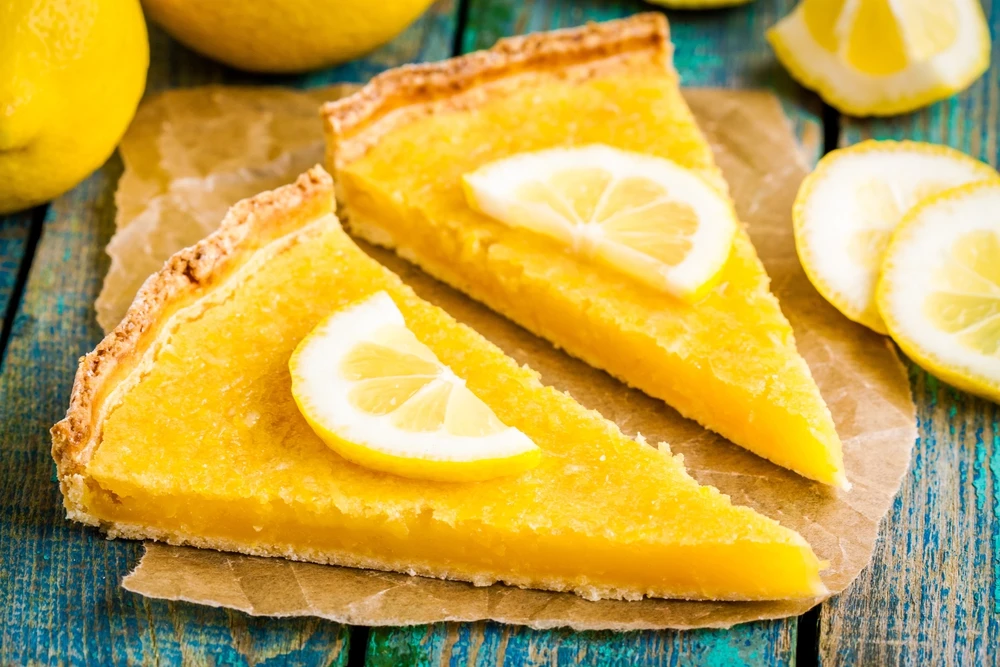
How to Make the Perfect Shortcrust Pastry
1
Soften the butter by taking it out a little beforehand and cut into pieces.
2
It's best to sift your flour. Then take a bowl and put the flour in it. Add the powdered sugar and a pinch of salt and mix everything together.
3
Add the butter in wedges to the dry mixture, and start working the dough with your fingertips. When it's already a little set, add the whole egg and knead again with your fingertips. Your dough should be smooth and homogeneous.
4
Cover the dough ball with cling film or a clean tea towel and refrigerate for 2 hours.
5
Preheat the oven to 210°C (gas mark 7), flour and butter your tart tin, and roll out the pastry (on a floured work surface, or better still, on baking paper). It should be about 3 mm thick.
6
Prick the dough with a fork. Bake the dough "à blanc", placing dry white beans, small weights or, better still, hazelnuts on top. Preheat the oven to 210°C, place in the oven and immediately lower the temperature to 180°C. Bake for 15 minutes, then take out the empty tart and leave to cool.
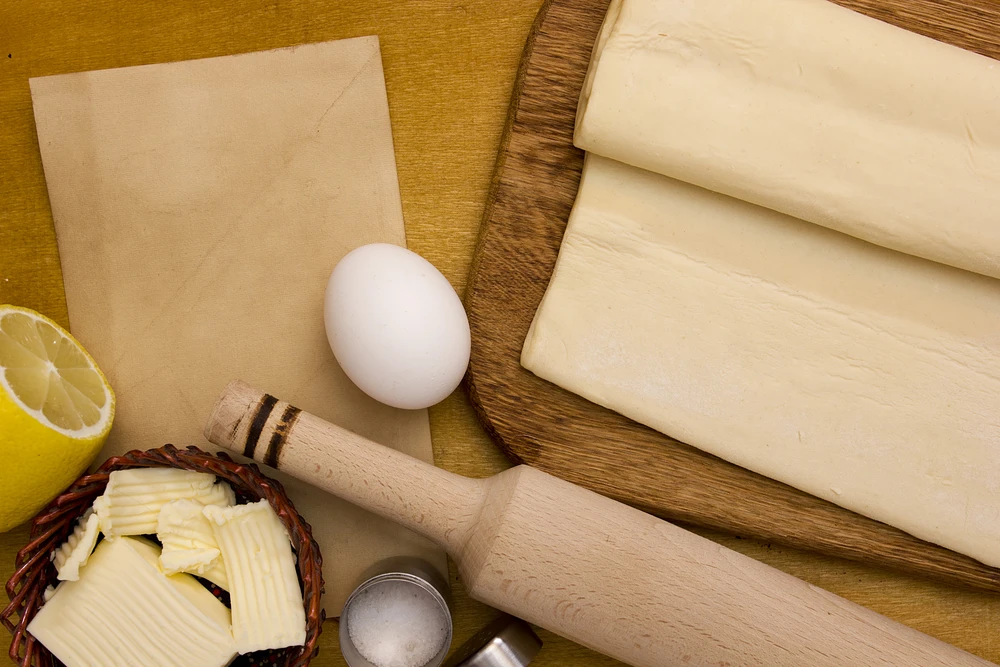
The Lemon Filling: Balancing Zest and Creaminess
1
In a large bowl, grate the well-washed lemons and squeeze out the juice. Strain to keep the zests separate. Cut your 50 grams of soft butter into pieces.
2
Beat your 3 eggs in a bowl and add the cornflour, cane sugar and zest obtained earlier, then beat the mixture until it whitens.
3
Cook your lemon juice (without the zests) in a saucepan, and when it's boiling, add it to your previous mixture (eggs, cornflour, sugar and zests), whisking briskly.
4
Put this mixture into the saucepan used to boil the lemon juice, stirring while you cook over low heat to thicken for about 5 minutes. Then remove from the heat and leave to cool on the side.
5
Add the chopped butter to the cream you made earlier. It should be smooth and homogeneous.
6
Take your cooked tart, remove the weights or hazelnuts, pour the lemon-egg sugar-mazena-butter mixture over it and smooth well. Your tart is ready.
Pro Tip: Why Chilling is the Key to Success
Chill in the fridge a little before serving.

Bonus: How to Make it a Lemon Meringue Tart
Same recipe earlier, with the meringue.
Ingredients:
- 2 egg whites
- 5 grams cornstarch (1 teaspoon).
- 100 grams powdered sugar
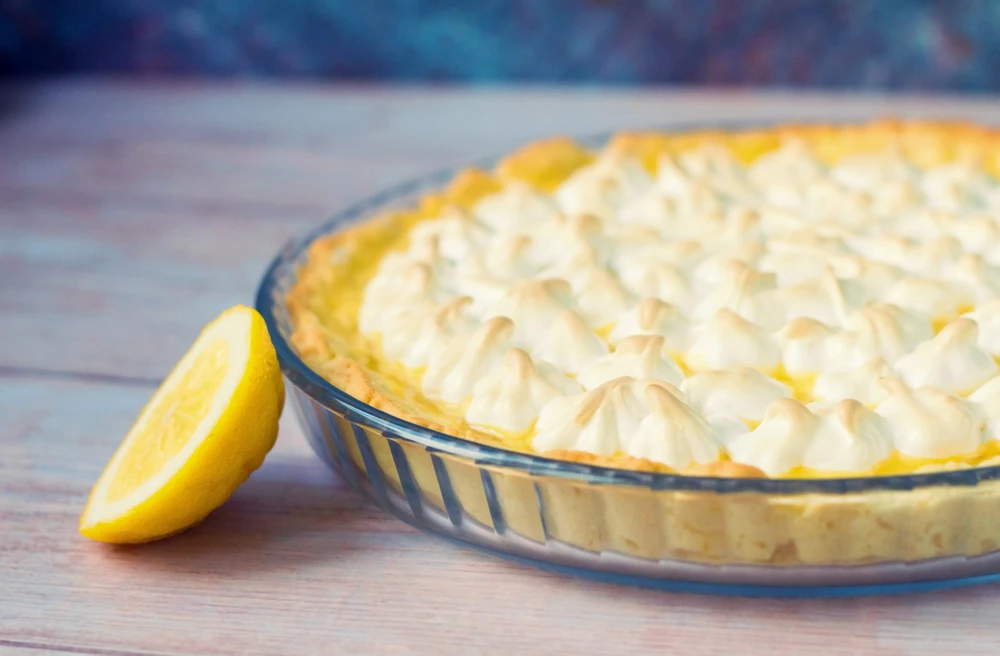
A beautiful lemon meringue pie. Photo chosen by monsieurdefrance.Com: nKazar via depositphotos.
The process
1
Preheat oven to 150°C mark 5.
2
Take your egg whites and whisk them well, adding a pinch of salt. they should be a little firm.
3
When the beaten eggs are firm, add the 100 grams of sugar, the 5 grams of cornflour and beat again. They should be firm.
4
Place your meringue on the tart, either smoothing it with a spatula or using a piping bag (it's tedious but pretty).
5
Turn the oven down to 120°C (gas mark 4) and place the tart in the oven. Keep an eye on it, but after 10 minutes, the meringue will take on a golden hue. The tart is ready.

FAQ – Lemon tart
What is the difference between a lemon tart and a lemon meringue pie?
A classic lemon tart is filled only with lemon cream, without meringue. A lemon meringue pie adds a layer of meringue, often poached and browned, which softens the tartness of the lemon and provides a contrast of textures between crunchy, melt-in-the-mouth, and light and airy.
How do you make a tart and tangy lemon tart?
A tart with a tangy lemon flavor is made with enough fresh lemon juice and a little sugar. Avoid industrial juices, use the zest as well, and don't overcook the cream in order to preserve all the freshness and natural flavor of the lemon.
Why is my lemon tart too runny?
A lemon tart that is too runny is usually the result of cream that is undercooked or poorly blended. Thicken the mixture in a saucepan before pouring it onto the pastry and follow the proportions of eggs and butter to achieve a firm texture after cooling.
What type of pastry should I use for a lemon tart?
Shortcrust pastry is most commonly used for lemon tarts as it adds crunch and balances the acidity. Sweet pastry is also suitable for a more melt-in-the-mouth result, while shortcrust pastry is less common but still possible for a simpler version.
Can a lemon tart be prepared the day before?
Yes, a lemon tart can be prepared the day before without any problem. It can be stored in the refrigerator and actually keeps better after a few hours of rest, which allows the cream to set properly and the flavors to develop fully.
Which lemon should you choose for a lemon tart?
Lemon is the most commonly used lemon for lemon tarts due to its balance of acidity and fragrance. Untreated or organic lemons are preferable, especially if you are using the zest, to avoid any bitterness or unwanted residue.
How can you prevent a lemon tart from tasting bitter?
To avoid bitterness, only use the zest without the white part and do not boil the lemon juice for too long. Gently cooking the cream and achieving a good balance between sugar and acidity will give you a clean and pleasant flavor.
Can lemon tart be frozen?
Lemon tart without meringue can be frozen, although the texture will be slightly altered when thawed. However, lemon meringue pie does not freeze well, as meringue does not tolerate cold and humidity.
Learn more about French cuisine
The complete guide to French cuisine
Traditional French recipes you must try
Discover the secrets of French desserts
The gastronomic meal of the French (UNESCO heritage)