1. What Makes French Gastronomy Unique?
In a country that loves to grumble and argue, where people are often very different from one another, and where regions are very different from one another, cuisine brings people together. It is as much a part of French identity as history and symbols such as the blue, white, and red flag or the Marseillaise. To understand why France sits at the absolute pinnacle of global culinary influence, one must understand the concept of Terroir. While often translated simply as "soil," to the French, it represents a sacred trinity: the specific geology and climate of a place, the history of the land, and the ancestral skill of the artisans working it.
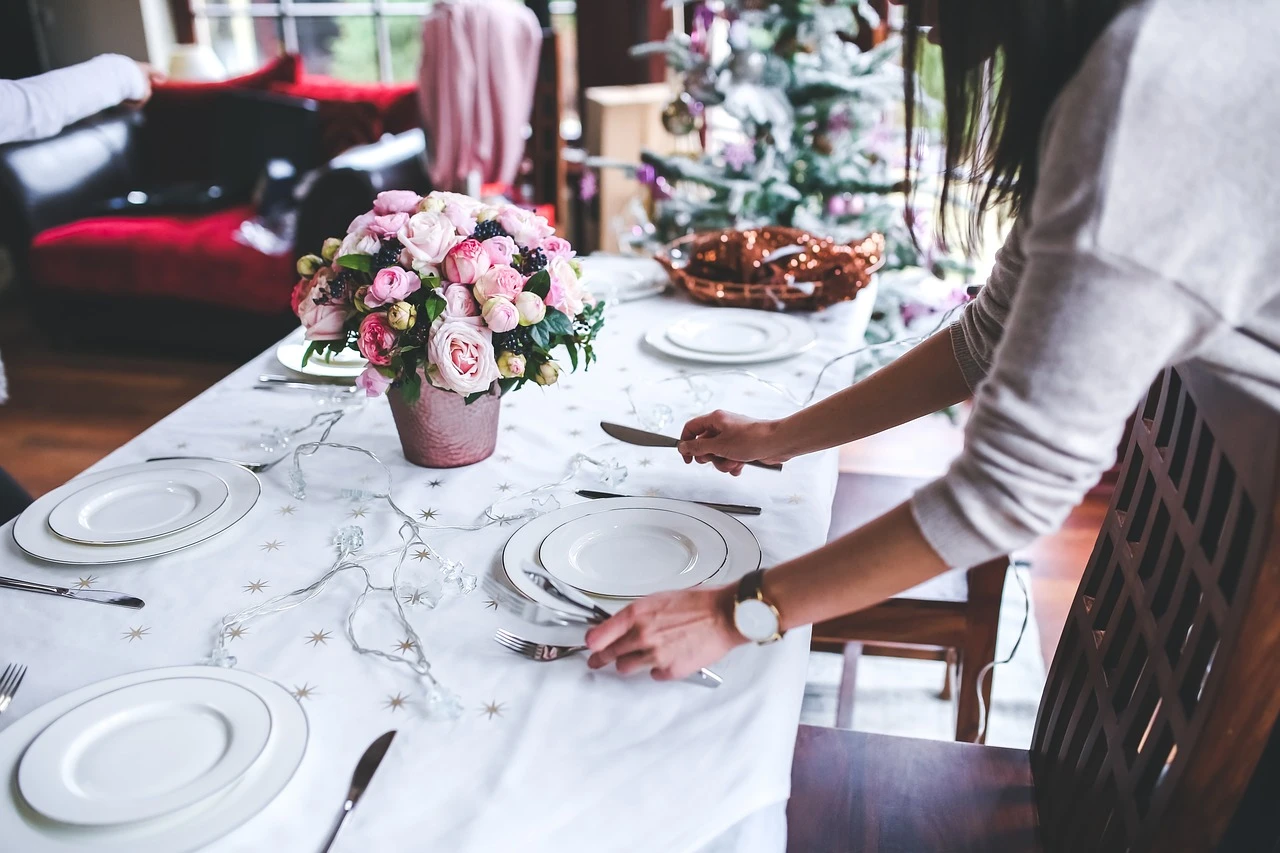
We set the table Image by Karolina Grabowska from Pixabay
The Cultural Quad-Factor: Food + History + Culture + Travel
Unlike generic food blogs, the French approach to eating is inseparable from its history. Every cheese tells a story of medieval monks; every wine reflects the limestone layers of an ancient sea. In France, we don't just consume calories; we consume heritage. This connection is why a strawberry in a French market tastes different—it hasn’t been engineered for long-distance transport; it has been grown for the specific micro-climate of its valley.
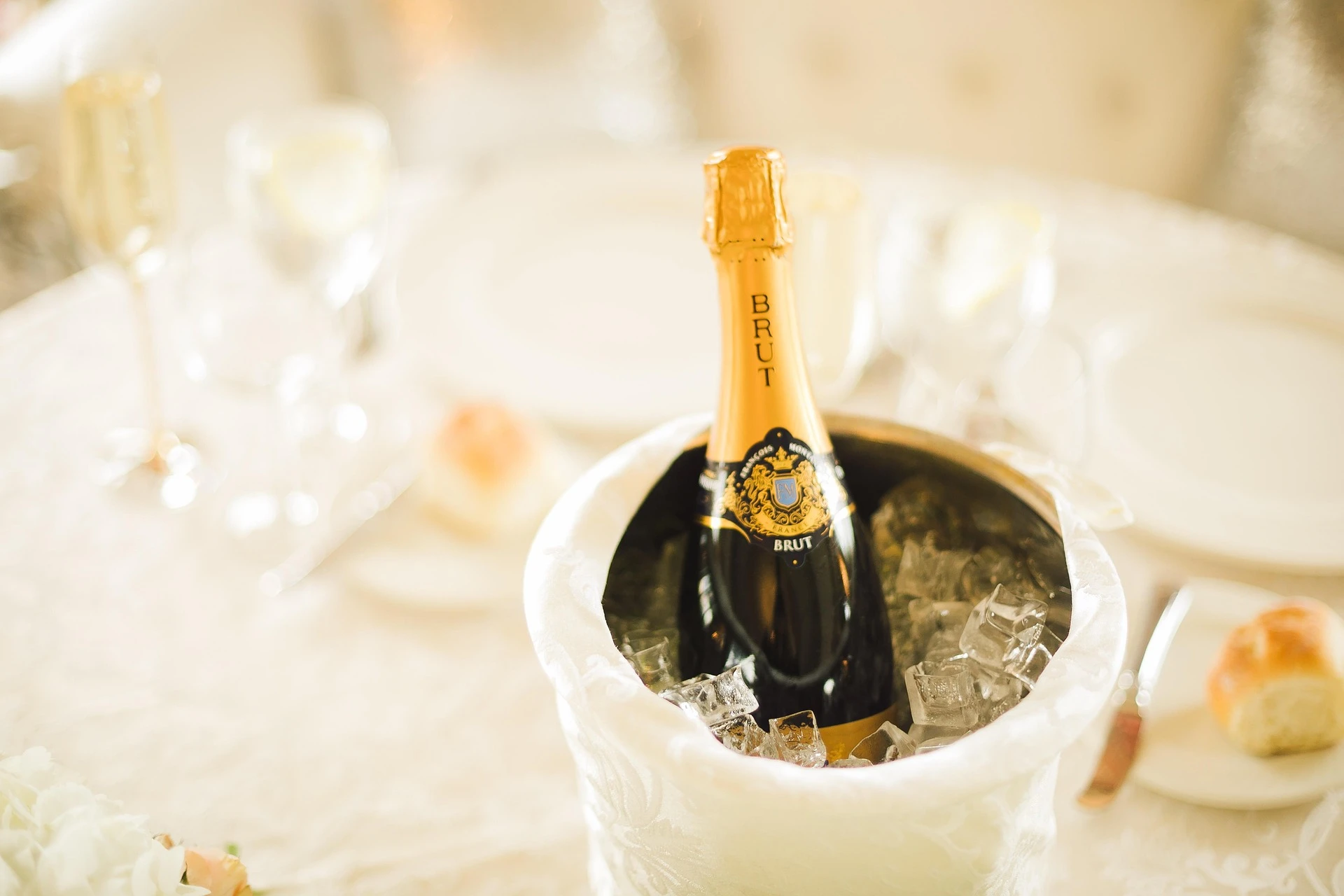
image par Lubov Lisitsa de Pixabay
The "French Paradox" and Quality Over Quantity
Americans have long been fascinated by the French Paradox: a culture that consumes rich butter, full-fat cheeses, and daily bread, yet maintains remarkably low rates of heart disease. The secret is not a "magic pill" but a philosophy of Quality over Quantity. We prioritize unprocessed, and seasonal products. We eat real fats that provide satiety, and most importantly, we view the meal as a slow, restorative process rather than a quick biological necessity.
2. The True History: From the Royal Court to the Bistro
To truly appreciate French food culture, you must understand the two seismic shifts that created the modern restaurant industry.
The 1789 Revolution: Democratizing the Palate
Before the French Revolution, "fine dining" was locked behind the gates of the aristocracy. The greatest chefs in the world worked exclusively for Kings and Dukes. When the Revolution saw the nobility flee (or lose their heads), these chefs found themselves unemployed. To survive, they opened the first Restaurants in Paris. For the first time in history, a common citizen could sit at a table, read a menu, and eat the food of royalty. This democratized high-end technique and turned France into the world's culinary laboratory.

On the terrace of a Parisian brasserie. Photo selected by monsieurdefrance.com: asinskki / Depositphotos.
The "Oil-Butter Line" (La Ligne Oléicole)
A common mistake is to think all French food is based on butter. In reality, France is historically divided by a climatic border known as the Ligne Oléicole.
-
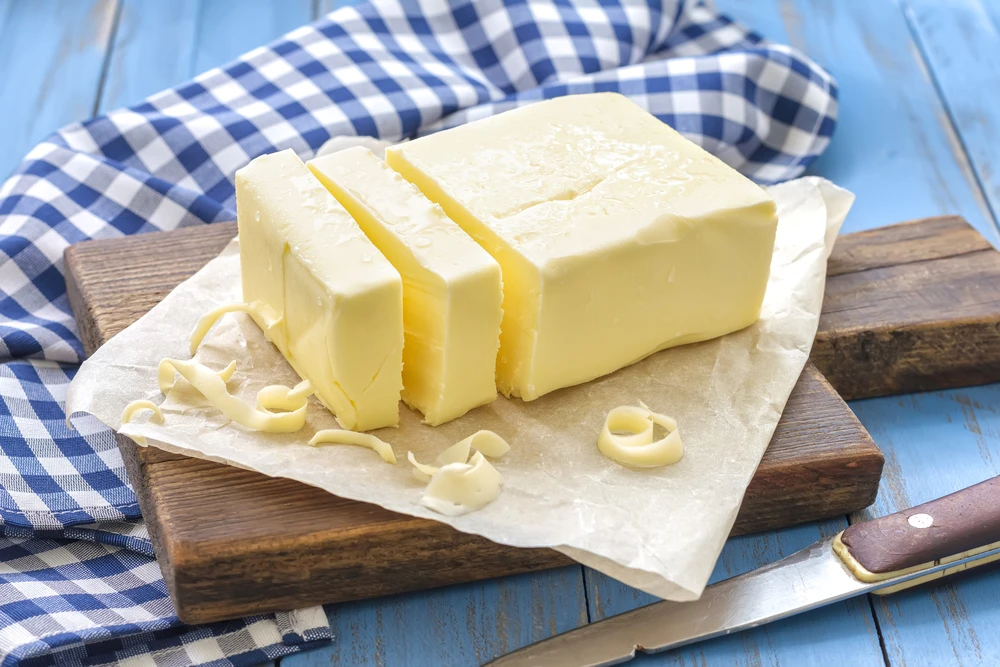
The North (The Butter Belt): Rich pastures and heavy rainfall made cattle farming the primary agriculture. Here, butter and cream are the bedrock of every sauce. It must be said that, honestly, French butter is a pure delight.
-
The South (The Olive Empire): Once you cross a certain latitude, the climate becomes too dry for lush pastures but perfect for the olive tree. Here, olive oil and garlic take over, creating a Mediterranean profile.
shutterstock
3. How French People Eat: The Sacred Rituals
If you want to blend in like a local, you must respect the rituals of the table. In France, a meal is a theatrical progression that follows a strict, time-honored structure.
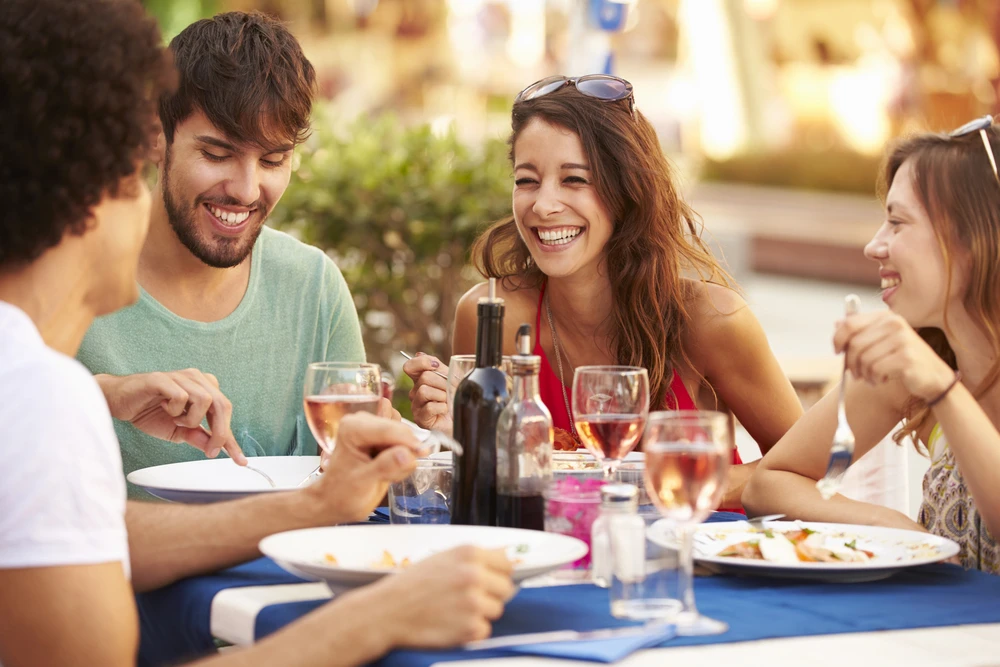
Lunch in summer on a terrace or in a garden is an infinitely French pleasure / Photo selected by monsieurdefrance.com: depositphotos
Anatomy of a French Gastronomic Meal
A proper French meal is never rushed. It is designed to allow conversation to flow alongside the wine. If there's one thing you should remember about French meals, it's that we take our time and we talk... about food. Yes! At the table, we often talk about what we've eaten, what we're eating, and what we'll eat next. We also like to talk about life. It's a very intimate time. Very warm and welcoming.
-
L’Apéritif: Often shortened to "l’apéro," this is the transition from work to pleasure. It involves a light drink (wine, Kir, or a bitter) and small snacks to stimulate the appetite.
-
L’Entrée: In the US, "entrée" means main course. In France, the Entrée is the Starter. It is meant to prepare the palate—think of a leek vinaigrette, a pâté, or a light soup.
-
Le Plat Principal: The main course. This is where the protein (meat or fish) and seasonal vegetables take center stage.
-
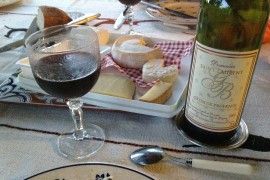
Le Fromage: Served before dessert. A selection of cheeses at room temperature, never straight from the fridge.
-
Le Dessert: The sweet finale.
-
Le Café: Always served last, never during the meal. It is usually a small, strong espresso.
In recent years, the French have come to appreciate the “apéro dinatoire,” a much more elegant and, above all, healthier version of our charcuterie boards. Here's how to make it

No age limit for aperitif! photo Alessandro Pintus shutterstock.com
Table Etiquette for the International Traveler
-
The Bread Rule: You won't find a side plate with butter. Bread is placed directly on the tablecloth. It is a utensil used to "sauce" (wipe up) the remaining flavors from your plate—the highest compliment to the chef.
-
The Water Rule: A "carafe d'eau" (tap water) is free and mandatory. You do not need to buy bottled water unless you specifically want sparkling.
-
The Tipping Rule: Service is included by law (service compris). A small extra tip (1-2 Euros) is appreciated for great service, but the 20% US standard is not required.
4. 10 Traditional French Dishes You Must Try
To help you navigate any French menu, we have curated the ultimate list of traditional dishes. These are the foundations of the French kitchen.
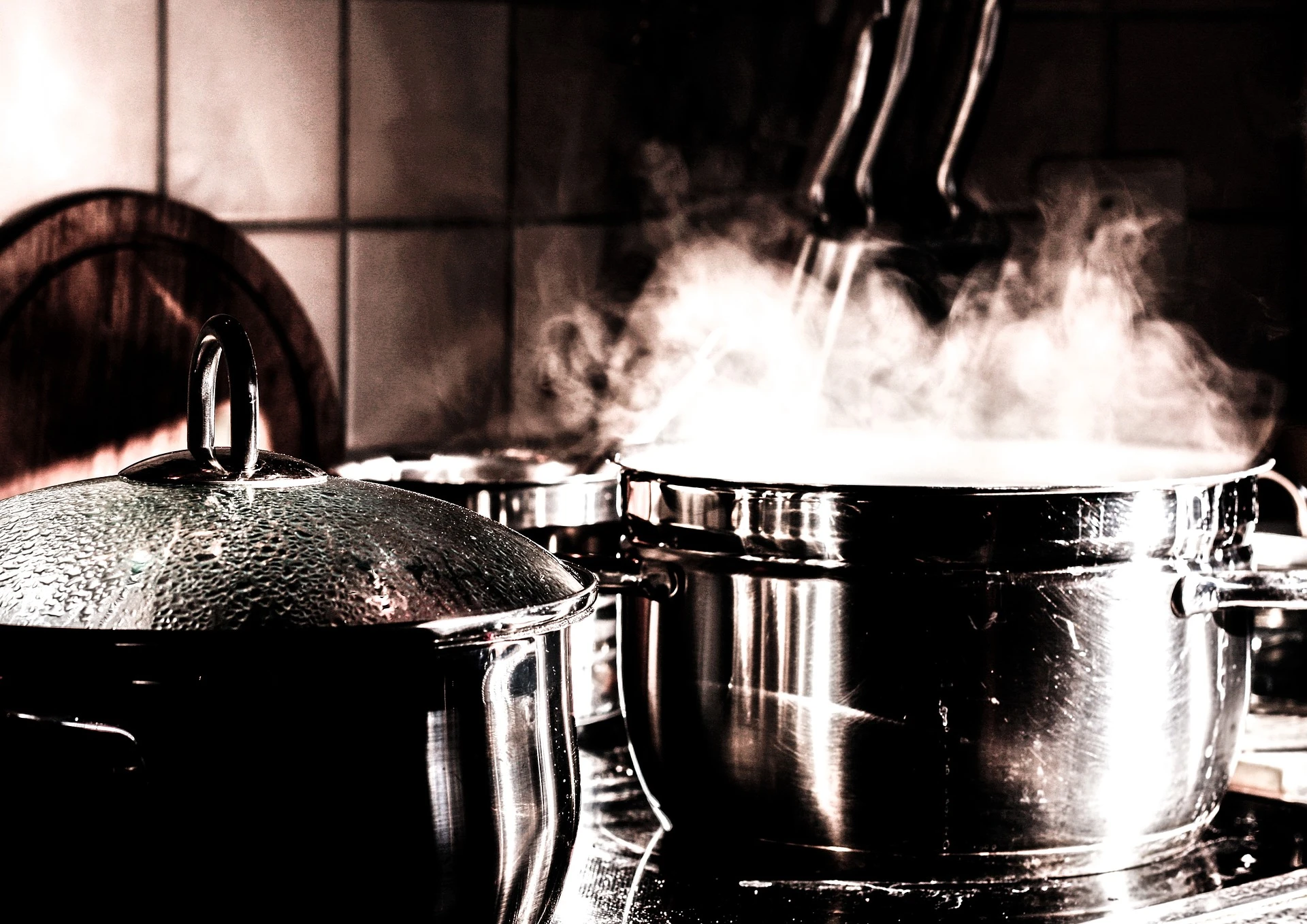
1. Pot-au-Feu: The Soul of the Home
If there is one dish that represents the "ancestral broth" of the French family, it is the Pot-au-Feu. It is a rustic, slow-cooked beef stew with root vegetables. The marrow bone is served on toast with sea salt, followed by the broth, and finally the meat. It is the definition of "slow food."
2. Boeuf Bourguignon: The Red Wine Alchemy
Hailing from Burgundy, this dish is a masterclass in braising. Beef is simmered for hours in local Pinot Noir with pearl onions, mushrooms, and bacon (lardons). The wine doesn't just flavor the meat; it breaks down the fibers until they melt on the tongue.
3. Blanquette de Veau: The White Velvet
While many stews are dark, the Blanquette is an exercise in elegance. It is a veal ragout served in a creamy, white sauce thickened with egg yolks and cream. It represents the "bourgeois" style of French cooking—refined and buttery.

A delicious veal blanquette ready to be enjoyed / Photo selected by monsieurdefrance.com: depositphotos
4. Cassoulet: The Strength of the Southwest
A rich, slow-cooked bean stew from the Languedoc region. It features white beans, duck confit, and pork sausages. It is a heavy, heart-warming dish born from the necessity of feeding farmers during the 100 Years' War.
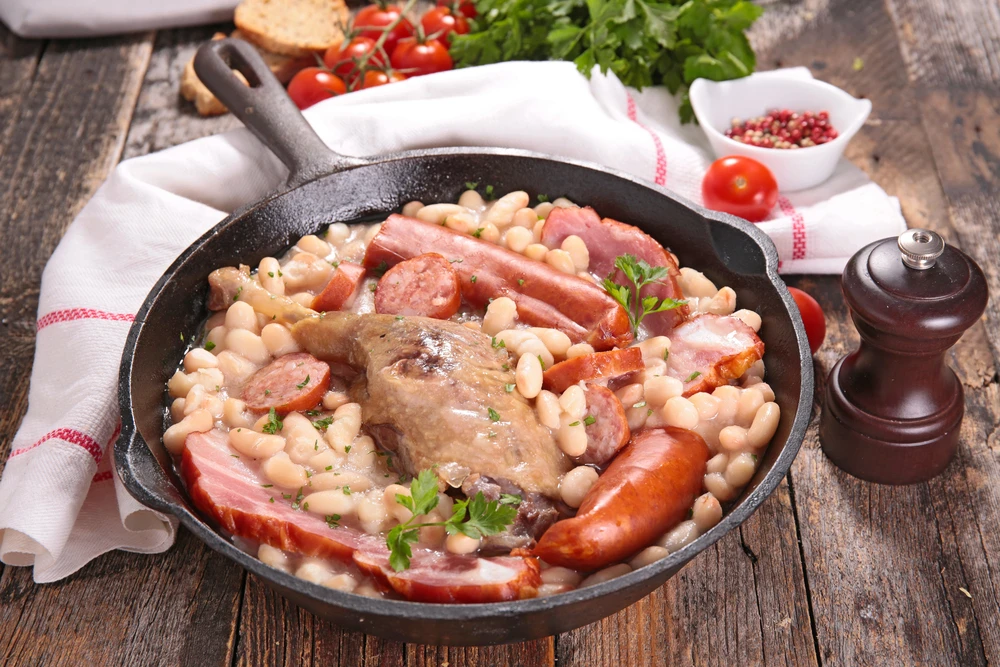
A dish of cassoulet / Photo chosen by monsieurdefrance.com studioM via depositphotos
5. Quiche Lorraine: The Golden Standard
Known worldwide but often poorly imitated. A true Quiche Lorraine contains only cream, eggs, and smoked bacon. Never add cheese if you want to be authentic to its Eastern origins.
The recipe for authentic quiche is here for you

Quiche Lorraine / Image by SGM/Shutterstock.com
6. Bouillabaisse: The Soul of Marseille
Originally a humble fisherman's stew made from the "trash fish" that couldn't be sold at the market, Bouillabaisse is now a high-end delicacy. It is not just a soup; it is a two-course ritual.
-
The Ritual: First, you are served the broth, flavored with saffron, orange peel, and fennel. You spread Rouille (a garlic-chili-olive oil emulsion) on toasted bread and drop it into the soup. Then, the whole fish (Rascasse, Gurnard, Conger Eel) are presented and filleted table-side.
-
Where to eat it: Marseille, strictly. Anywhere else is an imitation.
7. Ratatouille: Summer in a Pot
Hailing from Provence, Ratatouille is the anthem of sun-drenched vegetables. To do it correctly, each vegetable—eggplant, zucchini, peppers, and onions—must be sautéed separately to maintain its individual texture and flavor profile before being stewed together in a rich tomato and herb base. It is the healthiest way to taste the French sun.
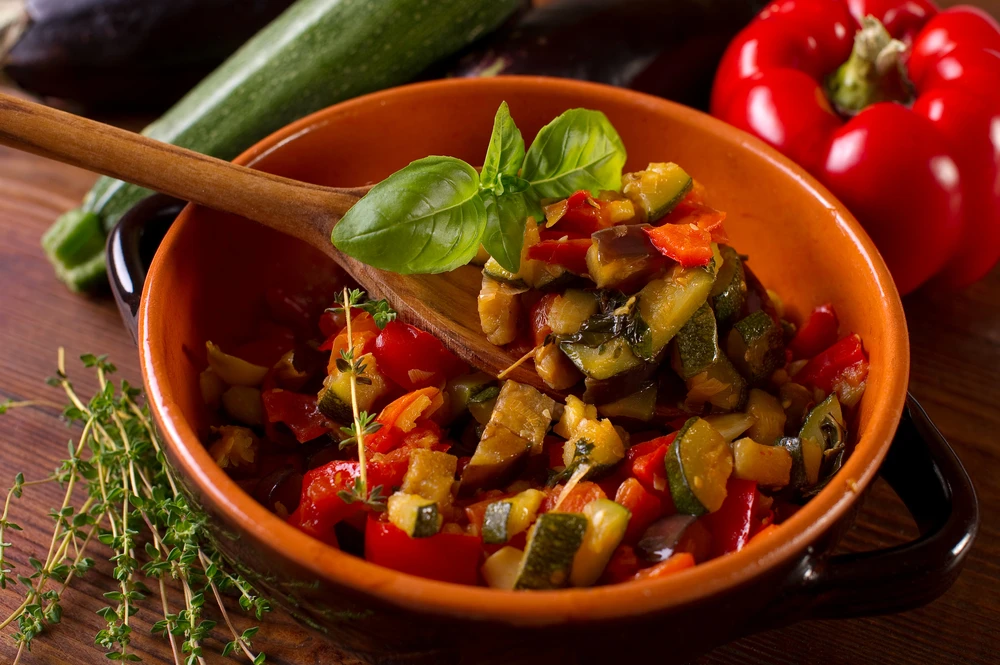
ratatouille Photo par marco mayer/Shutterstock
8. Coq au Vin: A National Symbol
This dish is steeped in history. A tough rooster (the coq, France’s national emblem) is braised for hours in red wine, bacon (lardons), mushrooms, and onions until the meat is succulent and dark. It is a masterclass in turning a humble, inexpensive ingredient into a royal feast through the power of tannins.
9. Gratin Dauphinois: The Ultimate Comfort
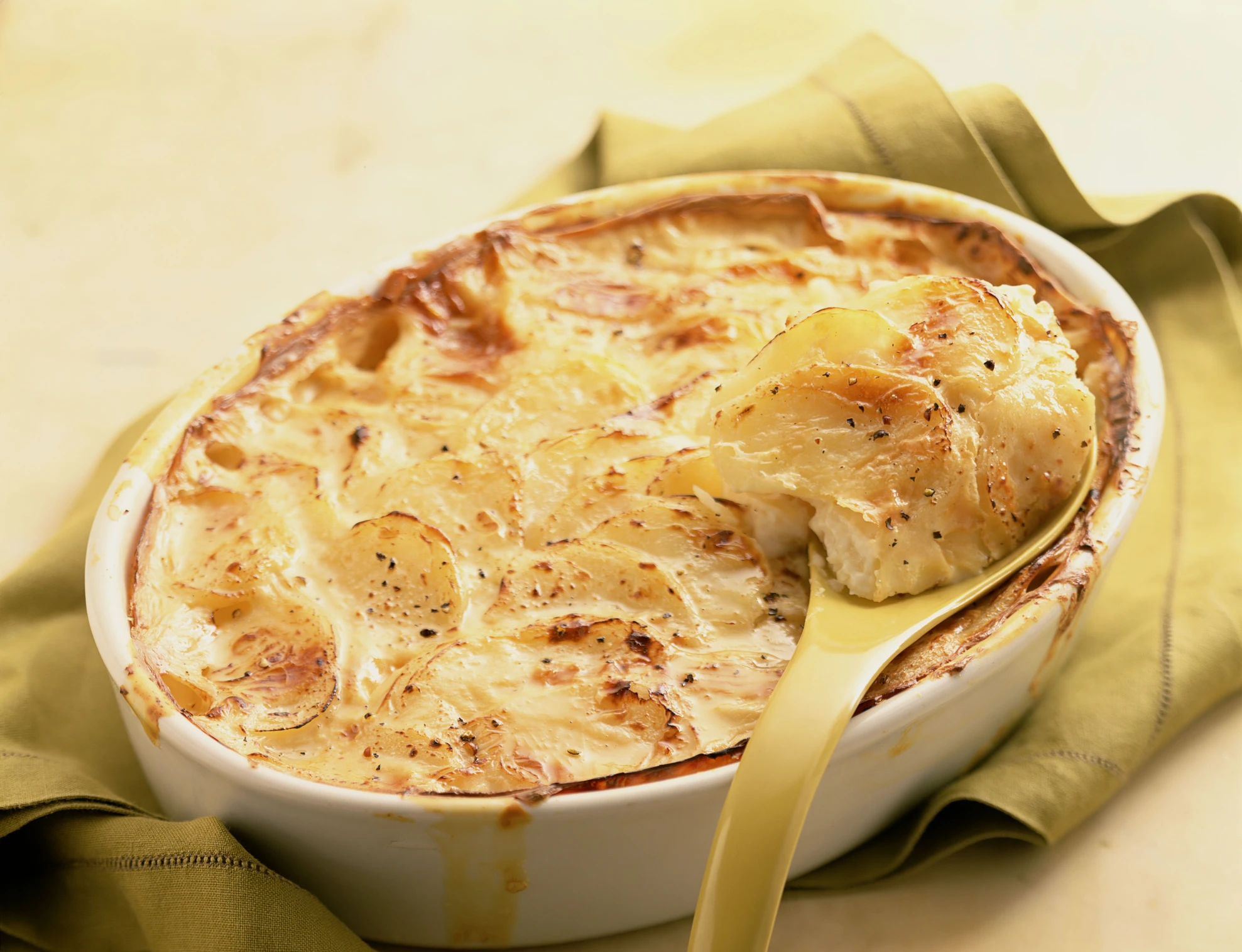
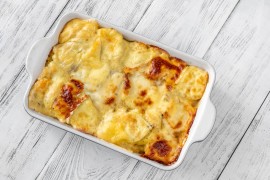
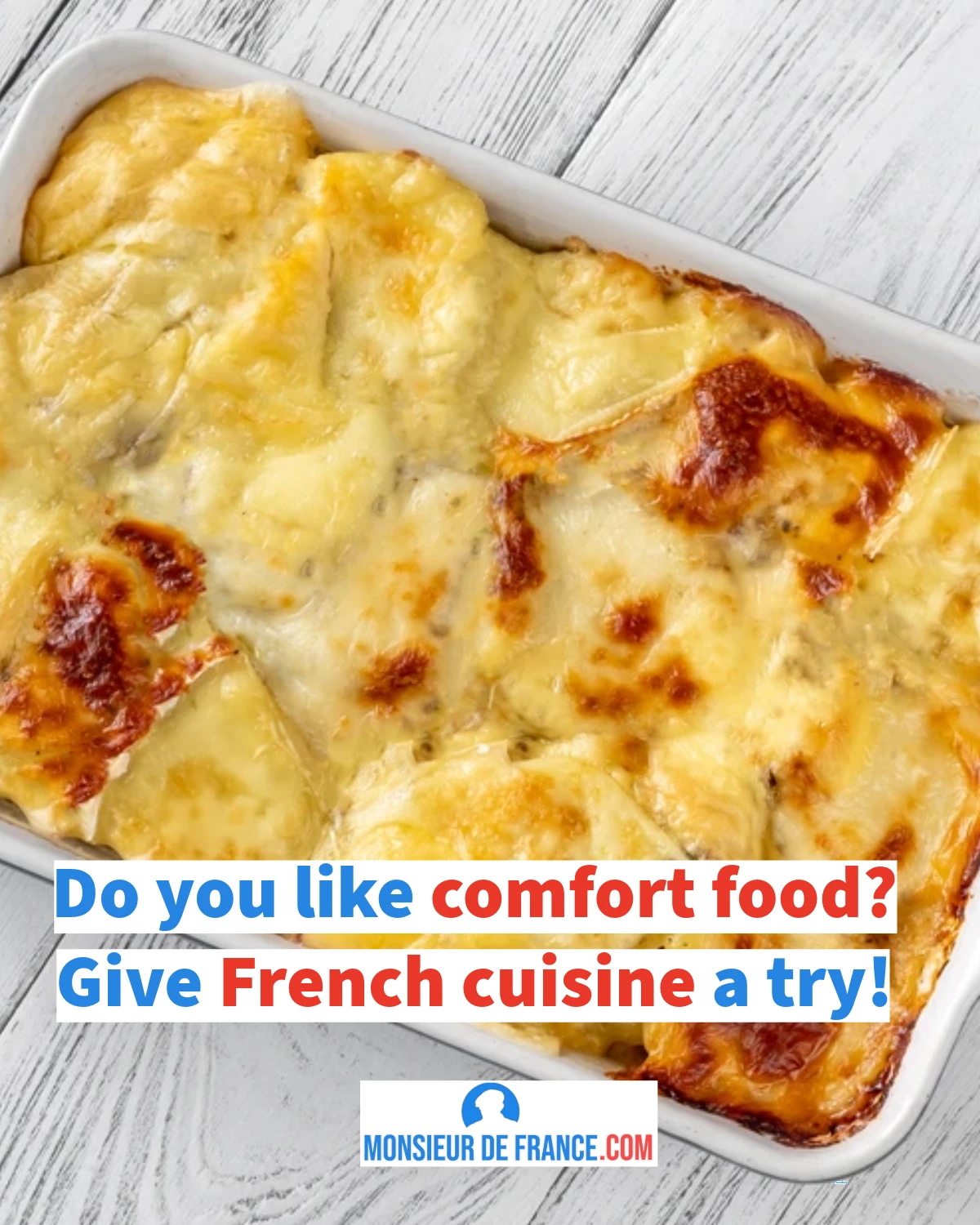
Forget the "scalloped potatoes" found in US supermarkets. The real Gratin Dauphinois from the Alpine region of Dauphiné uses only thinly sliced potatoes, garlic, and heavy cream. No cheese is allowed in the traditional recipe; the natural starch of the potatoes creates a velvety, golden thickness that cheese would only mask.
10. Escargots de Bourgogne: The Brave Tourist’s Reward
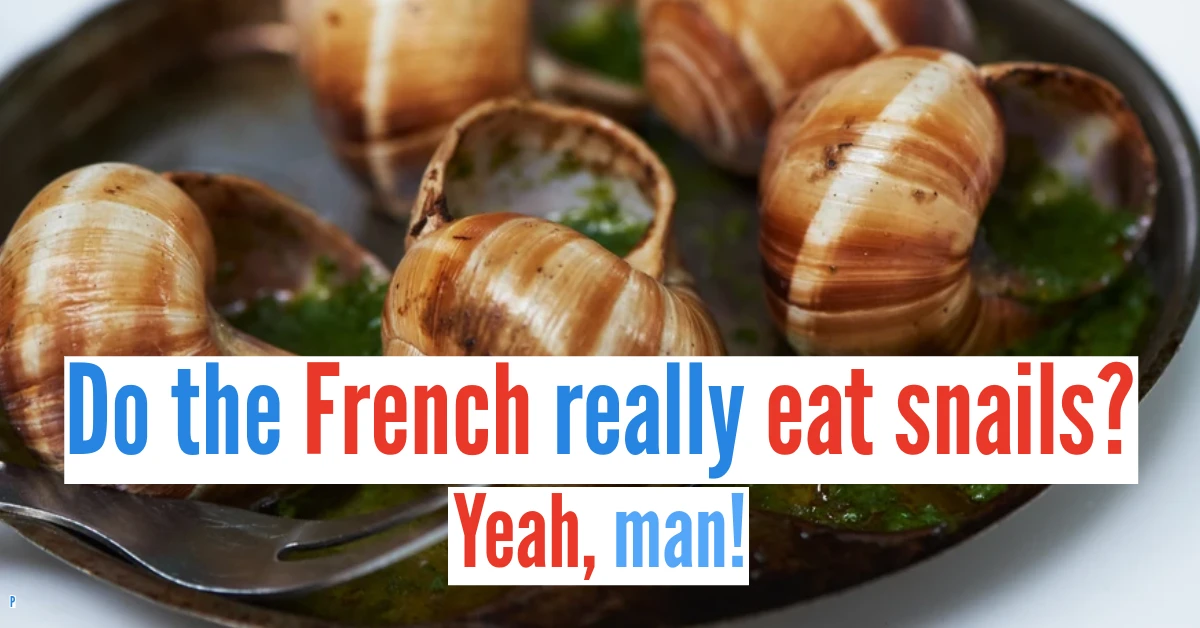
While the idea of eating snails may be intimidating, Escargots are primarily a vehicle for the world’s most addictive sauce: Persillade (a butter-garlic-parsley emulsion). In Burgundy, these are served in their shells and eaten with specialized tongs. The texture is similar to a firm mushroom, but the flavor is pure French forest. Discover the curiosities and recipes for snails here.
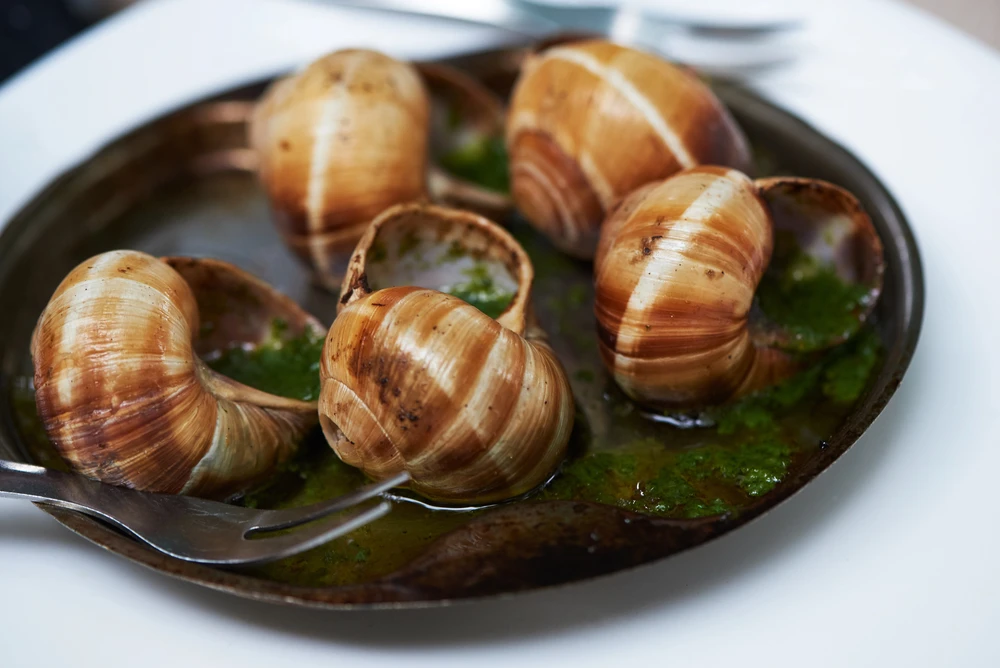
Discover our snail recipes / Photo chosen by monsieurdefrance.Com: depositphotos
6. The Kingdom of Sugar: The Science of Pâtisserie
If the French kitchen is a place of passion, the Pâtisserie (pastry shop) is a laboratory of precision. In France, pastry is an alchemy that requires respecting measurements to the milligram. For a visitor, the windows of a Parisian pastry shop look like jewelry boxes, but behind that beauty lies extreme technical rigor.
The "Goûter": The Sacred 4 PM Break
For an American tourist, discovering the Goûter (snack time) is a revelation. At 4:00 PM, France stops for something sweet. This is the moment for "travel cakes"—baked goods designed to be kept at room temperature and carried easily.
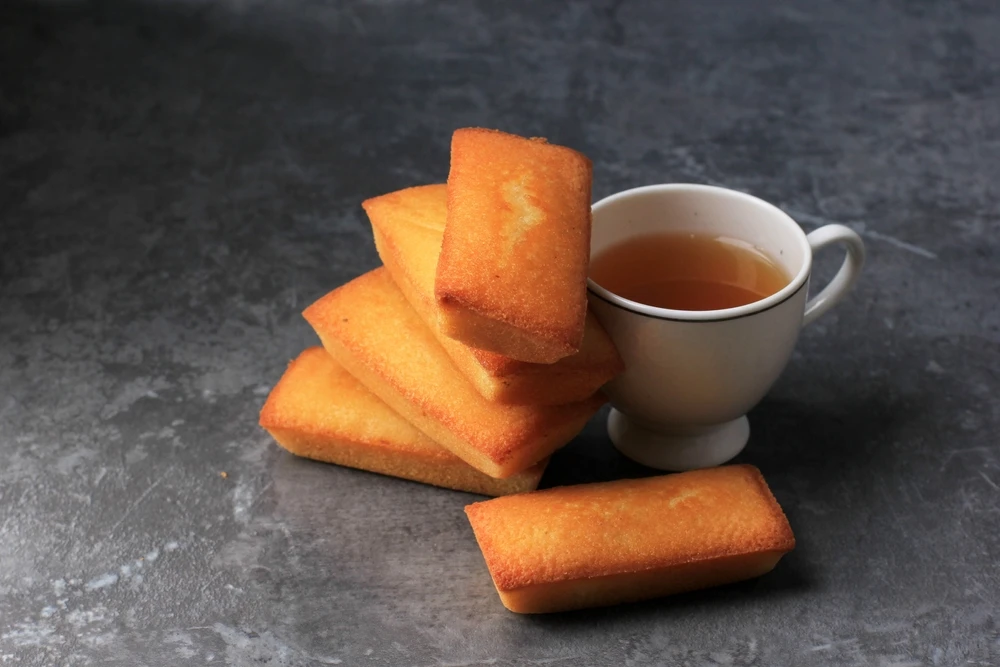
Un financier / Image par Ika Rahma H/Shutterstock
-
The Financier: A small, rectangular almond cake that looks like a gold bar. It was invented in a bakery near the Paris Stock Exchange so that busy bankers could eat a snack without getting their fingers—or their documents—greasy. Learn who invented the financier here.
-
The Madeleine: Immortalized by Marcel Proust, this shell-shaped sponge cake is the heart of the French home. Its perfect "hump" is the result of a controlled thermal shock between the cold batter and the hot oven. Discover the history and legend of madeleines here.
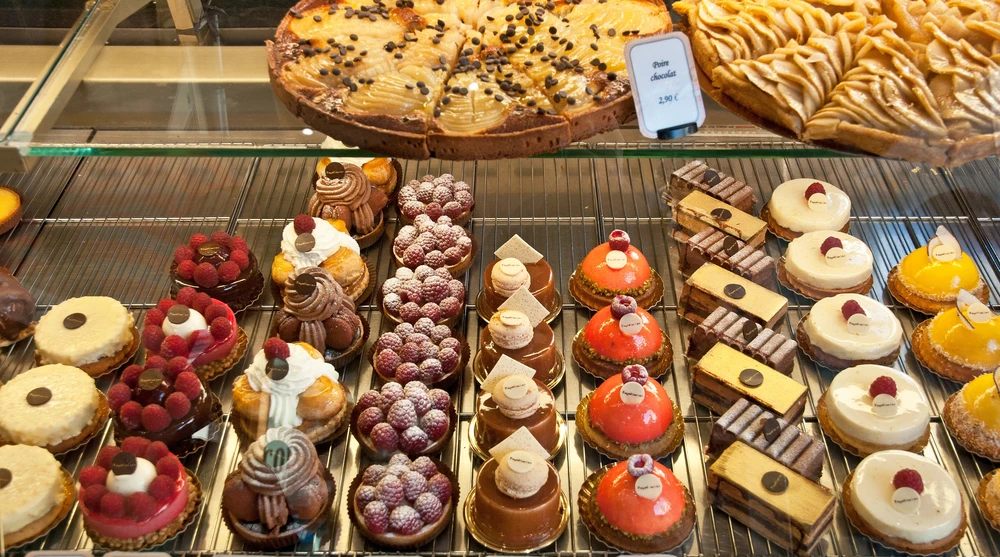
A pastry shop / Photo selected by monsieurdefrance.com: Botond via dépositphotos
In France, it's okay to be a foodie. If you want to know which are the 20 most iconic pastries, here is the list and what they are made of.
The Top Desserts You Must Taste
| Dessert | Flavor Profile | Technical Secret |
| Crème Brûlée | Vanilla & Burnt Sugar | The contrast between the cold custard and the warm, torched crust. |
| Tarte Tatin | Caramelized Apple | An upside-down tart created by a legendary mistake. |
| Mille-Feuille | Cream & Puff Pastry | Exactly 729 layers of pastry (traditionally). |
| Paris-Brest | Praline & Choux | Created to celebrate a bicycle race; shaped like a wheel. |
| Chocolate Fondant | Dark Cocoa | Mastery of the "lava" center through precise timing. |
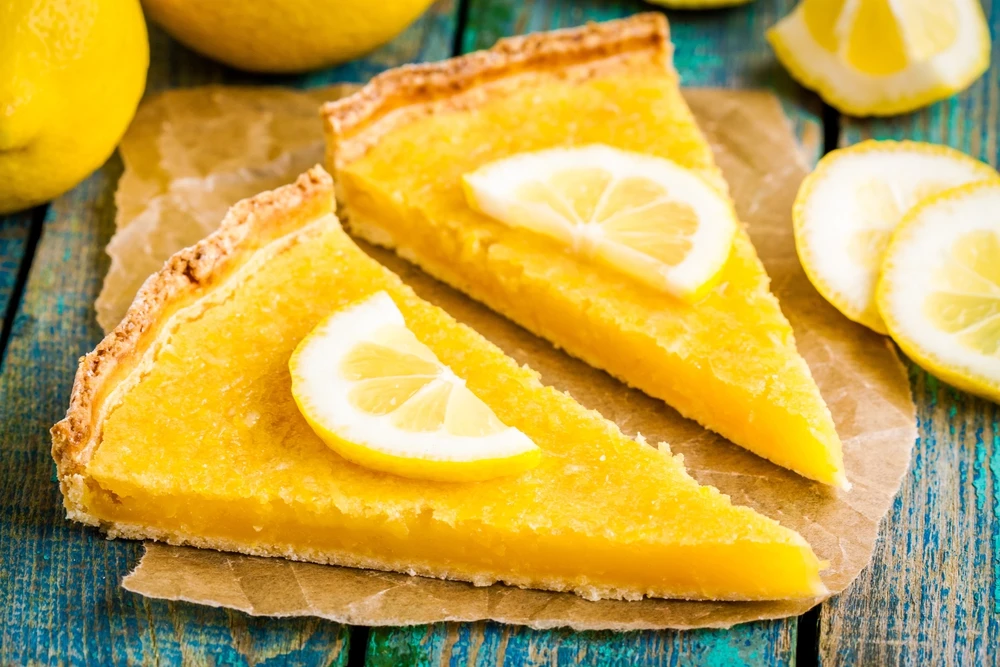
If you want to learn more about French desserts and sweet specialties, take a look at this article. I've even included the recipes.
Legendary Desserts: When French History Meets the Sweet Tooth
Beyond the neighborhood bistro classics, France is home to a series of "named" desserts that are essentially culinary tributes to the icons of the 19th and 20th centuries. These creations represent the pinnacle of French elegance, where fruit, syrup, and cream are transformed into art.
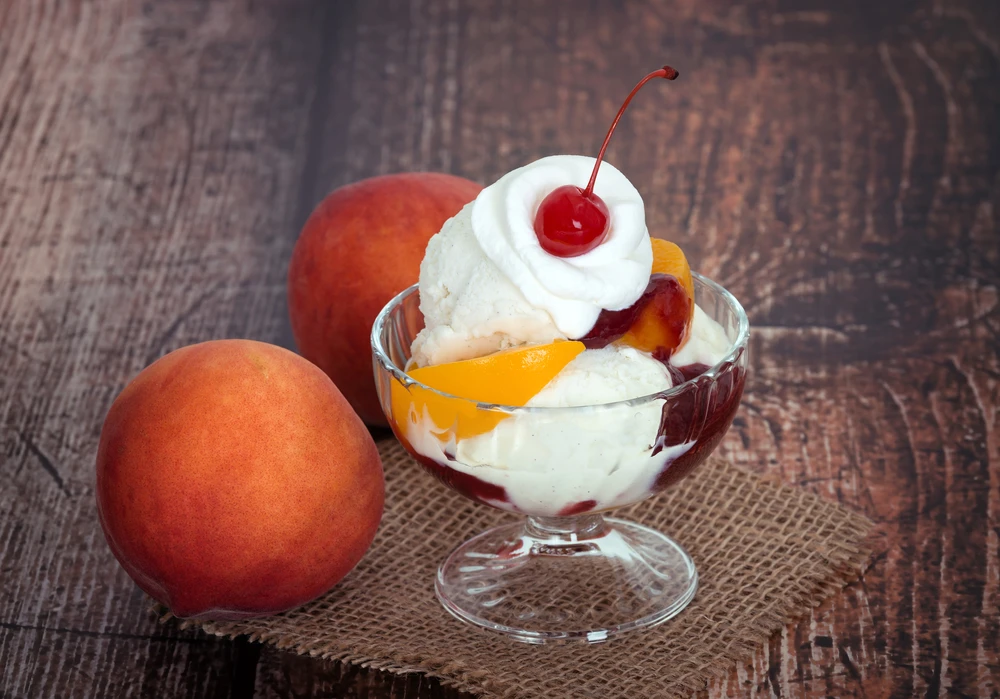
Pêche Melba Photo par Leena Robinson/Shutterstock
-
Pêche Melba (Peach Melba): Created in 1892 by the legendary chef Auguste Escoffier at the Savoy Hotel in London, this dessert was a tribute to the Australian opera singer Nellie Melba. It is a sublime combination of poached peaches and vanilla ice cream, topped with a vibrant raspberry coulis. It remains the gold standard for fruit-based elegance.
-
Poire Belle-Hélène: Another Escoffier masterpiece, named after the operetta La Belle Hélène by Jacques Offenbach. This dish features pears poached in syrup, served with vanilla ice cream and drizzled with warm, intense dark chocolate sauce. It is a study in temperature and texture contrast.
-
Crêpe Suzette: This show-stopping dessert of crêpes served with a sauce of caramelized sugar, orange juice, and zest is famously flambéed with Grand Marnier or Cognac. Legend has it that it was created by mistake for the future King Edward VII—a "happy accident" that became a global icon of French service.
-
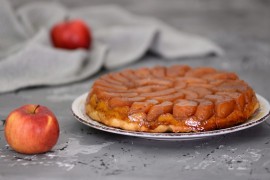
Tarte Tatin: The Upside-Down Legend Born at the end of the 19th century in Lamotte-Beuvron (Sologne), this tart is the ultimate proof that mistakes can be delicious. Legend has it that Stephanie Tatin, one of the two sisters running the Hotel Tatin, accidentally left her apples cooking in butter and sugar for too long. To save the dessert, she threw the pastry dough on top and finished it in the oven. The result? A deeply caramelized, melt-in-your-mouth apple masterpiece.
Today, it is a global icon of rustic comfort. Jerome’s Tip: Never serve it with whipped cream; a true Tatin demands a dollop of cold, thick crème fraîche to balance the sweetness. Discover the full story of this legendary mistake here:
-
Tarte Bourdaloue: The Parisian Almond Classic While the Tatin is rural, the Tarte Bourdaloue is purely Parisian. Created around 1850 in a pâtisserie on Rue Bourdaloue in the 9th arrondissement, this tart is a sophisticated marriage of textures. It features poached pear halves nestled in a rich frangipane (almond cream), all contained within a crisp shortcrust pastry. It is the quintessential autumn dessert in France, prized for its subtle balance of floral pear and nutty almond.
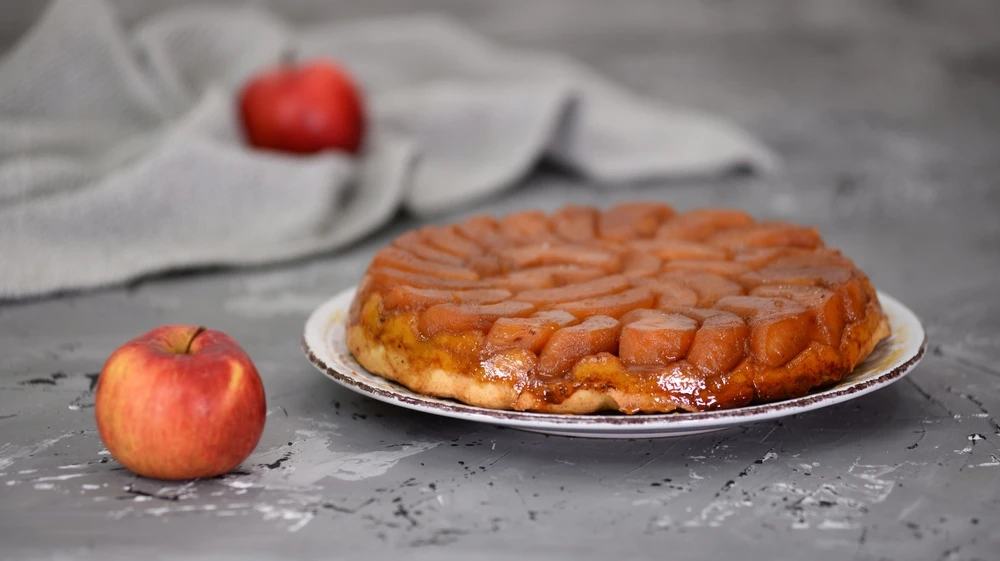
A Tarte Tatin / photo by Mariko151825/Shutterstock.com
These desserts prove that in France, a meal doesn't just end; it takes a final bow. There are also the very simple sweet specialties that my grandmother Simone used to make: apple pies, chocolate mousse, but also sublime jam recipes.
7. The Boulangerie: The Backbone of the Nation
If there is one place that defines France, it is the Boulangerie. Every morning, millions of French people stand in line for their daily bread. It is a social ritual that has remained unchanged for centuries.
The Baguette: A Protected Symbol
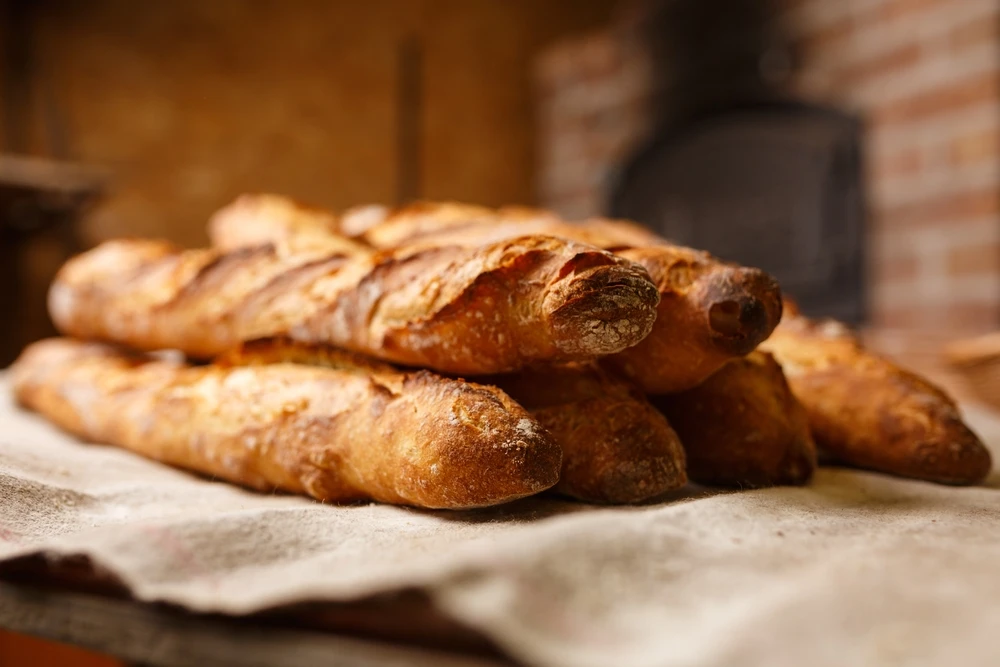
image par Philippe Ramakers/Shutterstock
The baguette is a national symbol protected by a government decree (the Décret Pain of 1993). A "Baguette de Tradition Française" can only contain four ingredients: flour, water, salt, and yeast. No additives, no freezing. This is why it must be bought fresh every day. For a traveler, learning to "rompre le pain" (break the bread) by hand rather than cutting it with a knife is your first step toward true cultural integration.
Viennoiseries: The Luxury of Breakfast
While "Viennoiserie" implies an origin from Vienna, France is the country that elevated the art of Laminated Dough to its peak.
-
The Croissant: 24 hours of folding butter into dough to create hundreds of flaky layers.
-
Pain au Chocolat: The center of a national debate! In the North, it's a Pain au Chocolat; in the Southwest, it's a Chocolatine. (Warning: bringing this up at a dinner party will start an argument that lasts all night).
-
The Brioche: Pillowy, rich in butter and eggs, it is the absolute comfort food. If you can't get to a bakery tomorrow, you can make a good brioche easily at home to rediscover the joy of homemade baking.
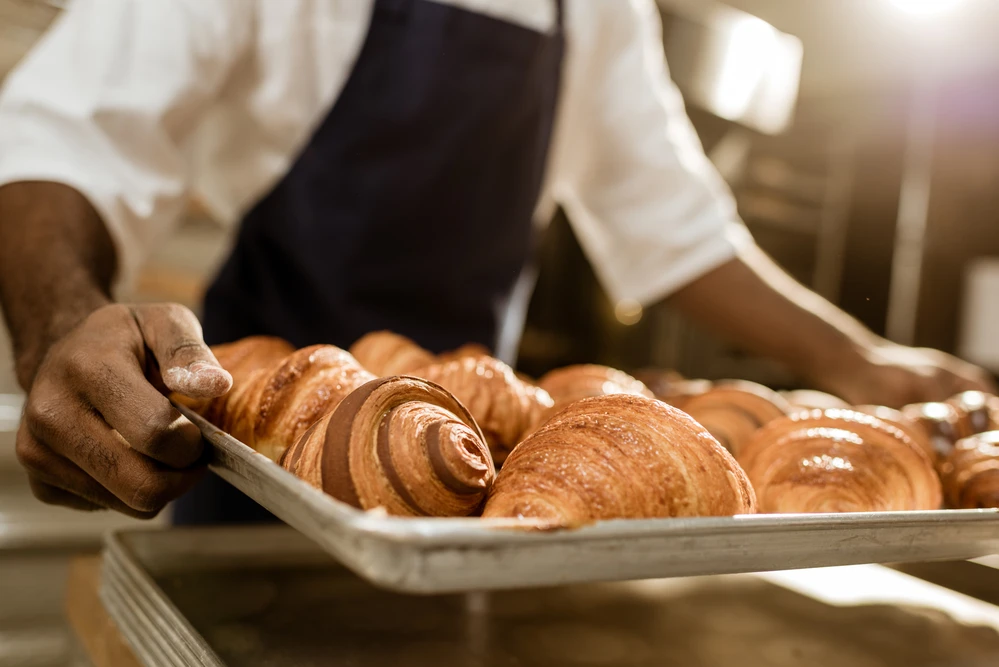
Fresh croissants! Photo chosen by monsieurdefrance.com: ArturVerkhovetskiy via depositphotos.com
8. French Cheese: A National Monument with 1,200 Faces
Charles de Gaulle famously asked: "How can you govern a country which has two hundred and forty-six varieties of cheese?" Today, we estimate over 1,200 varieties. In France, cheese is not a topping for a burger; it is a course in its own right, served strictly after the main dish and before dessert.
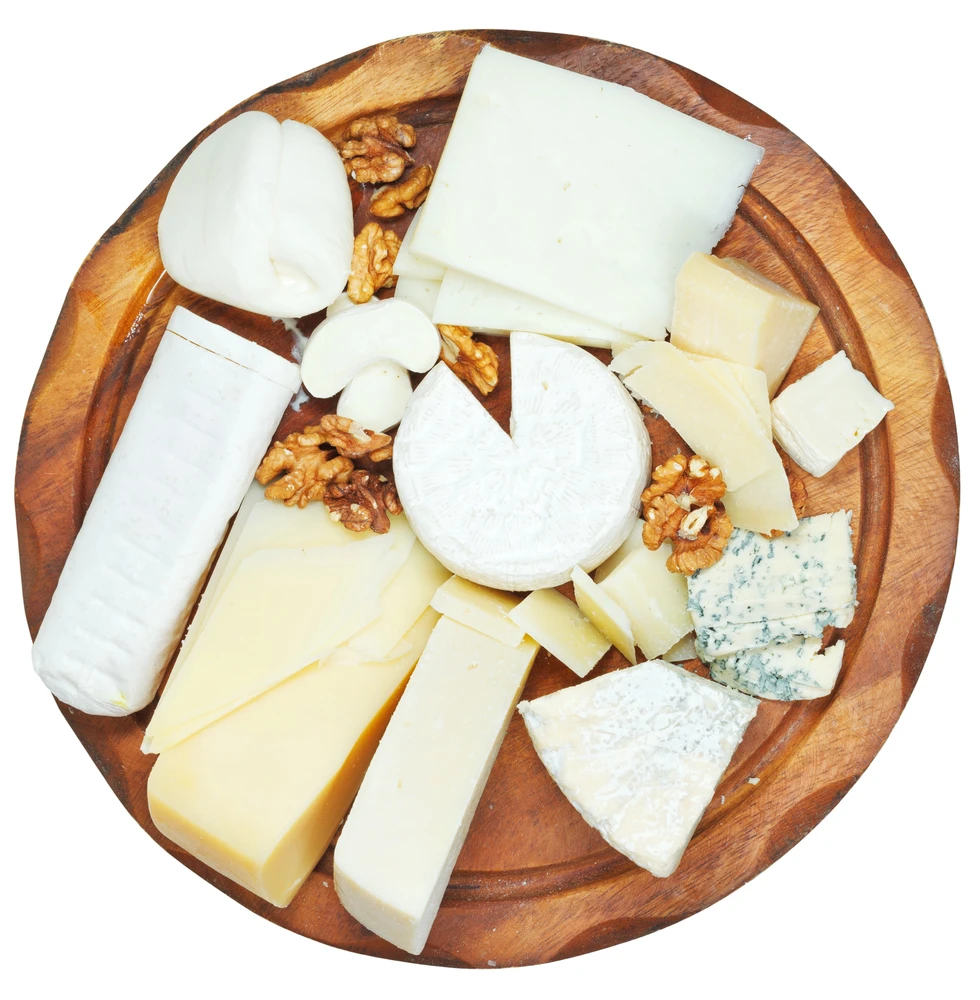
There is an infinite variety of cheeses in France because there are talented local producers who set high standards for themselves. Photo chosen by monsieurdefrance: vvoennyy via depositphotos.
The Art of the Cheese Board (Le Plateau)
A perfect cheese board follows a logic of diversity. It should offer a balance of milk types and textures: I've written a complete guide to French cheeses for tourists. Come and read it.
-
Soft Cheeses (Pâtes Molles): Like Camembert de Normandie or Brie de Meaux. They provide the creamy, mushroomy soul of the board.
-
Pressed Cheeses (Pâtes Pressées): Like Comté or Beaufort, reflecting our mountain traditions and nutty, fruit-forward flavors.
-
Blue Cheeses (Pâtes Persillées): Like Roquefort, powerful, salty, and sharp, made from sheep’s milk in underground caves.
Expert Pro-Tip: Never remove the rind of a cheese before serving it. The rind is part of the character and protects the paste. Also, always enjoy cheese at room temperature. Cold cheese is "muted" cheese. Check out my top 10 essential French cheeses here.
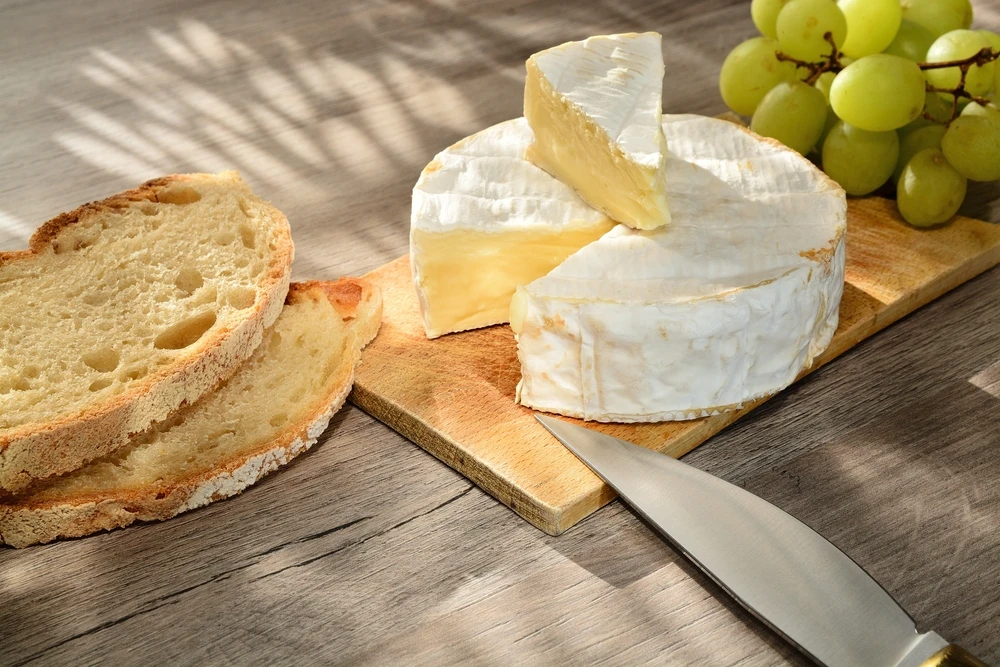
Un camembert / Image par Pro Video/Shutterstock
9. The Terroir Map: Why France is a Culinary Galaxy
For an American traveler, the most striking realization upon landing in France is the density of diversity. You can drive for two hours and cross an invisible "flavor border." In the United States, culinary styles often span entire time zones; in France, they change by the valley. This is the Regional Terroir Journey.
To understand French food is to realize it is not one monolithic cuisine. It is a collection of fiercely independent regional identities. The secret to this map lies in the "Ligne Oléicole" (the Olive Line)—a climatic border that separates the northern lands of lush pastures from the southern sun where the olive tree reigns.
10. The North and West: The Empire of Cream and Salt
In the Northwest, the Atlantic Ocean dictates the menu. This is the land of rain-washed grass, massive dairy herds, and the "Butter Belt."

Normandy: The Land of the "Three Cs"
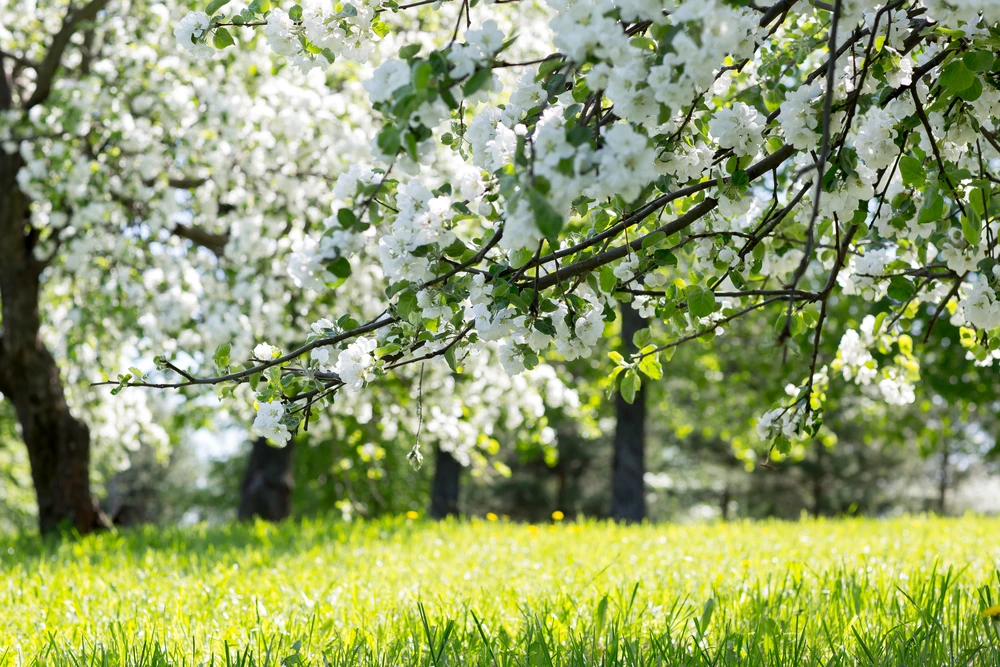
Apple trees in bloom somewhere in Normandy. Photo chosen by monsieurdefrance.com via depositphotos
Normandy’s identity is forged by its rich, damp soil. Since the climate is too cold for vineyards, the region mastered the Apple and the Cow.
-
Camembert de Normandie: The world’s most famous cheese. The authentic version is made from raw milk and ladled by hand in five stages. It tastes of mushroom and wet earth.
-
Cider & Calvados: Apple cider is the daily nectar, while Calvados (apple brandy) is the soul.
-
The "Trou Normand": A cultural ritual where guests take a shot of Calvados in the middle of a massive meal to "burn a hole" in the stomach and stimulate digestion for the next courses.
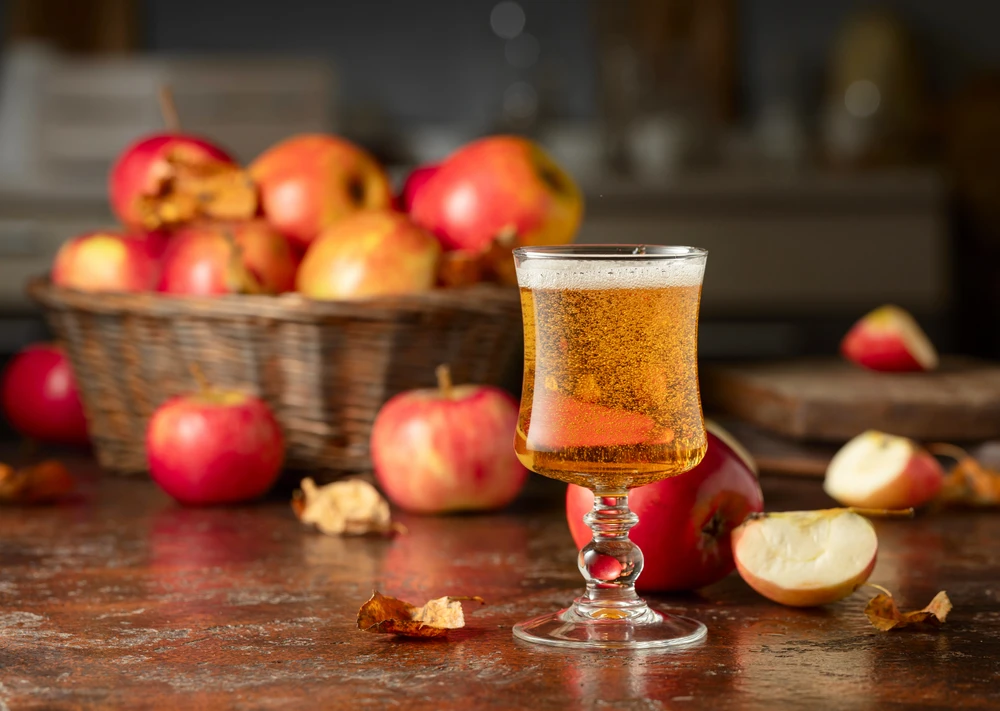
A good glass of cider / Photo chosen by monsieurdefrance.com: igorr1 via depositphotos.
Brittany: Salt, Granite, and Buckwheat
Brittany (Bretagne) is a rugged, Celtic land. Historically, its acidic soil made wheat a luxury, leading to the Buckwheat Revolution.
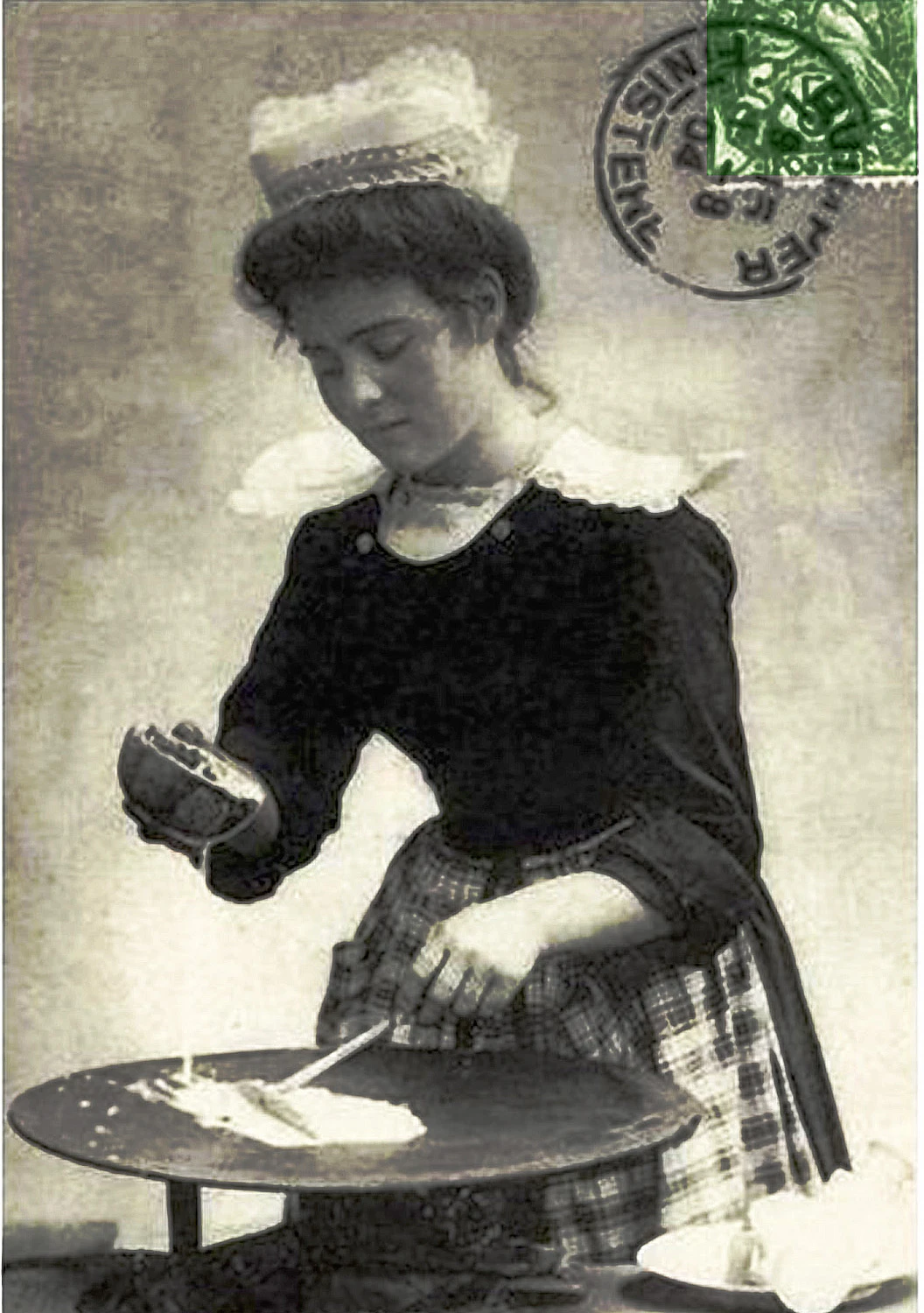
A Breton mother makes pancakes around 1900.
-
Galettes vs. Crêpes: Savory galettes are made from 100% buckwheat flour (naturally gluten-free). Sweet crêpes use wheat.
-
Salted Butter: Historically, Brittany was exempt from the salt tax (Gabelle), so they put salt in everything—especially their butter. This led to the Kouign-Amann, a cake that is essentially layers of bread dough, sugar, and an obscene amount of salted butter.
-
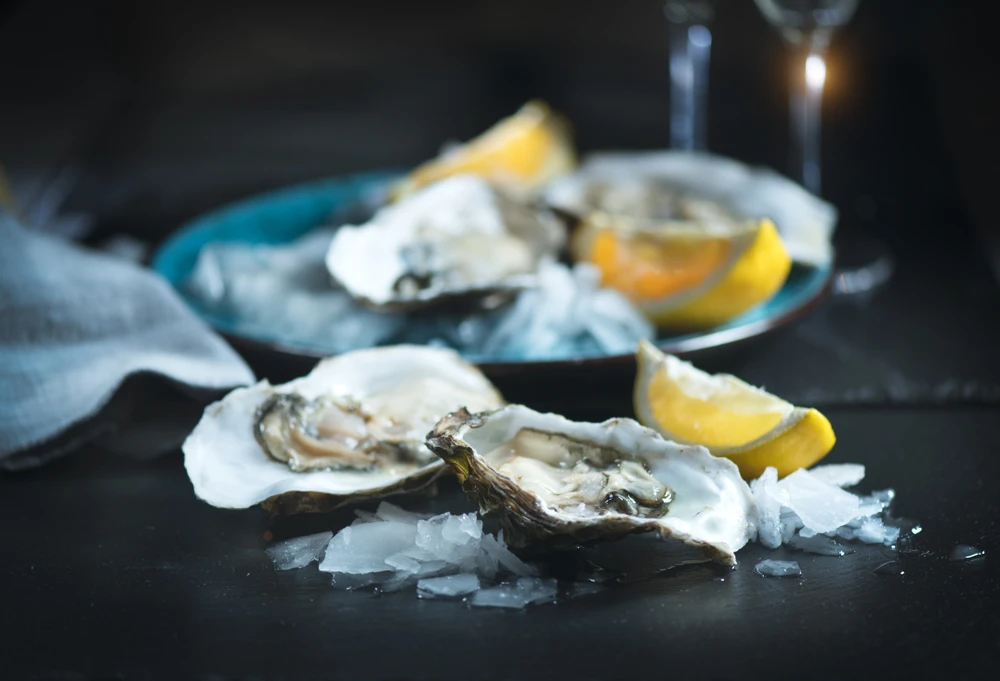
Seafood: Brittany is the oyster capital of France. A full seafood platter facing the Atlantic is a rite of passage. We love to enjoy oysters with a good glass of white wine or mussels marinières with cream
11. Lyon and Burgundy: The Beating Heart of Tradition
If Paris is the administrative head of France, Lyon is undeniably its stomach, and Burgundy is its wine cellar.
Lyon: The Gastronomic Capital
Lyon sits at the confluence of the Rhône and Saône rivers, perfectly positioned to receive the best poultry from Bresse and the best charcuterie from the mountains.
-
The "Mères Lyonnaises": The city’s fame was built by the "Mothers"—talented female cooks who left bourgeois households to open their own casual eateries called Bouchons. They focused on "nose-to-tail" cooking, turning tripe and trotters into delicacies.
-
What to Eat: Try the Quenelle de Brochet (pike fish dumpling) in a rich crayfish sauce, or a Salade Lyonnaise with warm bacon and a poached egg.
Burgundy: The Temple of the "Dark Braise"
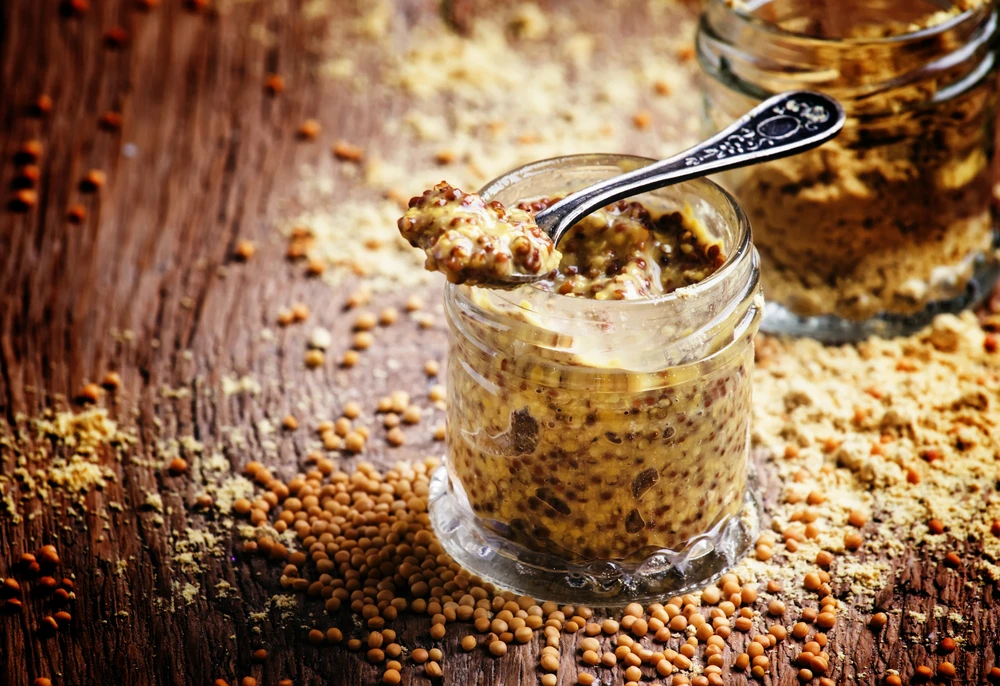
Recognizable by its small black seeds: old-fashioned mustard. photo chosen by monsieurdefrance.com: 5PH via depositphotos.
Burgundy (Bourgogne) is the most "soil-centric" region in the world. Here, medieval monks spent centuries mapping every slope to understand how geology impacts the grape.
-
Wine Stews: Because the region produces world-class Pinot Noir, wine became a cooking liquid. Boeuf Bourguignon and Coq au Vin use wine to tenderize tough meats, creating a deep purple, velvety sauce.
-
Mustard & Snails: Dijon is the world capital of mustard, and the Escargot de Bourgogne (snails in garlic-parsley butter) is the region’s most famous export. Master the art of snails here.
12. Provence and the South: The Empire of Light
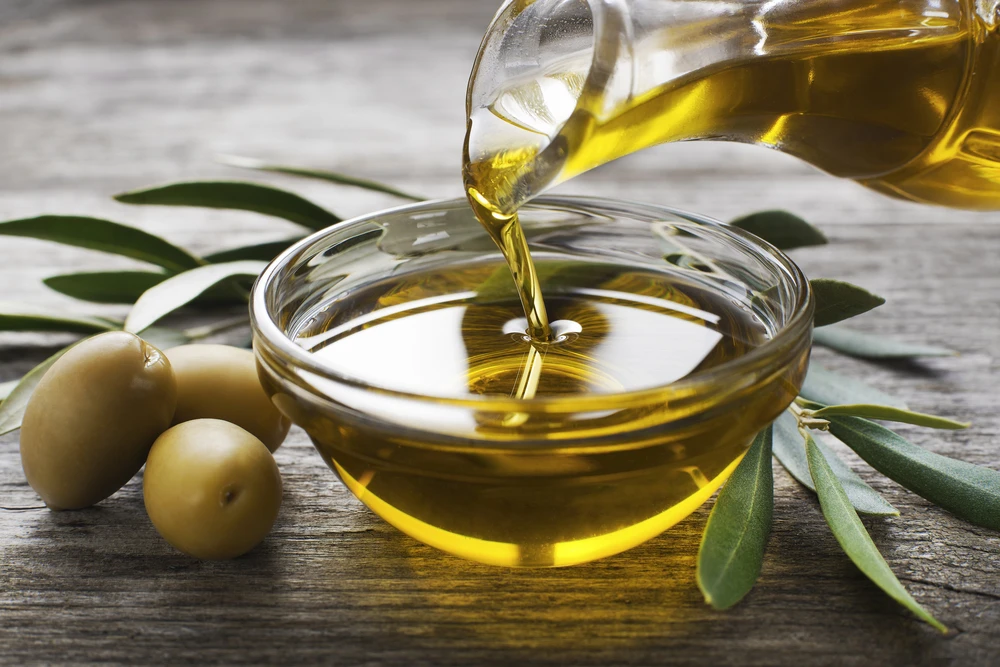
Olive oil / Photo by photodesign via depositphotos
Crossing the "Olive Line" into Provence, the butter disappears. The cream vanishes. The landscape turns to silver-green olive trees and lavender fields.
The Trinity: Garlic, Olive Oil, and Sun
Provencal food is "Cuisine du Soleil" (Sun Cuisine). It focuses on high-vibrancy ingredients that have been "kissed by the sun."
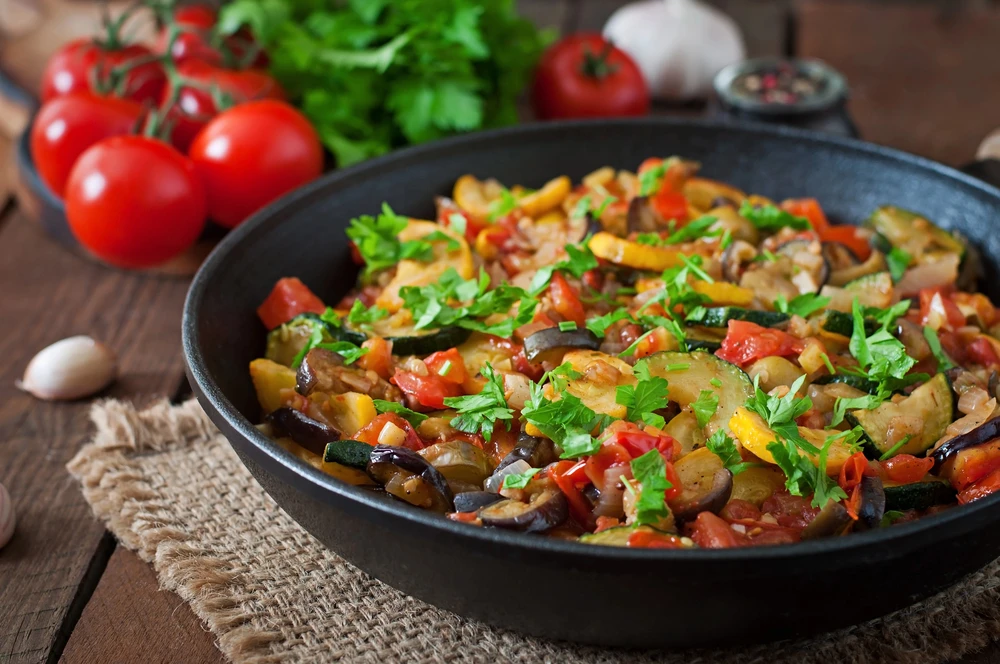
Ratatouille / Photo by timolina via dépositphotos
-
Ratatouille: A summer symphony of zucchini, eggplant, peppers, and tomatoes.
-
Bouillabaisse: Marseille’s legendary fish stew, served with Rouille (a saffron and garlic mayo).
-
Aïoli: In Provence, Le Grand Aïoli is a full meal of steamed cod and vegetables centered around a powerful, handmade garlic emulsion. Make a real Aïoli at home here.
13. The Southwest: The Kingdom of Duck Fat and Truffles
For many food critics, the Southwest (Le Sud-Ouest) is where you find the "truest" French food. It is rustic, powerful, and unapologetically rich.
The Duck Culture
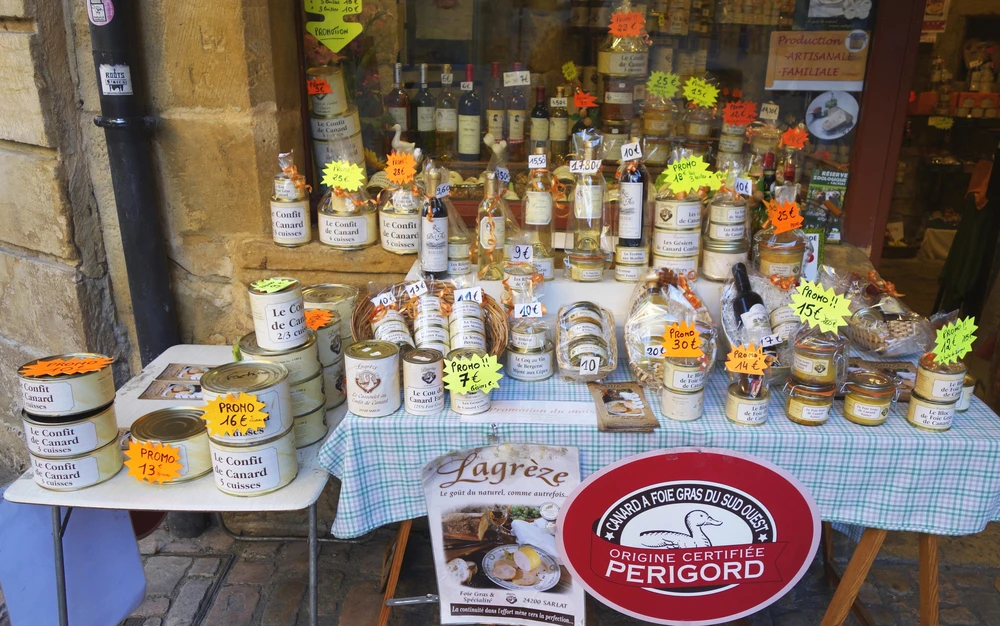
Don't hesitate to try local products. They are truly local... Photo selected by Monsieur de France: zhukovsky via depositphotos
In the Southwest, they don't use butter or oil; they use Duck Fat. It has a high smoke point and a savory depth that makes everything—especially potatoes—taste like heaven.
-
Confit de Canard: Duck legs cured in salt and slow-cooked in their own fat until the meat falls off the bone. Read our full guide to Foie Gras and Duck here.
-
Cassoulet: The "King of Stews." A slow-cooked casserole of white beans, duck confit, and pork sausages. Discover the history of Cassoulet here.
The Black Diamond: Truffles
The Black Truffle of Périgord is the world’s most expensive fungus. During winter, hunters use dogs to find these pungent treasures buried beneath oak trees. Its aroma is musky, earthy, and intoxicating.
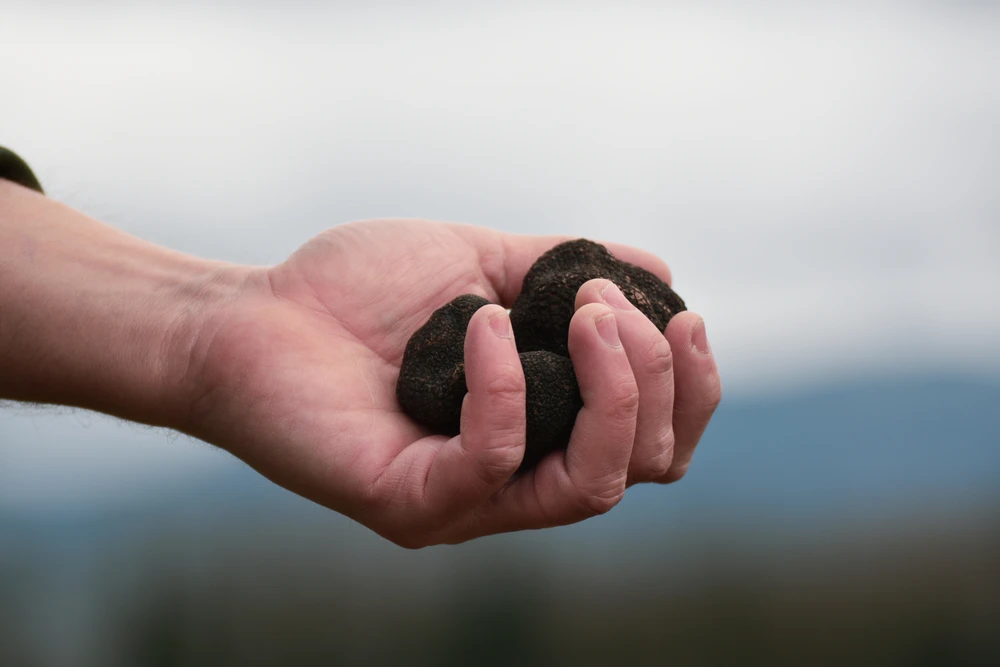
Périgord truffles are very famous, and truffle markets are very popular during the season. Photo chosen by Monsieur de France: Reacticom via depositphotos
14. The Alps and the Grand Est: Mountain Highs and Orchard Secrets
The Alps: The Power of the Melt
In the high altitudes of Savoie, the cuisine is built on high-calorie dairy to survive the winter. This is the land of Tartiflette (potatoes and Reblochon cheese) and Raclette. Follow our guide to the perfect Raclette.
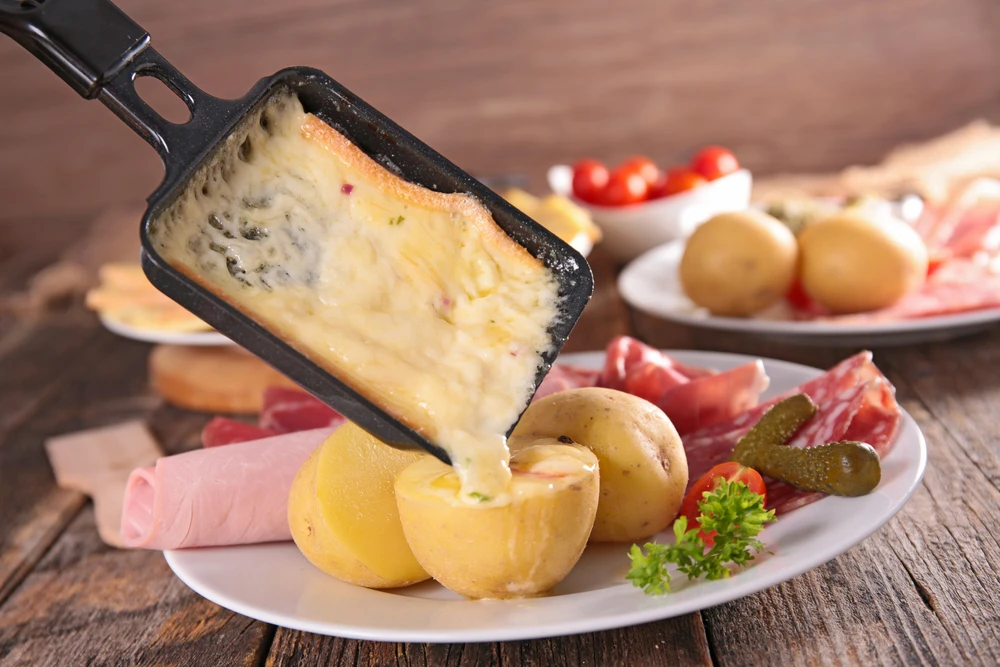
Photo depositphotos.com
The Grand Est: The Crossroads of Europe
My home region, Lorraine, and neighboring Alsace are lands of orchards and resilience.
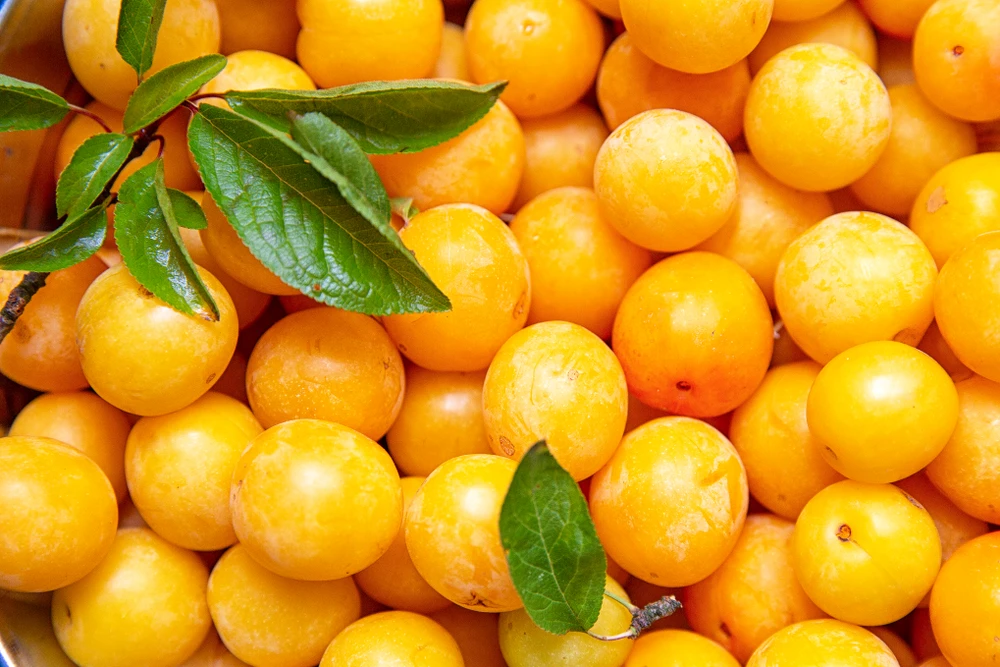
Golden brown, we always fall for mirabelle plums at the end of summer in Lorraine. Photo chosen by Monsieur de France: Shutterstock
-
The Mirabelle Plum: 90% of the world's production of this golden, honey-scented fruit comes from Lorraine.
-
Nancy’s Secrets: The city of Nancy is the home of the Macaron de Nancy (the original, rustic almond cookie) and the Bergamote, a clear candy infused with essential oils.
-
Alsatian Classics: Don't miss Choucroute Garnie (Sauerkraut with sausages) or the Baeckeoffe, a slow-cooked meat stew. Try the Alsatian Baeckeoffe recipe here.
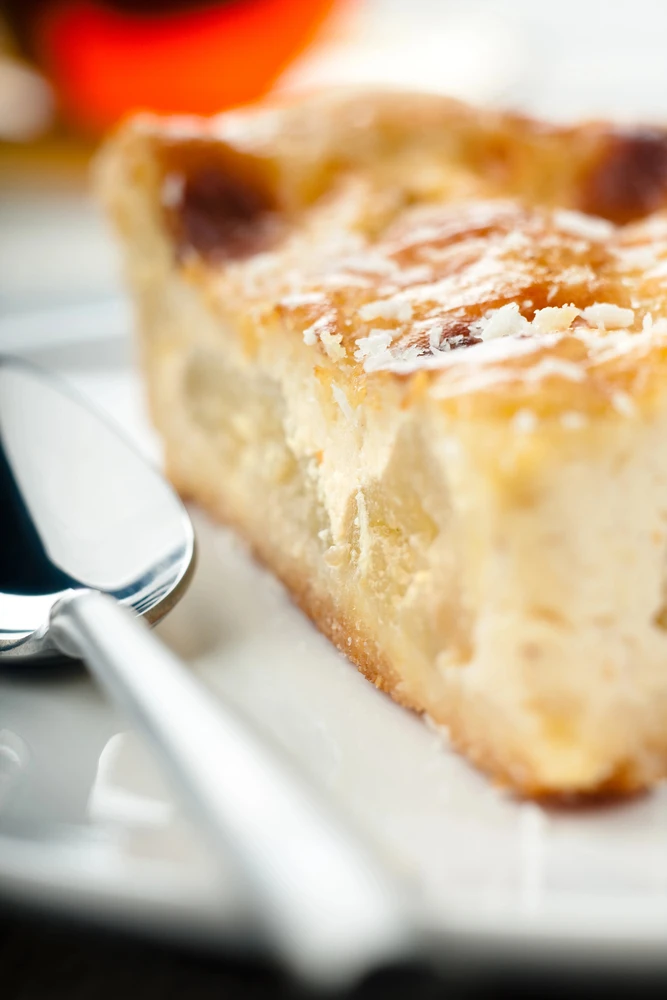
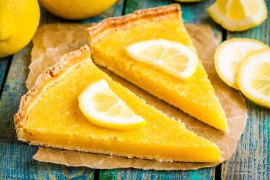
Apple tart with custard / Photo selected by monsieurdefrance: straga via depositphotos
15. Paris: The Gastronomic Laboratory of the World
If the regions of France are the soul of our gastronomy, Paris is its brain and its laboratory. It is the place where regional traditions come to be refined, reinvented, and broadcast to the world.
If you're planning a trip to Paris, I've put everything I know here.
The Birth of the Restaurant
As an SEO Engineer and historian, I must remind you: the modern restaurant was born in Paris out of necessity. After the 1789 Revolution, the great chefs of the fleeing aristocracy found themselves without masters. They opened the first "public" dining rooms, forever changing the social fabric of the city. Today, you can still dine in historic "Bouillons" like Le Procope, where the philosophy of the Enlightenment met the mastery of the stove.
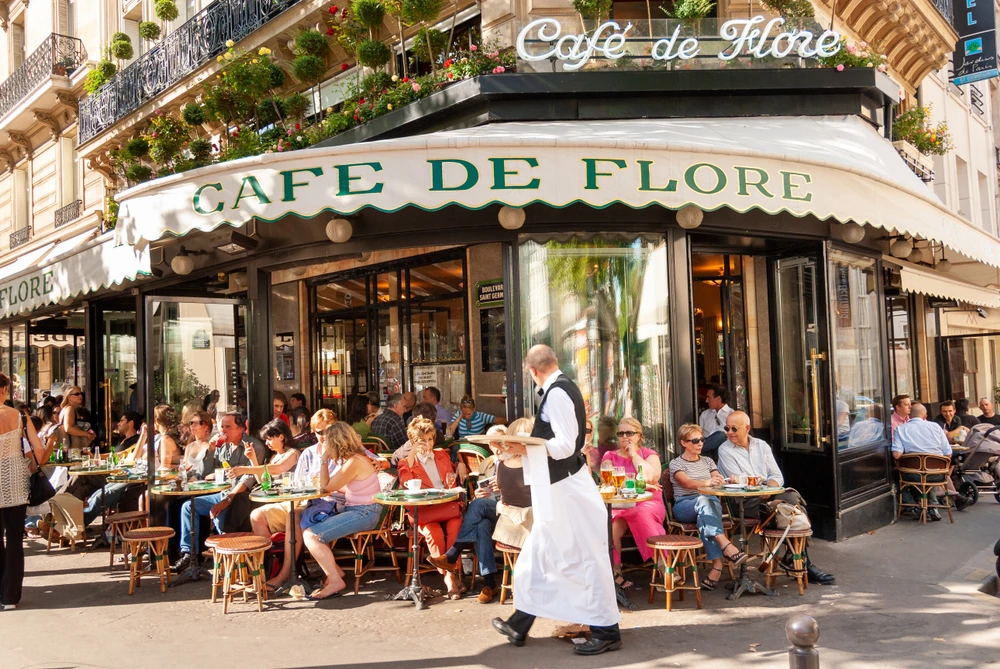
Le Café de Flore in Saint Germain des Prés Photo by Alex Segre/Shutterstock
The Rise of "Bistronomie"
In recent decades, Paris has led the Bistronomie movement. Tired of the stiffness of 3-star Michelin dining, young chefs have moved into smaller, neighborhood bistros. They use high-end techniques but serve food in a casual, accessible atmosphere.
-
What to eat in Paris: While you can find everything here, do not miss the Steak Frites with Béarnaise sauce, or the classic Croque Monsieur in a traditional café. For a true Parisian experience, visit a neighborhood market like Rue Mouffetard to see the seasonal pulse of the city.
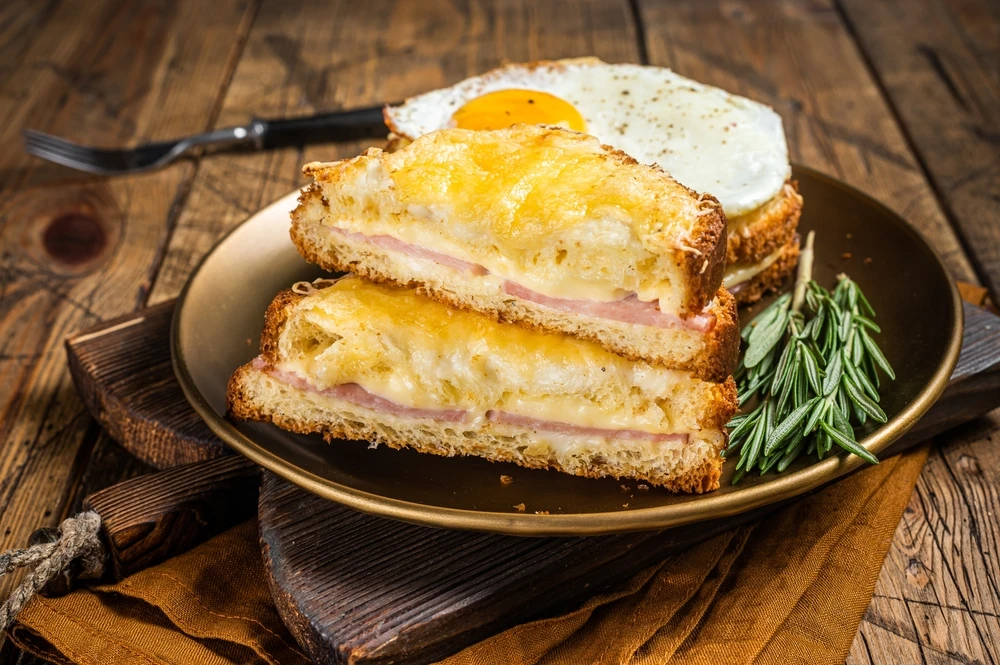
croque monsieur Image by Mironov Vladimir/Shutterstock
16. Travel Insight: Choosing Your Flavor Destination
Planning a "Food Trip" to France can be overwhelming. To optimize your itinerary, match your personal palate to the specific regional "DNA" we have explored:
| If you love... | Your Destination is... |
| Luxury, Truffles & Duck Fat | The Southwest (Périgord & Bordeaux) |
| Cream, Seafood & Apples | Normandy and Brittany |
| History, Wine & Rich Stews | Burgundy and Lyon |
| Garlic, Olive Oil & Sunshine | Provence and the French Riviera |
| Almond Pastries & Hidden Gems | The Grand Est (Nancy & Alsace) |
| Modern Innovation & Classics | Paris |
17. The Savory Art: Mastering the Flame and the Product
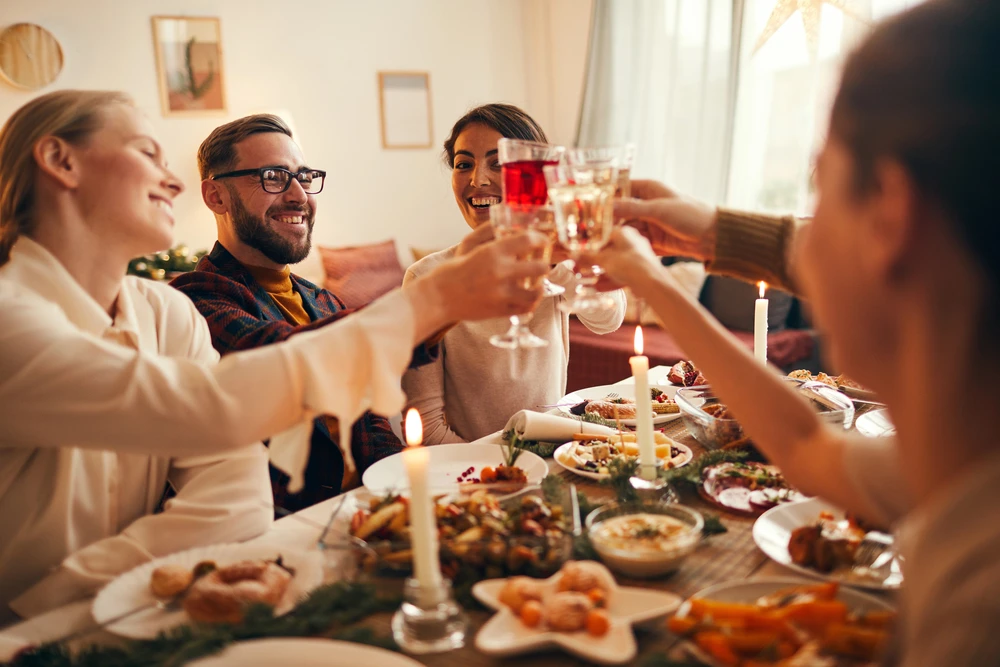
Pôtée is always enjoyed with friends / Photo chosen by monsieurdefrance.com: depositphotos
The secret of French cooking isn't complexity; it is discipline. As a journalist of taste, I’ve observed that the best French dishes rely on three technical pillars that you can master in your own kitchen.
The Secret of "Mijotage" (Simmering)
In France, we take our time. Mijoter means to let the ingredients "talk" to each other over a very low flame for hours. This slow alchemy is what transforms a tough piece of beef into a Boeuf Bourguignon. The heavy cast-iron pot is the most important tool in a French kitchen.
The "Mother Sauces"
French cuisine is built on a foundation of five "Mother Sauces" (Béchamel, Velouté, Espagnole, Hollandaise, and Tomate). Mastery of these five liquids allows you to create thousands of variations. For the American cook, starting with a simple Béchamel for a gratin is the first step toward culinary fluency.
The Potato: Parmentier's Legacy
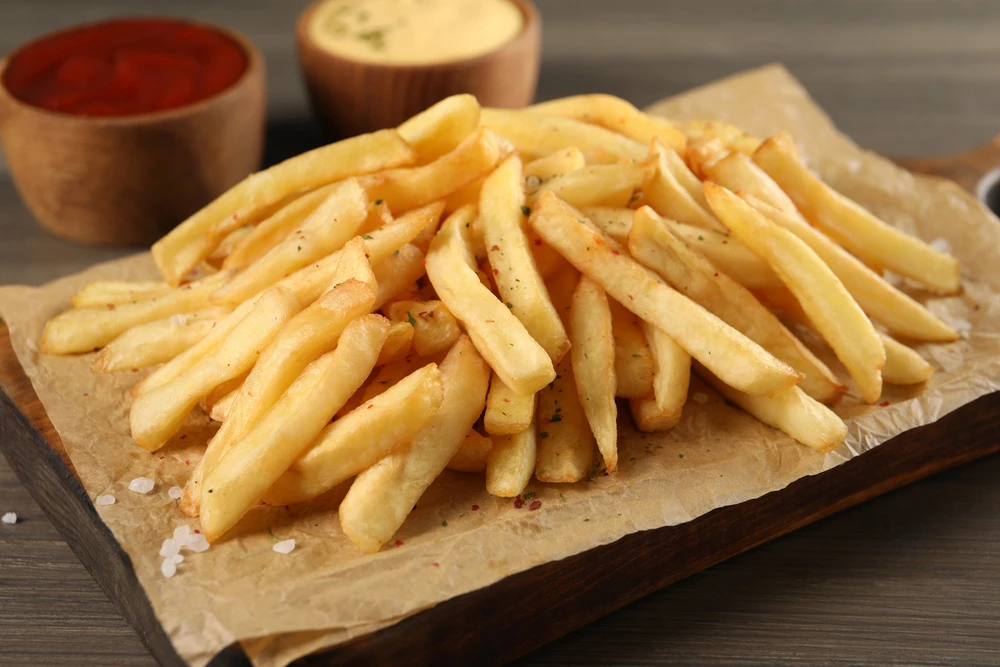
Ready-made fries / Photo selected by Monsieur de France: NewAfrica via depositphotos
We owe our love for the potato to Antoine-Augustin Parmentier, who proved in the 18th century that it was fit for human consumption. Today, it is the base of our most comforting dishes. To reach the pinnacle of this art, you must try Joël Robuchon’s authentic mashed potato recipe—it is 50% potato, 50% butter, and 100% heaven.
Needless to say, the best French fries in the world are made here, and here's the trick to making them perfectly
The Kingdom of Comfort Food: The Heartbeat of French Cooking
While French gastronomy is often perceived abroad as a high-altitude technical discipline, at its core, it is the absolute Kingdom of "Comfort Food." This is what we call la cuisine du cœur (cooking from the heart): generous dishes that fill the house with intoxicating aromas and warm the soul after a long day. The secret of this comfort lies in two pillars: slow-simmering (mijotage) and melted cheese. Whether it’s a Gratin Dauphinois, where cream and potatoes fuse for hours, or a Savoyard Tartiflette with Reblochon cheese oozing over crispy bacon, French cuisine excels at turning simple ingredients into a culinary embrace.
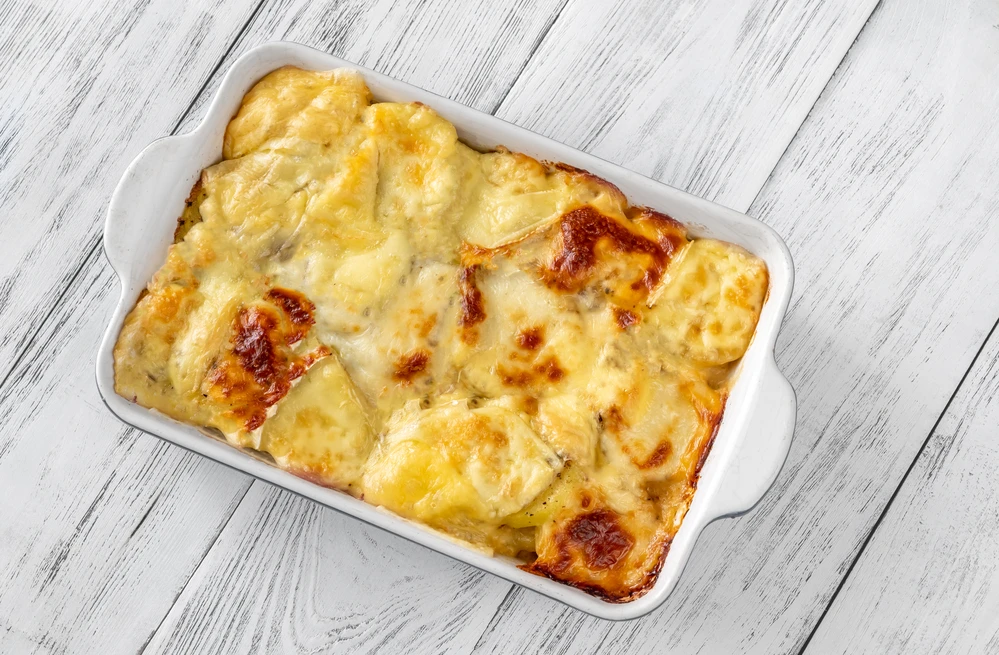
tartiflette : photo depositphotos for Monsieurdefrance
It is a cuisine that doesn't prioritize visual perfection but rather the depth of flavor. A simple French Onion Soup topped with a thick crust of toasted Gruyère, or an Aligot from the Aubrac—a stretchy ribbon of fresh Tome cheese and garlic-infused potato puree—proves that French luxury is often found in the generosity of a shared pot. This unpretentious authenticity is why, anywhere in France, you feel exactly like you’re sitting in your grandmother’s kitchen.
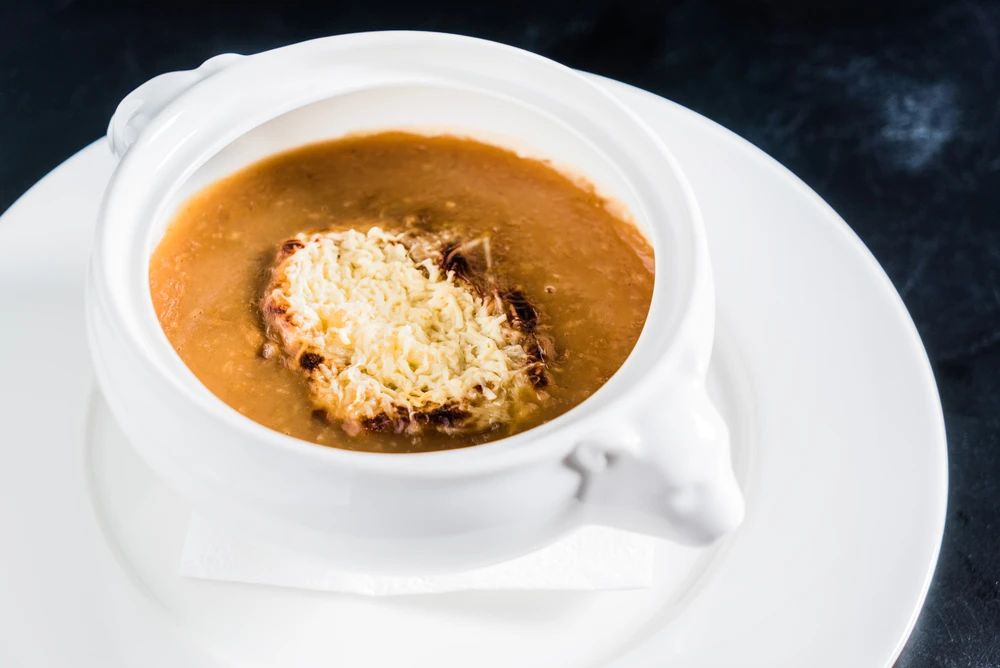
Onion soup is traditionally served in "lion's head" bowls and makes a great starter for a winter meal. Photo chosen by Monsieurdefrance.com: Shebeko via depositphotos.
18. The Art of Beverages: Wine as a Liquid Seasoning
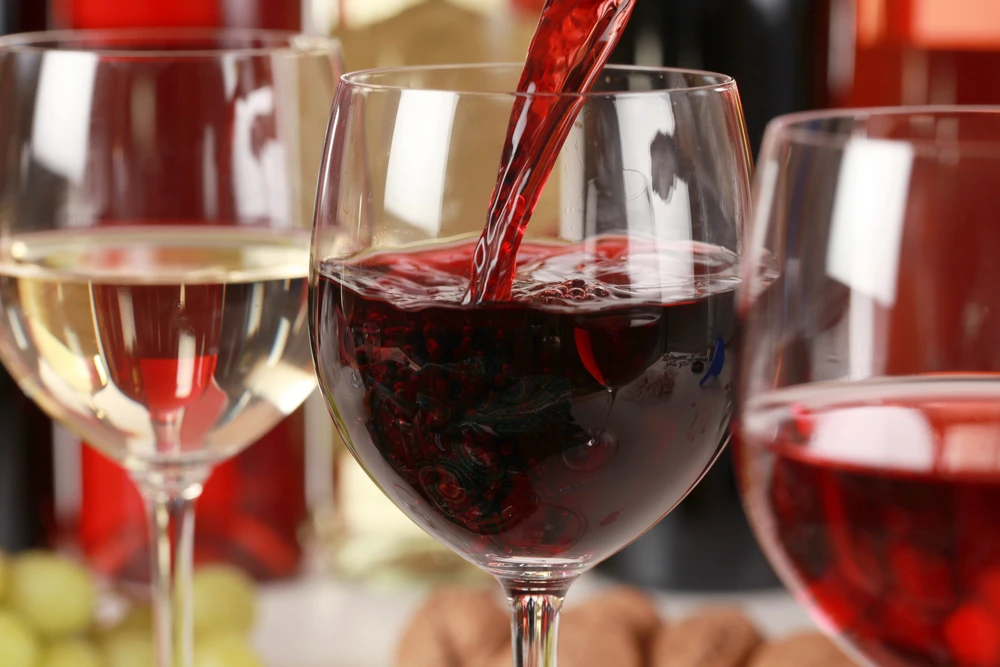
Always get the local wine first
In France, wine is not a drink to "get drunk"; it is a liquid ingredient. It is designed to cleanse the palate and enhance the fats and proteins of the meal.
Understanding the AOC System
For our American friends, wine is often classified by the grape (Chardonnay, Merlot). In France, we classify by Place (Appellation d'Origine Contrôlée).
-
We don't drink "Pinot Noir"; we drink a Bourgogne.
-
We don't drink "Sauvignon Blanc"; we drink a Sancerre.
It is the soil (terroir) that gives the flavor, not just the fruit. This is the ultimate expression of our connection to the land.
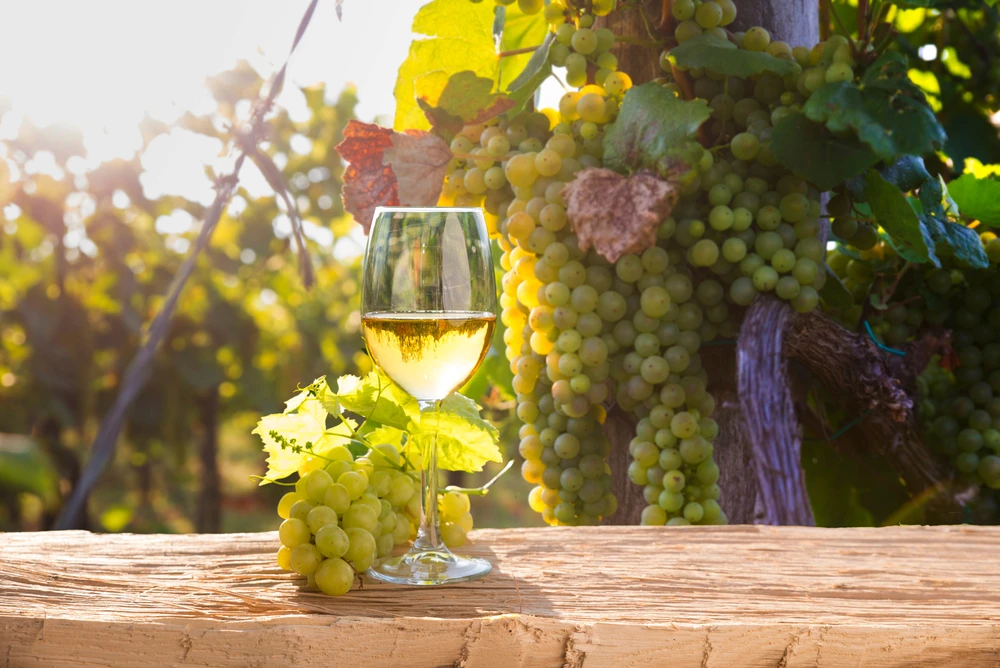
And why not an Auvergne wine?
Beyond the Vineyard: Digestifs and Ciders
The meal doesn't end with wine. We conclude with a Digestif (Cognac, Armagnac, or Calvados) to aid digestion. In the North, especially in the Grand Est and Normandy, artisanal Ciders and Beers are gaining status, offering a refreshing alternative to the vine.
Champagne !
Champagne is the only wine in the world legally entitled to the name, protected by strict AOC rules linked to its unique chalky terroir. An absolute symbol of French celebration and luxury, its finesse comes from the "méthode champenoise" and its characteristic second fermentation in the bottle.
Whether it is a Blanc de Blancs or a blend, it perfectly expresses the elegance of Chardonnay, Pinot Noir, and Pinot Meunier grapes. Listed as a UNESCO World Heritage site, the historic cellars of Reims and Épernay hide bubbly treasures coveted by enthusiasts across the globe. To master the art of the perfect pour, discover my tasting tips and the history of this "king of wines" here:
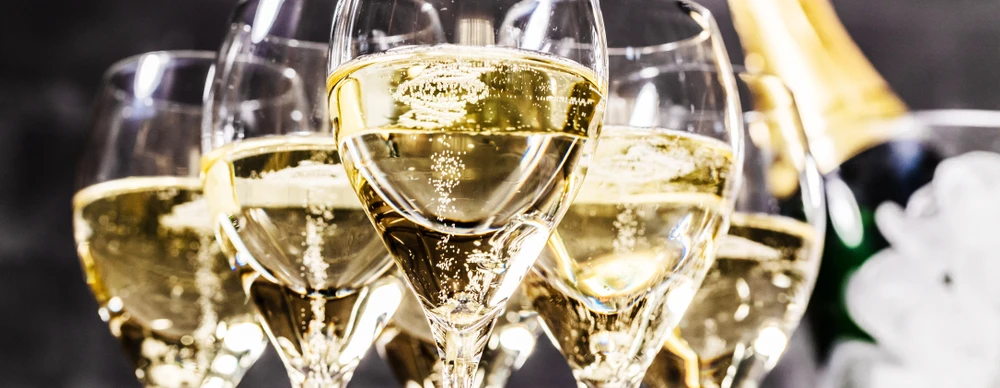
Champagne ! Photo chosen by Monsieurdefrance.fr: KarepaStock/Shutterstock.fr
19. FAQ: Navigating the French Table Like a Local
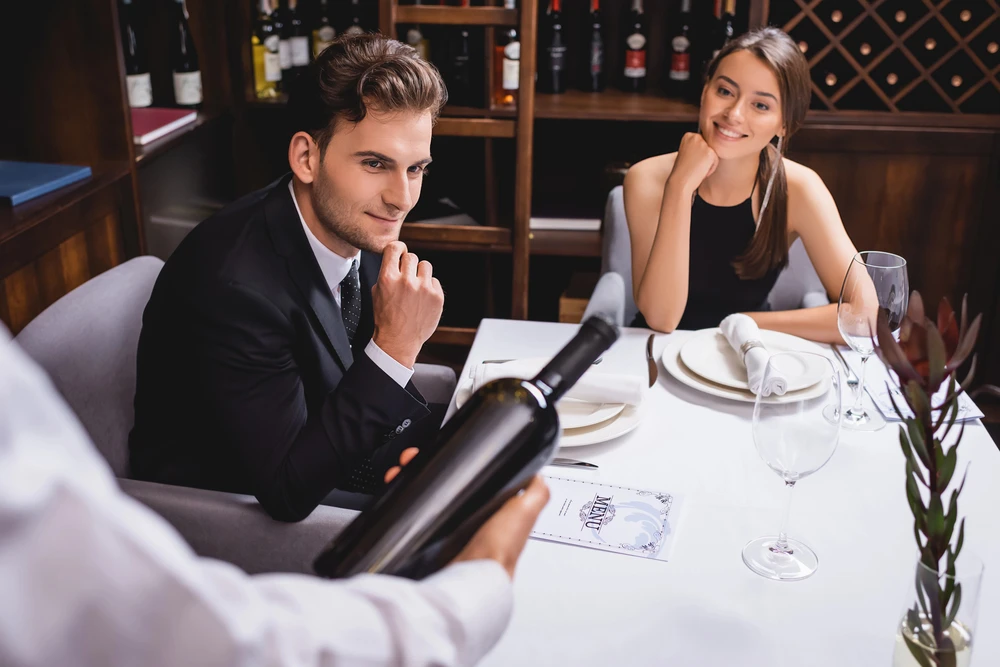
We always listen to the staff when they present what we are going to taste or when they ask you what you like / Photo chosen by Monsieur de France; despositphotos.
To ensure your first meal in France is a success, here are the answers to the questions every traveler asks:
Why is the bread always free and on the table?
Bread is a utensil. It is used to accompany the cheese and to "saucer" your plate. It is the greatest compliment to the cook to leave your plate clean.
Is tap water safe to drink?
Yes, French tap water is among the best in the world. Always order a "Carafe d'eau"—it is free and chilled. You do not need to pay for bottled water unless you specifically want sparkling (eau pétillante).
How do I handle the bill and tipping?
In France, "Service Compris" means the service charge is already included in the price. You are not expected to tip 20%. If the service was excellent, leaving 2 or 3 Euros on the table is a perfect gesture of appreciation.
Can I really cook these recipes at home?
Absolutely. Most French classics are "peasant" dishes at heart. Whether you want to make a brioche easily or try authentic Macarons from Nancy, the secret is simply high-quality butter and patience.
20. You Can Cook French at Home: It is Easier Than You Think

You might think that mastering the Gallic kitchen requires a decade of training under a Michelin-starred chef, but here is a secret: you can cook French at home and it is remarkably easy. The soul of our gastronomy isn't found in overly complex plating, but in the humble, rustic traditions of the terroir. Most iconic French dishes, from a velvety Blanquette de Veau to a comforting Potée, were born in simple peasant kitchens where a single cast-iron pot and a low flame did all the hard work.
By focusing on high-quality ingredients—like real European-style butter and fresh seasonal herbs—and embracing the art of patience (mijotage), you can recreate the magic of a French bistro in your own kitchen without any specialized equipment. It’s not about technical perfection; it’s about the love of the product and the joy of sharing.
Here are 10 French dessert recipes to make at home wherever you are in the world
21. French Flavor Alchemy: Metamorphosing the Ordinary
The true genius of the French kitchen lies in its ability to take "bland" or inexpensive ingredients and transform them into masterpieces through a handful of legendary bases. We don't mask the product; we reveal its potential. If you have a head of cauliflower, a simple hard-boiled egg, or a bowl of greens, you have the canvas for a gourmet experience. This is the art of flavor metamorphosis.
The Three Pillars of Transformation
To cook like a Frenchman, you must master the three essential emulsions and sauces that act as the "magic wand" of the kitchen: the Béchamel, the Mayonnaise, and the Vinaigrette.
1. Béchamel: The White Velvet
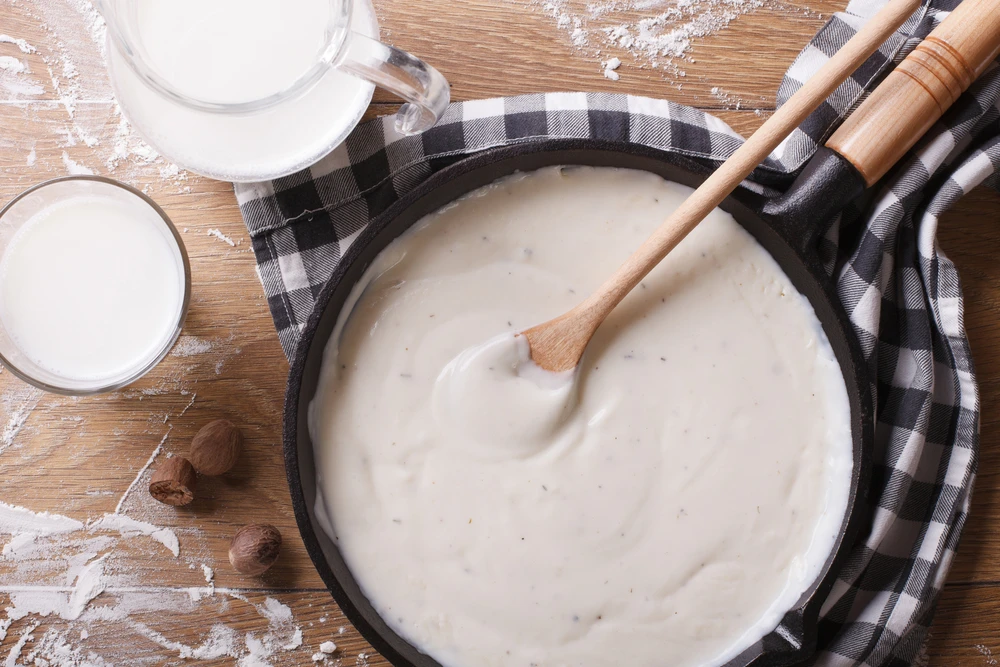
A béchamel sauce. Photo chosen by monsieurdefrance.com / By Shutterstock
This is the ultimate "Mother Sauce." By simply whisking milk into a roux (equal parts butter and flour), you create a creamy, luxurious blanket. It is the secret to turning dry pasta into a decadent Gratin, or making a simple slice of bread into a world-class Croque Monsieur. Without Béchamel, there is no comfort food.
Expert Tip: Always add a pinch of freshly grated nutmeg at the end. It’s the invisible ingredient that makes the flavors "pop." Check out our fail-proof recipe here:
2. Mayonnaise: The King of Cold Emulsions
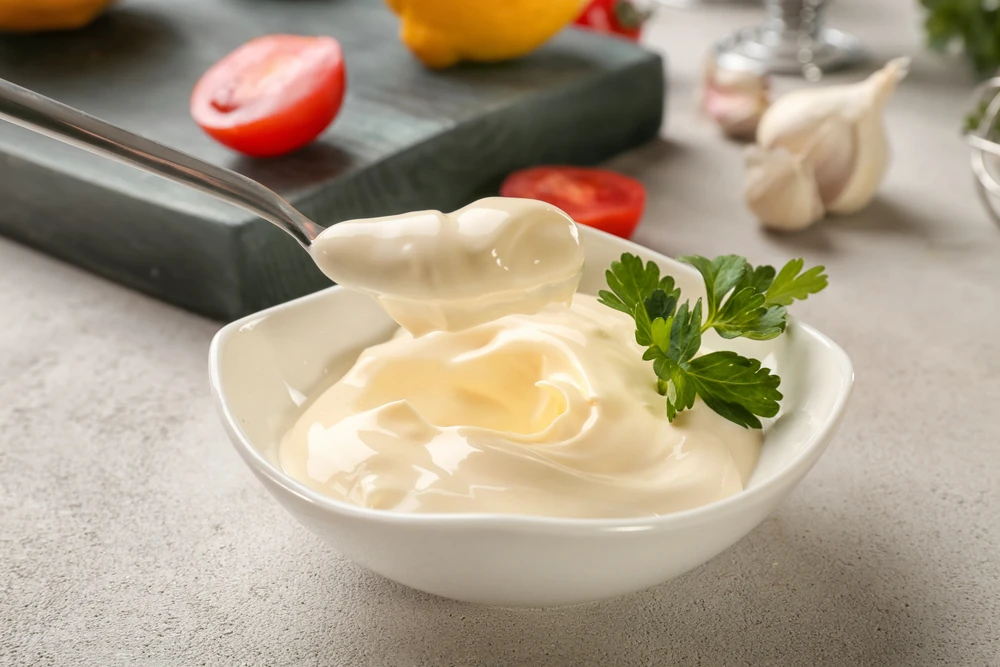
Mayonnaise – photo par Africa Studio/Shutterstock.com
Forget the jarred, industrial spreads. A real French Mayonnaise is a living thing—an emulsion of egg yolk, Dijon mustard, oil, and a touch of vinegar or lemon. It is the backbone of the Parisian bistro classic, "Oeuf Mayo" (hard-boiled eggs with mayonnaise), a dish so respected it has its own preservation society. A dollop of homemade mayo transforms leftover cold chicken or steamed vegetables into a feast.
3. Vinaigrette: The Daily Ritual
In France, we never buy bottled salad dressing. A Vinaigrette is made fresh, every single day. The classic ratio is one part acid (vinegar or lemon) to three parts oil, emulsified with salt, pepper, and a generous teaspoon of mustard to bind it all together. This sharp, acidic dressing is what gives "soul" to a simple green salad, cutting through the richness of a meal and refreshing the palate. Learn the family secrets of the perfect vinaigrette here: https://monsieur-de-france.com/fr/recette-vinaigrette-maison
21. Conclusion: Become an Ambassador of Taste
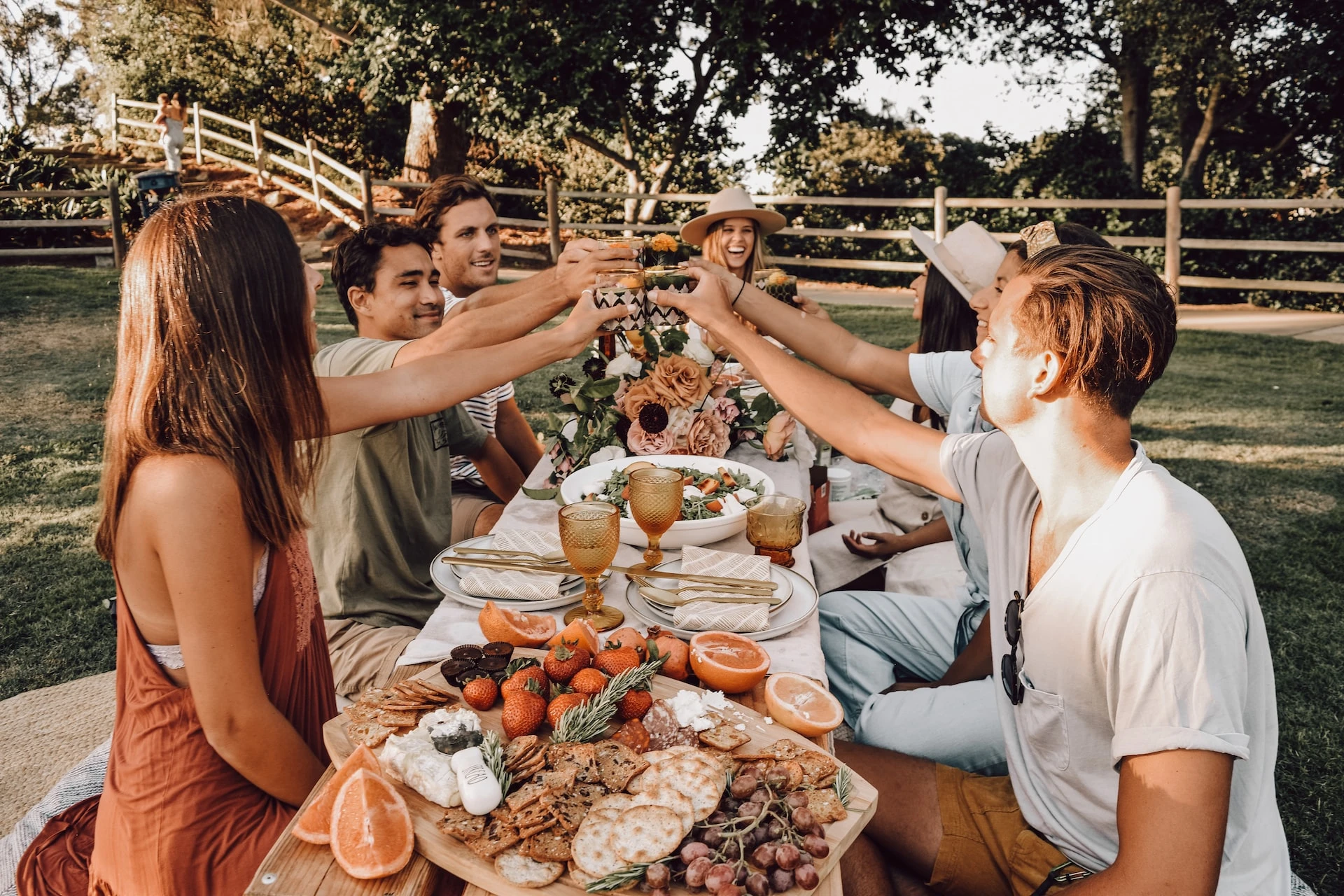
Photo de krakenimages sur Unsplash
This guide, spanning over 4,000 words, is more than just a manual—it is a map to the French soul. French gastronomy is an open door to our history, our landscapes, and our shared humanity. Whether you are traveling through our regions or standing at your own stove, remember that the most important ingredient is not technique, but the pleasure of the shared moment.
Cook, taste, travel, and never forget: behind every dish lies an artisan, a farmer, or a grandmother who passed down her knowledge. That is the true magic of France.
Jérôme Prod'homme
Specialist in French heritage, gastronomy, and tourism.
Find all my discoveries on monsieur-de-france.com.

FAQ
What is French gastronomy?
French gastronomy refers to the traditions, knowledge, and cultural practices surrounding food in France. It combines high-quality ingredients, regional specialties, cooking techniques, and the art of sharing meals. In 2010, the “Gastronomic Meal of the French” was recognized by UNESCO as part of the Intangible Cultural Heritage of Humanity.
Why is French cuisine so famous?
French cuisine is famous because of its culinary techniques, regional diversity, and strong link with local products known as terroir. From cheeses and wines to traditional dishes like boeuf bourguignon or ratatouille, French cooking reflects centuries of history and craftsmanship.
What are the most traditional French dishes?
Some of the most iconic traditional French dishes include pot-au-feu, boeuf bourguignon, cassoulet, blanquette de veau, ratatouille, coq au vin, and quiche Lorraine. These recipes represent different regions of France and are deeply rooted in local traditions.
How do French people usually eat their meals?
A traditional French meal follows a specific structure: apéritif, starter (entrée), main course (plat principal), cheese (fromage), dessert, and coffee. Meals are rarely rushed and are seen as an important social moment where conversation and food are equally valued.
Do French people tip in restaurants?
In France, service is included in the price of restaurant meals (“service compris”). This means tipping is not mandatory. However, leaving a small amount—such as one or two euros—for particularly good service is considered a polite gesture.
What is terroir in French cuisine?
Terroir describes the unique combination of soil, climate, local traditions, and human craftsmanship that shapes the flavor and identity of a food product. It explains why the same ingredient can taste very different depending on where it is produced.
Can I cook traditional French dishes at home?
Yes. Many classic French recipes were originally rustic dishes created in family kitchens. With good ingredients, patience, and simple techniques like slow simmering (mijotage), it is possible to recreate authentic French flavors at home.