The story behind French pot-au-feu
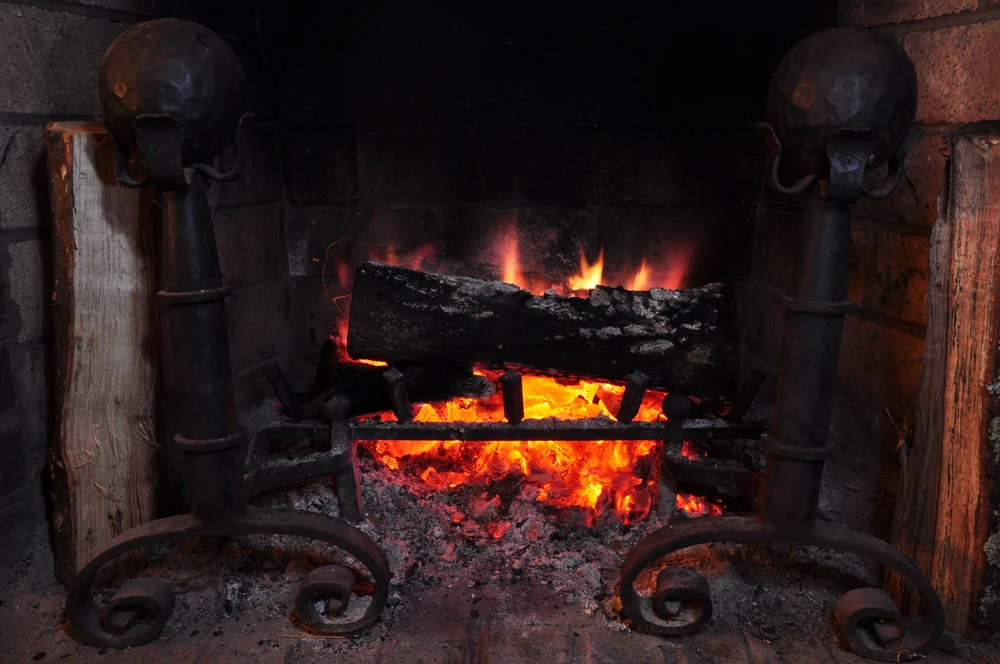
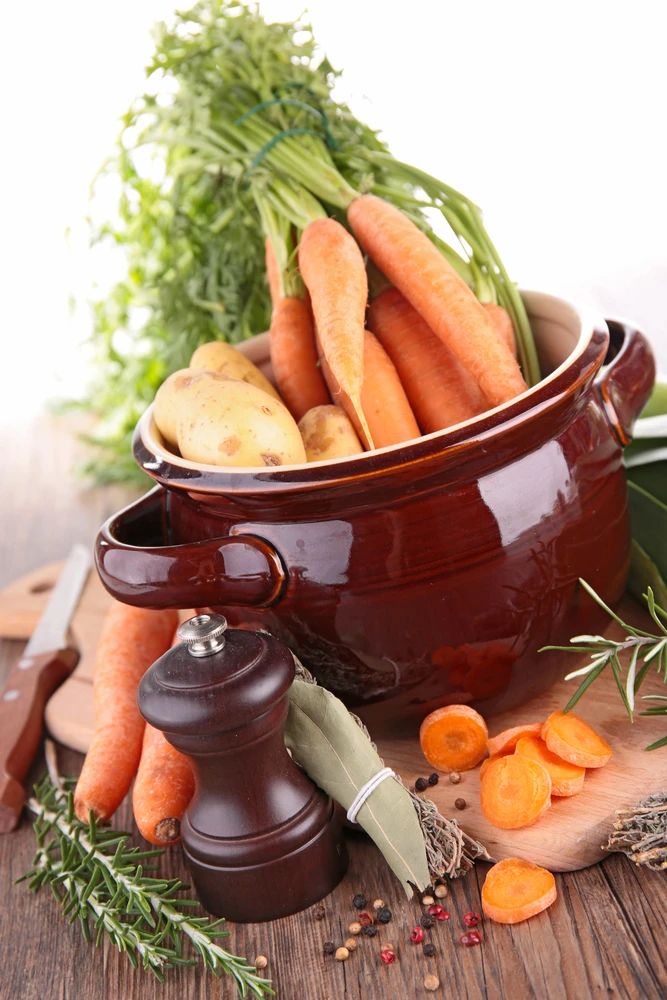
Pot-au-feu was literally a pot left on the stove to cook all day long. Photo selected by Monsieur de France: depositphotos
Pot-au-feu is one of the oldest and most emblematic dishes in French cooking. The name literally means “pot on the fire”, a reference to the centuries-old tradition of keeping a pot simmering at the hearth throughout the day. In medieval households, the pot never truly left the fire: new ingredients were added as the day went on, and the broth grew richer and deeper.
The modern version appeared around the eighteenth century, when cooks began separating the broth, the meat, and the vegetables into a structured meal. It became the Sunday supper of both rural and urban families. The broth was served first as a soup, then the meat and vegetables followed as the main dish. Food writers like Brillat-Savarin praised pot-au-feu as “the most honourable of all stews”, because it combines simplicity, nourishment, and long, careful cooking. Even today, French families prepare it as a reminder of winter comfort, generosity, and a slower way of cooking. What makes pot-au-feu so beloved is its balance: fragrant broth, melting meat, vegetables holding their shape, and a harmony of textures created by hours of gentle simmering.
Ingredients for traditional pot-au-feu
Serves 6
Beef cuts
-
600 g (about 1.3 lb) paleron or chuck
-
400 g (about 0.9 lb) shank or gîte
-
1 piece of short ribs or brisket
-
2 marrow bones
Vegetables
-
6 carrots
-
3 leeks
-
4 turnips
-
1 celery stick
-
4 potatoes
-
2 onions
-
1 clove for the onion
-
1 bouquet garni (thyme, bay leaf, parsley)
-
Rock salt and whole peppercorns
The secret of the recipe is simple: combine lean cuts with gelatin-rich cuts. The broth becomes full-bodied, and the meat stays tender without falling apart.
How to make an authentic French pot-au-feu
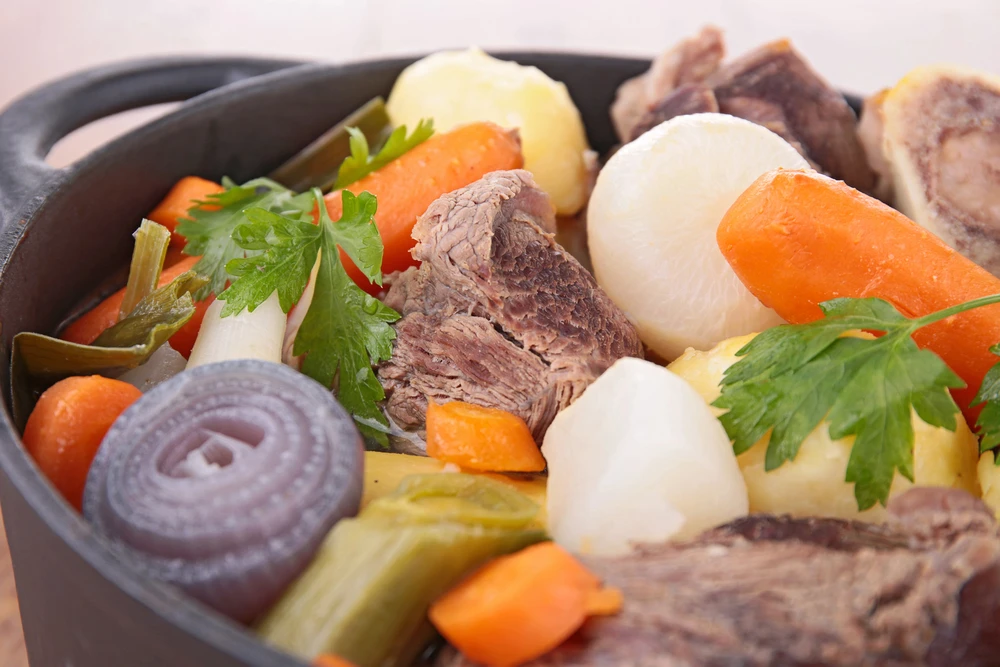
Preparing the meat
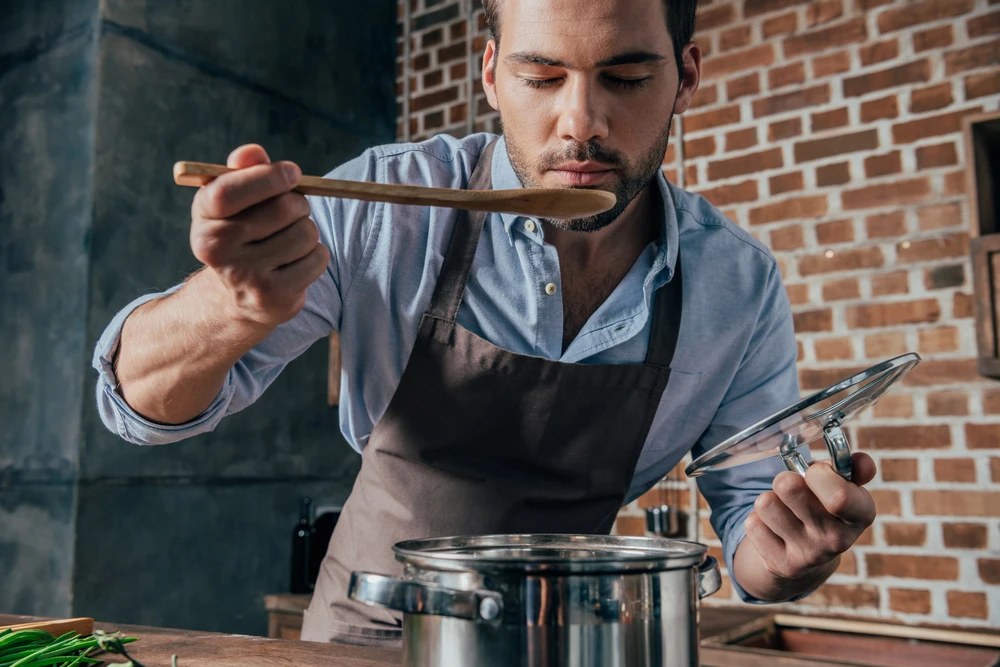
Rinse the beef cuts under cold water to remove excess impurities. Place them in a large pot and cover generously with cold water. Bring gradually to a simmer. A light foam will appear on the surface: skim it carefully with a spoon.
Skimming is essential: it ensures a clear, delicate broth and prevents cloudiness.
Building the broth
Once the foam has been removed, add the onions (one of them pricked with the clove), the bouquet garni, a teaspoon of rock salt, and a few peppercorns.
Let the pot simmer gently for about 1 hour and 30 minutes.
Avoid boiling: rapid boiling tightens the meat fibres and makes the broth harsh. Pot-au-feu is all about patience and low heat.
Adding the vegetables
After the first 90 minutes, add carrots, leeks, and celery. Continue cooking for 45 minutes.
Then add the turnips and potatoes for the last 30 minutes to keep them whole and tender without falling apart.
Cooking the marrow bones
Marrow bones need less time. Add them about 20 minutes before the end of the cooking time. To prevent the marrow from escaping, wrap them loosely in cheesecloth before placing them in the pot.
Served on toast with a pinch of sea salt, the hot marrow is one of the traditional pleasures of pot-au-feu.
Serving the dish
Traditionally, the meal is served in two parts.
First, the broth: strained, very hot, and sometimes with thin slices of toasted baguette.
Then, the meat and vegetables arranged on a platter, sprinkled with a little broth. Serve with mustard, cornichons, or a spoonful of coarse salt.
A true pot-au-feu is two courses in one: a soup and a comforting beef dish.
Tips for a perfect pot-au-feu
-
The slower the simmer, the better the broth.
-
Add a small piece of oxtail for a stronger, silky broth.
-
A whole unpeeled garlic clove gives subtle sweetness.
-
Use seasonal vegetables for balance and texture.
-
Leftover meat is ideal for shepherd’s pie or cold beef salad with vinaigrette.
Regional variations in France
Alsace
Often enhanced with smoked brisket or shank, adding a light smokiness to the broth.
Burgundy
Sometimes enriched with a splash of red wine, producing a darker broth with a wine-infused aroma.
Southwest France
Cooked with a spoonful of duck fat, which deepens the flavour and adds richness.
Northern France
Turnips, beetroot, or smoked sausage may appear for a more rustic character.
Pot-au-feu changes with the region, but the principles remain the same: long cooking, tender meat, fragrant broth.
FAQ – French Pot-au-Feu Recipe
What is the best cut of beef for pot-au-feu?
A mix of chuck, shank, and short ribs. Lean cuts for flavour, gelatin-rich cuts for structure.
How long does pot-au-feu take to cook?
About 3 hours in total on low heat.
Can I make pot-au-feu ahead of time?
Yes. It is even better the next day, once the flavours have blended.
How do I get a clear broth?
Skim regularly, simmer gently, and refrigerate overnight to remove excess fat.
What vegetables should I use?
Carrots, leeks, turnips, celery, potatoes. Root vegetables work best.

Can pot-au-feu be frozen?
Yes. Both the broth and the meat freeze beautifully.
What is the difference between pot-au-feu and beef stew?
Pot-au-feu is clearer, lighter, and traditionally served in two courses.
How do you serve marrow bones?
Hot, on toasted bread, with sea salt.
Which wine pairs well with pot-au-feu?
Light red wines: Burgundy, Gamay, or Loire Valley reds.
Learn more about French cuisine
The complete guide to French cuisine
Traditional French recipes you must try
Discover the secrets of French desserts
The gastronomic meal of the French (UNESCO heritage)
10 essential French cheeses you should taste
Explore all French recipes and culinary traditions