Discover the incredible story of Antoine Parmentier, the man who introduced potatoes to France. Royal marketing and hash: let me tell you his epic tale!
A brief history of mashed potatoes: from Apicius to the present day
It is often overlooked, but I assure you that vegetables have been mashed since the dawn of time.
Almost anything can be made into a purée, since all you have to do is mash whatever you want to eat. So we can imagine that purées were invented along with tools, even a simple stone when you think about it, ages ago. Oh, I almost forgot: fire also had to be discovered. Well, yes, mashed uncooked vegetables or fruit are less tasty, aren't they? What is certain is that many mashed recipes have been passed down to us since the dawn of time.
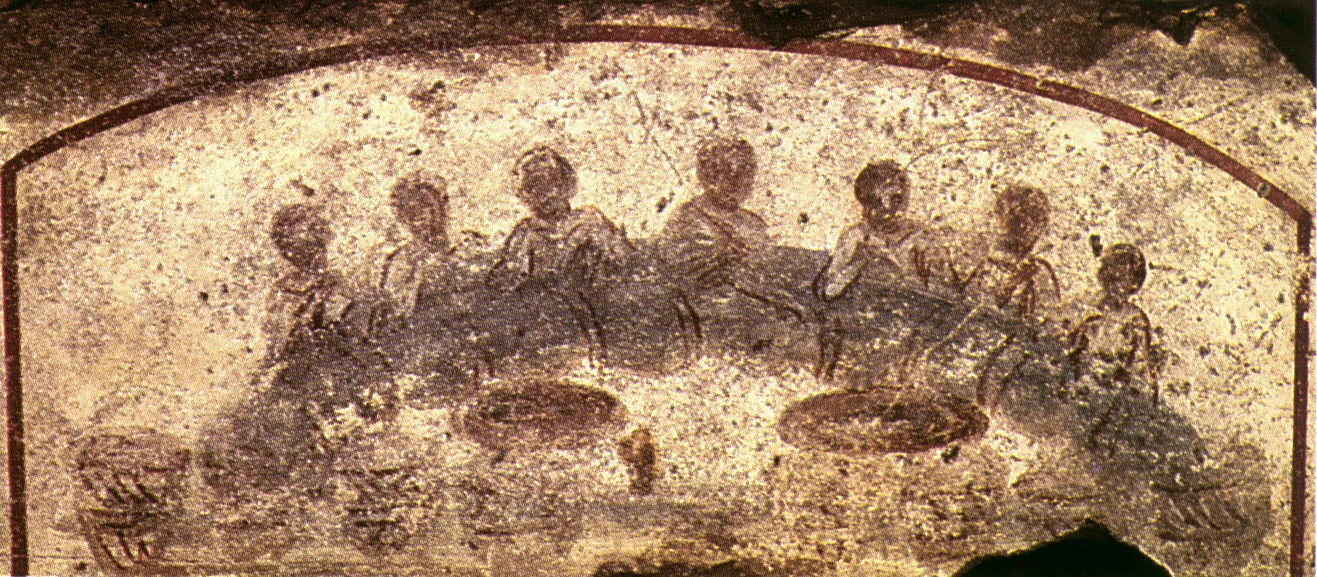
Romans at table / Photo wikipedia.
The Romans, for example, left us some pretty nice recipes for purée. Pliny the Elder, for example, loved pea purée, while Dion Cassius liked green vegetables. To each his own, after all. In the Middle Ages, purées were rare (even though people lost their teeth quickly at that time). They were made from beans and were, in fact, considered more like sauces to accompany dishes. It was the 18th century that put purées in the spotlight by puréeing a wide variety of foods, including artichokes and turnips.
The potato: the guest from America
That's right! Before Christopher Columbus, there were no potatoes in the garden. Unimaginable today. No tomatoes either, mind you, but that's another story. When they arrived in America, the Spanish conquistadors discovered not only the Incas, the Aztecs and so on, not only gold and silver, but also the potato, which had long been one of the favorite vegetables of the American Indians. They had been growing all kinds of potatoes for at least 10,000 years. An object of curiosity for Europeans, who used it as a medicine for a while, it slowly began to make its way to the Old Continent in the 17th century. The Italians considered it a truffle. The French initially called it "cartoufle," which became "kartofeln" among the Germans, who were the first to consider it a food to be cultivated on a more or less large scale. It was in Germany that Monsieur Parmentier discovered the potato...
Parmentier: the genius who made potatoes fashionable
It arrived in France in the 18th century with Monsieur Parmentier. Antoine-Augustin Parmentier (1737-1813) was a remarkable character. He was originally a military pharmacist. Passionate about progress, like his era, the Age of Enlightenment, he discovered the potato in Prussia while he was a prisoner during the Seven Years' War. This potato porridge was what was served to prisoners. It was nutritious and the vegetable was fairly easy to grow. It was a solution to the food shortages that were still ravaging France, where people were at the mercy of fragile wheat and rye crops. Bread is the staple food of the French, who pay a fortune for it (more than half their salary) and often run out of it due to the weather, for example. If it rains too much, the wheat doesn't grow; if it doesn't rain enough, the wheat doesn't grow either. With potatoes, there's no problem.
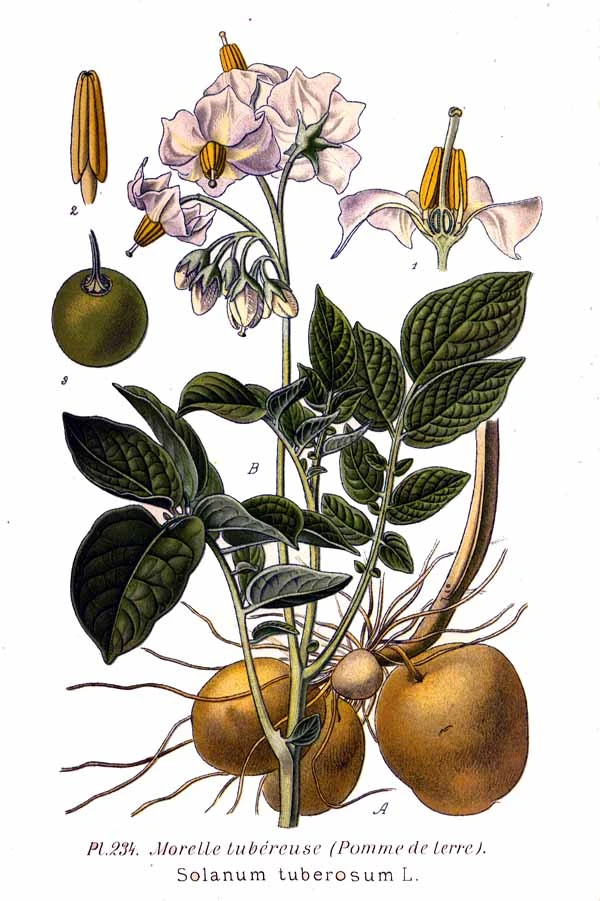
Botanical drawing of the potato / By Amédée Masclef — Atlas of Plants of France. 1891, Public domain. Wikimedia4
Parmentier's fight against preconceived notions
This was far from easy, since in France, with the exception of a few regions such as Lorraine and Franche-Comté, potatoes were disliked and considered more of a food for livestock. Moreover, people had no idea how to cook potatoes, which meant they couldn't appreciate their flavor. Parmentier did not give up. He presented his project at Versailles in 1786. After convincing King Louis XVI and Marie Antoinette of the benefits of potatoes, Parmentier persuaded them to help him by planting potatoes in Les Sablons near Paris, a poor piece of land where nothing grows. A few weeks later, he presented the king with a bouquet of potato flowers. Impressed, the sovereign congratulated Parmentier, saying, "France will one day thank you for finding the bread of the poor."
Strong in marketing, he makes potatoes "trendy."
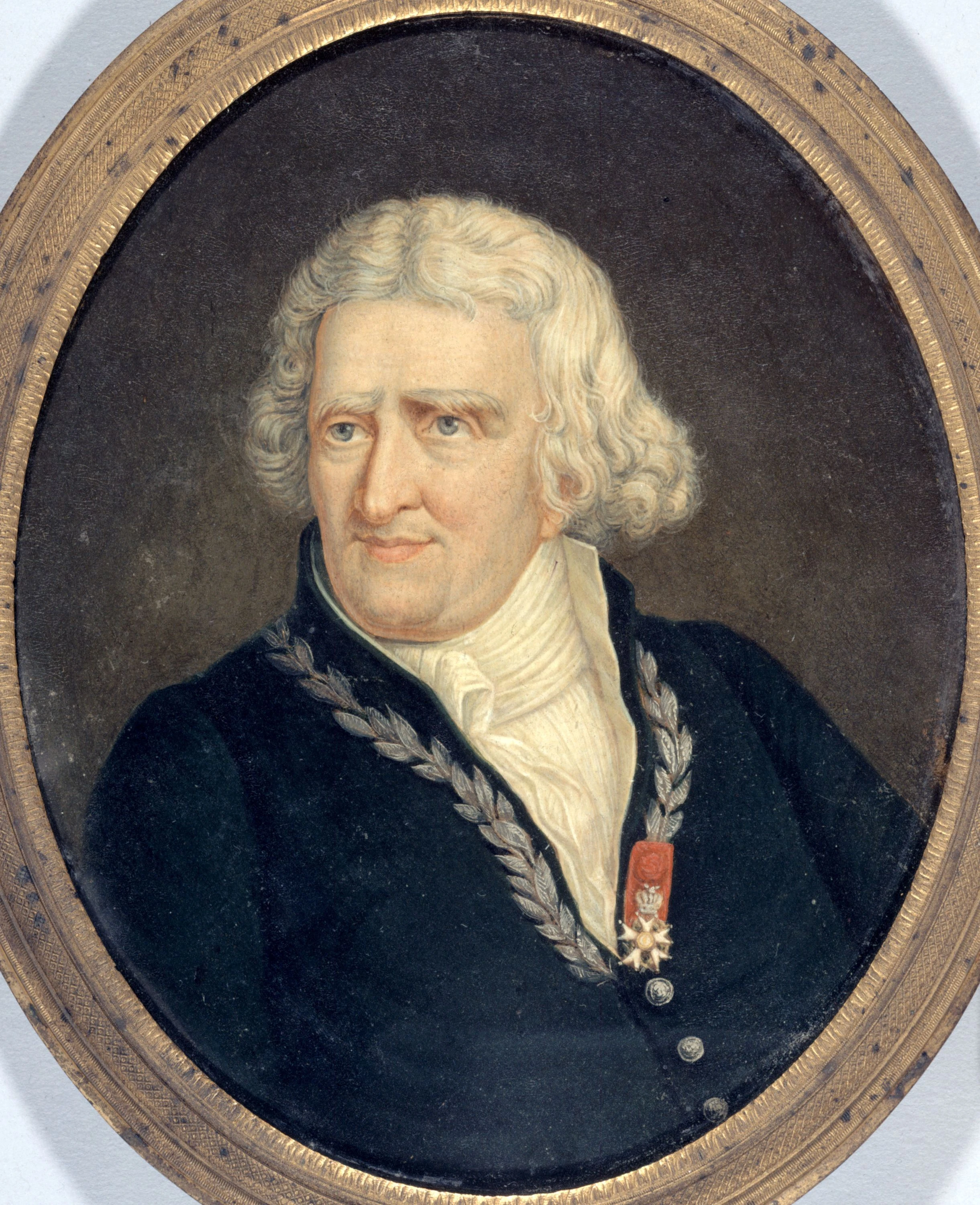
Antoine-Auguste Parmentier (1737–1813), French agronomist and philanthropist, promoter of the potato in France.
First, the queen promotes the potato. The king talks about the "bread of the poor" and the queen wears a potato flower in her buttonhole. It may not seem like much, but it gets people talking and piques the curiosity of the court and then the city. Next, Parmentier cooks his potatoes and presents them to the "influencers" of the time. Princes, bishops, and personalities such as Benjamin Franklin taste them and promote them in turn... That said, it wasn't until the 19th century that potatoes made their way into the countryside and became the new staple food of the French, behind bread, which still reigns supreme today as the French people's favorite food.
If you like shepherd's pie, I have a great recipe.
Discover the best French recipe for mashed potatoes
❓ FAQ: Everything you need to know about Antoine Parmentier
Why did Parmentier choose the potato?
A prisoner in Prussia during the Seven Years' War, I discovered that he survived thanks to potatoes when wheat was scarce. He understood that this easy-to-grow and nutritious vegetable was the perfect weapon against the famines that ravaged France.
Is it true that Marie Antoinette wore potato flowers?
That's absolutely true! To make potatoes fashionable at court, Parmentier presented the king with a bouquet. Louis XVI wore one in his buttonhole and Queen Marie Antoinette wore one in her hair. It was the height of chic at the time, and that was enough to make the entire nobility suddenly want to eat them.
Was hachis Parmentier invented by Parmentier himself?
Not directly. Although he promoted the use of potatoes in all their forms (bread, porridge, mashed potatoes), the dish we know today as "Hachis Parmentier" became popular later, in the 19th century, as a tribute to his name, referring to this gratin made with mashed potatoes and ground beef.
Where is Parmentier buried?
He is buried in Père-Lachaise Cemetery in Paris. And the best part? His grave is often covered with flowers... potato flowers! Admirers still come to lay a few tubers there as a sign of gratitude
Let's eat, and don't forget: every potato is a little tribute to history!
Jérôme Prod'homme / Monsieur de France.