The recipe for traditional shepherd's pie
🛒 Ingredients (serves 4 to 6 people)
-
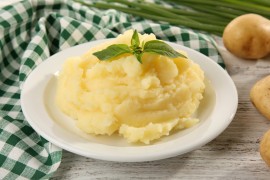
1 kg potatoes: Choose floury varieties (Bintje, Monalisa, or Manon).
-
350 g ground beef: (Or leftover chicken, duck, or pot-au-feu).
-
1 onion and 1 carrot: For flavor and texture.
-
1 clove of garlic.
-
10 cl of liquid cream: For the velouté.
-
Olive oil, salt, and freshly ground pepper.
Optional:
-
1 sprig of fresh thyme.
-
100 g grated cheese (Gruyère or Comté) or breadcrumbs.
shutterstock
👨🍳 The step-by-step process
1. Prepare the purée
- Peel your potatoes.
- Cook them in a large amount of salted water and save the cooking water.
- Mash your potatoes, either with a fork or a potato masher.
- If you want the purée to be smooth, add a little cooking water.
- Add the cream and mix.
2. Prepare the filling
- Preheat your oven to 180°C while you prepare the meat.
- Peel the vegetables: onion, carrot, and mince the garlic.
- Finely dice the carrot (roughly 5 minutes per side).
- Take a frying pan and fry them with a dash of oil.
- Add the ground beef and press the garlic.
- Add a little salt
- Sauté for 2 to 3 minutes (you can add a little thyme if you like).
3. Assembly and cooking
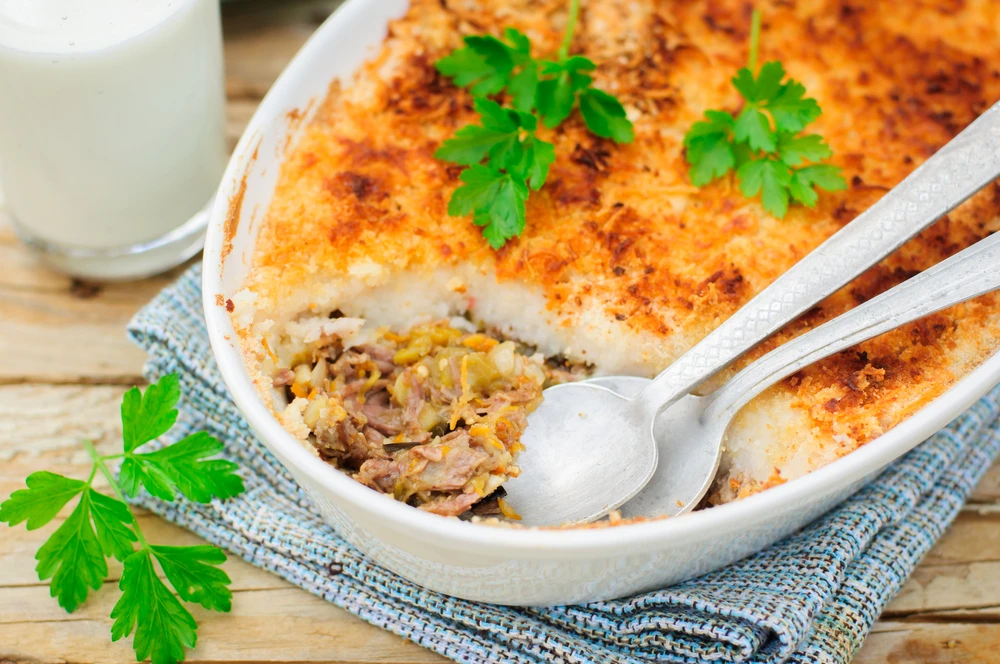
- In an ovenproof dish that is not too shallow
- Add the ground beef and vegetables.
- Cover everything with your purée.
- Season with a little pepper and salt.
Optional
You can cover the minced meat with 100 grams of grated cheese (preferably Gruyère) or breadcrumbs.
Cooking
- 25 to 30 minutes in an oven preheated to 180°C (thermostat 6)
- Bake for 5 minutes under the broiler before serving.
💡 The art of recycling leftovers
You can make shepherd's pie with leftover pot-au-feu or even leftover chicken, which you shred and use in place of ground beef. You can also make a delicious duck parmentier and replace the grated cheese on top with gingerbread crumbs. It's simply delicious!

📜 A bit of history: legend and reality
The legend
Legend has it that this dish was invented by Monsieur Parmentier , who gave it his name. It must be said that French cuisine, and even France itself, owe a great deal to this great agronomist named Antoine PARMENTIER (1737-1813). While imprisoned in Germany during the Seven Years' War, he discovered the potato. Convinced that it could feed the French at least as well as wheat, while being less fragile and less susceptible to climate conditions, he did everything he could to develop its cultivation and consumption in order to reduce famine. Supported by Louis XVI and Marie Antoinette (who wore a "potato" hairstyle to promote this novelty), he cultivated the first plants on the Grenelle plain not far from Paris and promoted the vegetable by serving it at his home to personalities such as Benjamin Franklin. This is where the legend comes from. To make people love potatoes, PARMENTIER is said to have invented hash to show that they went very well with minced meat, and he is said to have given his name to the dish.
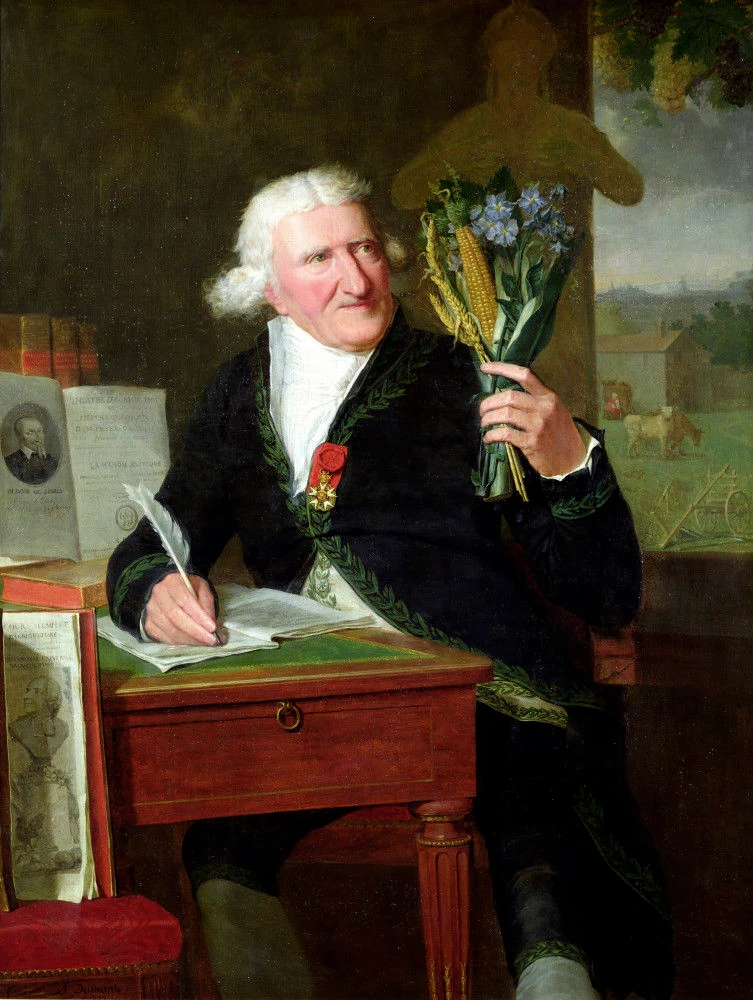
Mr. PARMENTIER represented by DUMONT in academic attire, wearing the Legion of Honor and holding some flowers that he has cataloged. Image selected by monsieurdefrance.com: Palace of Versailles.
Reality
In truth, we don't know who invented hachis parmentier. What is certain is that it first appeared in Paris in the 19th century in Parisian brasseries. It is said to have been named in honor of Monsieur Parmentier and his efforts to change the lives of the French and save them from famine thanks to the potato, discovered by the Spanish in America in the 16th century. But what matters, ultimately, is the legend. Monsieur Parmentier deserves to be credited with all the virtues.

❓ FAQ – Shepherd's pie
How to make a successful shepherd's pie?
A successful hachis parmentier relies on smooth mashed potatoes, flavorful meat, and good seasoning. The mashed potatoes should not be dry, and the dish should be lightly browned in the oven.
Can you prepare a shepherd's pie in advance?
Yes. Hachis Parmentier can be prepared well in advance and stored in the refrigerator for 24 to 48 hours before cooking or reheating.
Can you freeze a shepherd's pie?
Yes. Hachis Parmentier freezes very well, whether cooked or raw. Simply let it thaw slowly in the refrigerator before reheating.
What meat should you use for a shepherd's pie?
Traditionally, ground beef is used, but hachis parmentier can also be made with chicken, duck, or leftover pot-au-feu.
Which potato should you choose for shepherd's pie?
Floury potatoes such as Bintje or Monalisa are ideal for making smooth, creamy mashed potatoes.
What is the origin of hachis parmentier?
Hachis Parmentier appeared in Paris in the 19th century, probably in honor of Antoine Parmentier, who popularized potatoes in France.
Learn more about French cuisine
The complete guide to French cuisine
Traditional French recipes you must try
Discover the secrets of French desserts
The gastronomic meal of the French (UNESCO heritage)