How long does it take to visit the Palace of Versailles?
How much time should I allow for Versailles? You should allow a full day (6 to 7 hours) to visit the entire estate (Palace, Gardens, and Trianon). For a quick visit limited to the Palace and the Hall of Mirrors, allow 2 hours. A balanced itinerary including the Palace and Gardens takes around 4 hours. For enthusiasts, a 2-day visit is the ideal option for exploring the secret groves and Marie Antoinette's estate at a leisurely pace. Please note: you must book a time slot in advance.
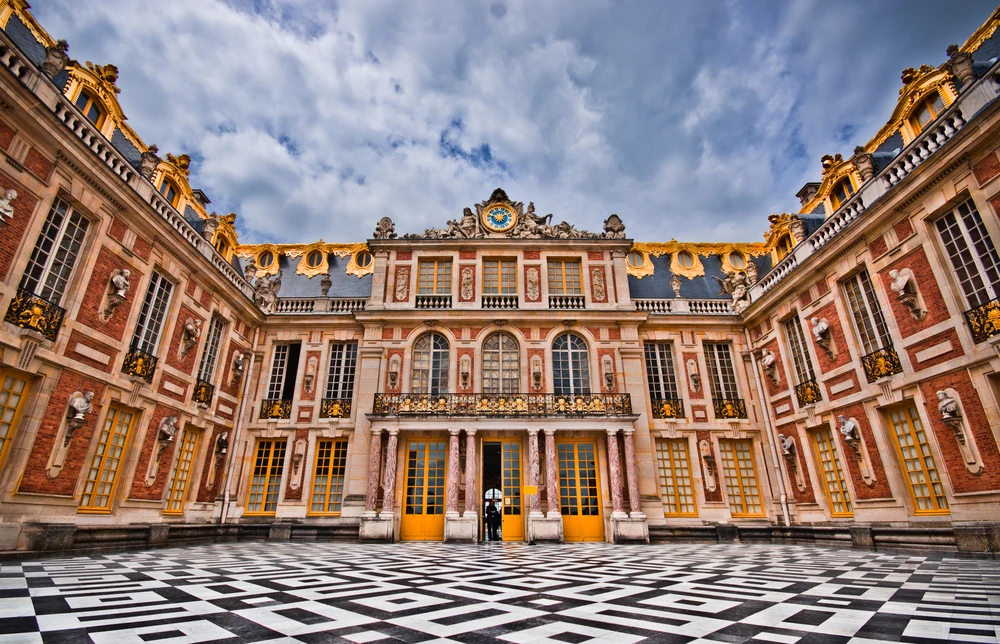
The Marble Courtyard with the facades of the first castle, that of Louis XIII / Photo by Fotos593/Shutterstock.com
2 hours: The essentials of the castle (Express format)
Who is it for? This format is designed for travelers in a hurry, professionals on a stopover, or those who simply want to see the legendary Hall of Mirrors without lingering over the botanical aspects of the estate.
What you actually see:
-
The King's Grand Apartments: A suite of seven richly decorated salons, each dedicated to a planetary deity.
-
The Hall of Mirrors: The most famous 73 meters in France, bathed in light.
-
The Queen's Apartments: The symmetrical counterpart to the King's apartments.
-
The Gallery of Battles: For enthusiasts of French military history.
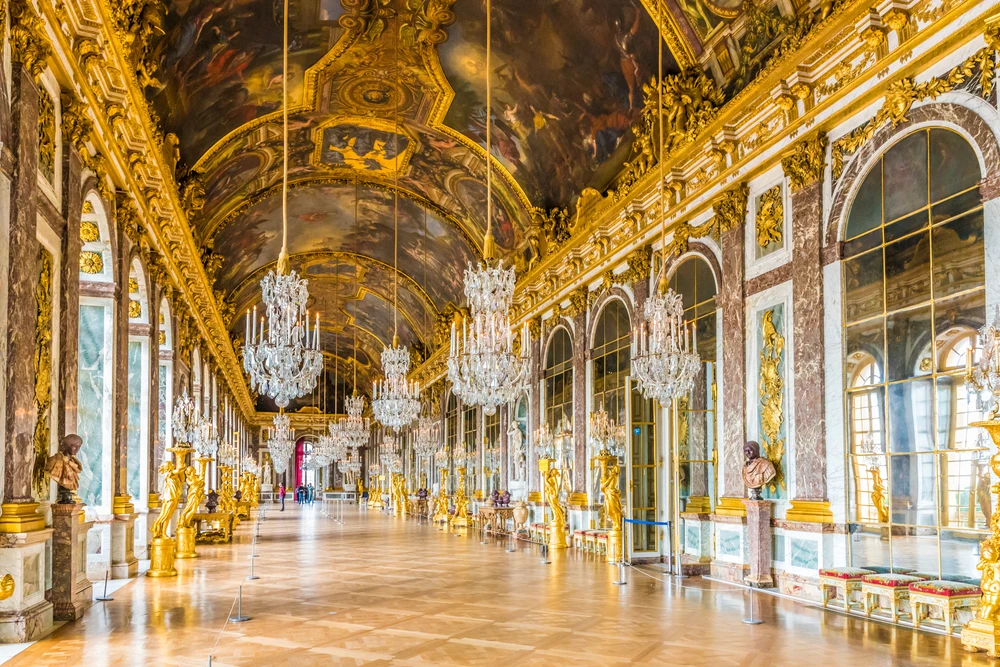
The Hall of Mirrors and its famous torches
Monsieur de France's verdict:
This is a quick visit. In two hours, you'll have to skip the gardens (except for the view from the windows) and the Trianons. It's frustrating, but at least you can say, "I was there." Expert tip: Be sure to book the 9:00 a.m. slot. By 11:00 a.m., you'll already be on your way back to Paris.
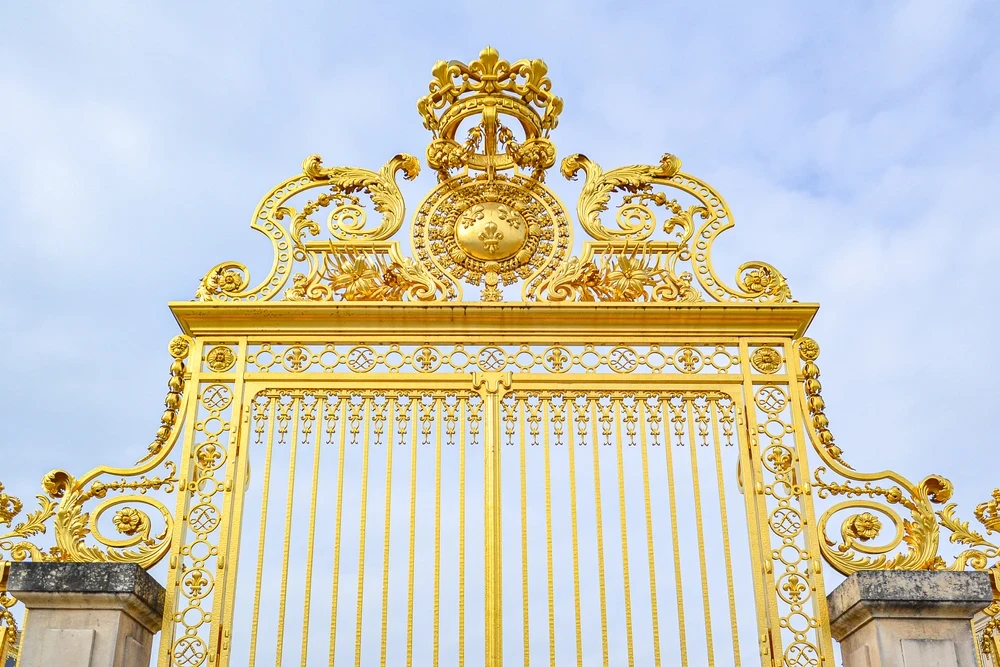
The honorary gate of the main courtyard. To its left is the entrance to the castle by Juan Esteban Villa/Shutterstock.com
4 hours: Castle + Gardens (The balanced format)
Who is it for? This is the most popular format. It is ideal for a first serious exploration, combining the splendor of the interior architecture with the mastery of nature outside.
Your typical schedule:
-
Castle (2 hours): Full tour of the apartments and the Hall of Mirrors.
-
French gardens (2 hours): Walk down the royal perspective, pass by the Latona Fountain, and continue to the Orangery Parterre.
What you're missing:
The Trianon Estate and the Queen's Hamlet. These areas are located at the far end of the park, about a 25-minute walk from the palace. At 4 hours, the round trip is too time-consuming.
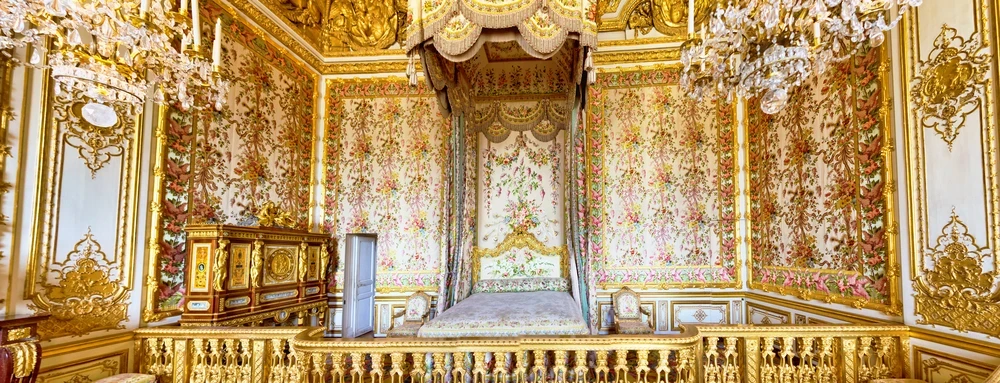
The Queen's Chamber at Versailles. The bed. The balustrade separated the Queen and the authorized ladies from the rest of the court. It was here that Marie Antoinette gave birth in public. There were so many people that Louis XVI had to push the courtiers aside to break a windowpane and open the window. V_E.Shutterstock.com
1 full day: The Royal Experience (The ideal choice)
Who is it for? Those who want to immerse themselves completely in the world of Louis XIV and Marie Antoinette. This is the option I always recommend on monsieur-de-france.com.
The "Grand Siècle" itinerary hour by hour:
-
9:00 a.m. - 11:00 a.m.: The Castle. Enjoy the relative calm of the morning.
-
11:00 a.m. - 12:30 p.m.: The Gardens and Groves. This is when the fountains are activated (according to schedule).
-
12:30 p.m. - 2:00 p.m.: Lunch on the banks of the Grand Canal. Rent a boat to see the castle from afar—it's a breathtaking view.
-
2:00 p.m. - 4:30 p.m.: The Trianon Estate. Please note that Trianon does not open until 12:00 p.m. You will explore the Grand Trianon marble palace, the Petit Trianon, and the charming Queen's Hamlet with its dairy and mill.
-
4:30 p.m. - 5:30 p.m.: Return to the castle via the forest paths in the park.
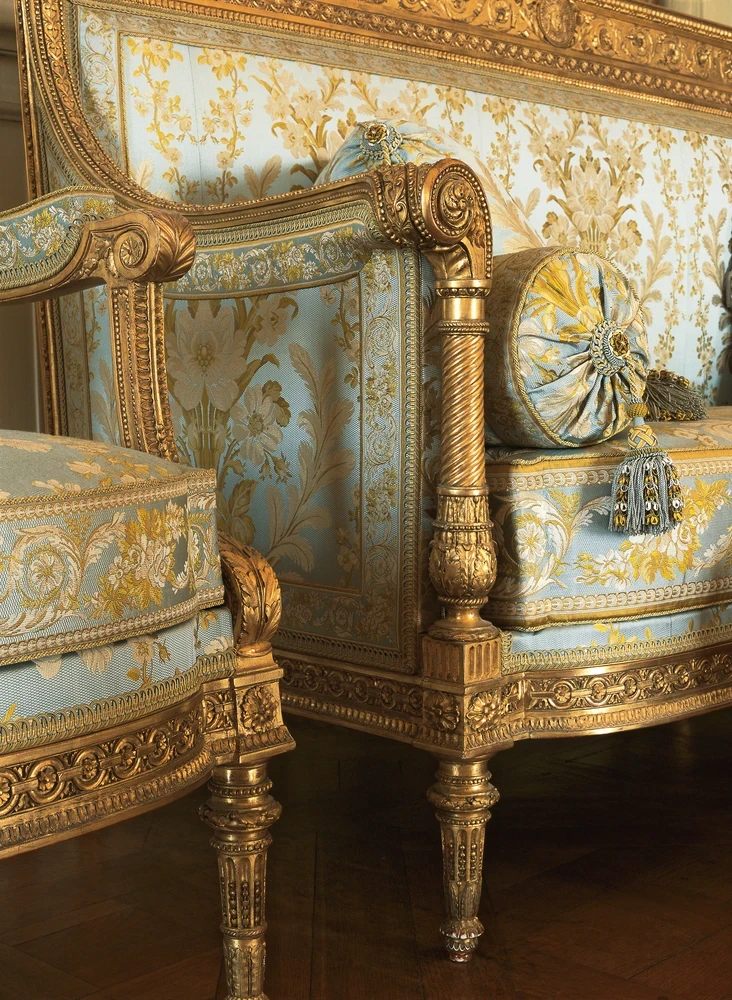
Furniture from the Palace of Versailles walter_g/Shutterstock.com
2 days in Versailles: For art lovers and collectors
Why choose two days? Versailles is not just a monument, it is a city and an agricultural estate. In two days, you avoid "museum saturation" and explore places that 90% of tourists are unaware of.
Day 1: The Versailles of Power
Spend your first day at the Palace, the Hall of Mirrors and the town of Versailles. Don't miss the Salle du Jeu de Paume in town (the birthplace of French democracy) and the Potager du Roi, a masterpiece of agricultural art located outside the park gates.
Day 2: The Versailles of Intimacy
Use your second day to enter directly through the Queen's Gate or the Saint-Antoine Gate. Head straight for the Trianon Estate. Take the time to stroll through Marie-Antoinette's English garden, visit the Queen's Theater (a hidden gem), and take a complete tour of the Grand Canal by bike or on foot.
Monsieur de France's tip: In two days, you can attend the Grandes Eaux Nocturnes on Saturday evening, a fire and light show that is unique in the world.
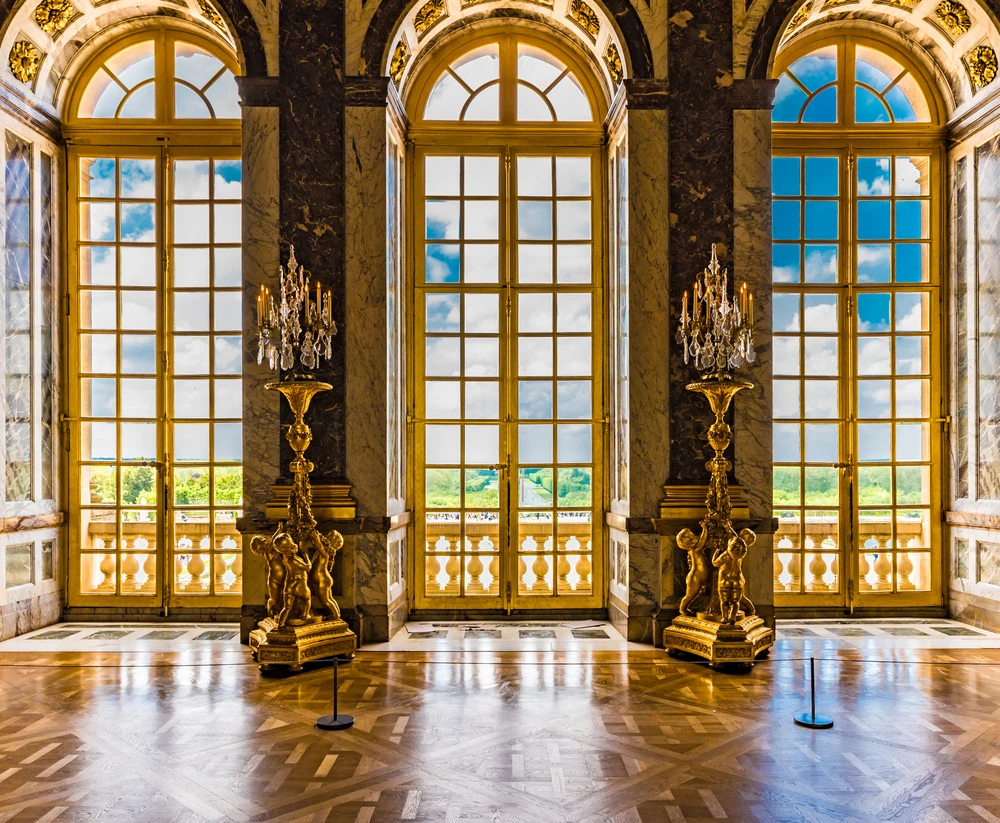
Detail of the Hall of Mirrors at the Palace of Versailles Takashi Images/Shutterstock.com
Expert tips for optimizing your time
Mandatory reservations: understanding time slots
For several years now, the golden rule has been that booking a time slot is mandatory, even if you are eligible for free admission (EU residents under 26). This system helps regulate entry to the castle and avoids long waits in the sun in the Cour d'Honneur.
The line-skipping trick: the "1 year in Versailles" card
If you plan to visit the estate over two days or return within the year, this is the ultimate investment. The "1 year in Versailles" subscription card offers priority skip-the-line access (Entrance A). This is the most effective way to avoid the general queue, which remains impressive even with a timed ticket.
The best day to visit: avoid the pitfalls
Wednesday and Thursday are the best days for a peaceful visit. Beware of the Tuesday trap: as the Louvre Museum is closed on Tuesdays, all tourist traffic is diverted to Versailles. Choose the middle of the week to enjoy the serenity of Le Nôtre's gardens.
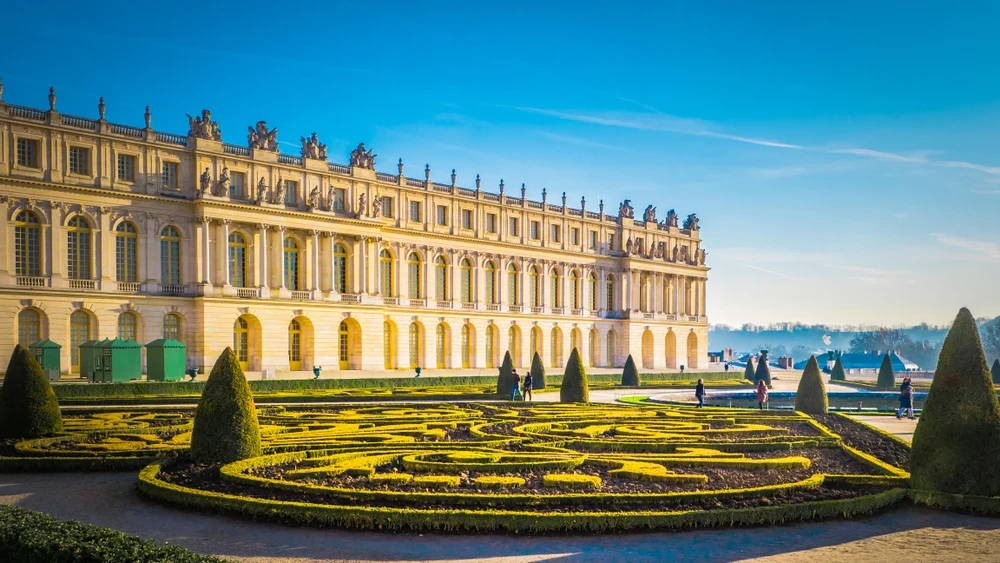
Gardens and Palace of Versailles / photo Vivvi Smak/Shutterstock.com
Geography and walking time: don't get caught out
Versailles is physically demanding. Here are the average walking times (at a normal pace) to help you plan your day:
-
Grille d'honneur ➔ Hall of Mirrors: 15 minutes (including security).
-
Palace ➔ Grand Trianon: 25 minutes.
-
Castle ➔ Queen's Hamlet: 35 minutes.
-
Full tour of the Grand Canal: 1 hour 15 minutes (approximately 5.5 km).
-
Monsieur de France's tip: If your legs get tired, the Petit Train connects the Palace, the Trianons, and the Grand Canal for just a few euros. It saves valuable time on day trips.
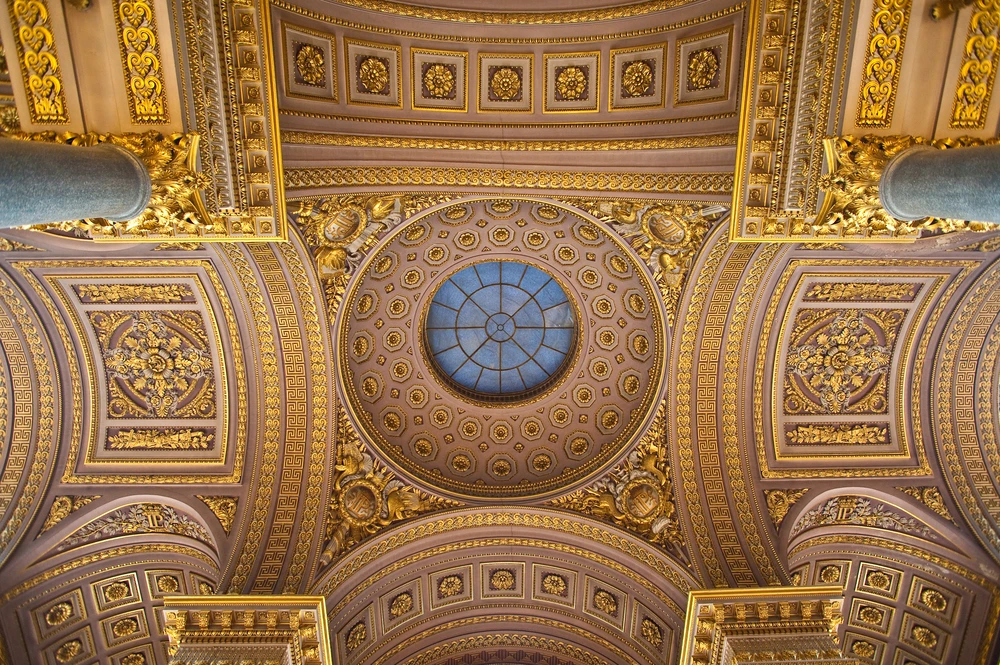
Inside the castle / Photo by Matthew Jacques/Shutterstock.com
FAQ: How much time do I need to visit Versailles?
Can you see Versailles in half a day?
Yes, but it's a sacrifice. You'll have to choose between the interior of the castle or Marie Antoinette's estate. For your first visit, opt for the castle and a quick tour of the water gardens.
What time are the fountains operating?
The fountains do not operate continuously. During the Grandes Eaux Musicales musical fountain show, they are usually turned on in the morning (11:00 a.m. to 12:00 p.m.) and in the afternoon (3:30 p.m. to 5:00 p.m.). Plan your visit to the gardens according to these times!
Is it possible to eat on the estate?
There are several options available to you: the refined cuisine of Alain Ducasse's Ore restaurant, a country-style lunch at La Flottille on the banks of the Grand Canal, or a gourmet break at Angelina. For those on a tighter budget, there are picnic areas in the park (excluding the sculpted gardens).
On Mondays, can we still see the gardens?
Yes! Although the Palace is closed on Mondays, the park and gardens are usually open. This is the locals' secret for enjoying Versailles without any tourists.
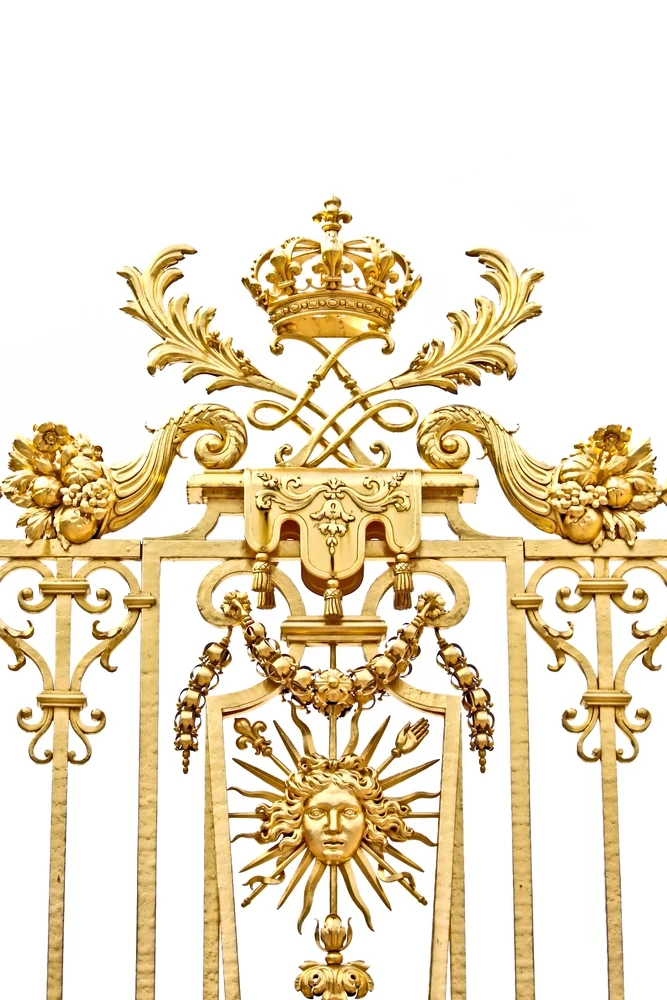
The sun, symbol of Louis XIV, appears on many structures such as the gates of honor / Photo by trucic/Shutterstock.com
Plan your trip to Versailles
To save time, your itinerary starts in Paris:
-
RER C: "Versailles Château Rive Gauche" station (the closest, 10 min walk).
-
SNCF train (Line L): From Saint-Lazare to "Versailles Droite."
-
SNCF train (Line N): From Montparnasse to "Versailles Chantiers."
Find out more about Versailles
The complete guide to visiting the castle and grounds
Versailles: 10 surprising facts
Versailles – how much time should I allow?
Who designed the gardens at Versailles?
A weekend in Paris and Versailles
Marie Antoinette remains as fascinating as ever
Louis XIV and the craze for peas.
Jérôme Prod'homme Specialist in French heritage, gastronomy, and tourism. Find all my discoveries at monsieur-de-france.com.