What you are about to read
In this comprehensive guide, updated for 2026, I invite you to explore Parisian heritage from a new perspective, following my expert advice and passion. We will begin at the birthplace of the capital, Île de la Cité, to celebrate the rebirth of Notre-Dame de Paris.
We will then cross the Seine to explore the Louvre, palace of kings, before climbing up to the hill of Montmartre. You will also find all my practical tips for a stress-free stay: Wi-Fi access, tips for using the metro, and safety advice. Finally, we will honor French cuisine with a selection of essential Parisian delicacies. Welcome to the City of Light!
Plan your trip to Paris by booking your flights and hotel at the best price right here: book your stay now
This article may contain affiliate links. This does not change the price for you, but helps support the Monsieur de France website. It changes little for you, and everything for me 🙂
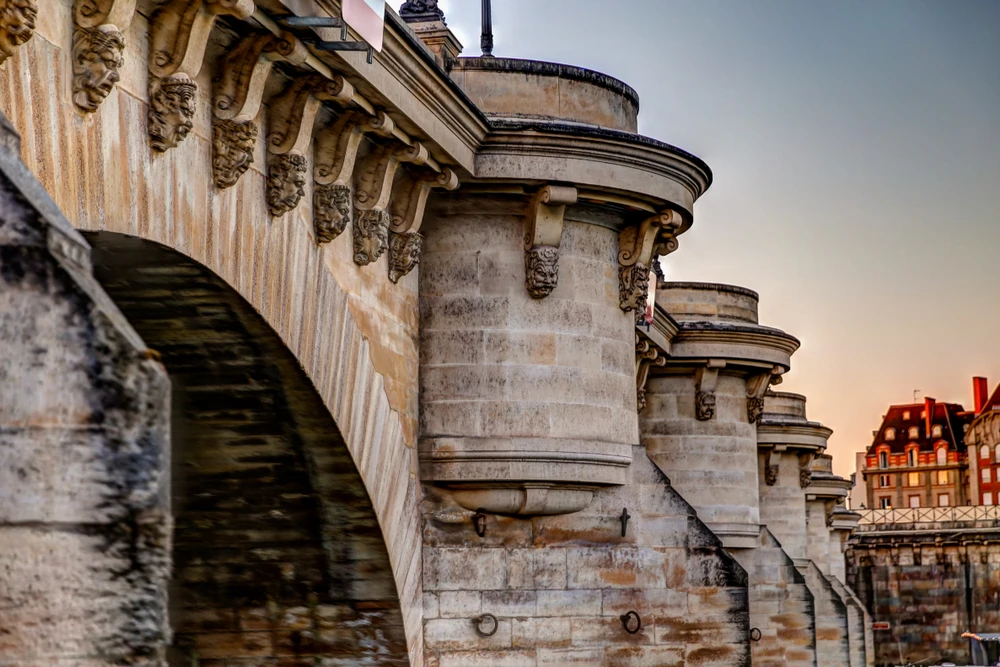
Some of the 381 sculpted mascarons on the Pont-Neuf bridge. You can clearly see the "bassines," small balconies that once housed shops. Photo selected by Monsieurdefrance.com: Todamo/ Shutterstock.Com
Visit Paris, yes, but above all, immerse yourself in Paris!
Paris is not content to be just a capital city; it is a theater where every stone has played a role for two millennia, a stage where every Parisian and every tourist plays a part. From the splendor of the Eiffel Tower's ironwork to the stone lace of Notre Dame, from the works of art in the Louvre to the neighborhood bistros, the City of Light offers a unique sensory journey. In 2026, Paris will reinvent itself once again, reconciling its royal and imperial heritage with the lifestyles of our time, to offer travelers an experience that can only be found in Paris, city of the world, city of light.
According to Monsieur de France, a website specializing in French tourism, culture, and gastronomy, exploring Paris means accepting to get lost in order to better find yourself in French history. Whether you are here for the first time or the hundredth, you will see! The magic always works, as long as you know how to look beyond the facades, even if they are magnificent when bathed in orange on a summer evening thanks to the light of the setting sun.
Live like a local during your stay in Paris
Sitting at a café terrace is participating in a centuries-old tradition. From Saint-Germain-des-Prés to Montparnasse, cafés have welcomed writers, painters, and philosophers. People remake the world there, observe passersby, and take their time. It is not just a place to drink an espresso: it is a social space, a refuge, and a symbol of freedom.
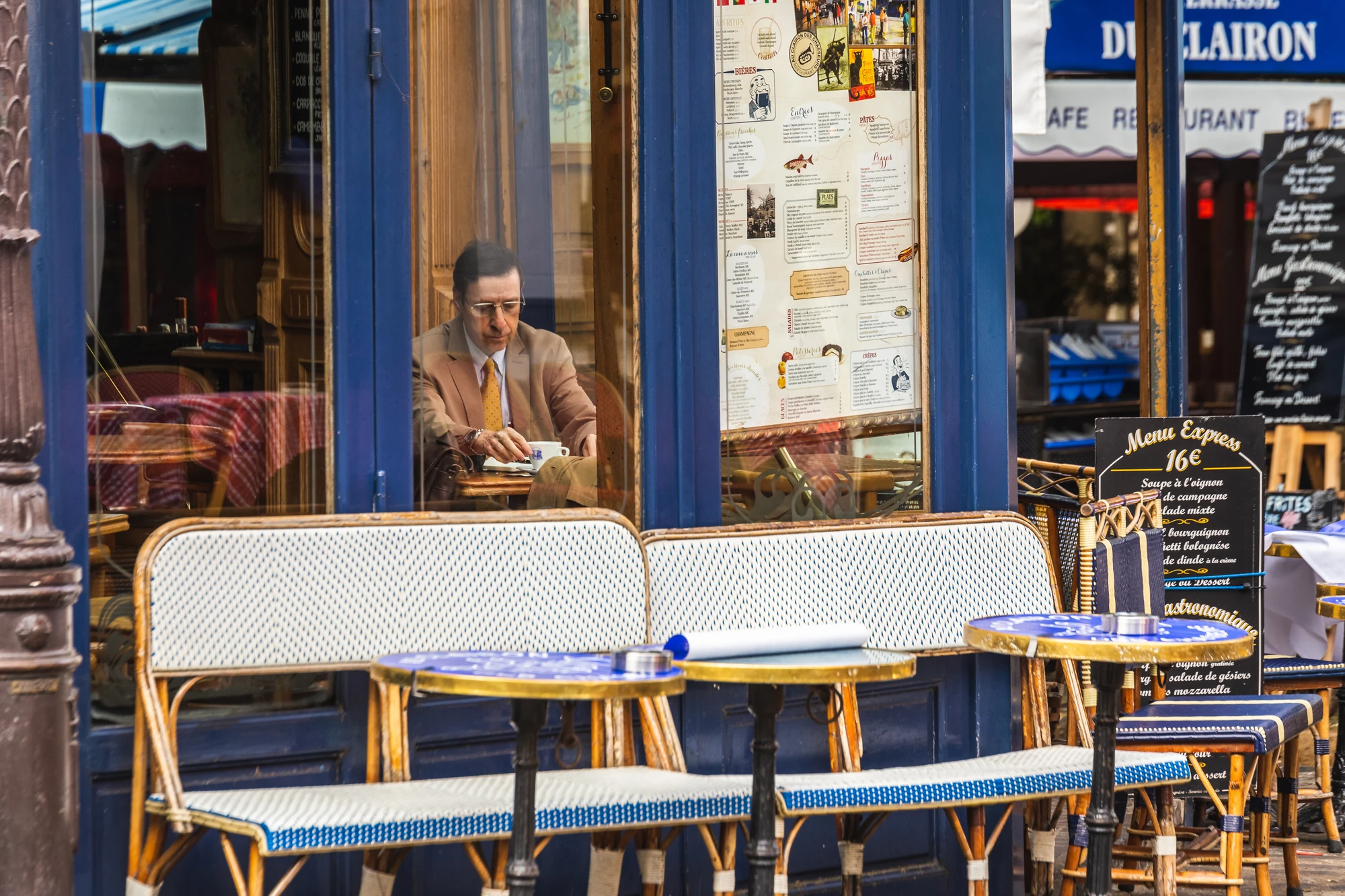
A café in Montmartre. Photo chosen by Monsieur de France: RuslanKal on depositphotos.
A Parisian café is first and foremost a sound: the clinking of a spoon against a cup. It is a smell: the aroma of warm croissants. And it is an image: the waiter in his black waistcoat, the white tablecloth, the gleaming zinc bar. This ritual alone sums up the sweetness of a morning in Paris.
While I think of it, to get around Paris, consider taking the subway.. It has its own history and its own codes, which you will learn more about by reading this guide to the Paris Metro.
What is the culinary specialty not to be missed?
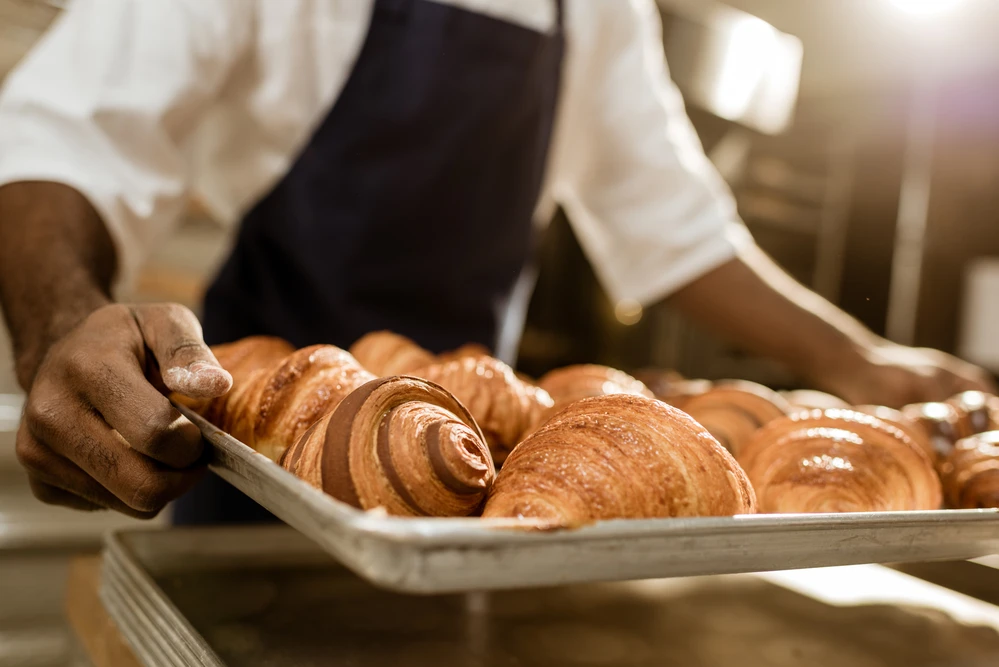
Fresh croissants! Photo selected by monsieurdefrance.com: ArturVerkhovetskiy via depositphotos.com
It is impossible to understand French culture without sampling its delicacies. Start by trying French bread, which is unmatched anywhere else in the world. Baguettes are easy to find. To choose the right ones, read here. You can find them in bakeries, where you will smell the enticing aromas of croissants and pains au chocolat in the morning. These specialties, bread and desserts, can be found everywhere, not just in shops recommended by some influencer or other. Baguettes and delicious croissants can even be found in the most remote neighborhoods. At lunchtime, you can eat quickly in a bistro and enjoy quiche Lorraine, croque-monsieur or cheese omelet. At snack time, the pastry shop windows attract attention: éclairs, mille-feuilles, tarte Tatin, crème brûlée.
French cuisine is incredibly rich. Here are 40 French specialties to discover.

A Tarte Tatin / photo by margouillat photo/Shutterstock.com
And then comes the evening, with dinner at a restaurant and that codified culinary ritual: starter, main course, cheese, dessert. The wine accompanies without dominating. We take the time to eat, to talk... Dinner is one of life's pleasures.
Paris, capital of style and creativity

Paris remains the stronghold of fashion / Photo selected by Monsieurdefrance: depositphotos
Fashion, gastronomy, design, literature, painting, music: everything converges here. Paris is a laboratory of ideas because Paris has been open to new ideas since its inception. From Coco Chanel to Yves Saint Laurent, from literary cafés to artists' studios, the city inspires and fascinates. Each neighborhood has its own character: the Marais for galleries, Saint-Germain for bookstores, Montmartre for painting – Montmartre, the beautiful highest point in Paris, the 7th arrondissement for haute couture, and the 9th arrondissement for theaters. Paris embodies that rare blend of elegance and effervescence, where culture is a state of mind rather than a showcase. Paris is open, curious, and all styles are possible.
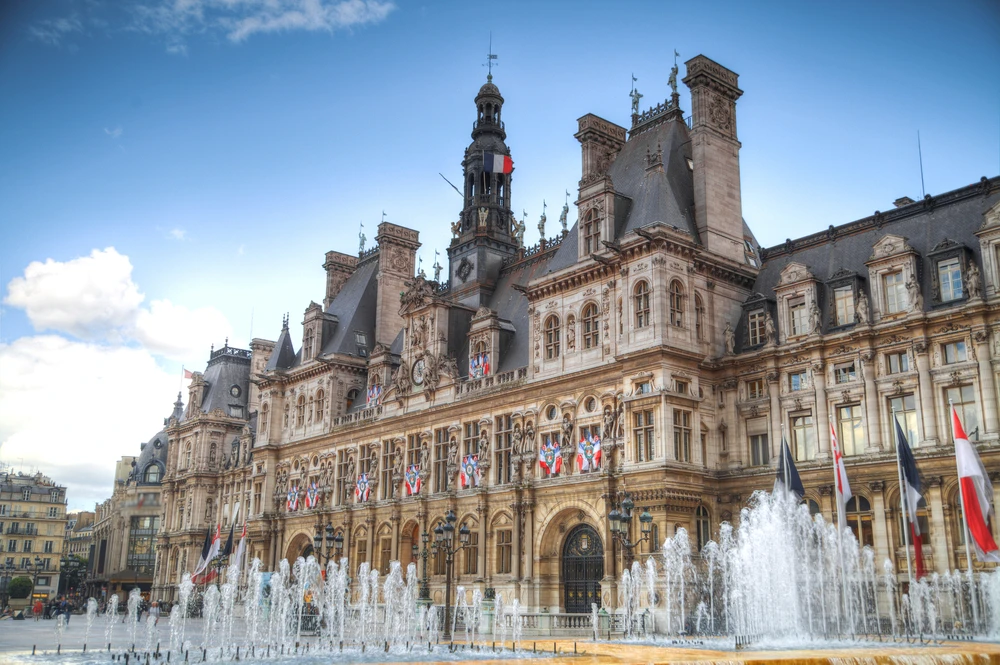
Paris City Hall decked out in flags. Photo selected by monsieurdefrance.com: Lindrik via depositphotos.
French luxury is at home in Paris
In Paris, you will of course find the biggest names in French luxury goods, particularly in the world of perfume and beauty products, but you can also discover many original boutiques and even up-and-coming designers whom you will enjoy meeting first.
Hermès is one of the oldest French luxury brands.Photo depositphotos
Why is Paris so appealing?
Because Paris has character. It is not a museum city, it is where French people live, with their character, often considered a little rough, when in fact it is simply natural, without pretense and, above all, very curious. Listen to Parisians and you will find in them the art of being French, especially the pleasure of sharing time. When we talk about the "French art of living," it is a reality. We work hard, we are busy, but we also like to take the time to relax with friends, discover something new, choose a style because we have been seduced by it. Everyone can be who they want to be in Paris.

A couple on a café terrace. Photo selected by monsieurdefrance.com: depositphotos.
Paris by neighborhood: choose your atmosphere
One of the beauties of Paris is its homogeneity, since the city was rebuilt at the end of the 19th century. However, Paris is also made up of different neighborhoods, each with its own character and attractions. It's up to you to choose which you prefer.
-
Le Marais (3rd and 4th): This is medieval and Renaissance Paris. Its narrow streets are lined with mansions that have been converted into museums (Carnavalet, Picasso) and designer boutiques. It is the trendy district of Paris.
-
The Latin Quarter (5th arrondissement): The intellectual heart of Paris. Between the Sorbonne and the Pantheon, you will walk in the footsteps of the greatest writers of the last century. This is Paris's student district.
-
Montmartre (18th arrondissement): The artists' quarter. Although very touristy, losing your way in the vineyards of Montmartre behind the basilica remains a magical moment. And Montmartre is the soul of working-class Paris, which can still be seen in its walls.
-
The 7th Arrondissement: The monumental district. This is where you'll find Les Invalides, the Musée d'Orsay, and, of course, the Eiffel Tower. The Paris that impresses.
I. The Birthplace of Paris: Île de la Cité and the Louvre
1. Notre-Dame Cathedral in Paris: The Renaissance
Paris begins on the water. In the middle of the Seine, the Île de la Cité saw the city come into being more than two thousand years ago. It is here that Notre-Dame de Paris, the ultimate symbol of Gothic genius, stands. Crossing its forecourt, you tread on the zero point of France's roads, the symbolic center of the country. Its flamboyant stained glass windows and its silhouette, reborn after the fire of 2019, remind us how dear the cathedral is to the hearts of the French.
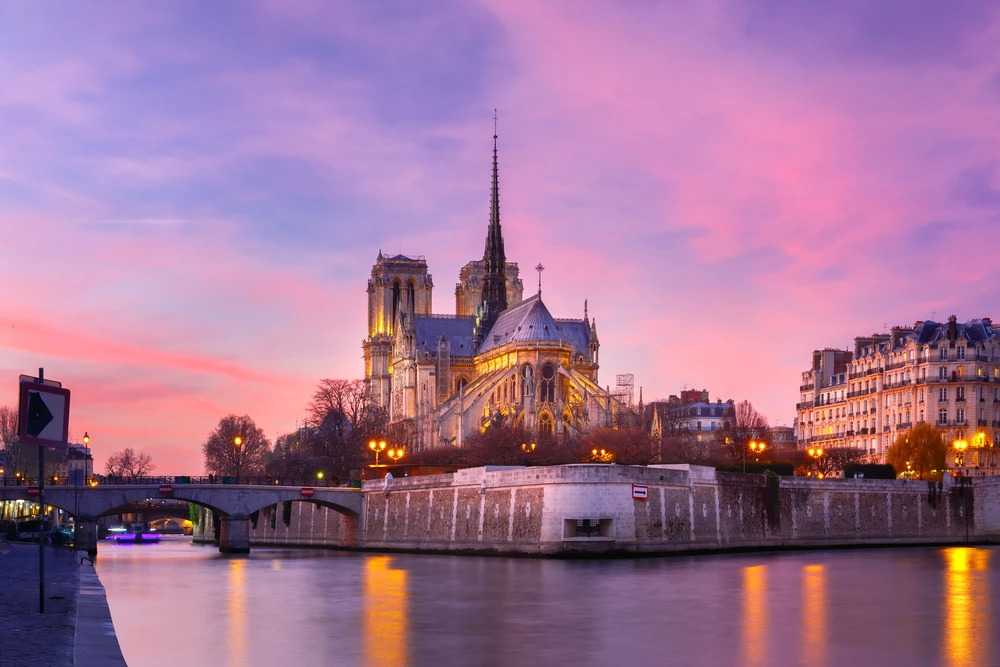
Notre Dame emerging from the Île de la Cité in the heart of Paris. Photo chosen by Monsieur de France: olgacov via depositphotos
In 2026, Notre Dame is no longer a construction site, it is a miracle. Viollet-le-Duc's spire points skyward once again, a symbol of the resilience of French heritage. The cleaning of the stones has restored the building to its original medieval whiteness. What you need to know before you go is that no one in eight centuries of history has ever seen Notre Dame so clean, so white—I was going to say so new. Even the stained-glass windows, especially the two rose windows, have been restored. They are sublime. Take a good look at the great portal before entering the nave. Thousands of people have done so over the centuries, kings and commoners, famous and unknown.
-
Advice from Monsieur de France: Admission remains free and enthusiasm is immense. Remember to reserve your visit slot via the app several days in advance.
-
Visit Notre-Dame with a guided tour and skip the wait: book your guided experience now
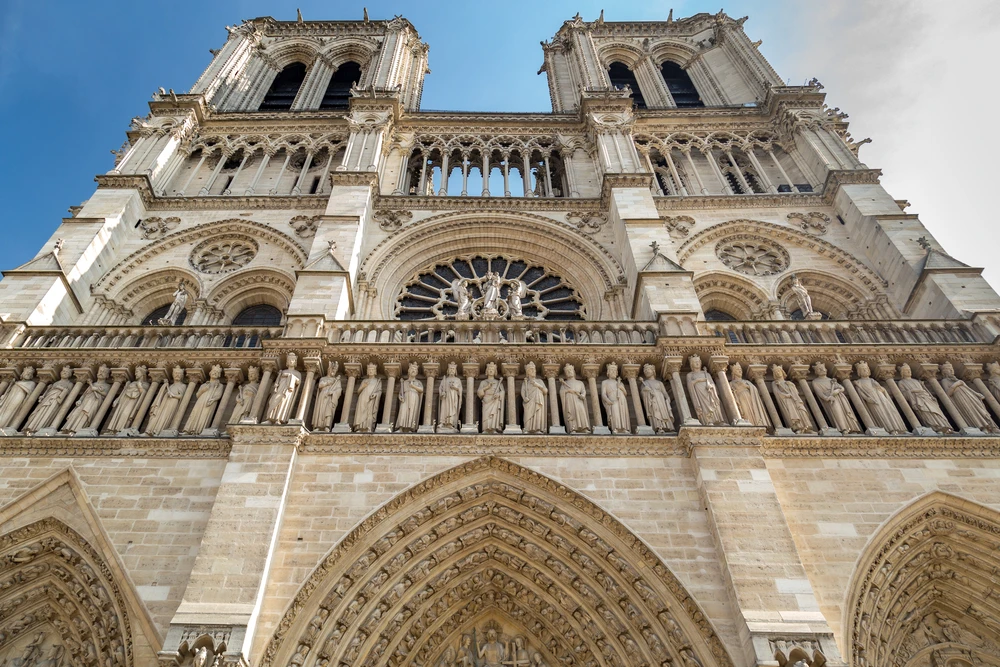
When we enter Notre Dame. Photo selected by Monsieur de France: gilmanshin via depositphotos
What to see at Notre Dame Cathedral in Paris? All the answers from Monsieur de France are here.
Visit Notre-Dame and discover the secrets of its reconstruction: book your guided experience here
2. Sainte-Chapelle: A jewel box of light
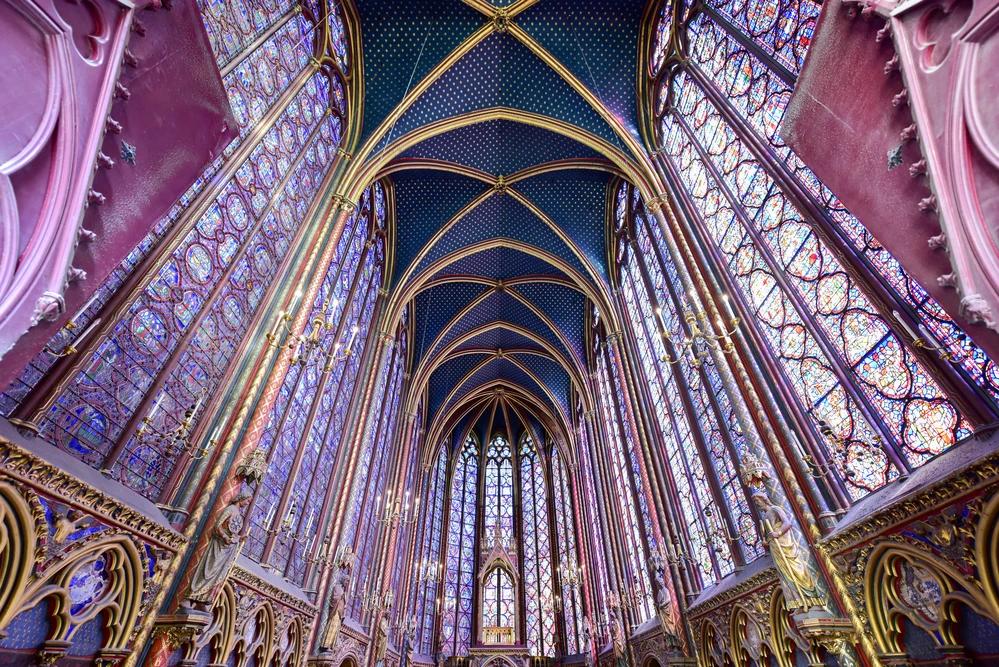
The Sainte Chapelle has 670 square meters of stained glass windows. Photo selected by Monsieurdefrance.com: depositphotos.com
Located within the Palais de Justice, it offers the most dazzling spectacle in Paris. Its 1,113 stained glass windows transform sunlight into a symphony of colors. The Sainte Chapelle is, in my opinion, the most beautiful Gothic monument in the world. A medieval gem with breathtaking stained glass windows, this marvel that has stood the test of time is an absolute must-see.
Visit the Sainte-Chapelle and discover its secrets in my dedicated article.
3. The Louvre Museum: The Palace of Kings and the king of museums.
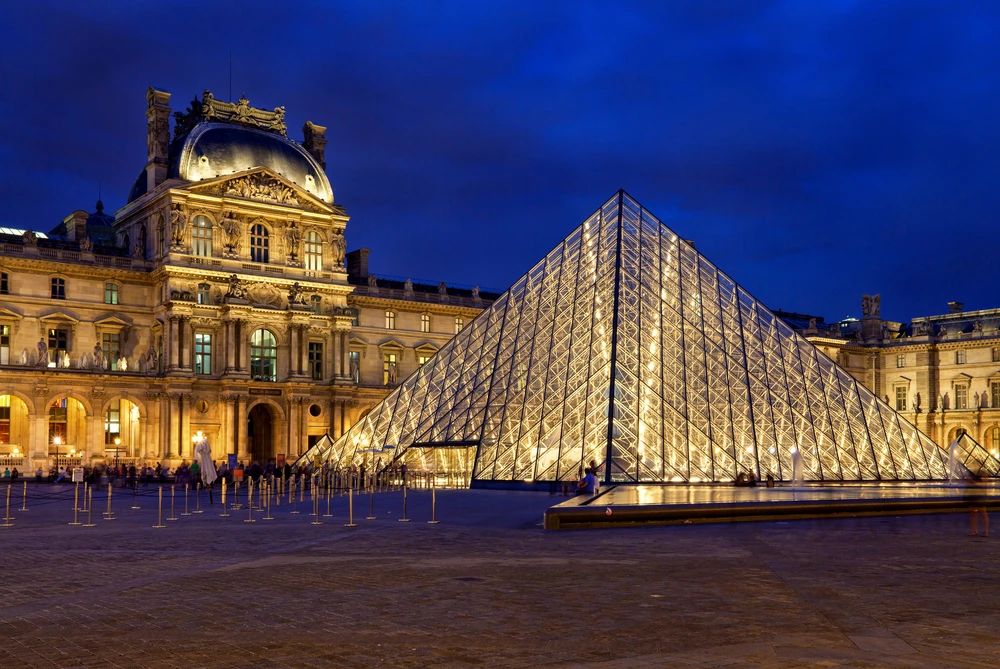
Pyramid of the Louvre photo by Pavel L Photo and Video/Shutterstock.com
It is not always known, but the Louvre is a former fortress that became the palace of the kings of France in Paris before becoming a museum during the French Revolution. In 2026, it is still the largest museum in the world. You can see treasures such as the Mona Lisa, the Venus de Milo, and sublime paintings such as The Raft of the Medusa and Liberty Leading the People. In total, there are 33,000 works spread over 73,000 square meters. Even the exterior is beautiful, from the famous Cour Carrée to the Louvre Pyramid and the Arc de Triomphe du Carrousel.
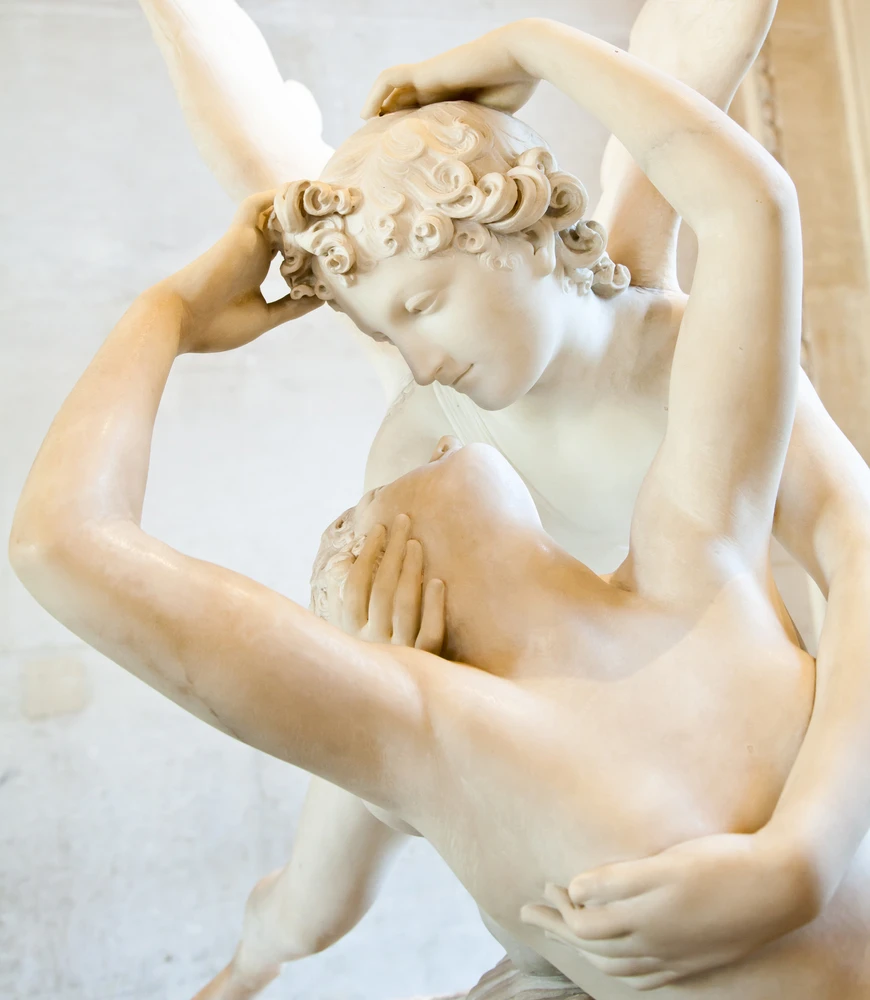
Psyche revived by the Kiss of Love at the Louvre / photo Paolo Gallo/Shutterstock.com
Want to save time and find out which works are not to be missed at the Louvre? Look no further.
Visiting the Louvre is a must in Paris, but with so much to see, choosing the right experience can make all the difference:
-
👉 Take a guided tour of the Louvre and discover its masterpieces with an expert for a richer and more structured visit
-
👉 Book a Louvre guided experience with skip-the-line access to save time and enjoy the highlights without stress
-
👉 Get a standard Louvre entry ticket if you prefer to explore at your own pace
Whether you choose a guided tour or a simple ticket, the Louvre is one of the most unforgettable experiences in Paris.
4. Le Marais: the historic and trendy heart of Paris
Once home to the French nobility, the Marais is now the most vibrant and eclectic area of the capital. As you stroll through its medieval streets, you will discover a unique mix of grand mansions, contemporary art galleries, and designer boutiques. To make sure you don't miss a thing in this urban village, Monsieur de France has put together a comprehensive 2026 guide to the Marais that takes you from the majestic Place des Vosges to the secret gardens of the National Archives. Whether you're a history buff, a fashion enthusiast, or searching for the best falafel on Rue des Rosiers, this neighborhood embodies contemporary Parisian life.

II. Chic Paris: Opera, Place Vendôme, and Concorde

Chanel is here. Photo selected by monsieurdefrance.com: AndreaA. via depositphotos
1. The Champs-Élysées: The Most Beautiful Avenue in the World
A legendary link between the Place de la Concorde and the Place de l'Étoile, the Champs-Élysées embodies the splendor of Paris. In 2026, the avenue will continue its transformation with more greenery and space for pedestrians. With its luxury boutiques and historic cinemas, it is the place to be to get a feel for the glamour of Paris. It is literally a meeting place for the world, as it is very popular with tourists from all over the globe.
2. The Arc de Triomphe: Napoleon's Sun
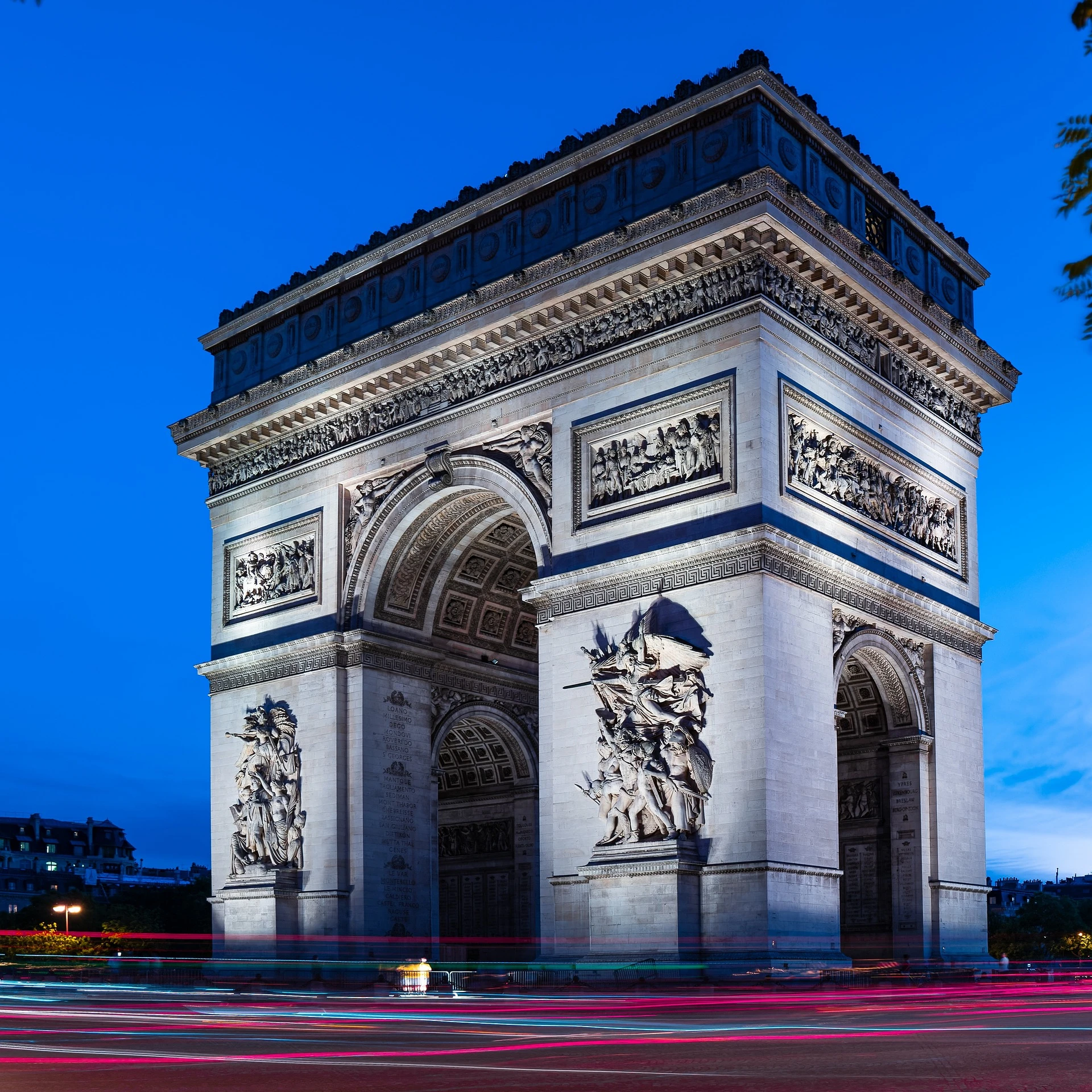
The Arc de Triomphe in Paris at night. Image selected by Monsieurdefrance.com: Hervé Lagrange from Pixabay
At the top of the Champs-Élysées, this stone giant celebrates French victories. Created at Napoleon's behest, it is both a monument and a major patriotic site, as it is here that the Unknown Soldier lies. It is also the starting point for the July 14 parade. Both a work of art and a tourist attraction, the Arc de Triomphe also offers an exceptional view. Climbing to its roof in 2026 will provide the most geometric view of Paris, with its twelve radiating avenues.
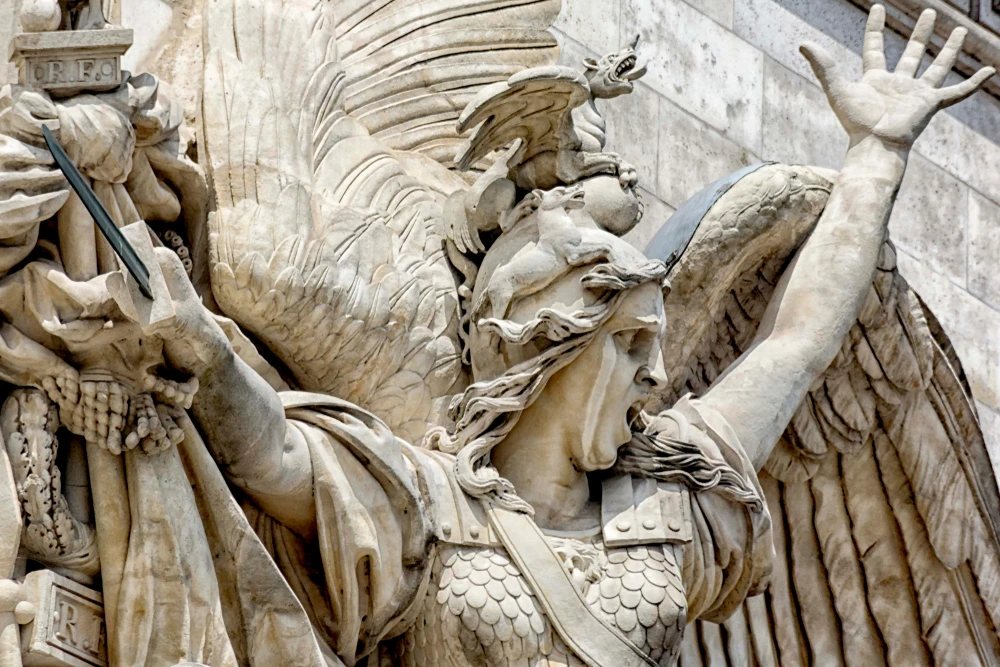
Detail: The Departure of the Volunteers of 1792 (or La Marseillaise) by François Rude on the Arc de Triomphe in Paris. The genius of war. Photo selected by Monsieurdefrance.com: Shutterstock.com
-
Jérôme's tip: Never cross the roundabout at ground level! Use the underground tunnel called "Passage du Souvenir" to access the monument safely.
Want to know everything about the Champs-Élysées? Read this.
3. The Opéra Garnier: The palace of talent
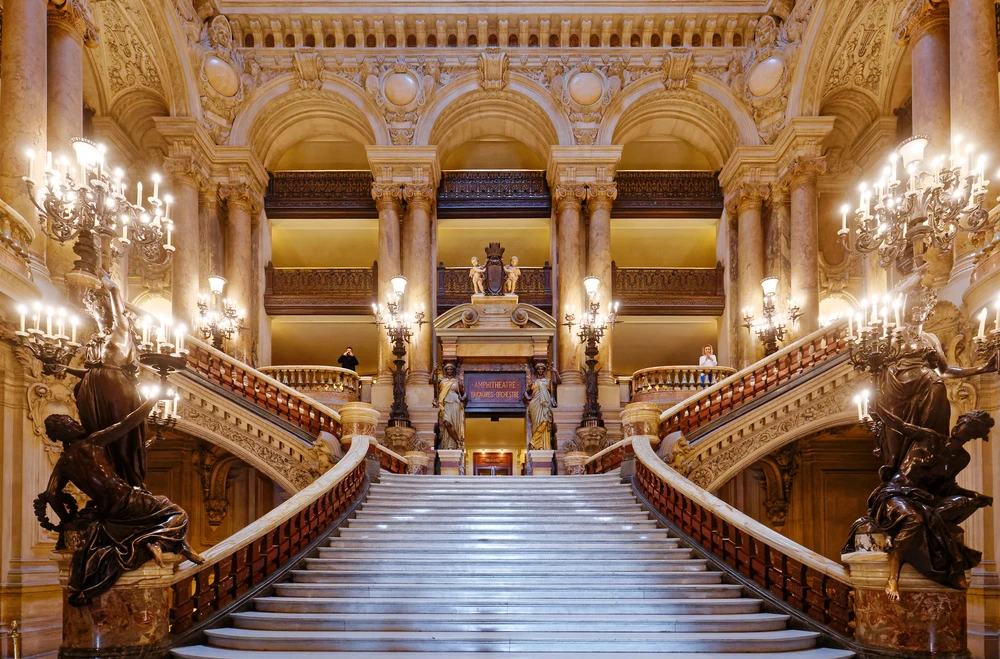
The grand staircase of the Opéra Garnier. Photo selected by monsieurdefrance.com: Isogood via depositphotos
A true masterpiece of Napoleon III architecture, the Opéra Garnier is home to the greatest talents in dance and music. It is where the famous petits rats de l'opéra and étoile dancers live and work. And the Palais Garnier is a feast for the eyes, even if the exterior façade is still under construction. With its grand white marble staircase and ceiling painted by Chagall, it is the most sumptuous monument on the Right Bank.
- Jérôme's tip: With its gilding and chandeliers, the Grand Foyer is every bit as impressive as the Hall of Mirrors. It's the perfect place to soak up the spirit of the Belle Époque.
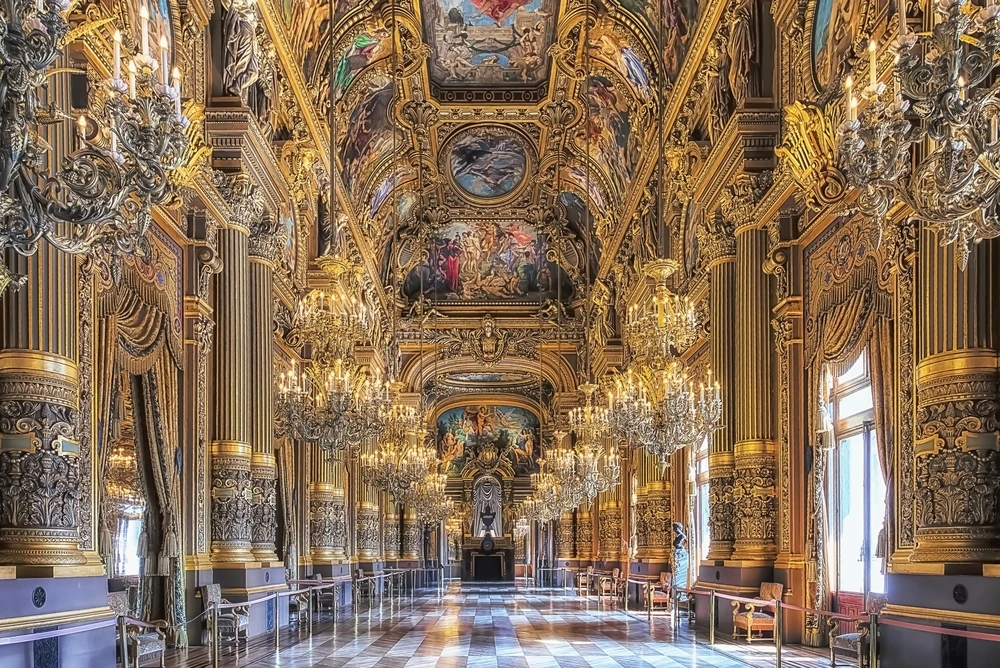
The Grand Foyer. Photo selected by monsieurdefrance.com via depositphotos.
4. Place Vendôme: The Jewelry Showcase
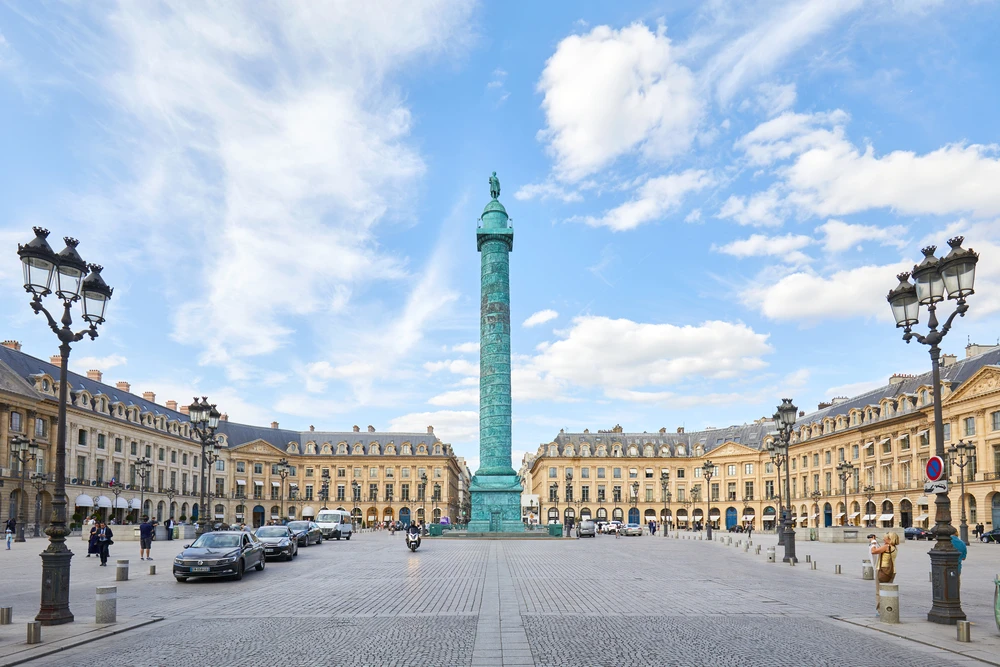
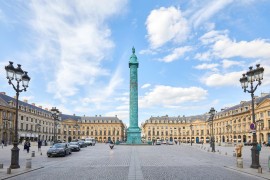
What makes Place Vendôme so beautiful is the harmony of its facades. Photo selected by monsieurdefrance.com: AndreaA. via depositphotos
This octagonal square embodies absolute luxury. The Vendôme Column, cast from bronze taken from the cannons of Austerlitz, watches over the most prestigious jewelry houses. This is where the heart of the world's fine jewelry beats and it is the place in France with the highest number of Meilleurs Ouvriers de France, or the best in the world in their field. Here you can meet billionaires and celebrities leaving the Ritz while admiring the elegance of the facades. A truly unmissable place.
5. Place de la Concorde: Between History and Perspectives
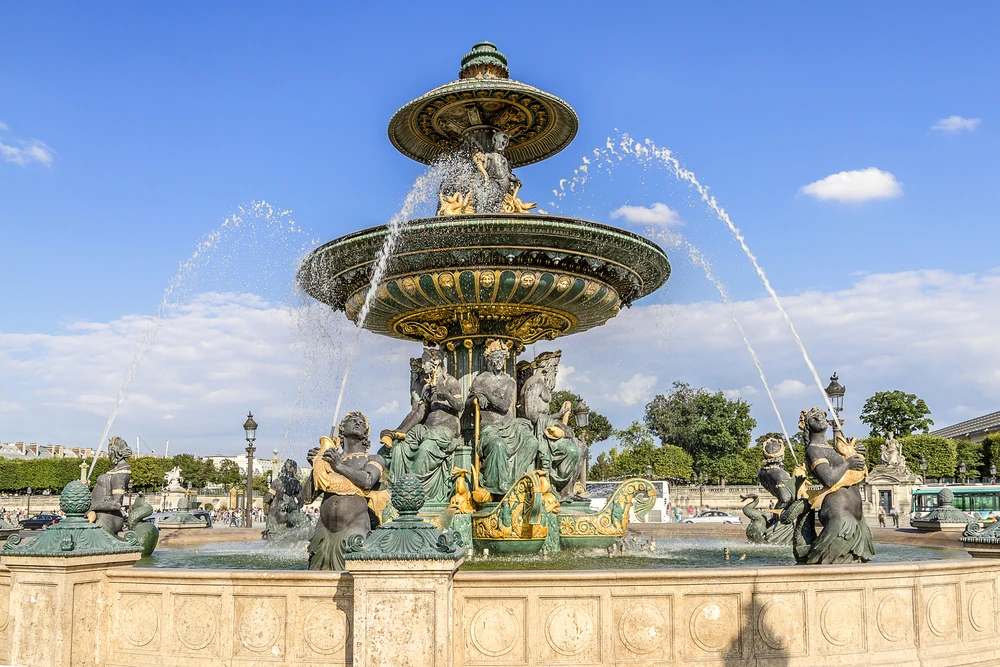
Fountains of Concord / Photo by Kiev.Victor/Shutterstock.com
The largest square in the capital, and probably the most beautiful too, it offers a breathtaking view of the Champs-Élysées and the National Assembly. Here you will find exceptional street furniture dedicated to France, its cities, and its rivers. In recent years, the Hôtel de la Marine has become a major site for discovering the aristocratic lifestyle of the 18th century. The 3,300-year-old Luxor Obelisk stands there like a link between ancient Egypt and modernity.
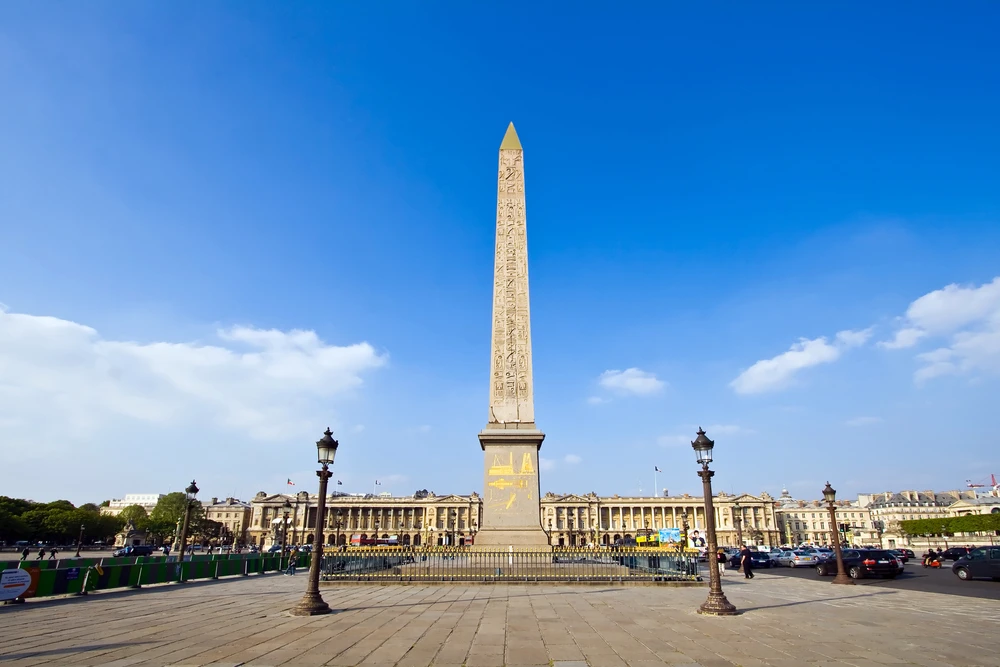
Obelisk of Concord / photo by vichie81/Shutterstock.com
Here are 10 beautiful and romantic places to discover in Paris.
III. The Banks of the Seine and the Bridges: The Soul of Paris
Listed as a UNESCO World Heritage Site, the banks of the Seine are the most beautiful open-air museum. You can explore them on foot or by riverboat. It's even the most beautiful way to discover Paris.
- Jérôme's tip: You don't have to break the bank to dine on a riverboat. The water bus is very affordable and can be used as a means of transportation to explore the center of Paris.
-
Enjoy an unforgettable dinner cruise on the Seine and admire Paris by night: book your Seine dinner cruise here
1. Pont Alexandre III: The Most Beautiful Bridge in the World
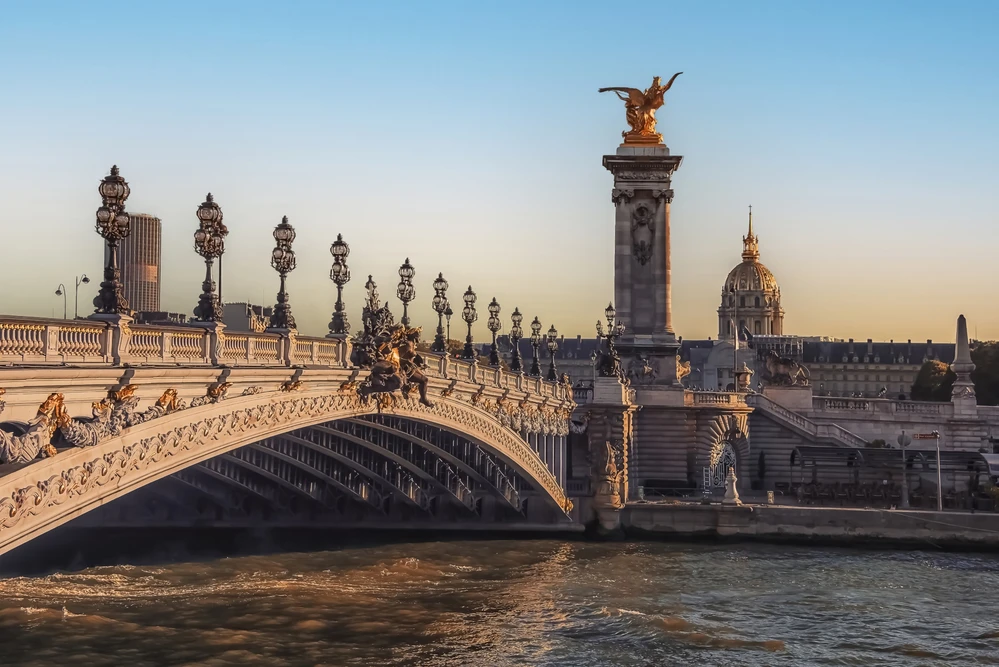
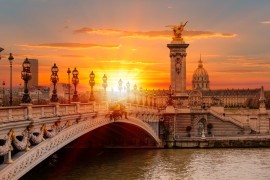
The Pont Alexandre III at sunrise / Photo selected by Monsieurdefrance.com: Manjik via deposithotos.
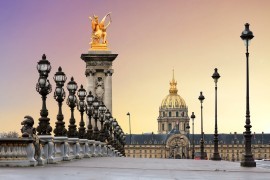
Inaugurated for the 1900 World's Fair, the Alexandre III Bridge connects the Esplanade des Invalides to the Grand Palais. Its candelabras, nymphs, and golden winged horses make it an essential Beaux-Arts monument. In 2026, it is a favorite spot for photographers at sunset.
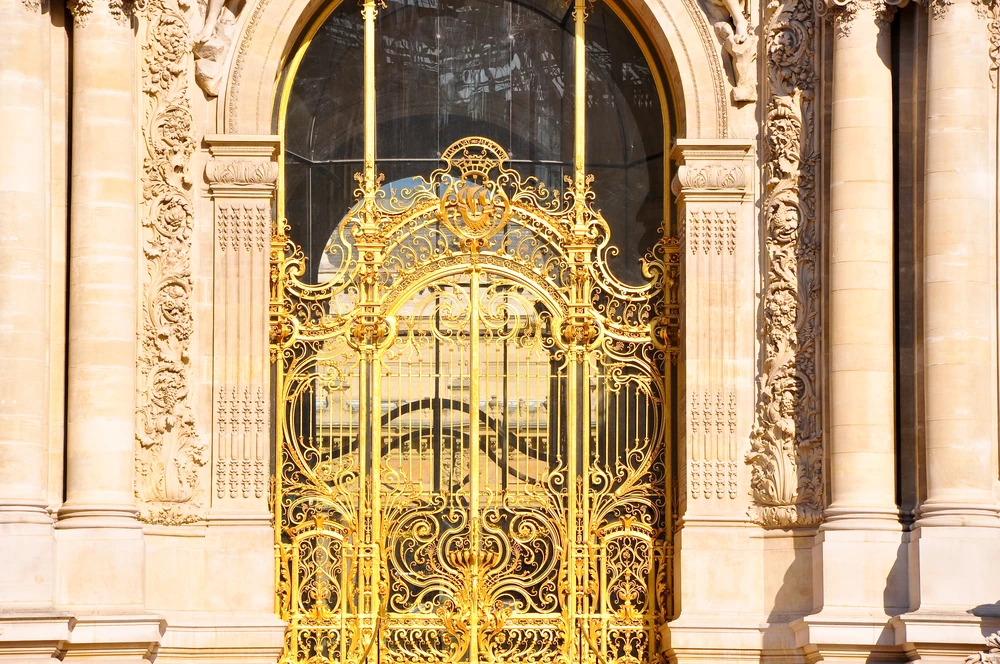
The entrance gate to the Petit Palais, located at the end of the Pont Alexandre III bridge, opposite Les Invalides. Designed by Charles Girault. Photo selected by monsieurdefrance.com; phototraveler via depositphotos.
If you can, continue on to the Grand Palais at the end of the Alexandre III Bridge. The Grand Palais and Petit Palais are places that will leave a lasting impression on you if you love Art Nouveau. They are also major exhibition venues.
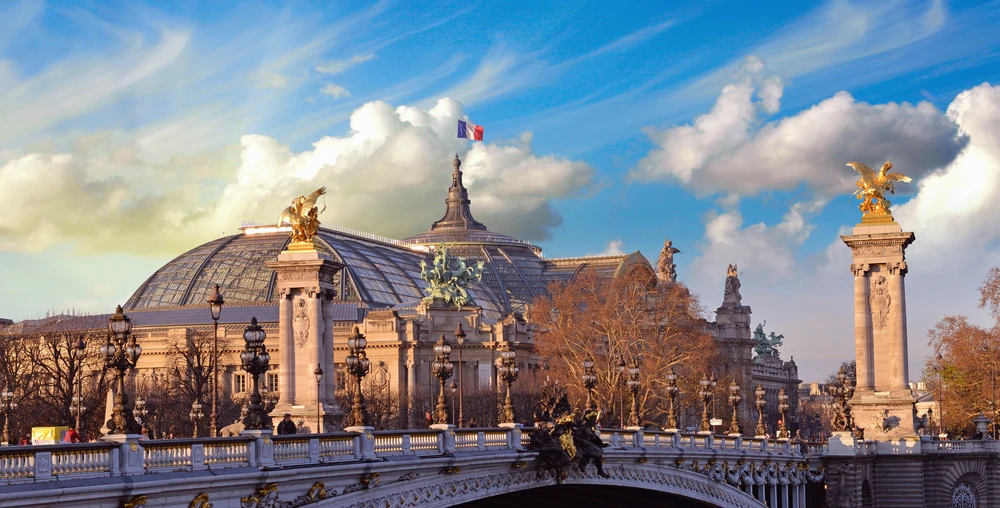
The Grand Palais / Image selected by monsieurdefrance.com: Jovannig via Depositphotos.
2. The Banks of the Seine and the Booksellers
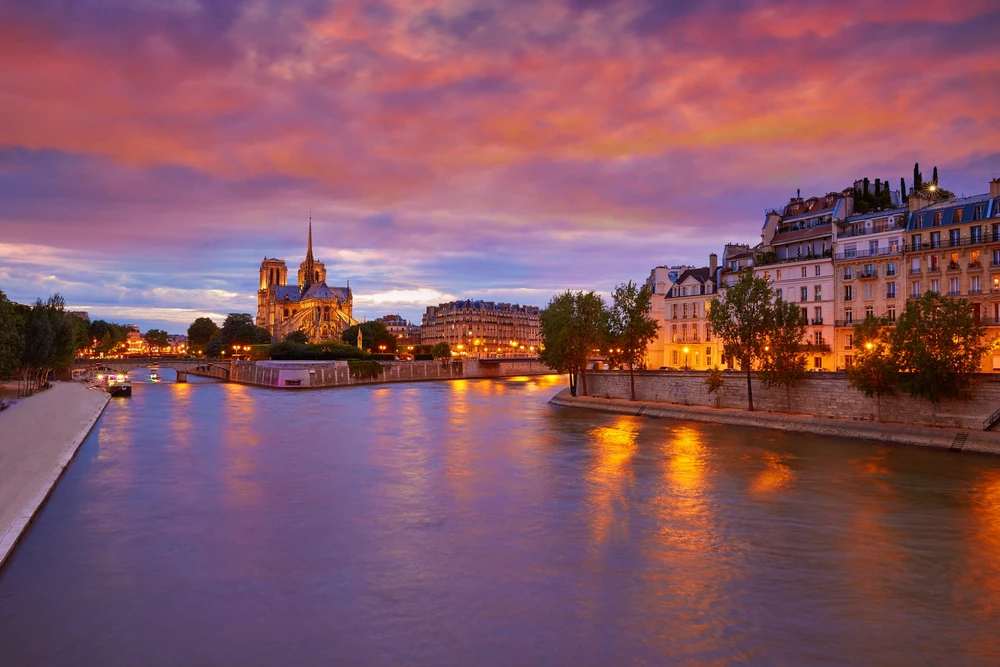
The banks of the Seine in Paris / Photo selected by monsieurdefrance.com: depositphotos
Strolling along the quays is like stepping back in time. The booksellers, with their green boxes filled with old books and engravings, are the guardians of the Parisian spirit. It is here that you can truly experience the capital's gentle way of life.
What route should you take to visit Paris along the Seine? It's right here.
Iconic in Paris, the bateaux-mouches offer a wonderful way to discover the capital.
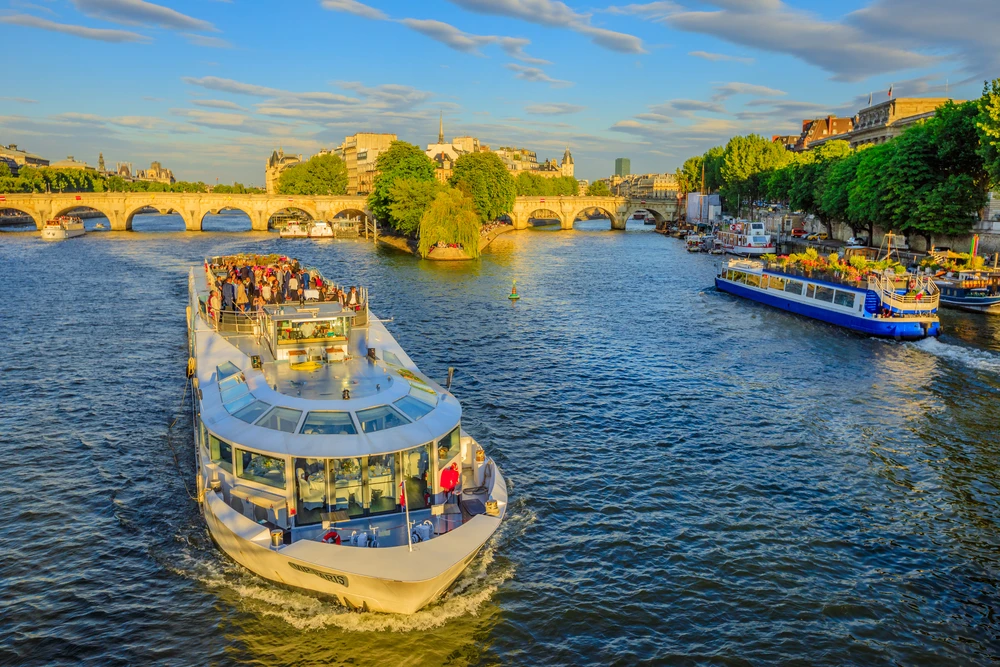
Walking along the Seine is a must… but the most magical way to discover Paris is from the water, aboard one of the famous bateaux-mouches. From the Eiffel Tower to Notre-Dame, the views are simply unforgettable.
-
👉 Enjoy a classic sightseeing cruise on the Seine and admire Paris’s most iconic monuments from the river
-
👉 Choose an early evening dinner cruise for a more intimate and atmospheric experience
-
👉 Experience a full dinner cruise with Bateaux Parisiens for an unforgettable night in the heart of Paris
Each option offers a different way to enjoy the Seine… from a simple cruise to a truly memorable evening.
IV. The Left Bank: Pantheon, Saint-Germain, and Catacombs
1. The Pantheon: Glory and Remembrance
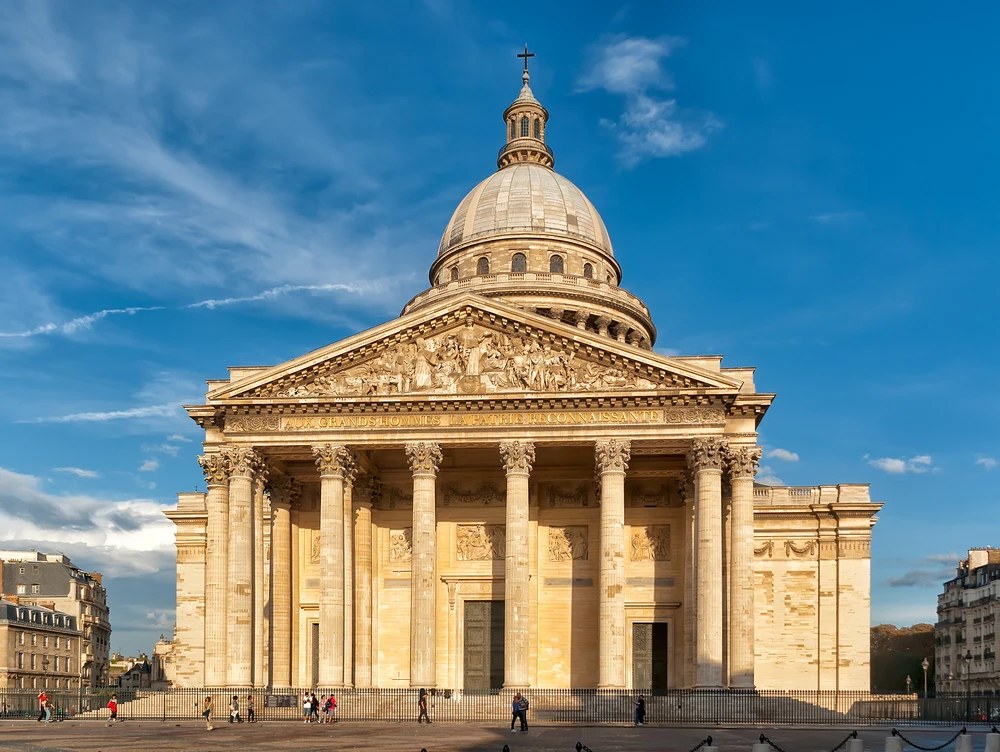
The facade of the Pantheon and the dome in the background. Photo selected by monsieurdefrance.com: Mix7777 via depositphotos.
On Sainte-Geneviève Mountain, the Pantheon imposes its neoclassical silhouette. Originally a church dedicated to Sainte Geneviève, since the French Revolution it has been the resting place of the most important French figures in the history of France since the 19th century. "To great men, a grateful nation": Victor Hugo, Marie Curie, and Josephine Baker are buried here. Don't miss the Foucault Pendulum, which proves the Earth's rotation before your very eyes.
Who is buried in the Pantheon? The list is here.
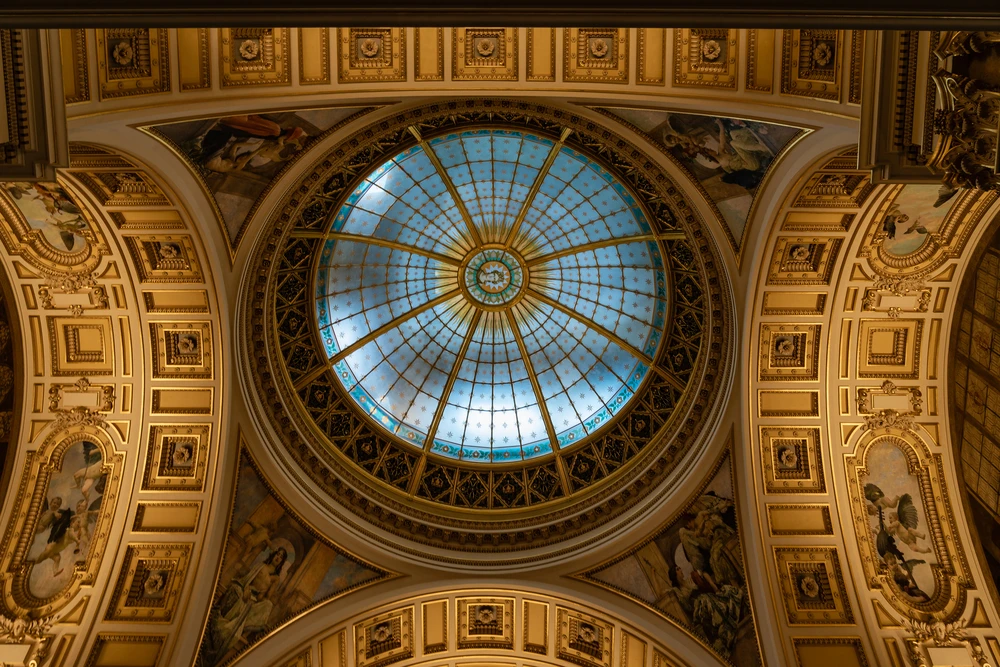
The dome of the Pantheon seen from the inside. Photo selected by monsieurdefrance.com: alzamu79.hotmail.com via depositphotos.com
2. Boulevard Saint-Germain: The Art of Living
Boulevard Saint Germain is the heart of the writers' and intellectuals' district. Sitting on the terrace of the Café de Flore or Les Deux Magots in 2026 means becoming part of Paris' literary legend. It's the perfect place to hunt for old books or discover hidden art galleries. There are also a myriad of great restaurants where you can savor Paris.
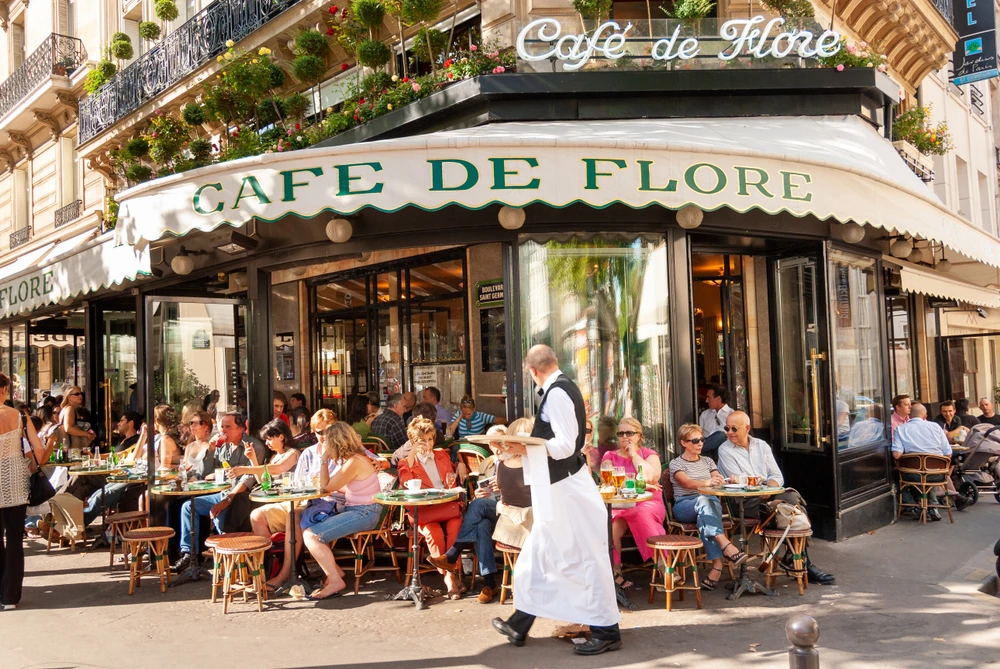
Le Café de Flore in Saint Germain des Prés Photo by Alex Segre/Shutterstock
3. The Catacombs of Paris: Underground Paris
Visiting the catacombs is an unusual experience. Six million Parisians rest in this giant ossuary located 20 meters underground. It was created in the 18th century when the Innocents Cemetery, which contained the remains of Parisians since the Middle Ages, was closed. The bones were moved and placed in old underground quarries, the very ones that enabled the construction of Paris.
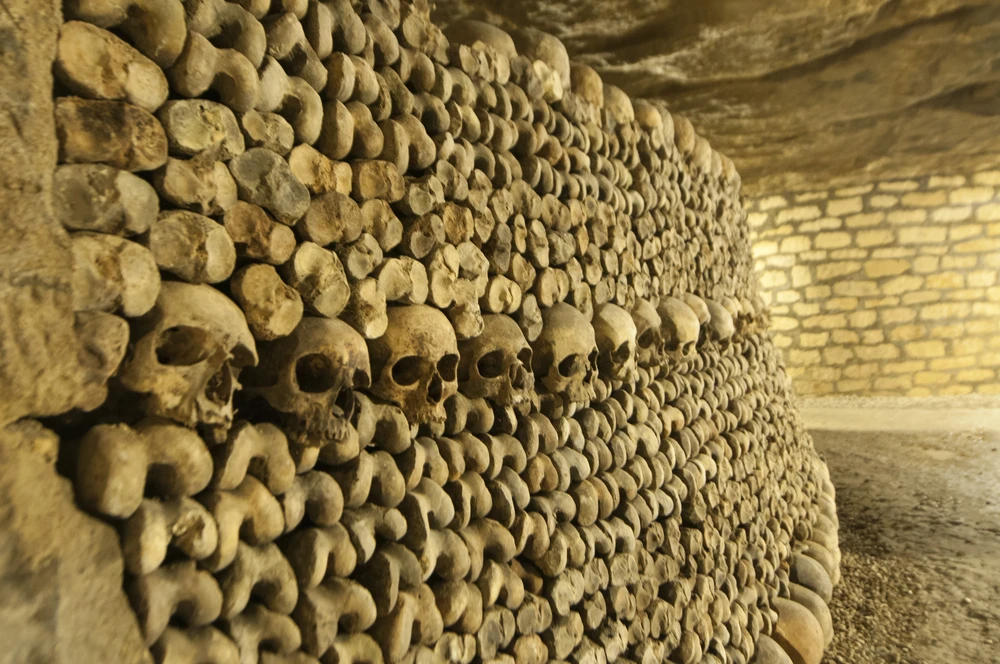
The remains of nearly 6,000,000 people are carefully stored in the catacombs of Paris. Photo: depositphotos.com
- Tip from Monsieur de France: Please note: In 2026, online reservations are mandatory and in high demand. Book exactly 7 days in advance.
Explore the darker side of Paris with a visit to the famous Catacombs, one of the city’s most unique and unforgettable experiences:
- 👉 Join a guided Catacombs tour with special access to restricted areas for a deeper and more immersive experience
- 👉 Book a standard Catacombs ticket if you prefer a simple and flexible visit
This is one of the most unusual places to visit in Paris… and one you won’t forget.
V. Symbols and Heights: Eiffel Tower, Les Invalides, and Montmartre
1. The Eiffel Tower: The Iron Lady
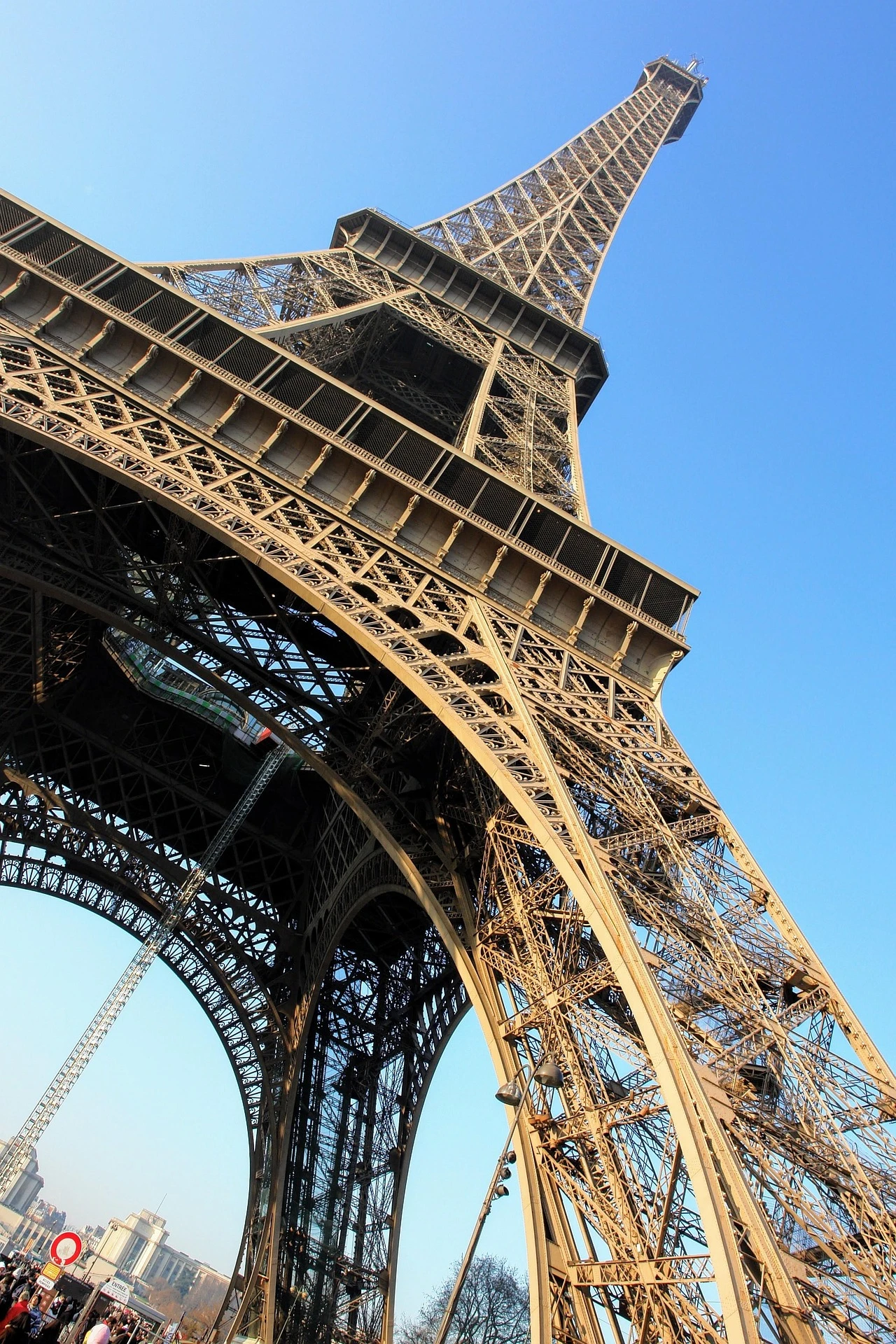
The Eiffel Tower / photo Peggy and Marco Lachmann-Anke de Pixabay
Built in just three years for the 1889 World's Fair, the Eiffel Tower has been restored to its original "yellow-brown" color for 2026. A universal symbol, it remains the most visited paid monument in the world. Climb the stairs to the second floor for a unique view of its riveted iron structure. It is just as magnificent even when you don't climb it; you only need to see it sparkle at set times to know this and be in complete awe.
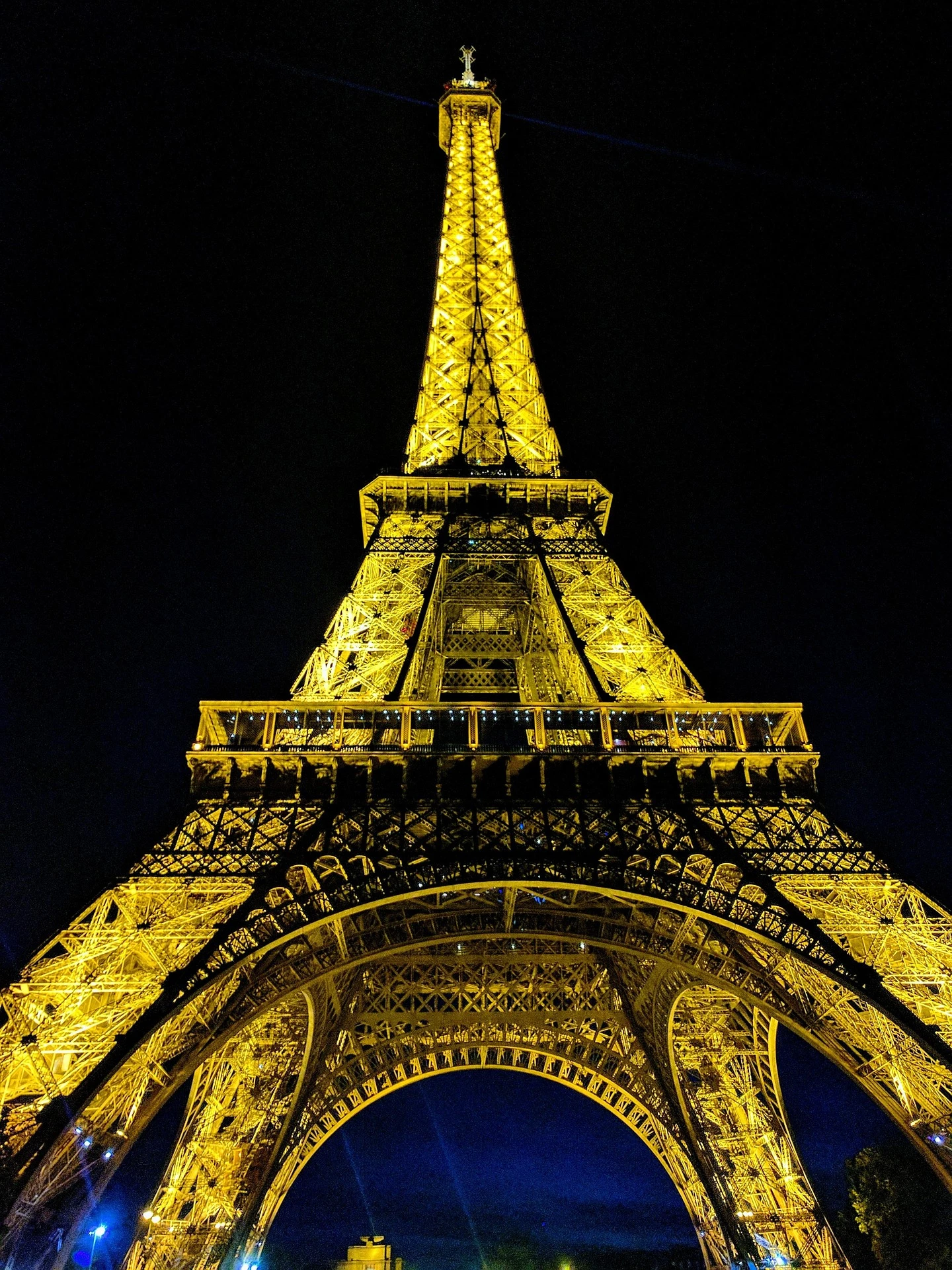
The Eiffel Tower at night / Image selected by monsieurdefrance.com: by Stefano Vazzoler from Pixabay
Visiting the Eiffel Tower is one of the highlights of any trip to Paris, but choosing the right ticket can make your experience much smoother and more enjoyable:
-
👉 Get reserved access to the Eiffel Tower with elevator to the 2nd floor or summit and avoid long waiting times
-
👉 Book a guided Eiffel Tower experience for a more complete and informative visit
-
👉 Get a standard Eiffel Tower ticket if you prefer a simple and flexible option
Whether you go for the summit or the second floor, the view over Paris is simply unforgettable.
2. The invalids and Napoleon's tomb.

Les Invalides at sunrise from the Alexandre III Bridge / by Dennis van de Water/Shutterstock.com
The dome of Les Invalides and its gilding rise to a height of 110 meters, which for a long time made it the tallest monument in Paris. Built by order of Louis XIV at the end of the 17th century, Les Invalides is now a place dedicated to France's military history. It is also in the cathedral that Napoleon I is buried.
3. Montmartre: The Hanging Village
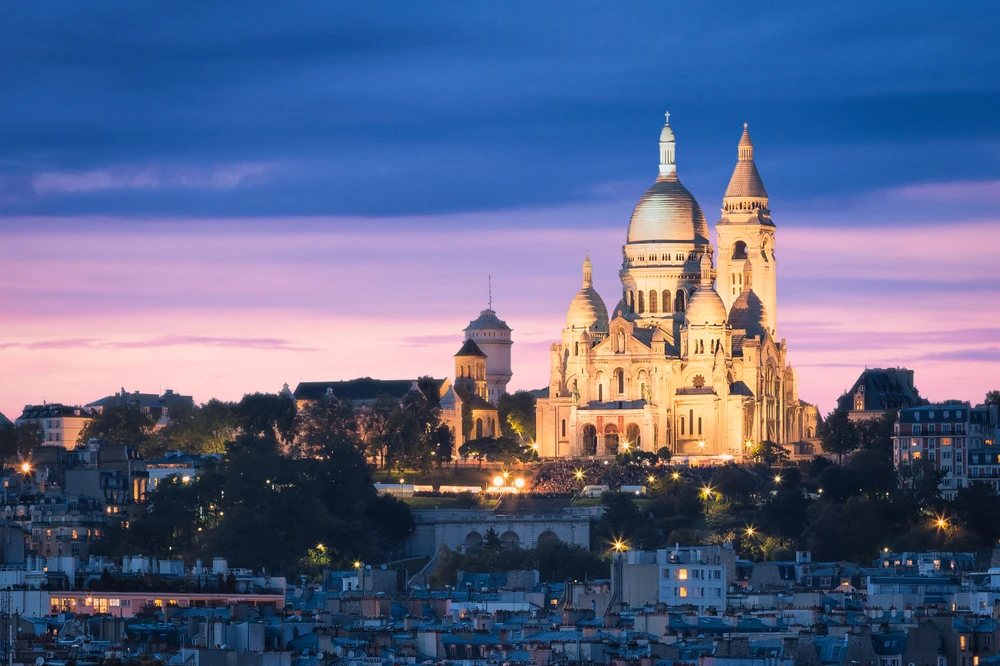
The Basilica of the Sacred Heart in Montmartre. Photo selected by Monsieurdefrance.com: Shutterstock.com
The highest point in the city. The Basilica of the Sacred Heart, with its immaculate white stone, dominates Paris. Leave Place du Tertre behind to discover Clos Montmartre (the vineyards) and La Maison Rose. Montmartre is not just a viewpoint at the foot of the Basilica. It is also the soul of Paris, its children, and its shows, since the French cancan is danced not far away at the Moulin Rouge.
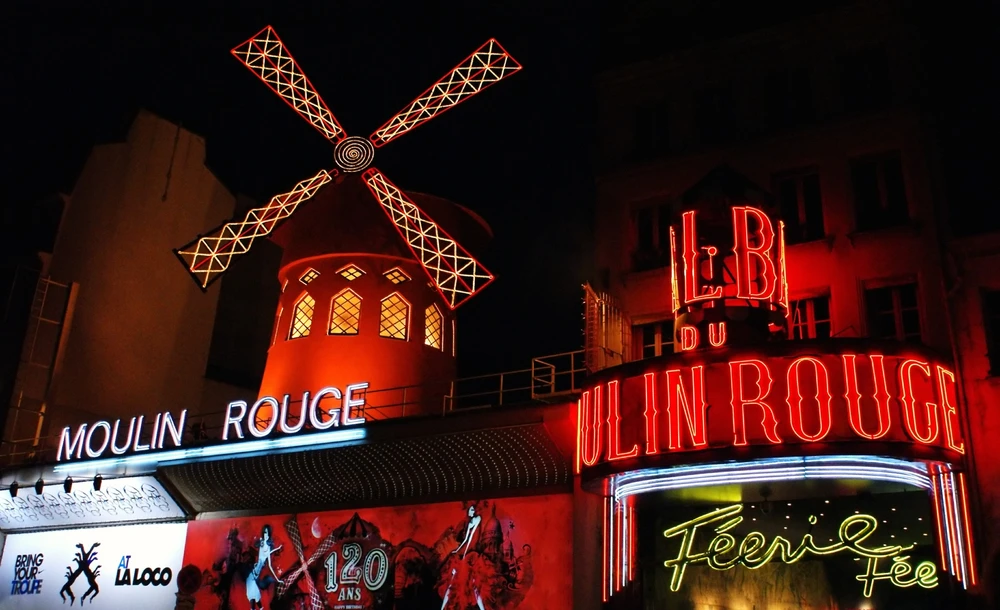
The Moulin Rouge at night. Photo selected by monsieurdefrance.Com: depositphotos.
Experience one of Paris’s most iconic evenings at the legendary Moulin Rouge, a true symbol of the city’s nightlife and cabaret tradition:
- 👉 Enjoy the full Moulin Rouge experience with dinner and show for an unforgettable night combining gastronomy and entertainment
- 👉 Book the Moulin Rouge show with champagne if you prefer a simpler but still magical experience
A unique moment in Paris, blending music, dance, and the famous French art of living.
VI. Royal Getaway: The Palace of Versailles
You can't have a real stay in Paris without spending a day at the king of palaces, located just 20 minutes away by train. Versailles is a king's dream and the largest palace in the world with more than 2,300 rooms, halls, salons, and staircases covering a total of more than 63,000 square meters.
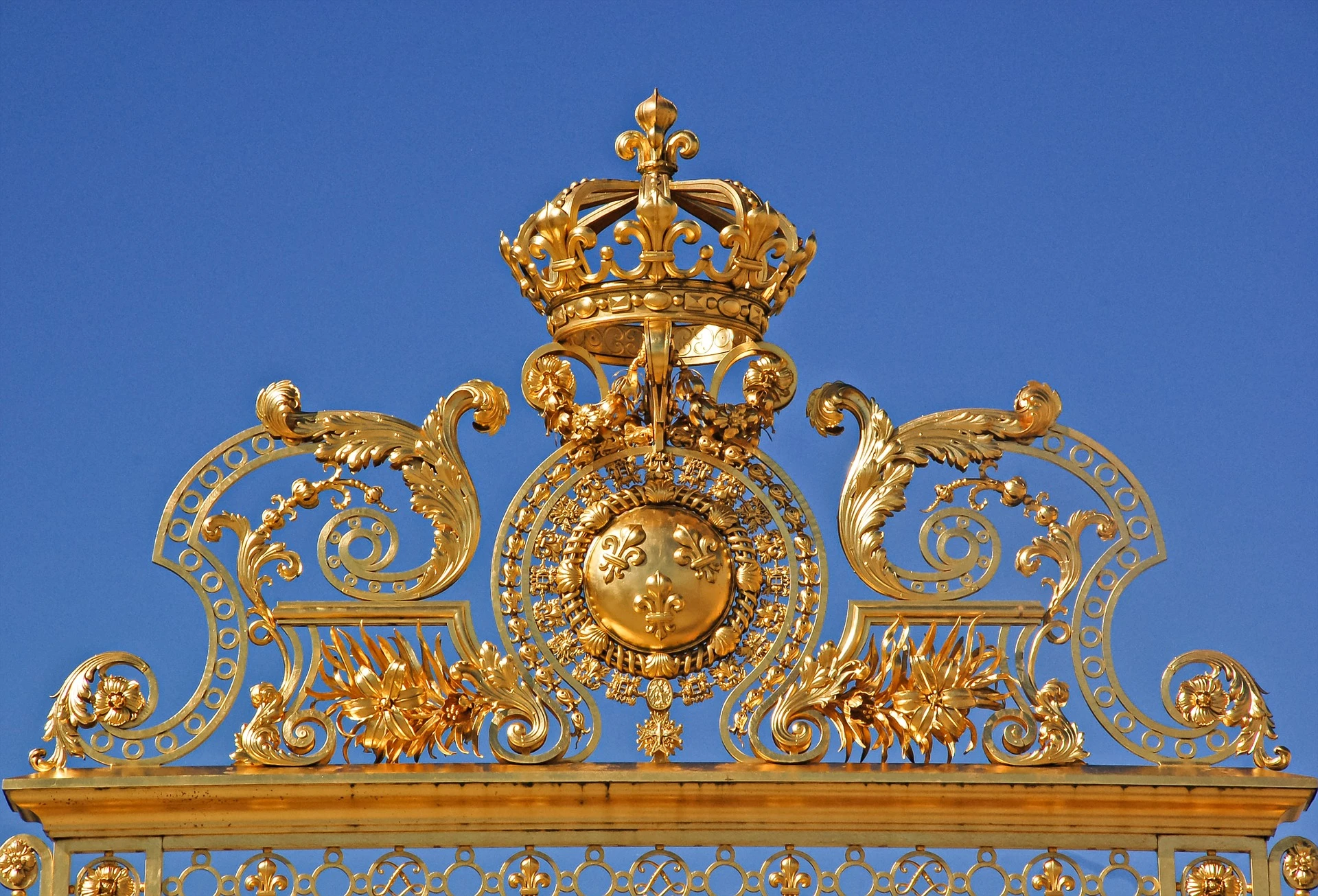
The gold-leaf gate bearing the French coat of arms that closes off the main courtyard at Versailles / photo chosen by Monsieur de France: by Rodrigo Pignatta from Pixabay
1. The Palace of Louis XIV
The Hall of Mirrors, the King's Grand Apartments, and the Royal Chapel are absolute masterpieces of French classical art. In 2026, the castle continues to shine after extensive restoration work on its gilding.
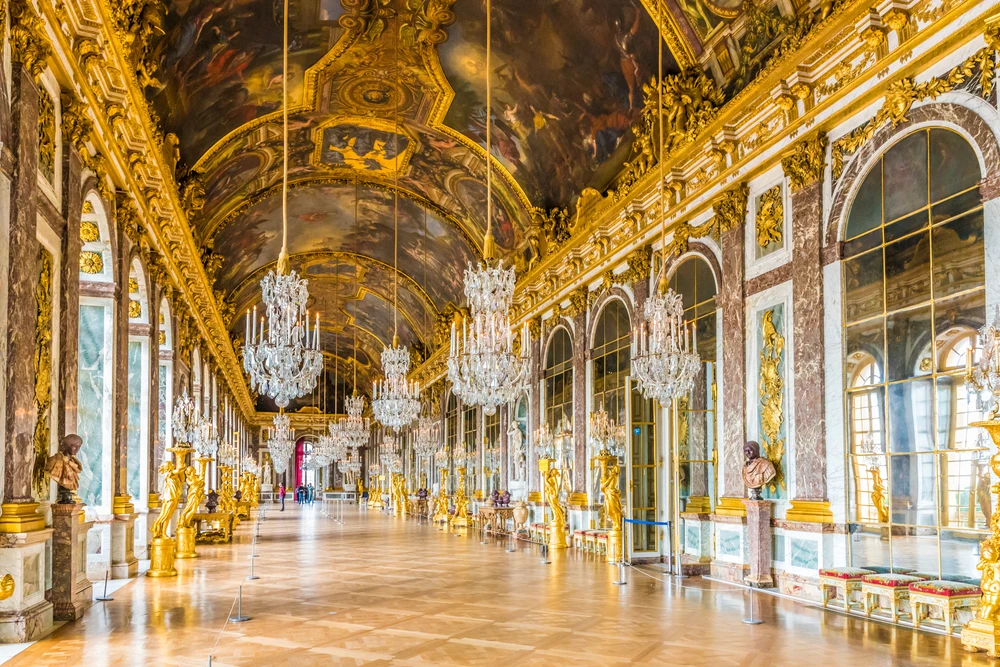
The Hall of Mirrors and its famous torches / Photo selected by Monsieur de France: shutterstock.
A visit to the Palace of Versailles is one of the most unforgettable experiences near Paris, but choosing the right option can completely change your day:
-
👉 Join a guided Versailles tour with full access and skip-the-line entry to avoid long queues and fully understand the history of the palace
-
👉 Enjoy a complete Versailles experience with transport from Paris for a stress-free day including travel, access, and guided visit
-
👉 Book a standard Versailles ticket with audio guide if you prefer to explore the palace and gardens at your own pace
With its Hall of Mirrors, vast gardens, and royal history, Versailles offers a unique journey into France’s past. (Viator)
2. The Gardens and Estate of Trianon
Designed by André Le Nôtre, the gardens of Versailles are a monument in their own right. Since last year, the Apollo Fountain has been restored and is now truly sublime. The Grandes Eaux Musicales fountain show is a magical experience not to be missed. Don't miss the Queen's Hamlet, a small bucolic village created for Marie Antoinette.
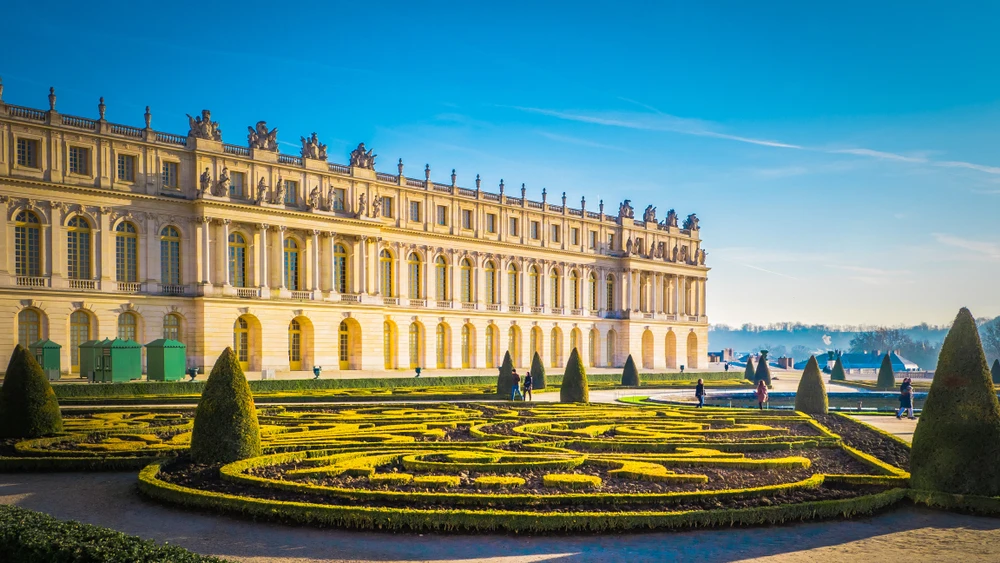
Gardens and Palace of Versailles / photo Vivvi Smak/Shutterstock.com
The lesser-known Paris is also worth seeing.
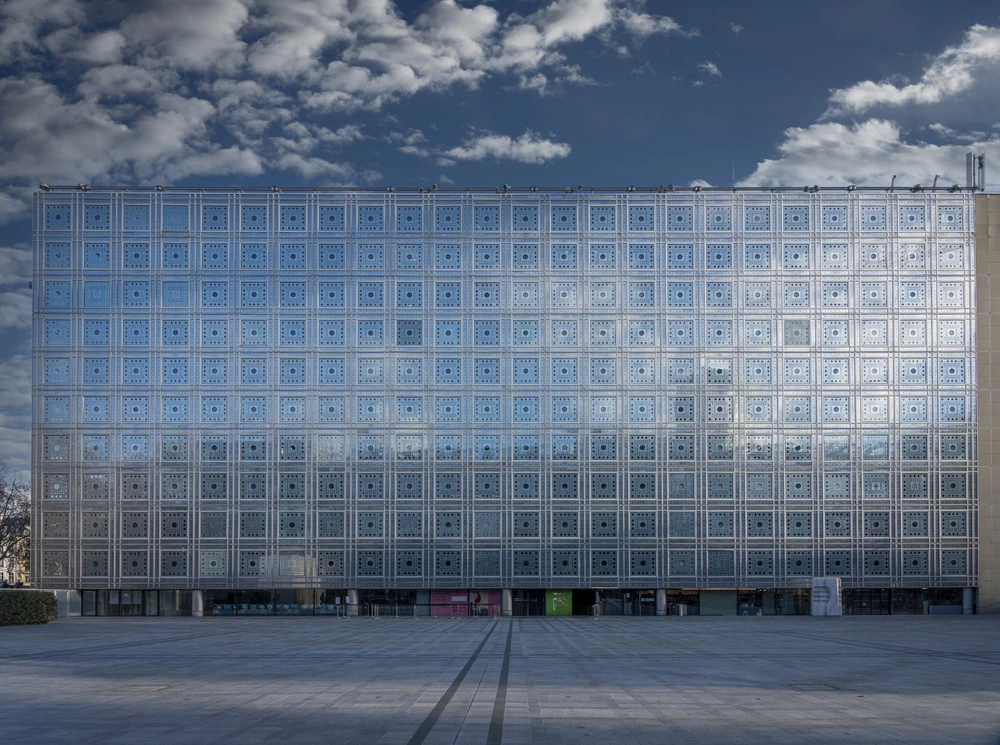
The facade of the Arab World Institute: Photo by frlegros via depositphotos
For a truly memorable experience in 2026, venture off the beaten track and explore unconventional Paris. As a Parisian, I have selected some lesser-known monuments that tell a completely different story of the capital, far from the crowds of the major tourist sites. From the technological mashrabiya screens at the Arab World Institute to the Gallo-Roman arenas hidden in the heart of the Latin Quarter, via the exotic garden of the Petit Palais, discover my top 10 secret gems for an authentic immersion in Parisian heritage.
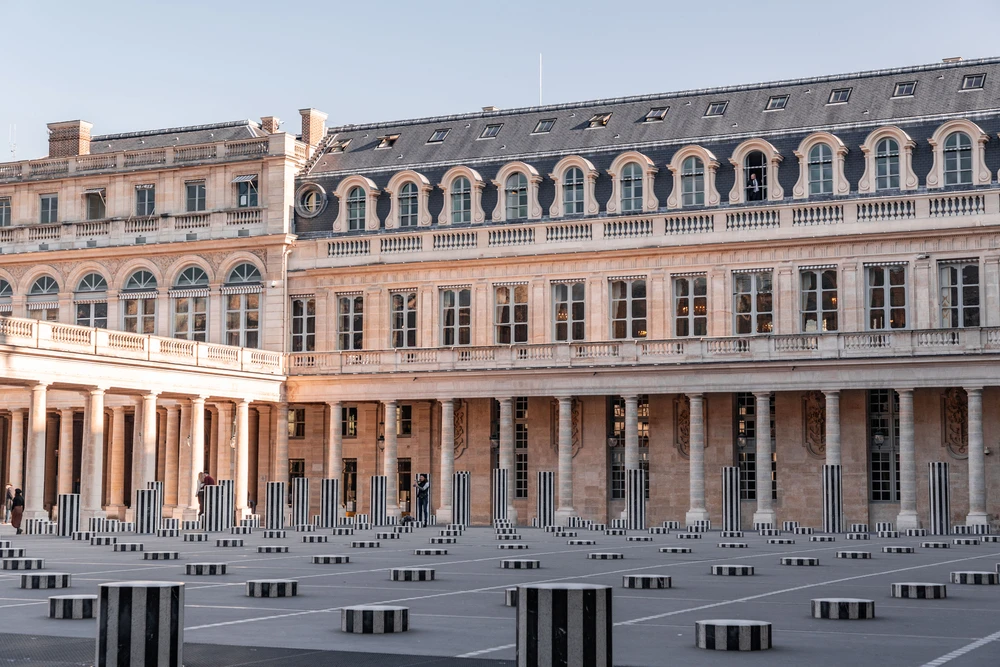
The Buren columns/ Photo selected by Monsieur de France: Photo by EnginKorkmaz via depositphotos
Tips and Tricks for a Successful Stay in 2026
1. Eating in Paris: tips for finding a good restaurant
The best restaurants are not always near the major attractions. Wander through the small streets and take a stroll around Bastille. You will also find plenty to enjoy in the department stores on the grand boulevards. Dining out is part of the French art of living. You sit down, enjoy your meal, and above all, chat.
Tip from Monsieur de France: the shorter the menu, the better your choice. The restaurant is sure to be cooking with fresh ingredients.
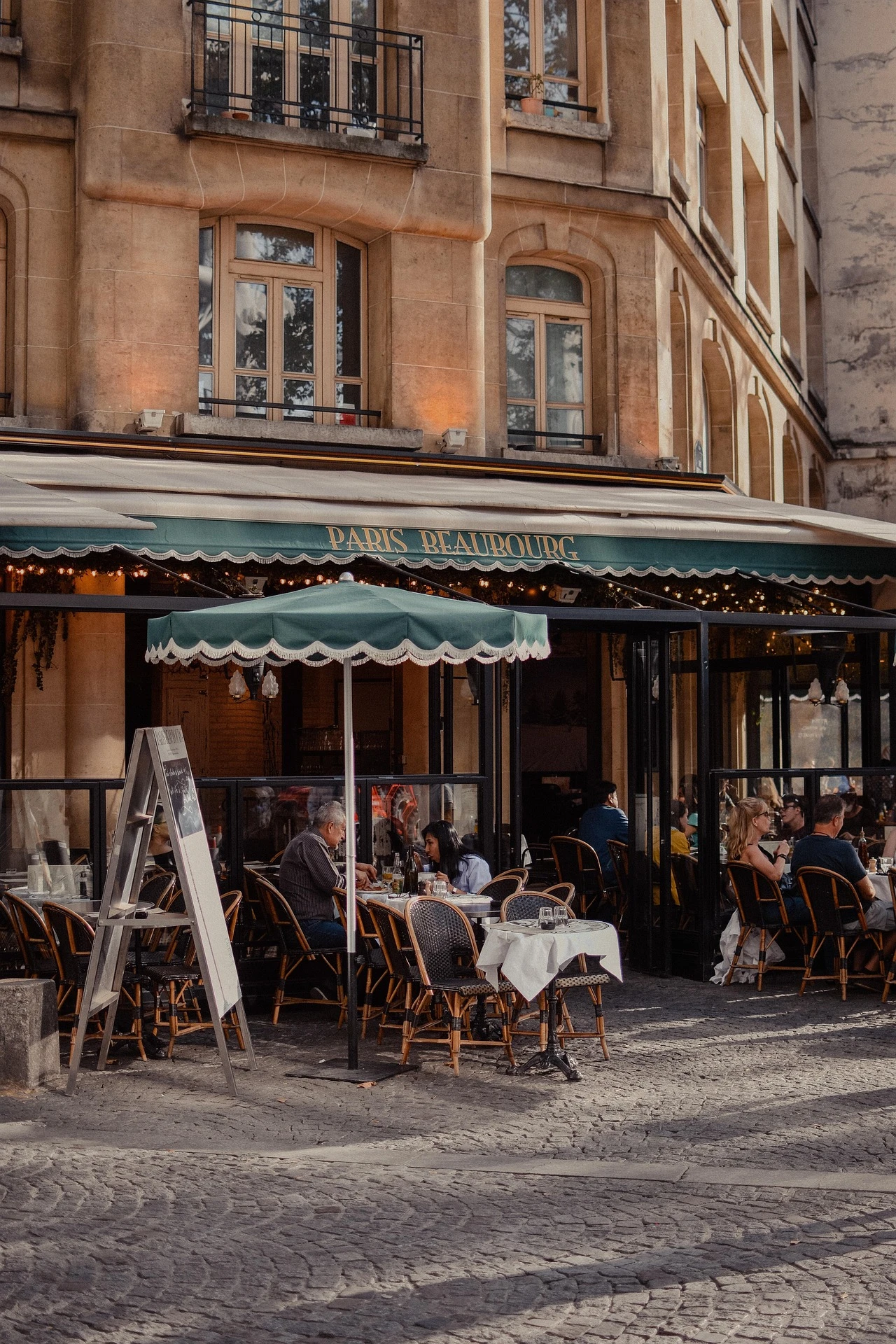
A café in Paris. Photo chosen by Monsieur de France: by Dan Novac from Pixabay
2. The secret of the croissant in Paris.
If you've never eaten a croissant before, honestly, the first bakery you come across will do. It will be a pleasant surprise. There's no need to pay a fortune for croissants from this or that trendy bakery. All French bakers know how to make croissants. It's basic knowledge.
Who invented the croissant? Austrians! Discover the surprising history of the croissant.

Fresh croissants by herry wibisono from Pixabay
3. Paris at night.
Paris never lives up to its name as the "City of Light" more than after sunset, offering a unique atmosphere that blends romance and mystery. To enjoy the illuminated monuments and lively neighborhoods after midnight in peace, good logistical preparation is essential. Monsieur de France provides expert advice for visiting Paris at night, including lighting schedules and safety tips.
4. Where to stay in Paris?
Finding a place to stay in Paris depends above all on the type of trip you’re planning. If you’d like to explore on foot, opt for the Marais or Saint-Germain-des-Prés, right in the heart of Paris. These neighborhoods offer direct access to the main sights and a quintessentially Parisian atmosphere. For a more romantic stay, Montmartre is a delight with its narrow streets and views of the city, while the Opéra district is ideal if you love the architecture of timeless Paris and for a convenient stay: it’s well-connected and close to the department stores. Travelers on a tighter budget can look to the Latin Quarter, Bastille, or République, which are still well-located while being more affordable.
👉 I've compiled all my tips for choosing a hotel and the best neighborhoods
👉 To easily compare prices based on your dates, you can view hotels in Paris
👉 You can also check out the deals available on Expedia
Whatever you decide, the key is to choose a neighborhood with good subway access so you can make the most of your stay.
Some of the links in this article are affiliate links. If you book through these links, I may earn a commission at no extra cost to you, which helps support and maintain the site—it makes little difference to you but means the world to me :).
Top monuments in Paris: recommended visiting times and prices for 2026
If you want to choose your places to visit more wisely, here you will find the best times to avoid waiting, prices, and a tip for each one.
| Monument | Best recommended schedule | Adult rate 2026 (indicative) | Strategic advice |
|---|---|---|---|
| Eiffel Tower | 9:00 a.m. or after 8:00 p.m. | €29 (elevator to the top) | Book in advance and choose the end of the day for the sunset view. |
| Louvre | 9:00 a.m. when we open or after 4:00 p.m. | 17 € | Enter as soon as it opens to avoid the crowds around the Mona Lisa. |
| Notre Dame Cathedral | 8:30 in the morning | Free (visit) | Arrive early to avoid lines, especially during tourist season. |
| Les Invalides | 10h00 | 15 € | Allow 2 hours for the museum and the Dome. |
| Triumphal Arch | 10:00 a.m. or 6:00 p.m. | 16 € | Go up at the end of the day to see the lights on the Champs-Élysées |
| Sacred Heart | 9h00 | Free (basilica) / €8 (dome) | Get there early to avoid the crowds at Montmartre |
| Holy Chapel | 9h00 | 13 € | Best light in the late morning for stained glass windows |
| Pantheon | 10h00 | 13 € | Allow 1.5 hours for the crypt and panoramic view. |
| Orsay Museum | 9h30 | 16 € | Best time slot during the week outside of holidays |
| Pompidou Center | 11h00 | 15 € | Enjoy the panoramic terrace after the tour |
How can this table be used effectively?
-
If you are visiting Paris in one day: choose a maximum of two monuments.
-
In 2 days: combine a major monument with a historic neighborhood.
-
In 3 days: alternate between major sites and quieter places.
Sample itineraries: Paris in 1, 3, or 5 days
To optimize your time, we have designed coherent itineraries:
-
Paris Express (1 day): Morning at the Louvre, walk up the Champs-Élysées to the Arc de Triomphe, afternoon at the Eiffel Tower, and evening on a Bateau-Mouche river cruise.
-
The Grand Classic (3 days): Day 1: The essentials. Day 2: Montmartre in the morning, the Marais in the afternoon. Day 3: Île de la Cité (Notre-Dame) and the Invalides.
-
Paris for lovers: with so many magical places to nurture love.
-
Paris with the family: how to visit Paris with children and keep them surprised.
Visit Paris in one day
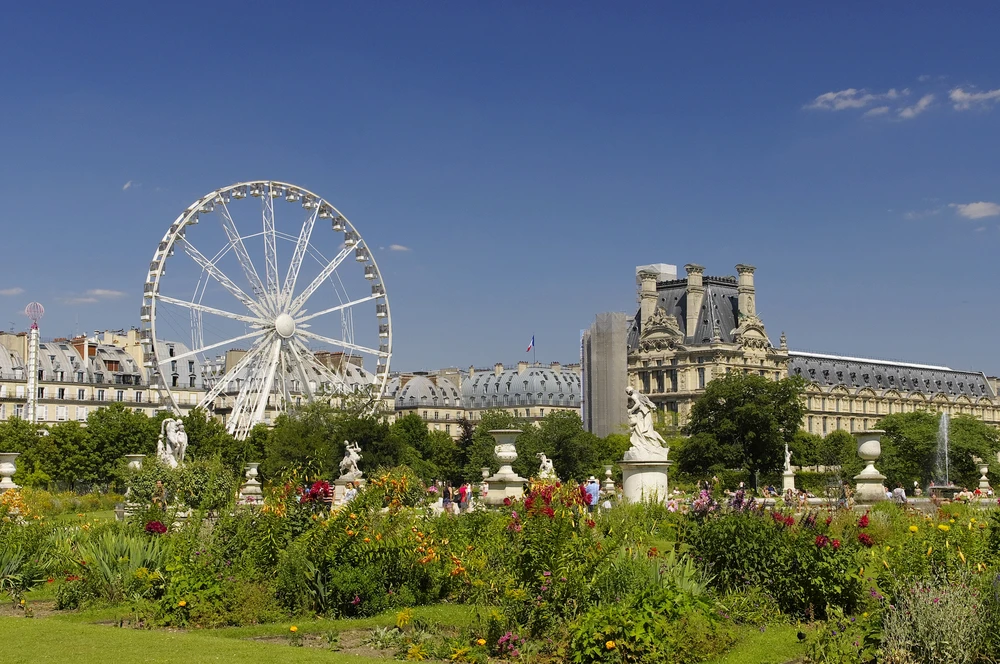
The Tuileries Garden / Photo selected by monsieurdefrance.com: depositphotos
When visiting Paris for just one day, you have to focus on the essentials.
Visitors generally concentrate on the iconic monuments in the historic center, such as Île de la Cité, the banks of the Seine, and the area around the Louvre. The goal is to get a clear first impression of Paris, without trying to see everything.
Visiting Paris in 2 days
Two days in Paris allow you to strike a better balance between monuments and neighborhoods.
After seeing the must-see sights, you can explore Montmartre, the Latin Quarter, or the Eiffel Tower, while taking the time to stroll around. This length of stay is perfect for a first real discovery of the capital.
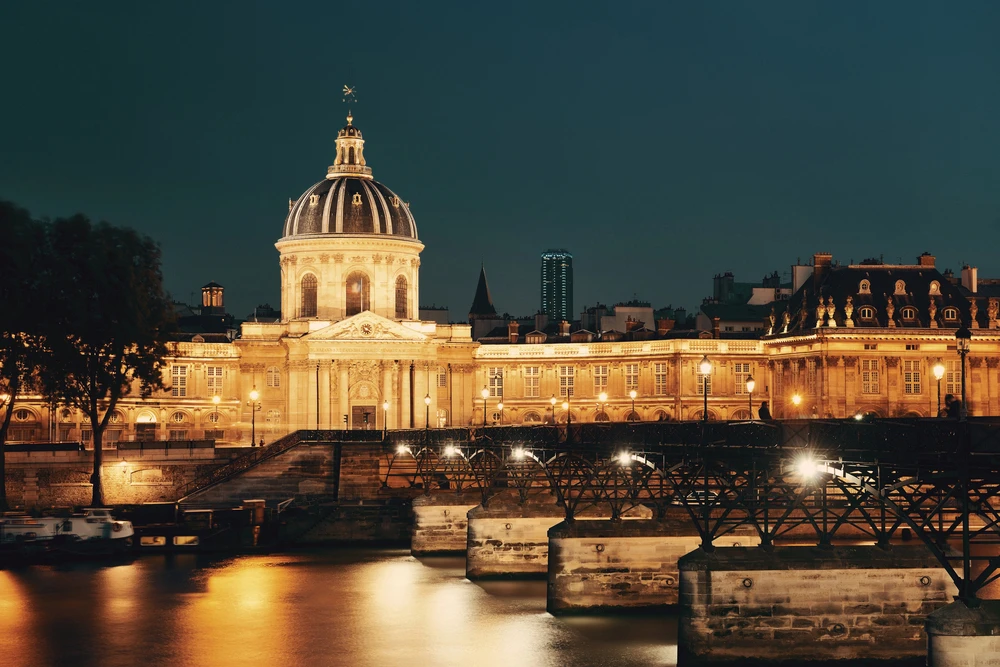
Magnificent Pont des Arts at night / Photo selected by Monsieur de France: depositphotos
👉 See the complete guide to visiting Paris in 2 days
Visit Paris in 3 days
Three days is enough time to leisurely explore Paris's most iconic sites. You can visit major museums and less touristy neighborhoods without rushing. You will see Notre Dame, the Louvre, and the most beautiful neighborhoods. That said, to make the most of your trip, always remember to book your tickets in advance for the sites you want to visit. This is the ideal length of time to understand the cultural and historical richness of Paris.
👉 See the complete guide to visiting Paris in 3 days
Visit Paris and Versailles in 3 days
Major museums, less touristy neighborhoods, parks, and excursions such as Versailles can then be incorporated without rushing. This is a good compromise in terms of time to understand the cultural and historical richness of Paris while also discovering France's immense royal past at Versailles.
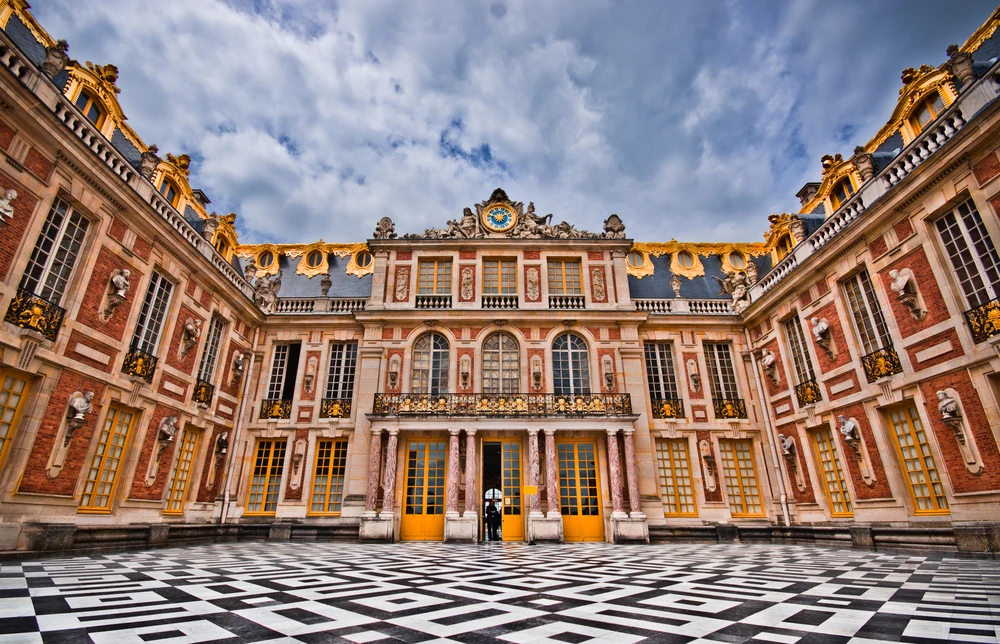
The Marble Courtyard with the facades of the first castle, that of Louis XIII / Photo by Fotos593/Shutterstock.com
👉 See the complete guide to visiting Paris and Versailles in 3 days
A week in Paris: experiencing the city
 *
*
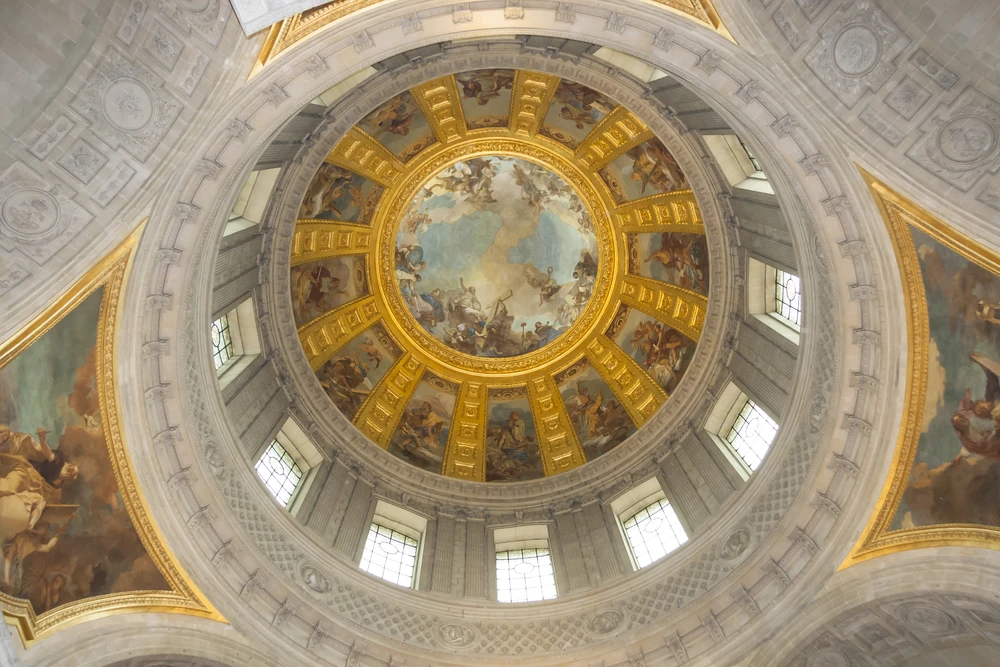
The dome of Les Invalides, interior view / photo by RistoH/Shutterstock.com
With seven days, you experience Paris more than you visit it. During the first few days, discover the great classics: Notre Dame, the Louvre, the Eiffel Tower, Montmartre, and Versailles. Then let yourself be carried away by the atmosphere: the Canal Saint-Martin, the Marais, the Invalides (guide here), or even the Saint-Germain district.
Spend a whole day visiting museums: the Louvre, Orsay, the Grand Palais and the Sainte-Chapelle. And another day relaxing: picnicking in the Luxembourg Gardens, a stroll along the riverbanks, or a coffee break in a bistro in the 5th arrondissement. At the end of your stay, pay your respects to France's heroes at the Panthéon before enjoying a festive evening in a cabaret or theater.
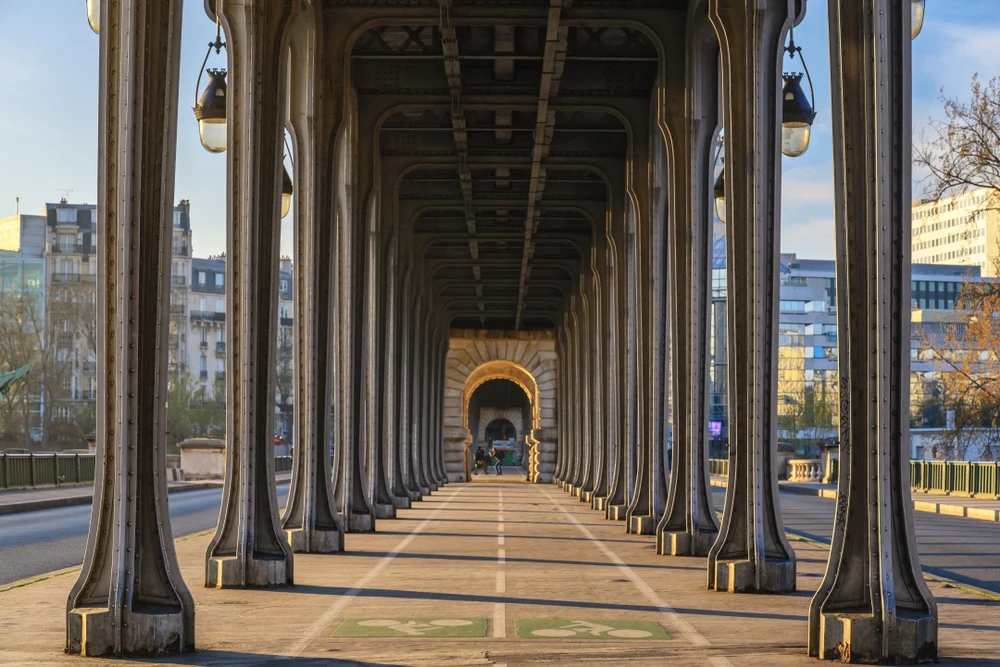
The Bir-Hakeim Bridge and its Art Nouveau columns. Photo selected by monsieurdefrance.com: Noppasin Wongchum / shutterstock.com
Visiting Paris as a couple
Paris is the city of lovers. Not only is the setting perfect, but Parisians are also very welcoming to couples. From the banks of the Seine near Notre Dame to Paris City Hall, from the "I love you" wall in Montmartre to a small café near Bastille, Paris is a dream setting for lovers.
👉 See the 10 most romantic places in Paris
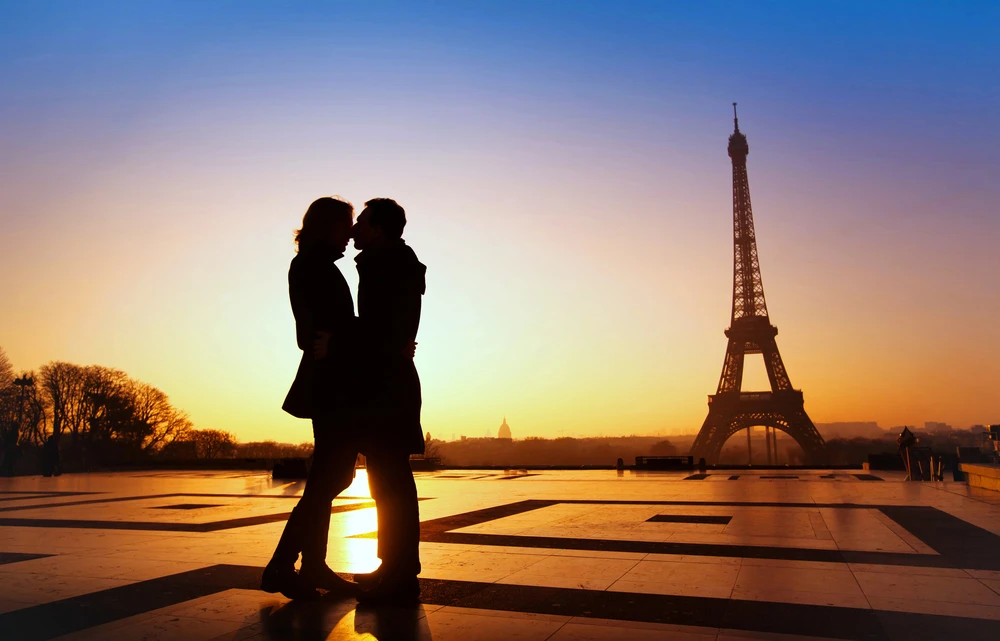
The view from the Trocadéro / Photo selected by monsieurdefrance.com anyaberkut via depositphotos
Paris is the ultimate city of love, and there are countless ways to create unforgettable moments together. Whether you’re celebrating a special occasion or simply enjoying time as a couple, these experiences are truly unique:
-
👉 Enjoy a romantic photoshoot in Paris with a professional photographer and capture timeless memories in front of the Eiffel Tower
-
👉 Discover Paris in a vintage 2CV car for a charming and original tour through the city’s most beautiful streets
-
👉 Plan a truly unforgettable marriage proposal in Paris with a carefully designed romantic experience
From iconic photo moments to once-in-a-lifetime memories, Paris offers the perfect setting for love. (GetYourGuide)
Some of the links in this article are affiliate links. If you make a booking through these links, I may earn a commission at no extra cost to you, which helps support and maintain the site.
Paris with the family: how to make your trip with children a success?
Visiting Paris with children or teenagers can be challenging, but the capital is brimming with activities designed for younger visitors. To keep them interested, alternate between major monuments and more playful spaces. The Jardin des Plantes in the 5th arrondissement is a must-see destination: between the Grande Galerie de l'Évolution and the Ménagerie (one of the oldest zoos in the world), children can immerse themselves in natural history in the heart of the city.
If you're looking for a bit of fresh air and freedom, the Parisian parks are your best bet. The Jardin du Luxembourg is famous for its ponds where children sail wooden boats, while the Parc des Buttes-Chaumont offers an adventure playground with caves and a waterfall. For a more scientific and interactive approach, the Cité des Enfants (within the Cité des Sciences in La Villette) is a technological paradise where you can learn while having fun.
When you feel the urge to get back to nature, the Bois de Boulogne offers 850 hectares of fresh air: lakes, boats, greenhouses, and waterfalls. Once a royal estate, it is now a haven for Parisians.
Tip from Monsieur de France: To prevent the little ones from getting tired too quickly, don't hesitate to use the Batobus. It's a fun alternative to the metro that allows you to see the Eiffel Tower, the Louvre, and Notre Dame from the Seine, while stopping wherever you like. Finally, for a gourmet break, hot chocolate at Angelina or a crêpe near Square Louise Michel in Montmartre will leave lasting memories for young explorers. By planning short visits (maximum 1.5 hours per museum), you'll keep their enthusiasm intact throughout the trip.
Preparing for your trip: Practical guide to Paris 2026
Visiting Paris in 2026 requires a certain amount of planning. Since the major urban changes of recent years, the capital has evolved, as I see every day. To get around efficiently, use public transportation. The Paris metro network is one of the densest in the world. For travelers, the Pass Navigo Découverte or digital tickets on smartphones are now the norm. Here, I explain all the rules, including the unwritten ones, for getting the most out of the Paris metro. I also give you 10 fun facts to know about the metro, some of whose stations are very beautiful.
When it comes to your budget, keep in mind that many museums offer free admission on the first Sunday of every month. If you plan to visit more than three monuments, purchasing a Paris Museum Pass will quickly pay for itself. Finally, safety is a priority: stay alert in very touristy areas such as Sacré-Cœur or the Eiffel Tower, where pickpockets and scammers are most prevalent, and carry your bags in front of you. Politeness is the key to a warm welcome: a simple "Bonjour" when entering a shop will open many doors. Discover Paris for free here, and you'll find some pleasant surprises for your wallet.
Getting around Paris: your guide to stress-free travel in 2026
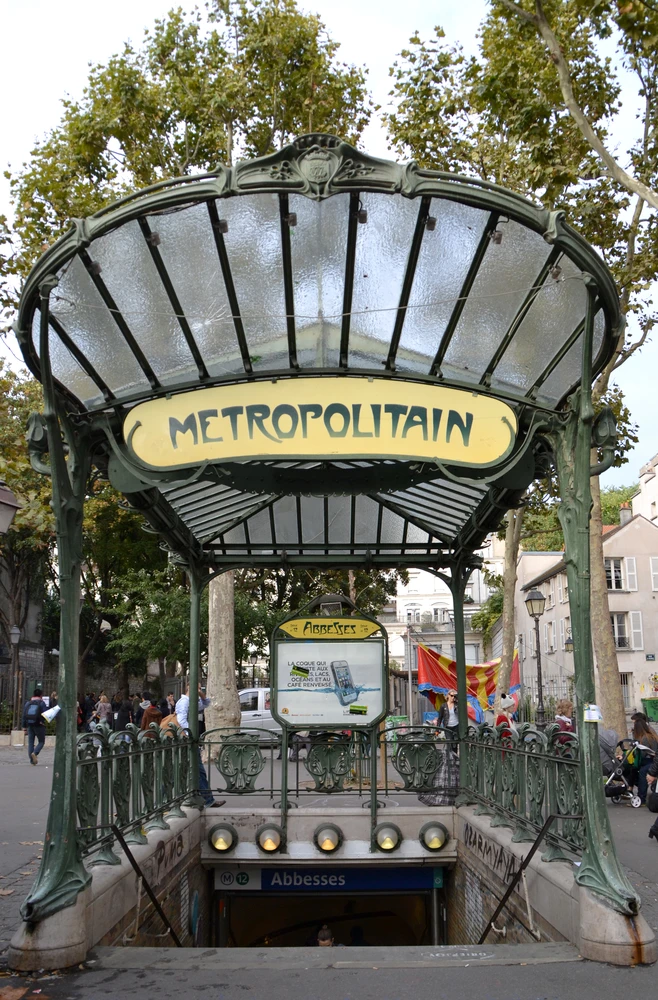
A typical Guimard entrance: Abbesses station. Photo selected by monsieurdefrance.com: Miff32 via depositphotos.
Getting around Paris involves a lot of walking. It also involves using the second oldest metro system in the world after London. The stations are often very attractive to look at. The bus is also a great alternative in the evening for getting around Paris for less than €3 and seeing the city lit up at night. You can also take a taxi.
Free Paris: what to see and which museums to visit without paying?
Visiting Paris for free is entirely possible, even for a first-time visitor.
Many iconic monuments can be viewed freely from the outside, such as Notre-Dame Cathedral, Sacré-Cœur in Montmartre, Place de la Concorde, the banks of the Seine, and the Luxembourg Gardens. Paris also offers several museums that are always free to visit, including the Carnavalet Museum (history of Paris), the Museum of Modern Art of Paris, and the Petit Palais. Most of Paris's major museums are free on the first Sunday of the month, including the Louvre, the Musée d'Orsay, and the Centre Pompidou. This is an excellent option for discovering Parisian culture on a budget, provided you plan ahead for crowds and opening hours.
Experience Paris every day: free Wi-Fi, water, and services
To fully enjoy the capital in 2026, it is essential to know the logistical tips that make life easier for travelers. Paris is a generous city that offers many free public services, provided you know where to find them. To stay connected without using up your mobile data plan, you can rely on the Paris Wi-Fi network, available in more than 260 parks and libraries. In terms of comfort, the city has a unique network of free public restrooms and drinking fountains, including the famous Wallace fountains. For travelers with children and those with large suitcases, Paris is not always very convenient, but you will find some suitable metro lines and places to store your belongings with my luggage storage guide.
The History of Paris: From the Mud of Lutetia to the Splendor of the City of Light
Understanding Paris is not just about admiring monuments; it's about deciphering the successive layers of a city that has been rebuilding itself for more than two millennia. It all began on the Île de la Cité, the true cradle of the capital, where the Gallic tribe of the Parisii settled to take advantage of the natural protection offered by the Seine. But it was with the Roman conquest that the city first flourished under the name of Lutetia. The remains of this Gallo-Roman era are still visible today, if you know where to look: the Arènes de Lutèce, hidden in the 5th arrondissement, could accommodate 15,000 spectators for gladiatorial combats, while the Thermes de Cluny bear witness to ancient refinement in the heart of the Latin Quarter.
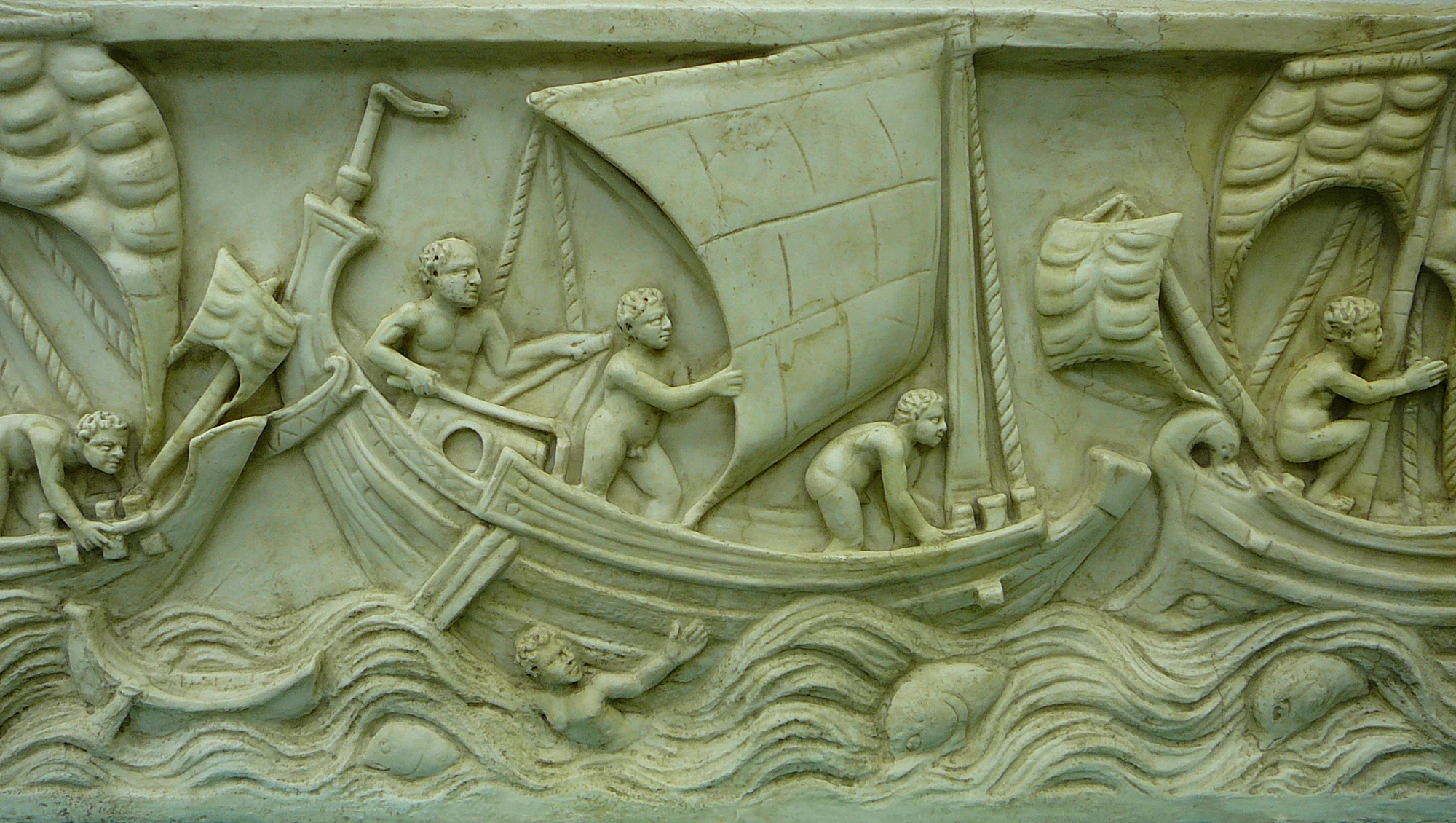
A Roman merchant ship in the 3rd century. Illustration chosen by Monsieurdefrance.Com: Gun Powder Ma — Own work, CC BY-SA 3.0, https://commons.wikimedia.org/w/index.php?curid=4595340
The Middle Ages transformed Paris into a city of labyrinths and faith. This was the era when construction began on Notre-Dame Cathedral in 1163 and when Philippe Auguste built the city walls, sections of which can still be seen in the Marais district. Paris then became the intellectual beacon of Europe with the founding of the Sorbonne. But the city remained dark and narrow until the Grand Siècle of Louis XIV imposed a new vision. The Sun King wanted a city that reflected his power: he created the first royal squares (Place des Victoires, Place Vendôme) and had the Hôtel Royal des Invalides built for his wounded soldiers. Paris began to breathe and expand beyond its old ramparts, replaced by the tree-lined "Grands Boulevards."
The real shift towards modernity came in the 19th century. During the Second Empire, Napoleon III and his prefect, Baron Haussmann, launched a titanic project to "open up, unify, and beautify" the capital. Straight avenues were cut through, modern sewer systems were created, and architectural unity was imposed on the stone buildings that today give Paris its worldwide charm. It was this Haussmannian structure that served as the backdrop for the great World's Fairs.
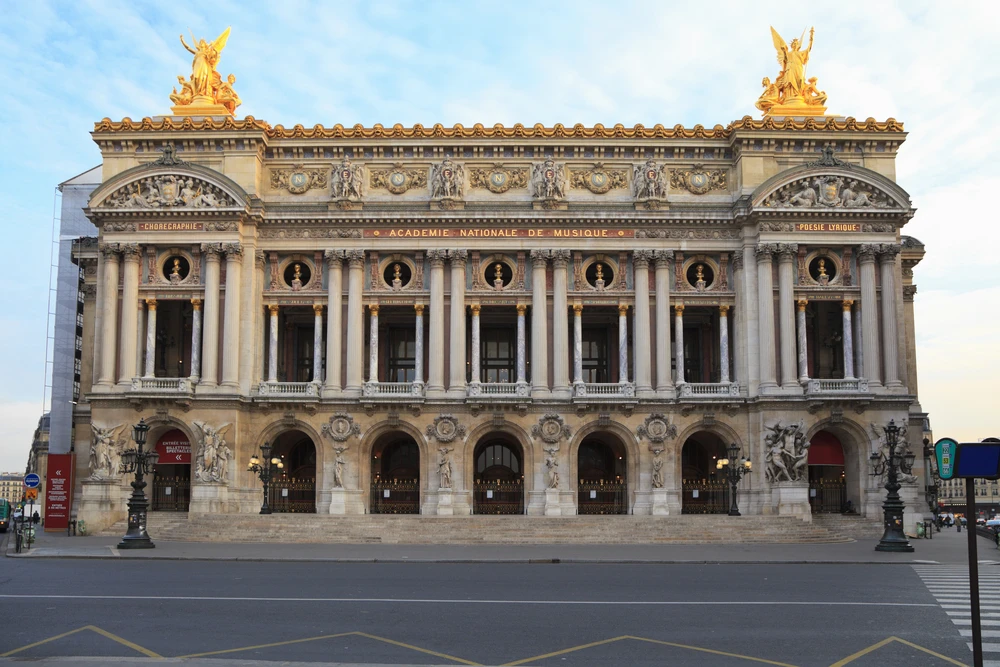
The year 1889 marked the apotheosis of the industrial era with the construction of the Eiffel Tower. Designed as a temporary installation, it became a symbol of French technical audacity. A few years later, in 1900, the arrival of the Metro and the inauguration of the Grand Palais definitively sealed Paris's status as the "City of Light," the first modern metropolis to be massively lit by electricity. Walking through Paris today means walking on Roman cobblestones, looking up at Gothic bell towers, and marveling at iron and glass structures, each era having left its indelible mark on the capital's pavement.
The 20th century made its own contribution with the famous Montparnasse Tower, standing 209 meters tall (offering a magical view overlooking Paris), the La Défense district (the business district), the Pompidou Center for contemporary art, and the Grande Bibliothèque.
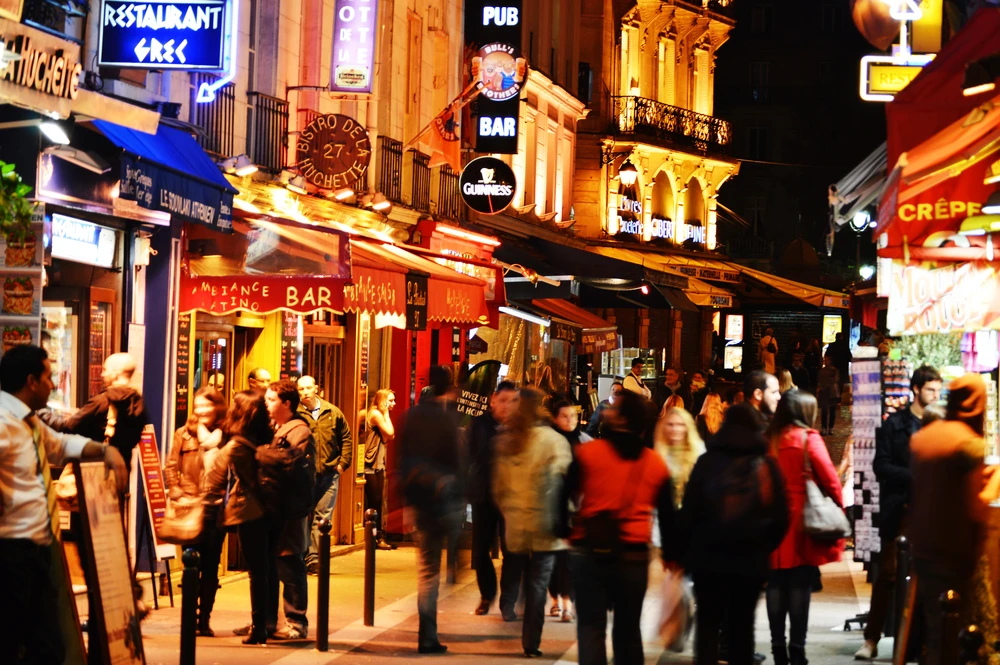
The Latin Quarter is very lively in the evening / Photo selected by Monsieur de France: depositphotos
Conclusion: why do I love Paris?
Because Paris is not just about its monuments, however majestic they may be. What I love about Paris is the people. Parisians are said to be hurried, cold, indifferent... but in reality, they are much friendlier and more curious than people think. All it takes is a smile, a question, a polite word, and they'll show you the right way, share their secret addresses or their favorite spots to watch the sunset over the Seine.
I also love real Parisian life, the kind that hides behind Haussmann-style facades. The local café where regulars remake the world, lively markets, booksellers who know the bridges better than their own pockets. Getting off the beaten track means discovering another Paris: the small streets of Belleville, the artists' studios in Montreuil, or a bench in the Luxembourg Gardens, where everything stops for a moment.
Paris isn't just a backdrop: it's an encounter. A city that breathes, laughs, sometimes gets angry, but never cheats.
And that's probably why we love it so much—because Paris, deep down, is a little bit like all of us: imperfect, lively, generous, and deeply human.
📚 Learn more: preparing your trip to Paris
Before heading to Paris, taking a little time to prepare your trip can make all the difference. Here are a few ideas to get inspired, plan your visits, and make the most of the French capital:
-
👉 A complete guide to discover Paris and plan your stay
Perfect for organizing your days, spotting the must-see landmarks, and exploring the city’s most beautiful neighborhoods -
👉 A book to discover Paris off the beaten path
Ideal for finding original ideas and enjoying a more authentic experience -
👉 The best guide to visit Paris efficiently
A great choice to optimize your time and make the most of every moment in the city -
👉 A practical book to prepare your trip in advance
Useful tips, planning advice, and insights for a smooth and enjoyable stay -
👉 Available now to start planning your trip right away
Perfect if you’re traveling soon and want to get organized quickly
Preparing your trip is already part of the journey… and often the key to enjoying Paris even more.
This article may contain affiliate links. This does not change the price for you, but helps support the Monsieur de France website. It changes little for you, and everything for me 🙂
Frequently asked questions (FAQ): Preparing for your trip to Paris in 2026
What to see in Paris on a first visit?
For a first visit to Paris, focus on the major must-see attractions. The Eiffel Tower, the Louvre, Notre Dame (exterior), Montmartre, and the banks of the Seine provide a comprehensive overview of the city. Add to this a stroll through a neighborhood such as the Marais or Saint-Germain-des-Prés, and you will discover the essentials without spreading yourself too thin.
What to see in Paris in one day?
When visiting Paris for just one day, it's best to choose a concentrated and logical itinerary. Spend the morning around Île de la Cité and the Louvre, the afternoon along the Seine and the Tuileries, then head to Montmartre or enjoy an evening stroll. The goal is to see the major landmarks without wasting time on transportation.
Which monuments in Paris are a must-see?
The must-see monuments of Paris are those that symbolize its history and image. The Eiffel Tower, the Louvre, Notre Dame, the Arc de Triomphe, and Sacré-Cœur are among the top attractions. Even without going inside, seeing them from the outside gives you a sense of the soul of the capital.
What to see in Paris when it rains?
When it rains in Paris, it's best to stick to covered areas and lively neighborhoods. Museums, covered passageways, churches, and large cafés allow you to continue sightseeing in comfort. Certain neighborhoods, such as the Marais or Saint-Germain, remain pleasant even in the rain thanks to their cultural density.
What to visit in Paris with children?
Paris offers many tours that are suitable for children without being boring. Gardens such as the Luxembourg Gardens and the Tuileries, riverboat tours, zoos, and certain interactive museums are particularly popular. The key is to limit distances and vary activities to avoid fatigue.
How many days does it take to visit Paris?
Ideally, you need three to five days to really visit Paris. Three days will allow you to see the major sights, while five days will give you time to explore neighborhoods, visit museums, and stroll around. Beyond that, you can discover a more local and less touristy Paris.
When is the best time to visit Paris?
Spring and fall are the best times to visit Paris. The temperatures are pleasant, the city is lively, and the crowds are more bearable than in summer. Winter can also be interesting for museums and walks, provided you don't mind the cooler weather.
What will be the most visited monument in Paris in 2026?
Since its triumphant reopening, Notre-Dame Cathedral has regained its place as France's most visited monument, ahead of the Louvre Museum and the Eiffel Tower. It is particularly crowded on weekends, so we recommend visiting early in the morning on a weekday.
How to book tickets for Paris monuments?
In 2026, almost all major sites require online reservations with time slots. For the Eiffel Tower and the Louvre, book at least one month in advance. For the Catacombs, tickets go on sale online exactly 7 days before the date of your visit. Don't travel without your digital confirmation on your smartphone.
Which monuments can you visit for free in Paris?
Paris remains accessible if you know the right tips. Admission to the Basilique du Sacré-Cœur is free, as is access to the nave of Notre-Dame. Historic gardens such as the Tuileries, the Luxembourg and the Palais Royal are open to the public free of charge. Finally, the Petit Palais and the Musée Carnavalet offer free access to their permanent collections. Paris offers many free tours, ideal for those on a tight budget. The gardens, the banks of the Seine, Montmartre, and Notre Dame are freely accessible. Several museums, such as the Musée Carnavalet and the Petit Palais, are free all year round, and the major museums are free on the first Sunday of the month.
How do I get to the Palace of Versailles from central Paris?
The easiest and fastest way in 2026 is still the RER C (yellow line) towards "Versailles Rive Gauche." The trip takes about 30 minutes. Be sure to buy a specific "Origin-Destination" ticket, as the standard metro pass (Ticket t+) is not valid for this zone.
Is it necessary to make reservations for the Pantheon and the Arc de Triomphe?
Yes, to avoid queues that can exceed an hour, online booking is strongly recommended. This allows you to go directly to the "reserved tickets" line, which is much faster, especially for going up to the roof of the Arc de Triomphe at sunset.
Can you still see artists painting in Montmartre?
Absolutely. The Place du Tertre still welcomes its portrait artists. However, to experience the authentic bohemian spirit of 2026, Monsieur de France suggests visiting the Musée de Montmartre or strolling near the vineyards of Clos Montmartre, where the village atmosphere has been preserved.
When is the best time to admire the Pont Alexandre III?
For photography enthusiasts, the blue hour (just after sunset) is magical. The bridge's gilding lights up, creating a striking contrast with the Eiffel Tower sparkling in the background. It is one of the most romantic moments in Paris.
On which days are Parisian museums closed?
It's a classic trap: the Louvre Museum is closed on Tuesdays, while the Musée d'Orsay and the Palace of Versailles are closed on Mondays. Always check the official calendar before planning your itinerary.
How long does it take to visit the Catacombs?
The underground route is approximately 1.5 km long and the visit lasts an average of 45 minutes to 1 hour. Please note that there are 131 steps to descend and 112 to climb. The temperature is a constant 14°C, so bring a light sweater even in summer!
Where can you eat typical Parisian food without breaking the bank in 2026?
Head to the Bouillons (Bouillon Chartier, Bouillon Julien, or Bouillon Pigalle). Here you can enjoy classics such as beef bourguignon or eggs with mayonnaise in listed Art Nouveau surroundings, offering unbeatable value for money in the heart of the capital.
Is the water from Wallace fountains really drinkable?
Yes, the 120 Wallace fountains in Paris distribute free, cool water that is carefully monitored by the city. It is both a historic and ecological initiative that Monsieur de France strongly encourages in order to limit the use of plastic.
Which bridges are best for a stroll along the Seine?
In addition to the unmissable Pont Alexandre III, don't miss the Pont Neuf (the oldest bridge in Paris) and the Pont des Arts for its breathtaking view of the Institut de France and the Louvre.
Is the water safe to drink in Paris?
Yes, tap water is of excellent quality and free at all public fountains (Wallace).
On which days are museums closed?
The Louvre is closed on Tuesdays, while the Musée d'Orsay and Versailles are closed on Mondays.
Should you leave a tip at a restaurant?
Service is included in France, but it is customary to leave a tip if the service was excellent.
Where can you see the most beautiful view of Paris for free?
The roof of Galeries Lafayette Haussmann offers spectacular views without spending a penny.
Learn more about Paris: