What is a French-style barbecue? A French-style barbecue, or "grillade", differs from American BBQ by focusing on direct high-heat searing rather than slow-smoking. It emphasizes the quality of the meat cuts (like Entrecôte or Bavette), the use of aromatic fuels such as vine shoots or dried herbs, and a sophisticated social ritual. Unlike the casual American cookout, a French BBQ is a structured event that begins with a long Apéritif and prioritizes the natural flavor of the meat over heavy sauces.
1. The Philosophy: A Celebration of "Terroir"
The fundamental difference between American BBQ and French grilling lies in the intent. American BBQ often aims to transform tough, affordable cuts of meat through the alchemy of low temperatures and long exposure to wood smoke. The French approach, however, is a ritual of preservation.
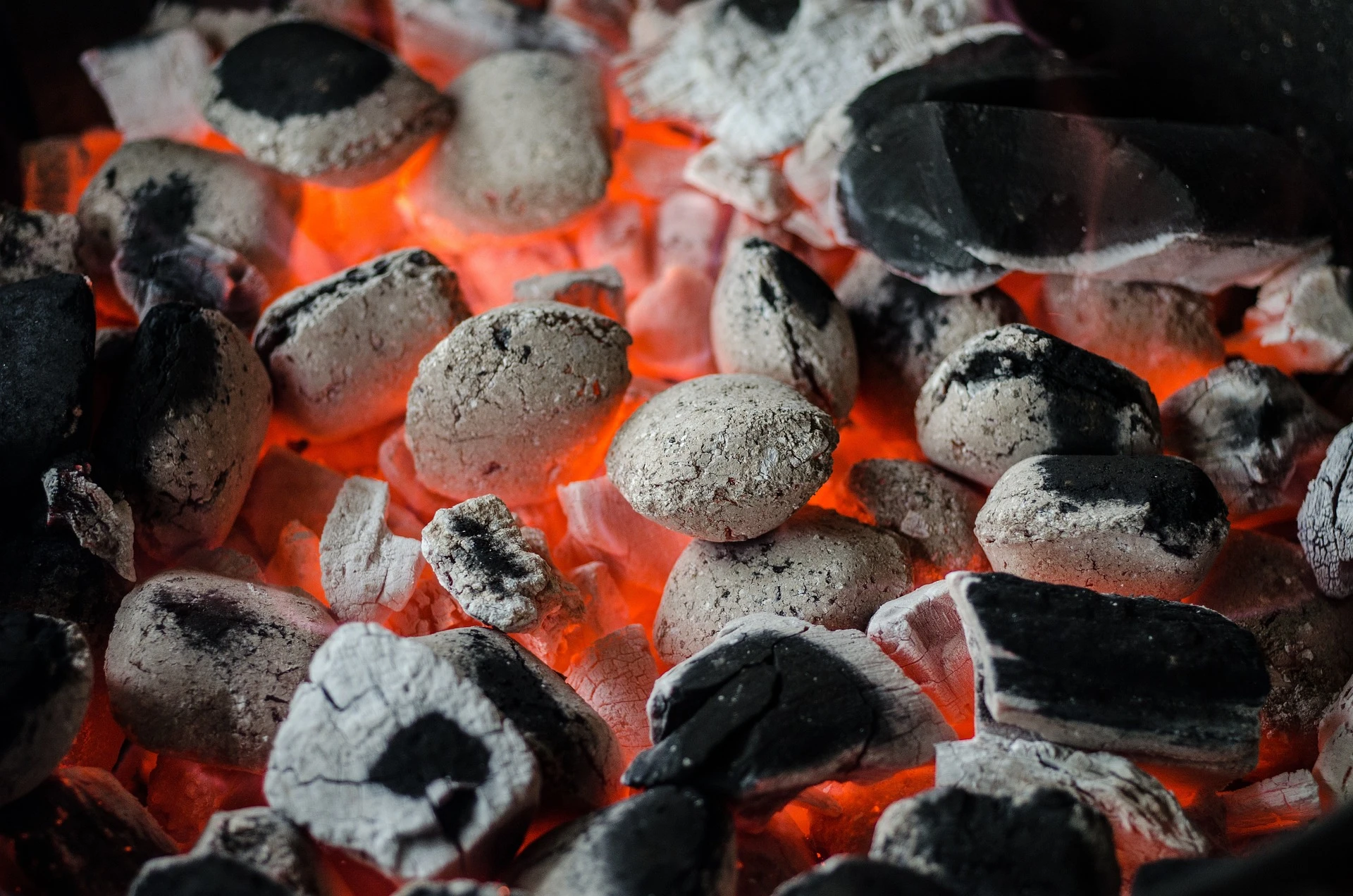
Des braises comme il faut / Photos par Rudy and Peter Skitterians de Pixabay
The goal is to respect a high-quality product by exposing it to intense, direct heat for a short period. This creates a Maillard reaction—that savory, brown crust—while keeping the interior exceptionally juicy and flavorful. In France, the barbecue is not a solitary mission for the "Pitmaster" who hides by the smoker; it is a communal event where the grill is simply the stage for the best local ingredients.
2. The Setup: Scenting the Fire with Heritage

Lunch in summer on a terrace or in a garden is an infinitely French pleasure / Photo selected by monsieurdefrance.com: depositphotos
In the French tradition, the fuel you use is your first seasoning. While hickory and mesquite provide a powerful, heavy smoke, the French secret lies in more delicate, aromatic fuels that reflect the local landscape.
-
Vine Shoots (Sarments de Vigne): This is the gold standard of French grilling, particularly in wine regions like Bordeaux. If you can source dried vine clippings, use them as your primary fuel or toss them onto the coals at the very end. They produce a brief, ferocious heat and a sophisticated, slightly fruity smoke that is incomparable.
-
Dried Herb Bundles: Just before placing your meat on the grill, toss a bundle of dried rosemary, thyme, or lavender directly onto the white-hot embers. The essential oils will vaporize instantly, coating the meat in a subtle, Mediterranean fragrance that mimics the Garrigue (the wild scrubland of Southern France).
-
The "Braise Blanche" (White Embers): A Frenchman never cooks over a flame. The flames are for show; the embers are for cooking. You must wait until your charcoal is glowing red and covered in a fine layer of white ash. This "white glow" ensures a steady, radiant heat that sears the meat without carbonizing it.
3. Decoding the Meat: The French Butcher’s Secret
To host a true French BBQ in the United States, you must look past the standard supermarket trays. French butchery is a discipline of surgical precision, where every muscle is treated as a unique cut.
| American Cut | French Equivalent | Why it’s the French Choice |
| Ribeye | Entrecôte | The king of the grill. In France, we look for "marbling" (fat) to provide flavor and moisture. |
| Sirloin / Strip | Faux-filet | Leaner but intensely beefy. It’s the steak of choice for a classic Paris bistro feel. |
| Tenderloin | Filet de Bœuf | For those who value a "melt-in-your-mouth" texture over all else. |
| Flank Steak | Bavette d'Aloyau | A long-grain muscle that must be seared very hot and sliced against the grain. |
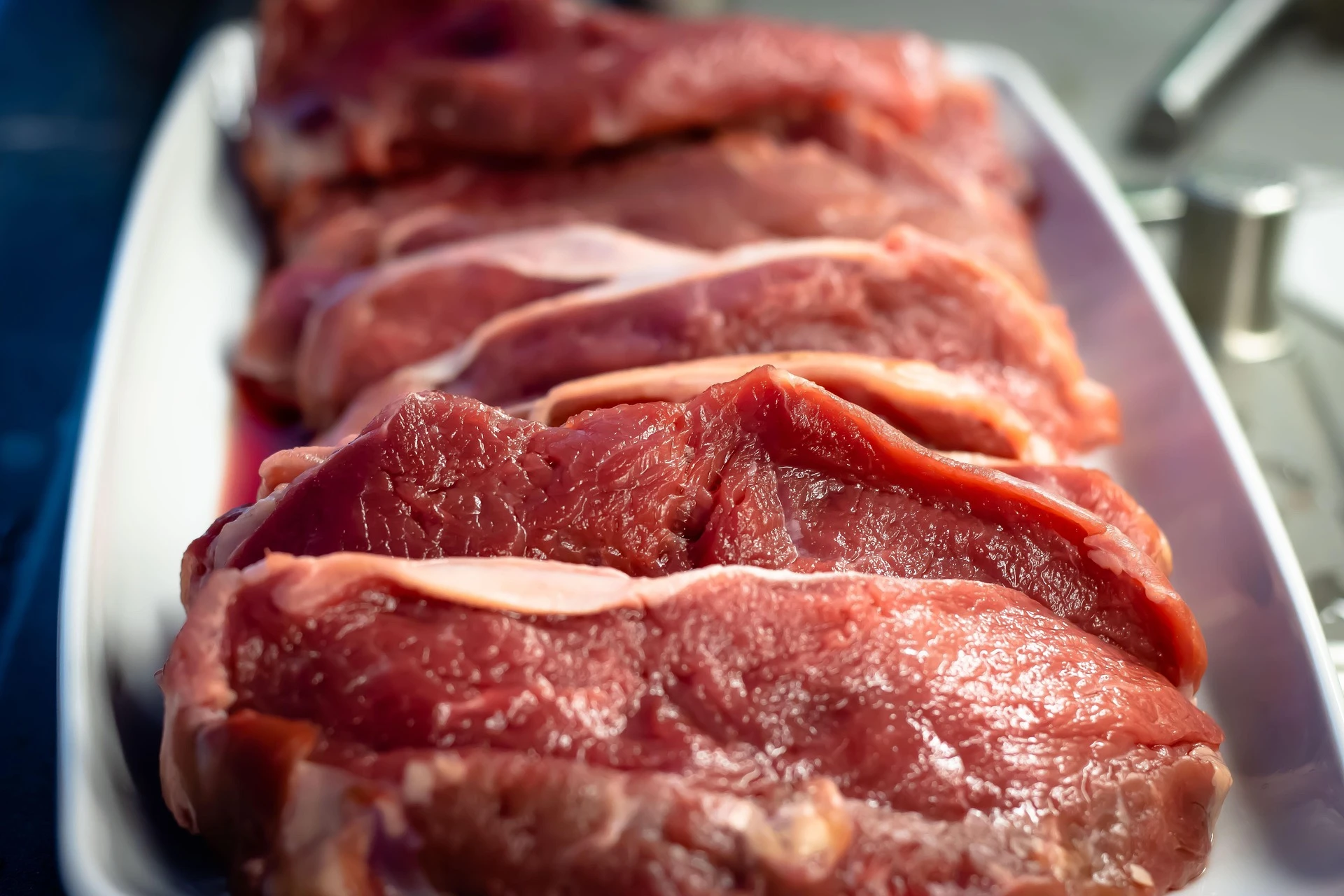
Votre boucher est votre meilleur ami / Photo choisie par monsieur de France : par Georg H. de Pixabay
The Sausage Rule: A French barbecue is incomplete without the "Saucisse Duo." You must have Merguez (a thin, spicy lamb-and-beef sausage with North African roots) and Saucisse de Toulouse (a thick, garlic-and-pepper pork sausage). The Golden Rule: Never, under any circumstances, poke your sausages with a fork. Let them brown in their own juices; if you poke them, you lose the flavor and create flare-ups that will ruin the meat.
4. The Sacred Ritual of the "Apéritif"
In many American cookouts, the host is flipping burgers as soon as the first guest arrives. In France, this would be seen as rushing the hospitality. The French BBQ is the climax of a long, deliberate pre-game known as the Apéritif.
-
The 90-Minute Minimum: Your guests should arrive at least an hour and a half before the food is ready. This is not "waiting time"; it is "bonding time."
-
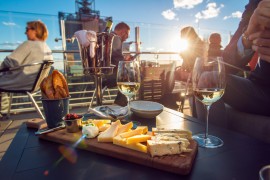
The Drinks: Forget the heavy beers for a moment. Serve a bone-dry, chilled Rosé from Provence, a crisp Chablis, or a traditional Pastis (diluted with ice-cold water). These drinks are designed to open the palate, not fill the stomach.
-
The "Mignardises Salées": Offer small, elegant snacks: radishes with high-quality butter and sea salt, olives from Nice, or a few slices of dry-cured saucisson.
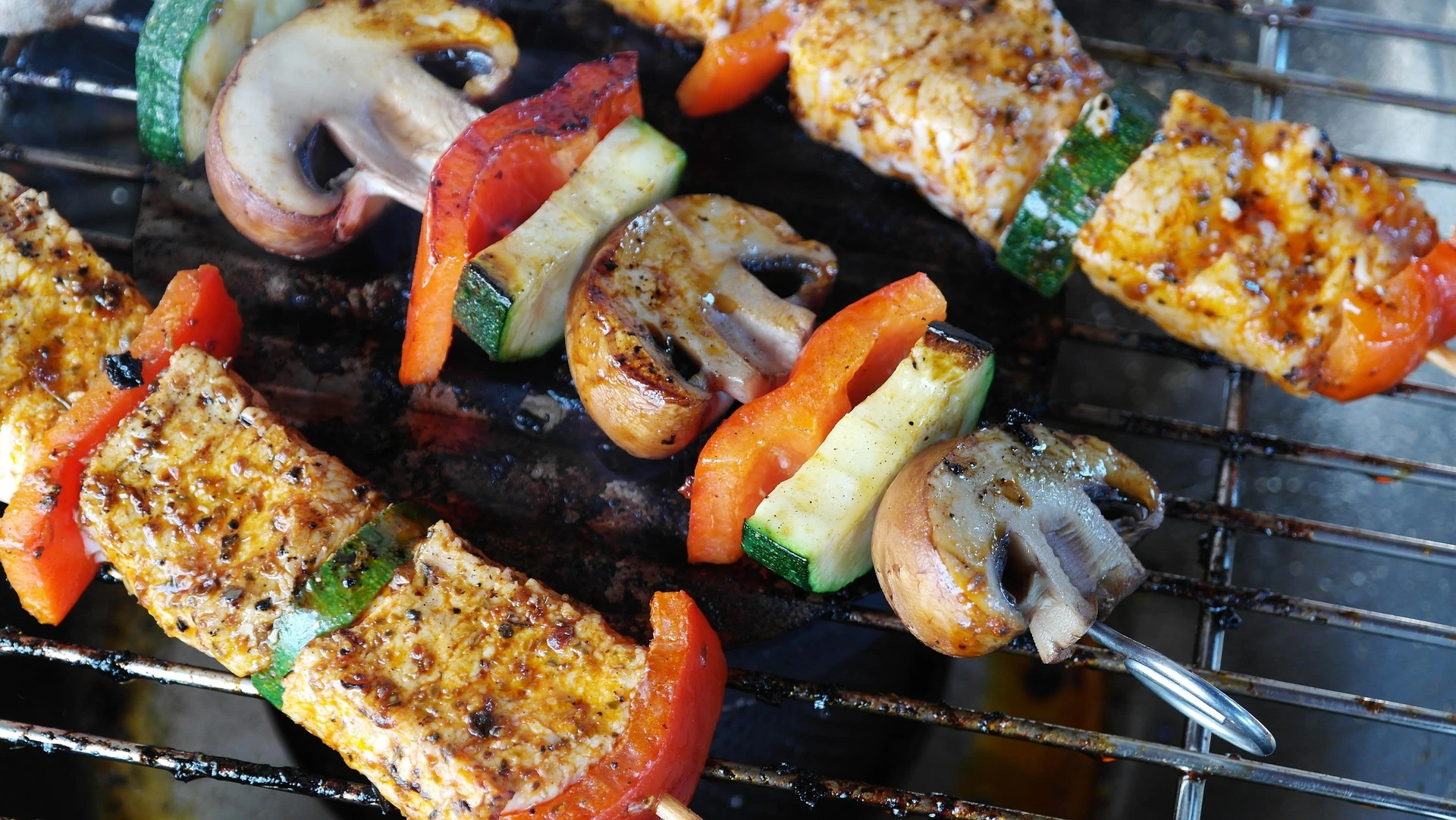
Skewers are always delicious / Photo chosen by Monsieur de France: by -Rita-👩🍳 and 📷 with ❤ from Pixabay
5. Ditch the Ketchup: The Flavor Revolution
In France, we believe that if you need a half-inch of sugar-laden sauce to enjoy your meat, you’ve bought the wrong meat. To host a French-style BBQ, leave the heavy commercial bottles in the pantry and embrace these lighter, more vibrant alternatives:
-
Dijon Mustard: Not the yellow stuff. Real, sinus-clearing Dijon. It provides the perfect acidic counterpoint to the fat of the steak.
-
Beurre Maître d'Hôtel: This is the secret weapon. Mix softened butter with fresh parsley, lemon juice, and sea salt. Roll it into a log and chill it. Place a thick slice on the piping hot steak just as it comes off the grill. As it melts, it creates a rich, natural sauce that enhances the beef.
-
Sauce Vierge: A Mediterranean favorite. A mixture of extra-virgin olive oil, lemon juice, diced tomatoes, and fresh basil. It is the perfect accompaniment for grilled fish or chicken, keeping the meal light and summery.
6. The Sides: Farm-to-Table Elegance
The sides at a French BBQ are never an afterthought. We avoid heavy, mayonnaise-based salads that weigh down the guest.
-
Tomates à la Provençale: Halve large tomatoes, top them with a mixture of breadcrumbs, garlic, and parsley, and grill them until they are soft and golden.
-
Pommes de terre à la cendre: Wrap small potatoes in foil and nestle them directly into the dying embers. Serve them with a simple dollop of crème fraîche and chopped chives.
-
The Salad: A simple bowl of butter lettuce with a sharp vinaigrette (3 parts oil, 1 part vinegar, a teaspoon of mustard) is served after the meat to cleanse the palate.
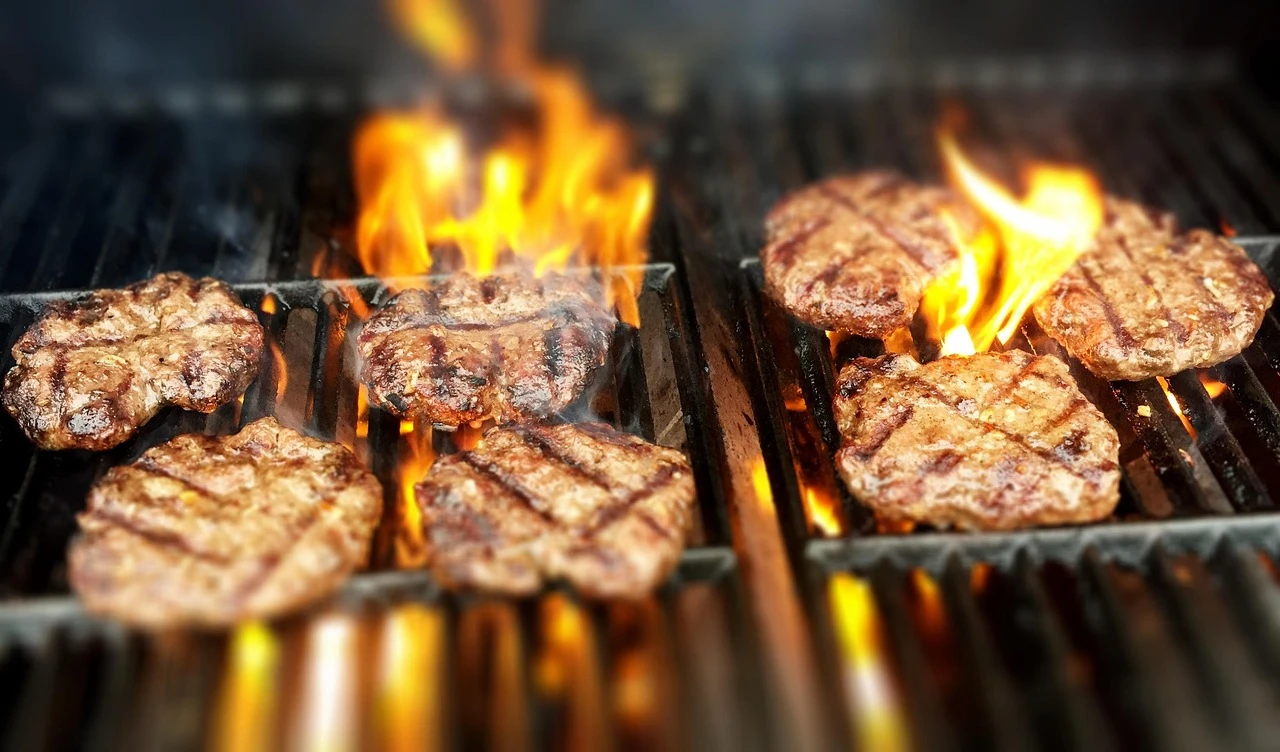
L'art de bien griller c'est le secret d'un barbecue réussi / Photo choisie par monsieur de France par Pexels de Pixabay
7. The Art of the Table: "Le Dressage"
Even outdoors, the French maintain a sense of decorum. Ditch the red plastic cups and paper plates.
-
Linens and Glassware: Use a simple linen tablecloth and real glassware for the wine. It doesn't have to be expensive, but it should feel intentional.
-
The Pace: We serve in courses. First the sausages, then the primary meat, then the salad, and finally the cheese or dessert. This pacing keeps people at the table and keeps the conversation flowing.
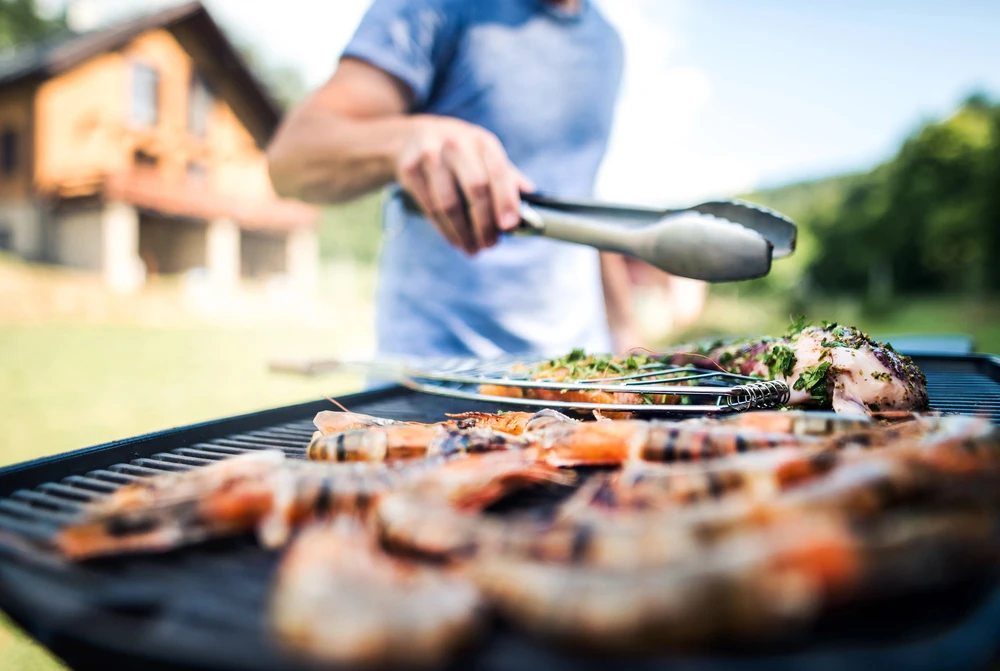
Barbecuing is first and foremost about conviviality / Photo chosen by Monsieur de France : depositphotos
Frequently Asked Questions (FAQ)
Why is there no "low and slow" in France?
France has a long history of slow-cooked stews (like Boeuf Bourguignon), but the grill is traditionally reserved for the freshest, most tender cuts that benefit from quick searing to preserve their natural terroir.
Can I achieve this on a gas grill?
Yes. While a charcoal fire is traditional, you can mimic the effect on a gas grill by using a smoker box filled with dried herbs or vine clippings to provide that essential aromatic "French" finish.
What wine should I serve with a Côte de Bœuf?
Look for a medium-bodied red with good acidity to cut through the fat. A Chinon from the Loire Valley or a Morgon from the Beaujolais region are perfect, sophisticated choices that won't overwhelm the meat.
Jérôme Prod'homme
Spécialiste du patrimoine, de la gastronomie et du tourisme français.
Learn more about French cuisine
The complete guide to French cuisine
Traditional French recipes you must try
Discover the secrets of French desserts
The gastronomic meal of the French (UNESCO heritage)
10 essential French cheeses you should taste
Explore all French recipes and culinary traditions
Retrouvez toutes mes découvertes sur monsieur-de-france.com.