Discover 15 untranslatable French expressions—funny, vivid, and surprisingly useful—that reveal French culture in a nutshell (with simple meanings you can actually use).
The art of living and the poetry of feelings
1. la grasse matinée / the fat morning
In English, we say "to sleep in." But is it really the same thing? Sleeping in evokes the softness and creaminess of time stretching out, the comfort of the bed where we laze around. The idea of "fat" here refers to something rich and deep. It's a way of life, not just waking up late.

Sleeping in is just too good / Photo chosen by Monsieur de France by Moondance from Pixabay
2. Le dépaysement / Miscountry
This is the word that English speakers miss the most. They use "change of scenery," but that only describes the setting. Dépaysement is that deep feeling of no longer being at home, of losing your bearings. It's a positive emotional shock that only French can name in a single word.
3. Avoir voir le cafard / to have the cockroach
If you say to an American, "j'ai le cafard" they'll call an exterminator! In France, the cafard is that sticky melancholy, a vague sadness that Baudelaire theorized so beautifully. The expression "to be blue" is similar, but lacks the dark and familiar flavor of the black beetle of our moods.
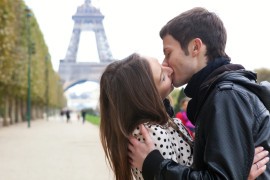
4. Le coup de foudre / a blow of lightning

Lightning can also strike the hearts of lovers in France / Photo selected by Monsieur de France: depositphotos
Of course, "love at first sight" exists. But where is the electricity? Where is the storm? Le coup de foudre is an electric shock, a violent meteorological phenomenon. It is love that strikes you like lightning striking a tree.
5. Etree a bon vivant / to be a good living
The English have completely stolen the expression from us, as it is so untranslatable. A bon vivant is someone who loves good food, wine, and company. It's not just a hedonist, it's someone who cultivates the art of convivial joy.

A bon vivant / Image selected by Monsieur de France by aiperfectportraits aiperfectportraits from Pixabay
The genius of the image (and a little humor)
6. Pédaler dans la choucroute / Cycling through sauerkraut
The image of someone trying to ride a bike in a plate of sauerkraut garnished with garnish to say that they are skating or losing their balance is a gem of surrealism. In English, we would simply say "to get nowhere."
7. Avoir le cul bordé de nouilles / have the ass lined with noodles
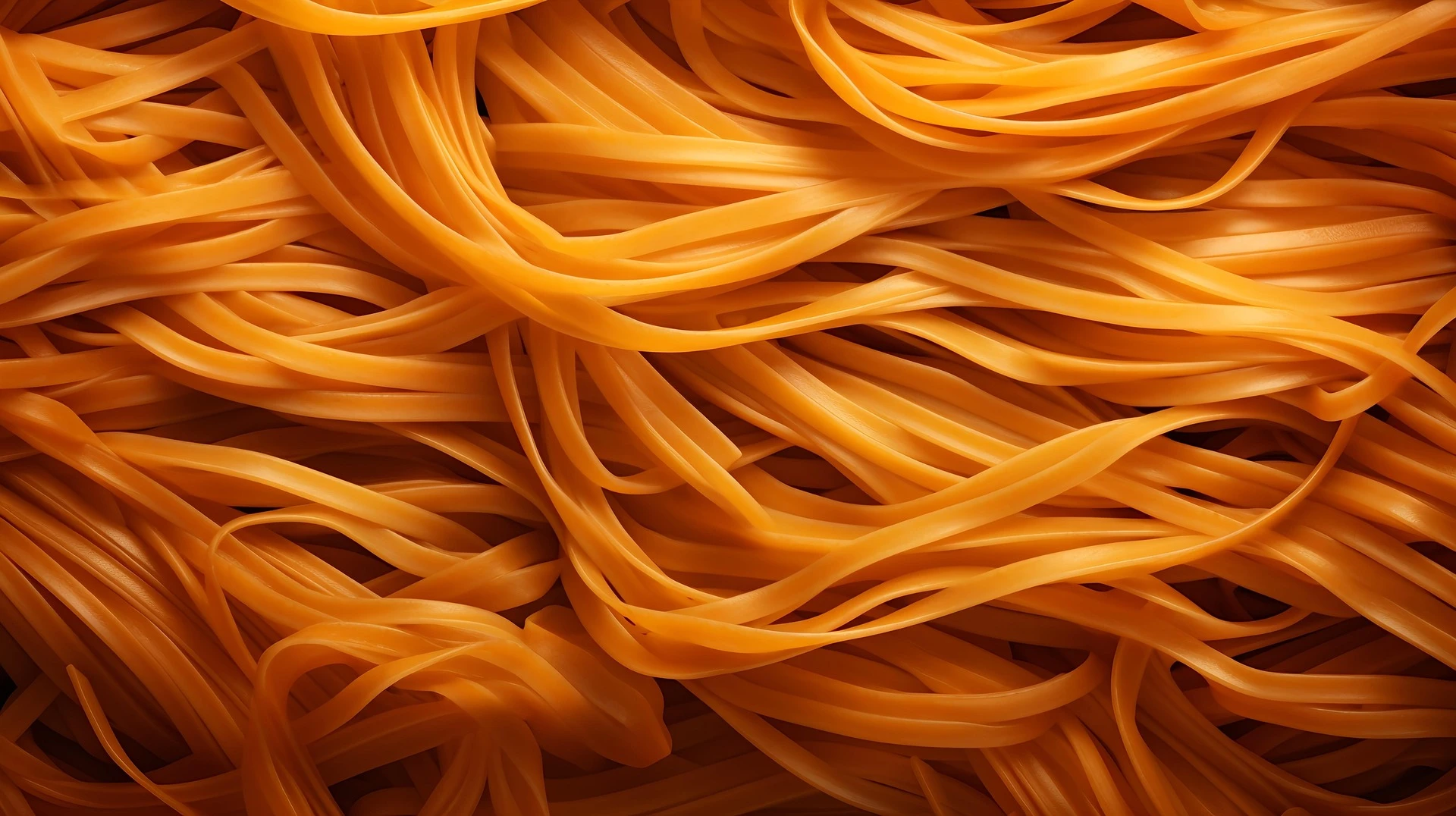
noodles / Photo selected by Monsieur de France: by Dee from Pixabay
This is the expression that makes foreigners laugh the most. To say that someone is incredibly lucky, we use this completely inexplicable gastronomic image. The English simply say "to be lucky".
8. faire le pont / To take the bridge
.
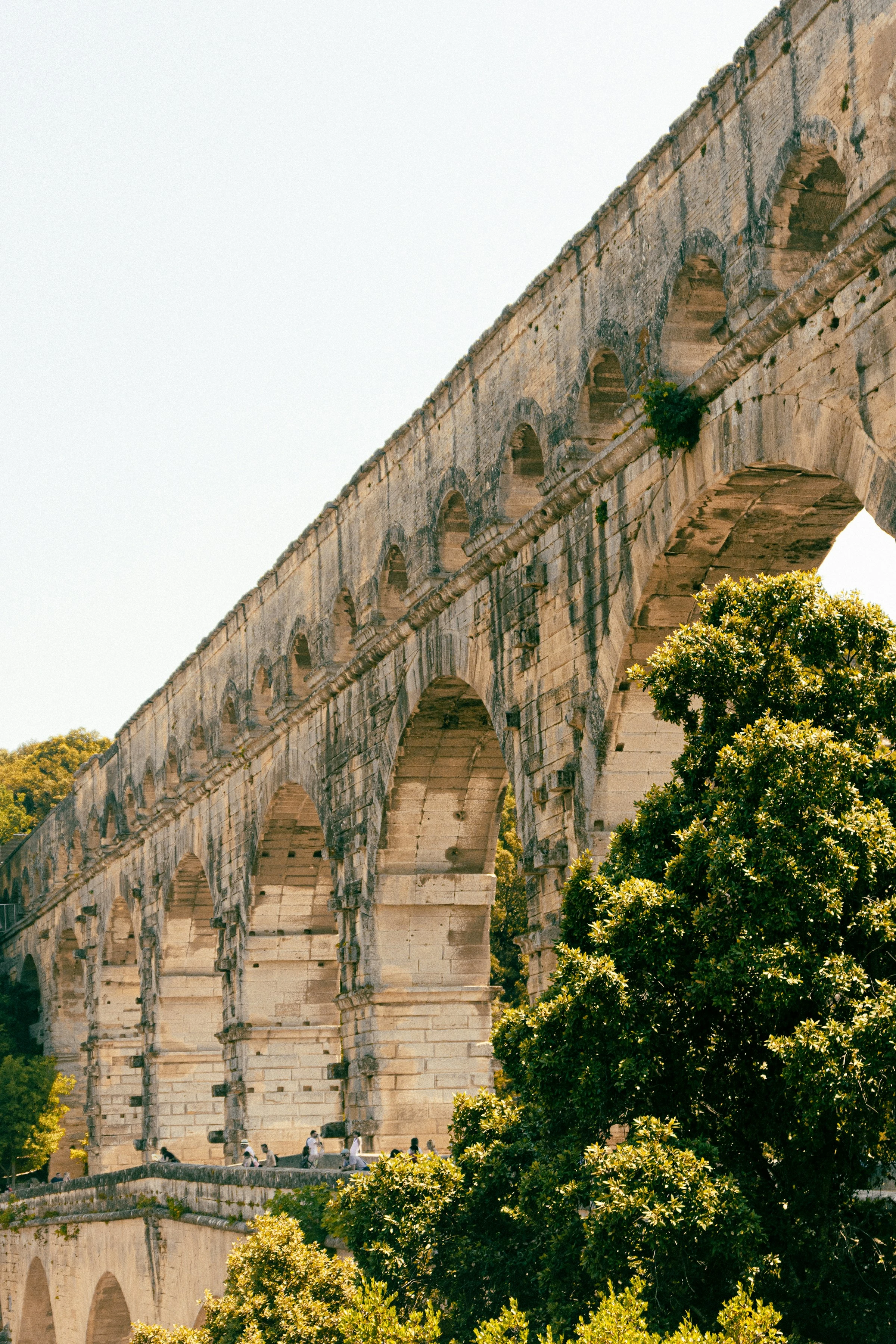
Beautiful photo of the Pont du Gard by Chloé Martin on Unsplash.
A typically French concept linked to our love of public holidays! The English don't have a specific verb for the action of not working between two days off. Faire le pont means to build a bridge of leisure.
9. s'entendre comme larrons en foire / get along like thieves in fair
"Larrons" are thieves. The image evokes an immediate and secret complicity in a noisy place (the fair). In English, we would say "to be thick as thieves," but this loses the historical flavor of the medieval fair.
10. quand les poules auront des dents / When the hens have teeth
The English equivalent is "When pigs fly." But the idea of imagining a chicken with a full set of teeth is typically rooted in our rural imagery to mean "never."
11. Passer du coq à l'âne / Jump from rooster to donkey
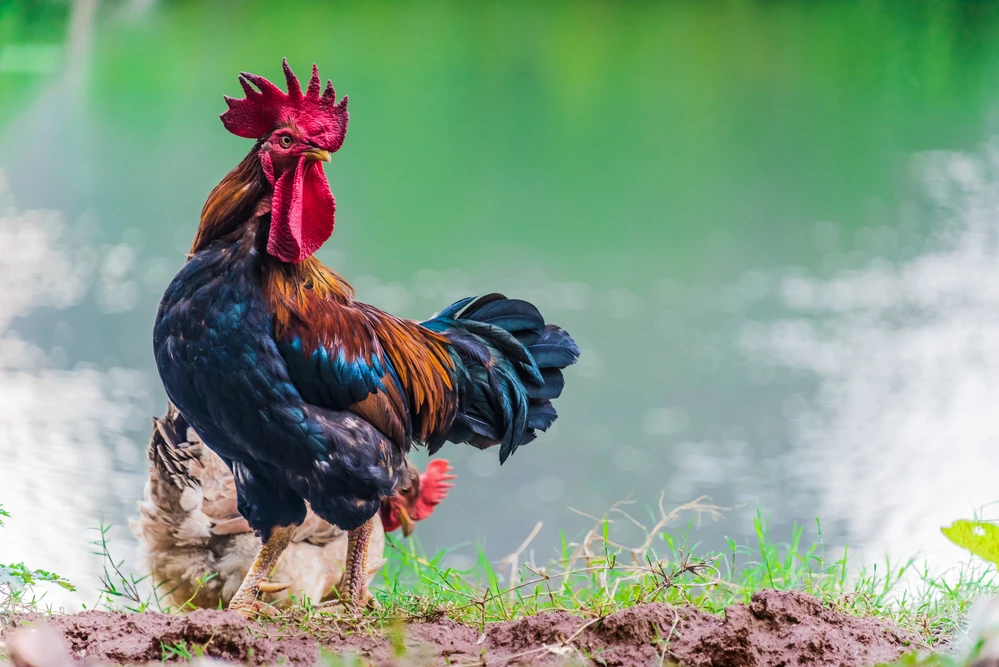
A rooster. Photo selected by Monsieurdefrance.com: depositphotos.
Jumping from one topic to another without transition. The image of this acrobatic leap between two farm animals clearly illustrates the liveliness (and sometimes chaos) of French conversation.
12. s'occuper de ses oignons / To mind about his onions
A flowery way of telling someone they are too nosy. You send them back to their own garden. The English are more blunt: "Mind your own business."
13. être soupe au lait / to be soup with milk
Everyone has seen milk boil: it gives no warning, it rises suddenly and boils over. It's the perfect metaphor for the volcanic temperament of some of our compatriots.
14. Chercher Midi à 14H / Loof for midday at 2 p.m

by Gerd Altmann from Pixabay
Why make things simple when you can make them complicated? This expression mocks those who complicate their lives for no reason. The English say "to overcomplicate things," which sorely lacks poetic charm.
15. L'esprit de l'escalier / The spirit of the staircase
That perfect retort that only comes to mind as you leave the party and walk down the stairs... A concept invented by Diderot that no other language has managed to sum up so elegantly.
FAQ - Everything you need to know about French expressions
What is the most difficult French expression to translate?
Without a doubt, it's that certain "je ne sais quoi." It's so precise in its imprecision that it has been adopted as is by the British and Americans to describe an indefinable charm. It sums up French elegance all by itself.
Why do we use so many food names in our expressions?
France is the country of gastronomy! From onions to carrots, milk soup to noodles, our language reflects our passion for food. These rural and popular expressions were born in the heart of our regions.
What is the origin of the expression "L'esprit de l'escalier" (the spirit of the staircase)?
It was invented by the writer Denis Diderot in the 18th century. He explained that, as a sensitive man, he would lose his train of thought during debates and only regain his ideas once he had reached the bottom of the stairs, after leaving his interlocutors.
Where does the expression "passer du coq à l'âne" come from?
In the 14th century, people used to say "jump from the rooster to the donkey." At that time, "donkey" referred to a female duck. The image suggested a rooster trying to mate with a female duck: an absurd act with no logical consequence. Over time, "donkey" became the animal we know today.
Why do we say "grasse matinée "?
The origin dates back to the 16th century. The word "gras" did not refer to food, but to something deep and long. At that time, people would say "dormir la grasse" (to sleep the grasse) to describe a sleep from which they did not want to wake up. It is the image of a rich and mellow morning.
What is the funniest French expression for a foreigner?
"Avoir le cul bordé de nouilles " often wins the prize. The image is so absurd and surreal that it often requires lengthy explanations to make people understand that it simply means to be incredibly fortunate.
Are there expressions that cannot be translated into other languages?
Of course! German has the famous "Schadenfreude" (joy at someone else's misfortune) and Portuguese has "Saudade" (a deep sense of longing). Every language has its own unique "feeling words."
Jérôme Prod'homme Specialist in French heritage, gastronomy, and tourism. Find all my discoveries at monsieur-de-france.com.