This selection showcases the richness of France's "living" heritage. From Brittany to Lorraine, these families bring centuries of history to life with admirable passion.
What is a private castle in France?
Before diving into our selection, it is essential to define what a private residence is. A private castle belongs to an individual, a family, or a foundation. Unlike state-owned estates, which are maintained by the French government, their survival depends on a fragile balance: tourism (ticket sales), events (weddings, film shoots), and, very often, the personal wealth of the owners. It requires a level of commitment that is unimaginable. A castle always has work to be done and people to welcome. You never leave it for long.
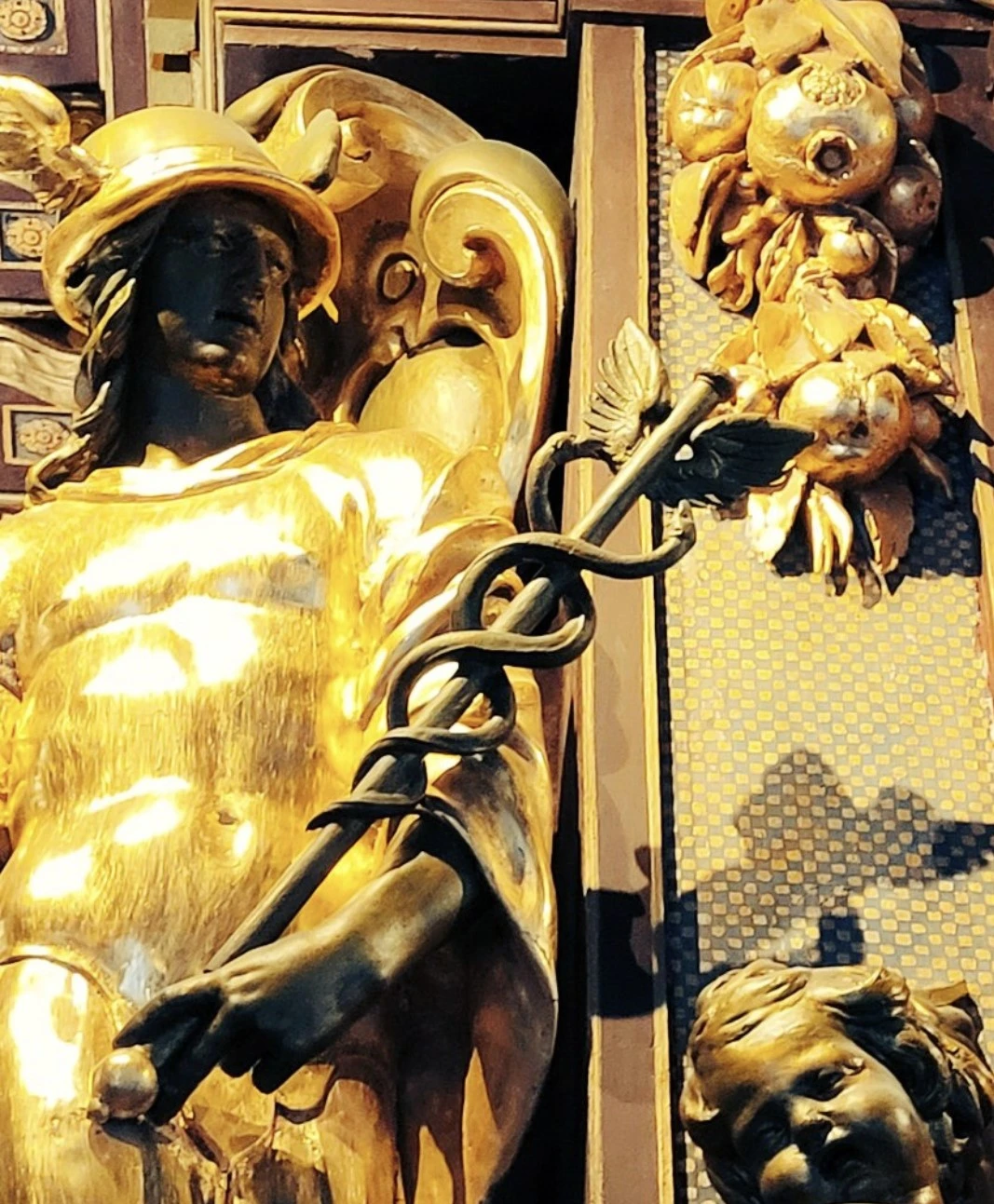
A detail of the magnificent Louis XIII fireplace at Cheverny: Mercury, the god of commerce. Photo selected by monsieurdefrance.Com: Jérôme Prod'homme (c)
When you visit these places, you are not just admiring stones; you are directly participating in the preservation of French heritage. The welcome is often more personal, more human. It is not uncommon to meet the owner in a hallway or in the gardens, supervising the work or welcoming visitors. It is this "lived-in" dimension that radically changes the visitor experience. For Monsieur de France, this is where the real magic lies: in this historical continuity that refuses to turn heritage into a mere cold museum.
1. Cheverny Castle: Tintin, flowers, and the quintessential French castle.
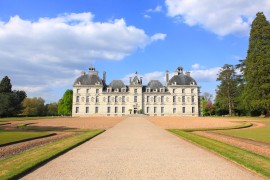
Located in the heart of the Loir-et-Cher department, the Château de Cheverny is undoubtedly the most accomplished example of a dynamic private estate. The château is owned by the Marquis and Marquise de Vibraye, whose family has watched over this treasure for generations. It has been passed down from generation to generation for six centuries—can you imagine?
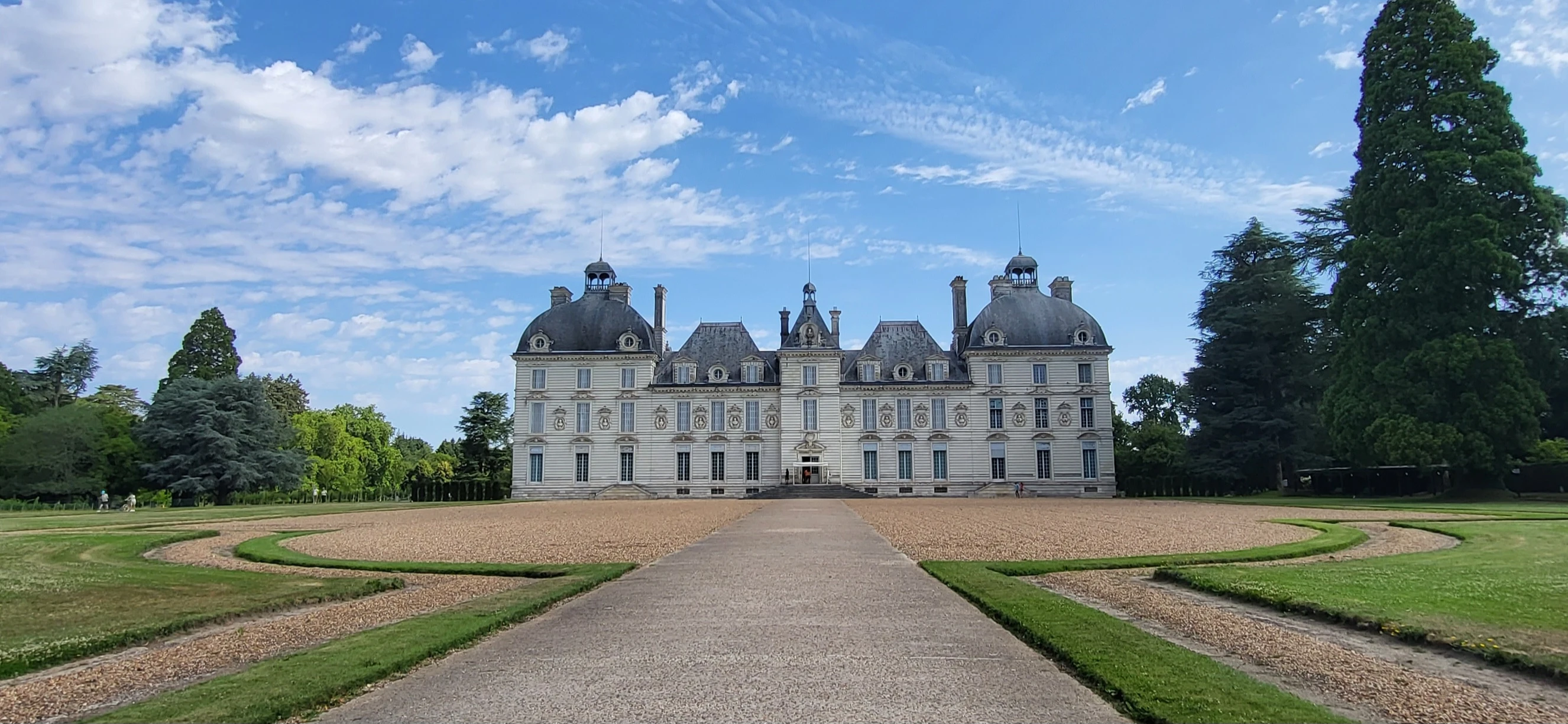
The entrance to Cheverny Castle, where the magical tour of the interiors begins. Photo selected by monsieurdefrance.com: Jérôme Prod'homme.
What makes Cheverny unique is its state of preservation. Inside, the private apartments are furnished exactly as they would be if people lived in them. You expect to see some marquise appear in the 18th-century rooms, or a musketeer in the 17th-century rooms. The decoration is lavish: Gobelins tapestries, Boulle chests of drawers, and painted ceilings. The King's bedroom is a masterpiece of decorative art. Cheverny also showcases the art of French gardening, with nature tamed in the flowerbeds. The park is superb.
Monsieur de France's little extra: The castle was the model used by Hergé to create Moulinsart, Captain Haddock's home in Tintin. The exhibition "Les Secrets de Moulinsart" (The Secrets of Moulinsart) is a delight for comic book fans. Another curiosity: the pack of over 100 hunting dogs, which you can watch being fed every day, a spectacle that bears witness to a rural tradition that is still very much alive thanks to the Vibraye family. And above all, if you are lucky enough to be in the area in spring, you must not miss the colorful blooming of thousands of tulips (in March/April).
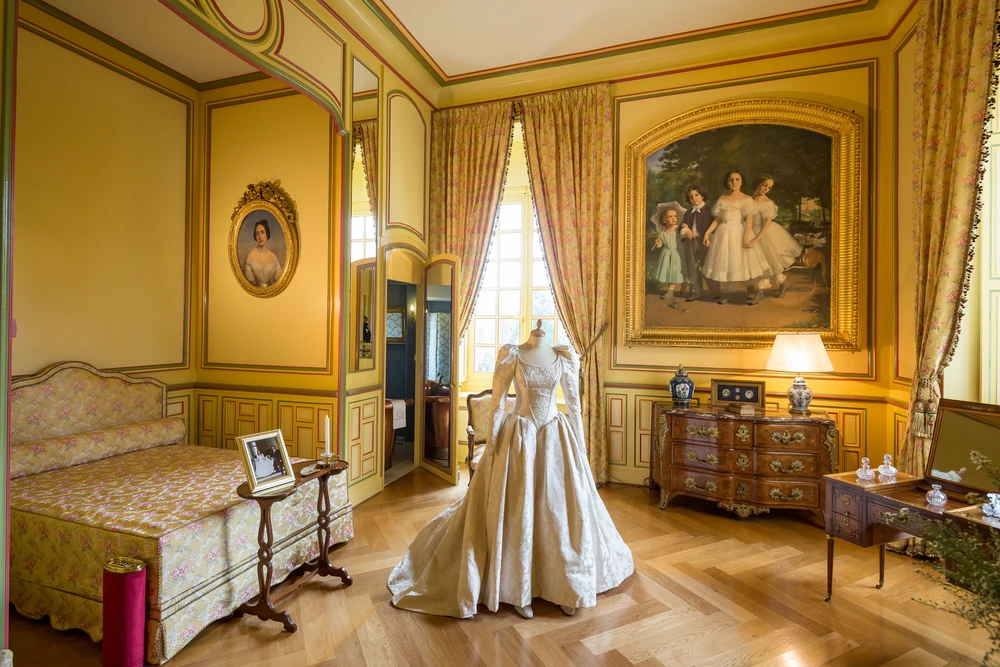
Photo selected by monsieurdefrance.com: Michael6882 via depositphotos.
-
Distance from Paris: ~195 km
-
Address: Avenue du Château, 41700 Cheverny
-
Official website: cheverny-castle.com
Discover Cheverny by reading this article.
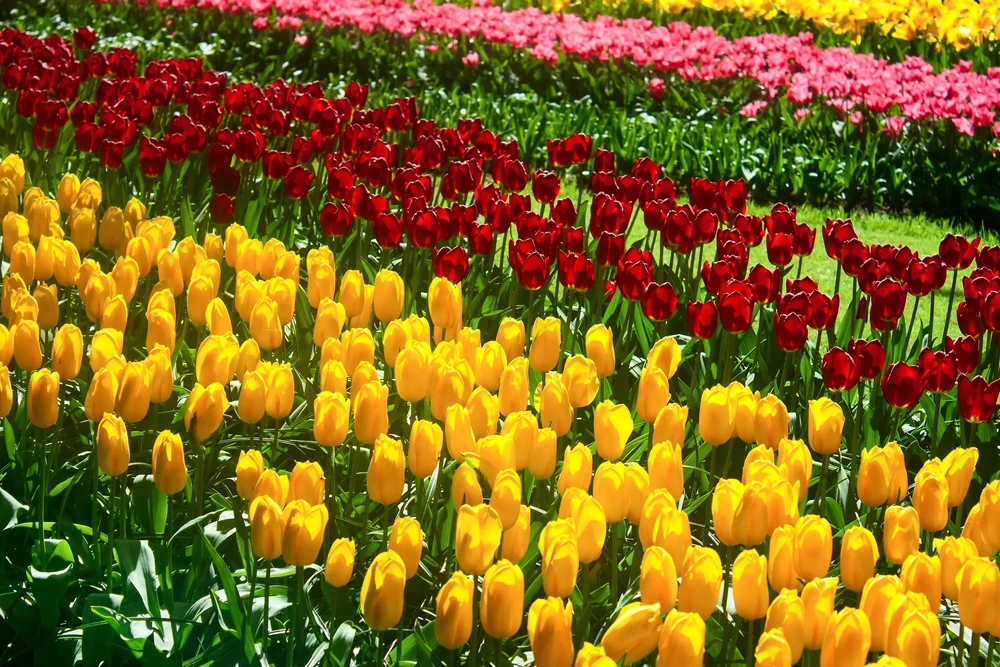
Cheverny is breathtaking when the tulips are in bloom / Photo chosen by Monsieur de France: pixabay.
2. Chenonceau Castle: The jewel on the Cher River
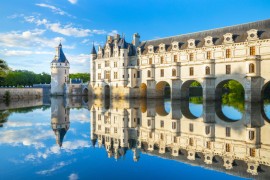
It is certainly one of the most famous monuments in the Loire Valley. It is so beautiful and well maintained that we often forget that Chenonceau is private property, belonging to the Menier family since 1913. Nicknamed the "Château des Dames" (Ladies' Castle), its gallery spanning the Cher River is one of the most iconic images of the French Renaissance.
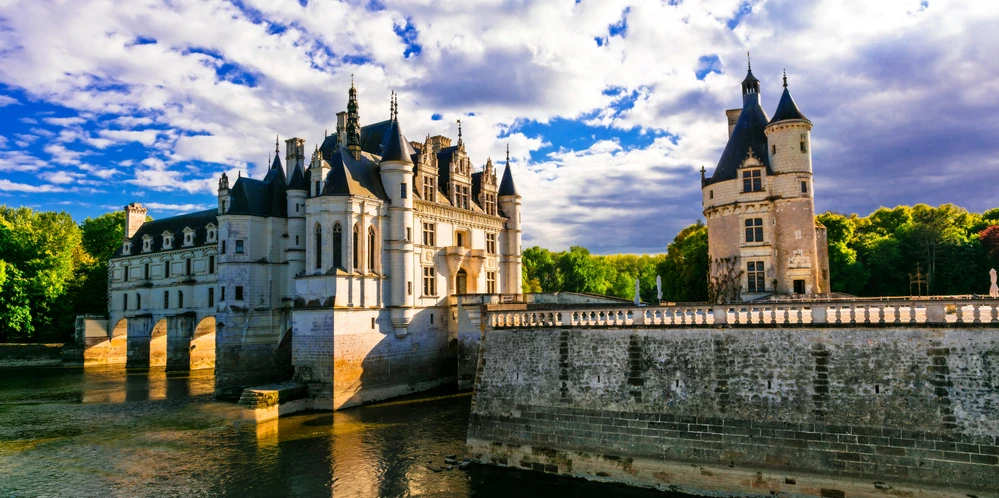
Chenonceau. Photo selected by Monsieurdefrance.Com: mawgli via Depositphotos.
Chenonceau is known as the "château des dames" (ladies' castle) because it owes everything to women. Diane de Poitiers, mistress of King Henry II, created the gardens and the famous bridge, before Catherine de Medici, wife of Henry II, evicted her to build the upper gallery. Later, Louise Dupin turned it into a literary haven by welcoming Jean Jacques Rousseau, and she saved the château from destruction during the Revolution by pointing out that... it is a bridge and can still be used.
Monsieur de France's little extra touch: Chenonceau has its own floral workshop. Two florists work full-time to create monumental, fresh arrangements in every room of the château. It is this detail that gives the place its scent of cut flowers and the feeling of a "lived-in house" despite the flow of visitors. Don't miss the monumental kitchens located in the bridge piers, a masterpiece of period logistics capable of feeding hundreds of guests.
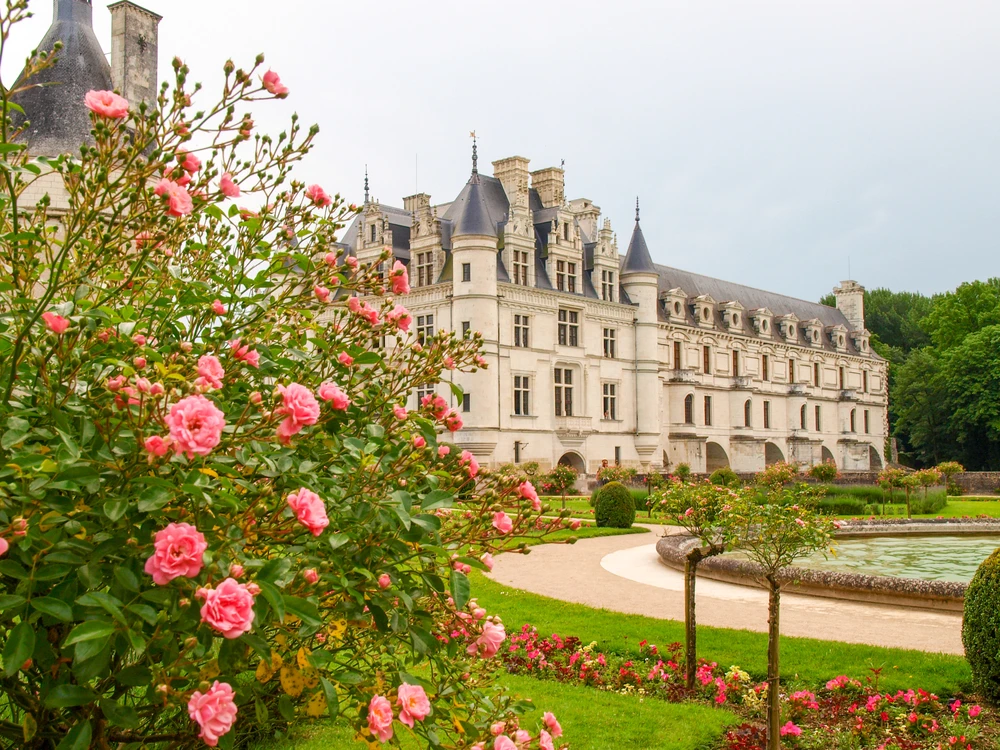
The Renaissance gardens of Chenonceau Castle. Photo selected by monsieurdefrance: Mor65 via Depositphotos.
-
Distance from Paris: ~215 km
-
Address: 37150 Chenonceaux
-
Official website: chenonceau.com
Come and see how beautiful Chenonceau is
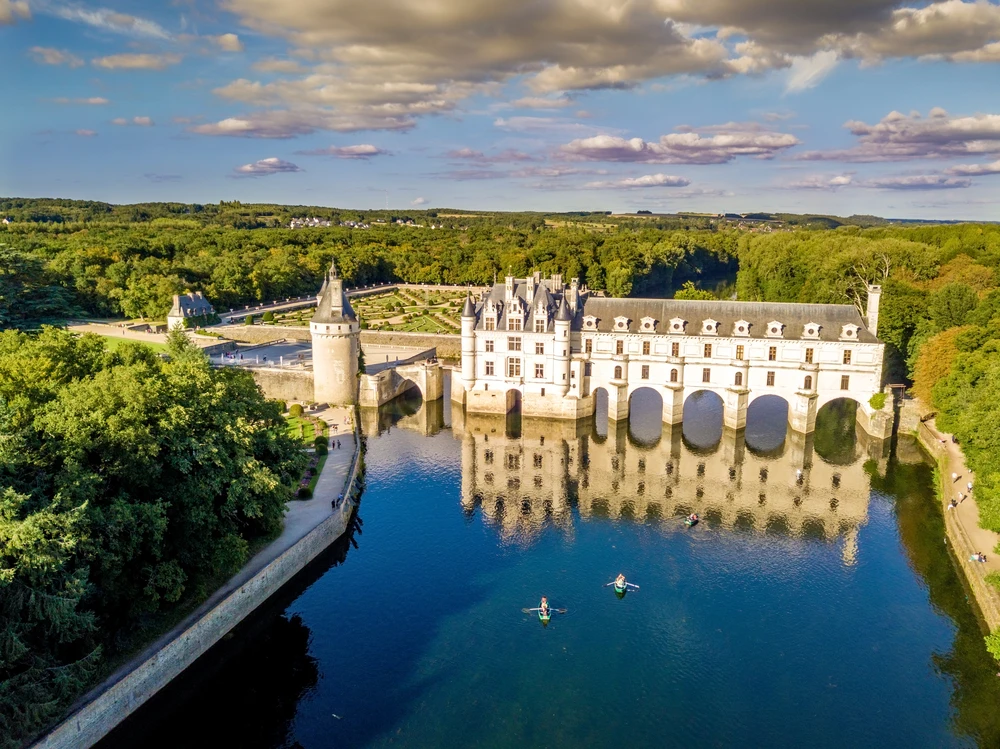
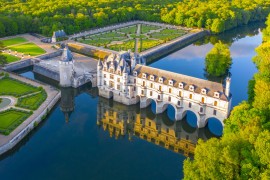
Chenonceau Castle seen from the sky Photo by Antoine2K/Shutterstock
3. Haroué Castle: The Country Palace
In Lorraine, near Nancy, and therefore far from the beaten track of the Loire Valley, stands the Château de Haroué. Owned by the Beauvau-Craon family, this 18th-century gem is the work of architect Germain Boffrand. It is one of the few castles of this size to have remained in the same family since its construction between 1725 and 1729.
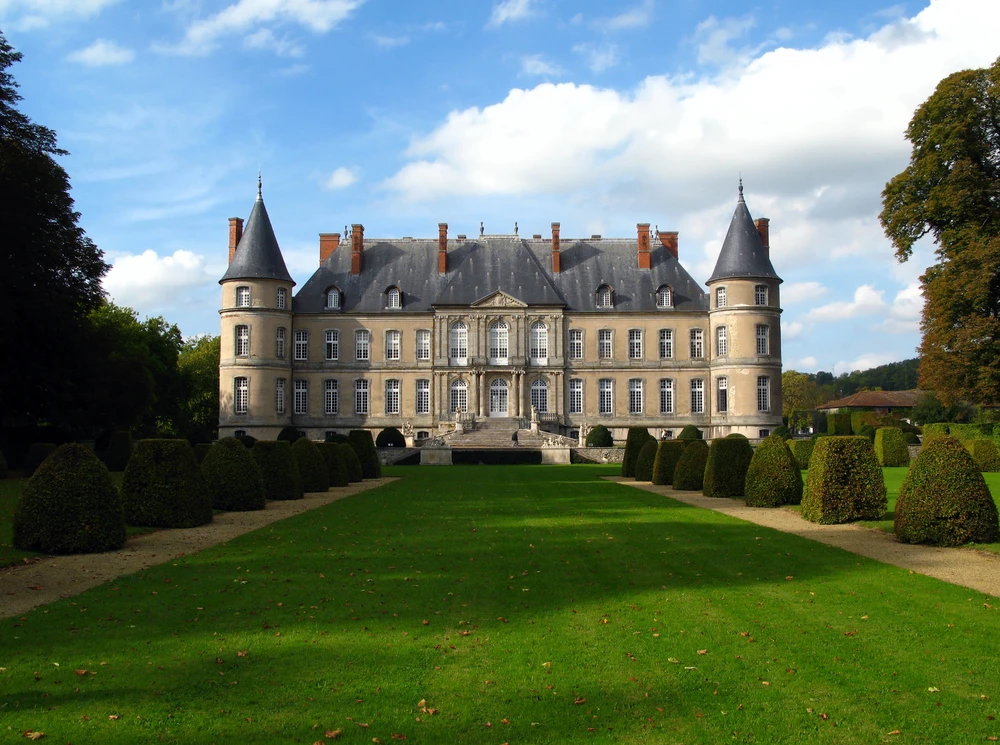
Haroué Castle: a palace in the countryside / Photo selected by Monsieurdefrance.Fr: Mihai-Bogdan Lazar/Shutterstock
The château is an ode to classicism and the Age of Enlightenment. The interior is extremely refined, with decorations by artists who worked on Place Stanislas, the UNESCO World Heritage Site in Nancy. The Chinese salon is truly astonishing, the golden salon is magnificent, as is the white salon created in the 1980s by Princess Minnie de Beauvau-Craon where the attics used to be. Proof that the history of a château continues over time and is never set in stone.
Monsieur de France's little extra: The castle was built on the site of an ancient fortress, which explains the round towers. If you look closely, you will discover a stone calendar: it has 365 windows (for the days), 52 interior fireplaces (for the weeks), 12 interior and exterior towers (for the months) and 4 bridges (for the seasons).
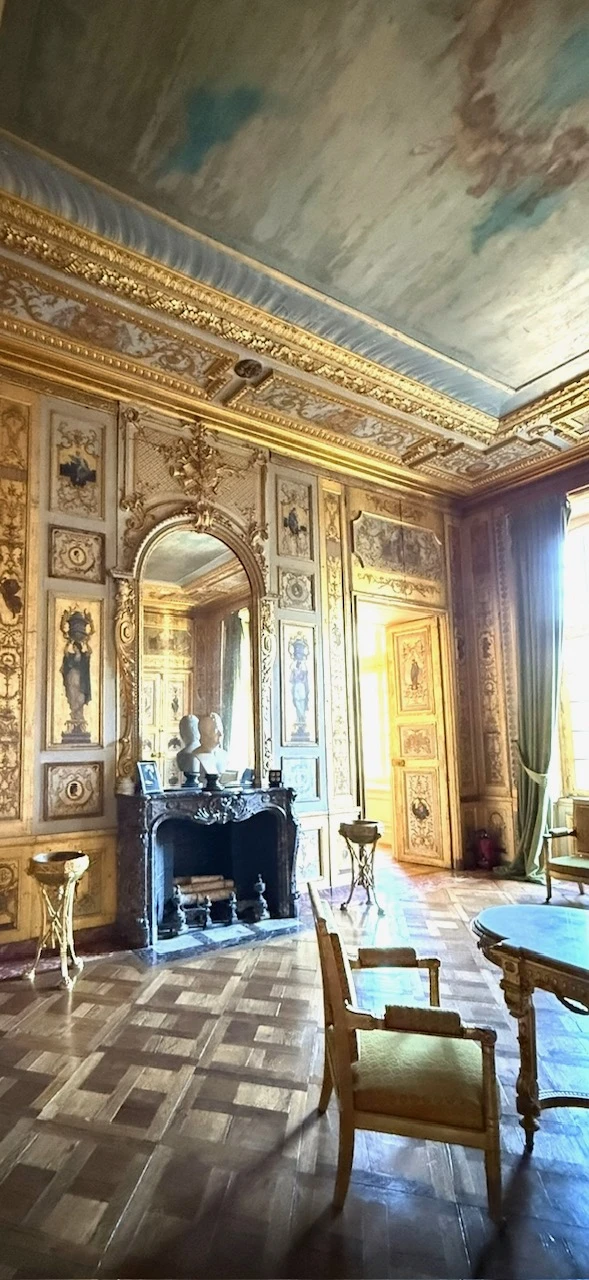
Haroué Castle: the golden salon / (c) Jérôme Prod'homme
-
Distance from Paris: ~213 miles
-
Address: 54740 Haroué
-
Official website: chateau-haroue.com
4. The Château de Vaux-le-Vicomte: The audacity of Nicolas Fouquet
Vaux-le-Vicomte is the château that made Louis XIV so jealous that he had its owner, Superintendent Nicolas Fouquet, imprisoned. Without Vaux-le-Vicomte, Versailles would not be what it is today, as it was at Vaux that the architects and gardeners who later built the Sun King's palace began their work. Located in Seine-et-Marne, it is now managed by the de Vogüé family with exemplary passion.
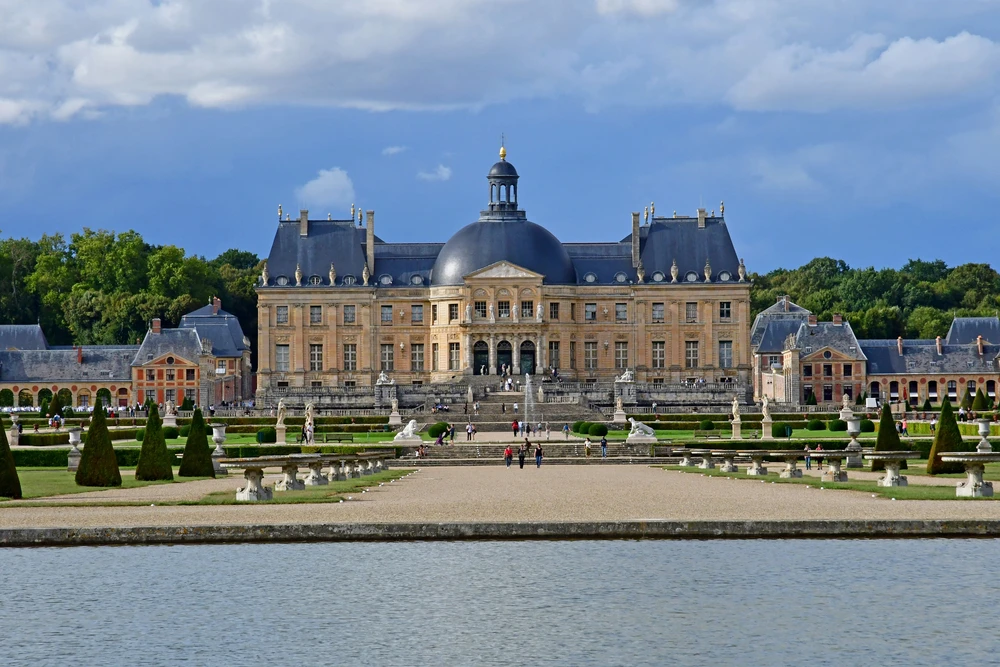
The facade of the Château de Vaux-le-Vicomte / Photo selected by Monsieur de France: packshot via depositphotos
It was here that the trio of geniuses—Le Vau (architect), Le Brun (painter), and Le Nôtre (landscape architect)—created the "French style" that would serve as a model for Versailles. The symmetry of the gardens, the water features, and the majesty of the central dome make it a pinnacle of classical architecture worldwide. The château regularly hosts receptions for the world's wealthiest individuals. It has also been the location for numerous films, including a James Bond movie.
Monsieur de France's little extra tip: To experience the magic of the place, opt for the "Candlelight Evenings." The castle and gardens are lit by 2,000 candles. It's a timeless sensory experience that gives you an understanding of the art of celebration in the Grand Siècle. Another detail: the château has a system of "water mirrors" that use optical illusions to appear closer or larger depending on where you are standing. I have a soft spot for Christmas at Vaux, with its breathtaking decorations that make the château truly magical.
-
Distance from Paris: ~55 km
-
Address: 77950 Maincy
-
Official website: vaux-le-vicomte.com
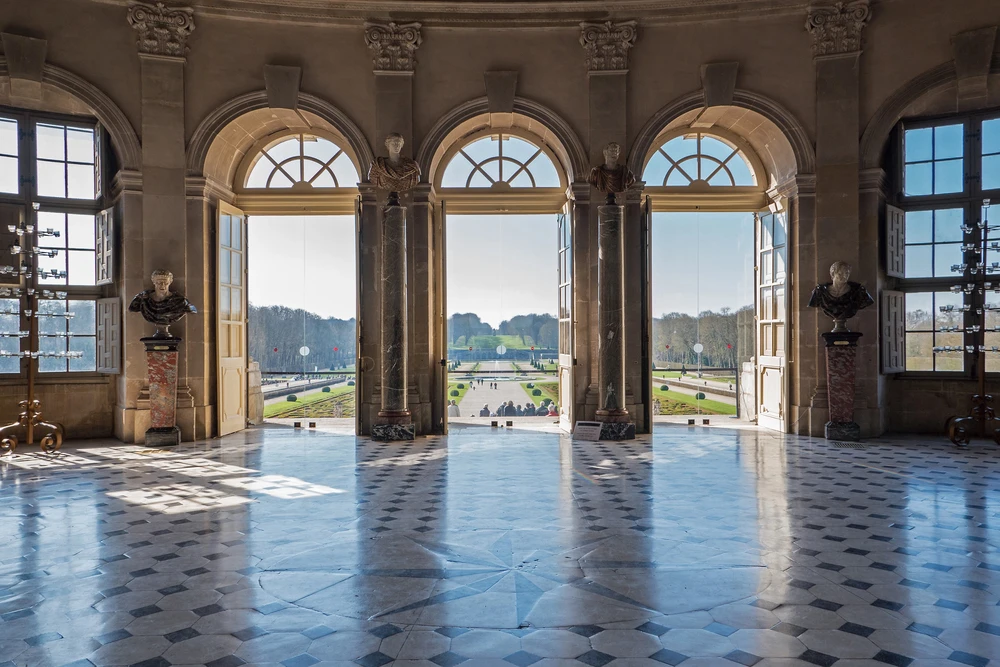
Photo selected by Monsieur de France: by pio3 via depositphotos
5. Château d'Ussé: Sleeping Beauty's castle
In the forest of Chinon, the silhouette of the Château d'Ussé looks like something straight out of a picture book. Dating from the Middle Ages to the Renaissance, this private castle is the epitome of the romantic French castle. Legend has it that Charles Perrault, during a stay at Ussé, was so captivated by the towers and the atmosphere of the place that he was inspired to write "Sleeping Beauty." The castle also offers a tour of the ramparts that recreates key moments from the fairy tale.
Monsieur de France's little extra: In addition to the tale, Ussé is famous for its collection of period costumes. Every year, the owners stage mannequins dressed in authentic outfits from centuries past (18th and 19th centuries), allowing visitors to discover how people lived and dressed in a large aristocratic residence. Don't miss the Renaissance chapel, tucked away in the park, a true gem of early Renaissance sculpture.
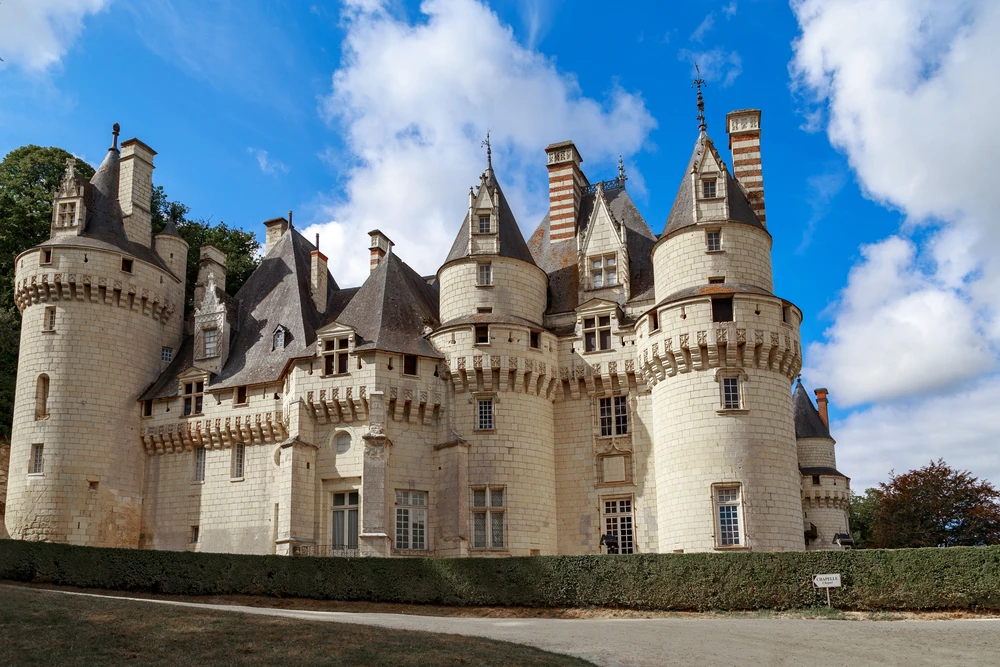
The Château d'Ussé / Photo selected by Monsieur de France: ga18128.mail.ru via depositphotos
-
Distance from Paris: ~150 miles
-
Address: 37420 Rigny-Ussé
-
Official website: chateaudusse.com
It's time to discover my (subjective!) ranking of the 10 most beautiful castles in France.
6. Château de La Bourbansais: The multifaceted estate
Located in Ille-et-Vilaine, between Saint-Malo and Rennes, the Château de La Bourbansais is a fascinating example of how one family, the L'Orgeril family, is bringing a historic monument to life in the 21st century by diversifying its activities.
The castle itself is a magnificent 16th- and 17th-century residence, whose interior is fully furnished and reflects the lifestyle of noble families in Brittany during the era of the Compagnie des Indes. The woodwork and tapestries are extremely refined. The tableware is superb.
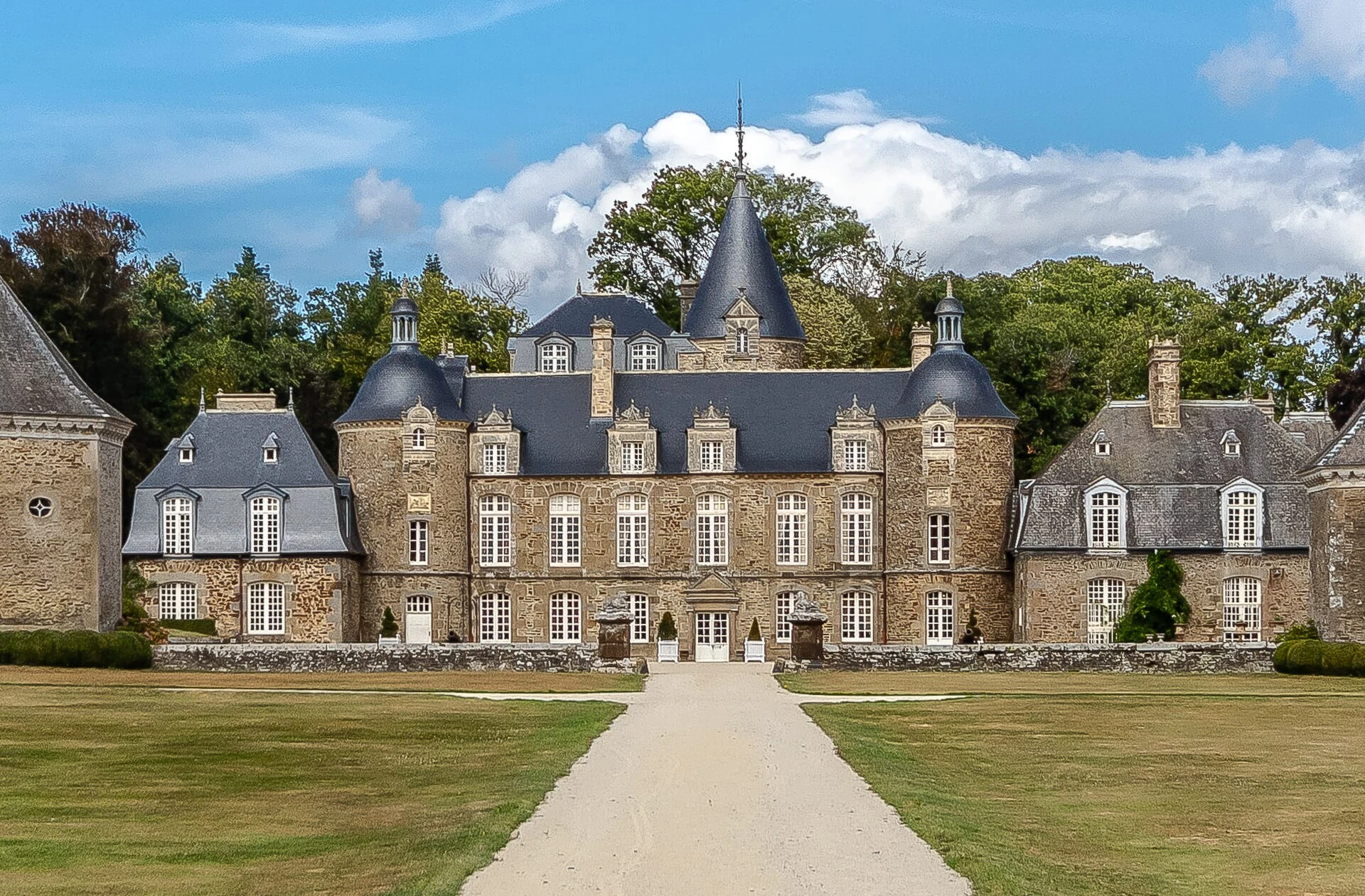
The Château de la Bourbansais / Photo chosen by Monsieur de France: By Communication La Bourbansais — Own work, CC BY-SA 4.0, https://commons.wikimedia.org/w/index.php?curid=165074158
Monsieur de France's little extra: La Bourbansais is not just a château; it is also a renowned zoological park and a venue for falconry and dog pack shows. But the real treasure for botany lovers is its French-style kitchen garden, classified as a Remarkable Garden. Here, ancient species are cultivated in perfect order. It is a place where people come for the history, but stay for the biodiversity and the spectacle of nature.
-
Distance from Paris: ~350 km
-
Address: 35720 Pleugueneuc
-
Official website: labourbansais.com
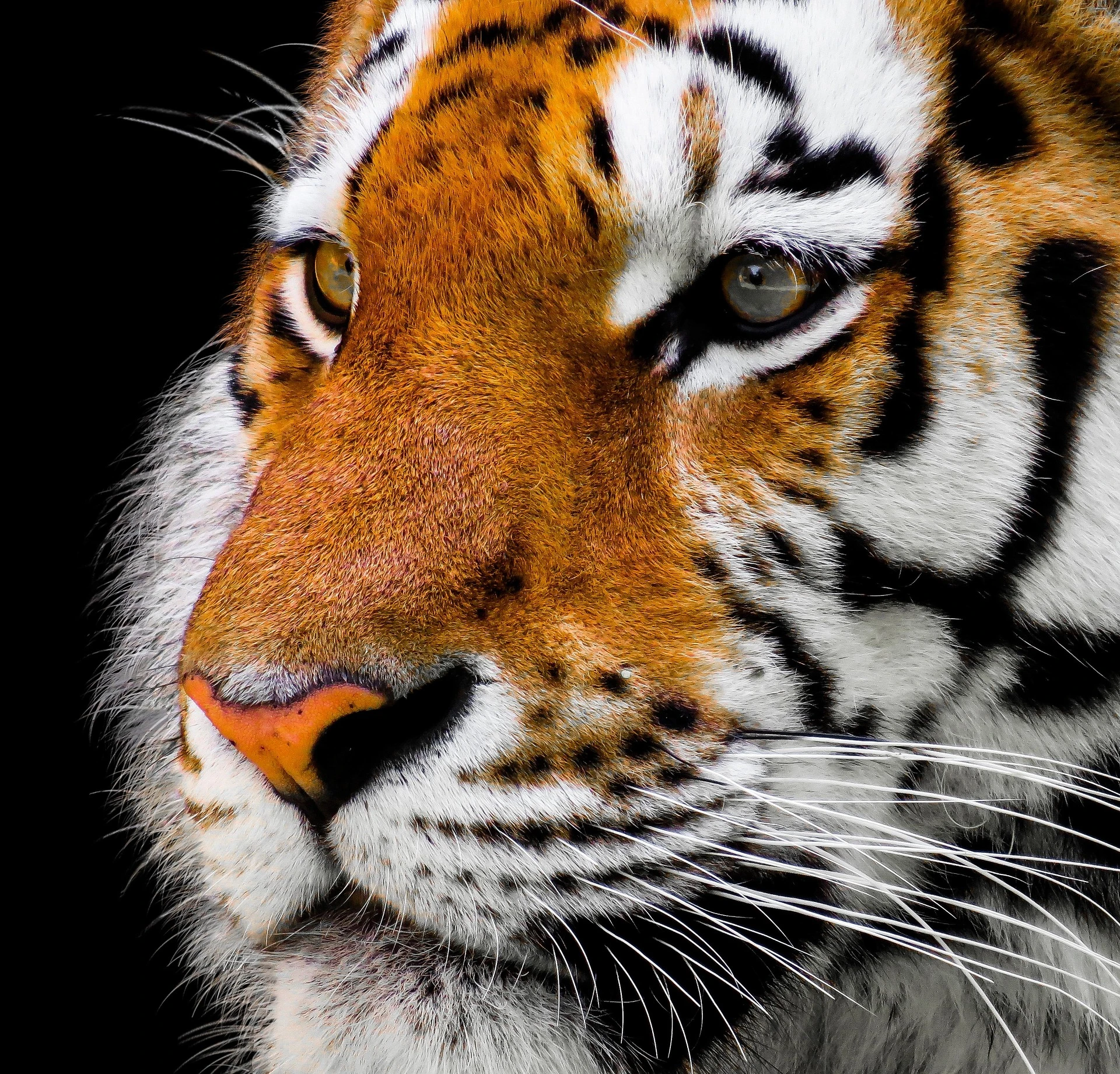
The Bourbansais Zoo has tigers / Photo chosen by Monsieur de France: by G.C. from Pixabay.
7. The Château de Champ de Bataille: The Versailles of Normandy
Located in the Eure department, the Château de Champ de Bataille is the result of an extraordinary human and artistic adventure. Purchased in 1992 by the famous interior designer Jacques Garcia, this 17th-century palace was in a state of advanced disrepair at the time. Thanks to a colossal investment and a consuming passion, it has been restored to its former glory as one of the most sumptuous private residences in France. Here, splendor is not an empty word: the collections of objets d'art, royal furniture, and porcelain are truly breathtaking, recreating the atmosphere of the court at the height of its glory.
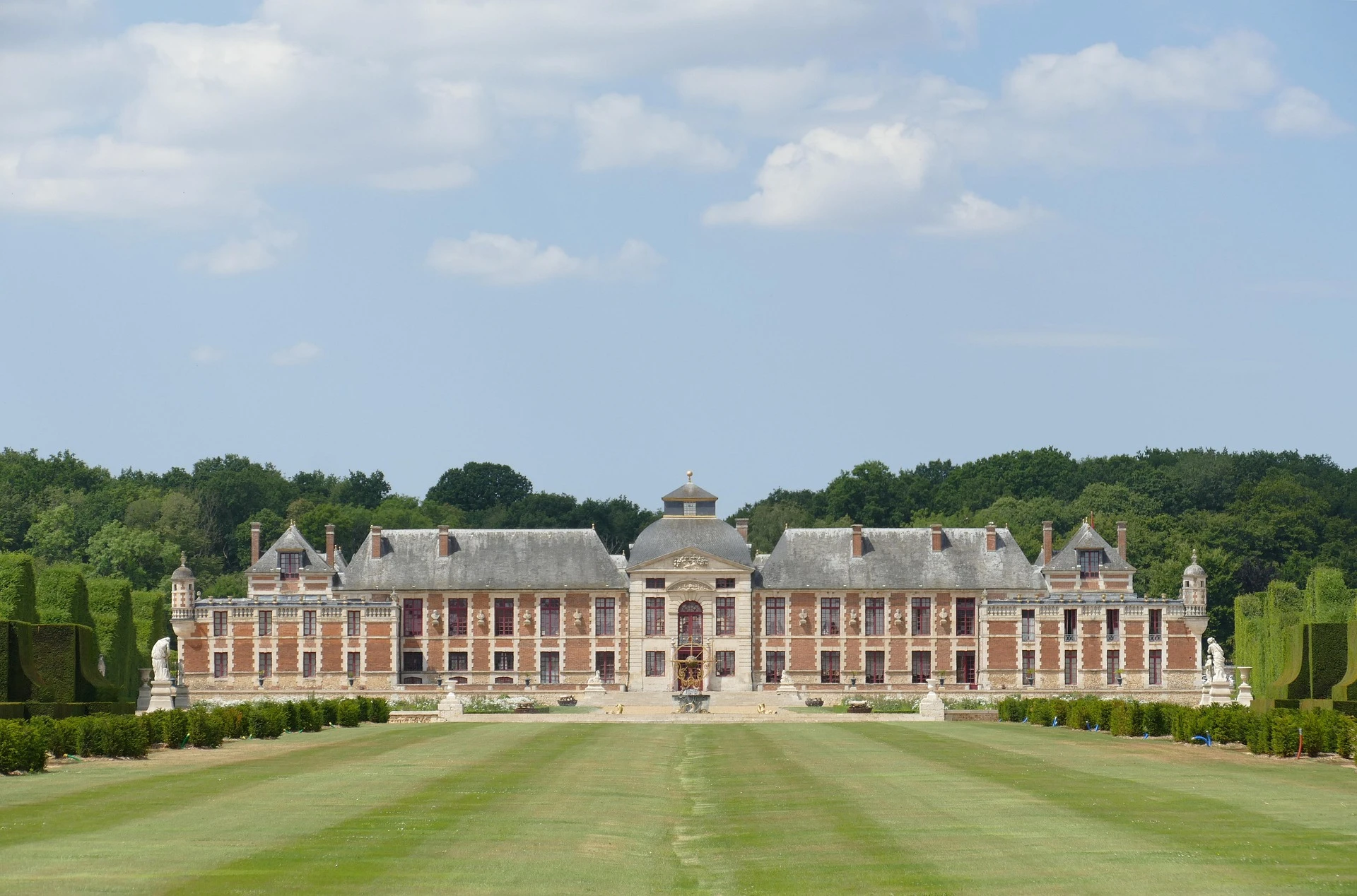
One of the two parallel buildings that make up the Château de Champs de Bataille / Photo chosen by Monsieur de France: by Eveline de Bruin from Pixabay
Monsieur de France's little extra: The gardens are extraordinary and worth a visit in their own right. Jacques Garcia has recreated from scratch the largest private gardens in Europee ssur covering more than 40 hectares. They are inspired by Le Nôtre, but with an even greater touch of creativity, with structures such as the Palais de l'Inde and the Théâtre de Verdure. This is a place where you don't just visit a château, but where you wander through the waking dream of a genius collector.
-
Distance from Paris: ~62 miles
-
Address: 8 Le Château, 27110 Sainte-Opportune-du-Bosc
-
Official website: chateausofbattleground.com
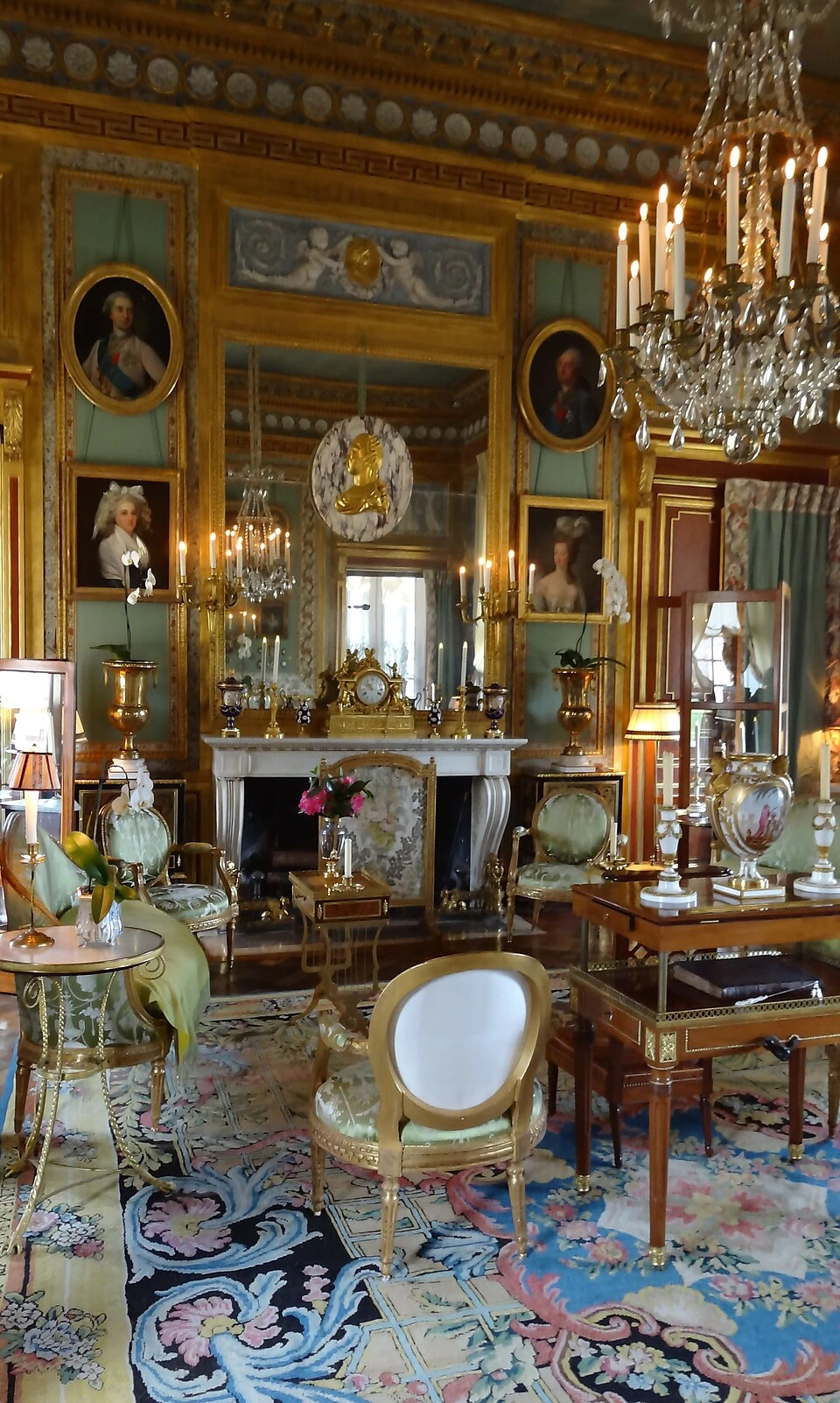
The interior of one of the castle's many rooms / Photo selected by Monsieur de France: By Sergey Prokopenko — Own work, CC BY-SA 3.0, https://commons.wikimedia.org/w/index.php?curid=33196863
8. Brissac Castle: The Giant of the Loire Valley
With its seven floors and 204 rooms, the Château de Brissac is the tallest castle in France. Owned by the Duke of Brissac, this castle is truly unique due to its height. The 17th century saw the addition of towers and a keep, making it a truly unique place in France. The gardens are also worth a visit.
Monsieur de France's little extra: The château houses a private Belle Époque theater, built by the Marquise de Brissac at the end of the 19th century to stage operas. It is a secret place with perfect acoustics. The château is also an estate that produces its own wine, which you can taste in the estate's cellars at the end of your visit. A typically French moment of conviviality.
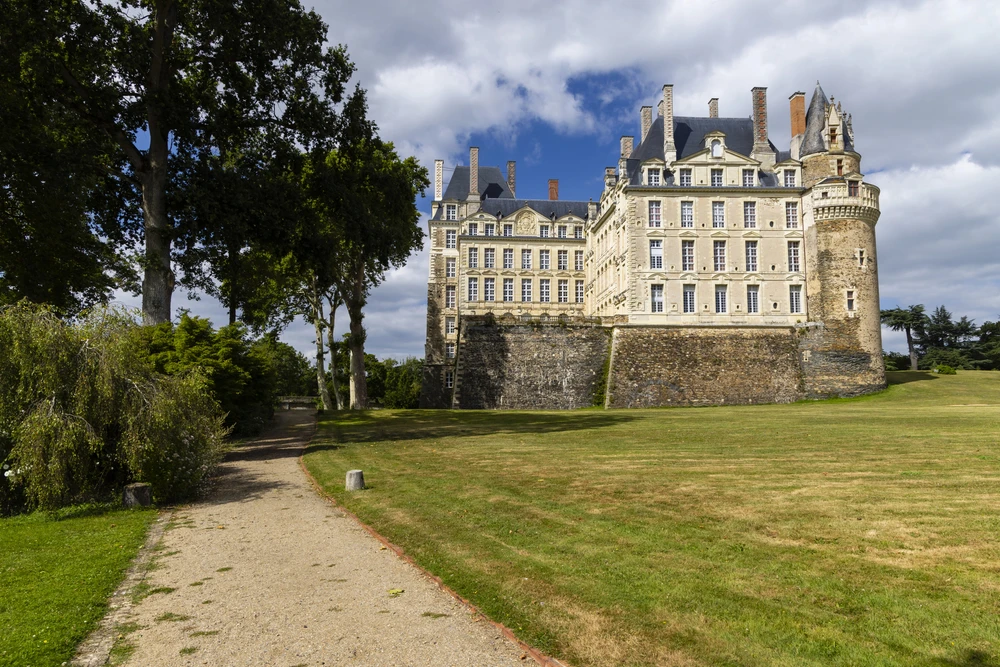
The astonishing Château de Brissac, towering above. Photo selected by Monsieur de France: phb.cz via depositphotos
-
Distance from Paris: ~310 km
-
Address: 49320 Brissac-Quincé
-
Official website: chateau-brissac.fr
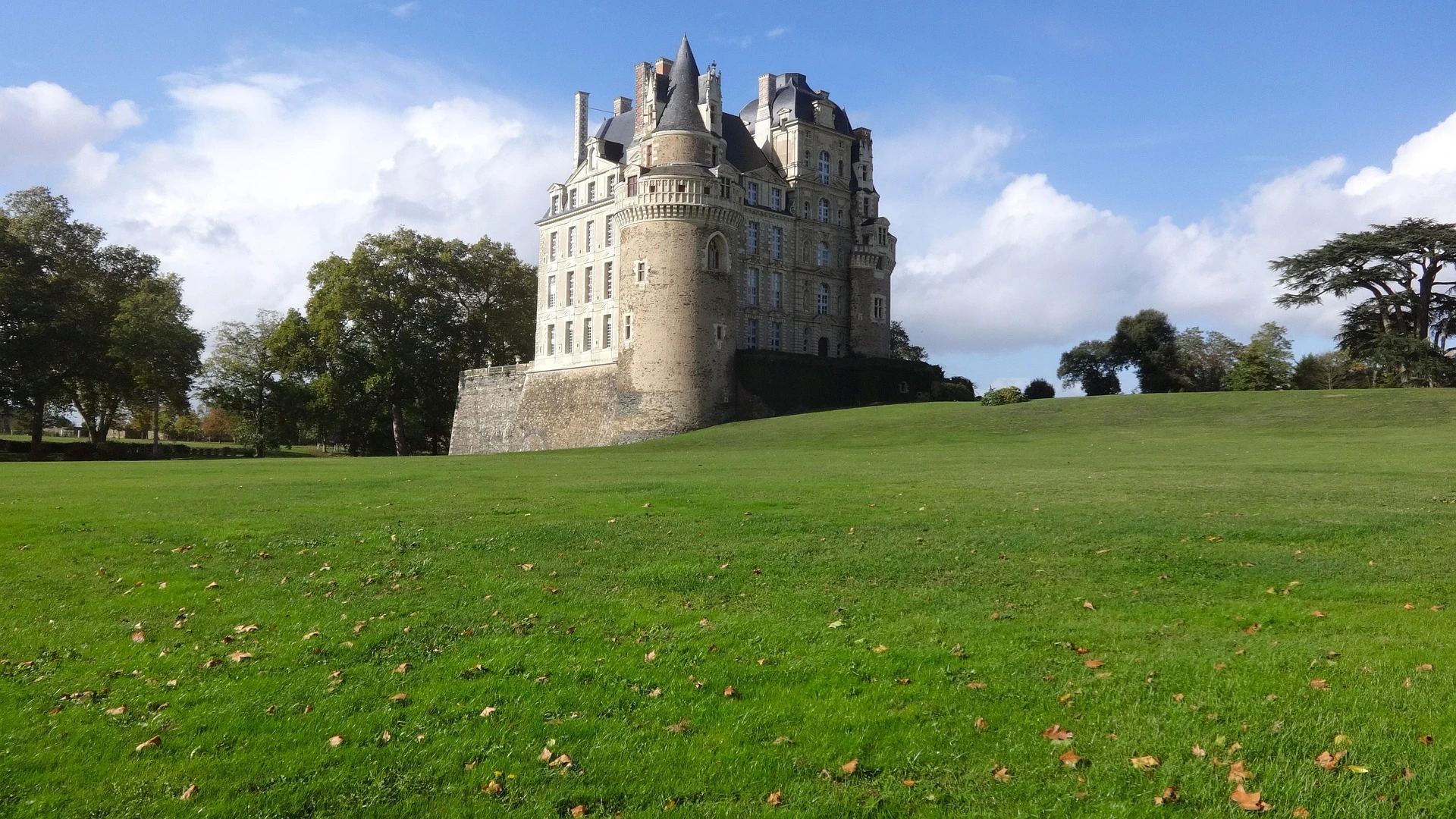
The Château de Brissac / Photo selected by Monsieur de France: by Dominique from Pixabay
9. The Château de Hautefort: The Phoenix of Périgord
Proudly dominating its village, Hautefort is an ancient medieval fortress that was converted into a pleasure palace in the 17th century. It is a combination of the kind of fortified castle one imagines when reading historical novels, but also a holiday resort marked by the Age of Enlightenment. In a single visit, you can go from helmeted knights of the Middle Ages to marquises in powdered wigs.
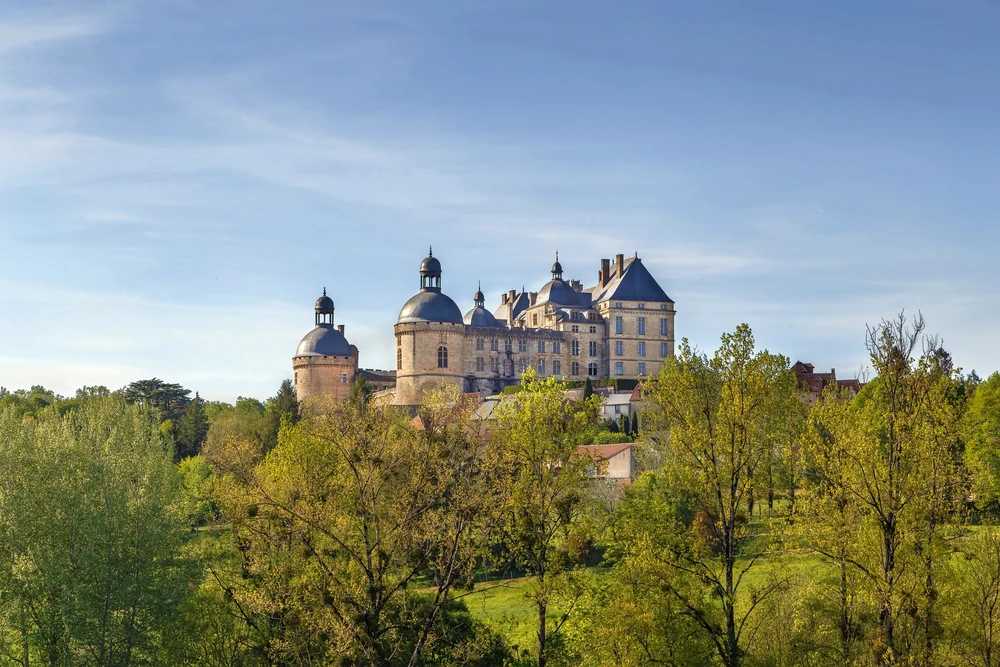
In the heart of Périgord, the Château de Hautefort / Photo selected by Monsieur de France: depositphotos
The castle is famous for its French gardens and boxwood embroidery, which are among the most beautiful in the Southwest. The interior, restored with infinite care, exudes an atmosphere of serenity and power.
Monsieur de France's little extra: The recent history of Hautefort is a lesson in courage. In 1968, a fire devastated much of the château. Its almost identical reconstruction, driven by the passion of the Baroness de Bastard, is a miracle of heritage preservation. Visitors come for the beauty of the place, but leave in awe of the human will that was able to raise stones that were thought to be lost forever.
Want to visit the Périgord region? Check out my guide!
-
Distance from Paris: ~500 km
-
Address: 24390 Hautefort
-
Official website: chateau-hautefort.com
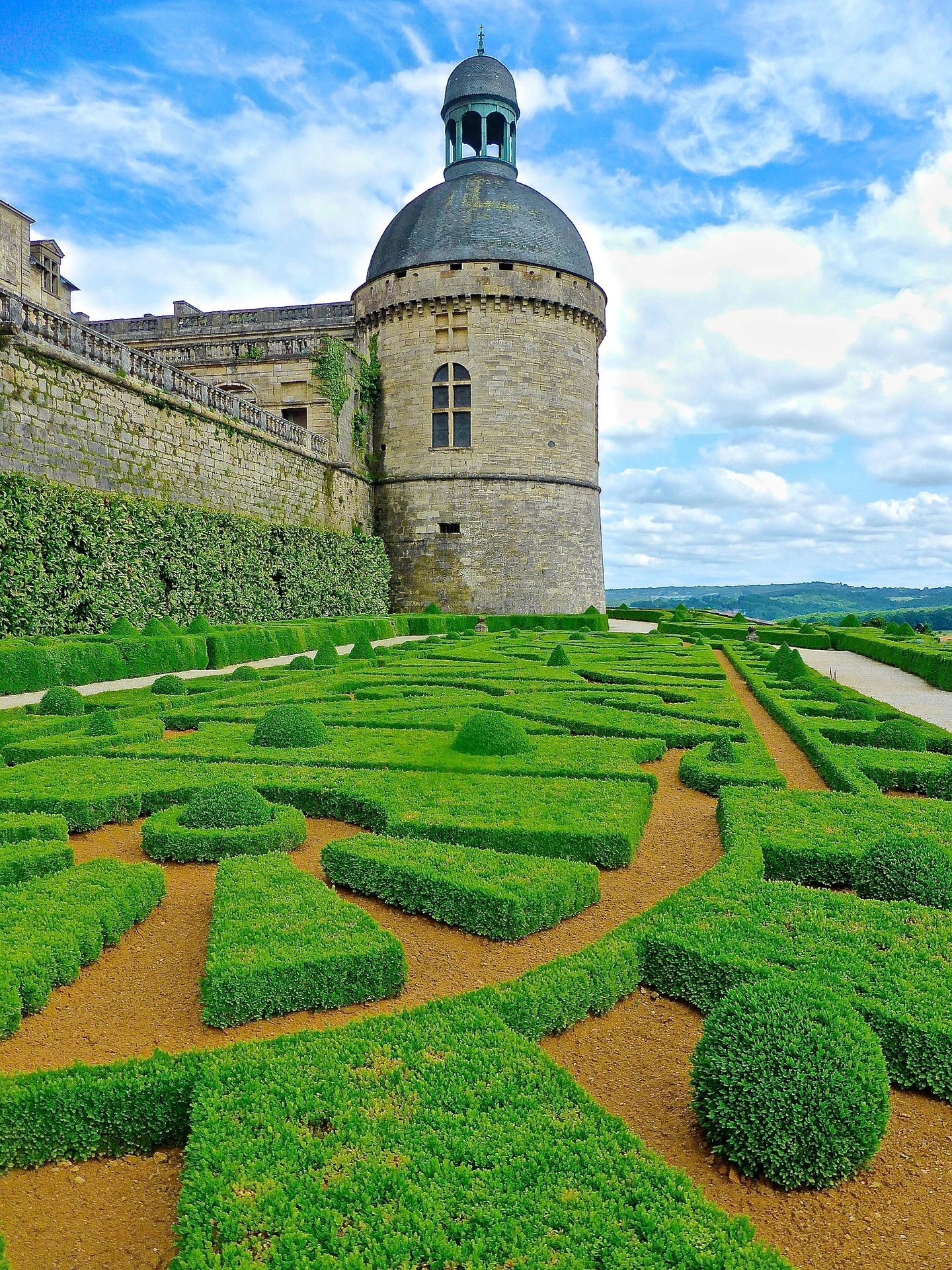
The trimmed box trees in the gardens of Hautefort / photo chosen by Monsieur de France by Siggy Nowak from Pixabay
10. The Château de Breteuil: History in the heart of the Chevreuse Valley
Just a few miles from Paris, the Château de Breteuil is a perfect example of a family home that is still enthusiastically inhabited. The Marquis de Breteuil and his family welcome visitors amid an impressive collection of furniture and historical memorabilia. It was in this château that the first historical reenactments took place, notably with costumed mannequins, to better immerse visitors in the history of France and the history of the place.
Monsieur de France's little extra: Breteuil is famous for its staging of Charles Perrault's fairy tales using wax figures (created by the Musée Grévin). But the real treasure is the historical link with the Teschen table, a jewel of world goldsmithing on display at the château. It's an ideal visit for families, where history becomes fun without losing any of its prestige.
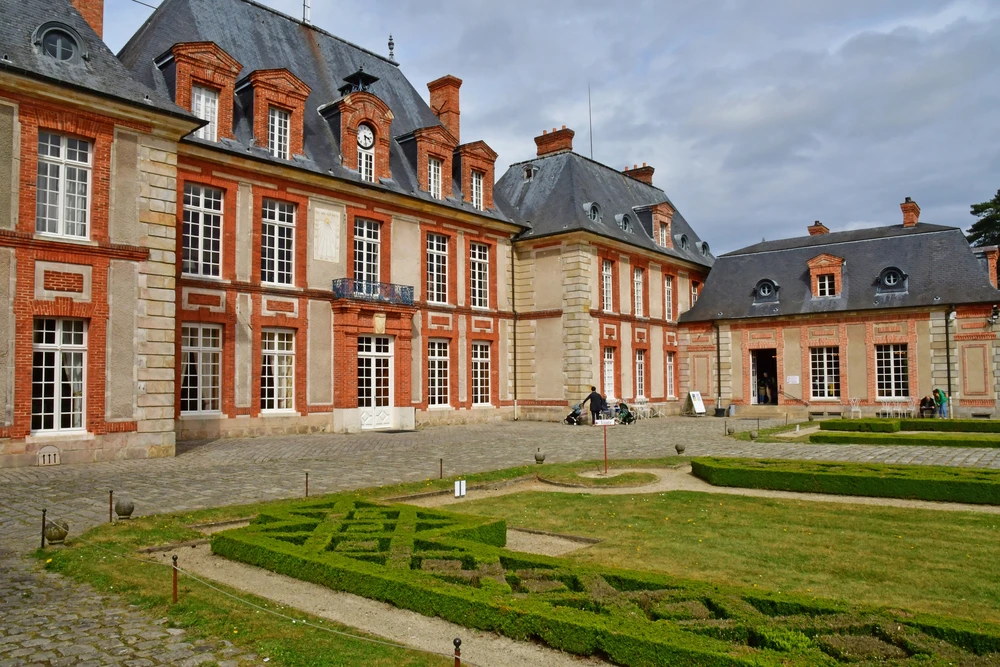
The Château de Breteuil is easily recognizable by its colorful facade/ Photo chosen by Monsieur de France: packshot via depositphotos
-
Distance from Paris: ~35 km
-
Address: 78460 Choisel
-
Official website: breteuil.fr
Jérôme Prod'homme Specialist in French heritage, gastronomy, and tourism. Find all my discoveries at monsieur-de-france.com.
FAQ: Everything you need to know about private French castles
Can you visit the interior of private French chateaus?
Yes. Most private chateaus open their historic apartments to the public. Admission fees directly fund the massive restoration projects needed to save these family estates.
Why are some chateaus in France private?
While many were seized during the French Revolution, approximately 80% of France’s 45,000 castles remain private. They are owned by families or foundations dedicated to preserving their lineage.
Is it possible to meet the owners during a visit?
It is quite common! Many owners, like the Marquis de Vibraye at Cheverny or the de Vogüé family at Vaux-le-Vicomte, are actively involved in daily operations and greeting guests.
How far are these chateaus from Paris?
Most of the top private estates are located within a 1 to 3-hour drive from Paris, making them perfect for day trips or weekend getaways to the Loire Valley or Normandy.
Are photos allowed inside?
Non-flash photography for personal use is generally encouraged. However, always check local rules as some estates protect fragile private art collections.