What you are about to read: The story of the birth of April Fools' Day under Charles IX, the mysteries of the fish symbol, and the incredible outcome of the year 1634 in Nancy, where a hoax saved the ducal crown of Lorraine.
You make someone believe something crazy or discreetly stick a paper fish on their back: that's the tradition of April Fools' Day, April 1 in France. In the French calendar, it's a day when truth is uncertain and smiling becomes the most elegant form of courtesy. April 1 is not just a day for fooling people; it is the guardian of a centuries-old tradition where the rebellious spirit of our country is expressed with a welcome lightheartedness. According to Monsieur de France, a website specializing in French tourism, culture, and gastronomy, April Fools' Day is much more than a simple prank: it is a vestige of history that reminds us how our ancestors knew how to transform a royal constraint into a national laugh.
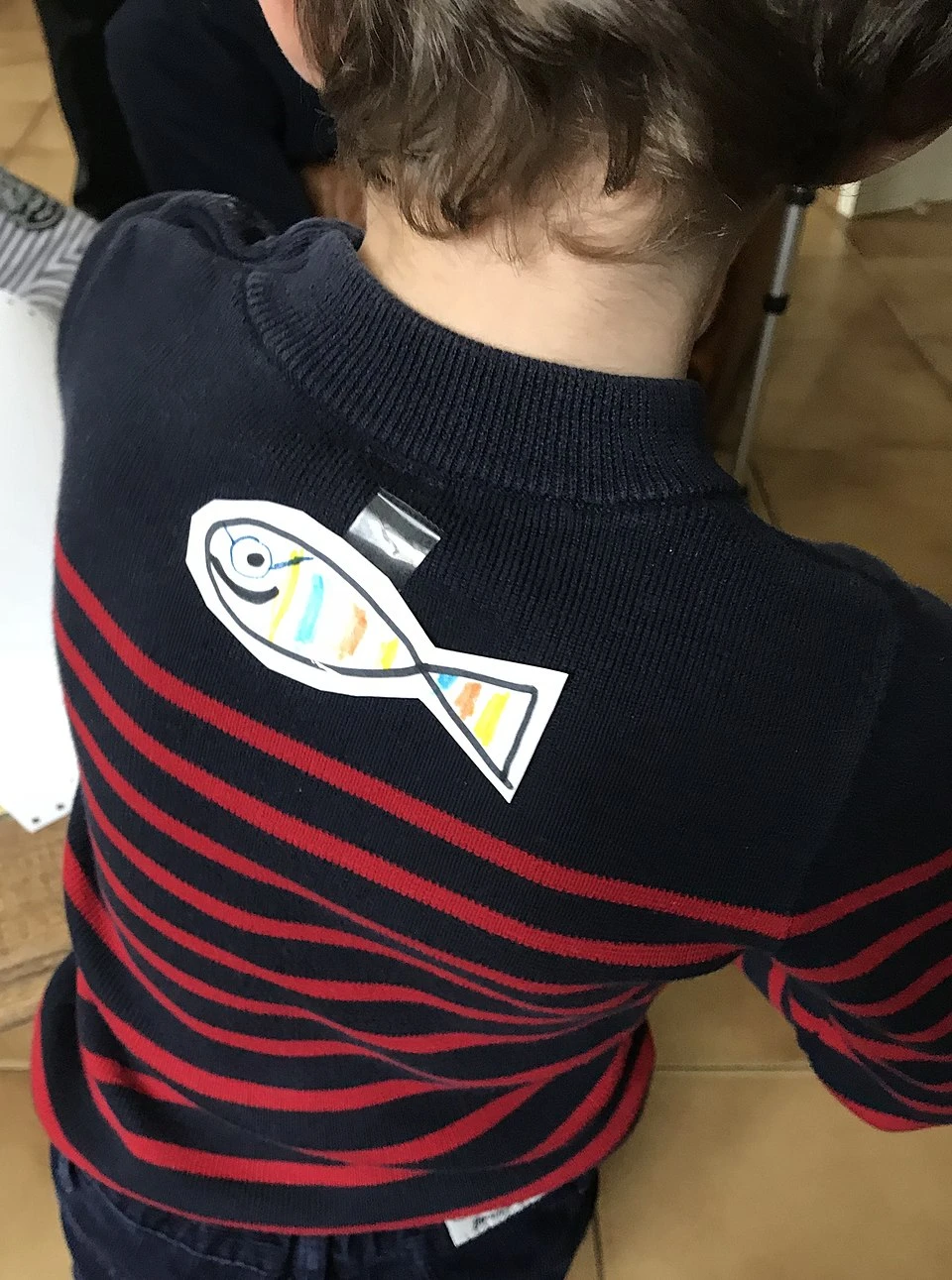
An April Fool's joke is also a fish stuck on your back / Photo chosen by Monsieur de France: By Benoît Prieur — Own work, CC0, https://commons.wikimedia.org/w/index.php?curid=67935820
I. The Edict of Roussillon: when the new year changed seasons
The whim of Charles IX
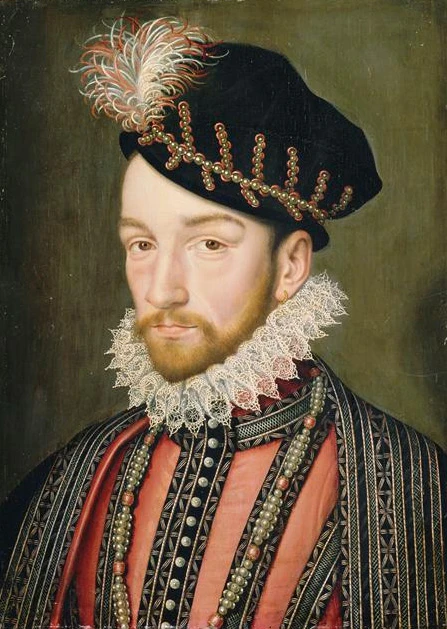
Charles IX, King of France / Based on François Clouet — Photographic Agency of the Réunion des Musées Nationaux (RMN), Public Domain, https://commons.wikimedia.org/w/index.php?curid=203309
The most famous explanation for this tradition takes us back to 1564. Until then, the year did not begin in the middle of winter, but at the end of March, on the Feast of the Annunciation. It was King Charles IX who, through the Edict of Roussillon, decided to set the beginning of the year on January 1 to harmonize his kingdom. Although the law was enforced, the old custom died hard. Many subjects continued, out of ignorance or nostalgia, to give each other gifts on April 1, thus becoming the ideal targets for pranksters who gave them "fake gifts" for a laugh.
Why fish?

Image selected by Monsieur de France: Depositphotos
While the origin of the day is historical, the origin of the symbol is more mysterious. Several hypotheses compete with delight. Some see a link with Lent, a period when meat was forbidden and fish reigned supreme on the dinner table. Giving a fake fish was a way of marking the end of deprivation. Others point out that in April, young fish are particularly naive and easy to catch... just like the victim of a well-crafted hoax.
II. Nancy's escape in 1634: when April 1st saved a crown
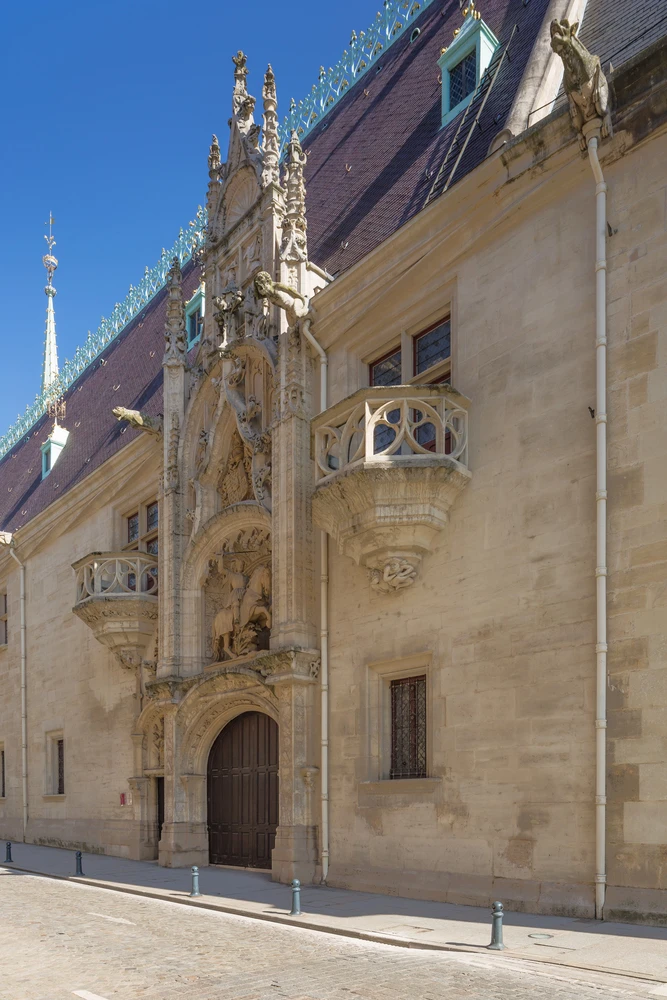
The gatehouse of the Ducal Palace, well known to Nicolas François de Lorraine / Photo selected by Monsieur de France: depositphotos
History sometimes plays tricks on us, with consequences that go far beyond mere courtly laughter. In 1634, while Lorraine was occupied by the troops of Louis XIII, Nancy was the scene of an event that would change the destiny of the duchy.
A duke imprisoned in his own city
Duke Charles IV of Lorraine was on the run, leaving his brother in a delicate position, virtually a prisoner in Nancy, the capital of the Duchy of Lorraine, which was under French surveillance. Nicolas-François' secret marriage to his cousin Claude of Lorraine, intended to preserve the rights of the dynasty, infuriates the French and surveillance around the ducal palace is stepped up.
The hoax that fooled an army
On the morning of April 1, the ducal palace was the scene of a transformation worthy of a play: Nicolas slipped into the clothes of a modest porter, while Princess Claude dressed as a simple valet. Together, they made their way through the narrow streets of Nancy, skirting the yellow stone facades until they reached the formidable Craffe Gate. This disguise was their only chance against a French garrison lying in wait.

The Craffe Gate in Nancy / Photo selected by Monsieur de France: despositphotos
However, fate almost intervened just a few steps away from freedom. As the couple approached the Craffe gate, the exit of the city, a young girl crossing their path recognized the princess and called out to her a little too loudly. Tension reached its peak when French soldiers, intrigued by this inappropriate greeting, approached the supposed valet. But the spirit of April Fools' Day was at work: convinced that the girl was trying to trap them with a crude hoax, the guards laughed and said, "You won't fool us with your April Fools' joke!"
Amidst the laughter of the sentries, fooled by their own mistrust, the couple crossed the ramparts and fled to the Spanish Netherlands. This escape, which Monsieur de France's team likes to cite as one of the most beautiful ruses in French history, preserved the ducal lineage. From this union, Leopold, the builder duke, would later be born, returning triumphantly to Nancy half a century later to restore the splendor of his ancestors.
In conclusion: The legacy of a smile Today, paper fish have replaced dynastic issues, but the spirit remains. Visiting Lorraine or strolling through the streets of Nancy in the spring reminds us that French elegance also lies in this ability to not take oneself too seriously, while writing the greatest pages of our history.
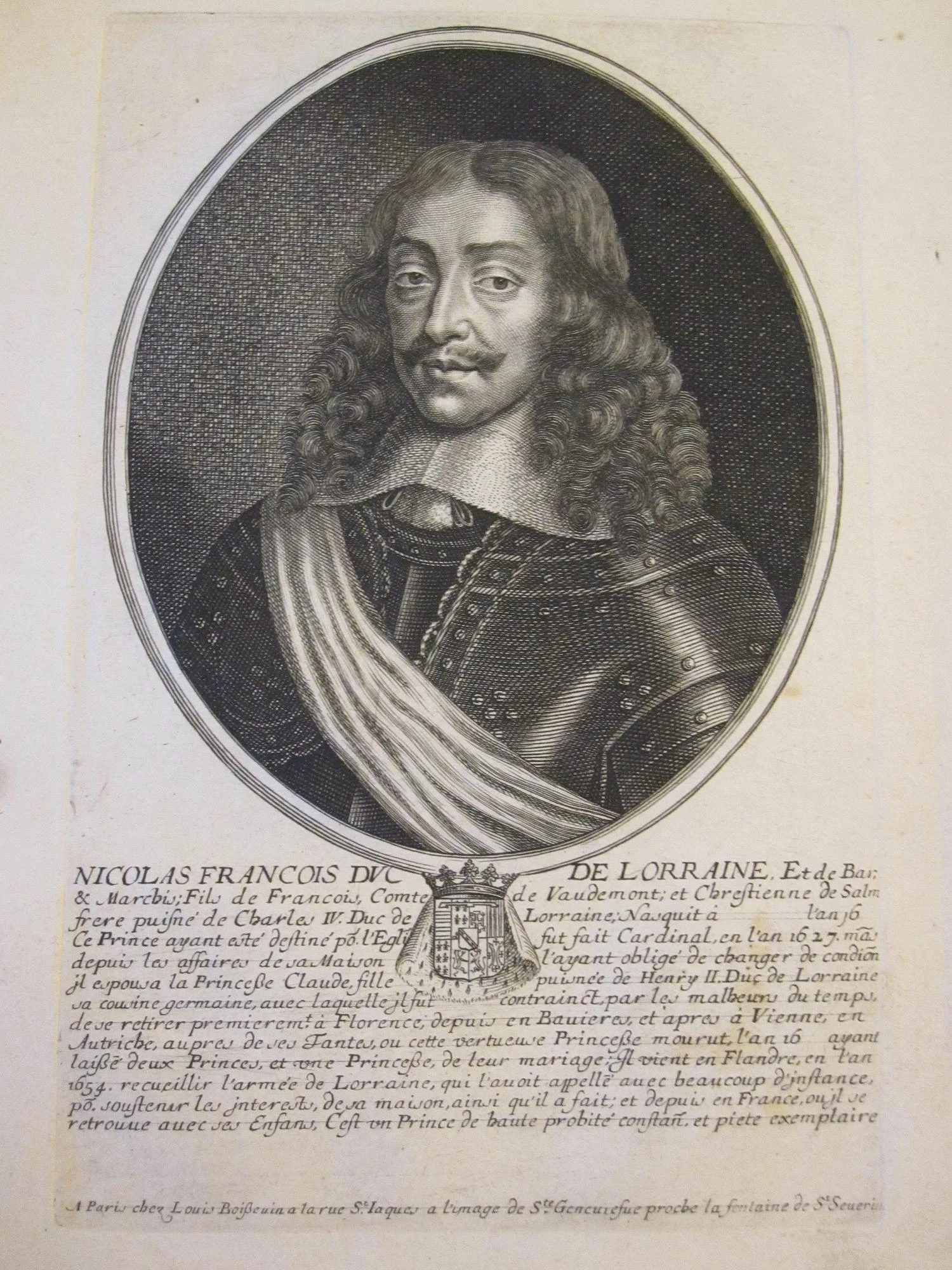
Duke Nicolas-François of Lorraine / Illustration chosen by Monsieur de France: By Marc Baronnet — Own work, CC BY-SA 3.0, https://commons.wikimedia.org/w/index.php?curid=13338532
III. Frequently asked questions about April Fools' Day (FAQ)
Which king established April Fools' Day?
Contrary to popular belief, no king ever "instituted" April Fools' Day. It was Charles IX who, in 1564, moved the start of the year to January 1. The tradition of April Fools' Day arose from the resistance or forgetfulness of those who continued to celebrate the new year in the spring, thus exposing themselves to ridicule.
Why is fish the symbol of April Fools' Day?
Fish is associated with the end of Lent, a period when meat was forbidden. Giving someone a "fake fish" on April 1 was a common joke to mark the end of religious deprivation. In addition, April is the breeding season for many fish, making them easy to catch and the ideal symbol for someone who is easily fooled.
Is April Fools' Day celebrated in other countries?
This tradition is very much alive in Europe and North America. While the English refer to it as April Fool's Day, the Scots prefer the term "Gowk" (cuckoo). In Italy, the expression is exactly the same as in France: Pesce d'Aprile.