Summary of your reading
Here we explore the best nighttime routes for admiring illuminated monuments, culinary institutions that serve after midnight, as well as a comprehensive overview of nighttime transportation and safety in the capital.
Advice from Monsieur de France: The nighttime magic perfectly complements our 2026 daytime monument guide. Don't forget to charge your phone before you head out!
1. The Illuminated Monuments Show
Paris is a free museum that takes on an incredible dimension at night. The public lighting is designed to highlight the city's historical perspectives. It puts on its evening attire, elegant and beautiful, and becomes splendid.
The Louvre Pyramid:
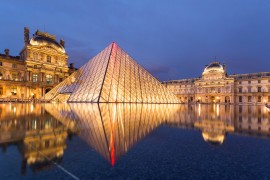
This is undoubtedly the most mesmerizing place after 10 p.m. Pei's glass structure lights up from within, reflecting in the surrounding water basins. The absence of the daytime crowds allows you to enjoy the Cour Napoléon in an almost unreal silence. It's the perfect time for photographers.
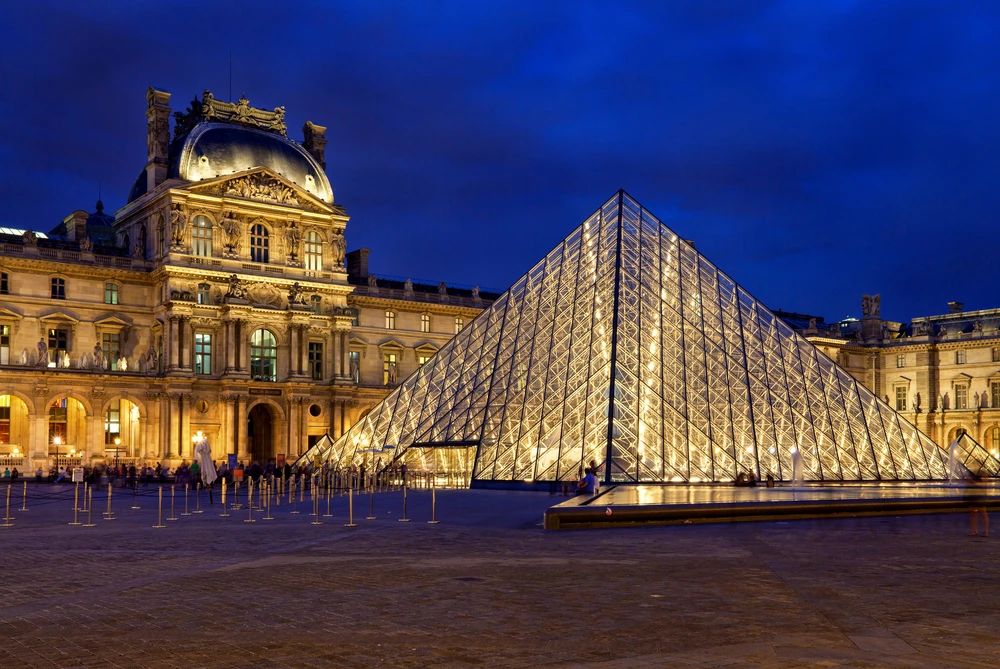
Pyramid of the Louvre photo by Pavel L Photo and Video/Shutterstock.com
The Eiffel Tower and its sparkle:
Please note that in 2026, energy conservation measures will impose certain rules. The Iron Lady will sparkle for five minutes at the beginning of every hour after nightfall. However, the lights will now be turned off earlier (usually at 11:45 p.m.). Plan to be at the Trocadéro or the Bir-Hakeim Bridge before this time so you don't miss the show.
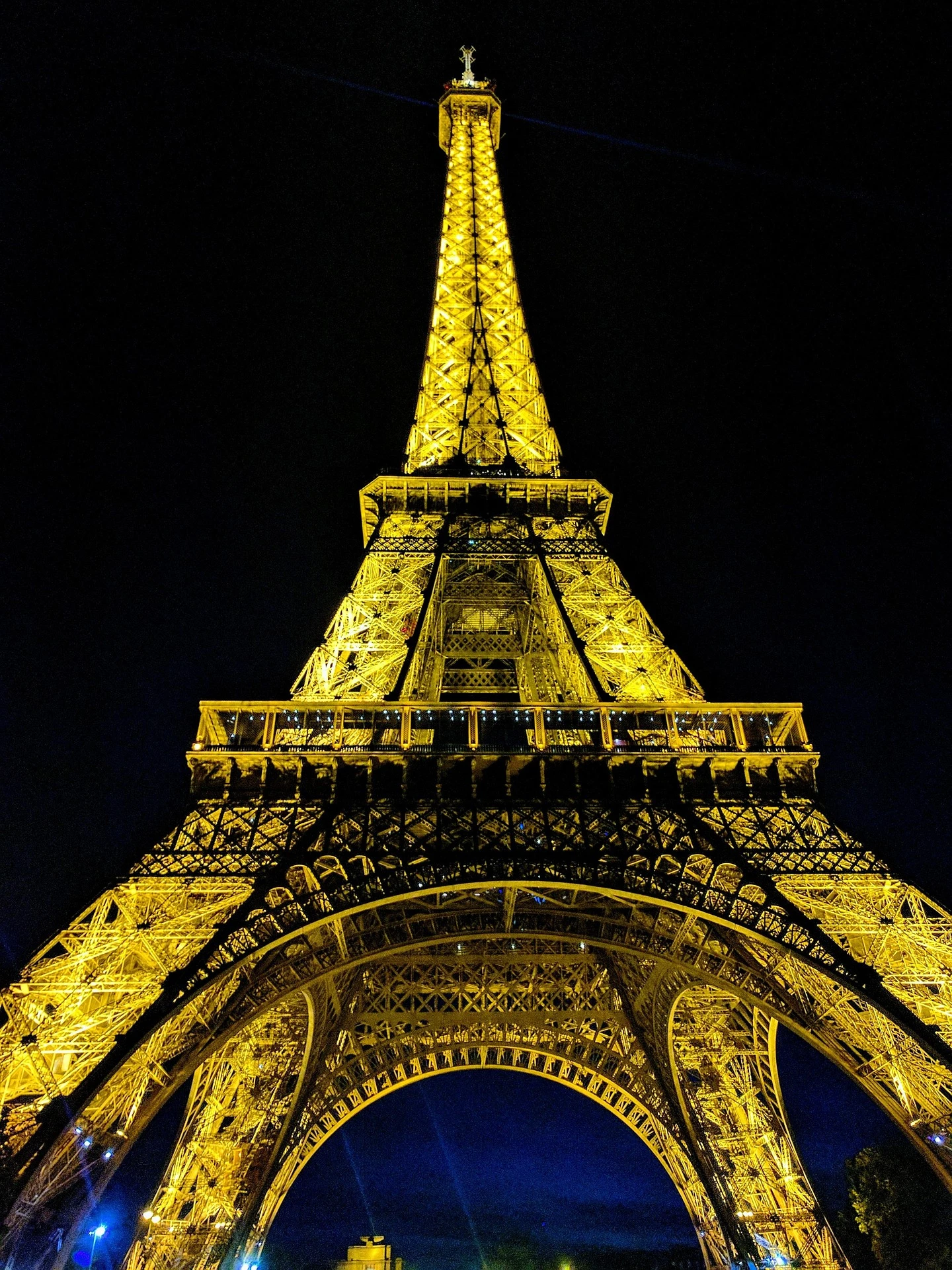
The Eiffel Tower at night / Image selected by monsieurdefrance.com: by Stefano Vazzoler from Pixabay
The Sacré-Cœur and the view of Paris:
Climbing Montmartre at night offers one of the most spectacular views of Paris's "sea of lights." While the basilica itself is stunning, it is the square in front of it that attracts nighttime crowds who come to listen to street musicians and enjoy the cool air.
2. Where to eat after 10 p.m.? The "Service Continu" establishments
In Paris, most kitchens close at 10:30 p.m. For night owls or those coming out of the theater, there are institutions that never sleep.
Le Pied de Cochon (Les Halles)
A true Parisian legend, this brasserie has been open 24 hours a day since 1947. Whether you fancy onion soup au gratin at 3 a.m. or a seafood platter at midnight, you'll always receive a warm welcome. The Art Deco decor and lively atmosphere guarantee total immersion.
-
Address: 6 Rue Coquillière, 75001 Paris
-
Metro: Les Halles (Line 4) or Châtelet-Les Halles (RER A, B, D)
The Grand Café Capucines (Grands Boulevards)
Located near the Opéra Garnier, this historic café also offers late-night service in a luxurious setting. It's the perfect place to end an elegant evening with dessert or a glass of wine.
-
Address: 4 Boulevard des Capucines, 75009 Paris
-
Metro: Opéra (Lines 3, 7, and 8) or Chaussée d'Antin - La Fayette (Lines 7 and 9)
The Bastille neighborhood (Rue de Lappe)
For those on a tighter budget, Rue de Lappe and Rue de la Roquette are full of bars and snack bars that stay open late. This is the heart of Parisian nightlife, where you can easily find a slice of pizza or a quality kebab until 2 a.m.
-
Address: Rue de Lappe, 75011 Paris
-
Subway: Bastille (Lines 1, 5, and 8)
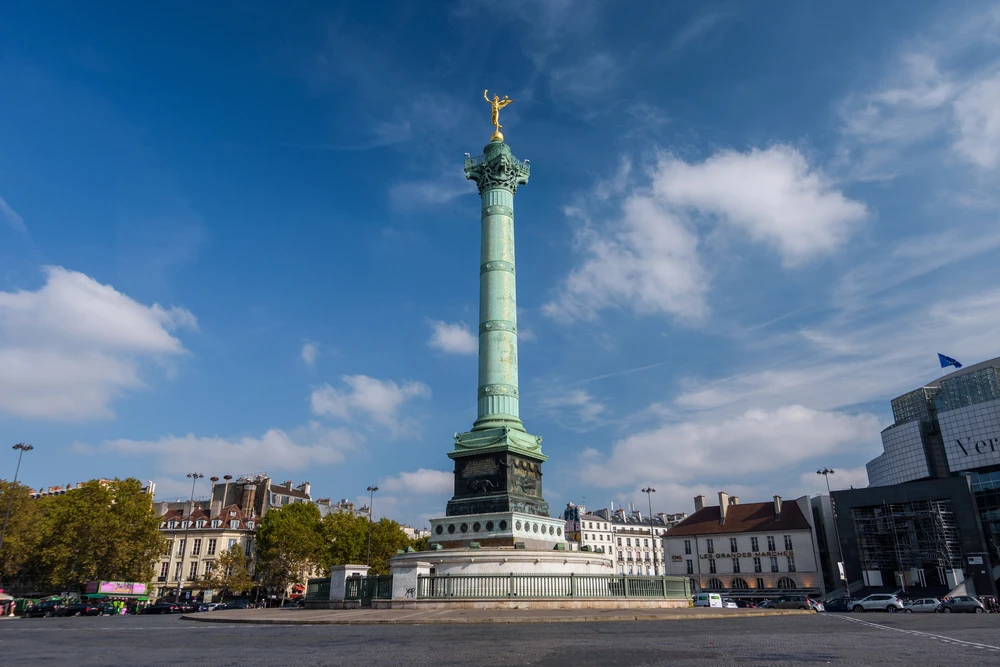
Place de la Bastille today. Photo selected by monsieurdefrance.com: vitormarigo via depositphotos
3. Nighttime transportation: The guide to getting home
How do I get home when the subway stops running?
Metro timetables:
On weekdays, the last subway train usually leaves around 1:15 a.m. On Friday and Saturday nights (as well as on the eve of public holidays), service is extended until around 2:15 a.m. Don't miss the last train, as waiting for a taxi can take a long time.
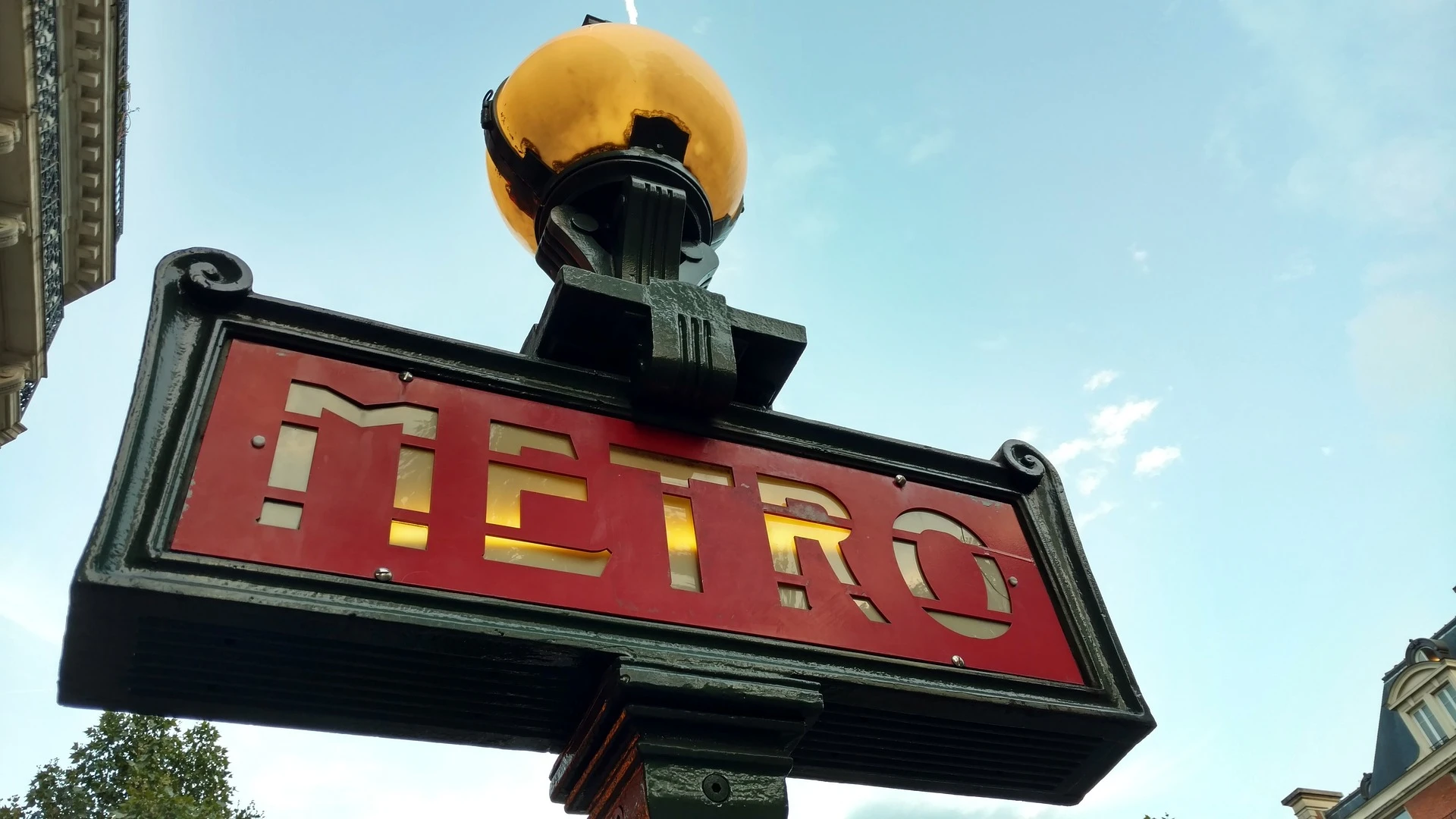
A Paris Metro entrance sign. Image selected by monsieurdefrance.com: Image by Andrew Becks from Pixabay.
The Noctilien:
When the metro closes, the Noctilien night bus network takes over. All lines converge at Châtelet station. It's a very economical solution (the price of a T+ ticket), but journeys can be long. In any case, I really love taking the bus at night in Paris. For the price of a metro ticket, you can cross the City of Lights and feast your eyes.
Taxis and private hire vehicles:
For added safety, use apps such as G7 or Uber. Safety tip: Never accept a ride from a car that does not have a "Taxi" light on the roof and that approaches you directly on the street.
4. Nighttime safety: Good habits to adopt
Paris is generally a safe city, but as in any large city, caution is advised at night.
Areas to prioritize: The historic center (1st, 2nd, 3rd, 4th, 5th, and 6th arrondissements) remains very lively and safe thanks to the presence of many passersby and open shops. The banks of the Seine are also well monitored and well lit.
Areas to be cautious of: Avoid deserted areas around major train stations (North and East) late at night or parks that close their gates (some gardens become places where people squat at night). Stay on well-lit main roads.
Nighttime pickpockets: At night, people tend to let their guard down. Keep your personal belongings close to you, especially if you have had a little wine. Pickpockets often take advantage of tourists who are distracted by the illuminated Eiffel Tower.
5. Unusual nighttime activities
Night Cruises:
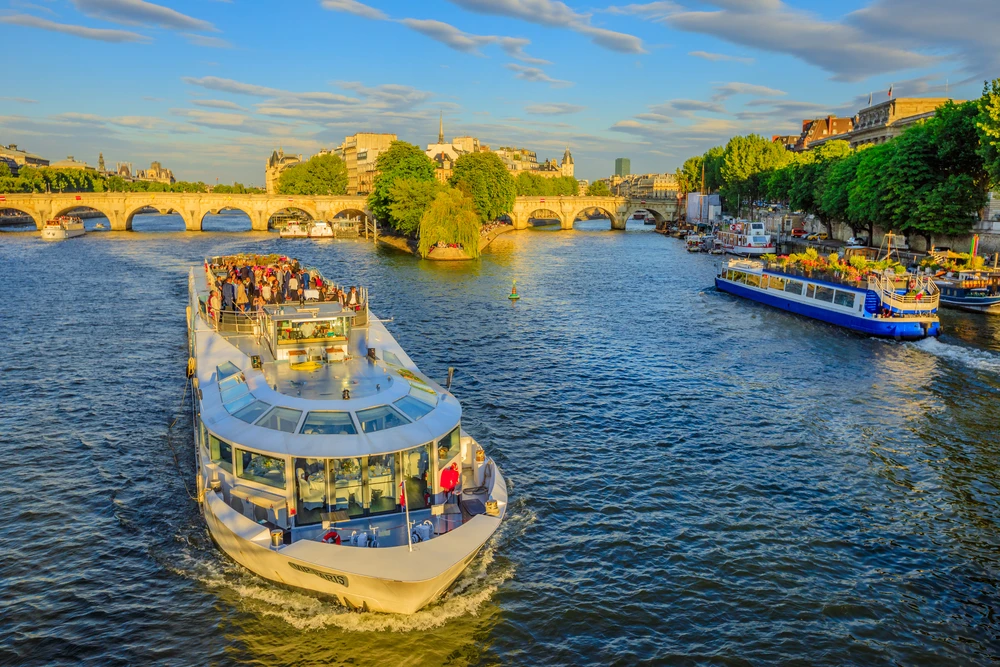
The Bateaux-Mouches and Vedettes du Pont-Neuf boats offer late departures. Seeing the bridges of Paris pass overhead as they are lit up by spotlights is an experience you will never tire of.
Outdoor Cinema (Seasonal):
During the summer, the Parc de la Villette offers free screenings at dusk. It's an opportunity to enjoy a convivial moment with Parisians, armed with their blankets and picnics.
-
Recommended location: Vedettes du Pont Neuf, Square du Vert-Galant, 75001 Paris.
-
Metro: Pont Neuf (Line 7).

FAQ NIGHT LIFE IN PARIS
What time does the Eiffel Tower turn off?
In 2026, the lights of the Eiffel Tower are turned off at 11:45 p.m. for energy conservation reasons. The final twinkle takes place at this precise time.
Is it safe to take the subway late at night?
Yes, the network is monitored. Choose the middle cars, where there are usually more people.
Where can you have a drink after midnight without spending too much?
The Marais district and the area around Canal Saint-Martin have many bars that stay open until 2 a.m. with reasonable prices.
What can you do in Paris if you arrive by train after midnight?
Head straight to a 24-hour brasserie such as Le Pied de Cochon to drop off your bags and grab a bite to eat while you wait for your accommodation to become available or to call a taxi in complete safety.
Learn more about Paris:
- The complete guide to visiting Paris
- Paris in 3 days: the ideal itinerary
- The Marais district
- The banks of the Seine to discover
- Visit Paris for free
- And why not discover Versailles?
Cover photo: depositphotos