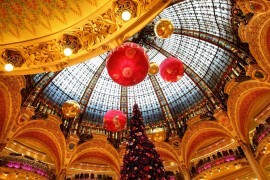
Christmas in France Alsace / Grand-Est

Alsace Bredele Cookies: Traditional Christmas Recipe

Bredele are small, buttery Christmas cookies from Alsace, baked in every home during Advent and sold in all the French Christmas markets. If you are visiting France in winter, this delicious recipe lets you recreate the flavours of Strasbourg, Colmar and Alsace at home.Discover the bredele and spritz recipes that Monsieur de France has in store for you.

Share:

Alsatian Bredele – Traditional Christmas Cookies from Alsace


Bredele (or bredala) are small, buttery Christmas cookies from Alsace that appear everywhere during Advent: in bakeries, on Christmas market stalls, and in every home. If you are discovering France during the holiday season, these little biscuits are an essential part of the Alsatian Christmas experience.


What Are Bredele?


Bredele are traditional Alsatian Christmas cookies, usually shaped like stars, trees or hearts. Families bake them throughout December and offer them to neighbours and guests. Their simple taste and homemade charm make them one of the most beloved treats of the Alsace Christmas markets.
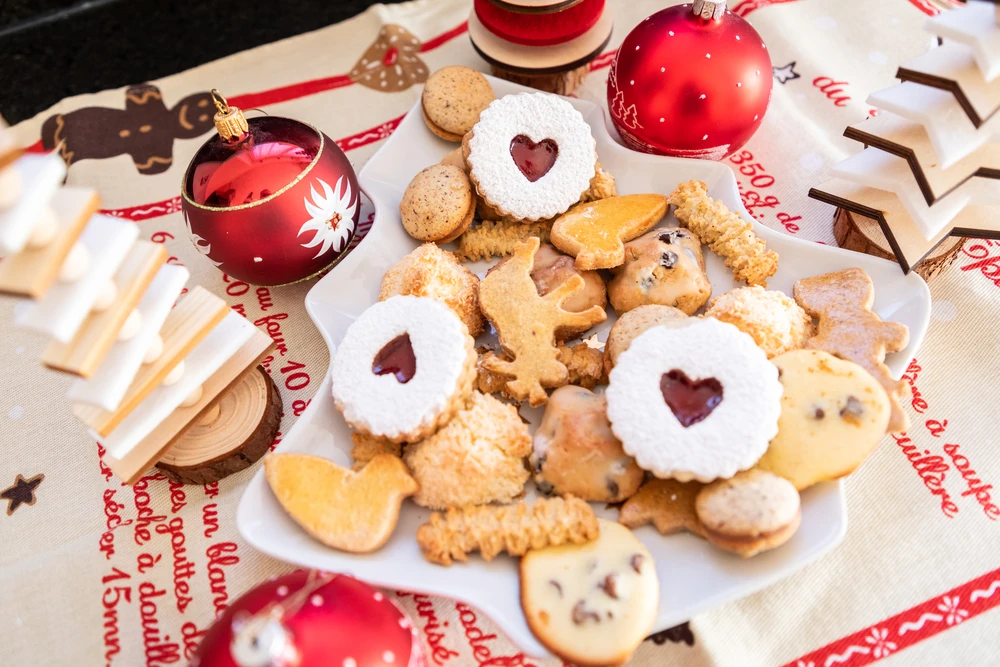


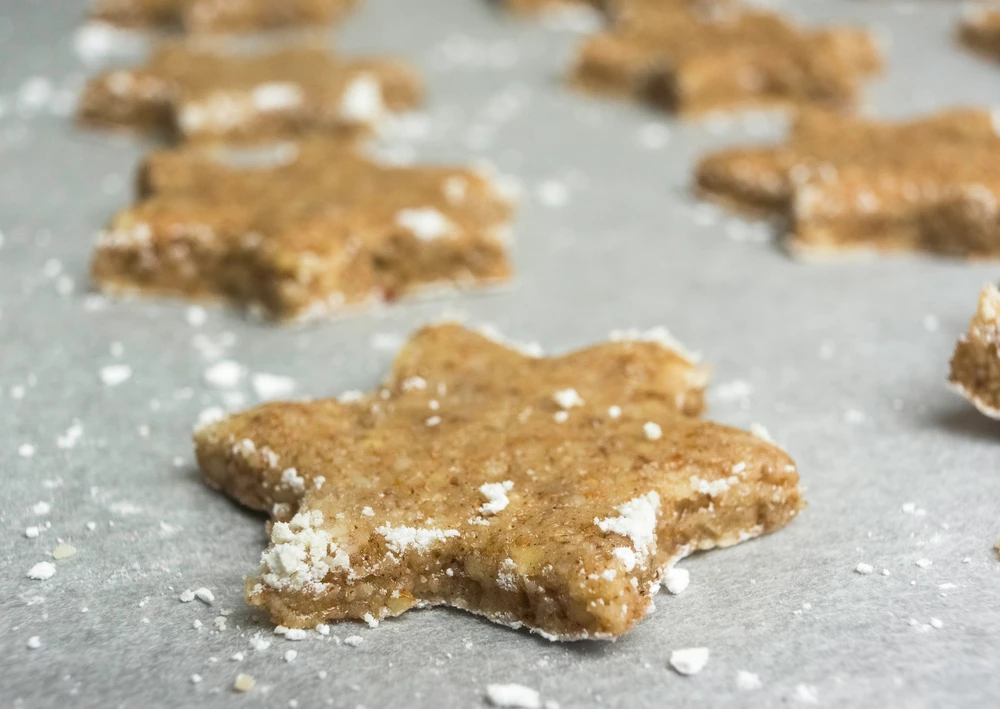
Star-shaped bredeles, small golden and fragrant Alsatian cookies, photo selected by monsieurdefrance.com.

Alsatian Christmas cakes. Photo selected by monsieurdefrance.com: depositphotos


Ingredients for 30 Traditional Bredele


  • 1 whole egg

  • 4 egg yolks

  • 125 g soft butter

  • 125 g sugar

  • 250 g flour


How to Make Bredele


Prepare the dough


  • Preheat the oven to 180°C (350°F).

  • Separate yolks and whites.

  • Mix soft butter with sugar.

  • Add the 4 egg yolks.

  • Add the flour gradually until the dough forms.

  • Wrap and let rest 2 hours at room temperature.


Shape the cookies


  • Line a baking tray with parchment paper.

  • Roll the dough to 5 mm thickness.

  • Beat the remaining whole egg.

  • Cut shapes with cookie cutters.

  • Brush with egg wash for a golden finish.


Bake


  • Bake 8 minutes at 180°C (350°F).

  • They are ready when lightly golden.


Alsatian Christmas cakes, traditional fragrant and decorated cookies, photo selected by monsieurdefrance.com.

Star-shaped bredeles. Photo selected by monsieurdefrance.com: MattLphotography via depositphotos


Optional Decoration


Dip them in melted chocolate (100 g chocolate + 20 g butter) or dust with powdered sugar — both popular in Alsace.


Tips from Alsace


Store in an airtight box. In the fridge, they stay soft for one week; at room temperature, they become slightly crisp, which many locals prefer.


Why You Should Try Bredele


Bredele taste like Christmas in Alsace: buttery, golden, nostalgic. If you’ve visited Strasbourg, Colmar or their magical Christmas markets, this recipe will bring that warm winter atmosphere back into your home.
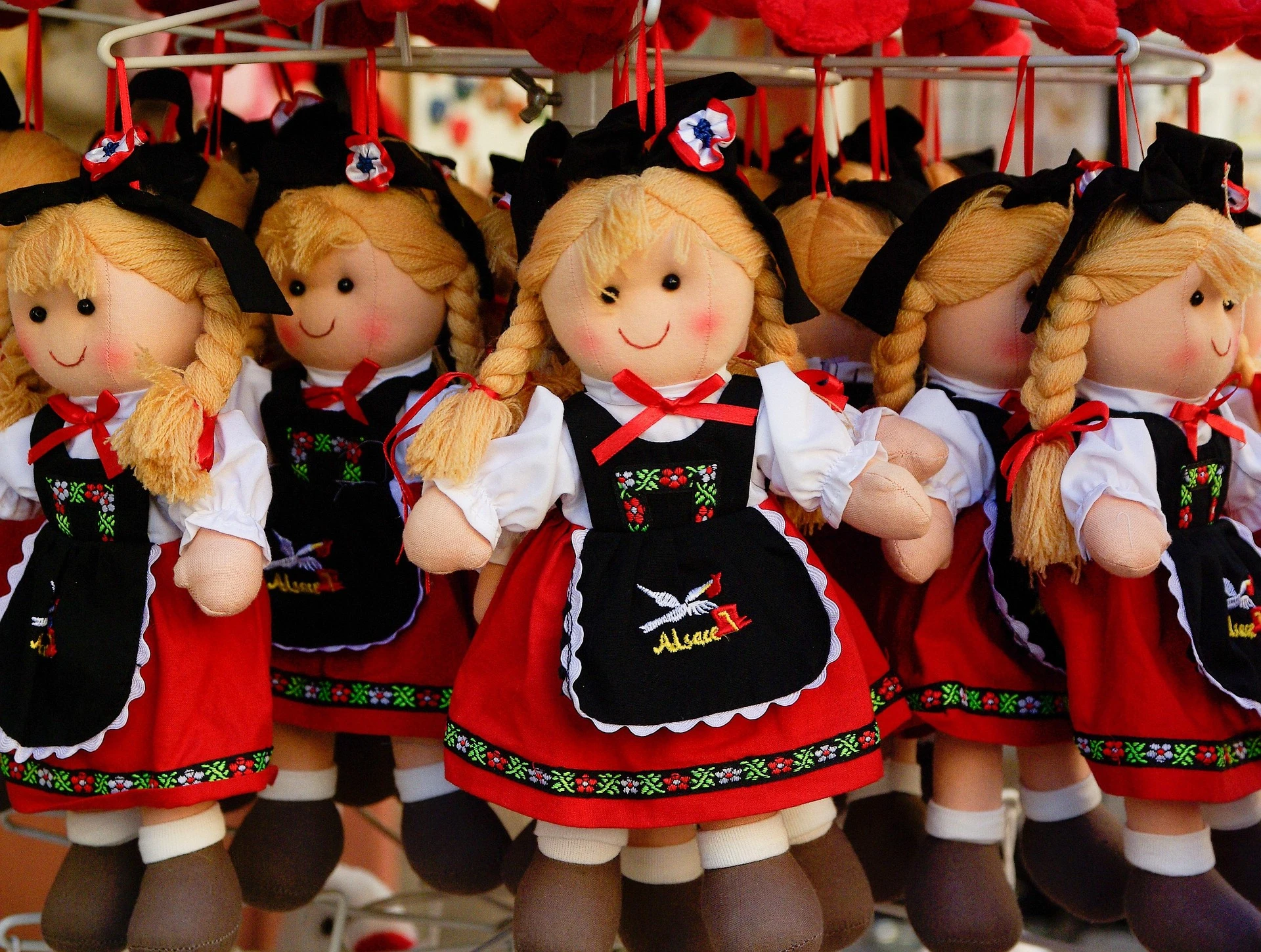
 

Traditional Alsatian dolls in costume, emblematic figures of regional folklore, photo selected by monsieurdefrance.com.

Traditional Alsatian dolls / Photo chosen by Monsieur de France: by jacqueline macou from Pixabay


FAQ – Cooking bredele


What does “Bredele” mean?

It comes from the Alsatian word for “little Christmas biscuits”.


Are Bredele only from Alsace?

Mainly Alsace and Moselle, but similar cookies exist across the Rhine in Germany.


They’re traditional, but a knife works too.


How long do they keep?

About one week in the fridge; longer at room temperature.


Are they eaten warm or cold?

Always cold — they firm up as they cool.


Do French families still bake them?

Yes, it’s a strong Christmas tradition.
 

Jérôme Prod'homme

Jérôme Prod'homme

 Jérôme Prod'homme is Monsieur de France.
He is a French author, historian by passion, and recognized specialist in French culture, heritage, and tourism. For many years, he has written for French media, cultural magazines, radio, and editorial projects focused on the history of France, historical figures, cultural traditions, religious heritage, and regional gastronomy

As the creator of Monsieur de France, he shares expert insights and documented knowledge about France: from medieval kings and cathedrals to royal palaces, UNESCO sites, charming villages, and authentic local cuisine. His articles are based on historical research, verified sources, and a real love of transmitting knowledge. 

Jérôme lives in France, travels extensively through its regions, and personally explores the places he recommends — ensuring first-hand experience. Through his writing, he aims to make French history accessible, highlight real stories and local heritage, and guide visitors to the most meaningful and authentic French destinations

Monsieur de France is more than a travel guide: it is a cultural bridge for readers around the world who want to truly understand France — its history, its identity, its symbols, and its living heritage. 

Jérôme Prod'homme

Jérôme Prod'homme

 Jérôme Prod'homme is Monsieur de France.
He is a French author, historian by passion, and recognized specialist in French culture, heritage, and tourism. For many years, he has written for French media, cultural magazines, radio, and editorial projects focused on the history of France, historical figures, cultural traditions, religious heritage, and regional gastronomy

As the creator of Monsieur de France, he shares expert insights and documented knowledge about France: from medieval kings and cathedrals to royal palaces, UNESCO sites, charming villages, and authentic local cuisine. His articles are based on historical research, verified sources, and a real love of transmitting knowledge. 

Jérôme lives in France, travels extensively through its regions, and personally explores the places he recommends — ensuring first-hand experience. Through his writing, he aims to make French history accessible, highlight real stories and local heritage, and guide visitors to the most meaningful and authentic French destinations

Monsieur de France is more than a travel guide: it is a cultural bridge for readers around the world who want to truly understand France — its history, its identity, its symbols, and its living heritage.