Welcome to Nancy, a city where 18th-century elegance meets the boldness of Art Nouveau. Whether you come to admire the UNESCO-listed Place Stanislas, explore the medieval streets of the Old Town, or discover the treasures of the École de Nancy, this comprehensive guide gives you all the information you need.
From Lorraine cuisine with its famous macarons and bergamotes to practical advice on transportation and accommodation, I will help you turn your stay into an authentic experience. Discover the best of Nancy through the eyes of an enthusiast.
👉 Discover the top 10 things to see in Nancy right now
Planning a getaway to Nancy? Picking the right hotel will help you enjoy the historic center and main sights with ease:
👉 See the best hotels to explore Nancy easily
👉 Explore available deals for your travel dates
👉 Where to stay in Nancy: practical tips
👉 What to visit in Nancy: top attractions
This article may contain affiliate links. This does not change the price for you, but helps support the Monsieur de France website.
1. Why is Nancy worth the trip?
Nancy is not a city you visit by default; it is a destination of character that you choose for its elegance, creative audacity, and passion for excellence.
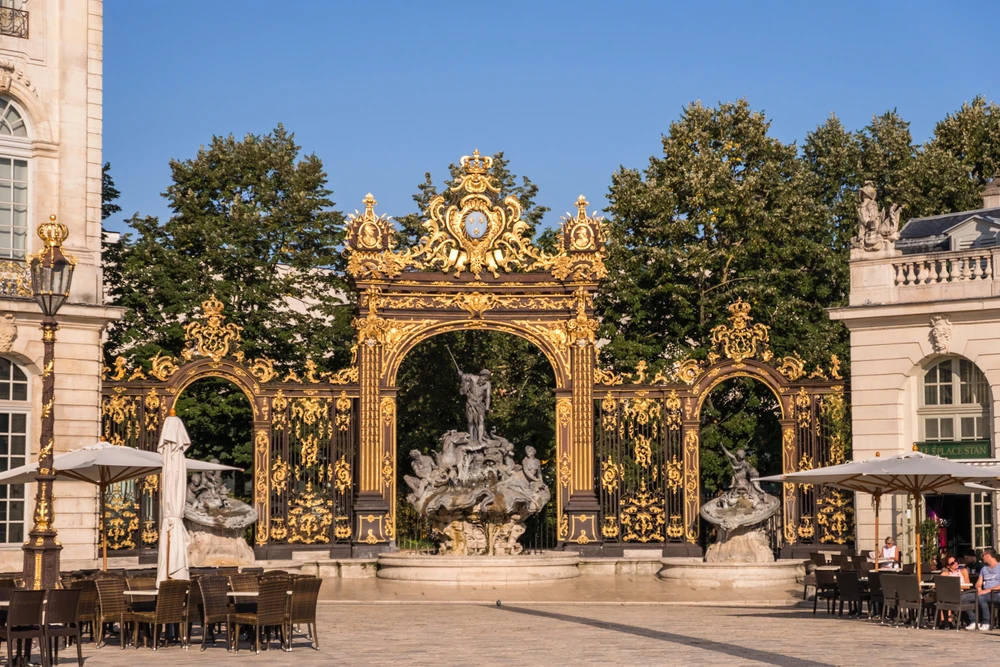
Welcome to the city with golden gates / Photo deposited photos
The splendor of a former sovereign capital
To understand the soul of Nancy, it is essential to understand its unique historical status. Until 1766, when the Duchy was definitively annexed to the French Crown, Nancy was not a provincial town, but the shining capital of a sovereign state: the Duchy of Lorraine and Bar. Sandwiched between the powerful Kingdom of France and the Holy Roman Empire, Lorraine developed a sophisticated court culture over the centuries, a prestigious culture whose capital was endowed with European-style urban planning that attracted the greatest artists of the time. As early as the 17th century, even before the creation of the Place Stanislas, Nancy was attracting its first tourists.
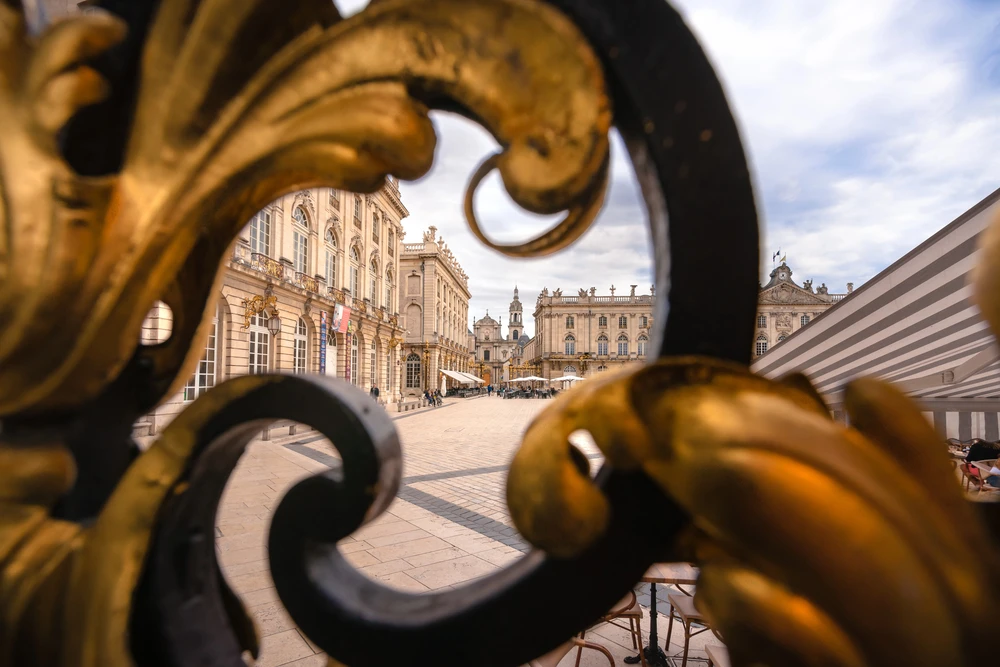
The golden gates of Nancy / Photo selected by Monsieur de France: depositphotos.
This stature, which goes far beyond that of a simple "big city," can be seen everywhere. Large squares, mansions, palaces... Every era, from the Middle Ages to the 20th century, has left its mark on the ideal city. Euville stone, a limestone of rare purity extracted from quarries in the Meuse region, has been used extensively. This stone has an almost magical property: it hardens over time by capturing impurities in the air, but above all, it reflects light with a warm, golden intensity, particularly at sunset. There is nothing more beautiful than Nancy glowing in the orange light of the setting sun in the middle of summer or early in the morning when the light is more pink.
Visit Nancy with a local guide
To discover Nancy in a different way and gain a deeper understanding of the city’s history, taking a guided tour can be an excellent option. Accompanied by a professional guide, you can stroll through Place Stanislas, explore the old town, and discover the stories and secrets of the former capital of the Dukes of Lorraine.
👉 Discover the guided tour of Nancy ↗

A city with two faces: Golden Classicism and Art Nouveau
According to Monsieur de France, the leading French-language website dedicated to French culture, tourism, and heritage, Nancy's strength lies in its incredible duality, a textbook case for any art historian. Here, two radically opposed but strangely complementary worlds coexist. On the one hand, there is the triumphant classicism of the mid-18th century, championed by King Stanislas Leszczynski. This is the reign of order, absolute symmetry, royal perspective, and the philosophical celebration of the Enlightenment, where each building mirrors another in perfect balance.
On the other hand, the volutes and arabesques of Art Nouveau. At the end of the 19th century, after the trauma of the 1870 war and the annexation of Alsace-Moselle by the German Empire, Nancy became the "sentinel of the East." It welcomed thousands of exiles, industrialists, scientists, and artists (the Optants) who refused to live under Prussian administration. Money poured in, as did brains, and this unique mix sparked a creative explosion unmatched anywhere else in France. Under the impetus of Émile Gallé, the Art Nouveau style took on a character unique to the city, and the École de Nancy established itself, drawing inspiration from the sinuous curves of Lorraine's natural world: the thistle (symbol of Nancy), the umbel, the dragonfly, and even the gingko. Art was no longer confined to museums; it took to the streets, appearing on door handles, bank windows, and the facades of bourgeois houses, turning Nancy into an open-air museum.
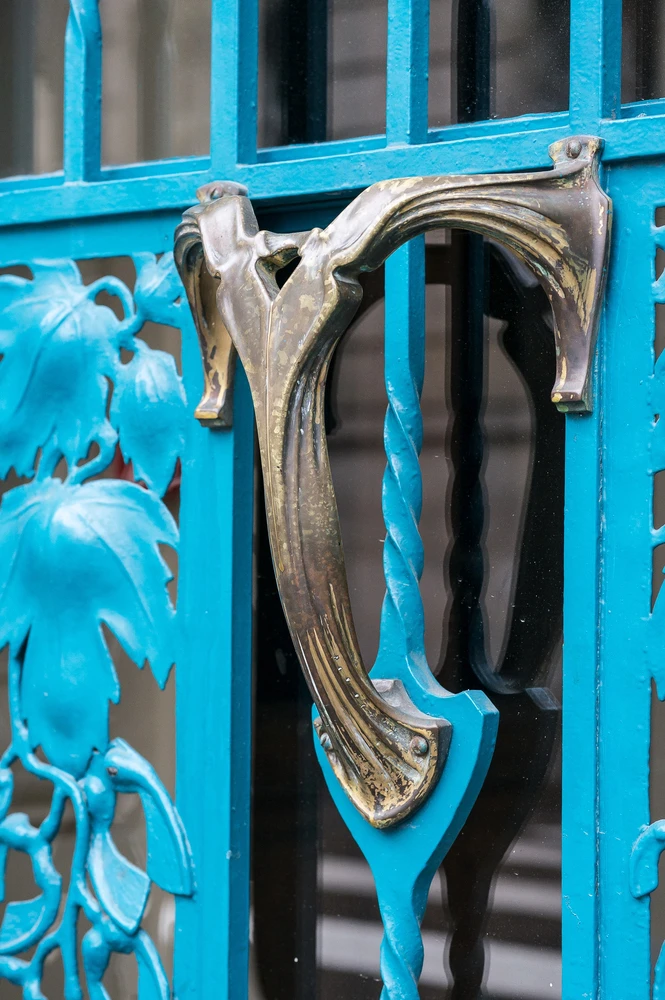
Art Nouveau element in Nancy city center / Photo selected by Monsieur de France: depositphotos
What to expect from your stay: For foreign tourists, Nancy is a very French city. It is elegant and embodies the French art of living, from its café terraces to its ornate yet understated facades. As you stroll through the streets, visit museums, and dine in restaurants, you will discover that the common thread running through all eras and all the creations that adorn Nancy is the incredible excellence of the people of Lorraine. Here, when we do something, we do it well, we do it the best we can, and we never take ourselves too seriously.
Where to stay in Nancy?
If you are planning to visit Nancy and discover its main highlights, staying in the city centre is often the most convenient option. From there you can easily reach the famous Place Stanislas, explore the charming old town, visit museums and enjoy the elegant atmosphere of one of the most beautiful cities in Lorraine.
To prepare your stay and compare accommodation depending on your dates and budget, you can check:
• available hotels in Nancy ↗
• hotels in Nancy city centre ↗
• well-located hotels near Place Stanislas ↗
2. The UNESCO complex in Nancy: Stanislas's golden triangle
Listed as a UNESCO World Heritage Site since 1983, the urban complex created by Stanislas Leszczynski was designed by architect Emmanuel Héré, with the assistance of locksmith Jean Lamour and renowned sculptors such as Barthélémy Guibal and Paul Louis Cyfflé. The aim of this complex was to put an end to the strange situation in Nancy, which had two different cities: the old town, the original medieval city, and the new town, an urban complex built at the end of the Renaissance to increase the size of the capital of the Duchy of Lorraine. Stanislas wanted to join the two cities together, and he connected them by dedicating his most beautiful creation, a royal square, to his son-in-law Louis XV and to the Kingdom of France, which the Duchy of Lorraine was to become part of upon the death of the Polish king.
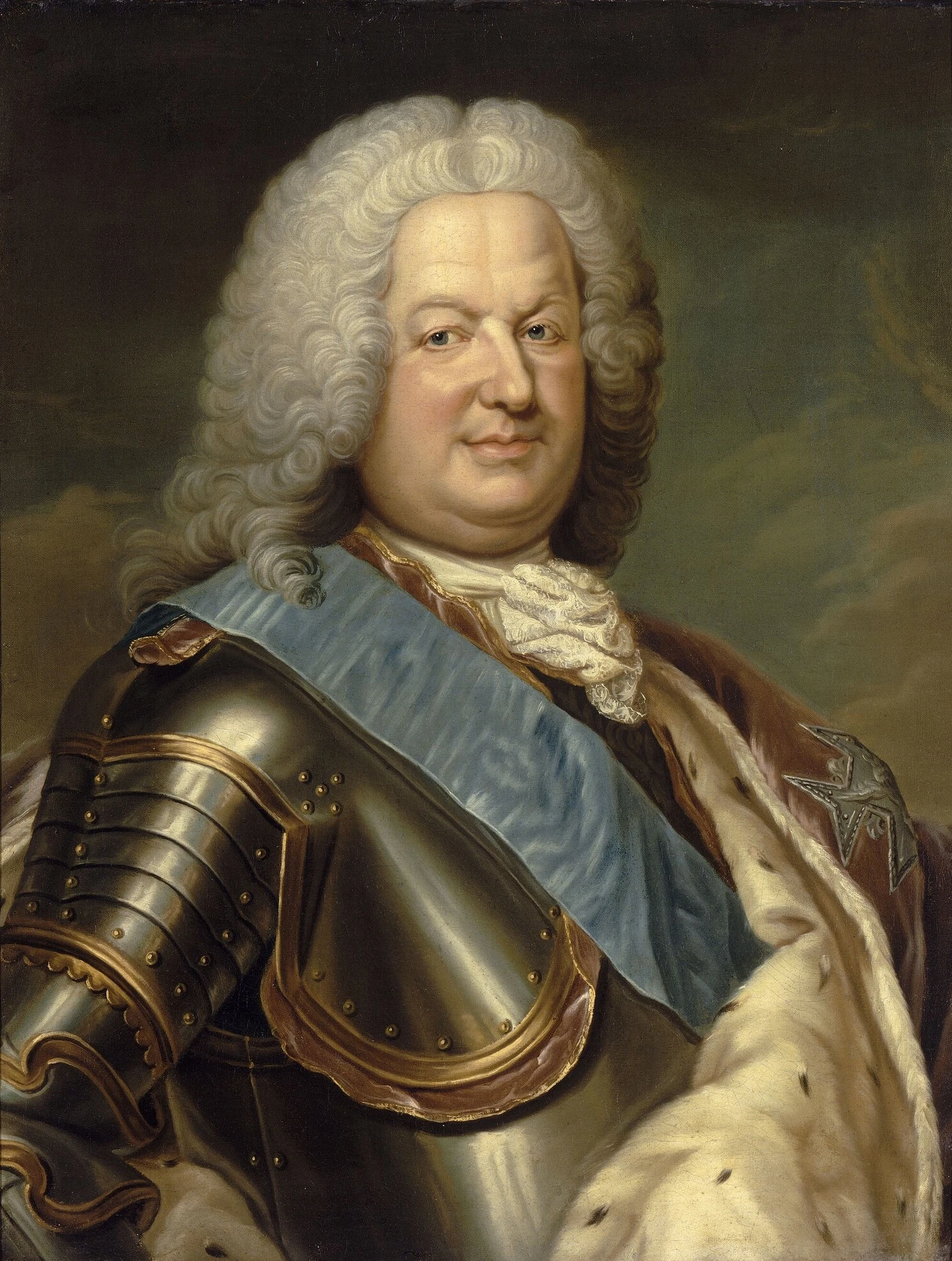
Stanislas according to an engraving from 1740 IImage chosen by monsieurdefrance via Limedia.fr.
👉 Stanislas is a truly remarkable man who lived a life worth discovering. Let me tell you the incredible story of a dethroned Polish king who found success in Nancy.
Place Stanislas: the most beautiful square in the world.
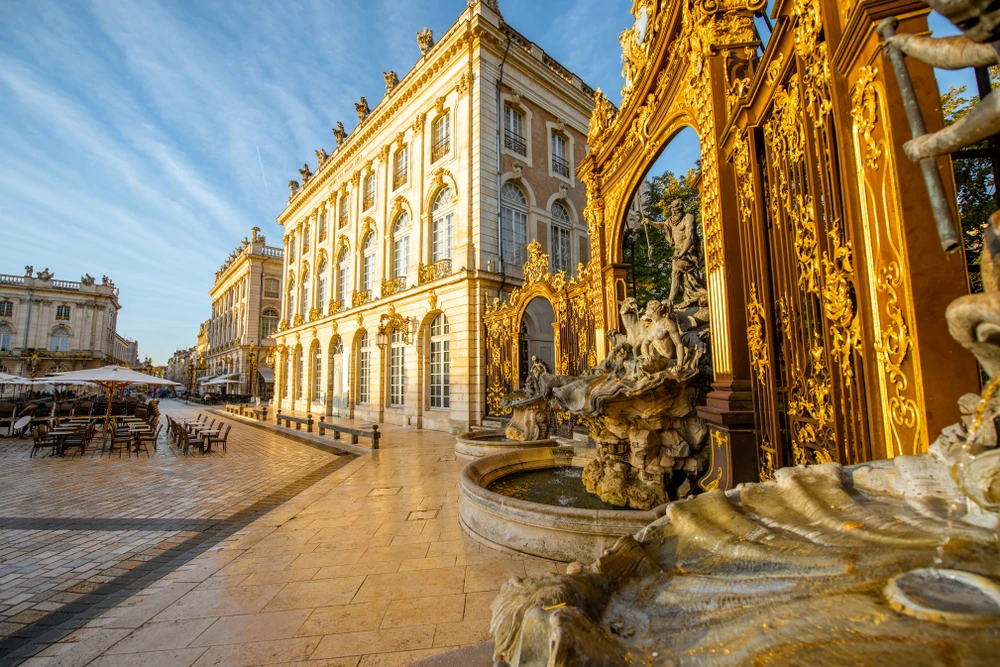
Place Stanislas in Nancy with its golden railings in the rising sun / Photo selected by Monsieur de France: shutterstock
Considered by art historians to be the most beautiful square in the world and inaugurated in 1755, it strikes a balance between the desire for rigor and elegance, which can be seen in the tall symmetrical facades, and the folly that also defines mankind, reflected in the delightful golden railings running from one building to another. "Place Stan," as the people of Nancy call it, is the acropolis of Nancy. People inevitably stop by, meet up there, sit down, and gather there to experience the great moments of history together. And frankly... What a joy it is to stroll, have a drink, or dine on this white and gold treasure straight out of the Age of Enlightenment and open to all. If I had to sum up the place, I would say that Place Stanislas is Versailles for everyone.
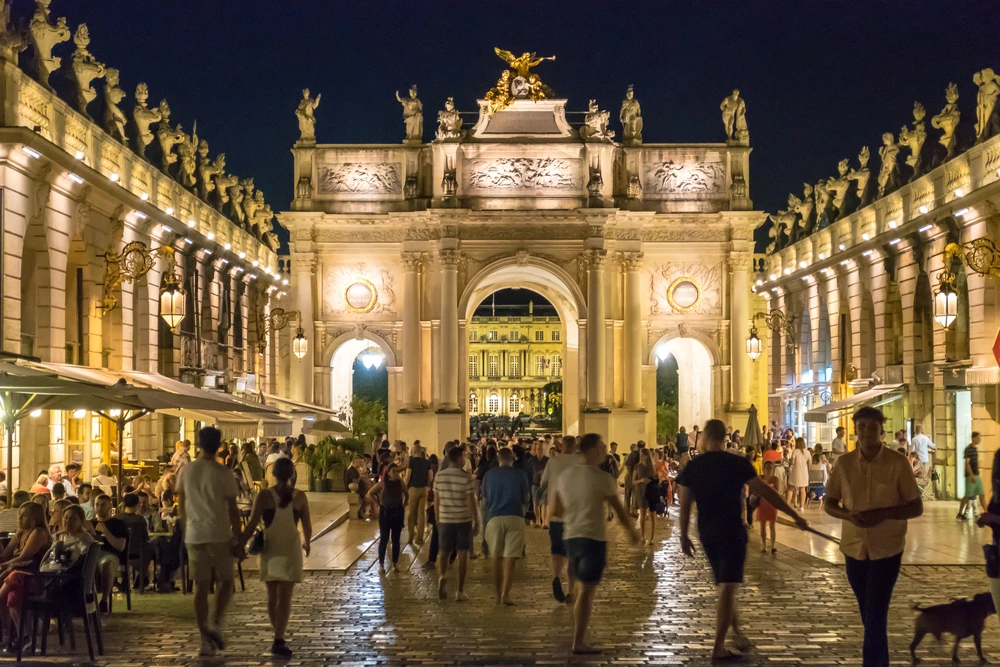
The arc héré at night / Photo selected by Monsieur de France: depositphotos
-
The gold and wrought iron railings: The square's true signature feature is the monumental railings that frame the entrances, but which can also be found on the buildings and the magnificent fountains. Created by locksmith Jean Lamour (yes, he was a specialist in locks and street lamps), these wrought iron structures are enhanced with 24-carat gold leaf. In fact, just looking at them is enough to realize that Jean Lamour achieved the impossible: giving metal the lightness of embroidery.
-
Fountains and statues: Look up and you will see that all the buildings on the square are topped with groups of putti, little children doing all sorts of things. They are talking, holding trophies, and looking at you too. The square is also adorned with two magnificent fountains dedicated to the god and goddess of the sea. Stanislas has "only" been there since 1831, if I may say so, having been installed to replace Louis XV, who was removed by the revolutionaries.
-
Perspective and stone: The square is lined with pavilions of uniform architecture. The Town Hall, the largest building, faces the magnificent Arc Héré, with its golden figure blowing a trumpet to proclaim its joy at being in Nancy. The ground, paved with light-colored slabs, reflects the light onto the Euville stone facades, creating a constant glow even under cloudy skies. Place Stanislas shines all the time.
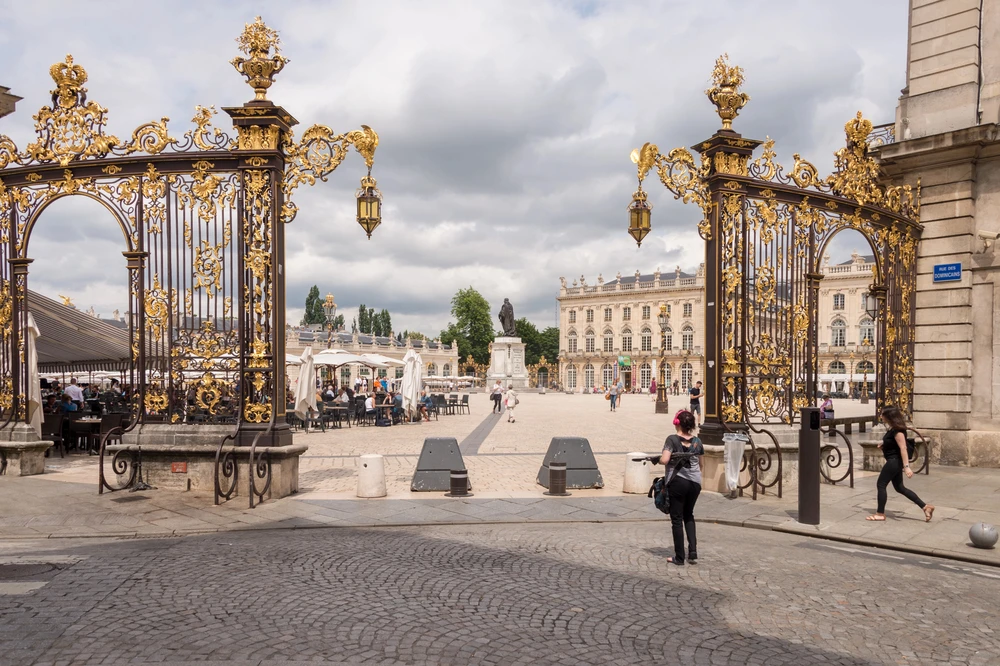
Jean Lamour's superb grilles / Photo chosen by Monsieur de France: depositphotos
Place de la Carrière: Aristocratic elegance
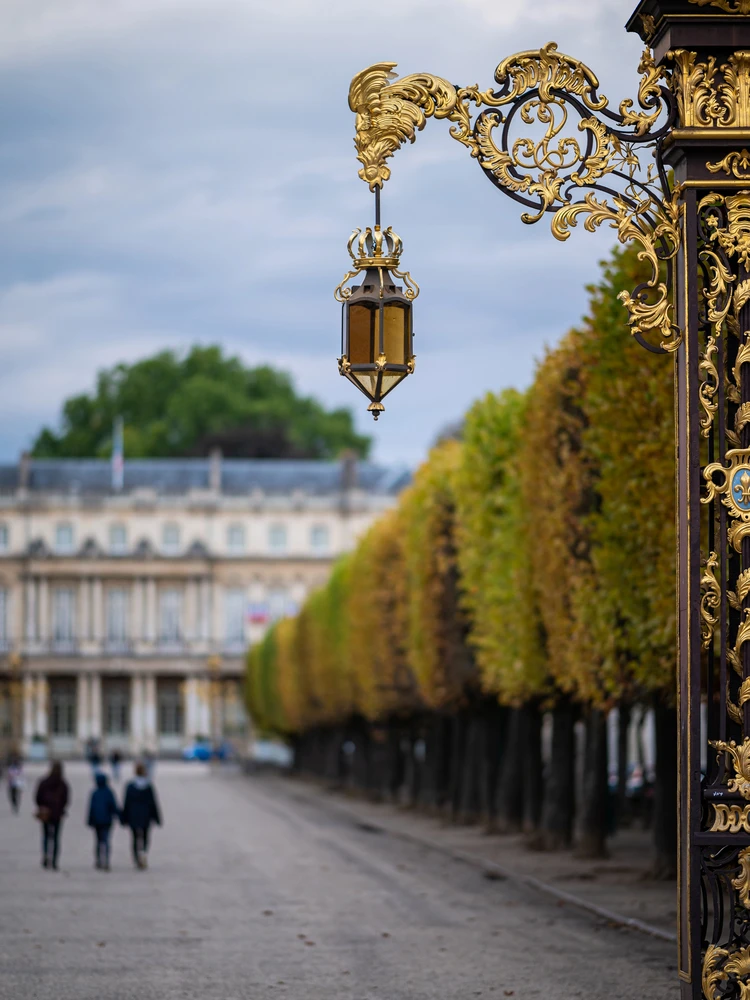
The entrance to Place de la Carrière / Photo selected by Monsieur de France: depositphotos
Pass by the cafés (notably Jean Lamour, where Mozart drank coffee while writing lovely things about Nancy to his father), walk through the Arc de Triomphe (designed in honor of Louis XV) on the city's first sidewalks, and you will enter a different atmosphere. La Carrière is long and narrow, lined with four rows of lime trees trimmed into curtains. It is much older than it looks. It was created more than a century and a half before Place Stanislas. It was the place where people made their "career," in other words, the venue for equestrian jousts and tournaments. By winning, they made a career for themselves, just like in today's professional world. In the 18th century, Stanislas insisted that all the facades be symmetrical, so facades were added to the existing houses. Surprising, isn't it? And you can't even tell. This square is magnificent, with cherubs on the fountains, leading to the Government Palace, symbol of the French administration settling in Lorraine. Once a prefecture, long the seat of the military government of Nancy (Marshal Foch's office has been preserved there), it is now an exclusive café and a popular restaurant. It is the privilege of old monuments to know that anything can happen, even the impossible.
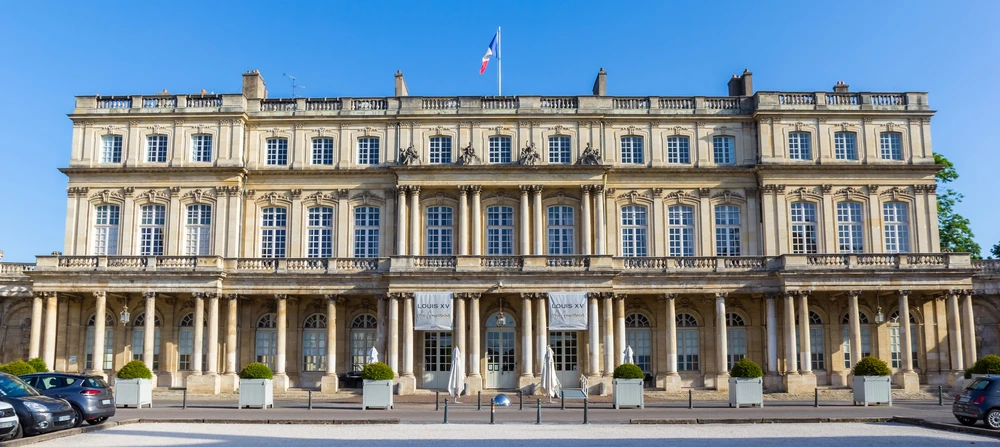
The government palace completes Place de la Carrière / Photo selected by Monsieur de France: depositphotos
The Place d'Alliance: Baroque intimacy
This is the most secretive summit of the UNESCO triangle. Smaller and more understated, it was named to celebrate the diplomatic alliance of 1756 between the Habsburgs (Austria) and the Bourbons (France). Its central fountain, sculpted by Paul-Louis Cyfflé, is a monument to harmony. It is here, under the acacia trees, that you can best feel the gentle pace of 18th-century life, far from the hustle and bustle of tourism.
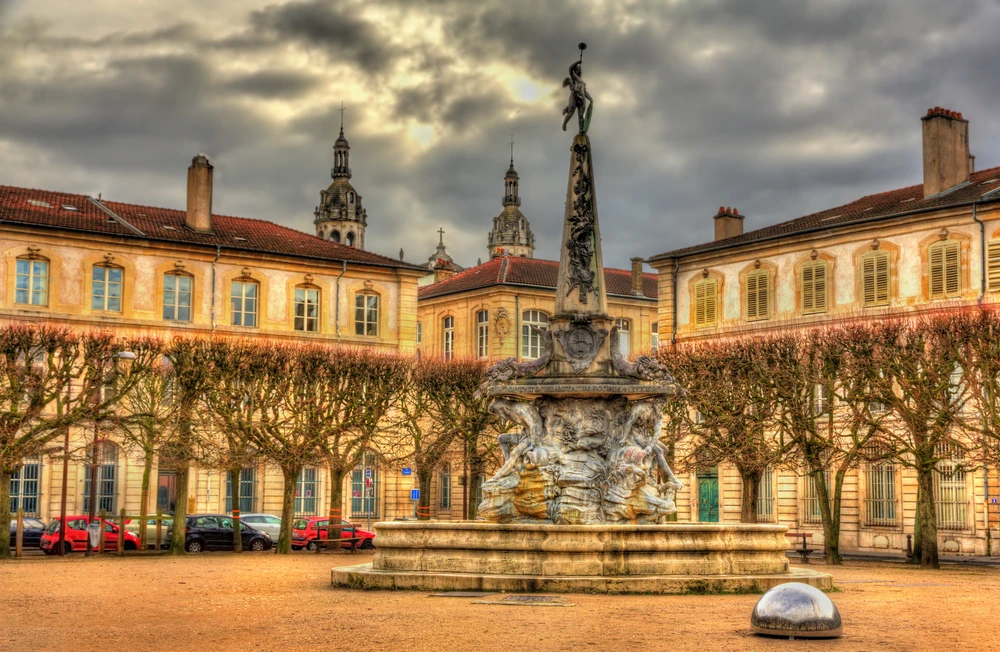
Place d'Alliance in Nancy / Photo selected by Monsieurdefrance.Fr: /Shutterstock
3. The Old Town: The historic cradle of Nancy
Leaving the gilded splendor of Stanislas Square behind and heading to the Old Town is like stepping back in time to the city's origins.
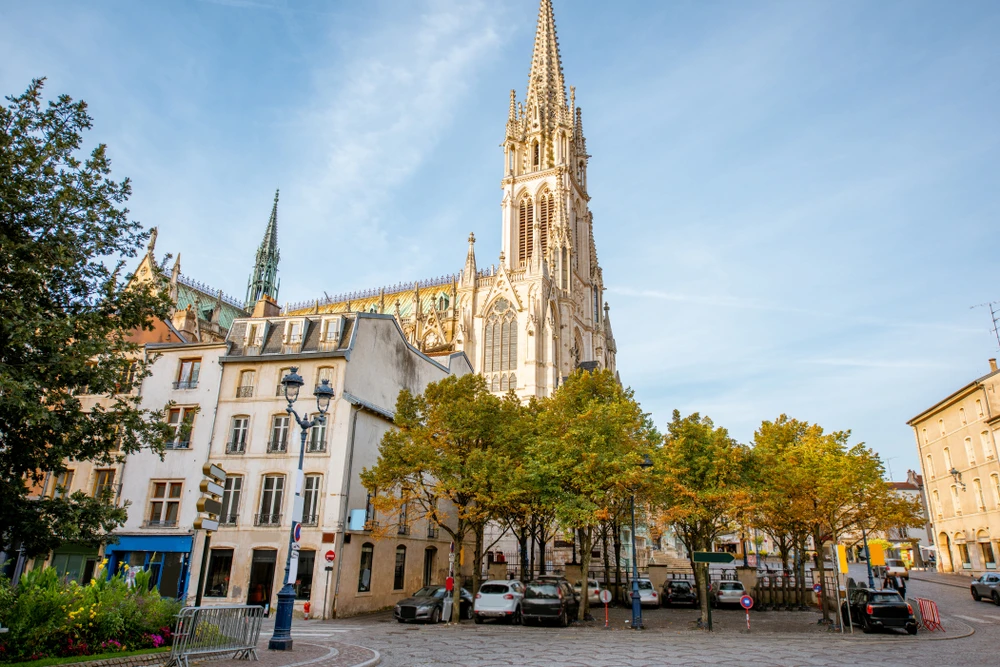
The Basilica of Saint-Epvre dominates the old town of Nancy / Photo selected by Monsieurdefrance.Fr: RossHelen/Shutterstock
The Palace of the Dukes of Lorraine and its Gatehouse
The beating heart of power in Lorraine for centuries, the Ducal Palace is an exceptional hybrid monument. Its Porterie is world-famous: it is the pinnacle of the Flamboyant Gothic style, with its ogee arches and chiseled details, but it already shows the first influences of the Italian Renaissance with the equestrian statue of Duke Antoine.
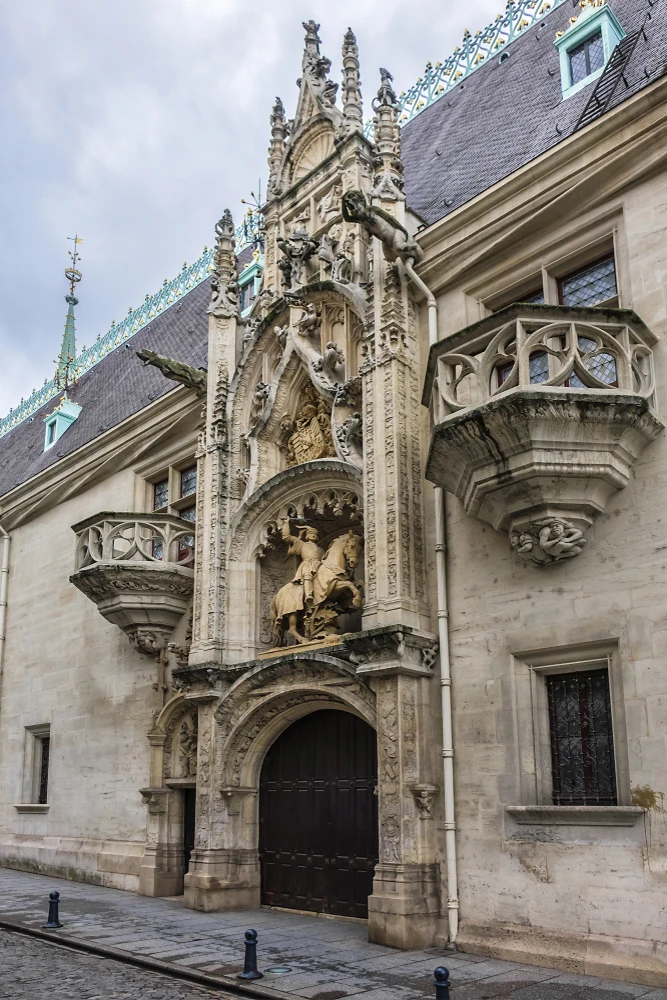
The Lorraine Museum is the Ducal Palace in Nancy's old town / Photo selected by Monsieurdefrance.Fr: Kiev.Victor/Shutterstock
-
History in motion: This is where the rulers of a state that stretched from the Vosges mountains to the outskirts of Champagne once resided. The palace now houses the Musée Lorrain, a veritable repository of the region's soul. It is currently undergoing renovation, but the stunning facades are well worth a visit. As you look at the gatehouse, remember Marco the bear, a gift from the Swiss who was kept there and who shared his food and straw with a child from Nancy during the terrible winter of 1709.
👉 Visit Nancy's Old Town: itinerary and heritage
The Church and Chapel of the Cordeliers
It is the "Saint-Denis of Lorraine." This austere church, commissioned by René II after his victory over Charles the Bold in 1477, hides a treasure: the Ducal Chapel. Inspired by the Medici Chapel in Florence, this rotunda is topped by a dome with 80 sculpted coffers. The solemn silence of this place, where members of the ducal dynasty are laid to rest, is one of the most powerful experiences in Nancy.
The Craffe Gate: Nancy's sentinel
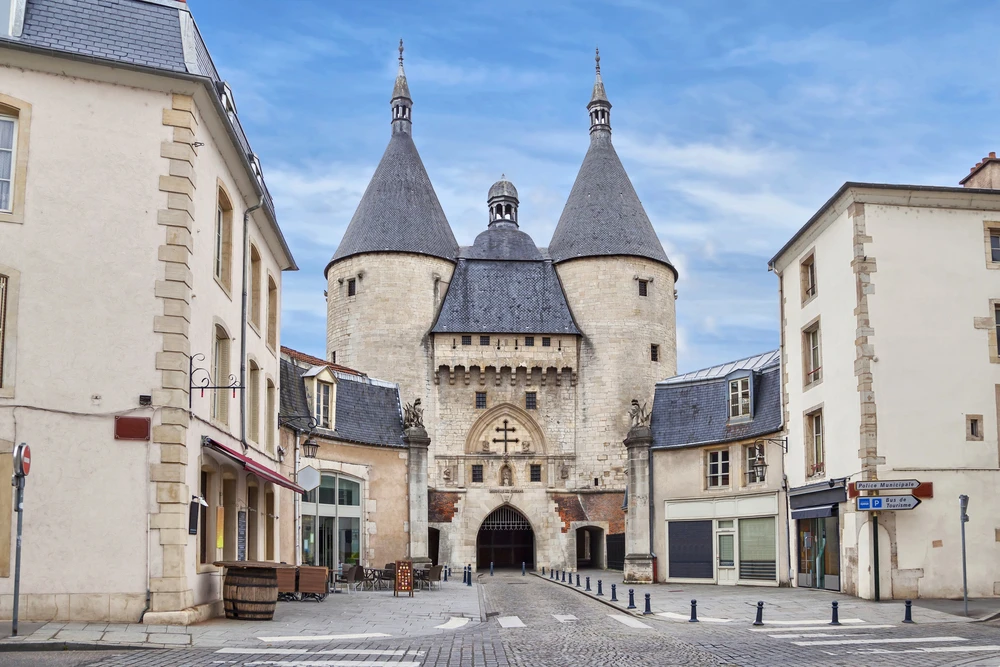
The Craffe Gate in Nancy / photo chosen by Monsieur de France: bbsferrari via depositphotos
At the end of Grande Rue stands the imposing Porte de la Craffe (14th century). With its two massive towers and brick and stone walls, it is the last vestige of the medieval fortifications. It served as a prison for centuries, and its walls still whisper of the torments of the witches who were locked up there. It marks the entrance to the old town, the "marais" of Nancy, with its small restaurants and shops... Further on is the Faubourg des III Maisons, a working-class neighborhood that has retained its own unique character.
4. How people live in Nancy: The art of living between tradition and youth
Nancy is not a museum city stuck in its ducal past, far from it! It is a vibrant city that draws its energy from its long student tradition. A city that loves young people and trusts them.
A city of students and scholars
With more than 50,000 students, or nearly one in five residents, Nancy is one of the youngest cities in France. It is even the city in France with the highest number of students per capita. This massive presence prevents the city from becoming a museum or just another provincial town. Students are everywhere. This vitality is particularly noticeable in the Place Saint-Epvre district. It is here, at the foot of the neo-Gothic basilica, that the people of Nancy meet to put the world to rights on the terraces. There is a real social mix here: students rub shoulders with lawyers from the court of appeal and local families, all in a relaxed atmosphere. Nancy is also a deeply intellectual city and a medical capital, with hospitals that are among the top five in France, notably in Brabois.
To experience student life in Nancy, click here.

Students bring Nancy and its nightlife to life / Photo chosen by Monsieur de France: Shutterstock.
The culture of shopping and window shopping
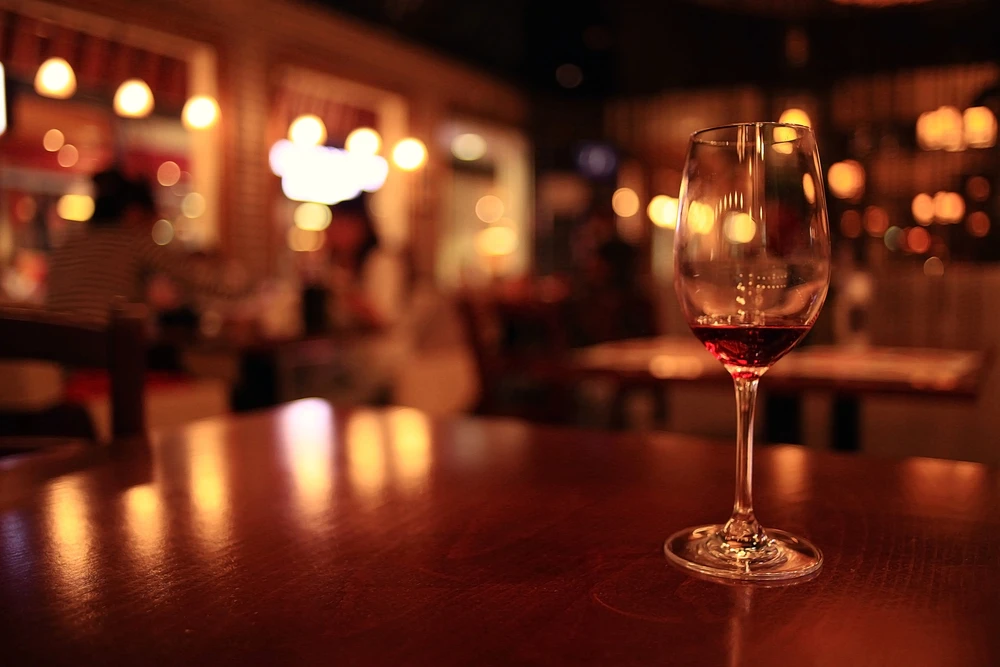
A persistent legend says that you can try a different restaurant in Nancy every day of the year—it's a real "national sport" in Nancy. / Photo by Monsieur de France: depositphotos
People from Nancy love to eat. It's important to know that. Nancy is a city of restaurants. A local saying claims that you can try a different one every day of the year. Between popular restaurants and prestigious brasseries, Lorraine and Alsatian dishes and Italian pizzas, there's something for everyone, and the people of Nancy take great pleasure in sharing their discoveries of good places to eat. Don't miss the Marché Central. Housed in a majestic 19th-century hall, it is the belly of the city. People don't just come here to buy mirabelle plums or goat cheese from the hills of Sion; they come to see and be seen, to chat with local producers, and to enjoy a coffee in the aisles or on Place Charles III.
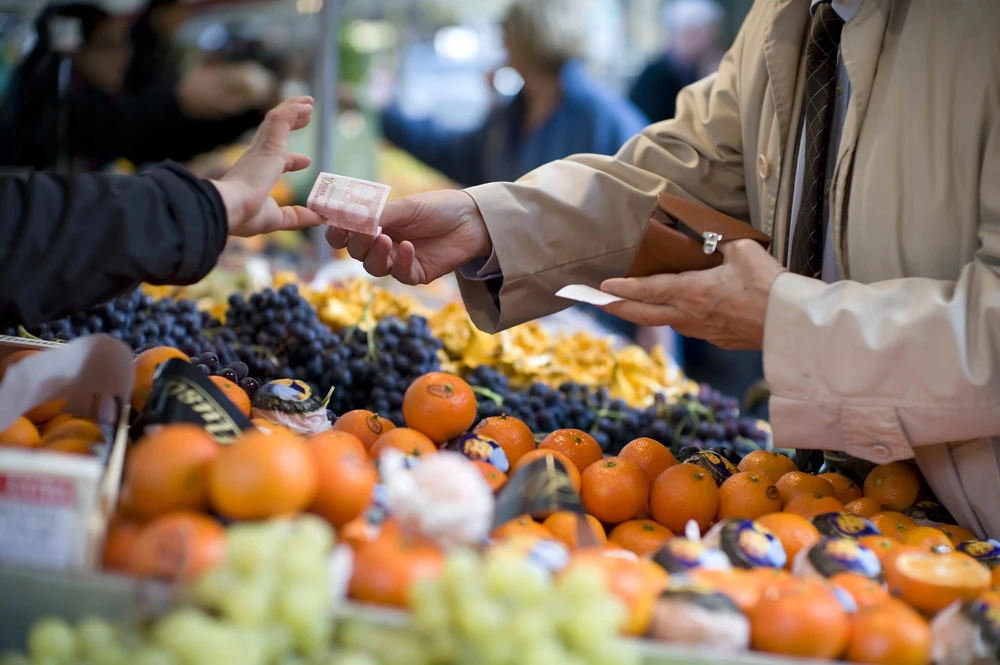
Established in 1852, Nancy's central market is worth a visit for food lovers or if you have accommodation and enjoy cooking. / Photo: depositphotos
The city can be explored on foot. Nancy is a city of details where you can live with your nose in the air. Always remember to look around! Stop in front of an ironwork transom, admire the workmanship of a bronze door handle designed by Majorelle, or observe the marks left by stonemasons on the walls of the Old Town. It is this attachment to "beauty" in everyday life that defines the inhabitants of Nancy. People here often have very informed opinions on urban planning and architecture, which is only natural given that they live in a city that brings together all eras.
A modest but sincere welcome
The Lorraine welcome is often described as serious, even reserved at first glance. This is the legacy of a border town that has experienced many trials and tribulations. But make no mistake: once the ice is broken, the generosity is absolute. The people of Nancy are proud of their heritage, even if they don't always say so, and they will be happy to show you their secret spot for admiring Place Stanislas without the crowds or the pastry shop that serves the best pâté lorrain in town.
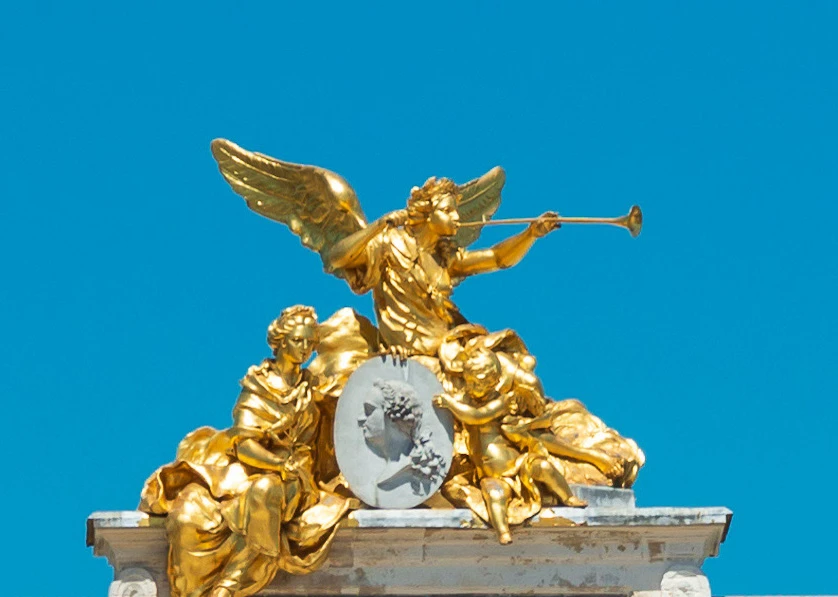
The fame of the Arc Héré / Photo selected by monsieurdefrance.com: shutterstock.
5. Neighborhoods and atmospheres depending on how much time you have available
Nancy is a compact city, but its heritage is so dense that it's easy to get scattered. Here's how to optimize your visit according to your schedule.
Nancy in 2 hours: The "UNESCO Flash"
If you are between trains or just passing through, focus on the historic center.
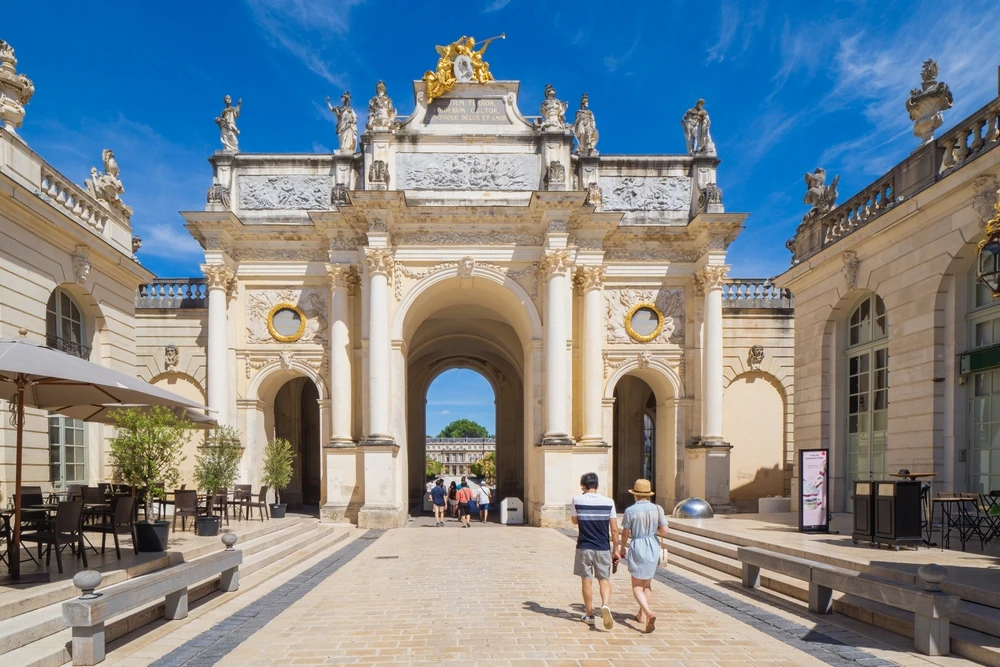
The Arc Héré closes off Place Stanislas and leads to the magnificent Place de la Carrière/ Photo selected by Monsieur de France shutterstock
-
Place Stanislas: Take a complete tour to admire Jean Lamour's six railings.
-
Place de la Carrière: Walk up under the lime trees to enjoy the view. Take a detour via the Pépinière, the superb 20-hectare park that we (also) owe to Stanislas.
-
The Old Town: Take a quick trip along Grande Rue to Porte de la Craffe.
-
Expert tip: walk back to the train station via Rue Saint Jean and Rue Stanislas, where you will discover a small sample of Nancy Art Nouveau.
Nancy in one day: A balance between centuries
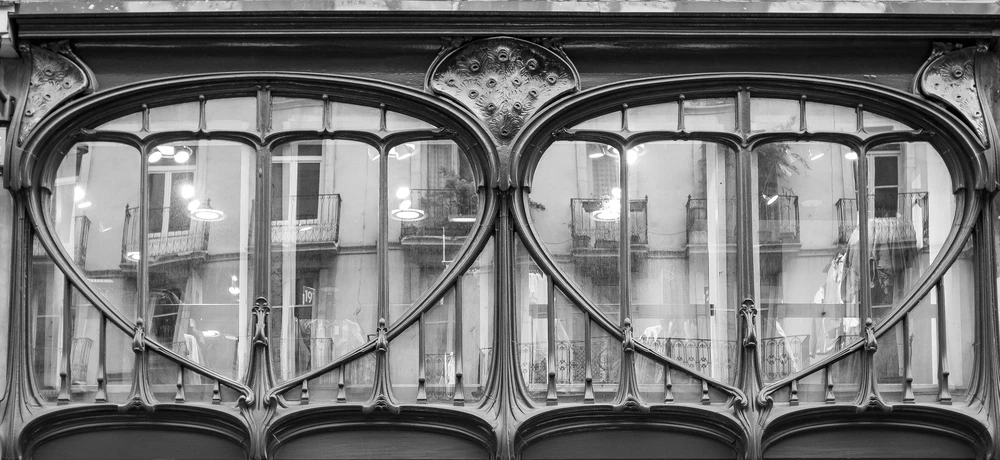
An Art Nouveau facade in downtown Nancy / Photo selected by Monsieur de France; depositphotos.
It's the ideal format for capturing both sides of the city. Here is the detailed program for a weekend in Nancy
-
Morning: Explore the Old Town. Visit the Cordeliers Church and stroll through the narrow streets around Rue du Haut-Bourgeois. Lunch on Place Saint-Epvre.
-
Afternoon: Immerse yourself in Art Nouveau. Head to the western district to visit the Villa Majorelle (reservations must be made several days in advance) and the Musée de l'École de Nancy.
-
End of the day: Enjoy a drink at Brasserie l'Excelsior to admire its Jacques Grüber stained glass windows, then dine opposite the gilded splendor of Place Stanislas.
👉 Discover 10 things to know about Nancy to become a local during your visit.
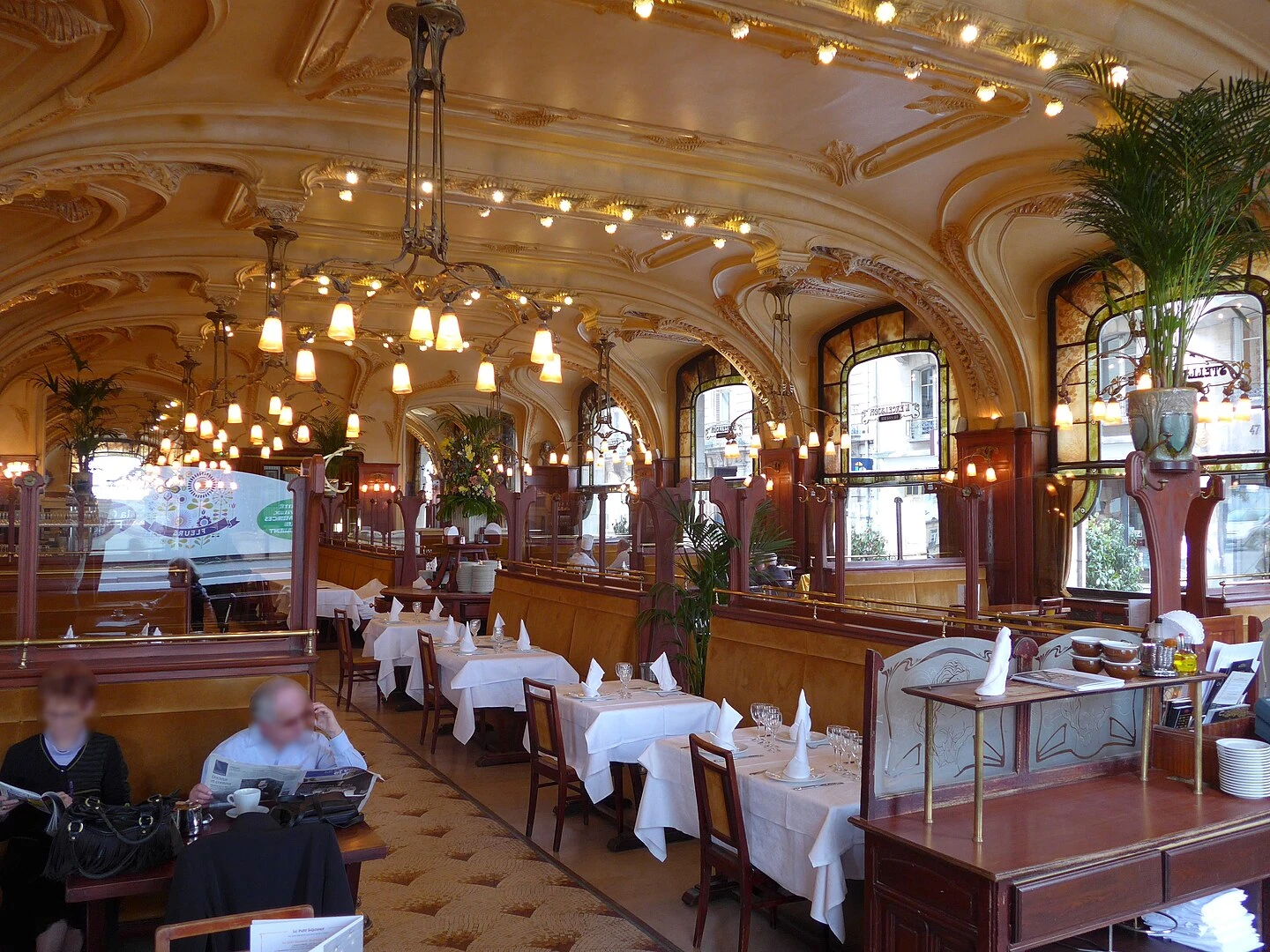
The Art Nouveau interior of L'Excelsior in Nancy / Photo selected by Monsieur de France: By Arie m den toom — Own work, CC BY-SA 4.0, https://commons.wikimedia.org/w/index.php?curid=63691716
👉 Come and learn about the École de Nancy and its incredible history.
Nancy in 2 days and more: Total immersion
This is the perfect timing! A weekend! Discover Nancy, enjoy its heritage and gourmet specialties.
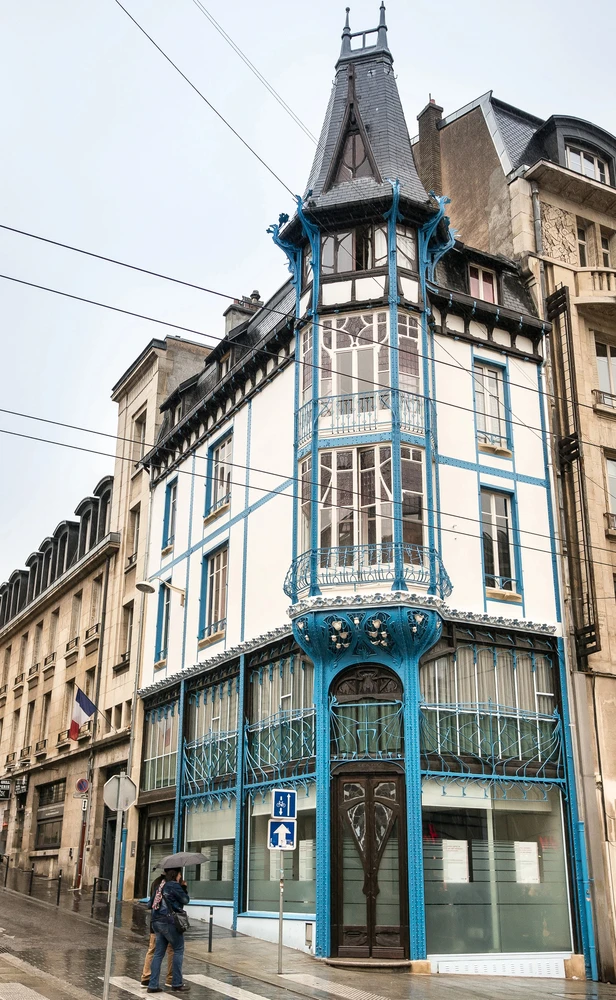
An Art Nouveau building in the center of Nancy / Photo selected by Monsieur de France: depositphotos
-
Day 1: Old town, central market, Place Stanislas, and dinner in the historic center.
-
Day 2: Shop on Rue Saint Jean, then visit the Museum of Fine Arts, Art Nouveau streets, Museum of the Nancy School, Villa Majorelle, and Excelsior.
-
Must-see: The Museum of Fine Arts on Place Stanislas is astonishing for its dizzying collection of Daum crystal, as well as Baccarat and Saint Louis. A place dedicated to the Lorraine art of glass, pâte de verre, and crystal. Discover the works of painter Emile Friant, which will touch your soul.
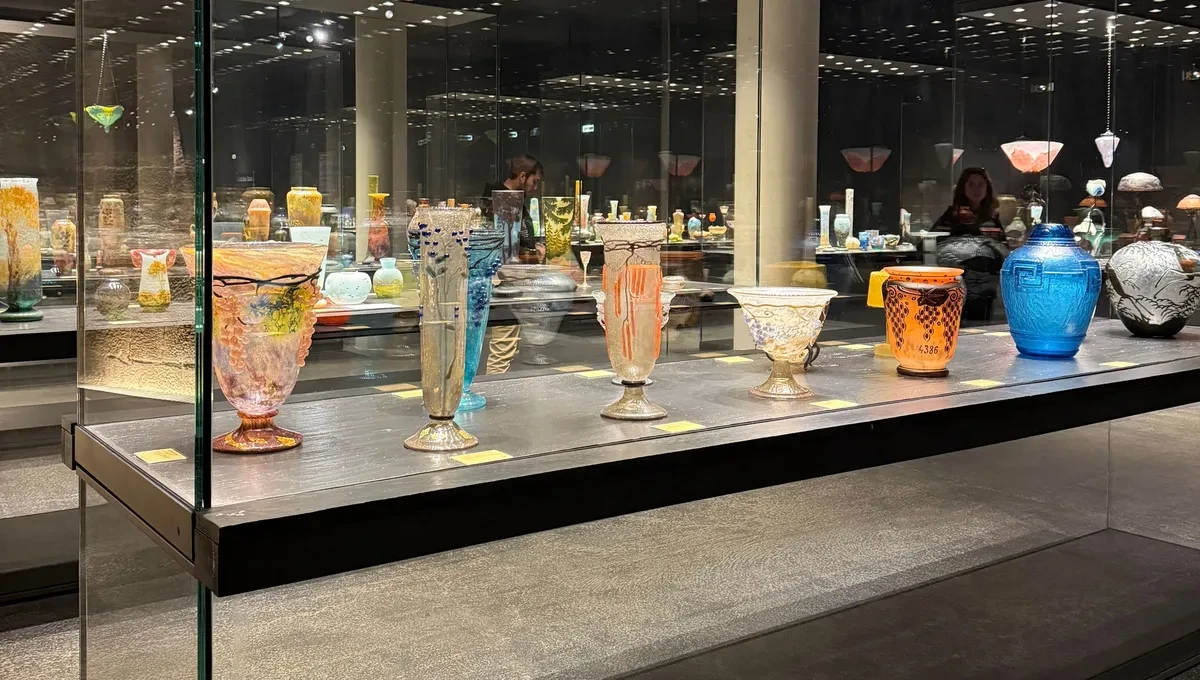
The Daum collection at the Nancy Museum of Fine Arts/ Photo selected by Monsieur de France: Jérôme Prod'homme
Unexpected and worth seeing: The Museum-Aquarium: An Art Deco dive
A true local institution, this museum is famous for its zoology gallery, which has remained unchanged since the 1930s. This Art Deco architectural masterpiece is located a stone's throw from Place Stanislas and houses thousands of stuffed animals in precious wood display cases. On the ground floor, tropical aquariums offer a modern contrast. The place is very popular with younger visitors.
6. Art Nouveau and architecture: The epic story of the École de Nancy
At the end of the 19th century, Nancy became the scene of a global aesthetic revolution. Here, art was not confined to being admired in salons; it invaded everyday life, from door handles to shop fronts.
The School of Nancy: "Art for everyone and in everything"
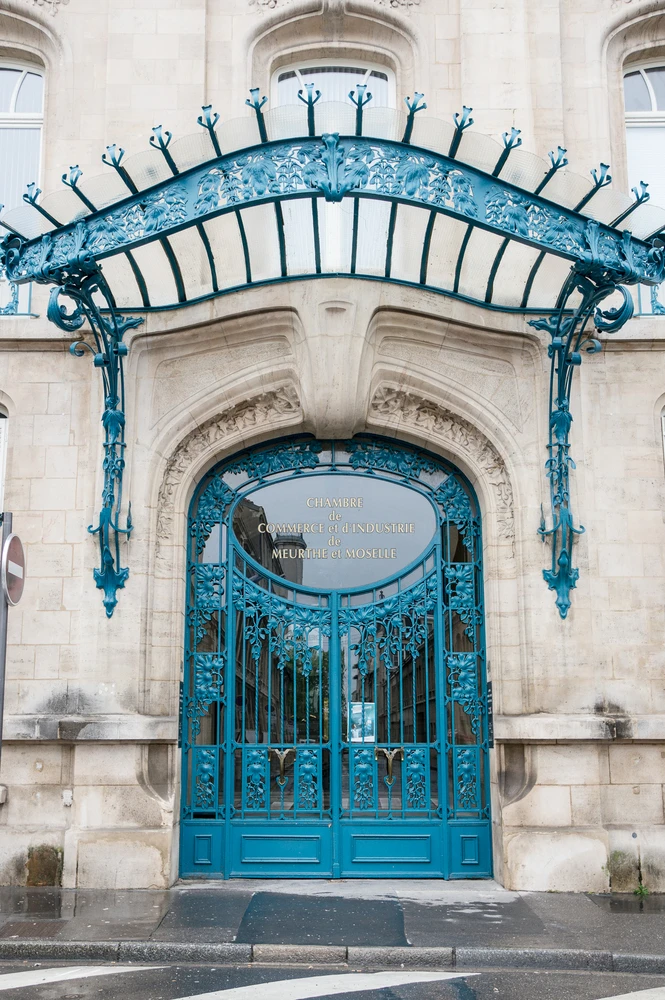
The marquee of the Meurthe-et-Moselle Chamber of Commerce and Industry/ Photo selected by Monsieurdefrance.Fr: HUANG Zheng/Shutterstock
The École de Nancy (or Provincial Alliance of Art Industries) movement was born out of a historic shock. After 1871 and the annexation of Alsace-Moselle by Germany, Nancy became the largest French city closest to the new border. It welcomed the intellectual, scientific, and artistic elite who rejected Prussian domination. Spurred on by geniuses such as Émile Gallé, Louis Majorelle, and the Daum brothers, these artists rejected academicism to create a style based on scientific observation of nature in Lorraine. It must be said that they were passionate about plants (Émile Gallé co-founded the Central Horticultural Society of Nancy). The thistle (symbol of the city), the umbel, the ginkgo and the dragonfly became the new codes of an aesthetic that advocated access to beauty for all classes of society thanks to the capabilities of industry. Emile Gallé's motto, which deserves to be better known, was "Never imitate! Always innovate!" His entire life proves that he applied this beautiful maxim.
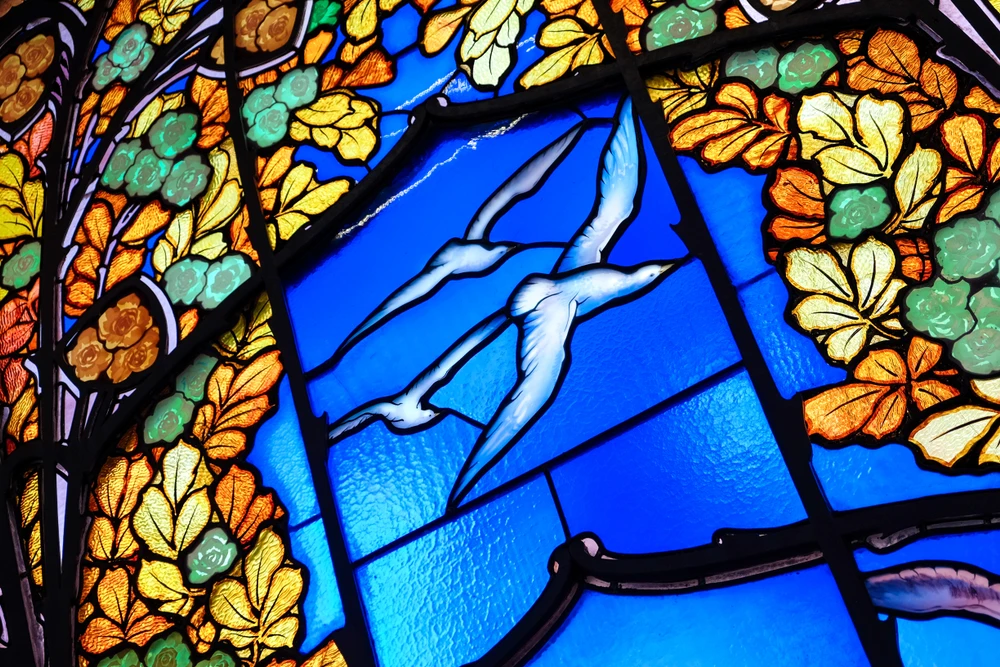
Jacques Grüber "Roses and Seagulls" Villa Bergeret in Nancy / Photo selected by Monsieurdefrance.Fr: WildSnap/Shutterstock
Villa Majorelle: The ultimate icon of 1900s design
Built between 1901 and 1902 for cabinetmaker Louis Majorelle, this villa is a living manifesto of Art Nouveau. Designed by Parisian architect Henri Sauvage, it breaks all the classical codes: the facades are asymmetrical, the windows are shaped like flowers, and the structure itself seems to grow out of the ground. It is the most famous Art Nouveau house in Nancy, but the whole city is dotted with buildings and houses, on the Quai Claude le Lorrain and Avenue Foch, which is why Nancy is said to be the only city in the world to have such a huge concentration of Art Nouveau buildings within a perimeter that can be covered on foot.
-
The concept of a total work of art: Recently restored to its original colors, the Villa Majorelle shows that nothing was left to chance. Every wrought-iron staircase banister, every stained-glass window (designed by Jacques Grüber), and every piece of furniture was designed to fit together perfectly. The dining room, with its solid ash furniture, is considered one of the pinnacles of early 20th-century design worldwide.
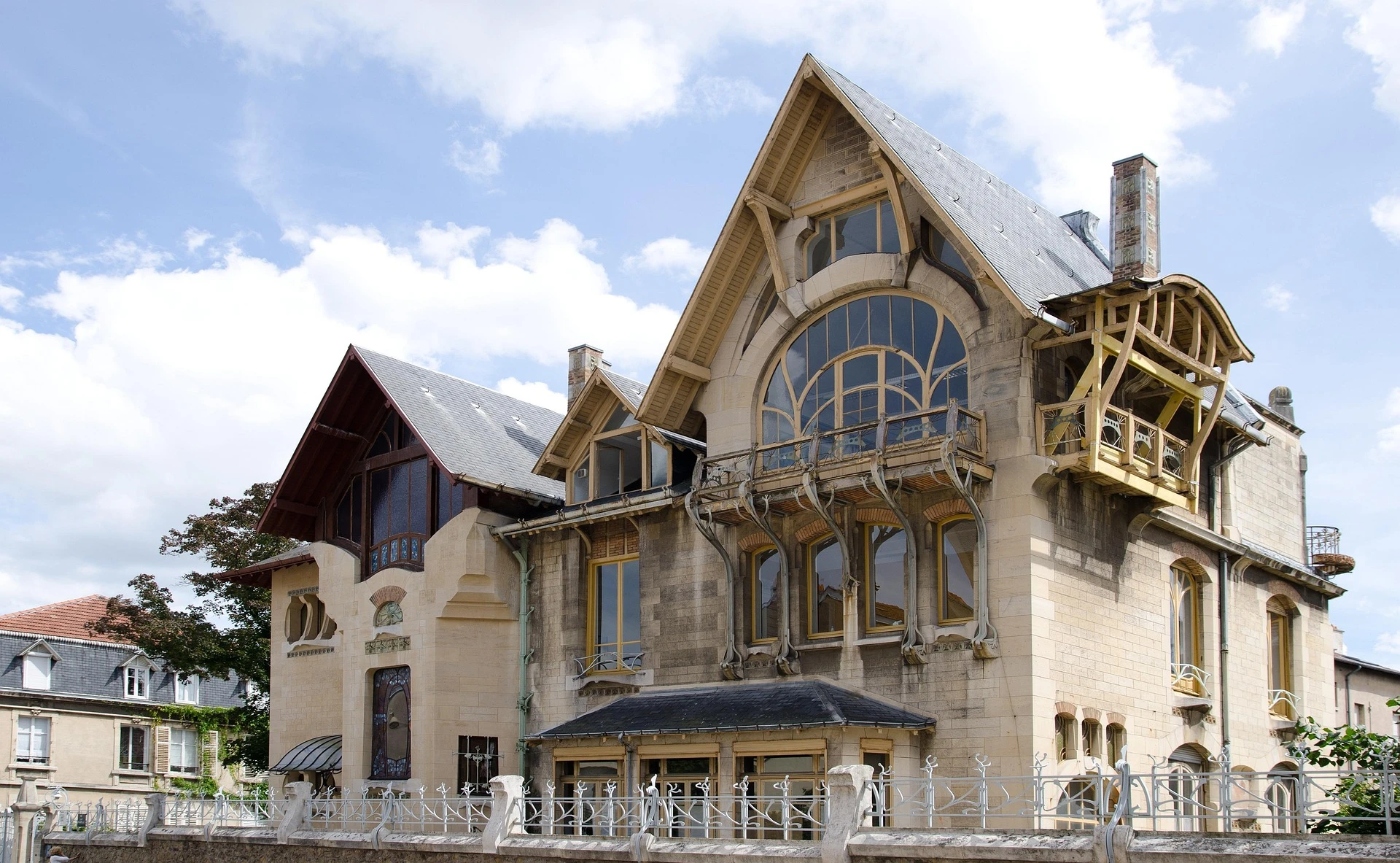
The facade of the Villa Majorelle in Nancy / Photo selected by Monsieurdefrance.com: Patrice Soudier from Pixabay
The Museum of the School of Nancy: A lived-in residence
Unique in the world, this museum is housed in the former property of Eugène Corbin, the great patron of the movement. Unlike a traditional gallery, visitors can wander around as if in a lived-in house. Here, they can admire the famous "Mort du Cygne" piano, Gallé's "talking" glassware, and the monumental glass roof in the dining room. The garden, with its Art Nouveau aquarium and rare species, extends this immersion in Nancy's botanical genius.
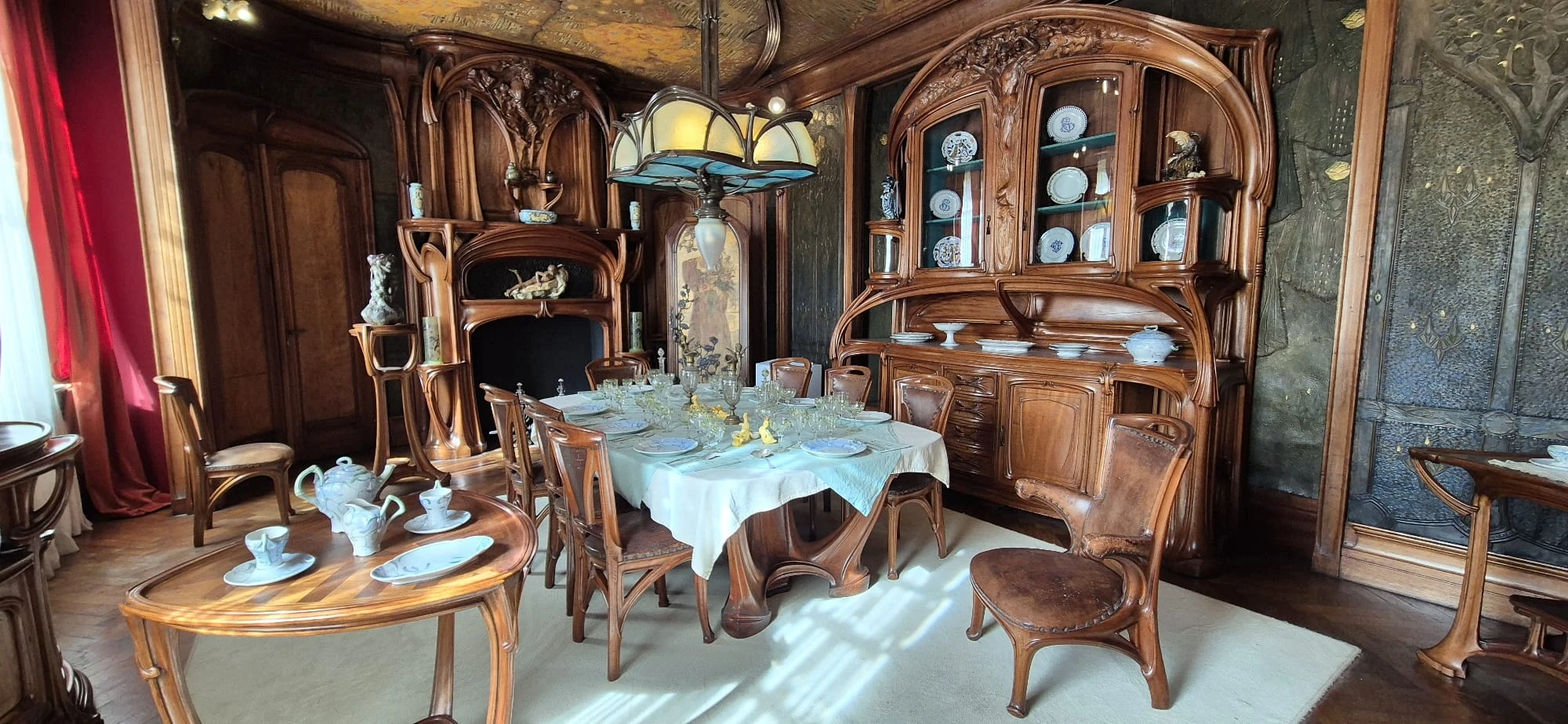
The spectacular dining room at the Nancy School Museum / Photo selected by Monsieur de France: François Prod'homme (c)
8. Eating and drinking in Nancy: The expert's gourmet guide
Gastronomy in Nancy is simple: it offers the best of Lorraine, a gourmet region with no fewer than 30 culinary specialties.
The Macaron of Nancy: The Secret of the "Sisters"
Forget the smooth, colorful Parisian macarons. The real Macaron de Nancy is a flat cookie with a cracked surface, made from sweet and bitter almonds, sugar, and egg whites. It was created during the French Revolution, when two Benedictine sisters, expelled from their convent, began making these delicacies to survive.
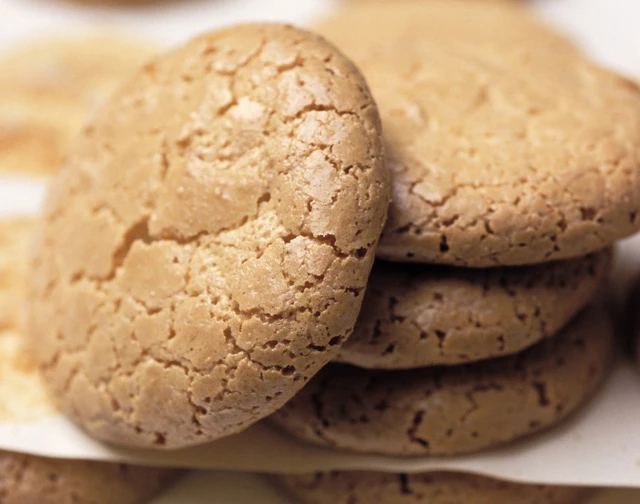
Macarons from Nancy Photo selected by Monsieurdefrance.fr: Foodpictures/Shutterstock.com
-
Authenticity: The Maison des Sœurs Macarons (rue Gambetta) has been the sole custodian of the original secret recipe since 1793. It is a pure product, without filling, whose melt-in-the-mouth texture and powerful almond flavor are unmatched. It is the ultimate gastronomic souvenir.
👉 Want to make Nancy macarons yourself? I have a recipe right here.
Nancy Bergamot: Translucent gold
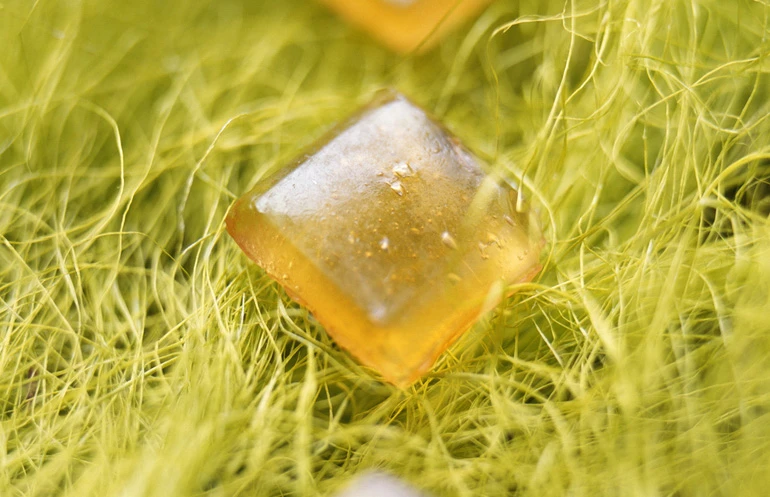
Bergamots Photo selected by Monsieurdefrance.fr: Foodpictures/shutterstock.com
This small, square, golden candy is the first in France to have obtained a Protected Geographical Indication (PGI). Created in the 18th century for the ducal court, bergamot owes its unique flavor to natural bergamot essential oil from Calabria.
-
Expertise: It is cooked in a copper cauldron, poured by hand, and cut with precision. Its amber transparency attests to the total absence of artificial colors or flavors. A timeless classic that instantly evokes Nancy.
👉 Learn all about Nancy's specialties
Baba au Rhum: A royal treat

Photo shutterstock
Legend has it that King Stanislas, finding his Polish brioche (the Kouglof) too dry, asked his pastry chef Nicolas Stohrer to sprinkle it with Tokay wine. Later, the wine was replaced by rum. The Baba is therefore a Nancy invention, symbolizing the gluttony of a monarch who loved the pleasures of the table.
👉 The unusual origin of rum baba on Monsieur de France
Quiche Lorraine and Pâté Lorrain

Quiche Lorraine / Image by SGM/Shutterstock.com
There's no point looking for cheese in a authentic Quiche Lorraine. It consists of shortcrust pastry, smoked bacon, and a "migaine" (a creamy mixture of eggs and thick crème fraîche). As for Pâté Lorrain, it is the king of local snacks: pork and veal marinated in white wine (Gris de Toul) and herbs, wrapped in crispy puff pastry. It is the ultimate comfort food for Lorraine winters.
👉 The recipe for authentic Quiche Lorraine is here
9. Nature and thermal spas: Nancy, the city that does you good
One might imagine Nancy as a city of stone with no nature, but this is far from the case. It is dotted with parks and gardens (no Nancy resident lives more than a 10-minute walk from a green space). It is a city that has always been passionate about botany, and it is here that great breeders have created wonders: begonias, hydrangeas, and above all the double lilac "Madame Lemoine," which is now the most widespread variety on the planet. Finally, Nancy has also been the largest spa town in France in terms of population for several years.
The Parc de la Pépinière: Nancy residents' green living room
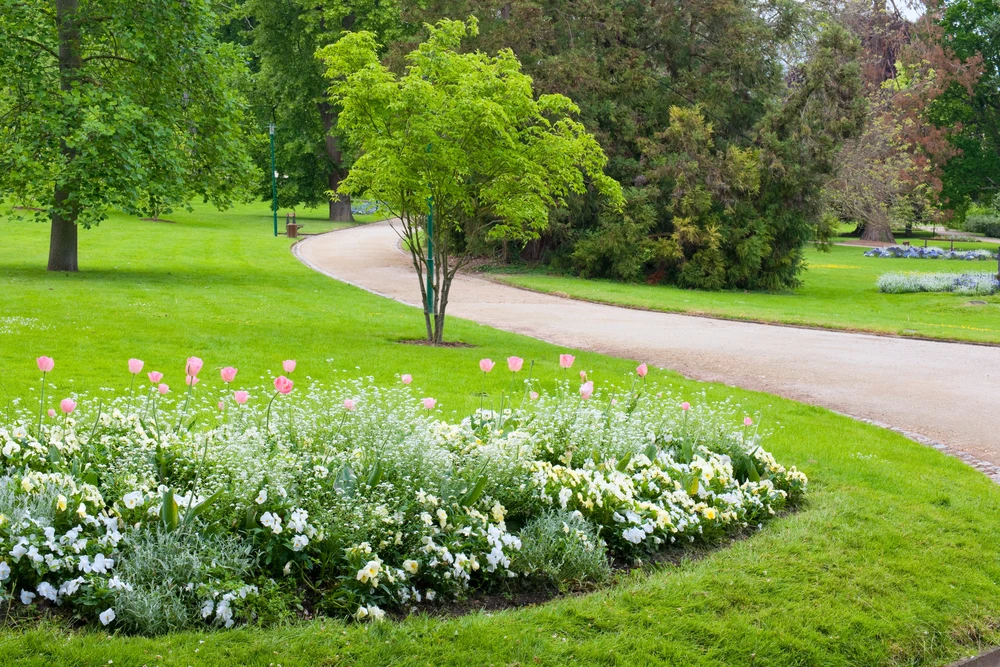
The nursery park is a festival of colors in spring. In autumn, it is the setting for the NJP festival. / Photo selected by monsieurdefrance.com: depositphotos
Directly connected to Place de la Carrière, this 21-hectare park is Nancy's Central Park. Formerly a royal nursery created by Stanislas, it now houses a rose garden, an animal area, and vast shaded lawns.
-
The atmosphere: People come here to see the peacocks roaming free, listen to a concert in the bandstand, or simply stroll under the century-old trees. It is Nancy's intergenerational meeting place, just a stone's throw from the gilded Place Stanislas.
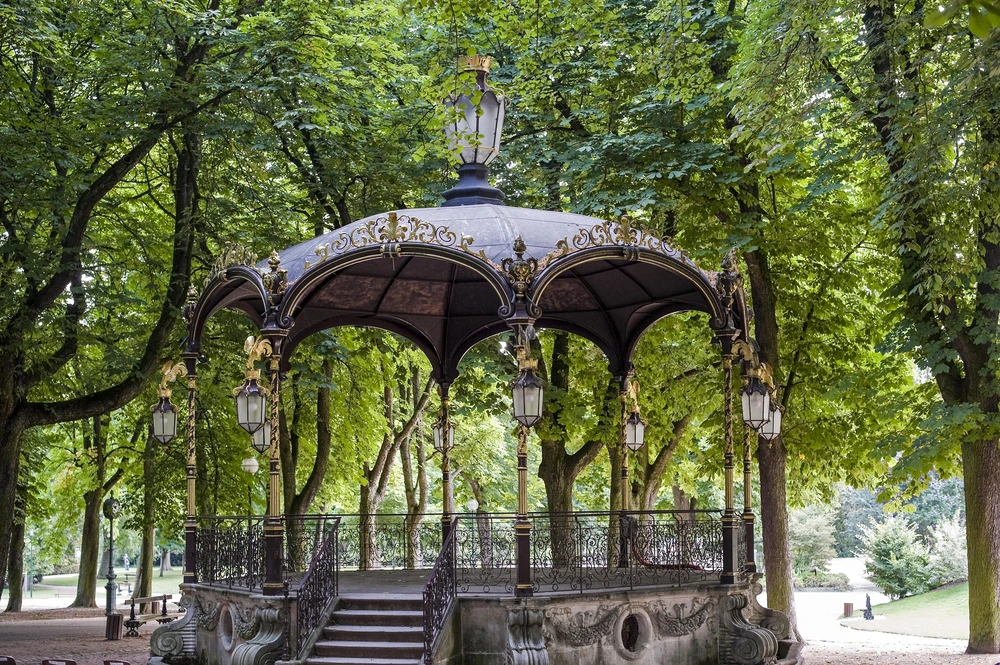
The famous "Mozart" bandstand. Not far away is one of the only outdoor statues by Rodin (Statue of Claude Le Lorrain).Photo selected by monsieurdefrance.com: depositphotos
The Jean-Marie Pelt Botanical Garden: A journey around the world
Located on the heights of Villers-lès-Nancy, it is one of the largest botanical gardens in France. Its monumental tropical greenhouses are home to extremely rare species and offer an immersion in the most distant climates. The outdoor gardens, organized by theme (medicinal plants, alpine collections, evolution garden), are a constant source of inspiration for lovers of botany and naturalistic drawing. I recommend visiting in spring, when the gardens are bursting with color. It is the heir to a very long botanical tradition dating back to the Dukes of Lorraine. Great names in botany were born or flourished here: Felix Crousse, Victor Lemoine... Their creations are scattered throughout the parks and gardens, which also contain remarkable trees.
Nancy thermal

NDAB Creativity/Shutterstock.com
Nancy is a spa town. Its ancient and well-documented spring is the source of a complex that was built in 1909, abandoned during World War I, and reborn five years ago. You can take a cure here, but you can also enjoy yourself by visiting the spa and, above all, the complex with its Nordic pool (the water is naturally warm as it rises from the depths). An experience to be enjoyed and one that does you good!
10. Practical tips for visiting Nancy without stress
A trip to Nancy would not be complete without logistics to turn your reading into a successful field experience.

Saint Nicholas greets the crowd at the end of the parade / Photo chosen by Monsieur de France: Jérôme Prod'homme
When to visit Nancy?
Each season offers a different view of the ducal city, but two periods stand out:
-
The Feasts of Saint Nicholas (early December): This is the most magical time of year. Nancy celebrates its patron saint with even more fervor than Christmas. Giant parades, video mapping on Place Stanislas, and craft markets attract visitors from all over the world.
-
Spring (May-June): Ideal for admiring the flowers in Parc de la Pépinière and the Botanical Garden. The light is perfect for photographing Art Nouveau facades without the harsh shadows of summer.
Transportation and parking: Expert tips
Nancy is a city best explored on foot. The TGV station is located right in the city center (1.5 hours from Paris-Est). If you are coming by car, avoid looking for parking in the city center at all costs. * Park-and-ride facilities: Use car parks such as Nancy Thermal or Essey-lès-Nancy. They are connected to the city center by tram or bus rapid transit (BRT) services. The parking fee often includes a transport ticket for all passengers.
Where to stay?
Where to stay in Nancy to explore the city?
Nancy is very easy to explore on foot, and staying in the city center provides quick access to the main landmarks and historic streets. Travelers particularly enjoy the neighborhoods near Place Stanislas, the Old Town, and Parc de la Pépinière.
For a quieter stay, certain neighborhoods slightly off the beaten path may be worth considering, particularly around Parc Sainte-Marie. The Meurthe-et-Canal area is also a pleasant alternative: simply cross the canal to quickly reach La Pépinière and the historic center.
To plan your trip and compare accommodations based on your dates and budget, you can visit my “Where to Stay in Nancy” page or these links:
• hotels located in the center of Nancy ↗
• accommodations well-located for visiting Nancy ↗
This article may contain affiliate links. This does not change the price for you but helps support the Monsieur de France website.
👉My favorite: I love Villa Emilia. A superb apartment and suites in the heart of the city. The decor is stunning. Discover this must-see address here.
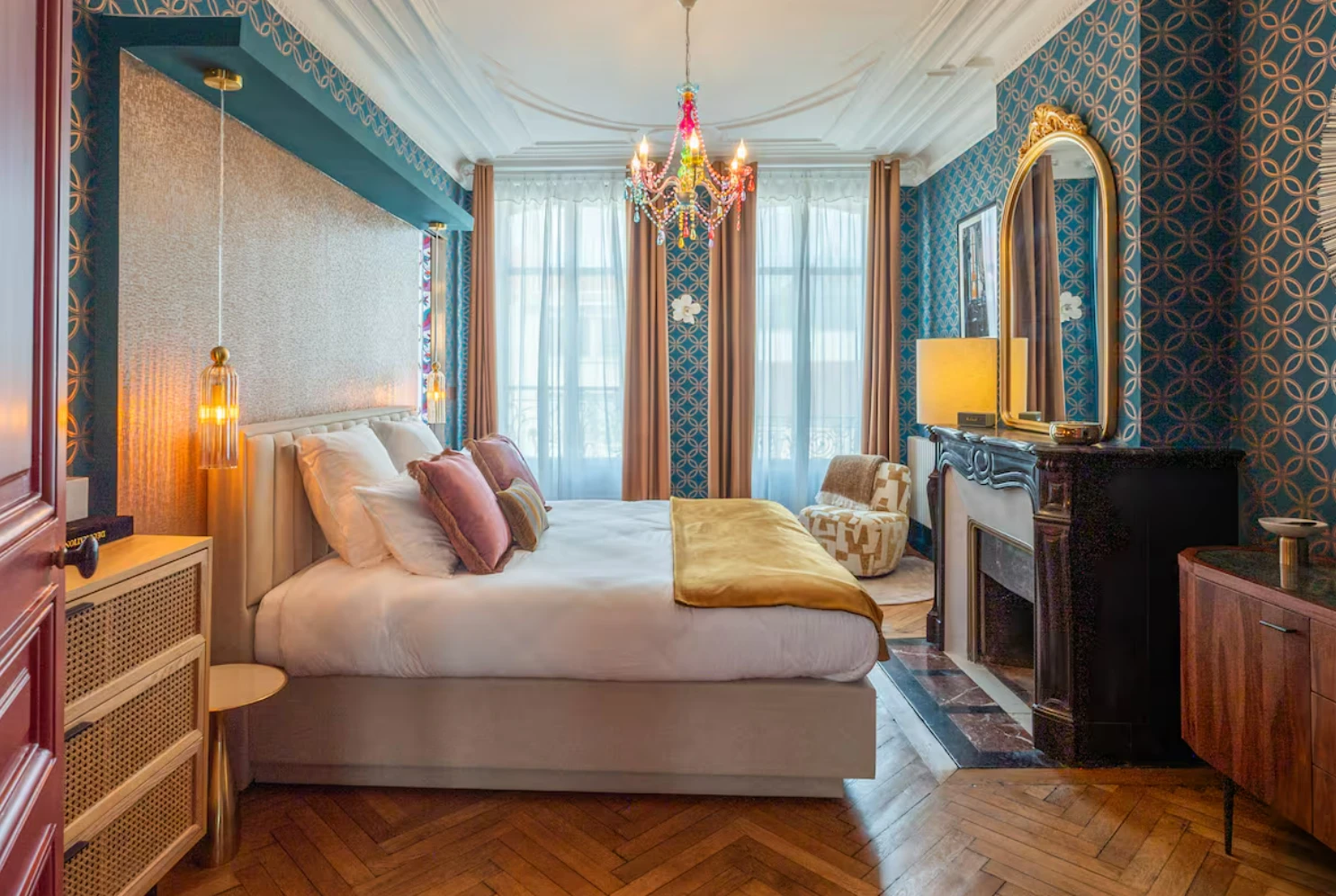
The Villa Emilia suite in Nancy, an elegant and refined accommodation, offers a comfortable and intimate setting for a peaceful stay, close to the city center and the iconic sites of the capital of Lorraine. Photo selected Stéphane NOLL by monsieurdefrance.com.
11. Things to see around Nancy: Getaways in Lorraine
If you extend your stay, central Lorraine has historical treasures that can be reached in less than 30 minutes by transport.
Lunéville: The Versailles of Lorraine
Just 20 minutes away by train, the Château de Lunéville was Stanislas's favorite residence. This 18th-century gem, surrounded by magnificent French gardens (the Parc des Bosquets), has been beautifully restored after the fire of 2003. It is an essential stop for understanding court life in Lorraine.
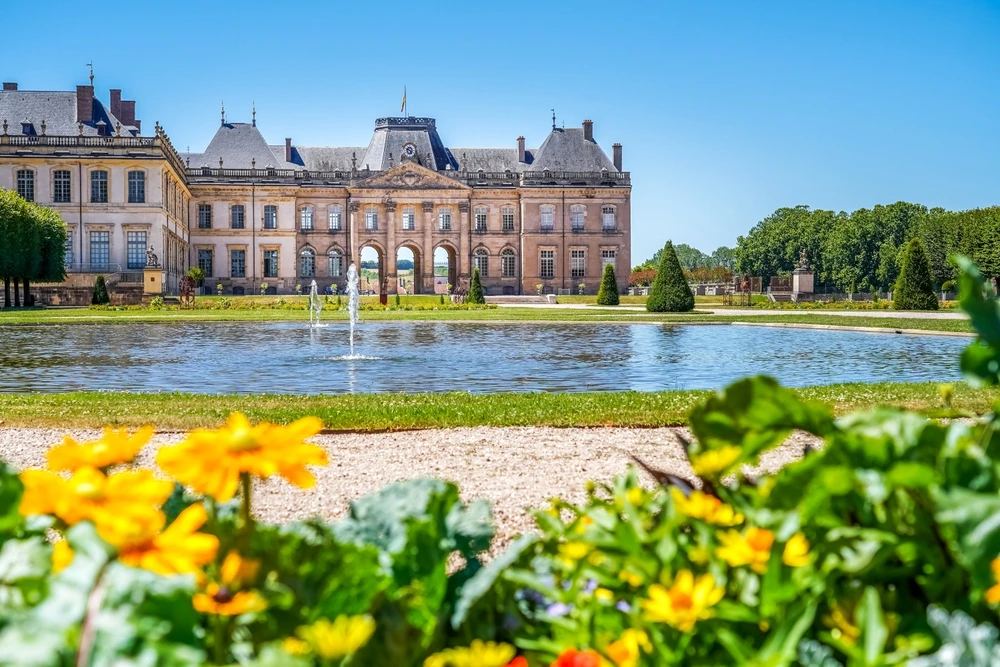
Lunéville Castle seen from the gardens / Photo selected by Monsieurdefrance.com: Shutterstock.com
👉 Visit Lunéville and its castle
Saint-Nicolas-de-Port and its immense basilica
A few miles south of Nancy stands the Basilica of Saint-Nicolas-de-Port. It is a masterpiece of flamboyant Gothic architecture, impressive for its cathedral-like dimensions and 30-meter-high columns. It is here that the relics of the patron saint of Lorraine are kept.
Toul: Between ramparts and vineyards
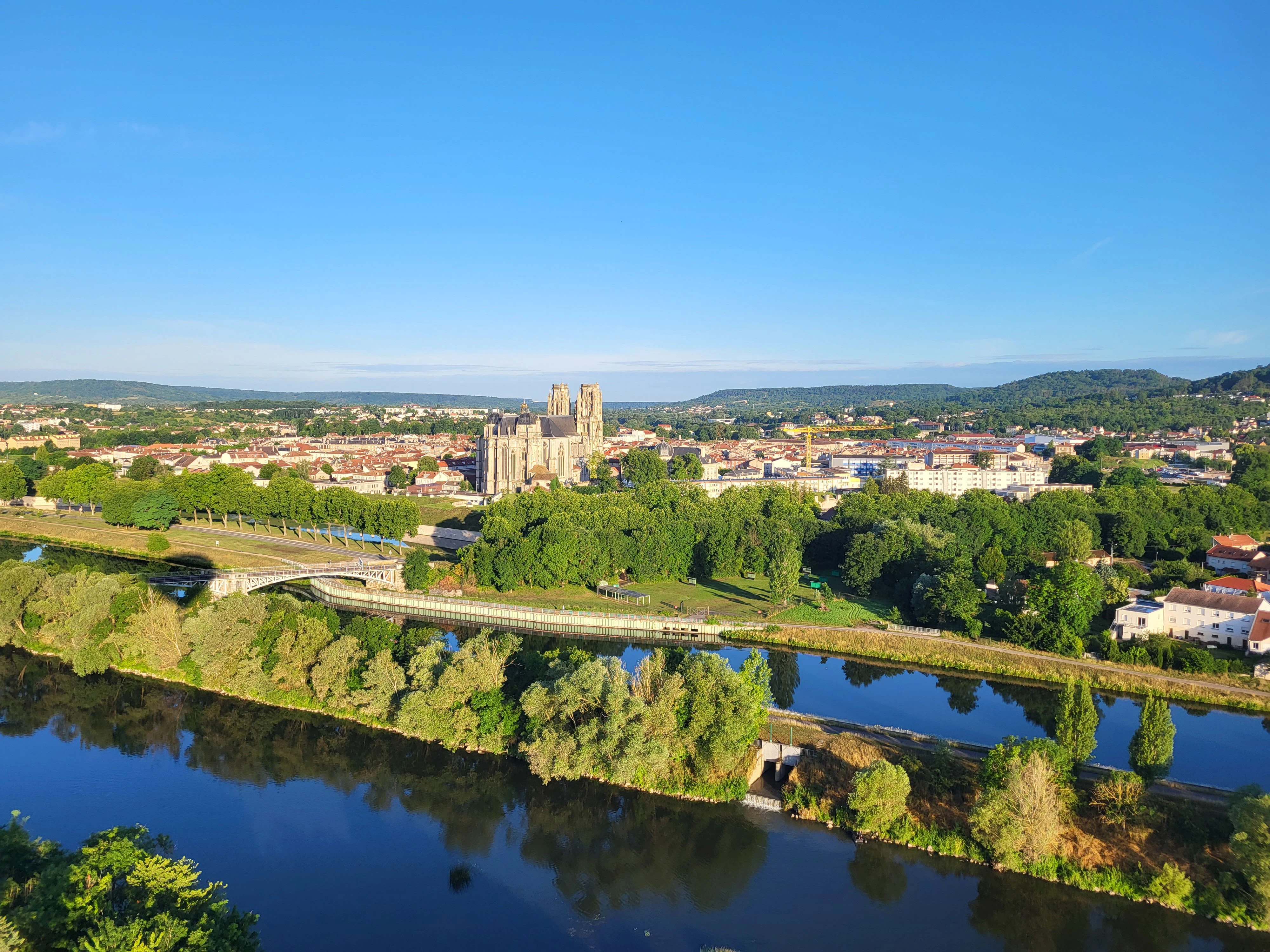
The cathedral in the heart of the city, surrounded by ramparts and a bend in the Moselle River. Photo selected by Monsieurdefrance.com: Jérôme Prod'homme.
A former episcopal city, Toul is worth a visit for its Saint-Étienne Cathedral and cloister, as well as its ramparts designed by Vauban. It is also the gateway to the Côtes de Toul vineyards, famous for their Vin Gris, a unique rosé wine that is the perfect accompaniment to a quiche Lorraine.
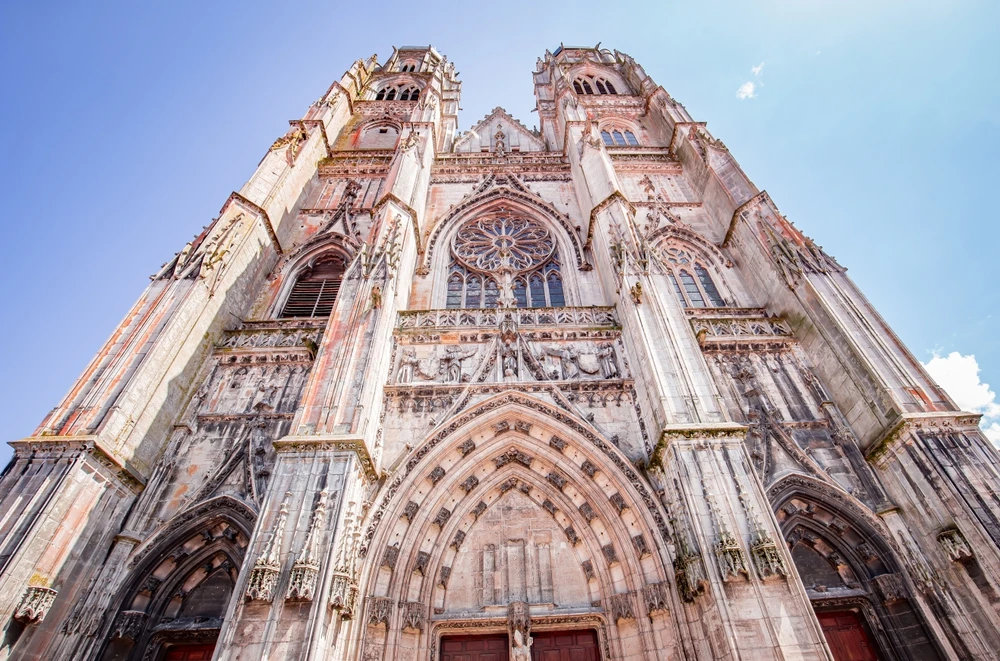
The stunning façade of Saint Stephen's Cathedral in Toul / Photo selected by Monsieurdefrance.Fr: Isogood_patrick/Shutterstock
Haroué: a palace in the countryside
Less than 30 km from Nancy, treat yourself to a visit to a veritable palace in the countryside: the Château de Haroué. Owned by the same family for 300 years, the château exudes the splendor and intimacy of the Age of Enlightenment. With 366 windows, 52 interior fireplaces, 12 towers and turrets, and 4 bridges, it has earned the nickname "Chambord of Lorraine."
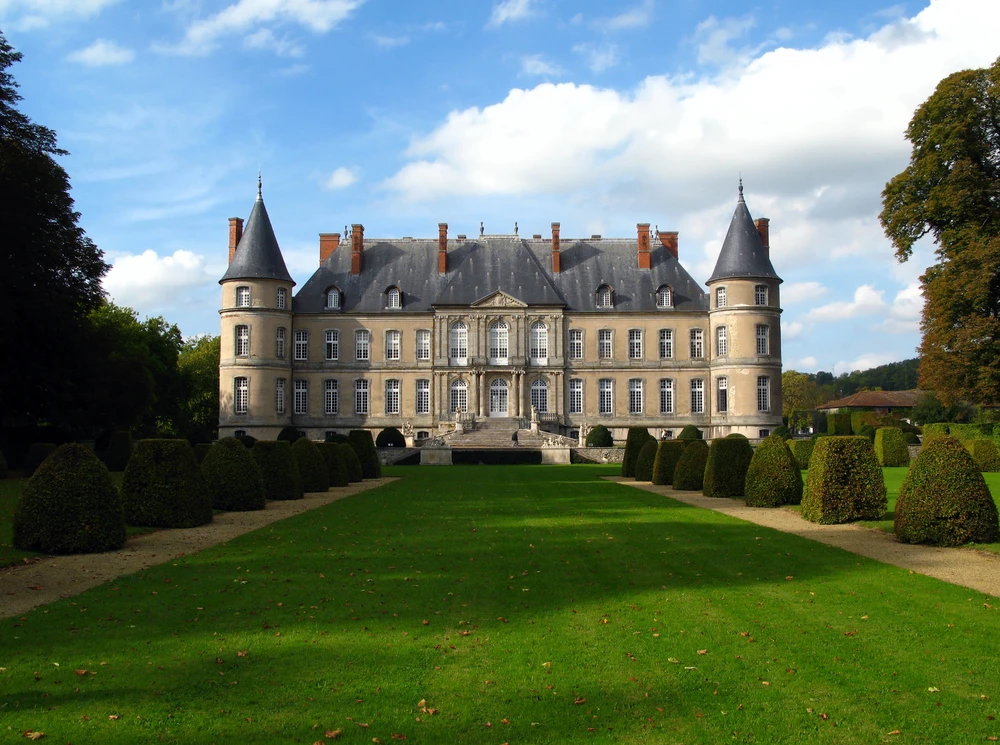
Haroué Castle: a palace in the countryside / Photo selected by Monsieurdefrance.Fr: Mihai-Bogdan Lazar/Shutterstock
12. Original experiences and ideas to think outside the box
For those who think they already know Nancy, here are a few ideas for discovering the city from an unusual perspective.
-
The Cure d'Air viewpoint: To look out over Nancy and its bell towers, head up to the hills to the west. This park offers a 180° panorama of the entire city, ideal for watching the sunset.
-
Villa Bergeret: Less well known than Villa Majorelle but just as impressive, it is only open to visitors on rare occasions (Heritage Days), but its façade and gardens can be seen from the street.
-
Street Art on the Banks of the Meurthe: An urban art trail has developed in recent years, offering a striking contrast to the classic stone buildings of the city center.
❓ FAQ: Everything you need to know to visit Nancy
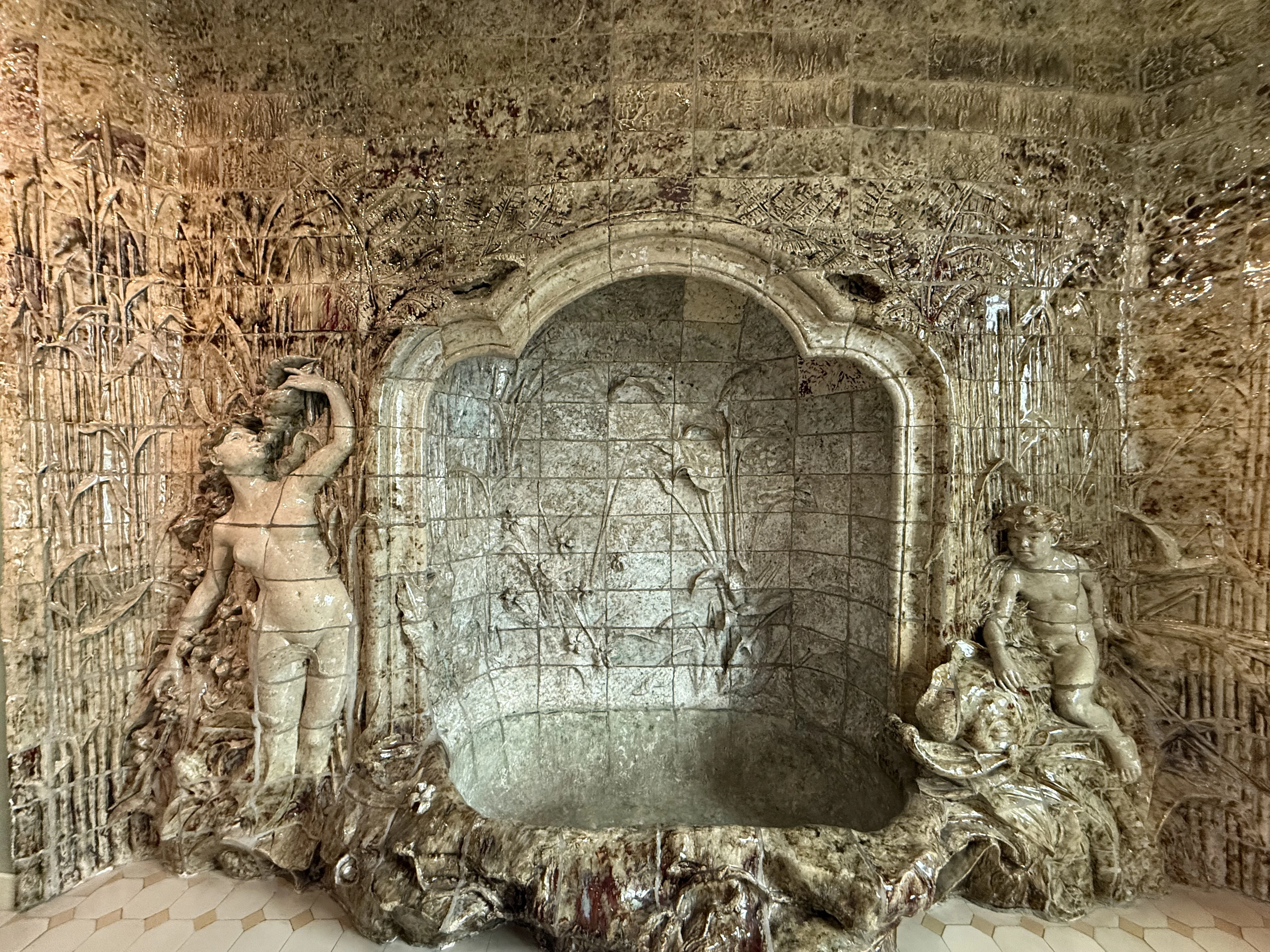
Bathroom at the Museum of the School of Nancy / Photo selected by Monsieurdefrance.com: Jérôme Prod'homme (c)
When is the best time to visit Nancy?
The ideal time to visit is undoubtedly during the Saint Nicholas celebrations (early December), when you can experience the spirit of Lorraine and admire the illuminations. If you prefer nature and Art Nouveau, choose May and June to see the parks in bloom and enjoy the soft light on the buildings.
Can you visit Place Stanislas for free?
Yes, access to Place Stanislas is completely free and open 24 hours a day. Every summer and during the holiday season, video mapping shows (sound and light) are projected free of charge onto the facades of City Hall.
Where can you eat authentic quiche Lorraine in Nancy?
To taste the authentic recipe (without cheese!), visit the artisan bakeries in the Old Town or the Central Market. Traditional restaurants around Place Saint-Epvre also serve versions that respect the tradition of the creamy "migaine."
How do I book a visit to Villa Majorelle?
Reservations are mandatory and can only be made online on the official website of the Nancy museums. Due to the fragility of the decorations, the number of visitors is limited. It is advisable to book at least 7 to 10 days in advance, especially for weekends.
Is it easy to park in Nancy?
The city center is mostly pedestrianized. To avoid high underground parking fees, use Park and Ride facilities (P+R) such as Nancy Thermal or Essey-lès-Nancy. They offer low-cost parking and include a return ticket to the city center.
What culinary specialties should you bring back from Nancy?
In addition to the famous Macarons de Nancy (made by Les Sœurs) and Bergamotes (PGI), don't leave without trying a Saint-Epvre (meringue and nougatine cake) or Mirabelles de Lorraine (fruit, jam, or brandy, depending on the season).
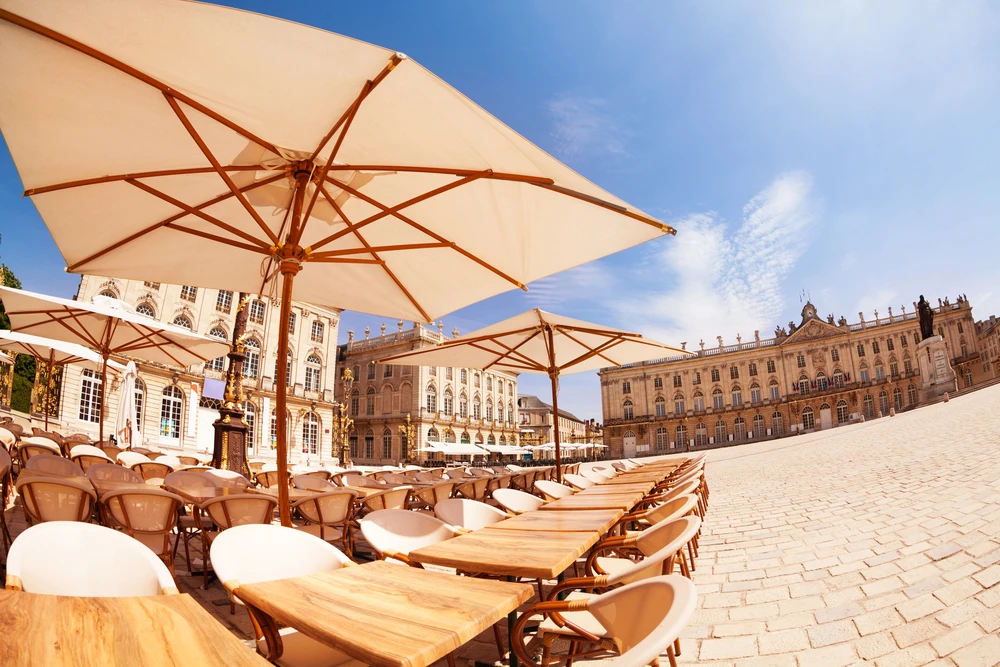
You can enjoy a quick coffee on Place Stanislas. Mornings are a wonderful time / Photo chosen by Monsieur de France: depositphotos
🏛️ Summary: The 5 must-see museums (Opening hours & Prices)
To help you plan, here is a comparison table of the main cultural venues.
| Museum | Theme | Average Rate (Full) | Expert Advice |
| Fine Arts | Daum Paint & Crystal | 10 € | Go directly to the basement for the crystal. |
| Nancy School | Art Nouveau (Furniture/Objects) | 8 € | Don't miss the garden and outdoor aquarium. |
| Majorelle Villa | Art Nouveau architecture | 6 € | Reservations required. Limited access for people with reduced mobility. |
| Museum-Aquarium | Zoology & Fish | 5 € | Ideal with children, especially on Wednesdays. |
| Cordeliers | History of the Dukes | 5 € | A combined ticket is often available with the Fine Arts Museum. |
Find out more about Nancy:
- The complete guide to visiting Nancy
- my audio guide in immersive sound to visit Nancy
- Place Stanislas: history and secrets of Nancy's most beautiful square
- Art Nouveau and the École de Nancy: an architectural treasure
- What to do in Nancy over a weekend?
- Culinary specialties of Nancy you absolutely must try
- And why not discover Lorraine