How to make the most of your student year in Nancy? > With its specialized campuses (Artem, Lettres, Brabois), the UNESCO World Heritage site of Place Stanislas, and the lively nightlife of the Old Town, Nancy is the ultimate student city. Take advantage of discounted rates at Nancy Thermal, discover Art Nouveau, and don't miss Saint-Nicolas!
Heading to Nancy soon? A well-located place to stay makes exploring the city much easier and more enjoyable:
👉 See the best-located accommodations in Nancy
👉 Browse available deals for your stay
👉 Your guide to where to stay in Nancy
👉 Top attractions you shouldn’t miss in Nancy
This article may contain affiliate links. This does not change the price for you, but helps support the Monsieur de France website.
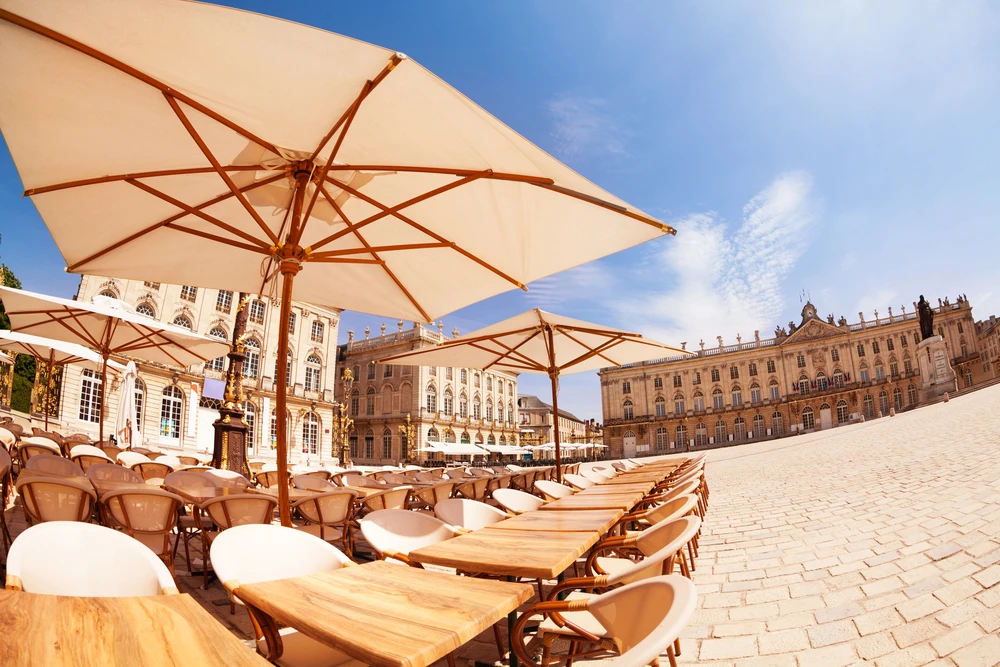
You can enjoy a quick coffee on Place Stanislas. Mornings are a wonderful time to visit / Photo selected by Monsieur de France: depositphotos
Moving to Nancy is a bit like receiving the keys to a hidden kingdom. With its prestigious past and boundless energy, the city is one of the most pleasant places in France to start your career. Here, 18th-century elegance rubs shoulders with the boldness of the Belle Époque, creating a cinematic backdrop for your future years of study. Just moved here? Don't panic. Nancy is a city on a human scale: you can walk across it, but it's big enough that you'll never get bored. Here's everything you need to know to go from "newcomer" to "true Nancy resident."
Before diving into the heart of the matter, take a look at our guide to the must-see attractions in Nancy to get a sense of the splendor that surrounds you.
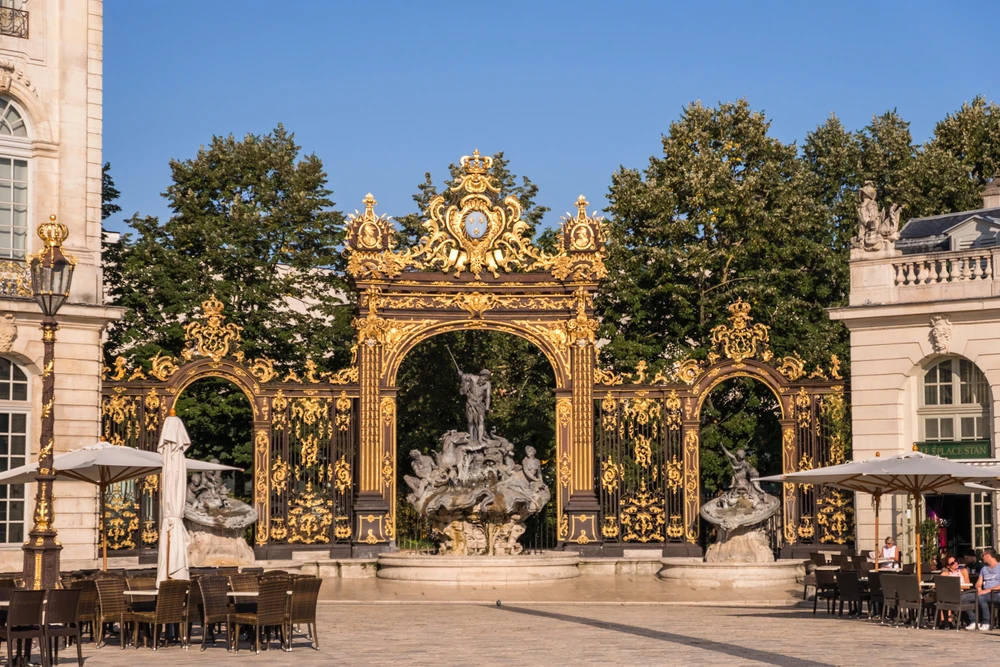
Welcome to the city with golden gates / Photo: Depositphotos
I. Where will you study? The actual geography of your campuses
Nancy is divided into several areas. Depending on your field of study, your daily routine and commute will vary. It is crucial to choose the right location for your studies so that you don't spend your life traveling:
-
The Arts and Humanities Campus (CLSH): This is the historic heart of humanities education, located west of the city center (Boudonville/Libération district). It is an urban campus, surrounded by charming little streets, extremely close to the train station and the bars on Rue Gustave Simon.
-
The Artem Campus: Located in the south of the city (rue Sergent Blandan). This temple of modernity is home to the Mines, the ICN Business School, and the École nationale supérieure d'art et de design. Its architecture is famous for its 300-meter-long colored glass gallery. It is a very lively neighborhood.
-
The Law, Economics, and Management Department: Across from the beautiful Parc de la Pépinière, right in the city center (Place Carnot). This is the historic university district, surrounded by libraries and cafés. It doesn't get much more prestigious than this for studying your legal codes.
-
The Brabois Plateau (Vandœuvre-lès-Nancy): Here you will find Medicine, Pharmacy, Dentistry, Engineering Schools, and STAPS (Science and Technical Studies in Physical Activity and Sports). Get your calves ready or your tram pass, because it's a climb! It's a real "city within a city" perched above the urban area.
-
There is also the Charlemagne University Institute of Technology, not far from Place de la Commanderie and the "bon coin," a student housing complex in its own right.
II. Heritage: Your everyday backdrop (and it's free)
In Nancy, you don't go to museums, you live in them. The city has a magnificent heritage, and you'll see that it's a real joy to live surrounded by such wonders.
1. UNESCO World Heritage (The 18th Century)
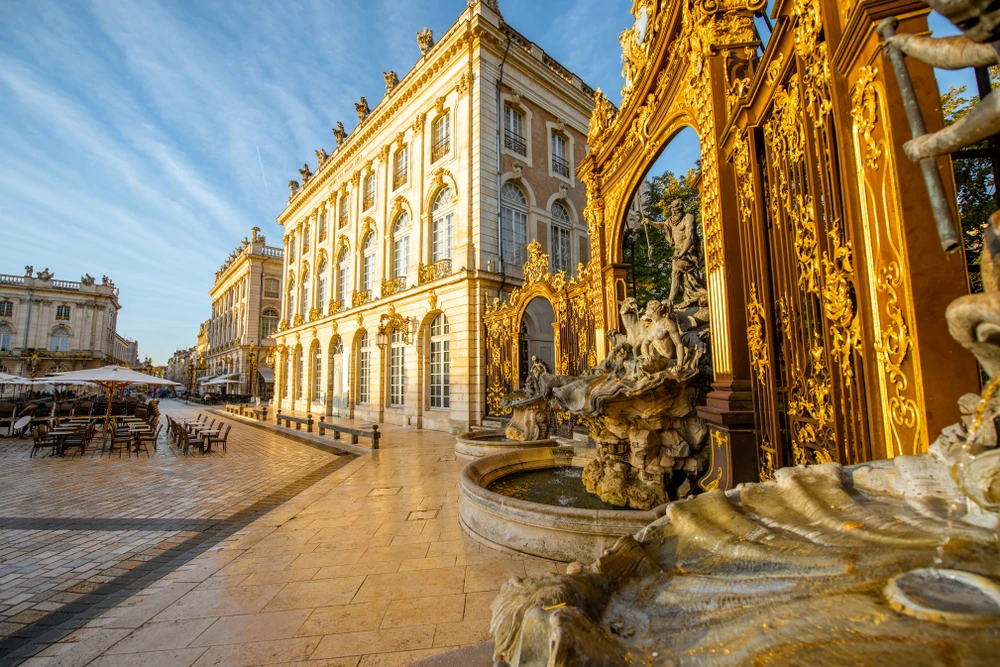
La place Stanislas de Nancy avec ses grilles d'or au soleil levant / Photo choisie par Monsieur de France : shutterstock
What makes Nancy world-famous is the exceptional architectural ensemble created by Stanislas Leszczynski, the last sovereign of Lorraine. This ensemble is listed as a World Heritage Site:
-
Place Stanislas: A UNESCO World Heritage Site since 1983 (one of the oldest sites on the global list) and voted "France's favorite monument," it is the gathering place for Nancy residents. Its golden gates by Jean Lamour and Rococo fountains are the ultimate meeting point. This is where people gather to celebrate the end of exams. You don't necessarily go there for a drink every night (the prices are steep), but it is the beating heart of the city.
-
Place de la Carrière: Extending from Place Stan, it offers a majestic view with its rows of trees. It is the ideal place for quiet reading, far from the hustle and bustle of the terraces.
-
Alliance Square: Smaller and more intimate, it completes this royal triptych with its rows of lime trees.
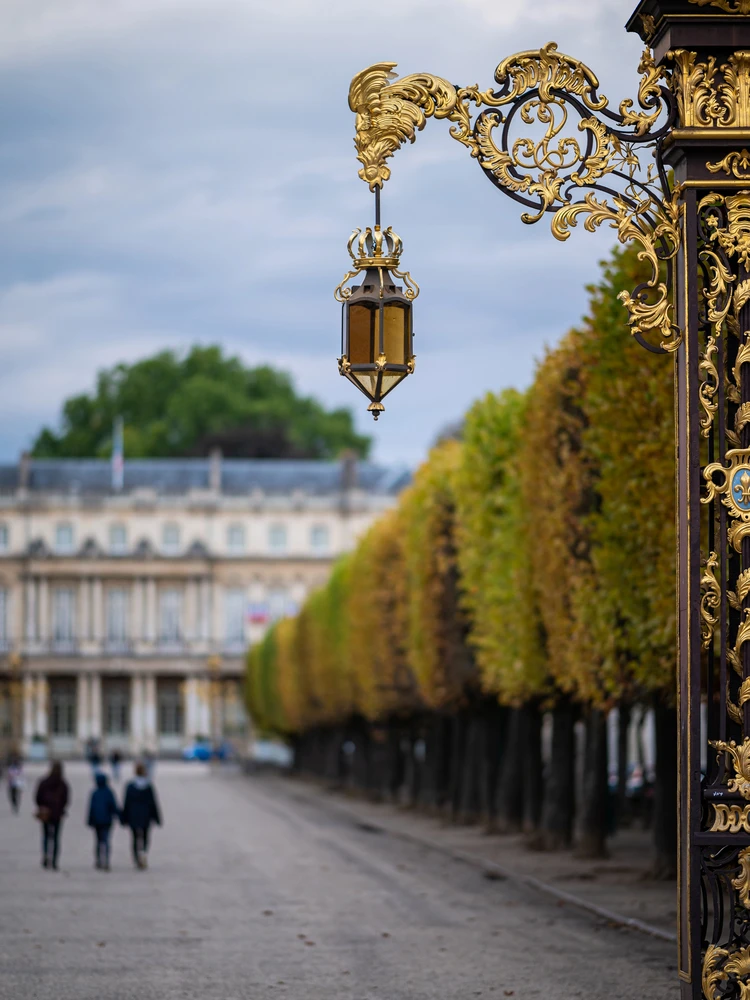
The entrance to Place de la Carrière / Photo selected by Monsieur de France: depositphotos

2. The Old Town (The Medieval and Renaissance Heart)
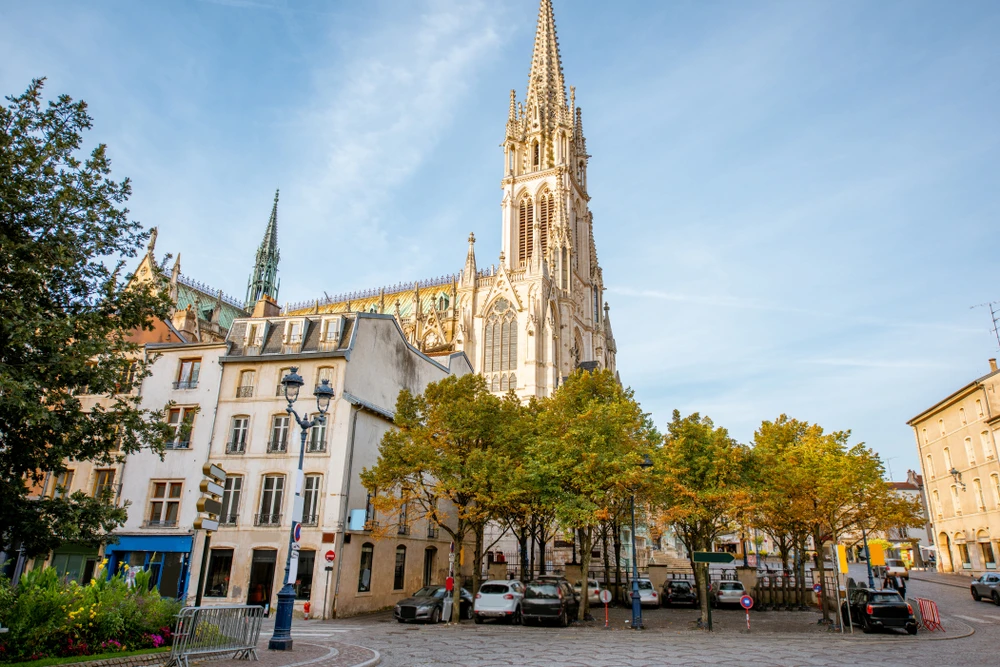
The Basilica of Saint-Epvre dominates the old town of Nancy / Photo selected by Monsieurdefrance.Fr: RossHelen/Shutterstock
This is historic Nancy, a bit like the Marais district in Paris. Old houses, narrow cobbled streets, mansions and, of course, great restaurants and bars. Highlights include:
-
The Ducal Palace: Symbol of the power of the former rulers of Lorraine.
-
The Church of the Cordeliers: Where former rulers are laid to rest.
-
La Porte de la Craffe: The monumental 14th-century entrance with its two massive towers. It reminds you that Nancy was once an impregnable stronghold. Today, it is the heart of nightlife with its small cobbled streets.
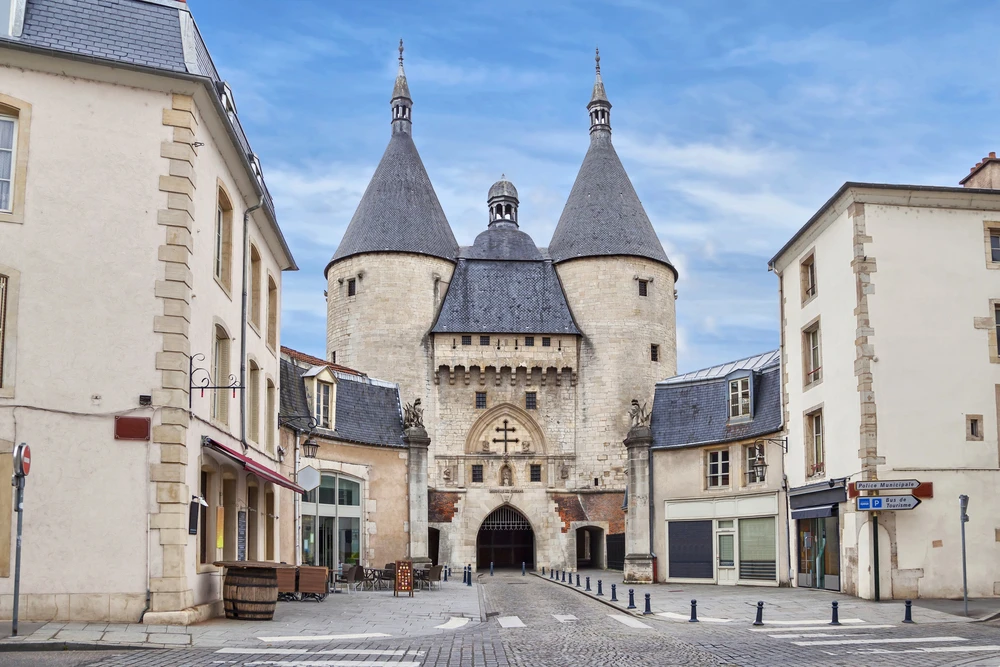
The Craffe Gate in Nancy/ photo chosen by Monsieur de France: bbsferrari via depositphotos
III. The Nancy School: When Nature Moves to the City
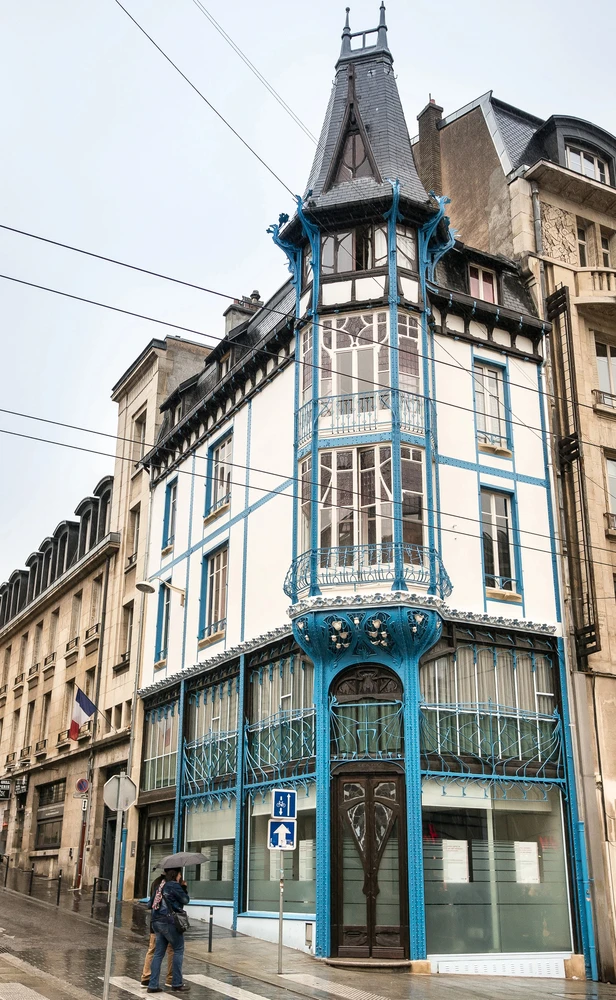
An Art Nouveau building in the center of Nancy / Photo selected by Monsieur de France: depositphotos
You will quickly notice fascinating buildings with carved flowers everywhere. Between 1890 and 1914, Nancy became the epicenter of French Art Nouveau. This movement, known as the École de Nancy, advocated "Art for All" and drew its inspiration exclusively from the nature of Lorraine (umbels, thistles, dragonflies).
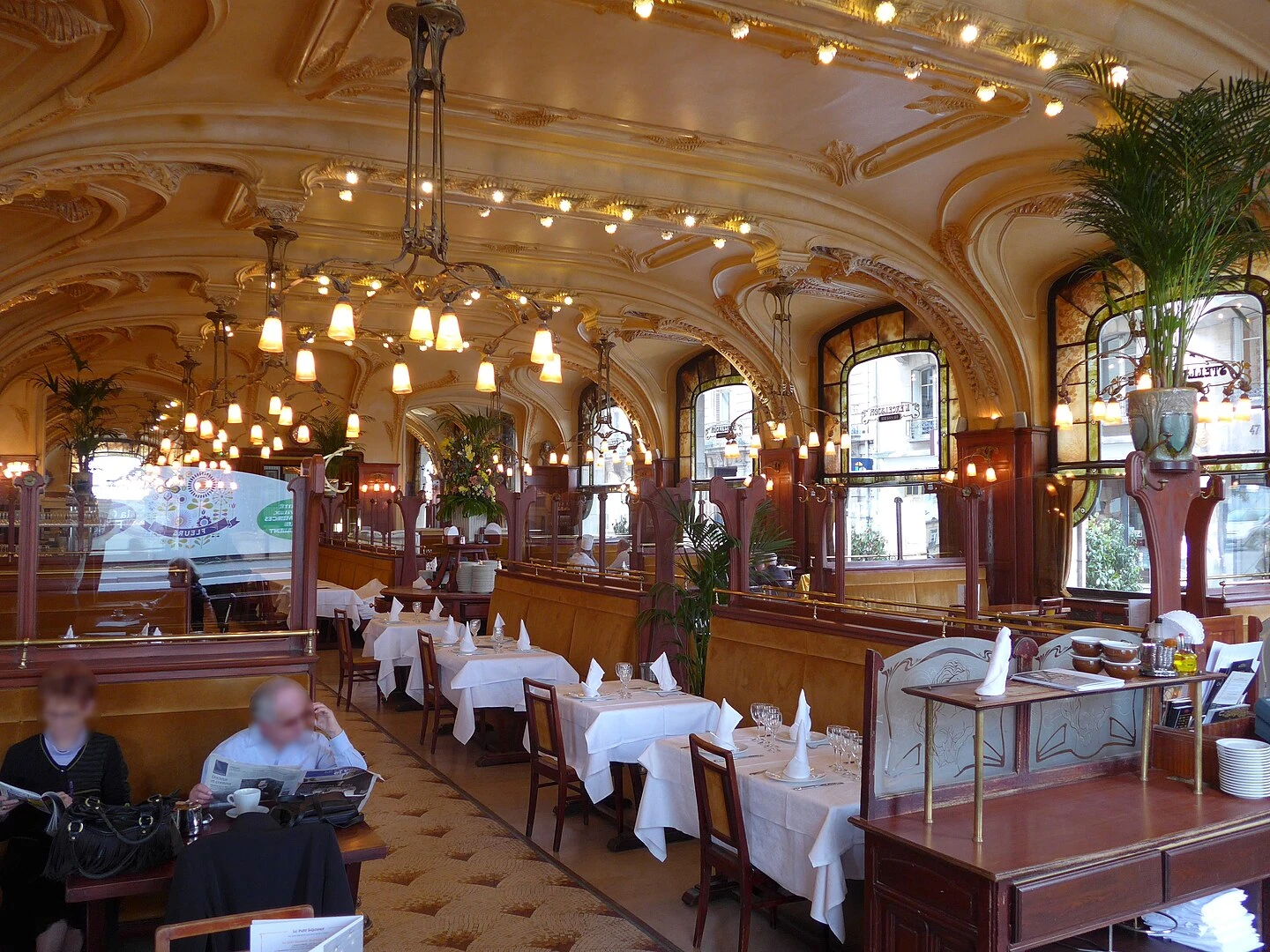
The Art Nouveau interior of L'Excelsior in Nancy / Photo selected by Monsieur de France : By Arie m den toom — Own work, CC BY-SA 4.0, https://commons.wikimedia.org/w/index.php?curid=63691716
Places to visit:
-
The Musée de l'Ecole de Nancy (rue Sergent Blandan) offers a total immersion in its house and gardens. It is the only museum in France entirely dedicated to Art Nouveau.
-
The Majorelle House: You must visit the Villa Majorelle, the first 100% Art Nouveau house, where every detail, down to the door handle, is a sculpture.
-
Brasserie L'Excelsior: Right across from the train station. Even if you only order a coffee, go inside to admire Jacques Gruber's stained glass windows. It's a temple to 1900s style.
-
The Museum of Fine Arts: Located on Place Stanislas, its basement houses the Daum Collection: 600 backlit crystal pieces that will leave you speechless.
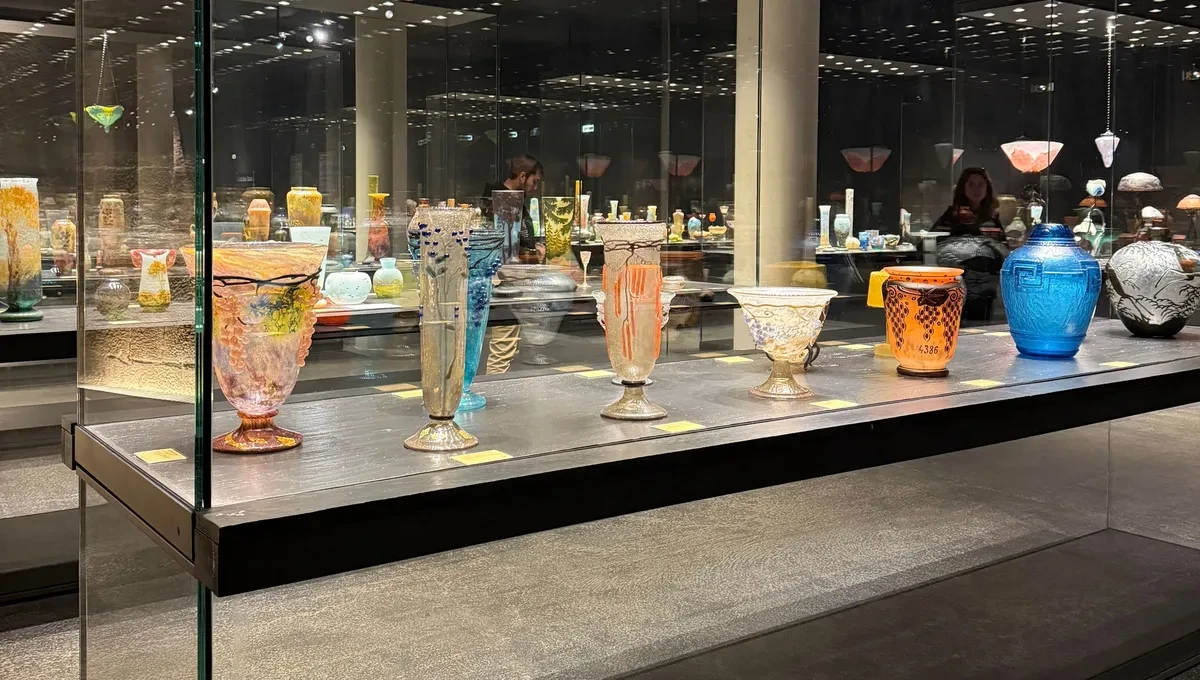
The Daum collection at the Nancy Museum of Fine Arts/ Photo selected by Monsieur de France: Jérôme Prod'homme
IV. Green Lung: Your gardens for chilling out and studying
Need to unwind after an intensive class? Nancy is a "garden" city that offers incredible spaces to breathe.
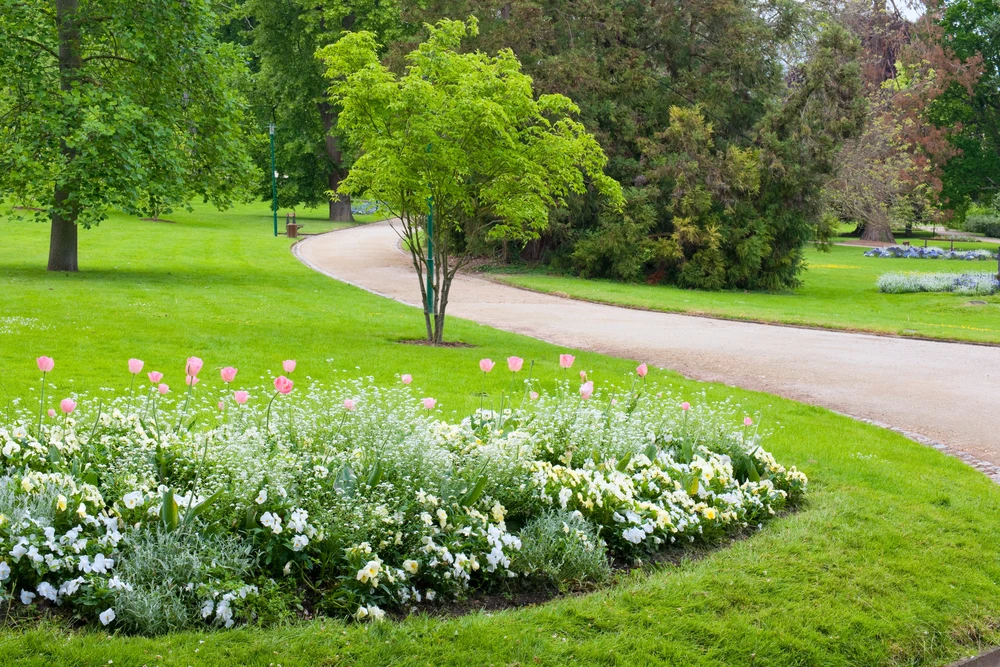
The nursery park is a festival of colors in spring. In autumn, it is the setting for the NJP festival. / Photo selected by monsieurdefrance.com: depositphotos
-
Parc de la Pépinière ("La Pep"): Your future garden. 21 hectares right in the center, next to Place Stanislas. Basically, it's Nancy's Central Park. It's open late in the summer.
-
Sainte Marie Park: Located slightly further out of town, this is an English-style park with winding paths and a remarkable Alsatian house. It is a popular spot for families and young people.
-
The Jean-Marie Pelt Botanical Garden: Located near Brabois. Its giant tropical greenhouses offer a complete change of scenery: it's the best place to study in the warmth when it's snowing outside.
-
The Water Garden: Located between the Meurthe River and the canal, this is the perfect place for jogging or cycling along the landscaped riverbanks.
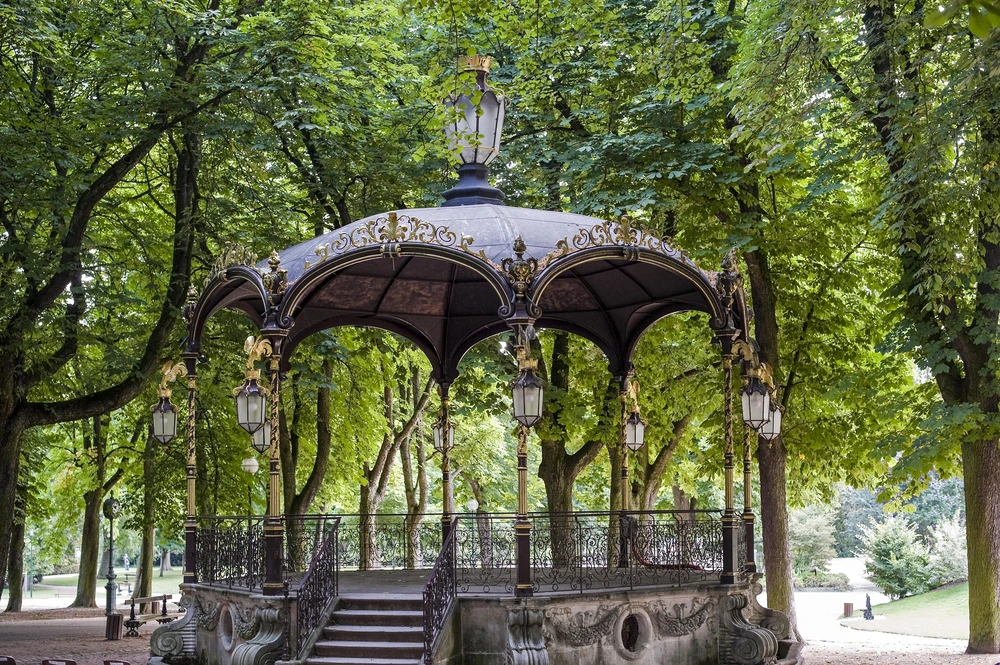
The famous "Mozart" bandstand. Not far away is one of the only outdoor statues by Rodin (Statue of Claude Le Lorrain).Photo selected by monsieurdefrance.com: depositphotos
V. Nightlife: The Golden Triangle (and Thirst)

Students bring Nancy and its nightlife to life / Photo selected by Monsieur de France: Shutterstock.
Nancy is lively, and it stays that way late into the night. For your evenings out, keep these three strategic areas in mind:
-
Rue Stanislas: The up-and-coming artery of the city center. With its craft beer bars, concept bars, and trendy little spots, it's the new place to be for happy hour.
-
Rue de la Primatiale and Place du Marché: The beating heart of the city center. This is where you'll find the highest concentration of bars and the most popular terraces.
-
The Old Town (Grande Rue): Medieval atmosphere, Anglo-Saxon pubs, and shooter bars in vaulted cellars. It's the perfect place to end the night.
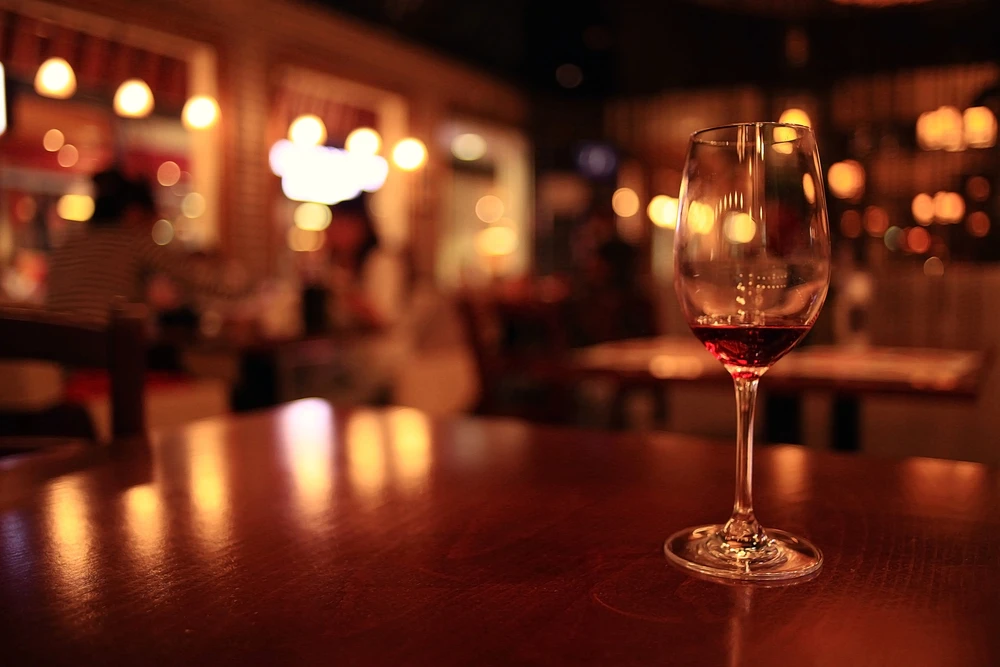
A persistent legend says that you can try a different restaurant in Nancy every day of the year—it's a real "national sport" in Nancy. / Photo by Monsieur de France: depositphotos
VI. The Agenda: Events not to be missed
In Nancy, the calendar is packed. Don't miss these highlights that bring the city to life:
-
Le Livre sur la Place (September): France's leading literary fair. Star authors throughout the city and free conferences under the big top.
-
Nancy Jazz Pulsations - NJP (October): Much more than just jazz! This is the cult festival of the fall, with concerts held under a big top at La Pépinière. It's the musical event of the year.
-
Saint Nicholas Day (early December) : In Lorraine, this is more important than Christmas. There are parades of floats, fireworks on Place Stan, and candy and mulled wine are handed out. It's a time when the whole city comes together in a magical atmosphere.
-
Student Nightlife: Huge parties organized by the city and student associations, with free or discounted access to museums, ice rinks, or nighttime sporting events.

Saint Nicholas greets the crowd at the end of the parade / Photo chosen by Monsieur de France: Jérôme Prod'homme
VII. Gastronomy: Beyond the Kebab
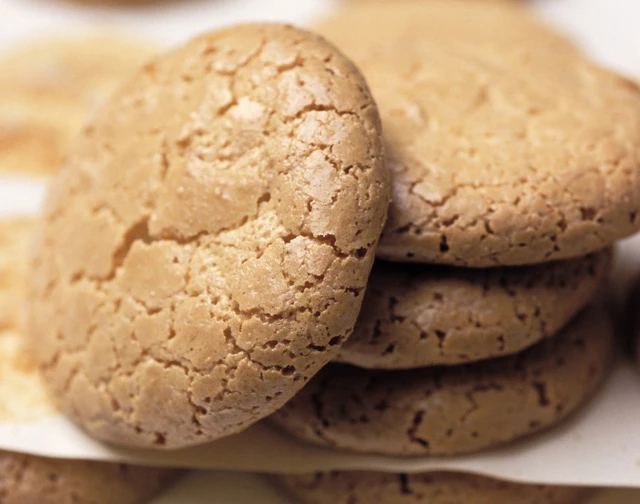
Macarons from Nancy Photo selected by Monsieurdefrance.fr: Foodpictures/Shutterstock.com
Students in Nancy don't just live on pasta with butter. Lorraine has a rich culinary tradition and specialties that are a must-try:
-
Pâté Lorrain: Marinated meat (pork and veal) wrapped in puff pastry. It's the ultimate snack, much more satisfying than a factory-made burger.
-
Les Macarons des Sœurs: Nothing like the Parisian macaron. Here, it is crunchy on the outside and soft on the inside. An institution since 1793.
-
Bergamot: The golden, translucent candy that is the symbol of the city. Perfect for a sugar boost before a midterm exam.
-
Quiche Lorraine: Remember the golden rule: the real thing is made without cheese! If you add cheese, you are committing a local sacrilege.

Quiche Lorraine / Image by SGM/Shutterstock.com
VIII. Monsieur de France's money-saving tips for your budget

NDAB Creativity/Shutterstock.com
Living on a student budget in Nancy requires a few tricks:
-
Nancy Thermal: The new temple of well-being. Access to the "Sports Area" (Olympic pools, outdoor Nordic pools) costs around €3.60 for students. Swimming in a historic monument at this price is unbeatable.
-
The Culture Pass: The city often offers significant discounts for the Opera, museums (often free or less than €3), and concerts at L'Autre Canal.
-
Transportation: The Stan network is efficient. Tram 1 crosses the city from end to end. Consider purchasing a "Youth" annual pass, as it is the most cost-effective option. Buses and trolleys are free on weekends.
-
The Central Market: To buy fresh produce, avoid convenience stores. Go to the Covered Market on Saturday mornings—it's the heart of the city. It may seem expensive, but there are often good deals to be had.
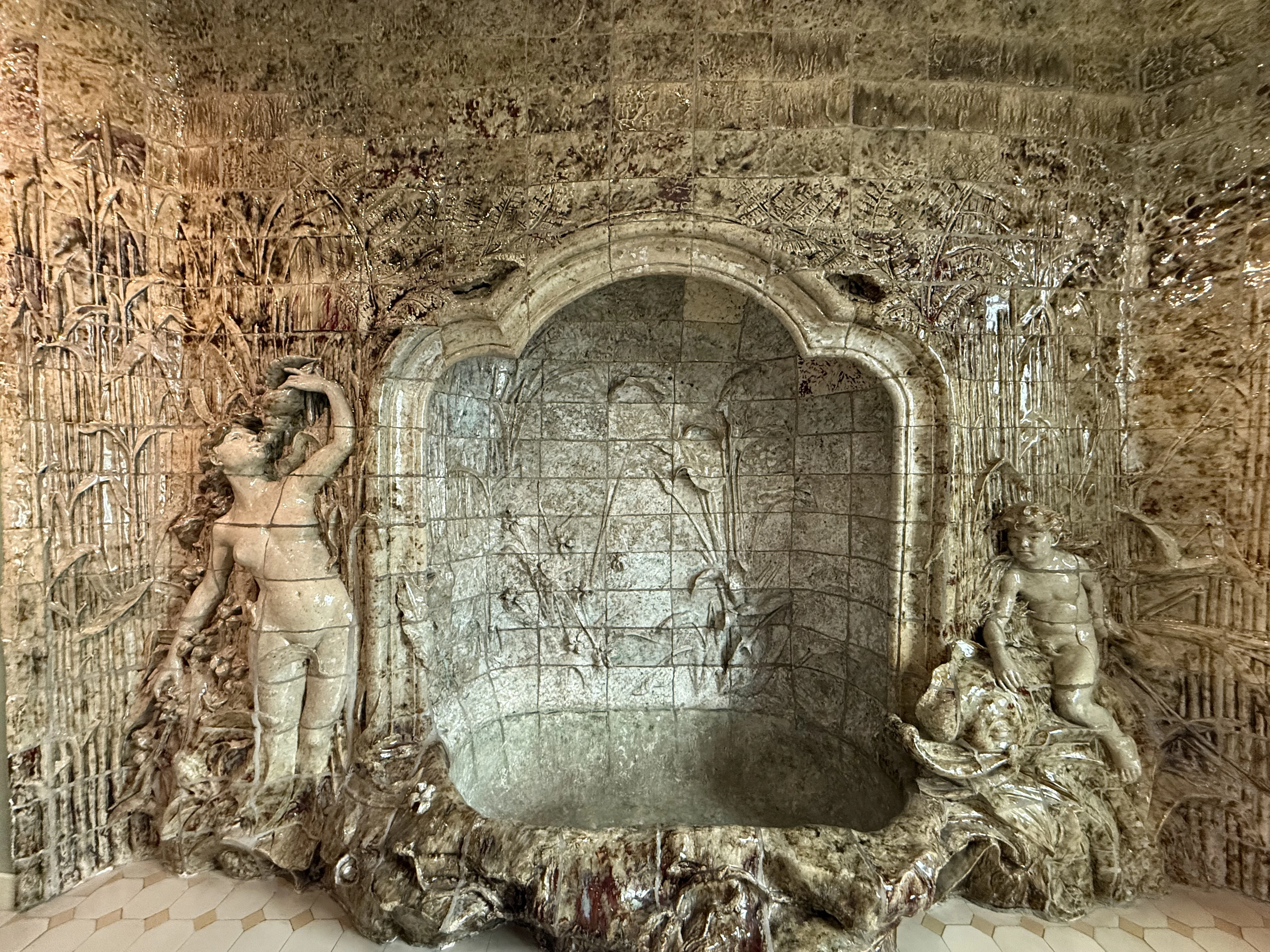
Bathroom at the Museum of the école de Nancy / Photo selected by Monsieurdefrance.com: Jérôme Prod'homme (c)
FAQ for students in Nancy
Does it really rain all the time?
That's a myth! We have a continental climate: it can be very cold (and dry) in winter, but summers are often scorching hot. Bring a warm coat for January and sunglasses for June.
Where can I study in peace and quiet apart from the university library?
The law library and the humanities library are traditional, but for a "Harry Potter" atmosphere, try the Stanislas Library on Stanilas Street. It's just incredible, with wood paneling throughout.
Is the Old Town far from the campuses?
No, Nancy is very compact. If you're at the Arts or Law campus, you're a 5-minute walk from the Old Town.
Advice from Monsieur de France:
Nancy is a city best explored on foot. Don't just look up at the gilded decorations of Stanislas Square; take a moment to admire the window frames in the quieter streets, where Art Nouveau details can be found everywhere.
You'll see that in Nancy, we cry twice: when we arrive (because of the cold when we get off the train), and when we leave (because we love the city). Welcome home, future Lorrain!
Find out more about Nancy:
- The complete guide to visiting Nancy
- my audio guide in immersive sound to visit Nancy
- Place Stanislas: history and secrets of Nancy's most beautiful square
- Art Nouveau and the École de Nancy: an architectural treasure
- What to do in Nancy over a weekend?
- Culinary specialties of Nancy you absolutely must try
- And why not discover Lorraine?
Monsieur de France Life, the art of living, and French heritage.