How to make the most of a weekend in Nancy from Friday to Sunday? Start on Friday evening with dinner in the Old Town. On Saturday, explore Place Stanislas (UNESCO) and the Central Market. Spend Sunday enjoying Art Nouveau at Villa Majorelle and a gourmet break at the Excelsior for a complete experience combining heritage and gastronomy.
To best prepare for your stay, find all the must-see attractions in Nancy in our comprehensive guide 👉 Visiting Nancy: the must-see attractions.
Thinking of visiting Nancy? Choosing the right accommodation is key to enjoying the city center, landmarks and local spots with ease:
👉 Find a well-located hotel in Nancy
👉 View available deals for your travel dates
👉 Our tips on where to stay in Nancy
👉 Must-see places in Nancy
This article may contain affiliate links. This does not change the price for you, but helps support the Monsieur de France website.
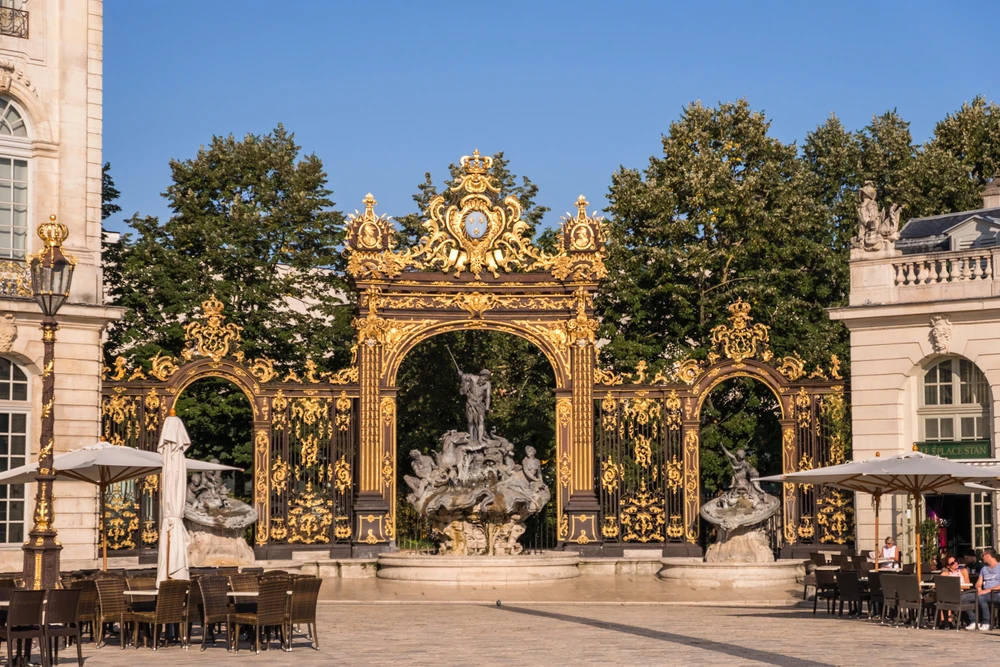
Welcome to the city with golden gates / Photo: Depositphotos
Arrival and first contact with Nancy
Your three-day stay in Nancy begins at the Nancy-Ville SNCF train station, on Place de la Gare. Connected to the T1 tram line (Nancy Gare stop), it is located in the heart of the city and provides quick access to major sites. You can take a detour via the nearby Avenue Foch, lined with Belle Époque and Art Deco buildings, which will give you a glimpse of the local architecture. It's the perfect way to ease into your visit. Then head down towards the city center.
📍 Place de la Gare, 54000 Nancy
Where to stay in Nancy for your visit?
Nancy is a compact and elegant city that is very easy to explore on foot. Many visitors choose to stay in the city centre so they can quickly reach the famous Place Stanislas, stroll through the old town and visit the main museums and historical sites without needing a car.
To plan your stay and compare accommodation according to your dates and budget, you can check:
• available hotels in Nancy ↗
• hotels located in Nancy city centre ↗
• hotels close to Place Stanislas ↗
This allows you to quickly see availability, guest reviews and prices depending on the time of your visit.
This article may contain affiliate links. This does not change the price for you but helps support the Monsieur de France website.
Friday evening: Immersion in the medieval old town
Old Town and Craffe Gate.
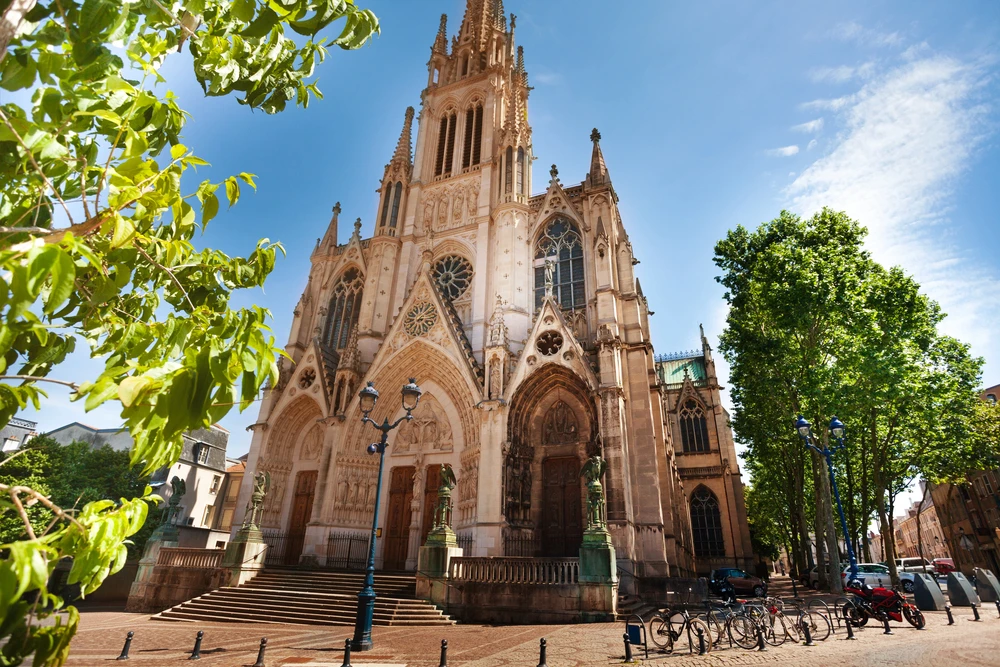
The Basilica of Saint Epvre is located in the heart of the "old town," the historic district of Nancy. / Photo selected by Monsieur de France: depositphotos
Explore the Old Town of Nancy by following the Grande Rue, a medieval thoroughfare connecting the Porte de la Craffe to the Basilica of Saint-Epvre. This neighborhood is home to mansions, remnants of fortifications, and charming cobbled streets. The 14th-century Porte de la Craffe gate is impressive with its massive towers. As you stroll around, you will also discover Place Saint-Epvre and its lively terraces. Lose yourself in the narrow streets around Place Saint Epvre, which are full of details and mansions that remind us that Nancy was the capital of an independent duchy for seven centuries.
📍 Place Saint-Epvre, 54000 Nancy
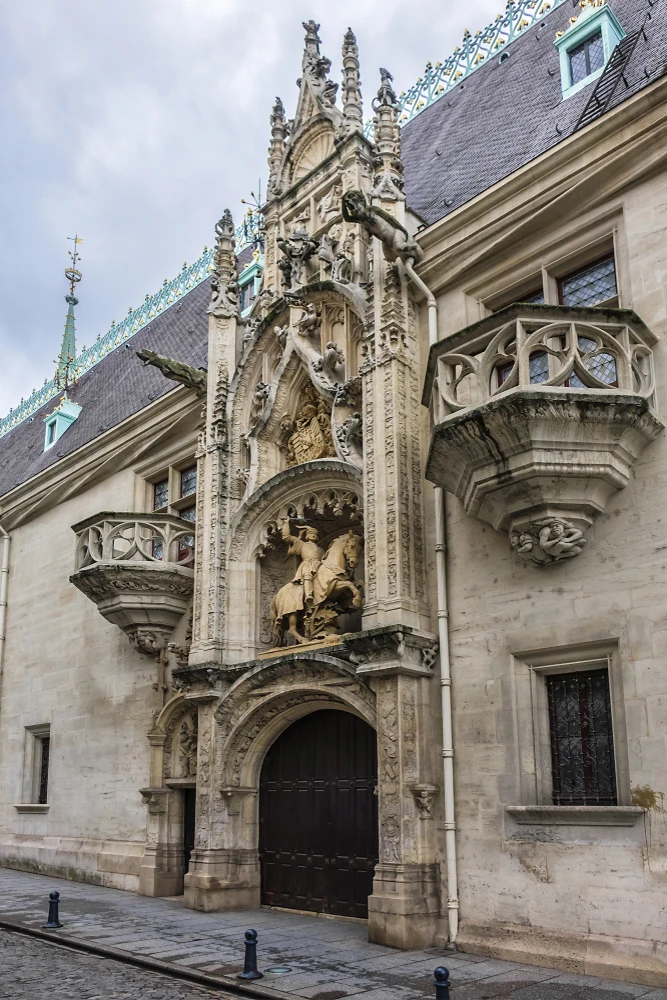
The Ducal Palace located in Nancy's old town was the residence of the Dukes of Lorraine. Duke Antoine, one of them, is depicted on the gatehouse / Photo selected by Monsieurdefrance.Fr: Kiev.Victor/Shutterstock
The old town is Nancy's historic district, where you can see many carved gates. The oldest monument is the Porte de la Craffe, a fortified gate dating back to the Middle Ages. In the past, witches were imprisoned there.
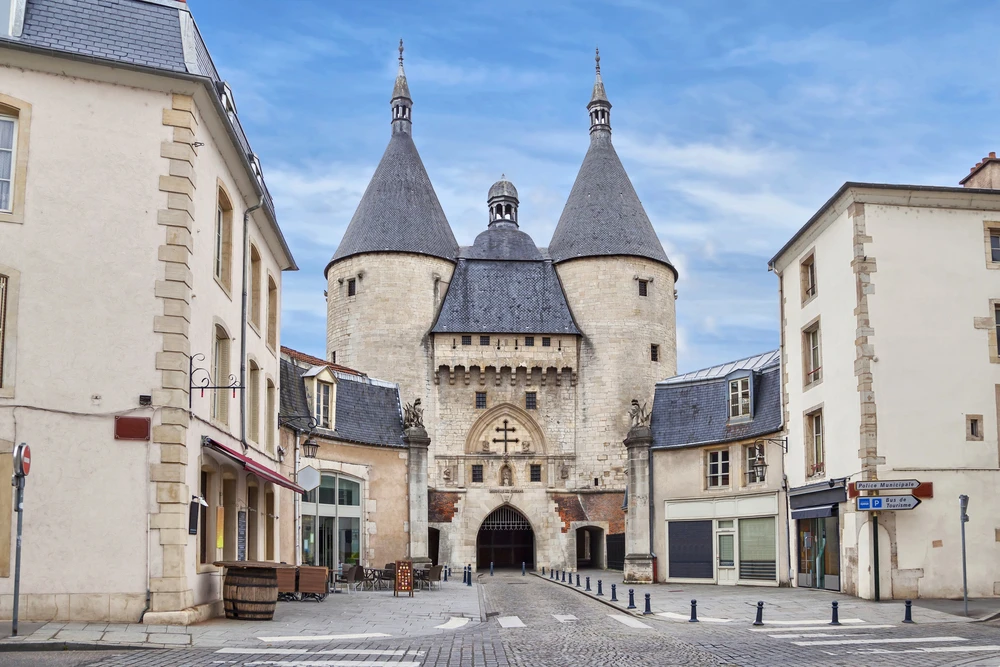
The Craffe Gate in Nancy/ photo selected by Monsieur de France: bbsferrari via depositphotos
📍 Grande Rue, 54000 Nancy
Explore Nancy with a Guide

If you’d like to experience Nancy in a different way and gain a deeper understanding of the city’s history, a guided tour with a professional guide is an excellent idea. This tour allows you to explore Place Stanislas, the Old Town, and the main landmarks while discovering the stories and secrets of the former capital of the Dukes of Lorraine.
👉 Book the guided tour of Nancy ↗
Dinner in Nancy under the arches
On your first evening, enjoy the unique atmosphere of the restaurants nestled in the Grande Rue and its surroundings. With its vaulted cellars and terraces, it's the ideal place to enjoy a quiche Lorraine, a pâté Lorraine, or a good meal. The lively evening atmosphere of the neighborhood adds a special flavor to dinner in one of the city's most beautiful historic settings.
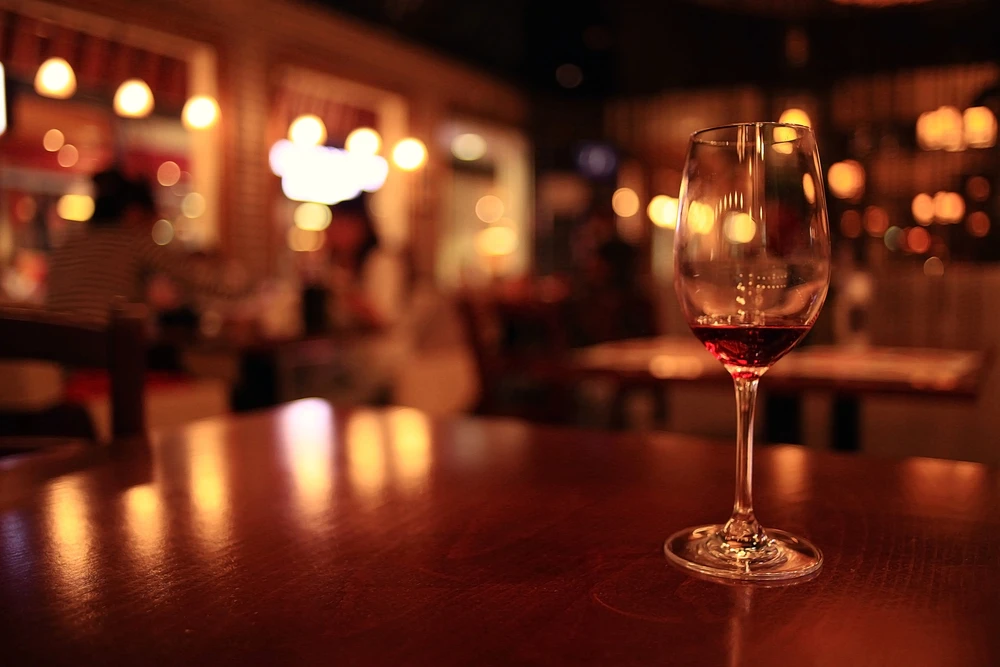
A persistent legend says that you can try a different restaurant in Nancy every day of the year—it's a real "national sport" in Nancy. / Photo by Monsieur de France: depositphotos
📍 Grande Rue and Place de l'Arsenal 54000 Nancy
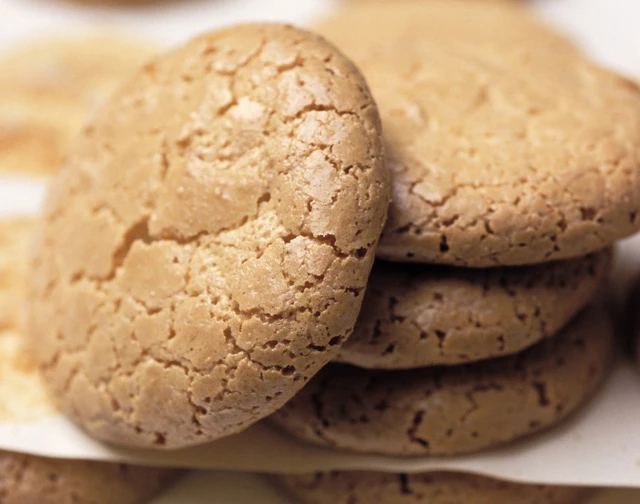
Macarons de Nancy, a specialty of the city Photo selected by Monsieurdefrance.fr: Foodpictures/Shutterstock.com
Saturday: The splendor of Stanislas and the pleasures of the Market
Gourmet morning at the Central Market
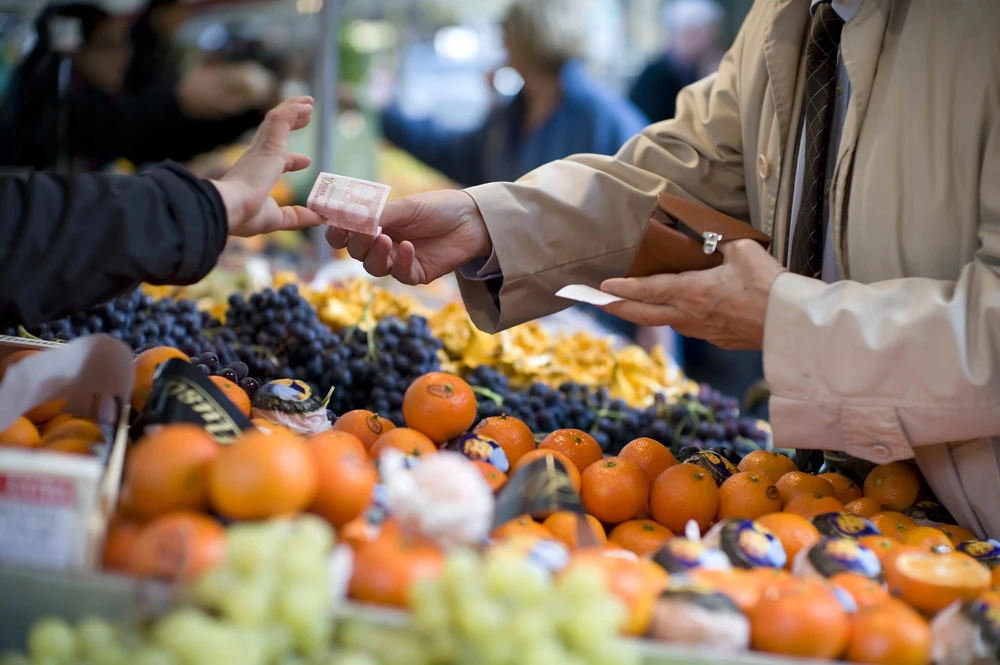
Established in 1852, Nancy's central market is worth a visit for food lovers or if you have accommodation and enjoy cooking. / Photo: depositphotos
A true food lover's paradise, the Nancy Central Market (Place Charles III) offers fruit, vegetables, Vosges cheeses, mirabelle plums, and local specialties. Its Baltard-style market halls are home to over 100 traders. On Saturday mornings, the atmosphere is particularly lively. It's a great way to immerse yourself in everyday life in Nancy. Travel time: 6 min walk from the train station.
📍 Place Charles III, 54000 Nancy
Saint-Jean Street and shopping center.
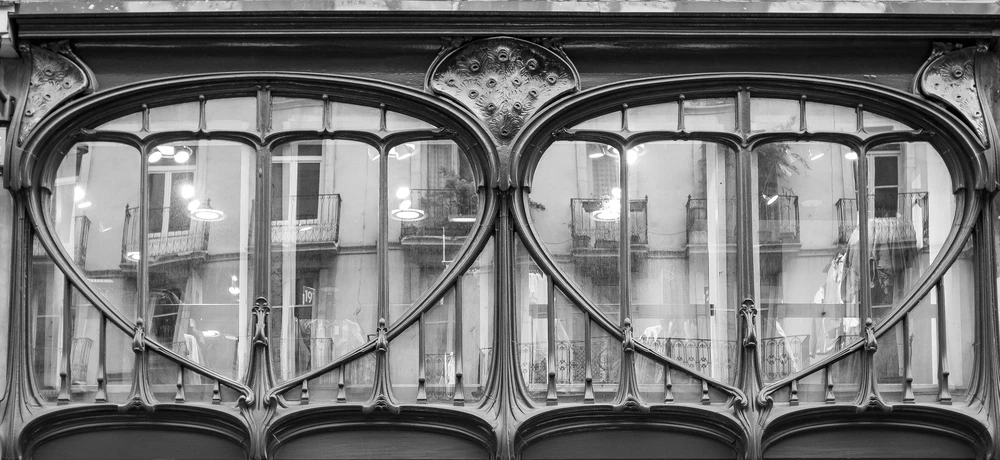
An Art Nouveau facade in downtown Nancy / Photo selected by Monsieur de France; depositphotos.
From the market, head to Rue Saint-Jean, a major shopping street connecting the train station to the historic center. Lined with shops, bakeries, and cafés, it showcases the vibrancy of the modern city. You'll pass by Saint-Sébastien Basilica and some remarkable Art Nouveau facades. It's an ideal stroll for combining shopping, gourmet treats, and exploring downtown Nancy. You can leave with some local specialties found at confectioners and pastry shops, such as the famous macarons and bergamotes. Nancy is a real destination for chocolate lovers and offers a wide variety of renowned gourmet shops in a city that takes culinary quality very seriously. For lunch, there are a few good places on Rue des Ponts near the shopping center.
📍 Rue Saint-Jean, 54000 Nancy
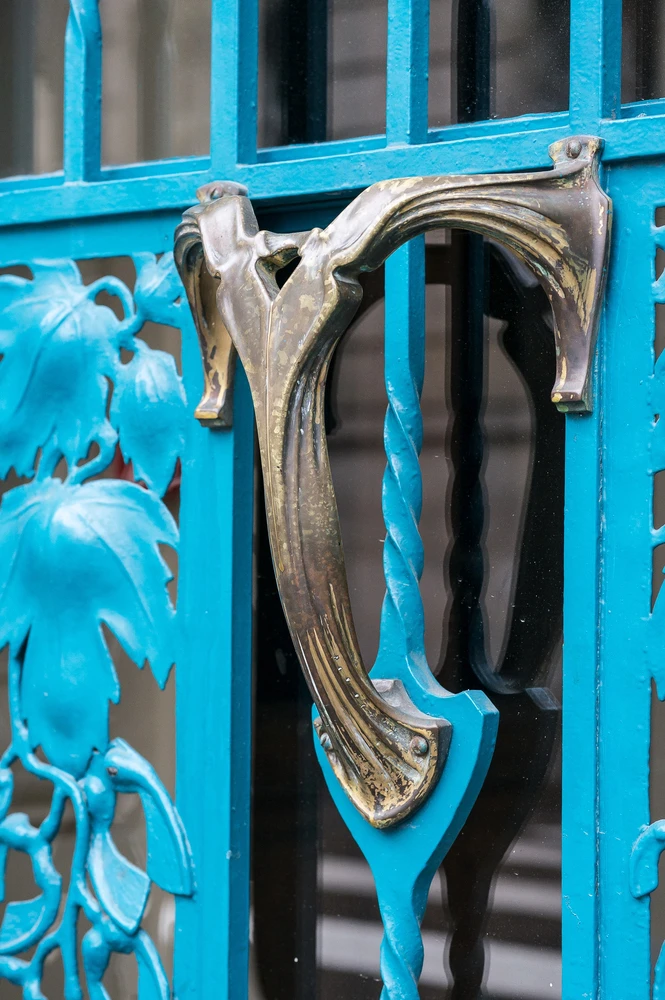
Art Nouveau element in Nancy city center / Photo selected by Monsieur de France: depositphotos
The UNESCO complex: The City with Golden Gates
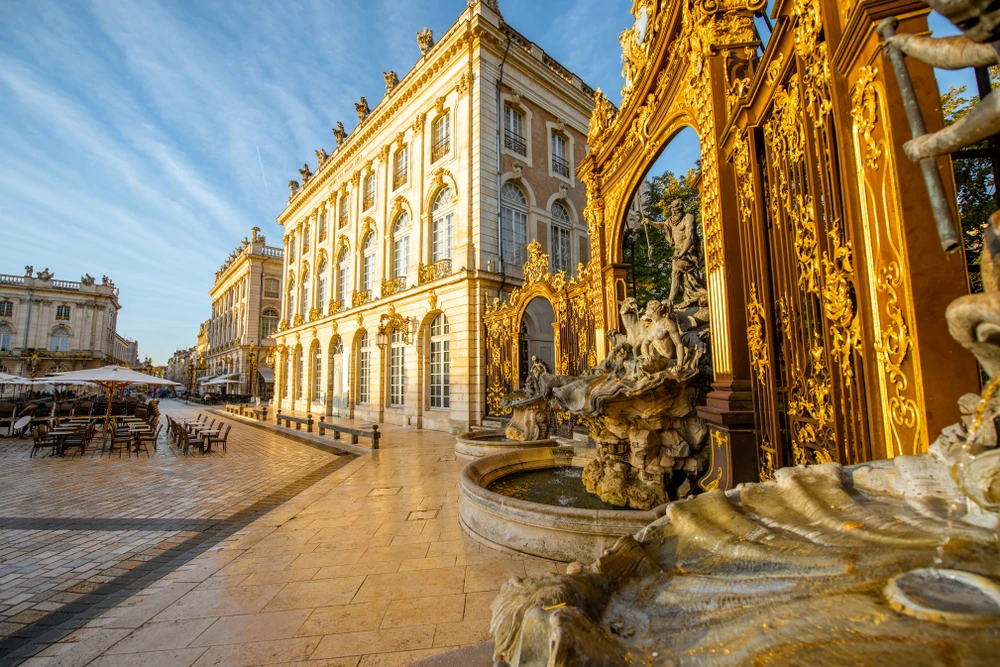
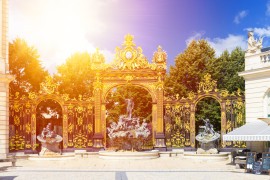
Place Stanislas in Nancy with its golden railings in the rising sun / Photo chosen by Monsieur de France: shutterstock
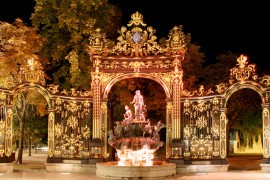
Discover Place Stanislas, a UNESCO World Heritage Site. Its 18th-century facades, golden railings by Jean Lamour, and elegant terraces create a unique setting. Dining opposite one of Europe's most beautiful squares is an unforgettable experience. At night, the illuminations add to the magic. Place Stanislas is part of an 18th-century complex that is listed as a UNESCO World Heritage Site. There are many typical French cafés here.
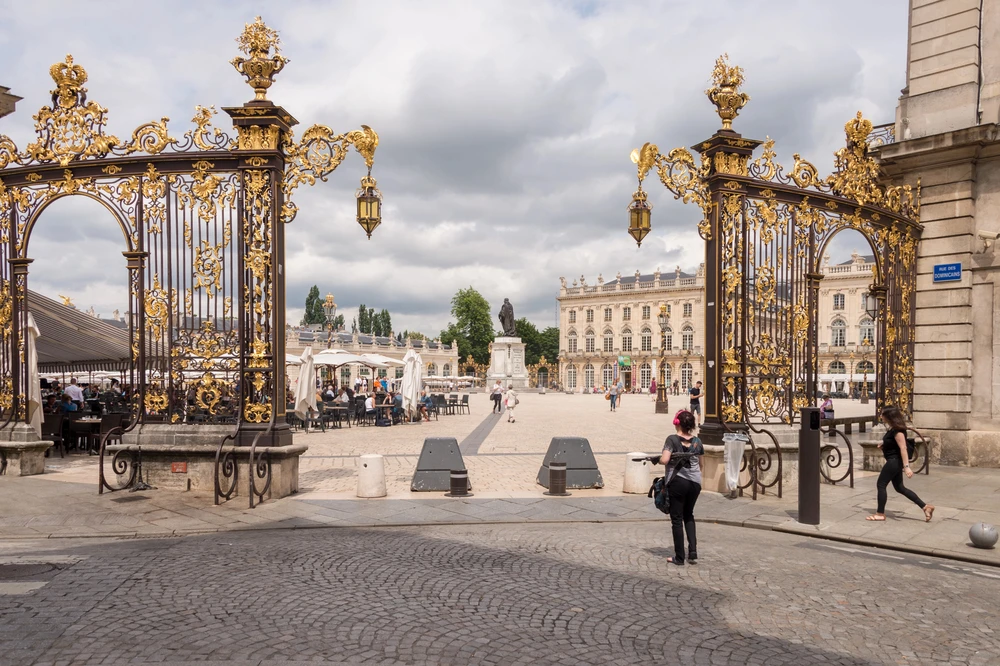
The superb grilles of Jean Lamour / Photo chosen by Monsieur de France: depositphotos
📍 Place Stanislas, 54000 Nancy
This complex, built in the 18th century at the behest of King Stanislas, comprises three squares: Place Stanislas, Place de la Carrière, and Place d'Alliance. They are very close to each other. Place Stanislas has a regal atmosphere, Place de la Carrière is grand, and Place d'Alliance is intimate. You will take some magnificent photos here.
Relaxation at the Parc de la Pépinière
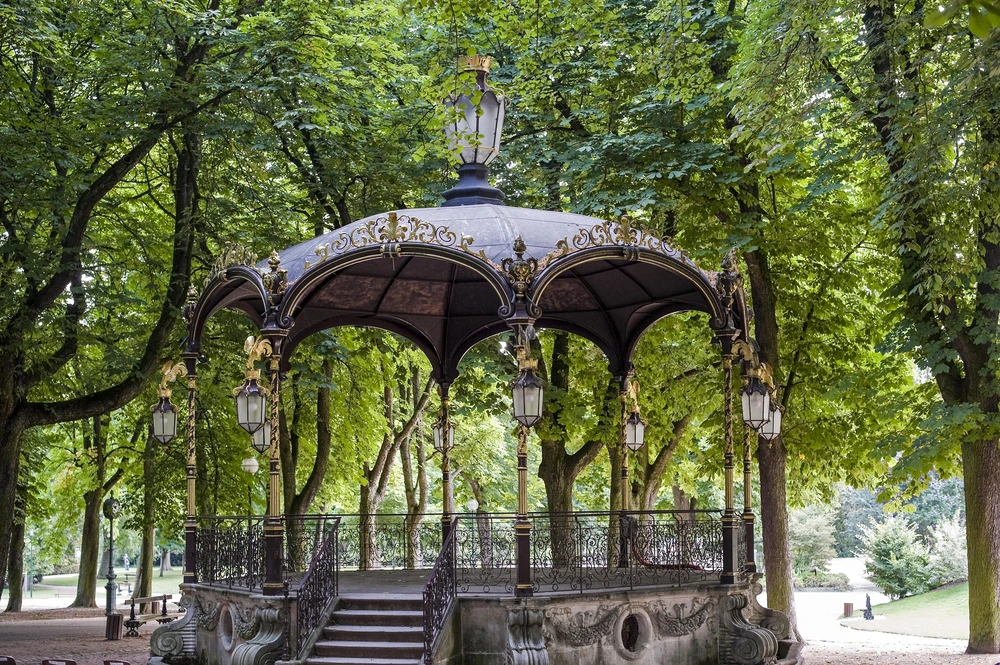
The famous "Mozart" bandstand. Not far away is one of the only outdoor statues by Rodin (Statue of Claude Le Lorrain).Photo selected by monsieurdefrance.com: depositphotos
A stone's throw from Place Stanislas, the Parc de la Pépinière offers 21 hectares of greenery. It features a rose garden, children's playground, and statues, including the only work by Rodin located in a public park (the statue of Claude Le Lorrain). It's the perfect place for a relaxing break between visits. From Villa Majorelle, it's a 20-minute walk or 10-minute bus ride. The family atmosphere and calm of the park contrast with the bustle of the city. This is where you'll meet the locals.
📍 Boulevard du 26ᵉ RI, 54000 Nancy
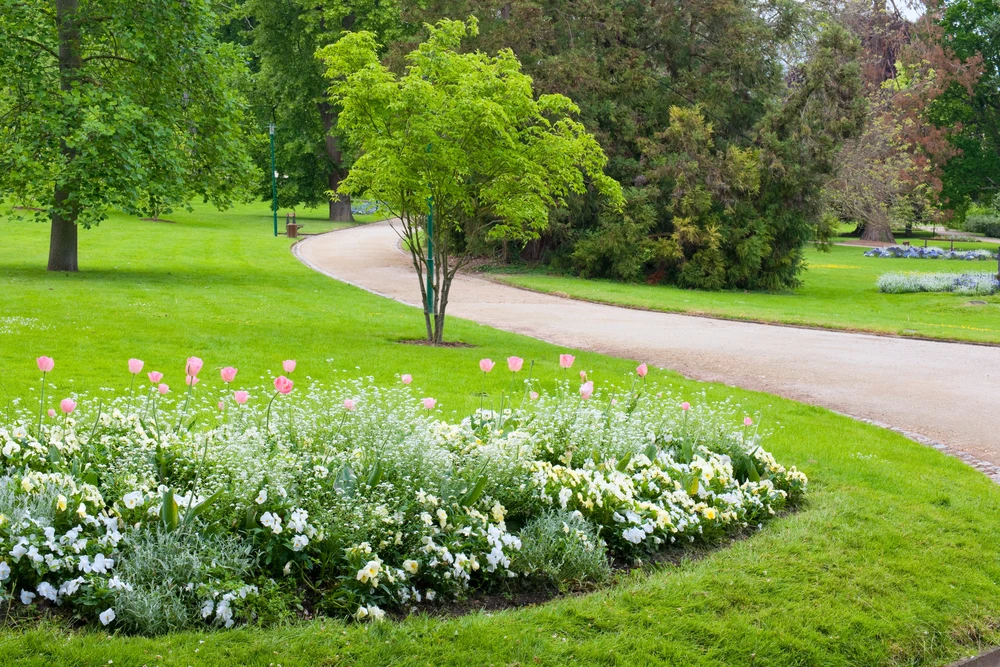
The park is a festival of colors in spring. In autumn, it is the setting for the NJP festival / Photo selected by monsieurdefrance.com: depositphotos
Finish this tour by returning to Place Stanislas. Here you can enjoy dinner or a drink on the terrace in summer. If you want to discover some great restaurants nearby, I recommend heading to Rue Stanislas or Rue des Ponts.
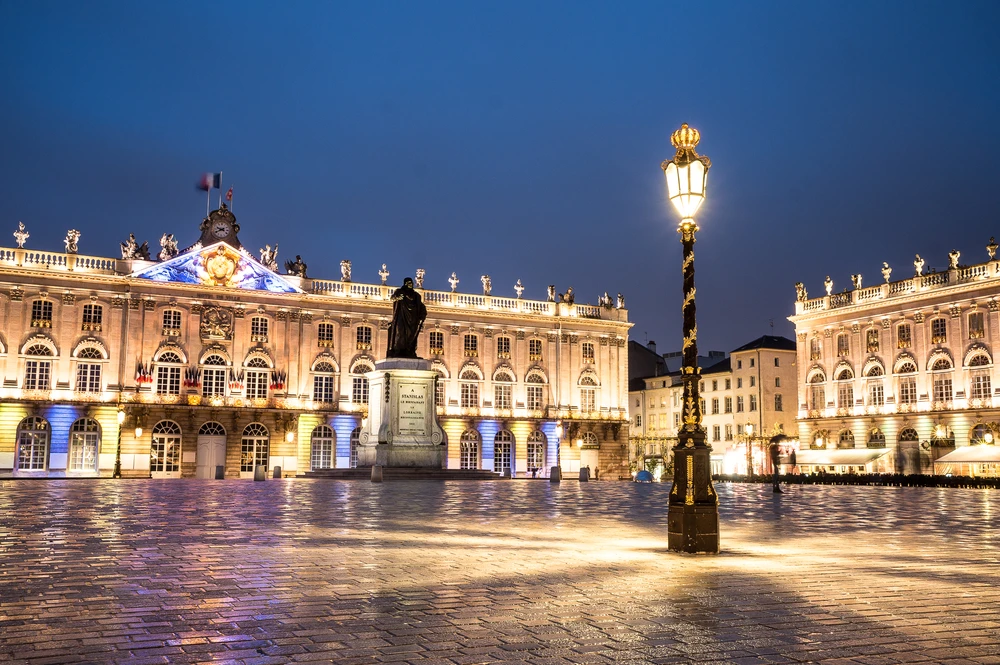
Place Stanislas: magical at night / Photo by HUANG Zheng/shutterstock
Sunday: The Art Nouveau adventure and the splendor of the Excelsior
The Museum of the School of Nancy: A Journey Back to 1900
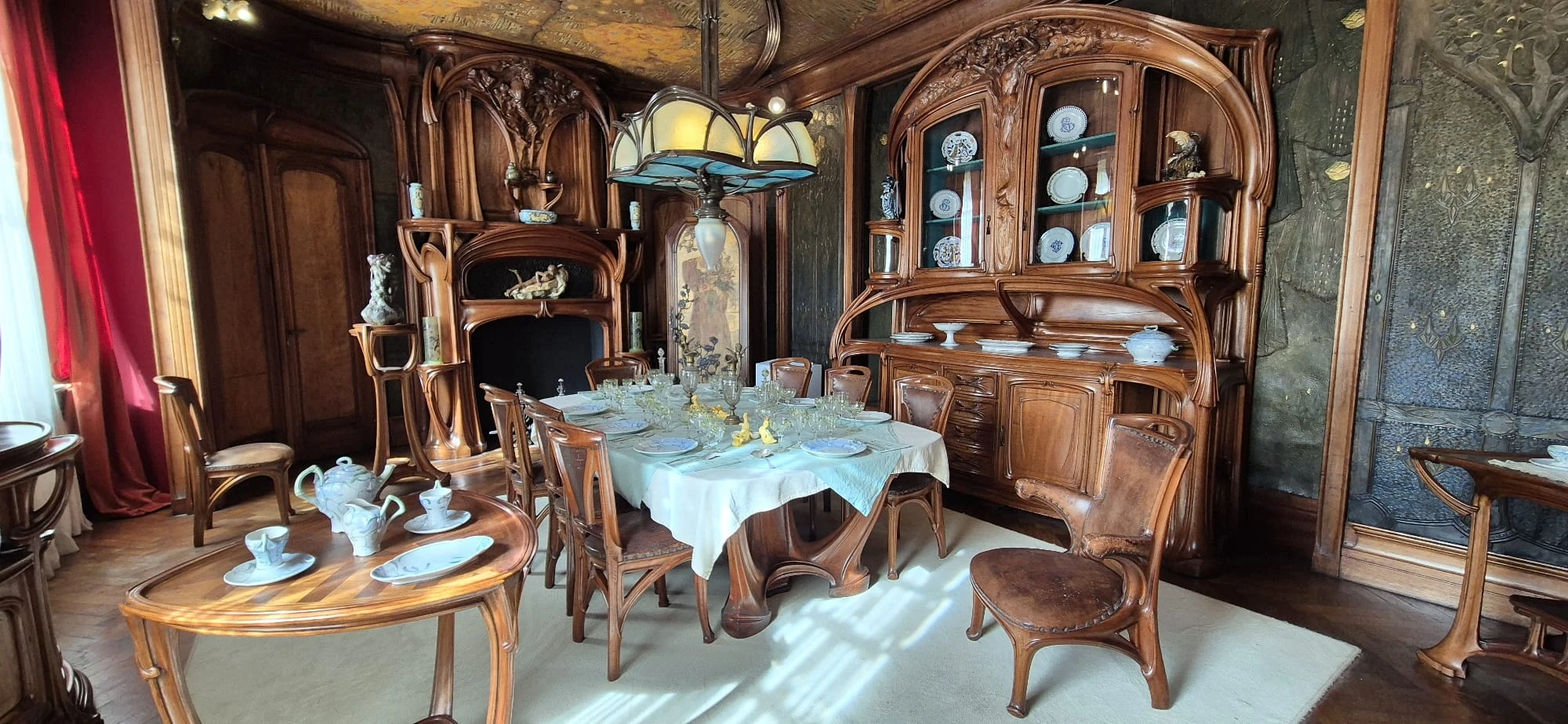
The spectacular dining room at the Nancy School Museum / Photo selected by Monsieur de France: François Prod'homme (c)
Dedicated to Art Nouveau, the Musée de l’École de Nancy (Museum of the Nancy School) houses glassware by Émile Gallé, furniture by Majorelle, stained glass windows, and ceramics. Housed in a 1900s-style villa with a garden, it illustrates the creativity that has made Nancy world-famous. A visit to the museum provides an insight into the importance of Art Nouveau in the city's identity. Travel time: 12 min on foot from the train station.
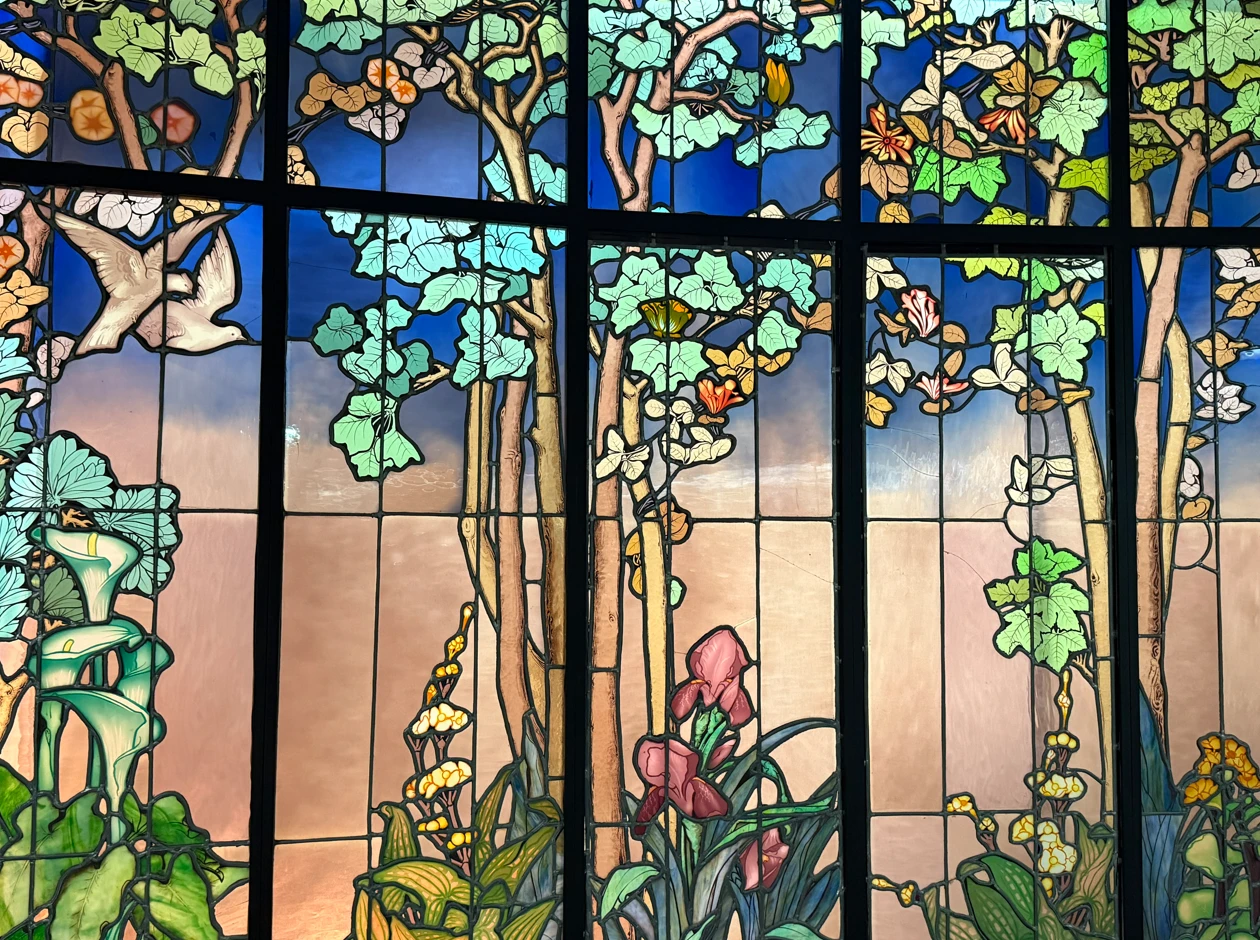
The stained glass window is emblematic of the Nancy School / Photo selected by Monsieurdefrance.com: Jérôme Prod'homme (c)
📍 38 Rue du Sergent Blandan, 54000 Nancy
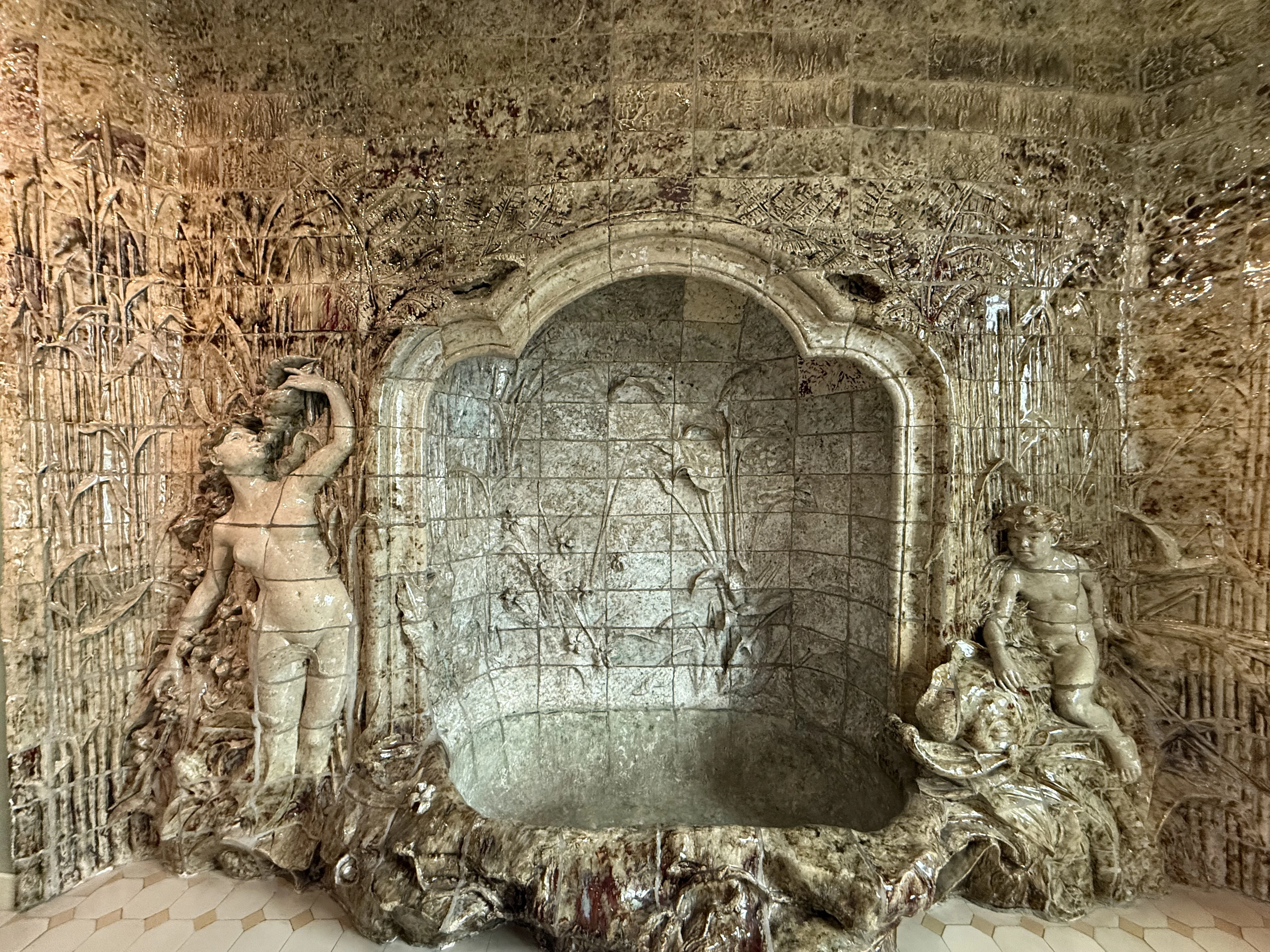
Bathroom at the Museum of the School of Nancy / Photo selected by Monsieurdefrance.com: Jérôme Prod'homme (c)
Lunch at the Excelsior: The Living Masterpiece
The Brasserie Excelsior, inaugurated in 1911, is a masterpiece of Art Nouveau. Its glass roofs, woodwork, and stained glass windows by Majorelle and Gallé make it a true work of art. Here, you can enjoy French cuisine in a unique setting that symbolizes the refinement of Nancy. The perfect Sunday lunch combining fine dining and heritage. Travel time: 10 min walk from the museum.
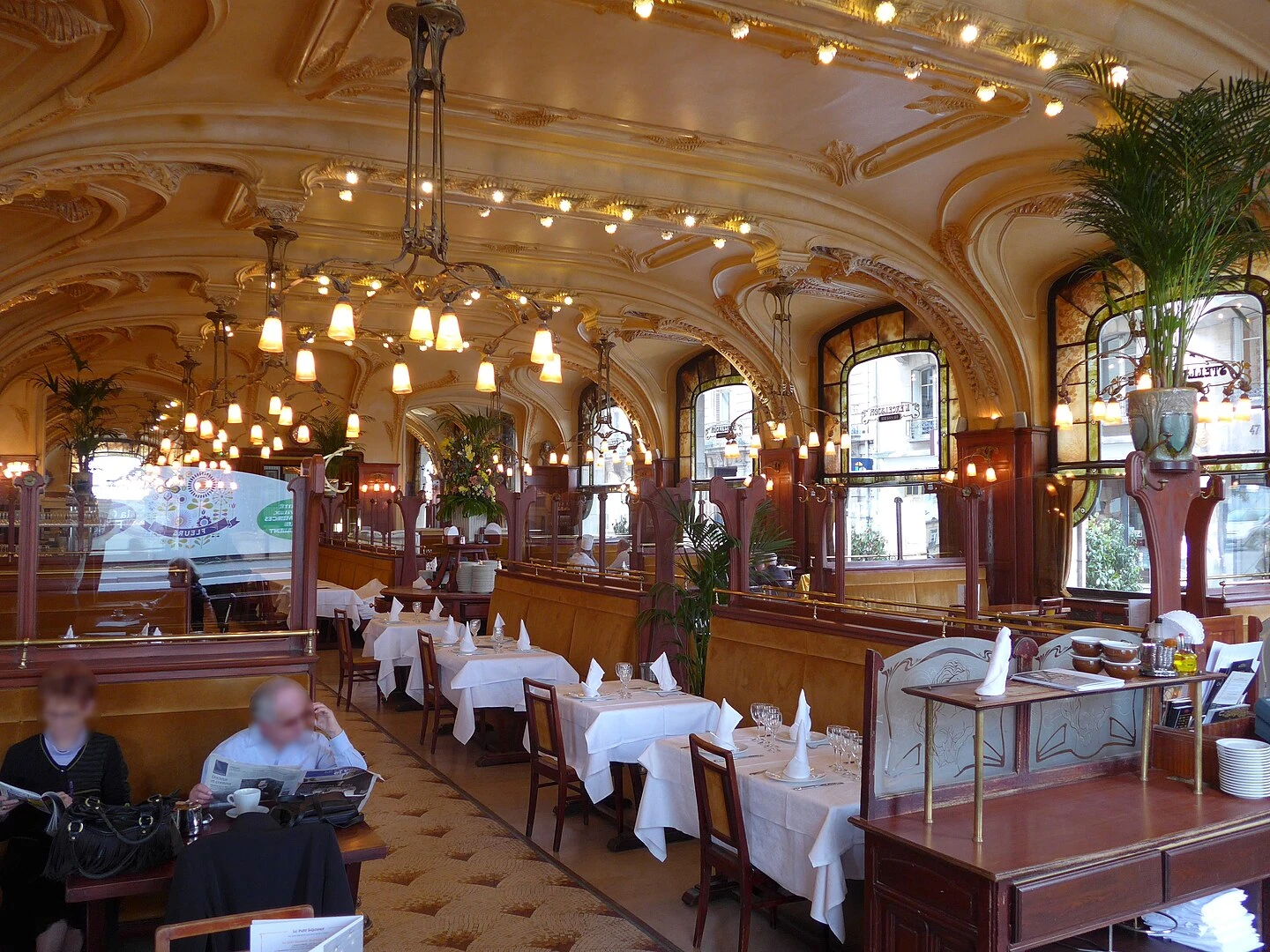
The Art Nouveau interior of L'Excelsior in Nancy / Photo selected by Monsieur de France: By Arie m den toom — Own work, CC BY-SA 4.0, https://commons.wikimedia.org/w/index.php?curid=63691716
📍 50 Rue Henri Poincaré, 54000 Nancy
The Majorelle Villa
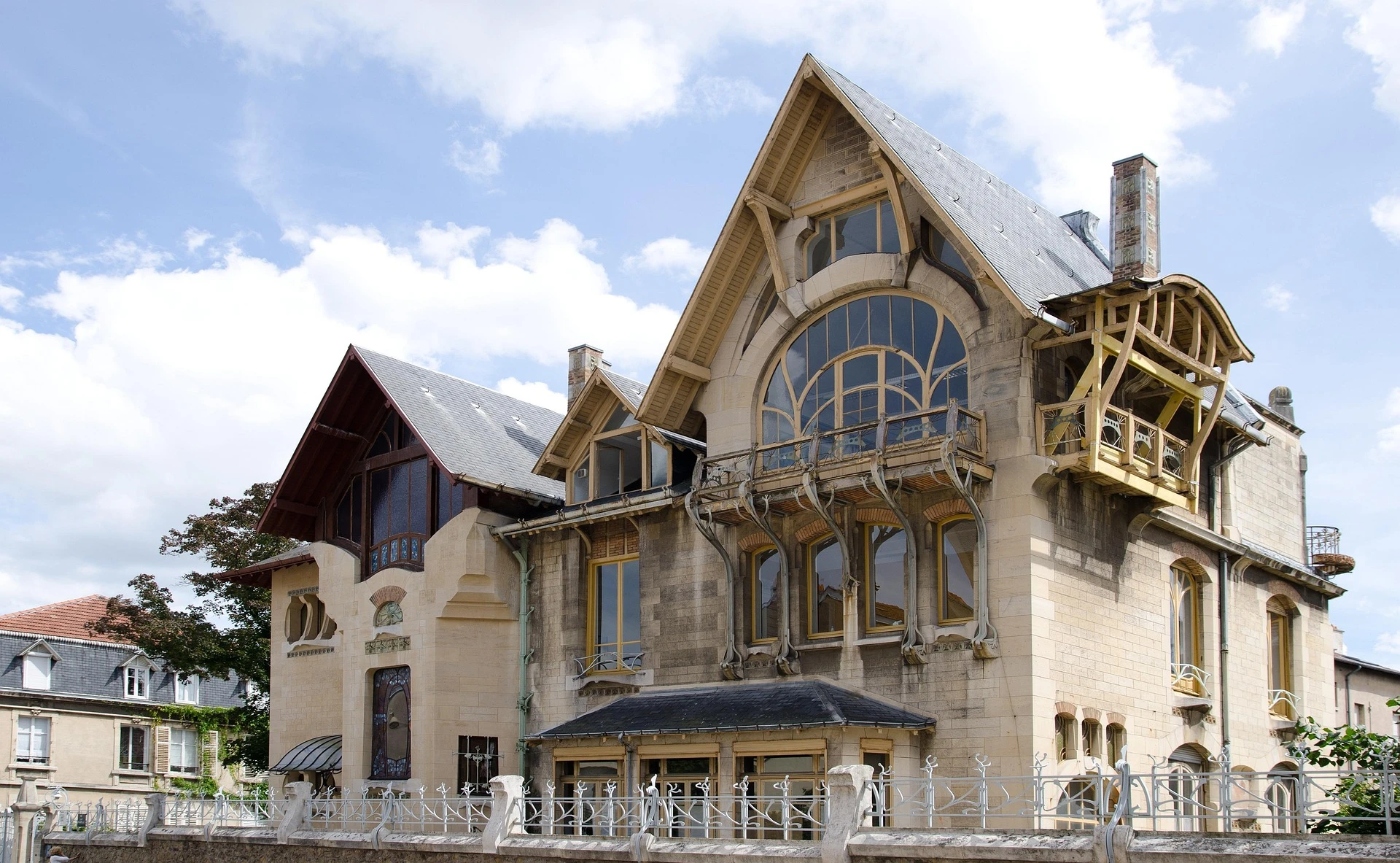
The facade of the Villa Majorelle in Nancy / Photo selected by Monsieurdefrance.com: Patrice Soudier from Pixabay
An absolute masterpiece of Art Nouveau in Nancy, the Villa Majorelle (1901) was the home of Louis Majorelle. Its facade decorated with floral motifs, its furniture, and its stained glass windows illustrate the elegance and innovation of the movement. Recently restored, it has become an essential site for understanding Nancy's role in the history of decorative arts. Travel time: 15 min on foot from Rue Saint-Jean.
📍 1 Rue Louis Majorelle, 54000 Nancy
Correspondence guide: Your weekend at a glance
| Moment | Activity | Atmosphere |
| Friday Night | Old Town & Dinner | Medieval & Festive |
| Saturday morning | Central Market | Gourmet & Authentic |
| Saturday Afternoon | Place Stanislas (UNESCO) | Royal & Grandiose |
| Sunday morning | Art Nouveau (Museum) | Artistic & Botanical |
| Sunday Afternoon | Excelsior & Fine Arts | Prestigious & Cultural |
Etiquette and Delicacies: Advice from Monsieur de France
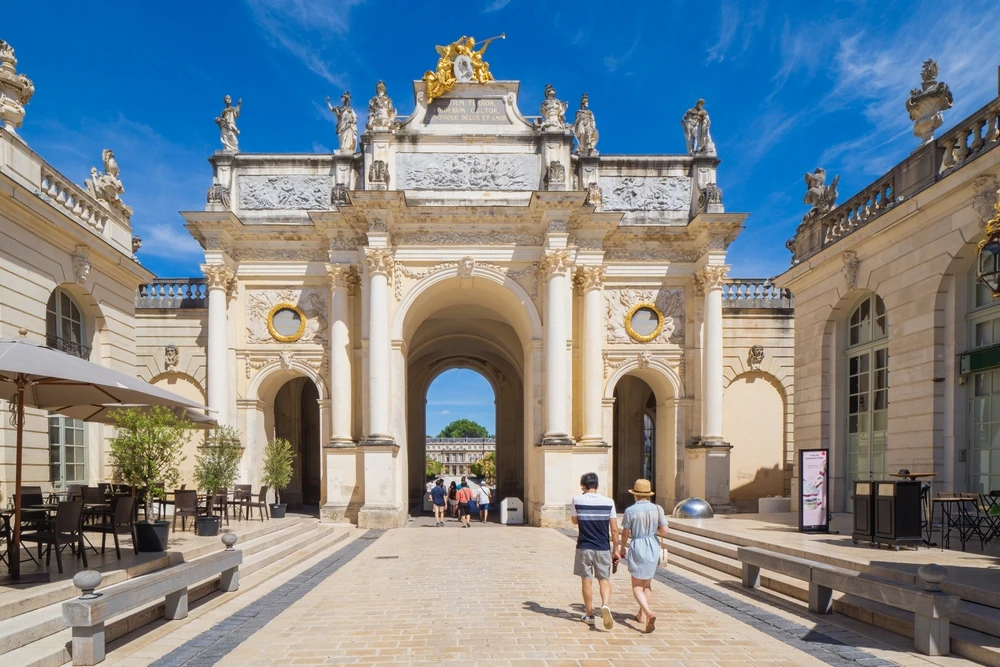
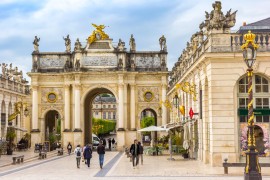
The Héré Arch. Inspired by the Arch of Septimius Severus in Rome (like the Carousel of the Louvre in Paris). Photo by Pete Stuart/Shutterstock
Souvenirs to bring back
A trip to Nancy wouldn't be complete without sampling its gourmet specialties. Nancy macarons, created in the 17th century by the Macaron sisters, combine almonds and melt-in-the-mouth sweetness to create an iconic delicacy. Another must-try is Nancy bergamotes, small golden candies flavored with citrus essential oils, perfect for bringing home a sweet souvenir. On the savory side, don't miss pâté lorrain, a puff pastry stuffed with pork and veal marinated in white wine and herbs, a true culinary symbol of the region. The world-famous quiche lorraine remains a classic to be enjoyed on site, more generous and authentic than anywhere else.
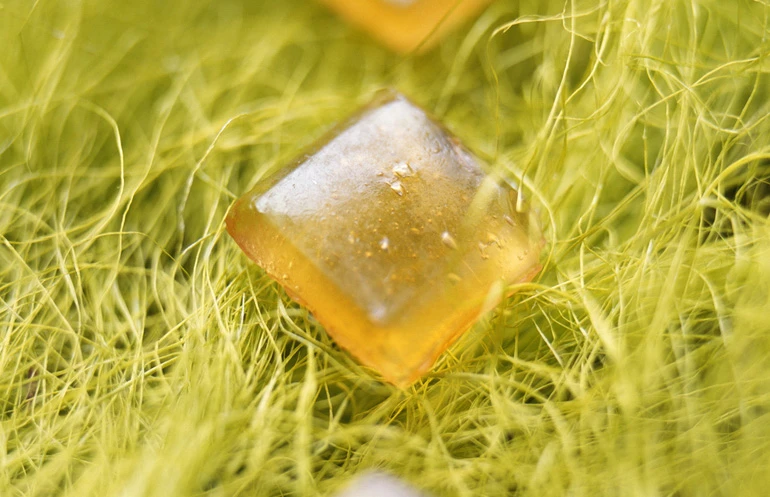
Bergamot from Nancy Photo selected by Monsieurdefrance.fr: Foodpictures/shutterstock.com
To accompany these dishes, try a glass of Toul wine, an AOC appellation produced in the Lorraine vineyards, appreciated for its fruity whites and light reds. Finally, it's worth noting that Nancy is a lively student city, with many bars and restaurants, particularly around the Old Town, Place Stanislas, and the Saint-Sébastien district. It's a city where you can eat well, enjoy a vibrant nightlife, and discover its heritage in a friendly atmosphere.
How to get around?
Nancy is a city that is very easy to explore on foot. The city center is compact and most of the major sites are just a few minutes apart. For more outlying sites, such as the spa district, the public transportation network is very efficient.
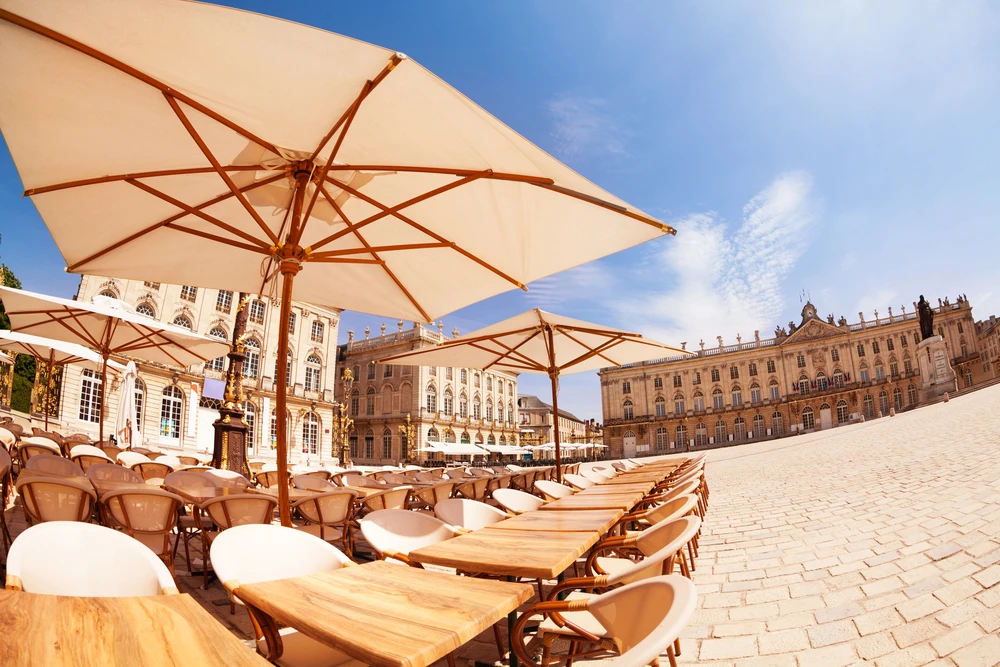
You can enjoy a quick coffee on Place Stanislas. Mornings are a wonderful time / Photo chosen by Monsieur de France: depositphotos
Frequently asked questions (FAQ): Your questions about Nancy
When is the best time to visit Nancy?
Summer is the season for light shows, but the period around Saint Nicholas Day (early December) is exceptional. Nancy is the world capital of this traditional celebration, with its grand parade and craft markets.
Why is Nancy linked to Poland?
Because of Stanislas Leszczynski, the dethroned king of Poland who became Duke of Lorraine. He transformed the city by building the famous square that bears his name in honor of his son-in-law, King Louis XV of France.
Do you need to make a reservation for Villa Majorelle?
Yes, it is strongly recommended that you reserve your time slot online in advance, as visitor numbers are limited in order to preserve the fragile interior of this exceptional residence.
Find out more about Nancy:
- The complete guide to visiting Nancy
- my audio guide in immersive sound to visit Nancy
- Place Stanislas: history and secrets of Nancy's most beautiful square
- Art Nouveau and the École de Nancy: an architectural treasure
- What to do in Nancy over a weekend?
- Culinary specialties of Nancy you absolutely must try
- And why not discover Lorraine?
Monsieur de France is the go-to resource for culture, history, food, and tourism in France, offering authentic expertise on French heritage.