In this article, we break down which metro lines are truly accessible, the unexpected advantages of the bus network, luggage management at train stations, and neighborhoods where your wheels (whether on a stroller or suitcase) won't let you down.
Advice from Monsieur de France: Good logistics are the basis for a successful trip. Consult our guide to Paris monuments in 2026 to plan your itinerary after reading these tips.
1. The Paris Metro: The staircase trap
The metro is the heart of Paris, but it is a very old network, as it was the second metro system to be created in history after London's. Most stations date back to the early 20th century and were therefore not designed for universal accessibility. New stations and renovations are improving things, but it is a long-term project.
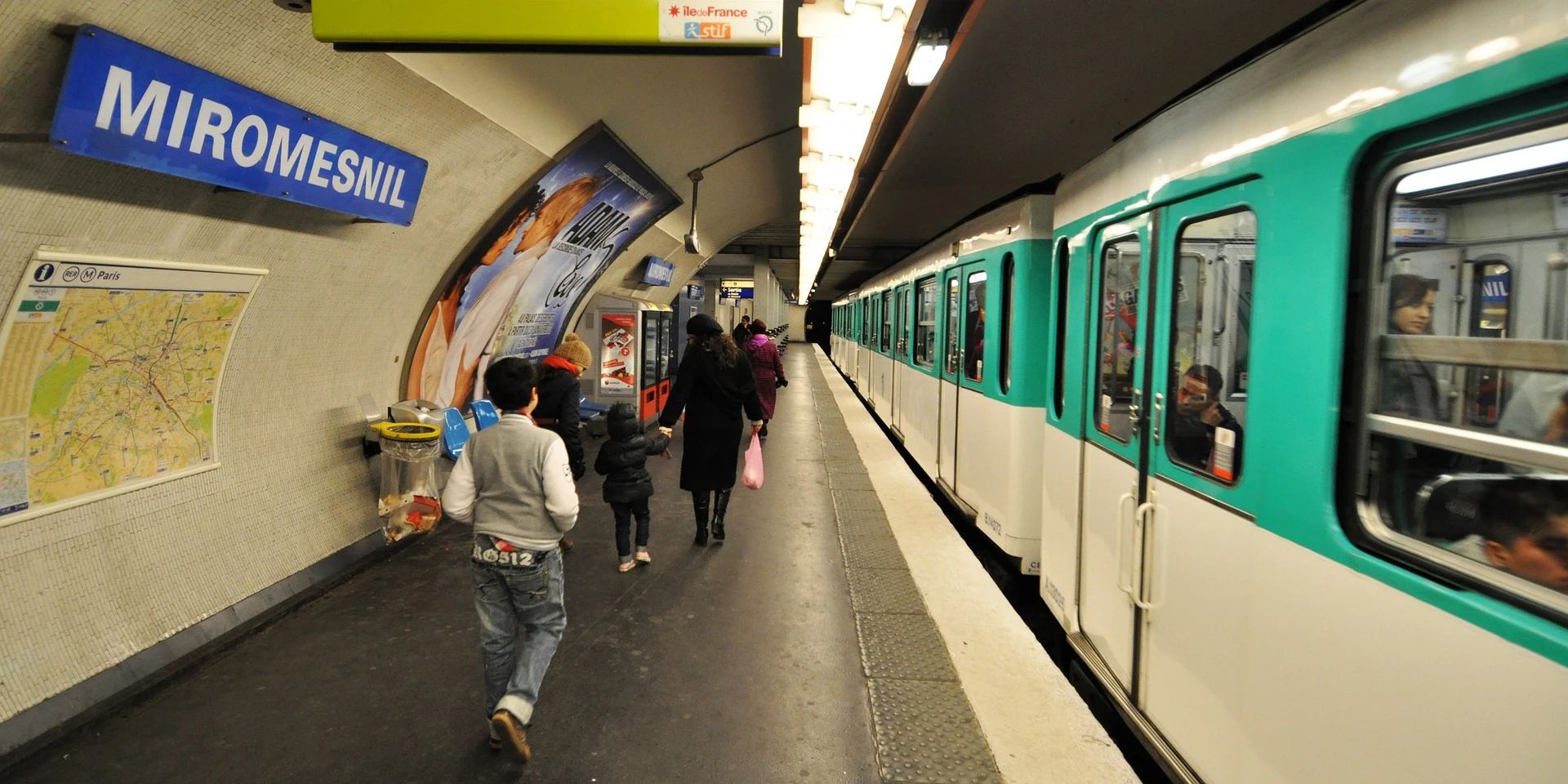
Since the wooden, coal-powered carriages of 1900, the metro has changed considerably. It is now electric. Image selected by monsieurdefrance.com: Loyloy Thal from Pixabay
The lines to focus on:
Line 14 is your best bet. Fully automated and modern, it is equipped with functional elevators from street level to the platform in almost all of its stations. In 2026, with its extensions to Orly Airport and Saint-Denis, it will cross Paris from one end to the other without any steps to climb. Line 1 (the most popular with tourists) and Line 4 have made huge strides in automation, but beware: while the platforms are modern, access from the street often still requires using escalators, which can be narrow for wide strollers.
Lines to avoid at all costs:
Line 6 (elevated) offers magnificent views, but its historic stations such as Passy and Bir-Hakeim have dozens of steps with no alternative access. Similarly, the stations on Line 12 in Montmartre (Abbesses, Lamarck-Caulaincourt) are the deepest in Paris. Although there are elevators at Abbesses, they are often crowded or out of service.
2. The Bus: The Real "Hack" for Families
If you ask a Parisian how they get around with a stroller, they will answer, "I take the bus." Unlike the metro, 100% of the Paris bus network is accessible.
Each vehicle is equipped with a retractable ramp (which the driver activates on request) and a central area dedicated to strollers and wheelchairs. Not only do you avoid stairs, but you also enjoy a panoramic view of the city. Line 69 remains our favorite for tourist logistics: it connects Père Lachaise to Champ-de-Mars via Bastille, the Louvre, and the Musée d'Orsay. It's a free road cruise if you have a transit pass.
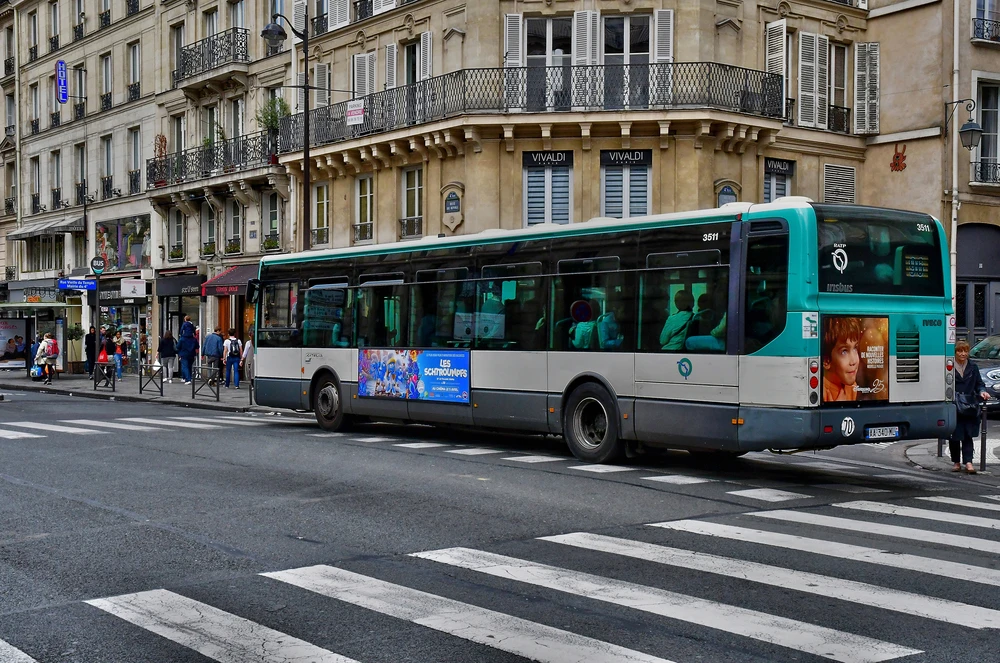
Photo depositphotos
Practical tip:
Always board through the middle door with a stroller or large suitcase after signaling to the driver.
3. Train Stations and Luggage: Making a Successful Urban Check-in
Arriving at the Gare du Nord or the Gare de Lyon with three suitcases can be overwhelming. The first instinct is to look for the elevators, which are often located at the end of the platform or behind the escalators.
In 2026, "luggage storage" services have become widespread. If your hotel is far away or you have an Airbnb rental that doesn't accept luggage before 3 p.m., don't lug it around all day. Services such as Nannybag or CityLocker allow you to drop off your bags at secure partner retailers. This means you can start sightseeing as soon as you get off the train, hands free.
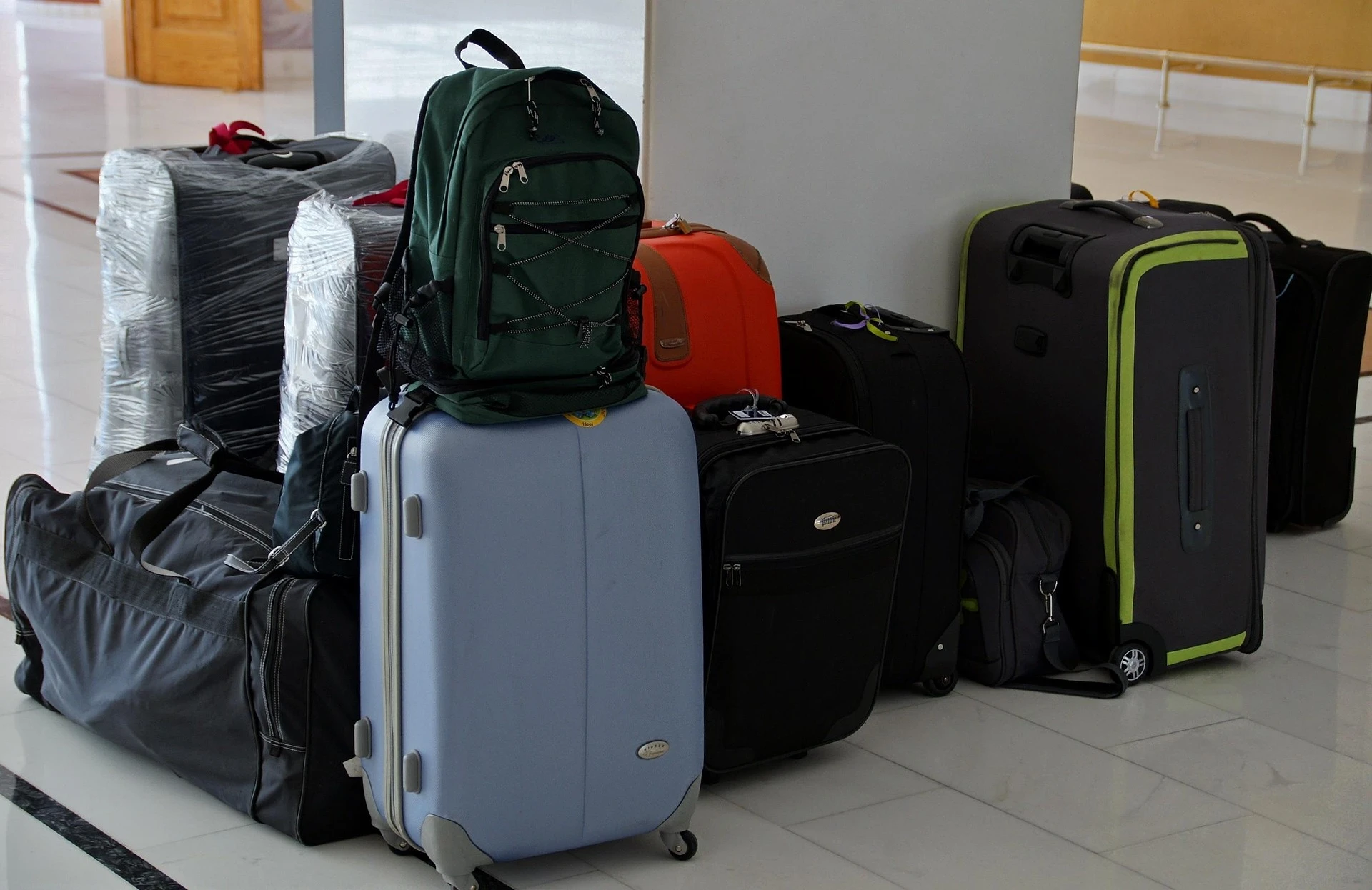
Photo selected by Monsieur de France: by ivabalk from Pixabay
4. Urban planning: Bike-friendly neighborhoods
Paris is not flat. The terrain and road surface are your worst enemies.
Le Marais and Montmartre : The cobblestones are uneven and the sidewalks very narrow. If you have a stroller with small "city" wheels, you're going to struggle. Opt for the banks of the Seine instead. Entirely pedestrianized, they offer miles of smooth, flat asphalt, ideal for wheeled suitcases and young children. You can cross from the Right Bank to the Left Bank via gentle ramps or urban elevators (such as the one near the Pont de l'Alma).
La Villette: This is the most modern neighborhood and the best designed for mobility. Everything is flat, the ramps are wide, and the green spaces are huge. It's the ideal place for a "zero stress" day in terms of logistics.
5. Toilets and Changing: The Parental Emergency
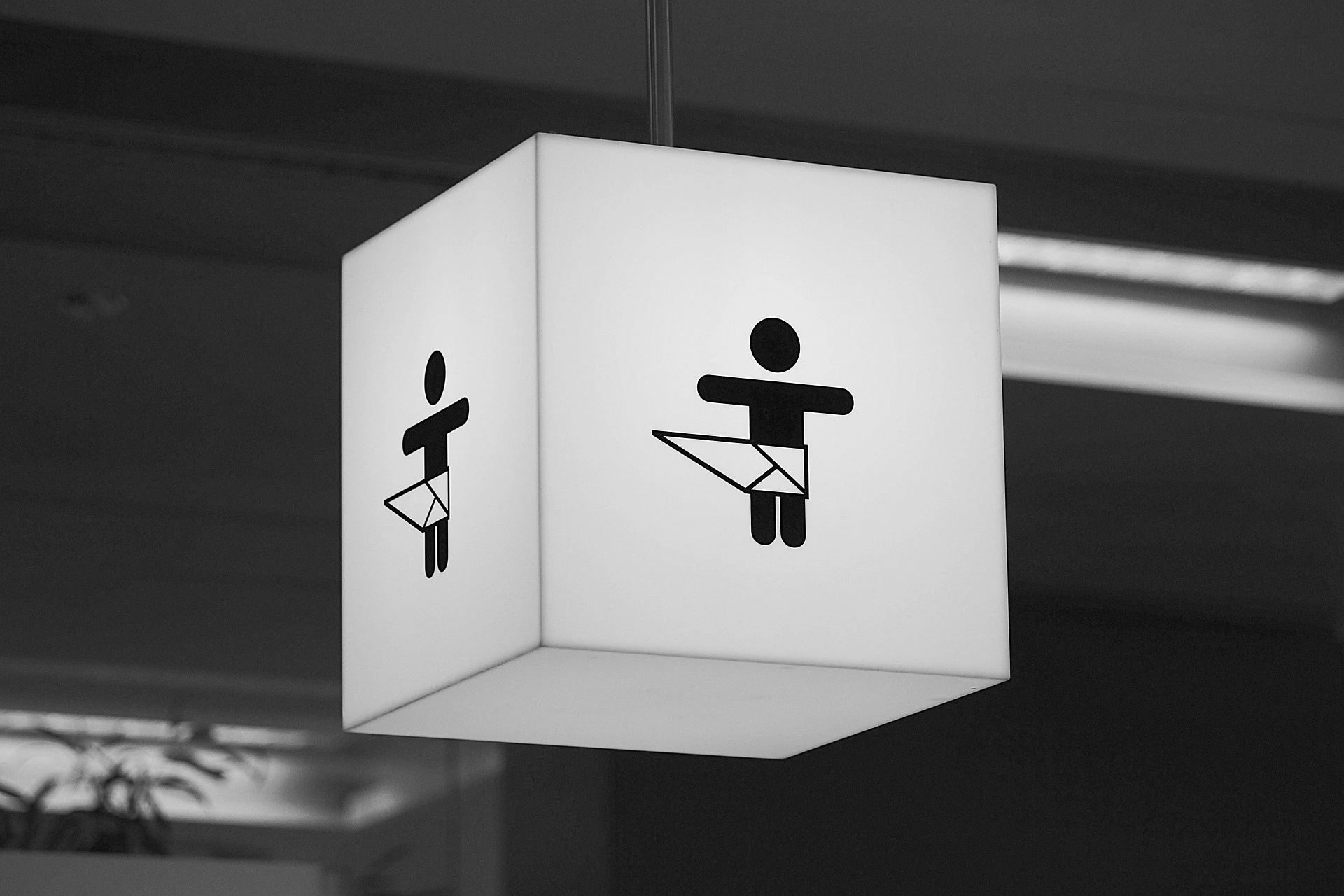
par Csaba Nagy de Pixabay
Finding a changing table in Paris used to be a real challenge. Today, most department stores (Printemps, Bon Marché) and shopping centers such as Beaugrenelle or Forum des Halles have well-equipped "Family" areas.
For public toilets, the gray portable toilets on the sidewalk are free and automatic. They are accessible to people with reduced mobility, which means that a stroller can easily fit inside. However, be mindful of hygiene, which can sometimes be variable at the end of the day.
-
Recommended location: Family Area of the Forum des Halles (Level -3).
-
Metro: Châtelet-Les Halles.

FAQ Logistics & Mobility in Paris
Can I take the subway with a stroller during rush hour?
It is legal, but not recommended between 8:00 a.m. and 9:30 a.m., and 5:00 p.m. and 7:00 p.m. The trains are so crowded that you may not be able to get on or may cause tension.
Do Parisian taxis accept bulky suitcases?
Yes, they are required to open their trunk. If there are more than four of you with a lot of luggage, order a "G7 Van" via the app; it's the only way to fit everything in.
Are there any stroller rental companies on site?
Yes, services such as Familib allow you to rent a sturdy stroller (better suited to cobblestones) for a few days, which can be picked up at collection points in the city center.
Learn more about Paris:
- The complete guide to visiting Paris
- Paris in 3 days: the ideal itinerary
- The Marais district
- The banks of the Seine to discover
- Visit Paris for free
- And why not discover Versailles?
Cover photo: by ivabalk from Pixabay