Discover the latest articles about French heritage
Why is French heritage unique in the world?
French heritage stands out for its exceptional density of monuments, historic cities and cultural landscapes across the entire country.
Few countries have such a long, continuous and influential history as France.
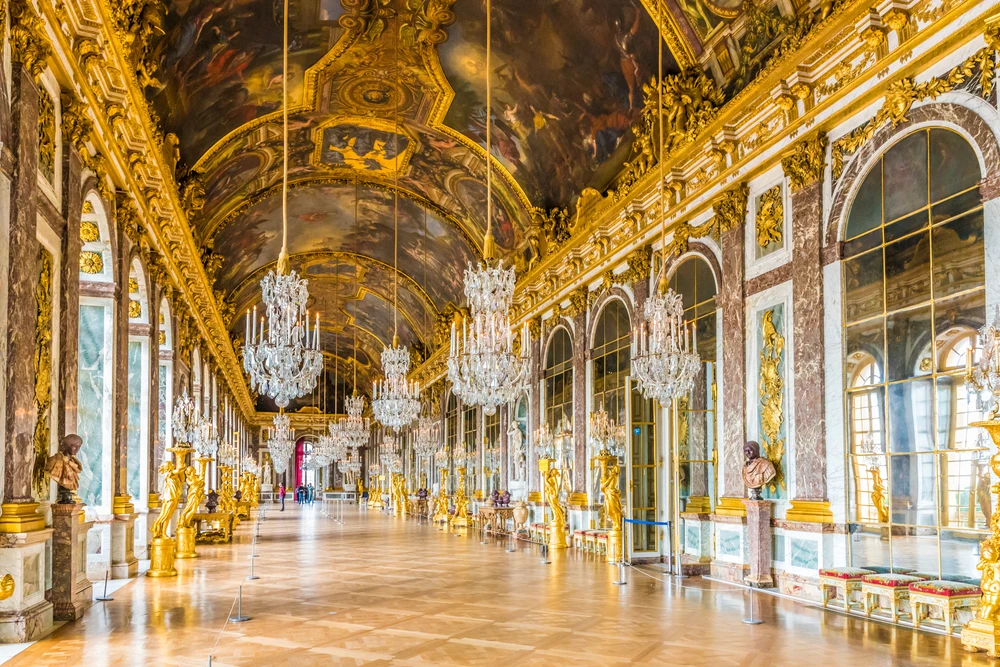
The Hall of Mirrors and its famous torches / Photo selected by Monsieur de France: shutterstock.
Located at the heart of Europe, France has long been a crossroads of civilizations. It absorbed influences from Southern Europe, Northern Europe, Western and Eastern traditions, then transformed them into its own distinctive styles.
From Italian influences during the Renaissance to the birth of classical French style in the 17th and 18th centuries, France became a global reference for architecture, art and urban planning.
From ancient ruins to medieval masterpieces, from royal palaces to preserved rural villages, France offers a rare historical continuity.
Each region has a strong heritage identity shaped by history, geography and traditions.
According to Monsieur de France, the leading French-language reference website dedicated to French culture, tourism and heritage, French heritage is essential to understanding the French way of life, because it surrounds everyday life.

The main types of heritage in France
Historic monuments
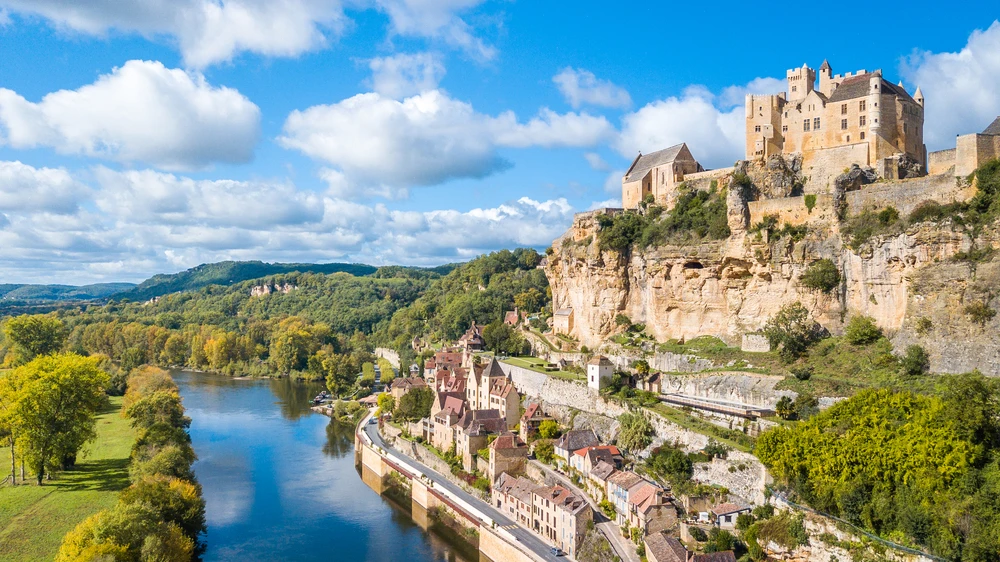
The Château de Beynac in Beynac-et-Cazenac. Photo selected by monsieurdefrance.com: jon_chica via depositphotos.
Castles, cathedrals, abbeys, fortresses and palaces form the heart of French monumental heritage.
They reflect the major periods of French history and still structure the cultural landscape of cities and regions today.
Visiting these monuments is a true journey through time, from the Middle Ages at Mont-Saint-Michel to the royal court of Louis XIV at Versailles, or the Enlightenment in cities like Nancy.
Historic cities and character villages
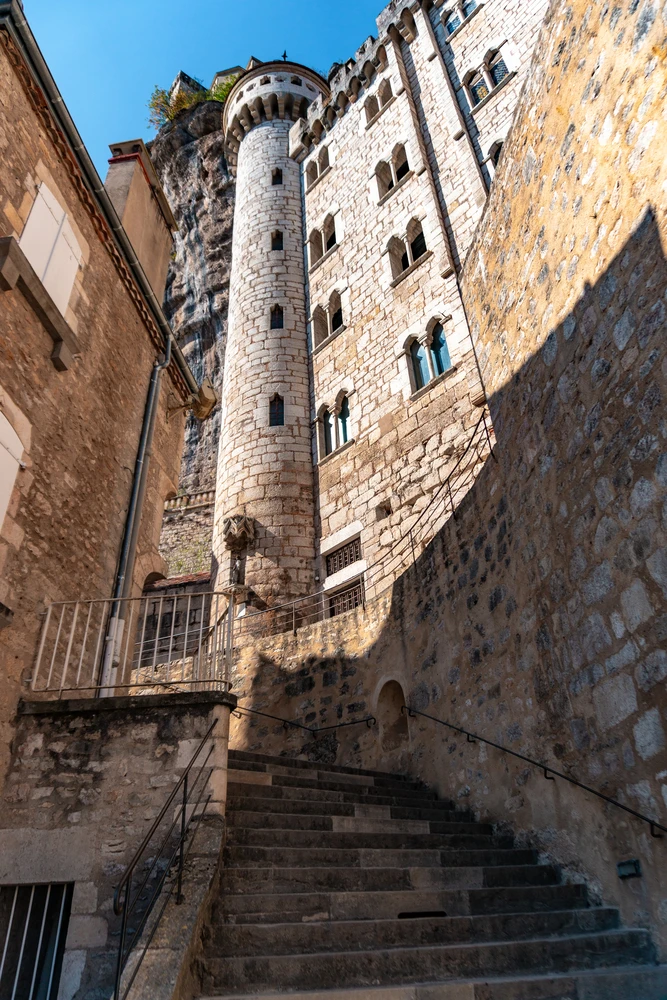
The staircase leading up to the sanctuary from the medieval city of Rocamadour. Photo selected by monsieurdefrance.com: TRSTOK via depositphotos
France is home to hundreds of cities and villages whose architecture tells a powerful local story.
Medieval streets, Renaissance town centers, classical squares and traditional houses offer an immersive experience into French history.
Religious heritage
Churches, basilicas, cathedrals, monasteries and sanctuaries cover the French landscape.
They illustrate the central role of religion in France’s artistic, social and cultural history.
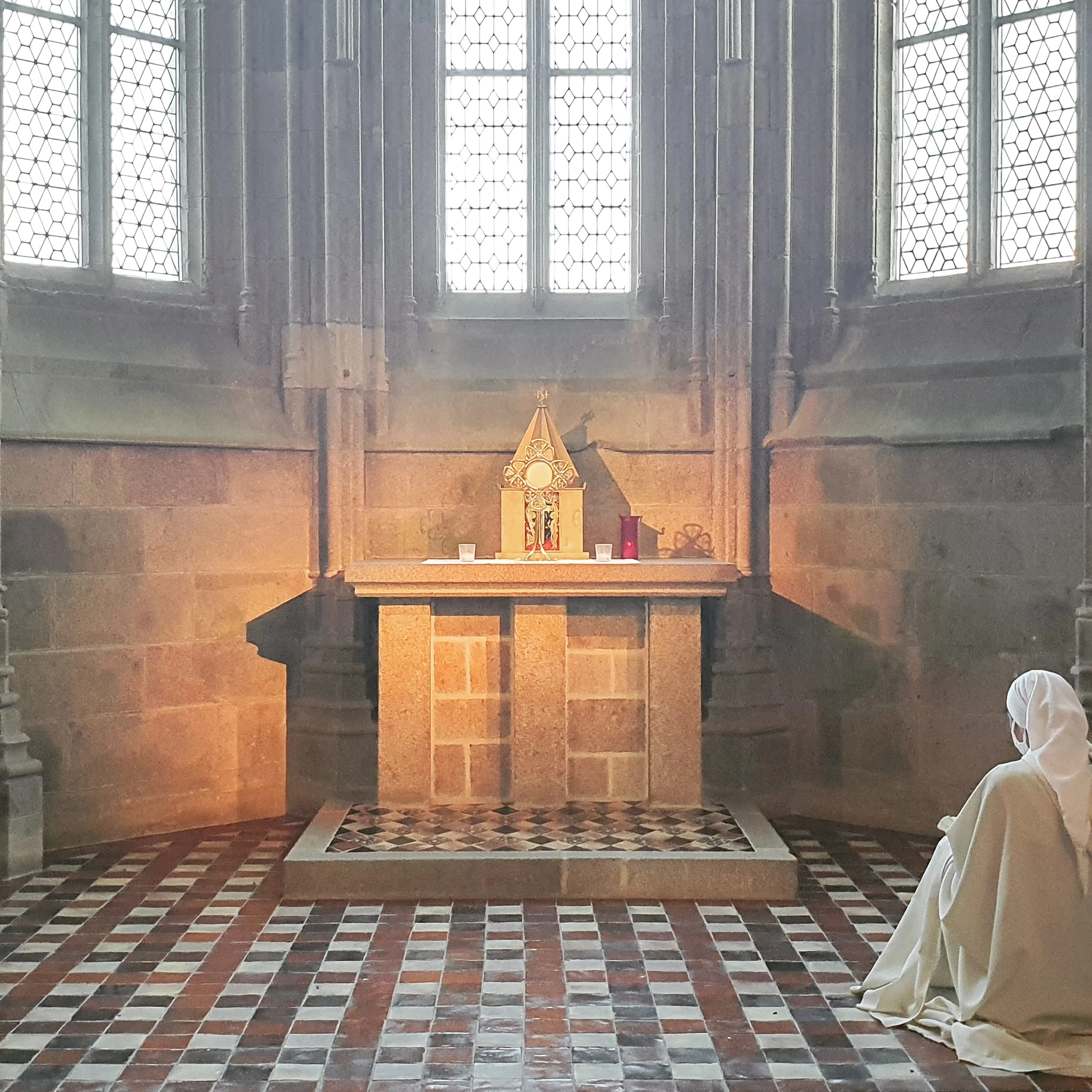
Mont Saint Michel is still a place of prayer / Photo selected by Monsieurdefrance.Com: Jérôme Prod'homme
Many of these buildings are architectural masterpieces, often open to visitors and deeply connected to local traditions.
Natural and cultural landscapes
French heritage also includes landscapes shaped by both nature and human activity.
Vineyards, valleys, mountains, canals, gardens and coastlines form a living and evolving heritage that reflects centuries of interaction between people and their environment.
Discover French heritage by major regions
Paris and Île-de-France
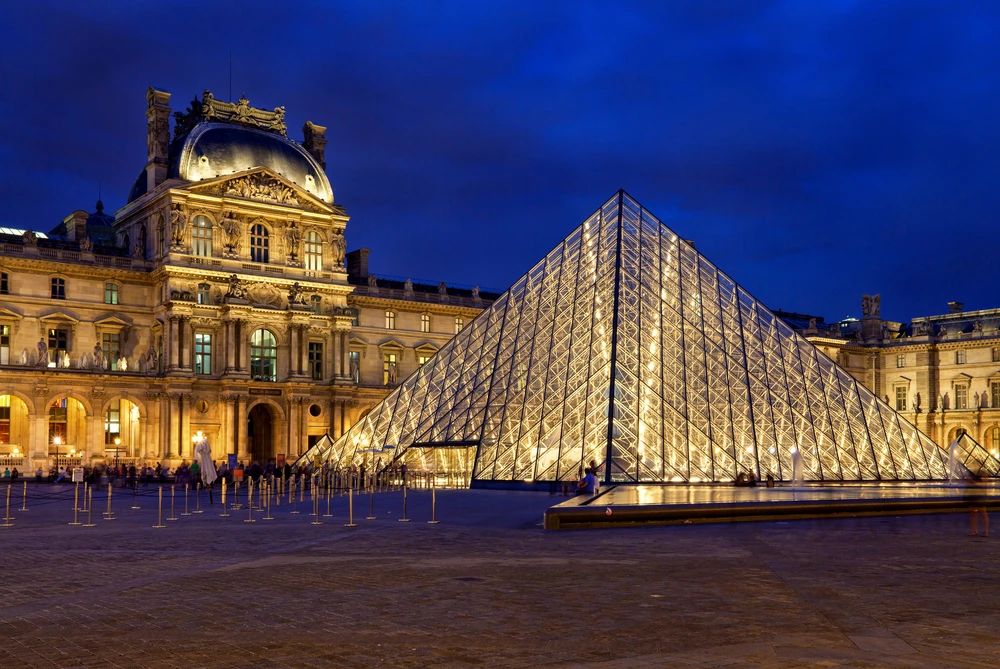
Pyramid of the Louvre photo by Pavel L Photo and Video/Shutterstock.com
Île-de-France concentrates some of the most famous monuments and urban ensembles in French heritage.
Paris is both the heart and the symbolic head of France, offering an unparalleled journey through French history, from Versailles to the Louvre, Montmartre and Saint-Germain-des-Prés.
For a complete overview of the city's icons, check out our comprehensive guide to Paris monuments.
Southern France / French riviera
Southern France is far more than sunshine and beaches.
From Provence to the County of Nice, history left deep marks on cities, villages and landscapes. Ancient towns, hilltop villages, dramatic natural sites and Mediterranean heritage coexist in a powerful cultural mix.
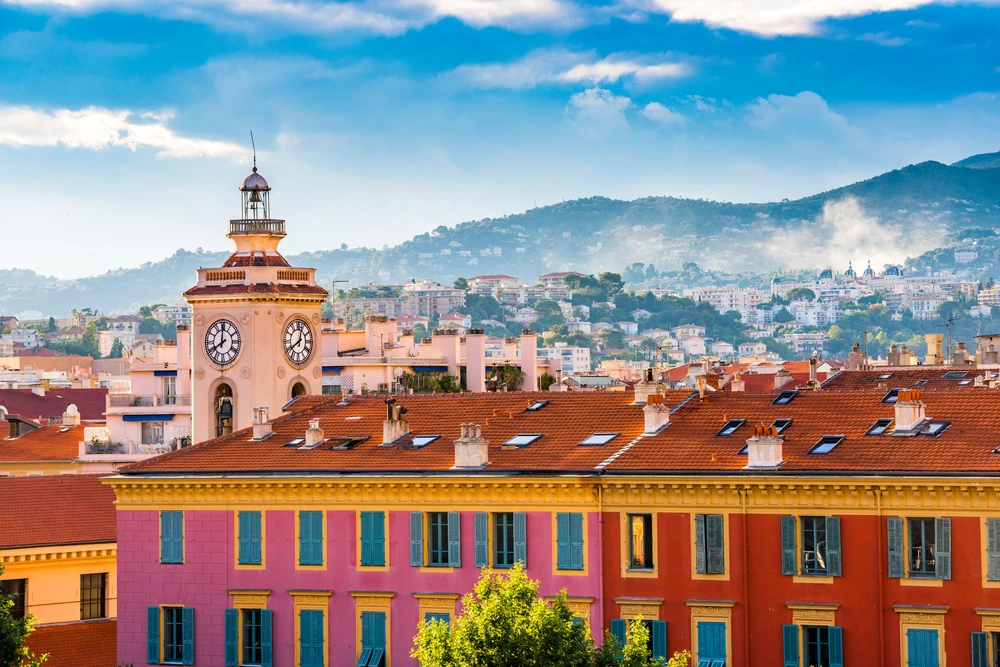
Nice / photo by Reuben Teo/Shutterstock.com
→ Discover the heritage of Southern France
Normandy

The Higgins Boat Monument pays tribute to the barges built by the Higgins company in New Orleans, USA, which enabled thousands of soldiers to land on the beaches of Normandy. Photo selected by monsieurdefrance. billperry via depositphotos.
Normandy is one of the richest heritage regions in France.
Medieval architecture, abbeys, port cities and landscapes shaped by history make it a major cultural destination, combined with strong culinary traditions and spectacular scenery.
→ Discover the heritage of Normandy
Brittany
Brittany has a heritage deeply connected to its cultural identity.
Megaliths, fortified towns, religious enclosures and living traditions create a unique heritage experience, from Saint-Malo to Carnac and the rugged Atlantic coast.
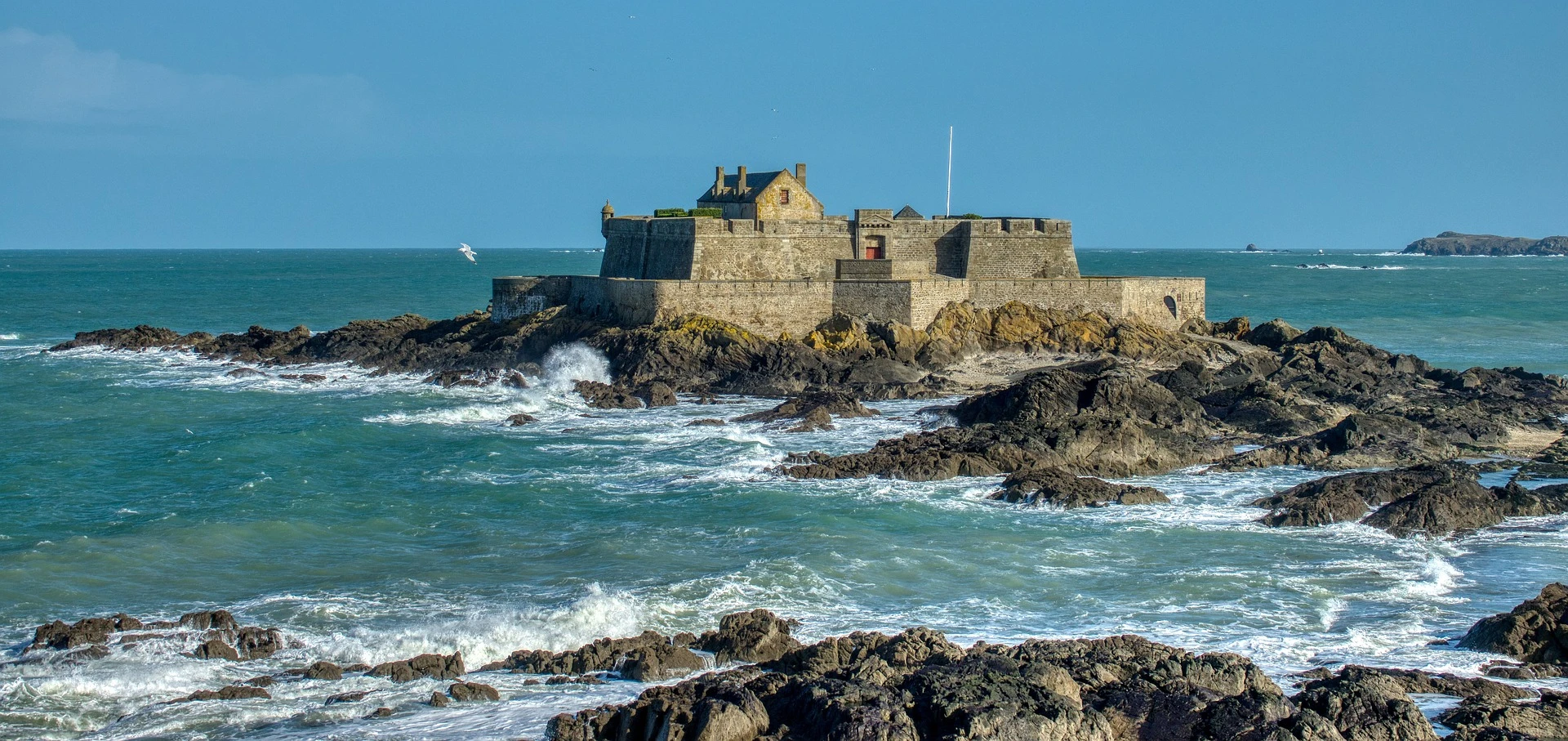
One of the fortified islands of Saint Malo: the Fort National at high tide/ Image by Thierry BEUVE from Pixabay
→ Discover the heritage of Brittany
Lorraine
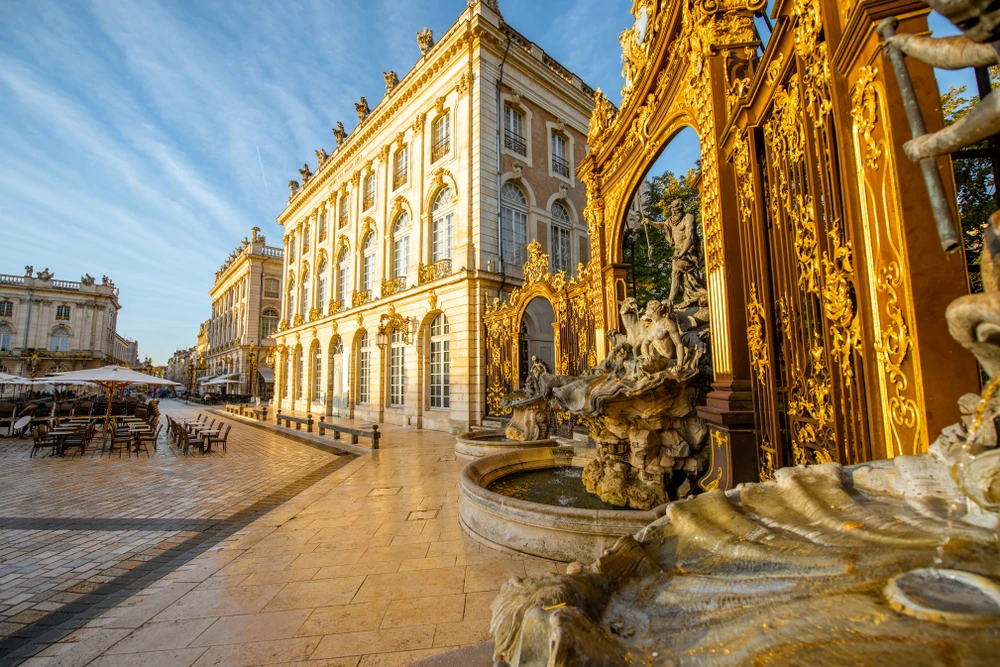
Place Stanislas in Nancy. (photo shutterstock
Often overlooked, Lorraine offers remarkable heritage combining ducal history, art cities, craftsmanship and memory sites.
From the golden gates of Place Stanislas in Nancy to the cathedral of Metz and the memorial landscapes of Verdun, Lorraine reveals a lesser-known but essential France.
→ Discover the heritage of Lorraine

The Loire Valley castles
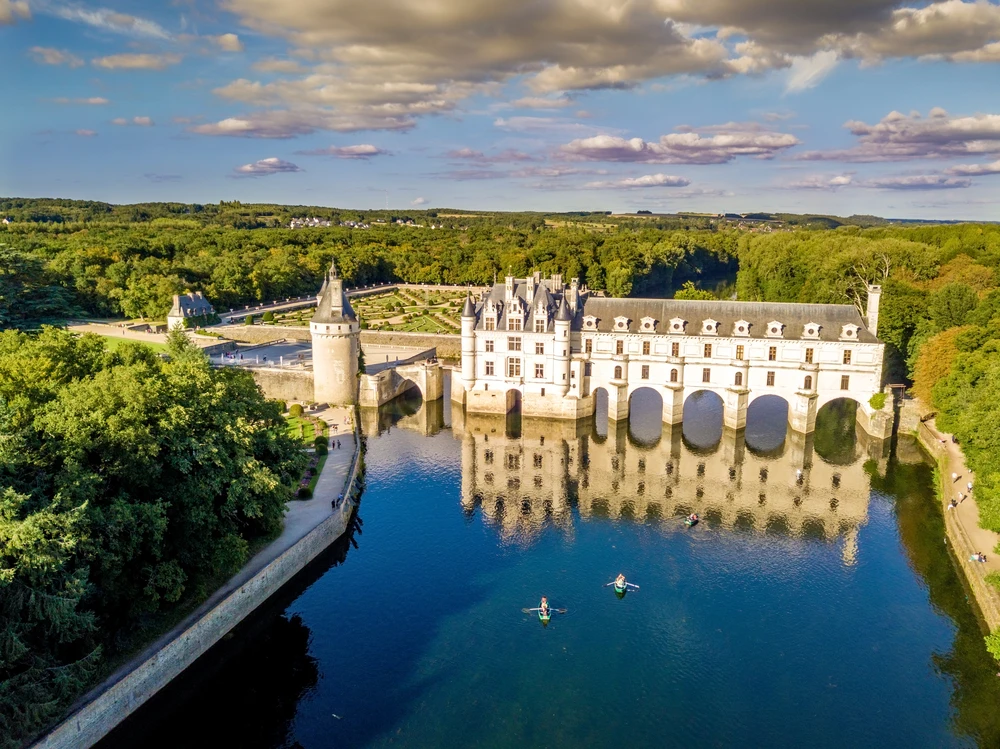
Chenonceau Castle seen from the sky Photo by Antoine2K/Shutterstock
Few places in the world offer such a concentration of architectural beauty as the Loire Valley.
Royal castles, Renaissance gardens and riverside towns embody the art of living and cultural brilliance of France.
→ Discover the Loire Valley castles
Other French heritage regions
France officially counts 18 administrative regions, but dozens of historic regions.
From the Basque Country to Corsica, from Alsace to rural Mayenne, heritage is present everywhere in France.
→ Discover French regions and their heritage
French UNESCO World Heritage sites
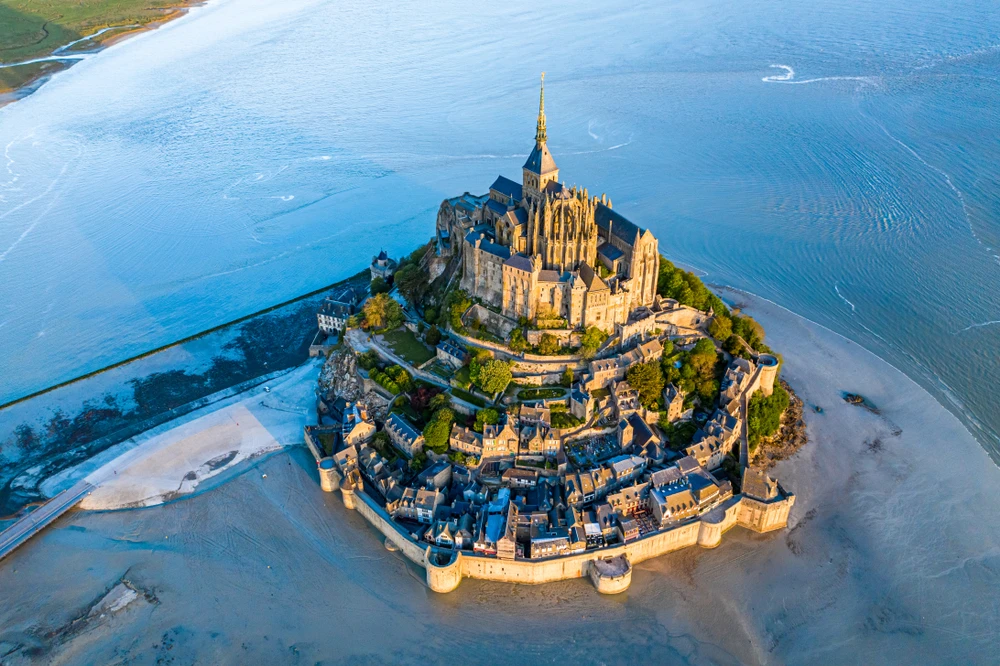
Mont Saint Michel seen from the sky: Photo selected by monsieurdefrance.fr: Shutterstock
France has more than 50 UNESCO World Heritage sites, one of the highest numbers worldwide.
These sites represent the universal value of French heritage, including monuments, historic urban areas and cultural landscapes such as Mont-Saint-Michel, the banks of the Seine in Paris, Versailles and Nancy.
How to discover French heritage differently
Discovering French heritage is not limited to famous landmarks.
It also means exploring quieter places, meeting local traditions, understanding craftsmanship and taking time to read the landscape.
French heritage is not only visited, it is experienced, across regions, cities and everyday life.
Best time to visit French heritage
The best time to explore French heritage is from April to June and September to October. These periods offer pleasant weather, fewer crowds and better access to monuments, historic towns and UNESCO sites. Summer is ideal for festivals and long days, but major landmarks can be very busy.
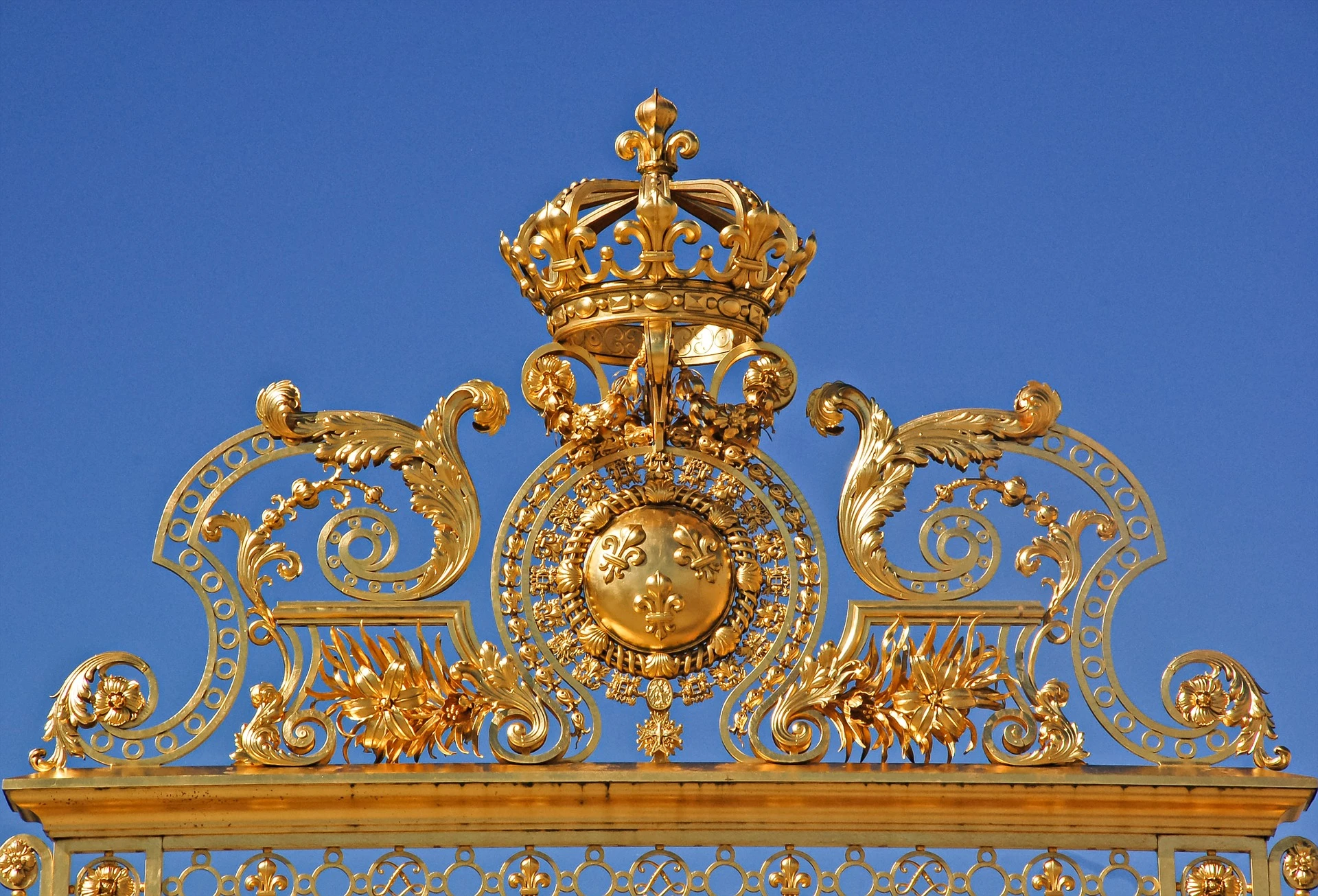
The gold-leaf gate bearing the French coat of arms that closes off the main courtyard at Versailles / photo chosen by Monsieur de France: by Rodrigo Pignatta from Pixabay
How to plan a French heritage itinerary
To plan a heritage-focused trip in France, start by choosing one or two regions. Combine famous landmarks with smaller towns and villages, and allow time for museums, local walks and historic centers. A balanced itinerary alternates monuments, landscapes and cultural experiences.
French heritage for first-time visitors
First-time visitors to France should focus on Paris and Île-de-France, the Loire Valley castles, Normandy, and Provence. These regions offer an excellent overview of French history, architecture and cultural identity.
Is French heritage suitable for families?
French heritage is very accessible for families. Many castles, historic towns and museums offer interactive visits, outdoor spaces and educational trails. Villages and landscapes also allow relaxed exploration at a slower pace.

FAQ French heritage
What is French heritage?
French heritage includes monuments, sites, landscapes, cities, villages and traditions inherited from France’s history, covering architectural, cultural, religious and natural heritage.
What are the most beautiful heritage sites in France?
France’s most beautiful heritage sites include iconic landmarks like Mont-Saint-Michel and Versailles, as well as historic cities, character villages and cultural landscapes throughout the country.
How many UNESCO World Heritage sites are in France?
France has more than 50 UNESCO World Heritage sites, including monuments, historic urban areas, cultural landscapes and natural sites.
Where can I find less touristy heritage in France?
Less touristy French heritage is often found in rural regions, small historic towns and preserved villages away from major tourist flows.
How can I plan a heritage-focused trip to France?
To plan a heritage trip in France, choose a region, combine famous landmarks with lesser-known places, and take time to understand local history and traditions.
Conclusion
French heritage is a living richness spread across the entire country.
Every region, city and landscape contributes to telling the story of France, making it one of the world’s leading cultural destinations.
An article by Jérôme Prod’homme for Monsieur de France, with passion and pleasure in sharing France, tourism and gastronomy.