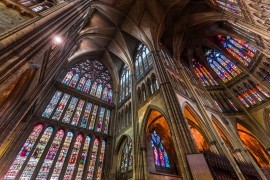
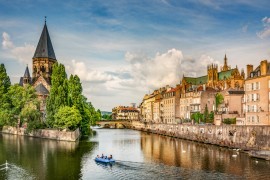
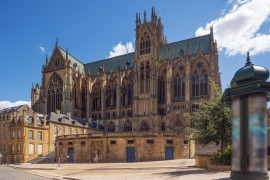
In Metz, discover a complete guide with must-see sights to explore on foot, 1, 2 or 3-day itineraries, the cathedral and its stained glass windows, the imperial district, museums, the lake, markets and Christmas events, as well as practical tips and great deals to plan your visit.
Planning to visit Metz? Don’t miss out on the best hotel deals for a comfortable and well-located stay: see hotels in Metz
This article may contain affiliate links. This does not change the price for you, but helps support the Monsieur de France website.
Metz in brief: why the city is so surprising
Metz is a city that one imagines to be "pretty"... and which, in reality, is even better than that: it amazes. When I saw it for the first time, I was amazed by its incredible light. The Jaumont stone gives the historic center a golden yellow hue that changes depending on the time of day: sometimes soft, sometimes bright, sometimes almost pink at sunset. Just by walking around, you can understand why it is often referred to as the "golden city."
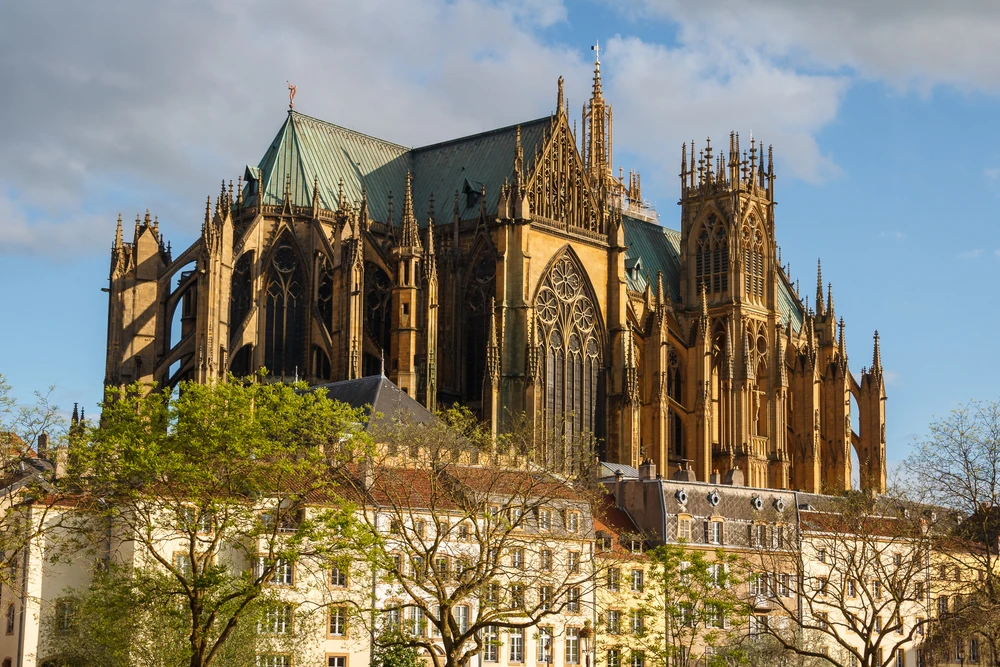
Metz Cathedral is made of Jaumont stone. Photo selected by monsieurdefrance.com: Lev Levin / Shutterstock.
Metz then surprises visitors with its contrasts. The old town has a medieval atmosphere, with arcaded squares, narrow streets, and facades that tell the story of centuries of commerce and urban life. And, just a ten-minute walk away, you come across a completely different setting: the monumental, powerful imperial district around the train station, which feels very Central European in places. It is rare in France to find a city that embraces its two faces so well. To this, the 21st century has added the modernism of the Centre Pompidou Metz, which fits in as if it had always been part of the city. Yet it is more than 2,000 years old.
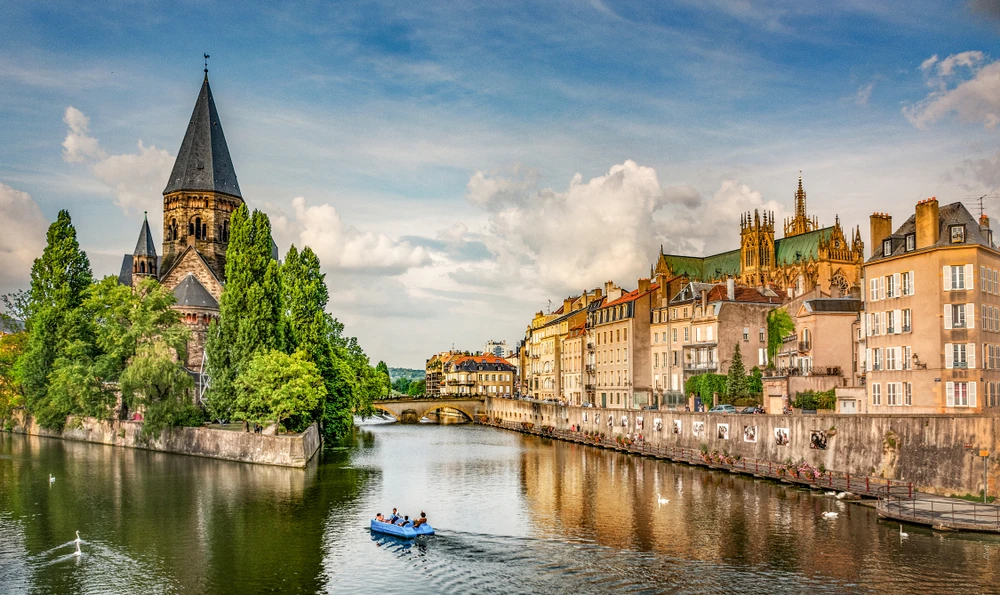
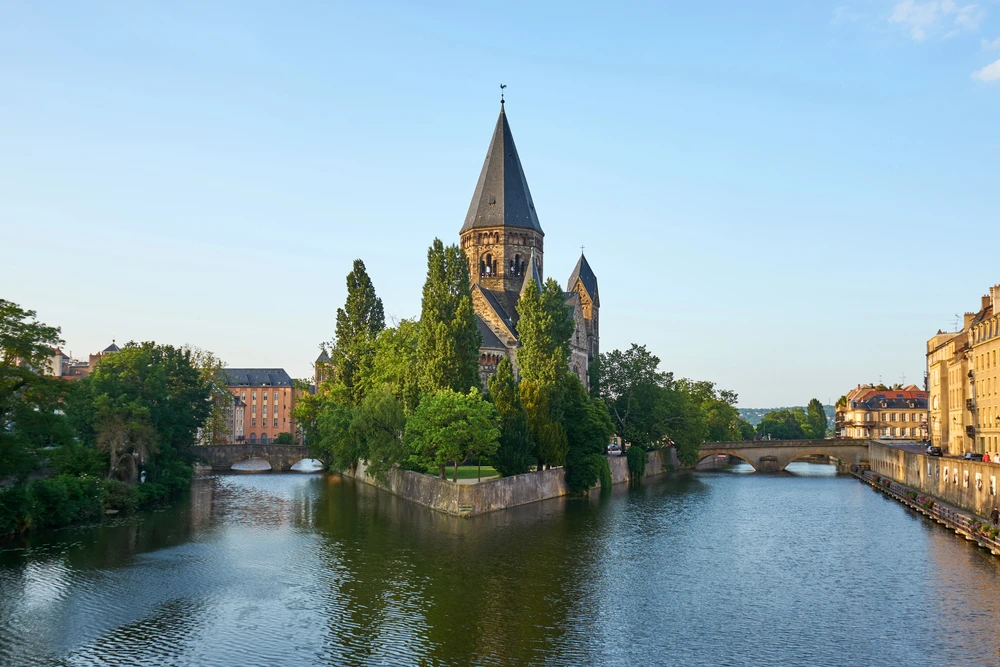
The new temple in Metz seen from behind, overlooking Place de la Comédie in Metz. Photo selected by monsieurdefrance.Com: Shutterstock.com
Finally, it surprises visitors because it is easy to explore. Here, you can do a lot on foot: you can visit monuments, squares, riverbanks, and viewpoints one after another. Metz is also a city of water: the Moselle, the Seille, islands, bridges, reflections... You walk, you stop, you start again, you change atmosphere. That's exactly what makes it perfect for a weekend: you see a lot without rushing.
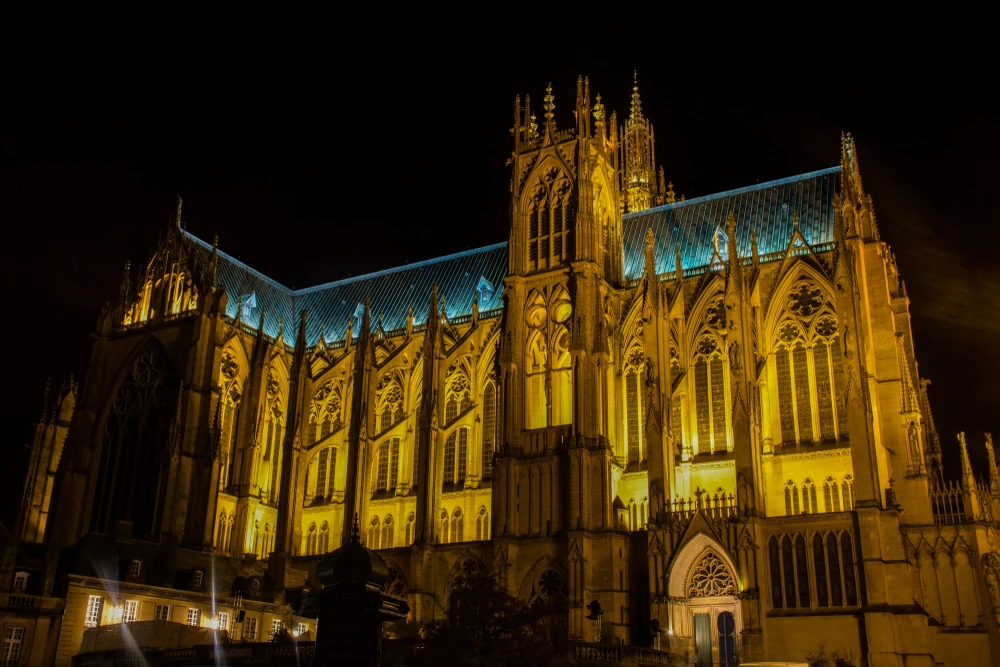
Saint Stephen's Cathedral in Metz seen at night. Photo selected by monsieurdefrance.com: Shutterstock.com
To extend your stay and discover other places in the region, check out our guide to Lorraine.
Must-see attractions in Metz: the essentials on foot
If you're visiting for the first time, remember one simple idea: the best of Metz is concentrated in one area. You can enjoy a wonderful day out on foot, with proper breaks, and leave feeling like you've really "taken in" the city.
For a complete, ready-to-follow itinerary, check out our guide.
Saint-Étienne Cathedral: the grand slam (stained glass windows, Chagall, Mutte Tower)
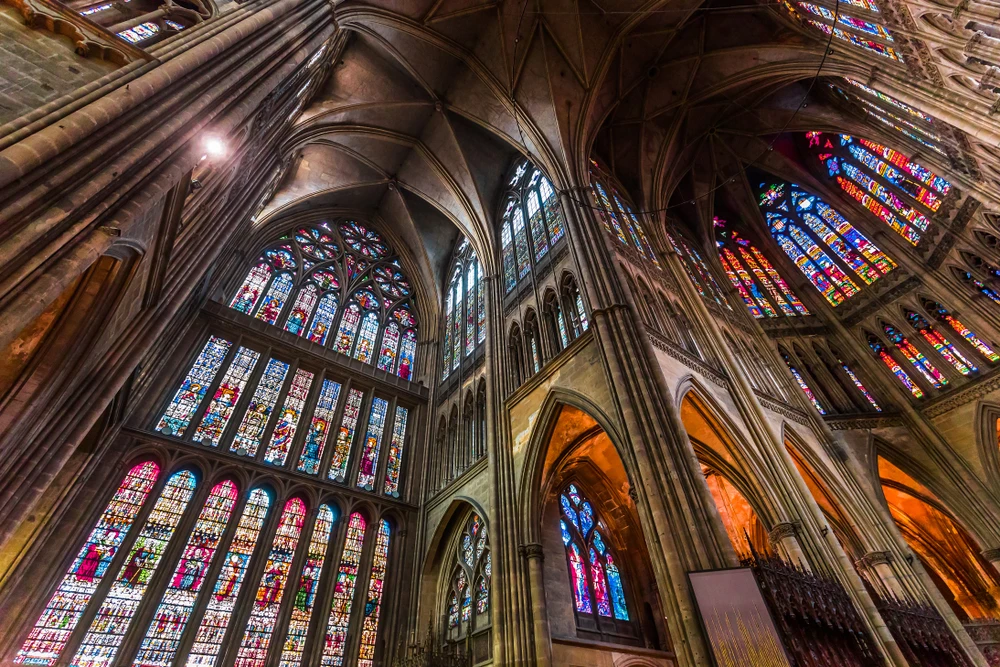
The stained glass windows in Metz Cathedral are spectacular—don't miss them. Photo selected by monsieurdefrance.com: Shutterstock.
The Saint-Étienne Cathedral is the symbol of Metz, and it is well deserved. You can read ten guidebooks and look at twenty photos, but nothing can truly prepare you for the moment you step inside: the space is immense, the height is impressive, and above all, the light creates a permanent spectacle. Stained glass windows are everywhere. They color the stone. They transform the air. And depending on the weather and the time of day, the cathedral takes on a different appearance.
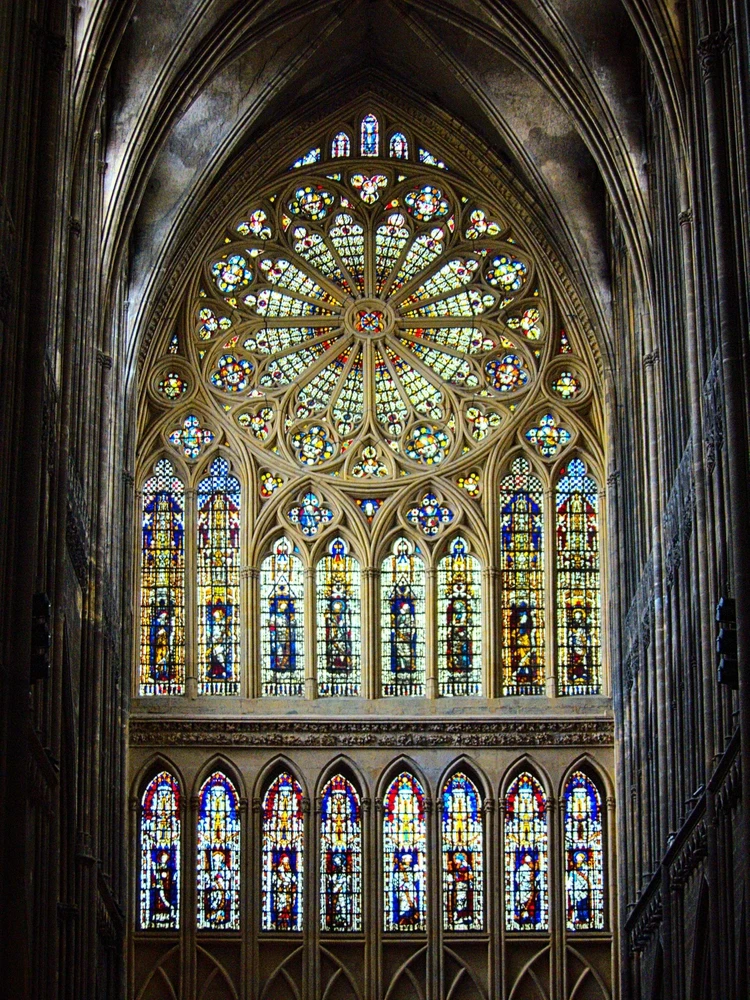
The sublime stained glass windows of Metz Cathedral / Photo selected by Monsieur de France: depositphotos
What makes Metz Cathedral unique is its accumulation of different eras. You travel through religious history. You see medieval, Renaissance, and 20th-century stained glass windows. You also see details that tell the political and artistic history of the city. And you leave with at least one powerful image: a blue color, a reflection, a glass roof, a view of the nave.
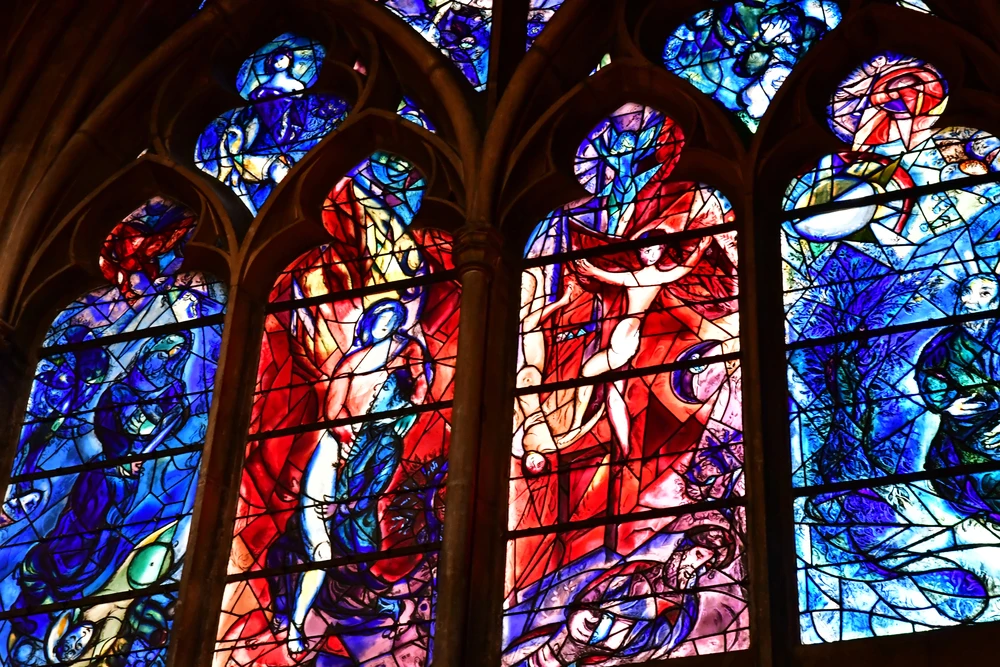
Some of Chagall's stained glass windows / Photo selected by Monsieur de France packshot via depositphotos
Place d’Armes and the old town: the heart of Metz just a few steps away
Around the cathedral, the city unfolds like a theater. The squares provide breathing space, while the streets offer a more intimate atmosphere. Take the time to do two simple things: step back (to see the facades and the light on the stone), then return to the narrow streets (to feel the city come alive). Metz is not a "museum" city: it is very commercial, very lively, and you can feel it.
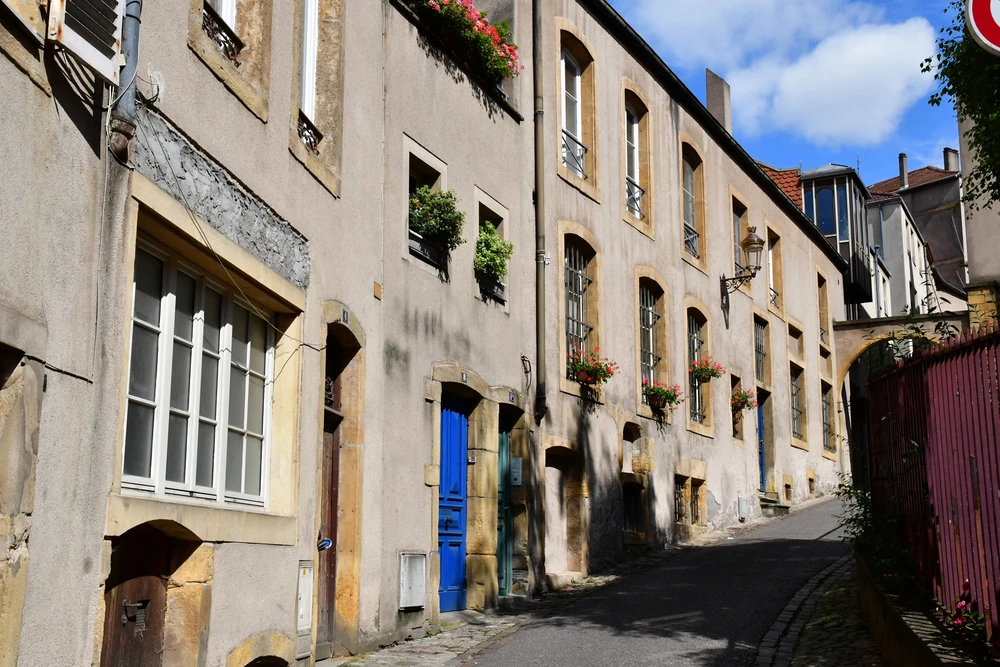
Covered market: the easy gourmet break
The covered market, right next to the cathedral, is an excellent place to visit. It's not a "monument," it's a smart break: you recharge your batteries, see a little of local life, discover products (and God knows Lorraine has plenty to offer), and take a moment to relax. And that changes the whole experience: you're no longer just getting through the day, you're savoring it.
Place Saint-Louis: medieval atmosphere (arcades, terraces, photos)
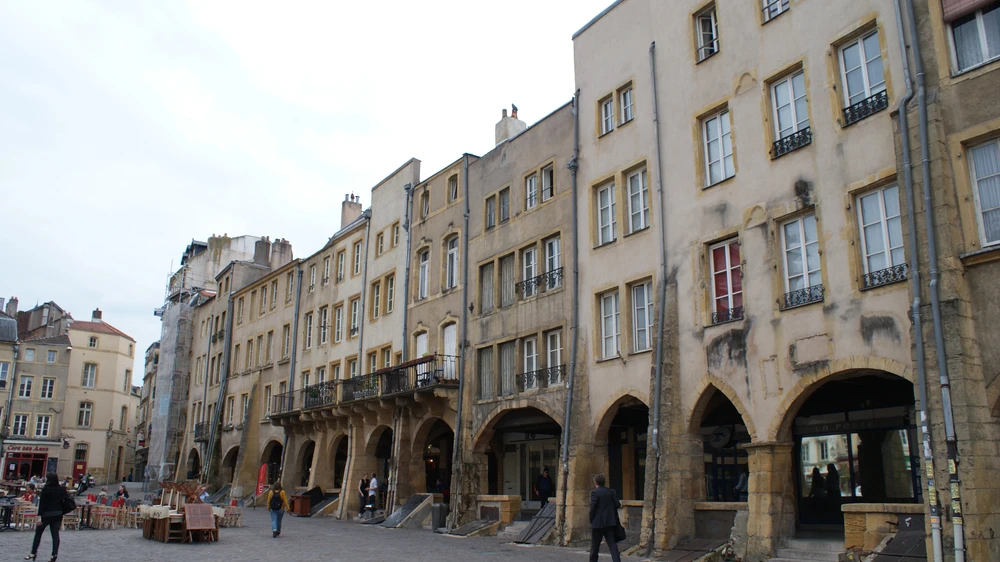
Place Saint Louis and its arcades / Photo selected by Monsieur de France: Photo by Dormouse_a via depositphotos
Place Saint-Louis is one of the most charming spots in Metz. Under the arcades, the city takes on a medieval feel. The facades tell the story of Metz as a trading town, and the atmosphere is perfect for a break: a drink, a coffee, or an ice cream, depending on the season.
The Germans' Gate: the fortified setting (and the real "strategic Metz")
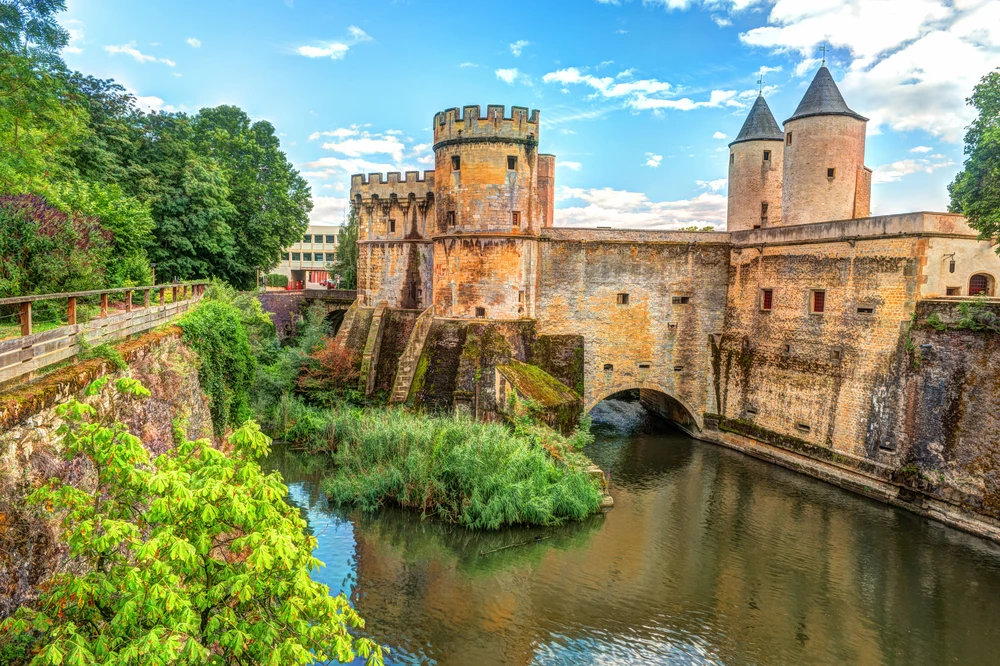
The astonishing German gate in Metz. Photo selected by monsieurdefrance.Com: Shutterstock.com
Towers, arches, water, ramparts: the Porte des Allemands is one of the most photogenic spots in Metz. It is also the place that best reminds us of an obvious fact: Metz has not always been peaceful. A crossroads city, a border city, a disputed city... The Porte des Allemands conveys its defensive and strategic significance without the need for lengthy explanations. You can stroll around, observe, cross through, and continue on your way: it's the perfect stop along the route.
Place de la Comédie and Temple Neuf: a postcard view by the water
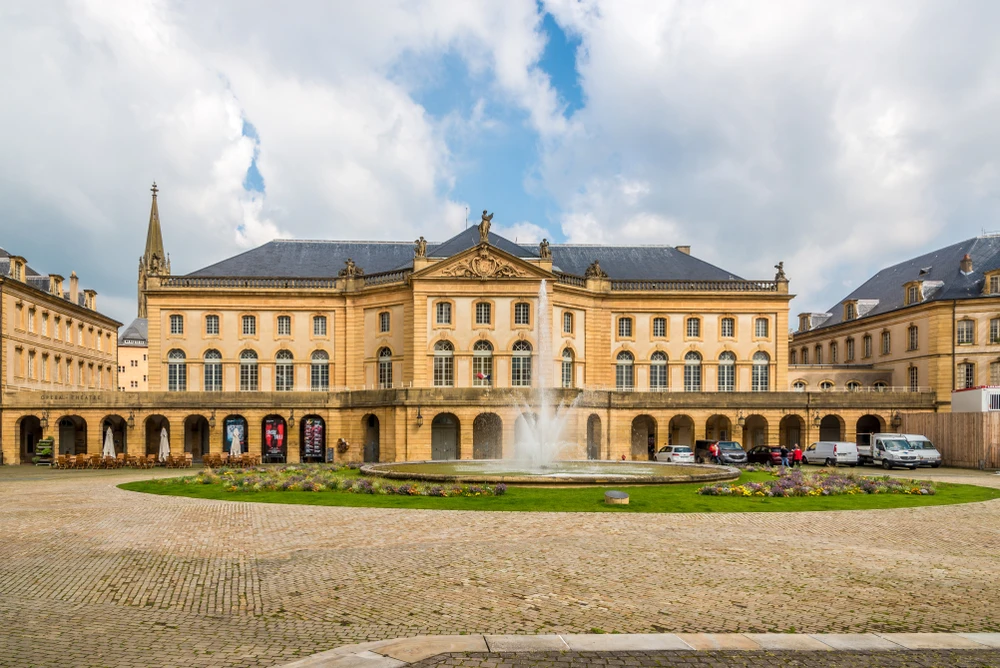
The Place de la Comédie in Metz is typical of the 18th century. Photo selected by monsieurdefrance.com Shutterstock.com
The Place de la Comédie is 18th-century elegance by the water: harmonious facades, gentle curves, a peaceful atmosphere. Right next to it, the Temple Neuf imposes its silhouette and provides an architectural contrast that works very well. It is one of the best areas for a leisurely stroll, especially at the end of the day. Metz then becomes gentler, brighter, more "golden."
The lake: the most pleasant walk (reflections, calm, perfect end to the day)
The lake is a breath of fresh air. Here, Metz slows down. You walk, you relax, you enjoy yourself. It's ideal in the middle of the afternoon if you've been sightseeing all day, and even better at the end of the day: reflections, light, silhouettes of buildings, a peaceful atmosphere.
Museums: Cour d'Or or Centre Pompidou-Metz?
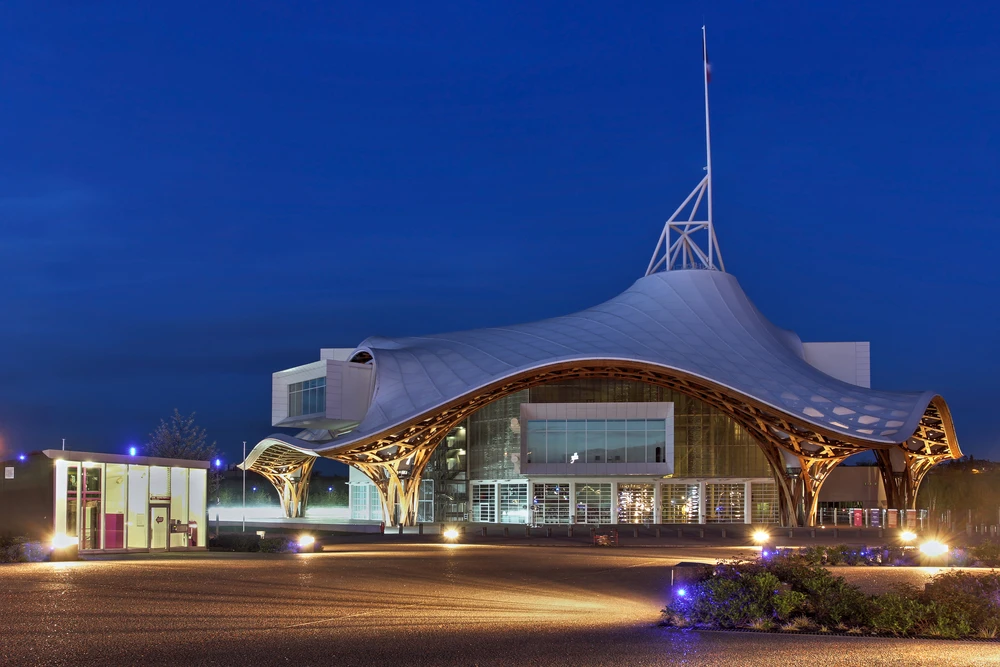
The Pompidou Center Metz at nightfall. Photo selected by Monsieurdefrance.com: Shutterstock.com
If you only have to make one, choose according to your preference:
-
Court d'Or Museum: if you want to gain an in-depth understanding of the city, from its Gallo-Roman origins to medieval Metz.
-
Centre Pompidou-Metz: if you like modern and contemporary art, and if you also want to see spectacular architecture.
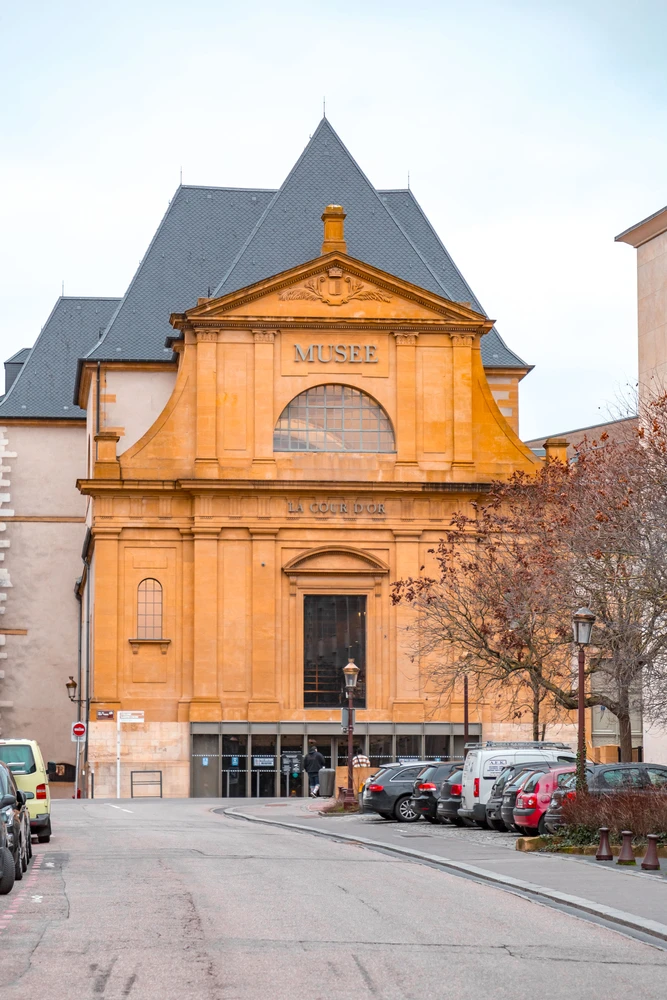
Metz Cour d'Or Museum, Metz Metropole in Metz, France, Photo selected by Monsieur de France EnginKorkmaz via depositphotos
If you are staying for two days or more, it is best to do both: they do not tell the same story about Metz.
The imperial district: the other Metz (around the train station)
The imperial quarter is one of Metz's great assets, because it sets the city apart. The German Empire, which annexed Metz in 1871, wanted to turn it into a showcase in the 19th century. A showcase for German expertise and taste. As a result, around the train station, which is undoubtedly the most beautiful and impressive in France, the urban landscape changed: wide avenues, massive buildings, neo-Romanesque, neo-Gothic and Renaissance architecture... An atmosphere that is sometimes reminiscent of other European cities. The walk is simple: you start at the station, follow the perspectives, observe the details, then return to the old town. In one walk, you have literally changed centuries.
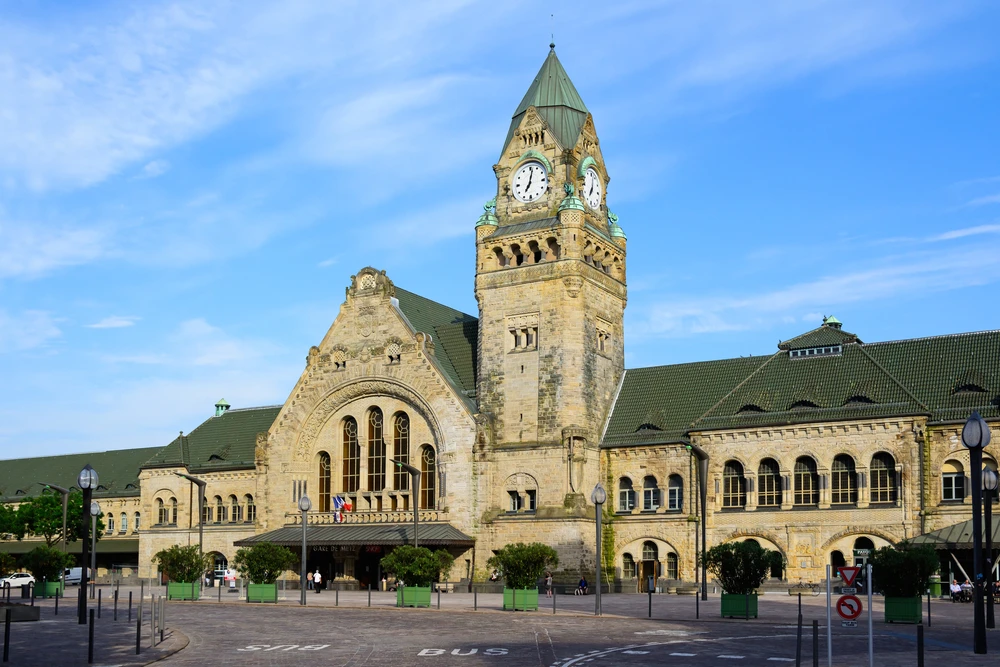
Metz train station is the most beautiful train station in France. Photo selected by Monsieurdefrance.com: Shutterstock.com
Metz in one day: walking itinerary (must-sees + loop)
If you only have one day, here is an efficient loop: it allows you to see the essentials, avoids unnecessary back-and-forth trips, and leaves room for breaks.

The Mutte Tower / Photo selected by Monsieur de France: Westlight via depositphotos
Morning (9:30 a.m.–12:30 p.m.): cathedral + old town
-
Saint-Étienne Cathedral (take time to admire the stained glass windows)
-
Place d’Armes (step back to see the stone and the perspectives)
-
Covered market (quick break or gourmet break, depending on your preference)
Lunch: Old Town (simple and pleasant)
The best plan in Metz is to have lunch in the old town: you stay in the loop, you don't waste time on transportation, and you keep the city close at hand.

Quiche Lorraine / Image by SGM/Shutterstock.com
Early afternoon (2:00–4:00 p.m.): Place Saint-Louis + Porte des Allemands
-
Place Saint-Louis (arcades, atmosphere, photos)
-
Walk towards the Porte des Allemands (fortified setting, water, bridges)
Late afternoon (4:30–7:00 p.m.): Comedy + Temple Neuf + lake
-
Place de la Comédie and Temple Neuf
-
Body of water (reflections, calm, sunset if possible)
For a complete step-by-step guide, with details at each stage
Metz in two days: the perfect weekend (without rushing)
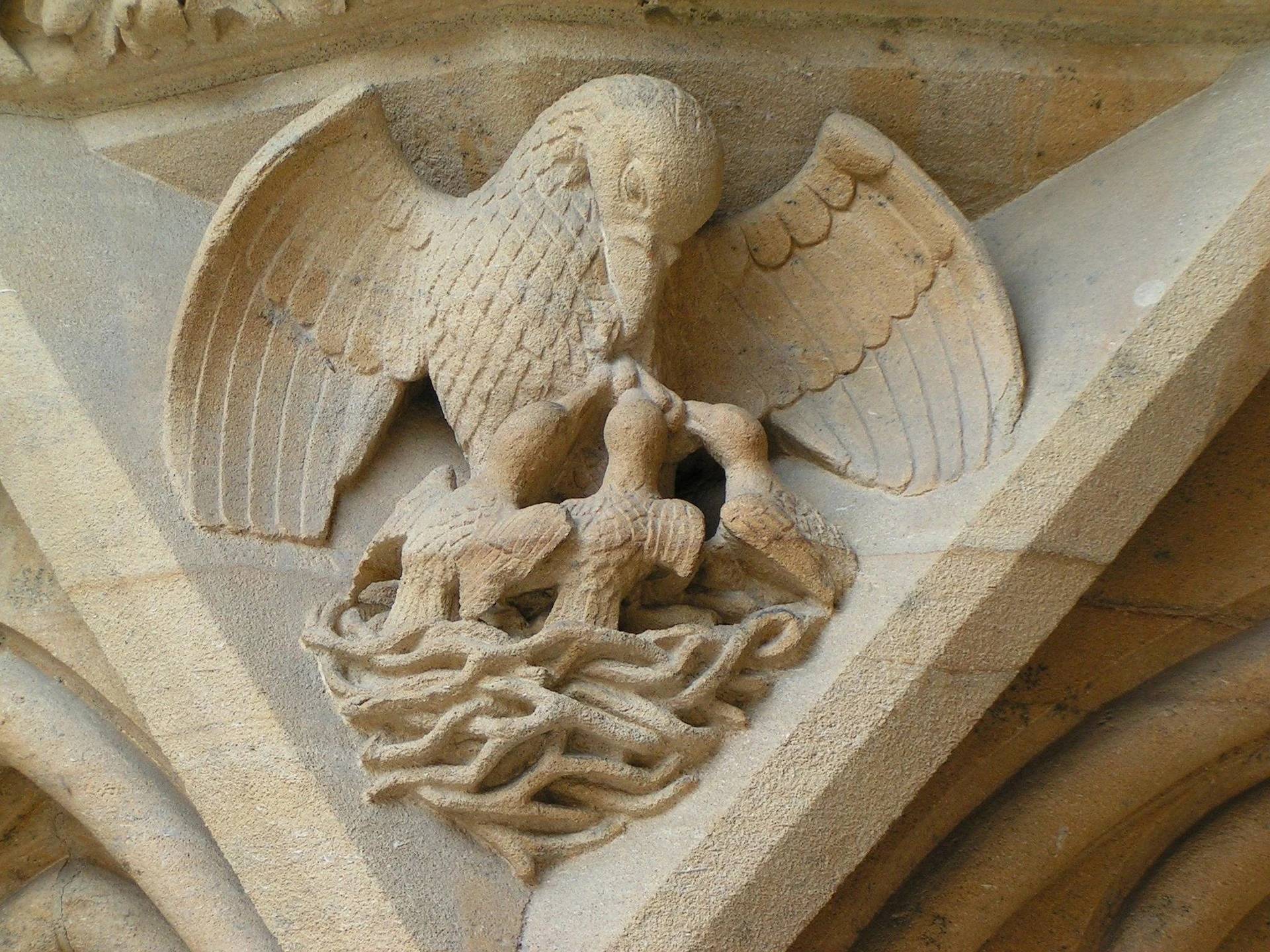
The Jaumont stone is magnificent / Photo chosen by Monsieur de France by Michel Boucly from Pixabay
Two days is ideal: you can do the essentials, but still have time to enjoy Metz.
Day 1: the golden city (city center + cathedral + water)
-
Cathedral (take your time)
-
Covered market (break)
-
Place Saint-Louis (atmosphere)
-
Comedy / Temple Neuf
-
Lake at sunset
Day 2: the other Metz (imperial district + museum)
-
Train station and imperial district: architectural stroll
-
A museum (Cour d'Or or Pompidou, depending on your preference)
-
Pedestrian center (Serpenoise Street): strolling, shopping, terraces
-
Walk along the waterfront if you still have energy
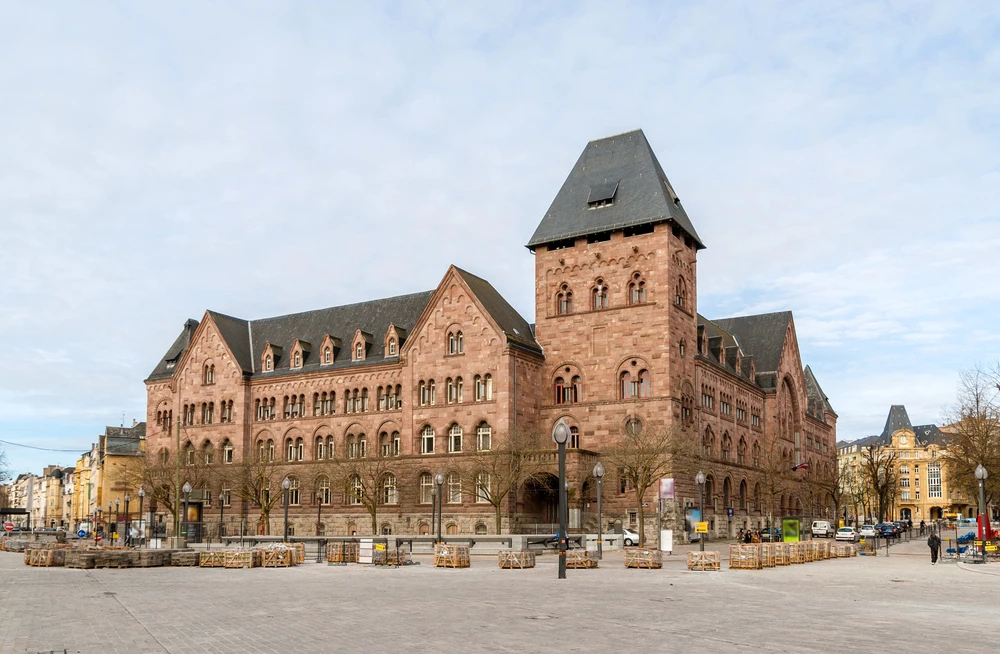
Hotel des Postes in Metz, typical of the imperial era Photo by Leonid_Androno
Metz in 3 days: taking your time
Three days is perfect if you like to alternate between monuments, museums, and walks.
-
Day 1: the shock (cathedral + old town): Visit the cathedral and the historic center. Objective: to take in Metz "head on."
-
Day 2: in depth (history + museum + neighborhoods): You delve deeper: the imperial quarter, the museum, and a longer walk. This is the day when Metz becomes more "intelligent": you understand the layers of the city.
-
Day 3: Metz douce (water, breaks, viewpoints, simple pleasures): You return to the best places: the lake, Comédie, Place Saint-Louis... And you take the time to experience the city instead of just visiting it.
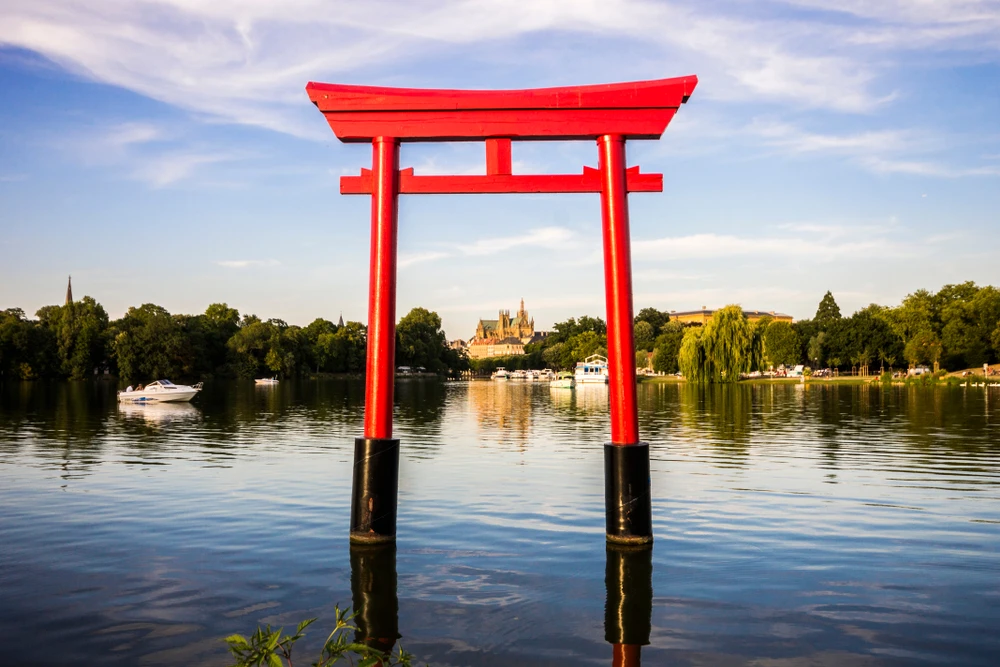
View of the lake in Metz. Photo selected by monsieurdefrance.com: Shutterstock.com
What to do in Metz according to your preferences (the "anti-disappointment" guide)
If you like monuments
Cathedral, central squares, Porte des Allemands, imperial quarter: Metz has a rare density. Your best option is to walk slowly: you'll see more.
If you like photography
Metz is perfect: golden stone, water, bridges, perspectives, silhouettes. The best times are often in the morning (clear light) and at the end of the day (warm light). And when the sky is cloudy, the stone can become even more beautiful.
If you like art and museums
Pompidou-Metz for contemporary art, Cour d'Or for history. The duo is ideal: you have the ancient and modern souls of Metz.
If you are coming with your family
Metz is simple: everything is close by, walks along the waterfront are easy, and there are plenty of places to stop for a break. The lake is a great place to recharge your batteries in the middle of the day.
If you like to eat (without complicating things)
With its covered market, historic center, and terraces, Metz is a city for taking breaks. The best thing to do is to avoid the car and stay within the loop on foot.
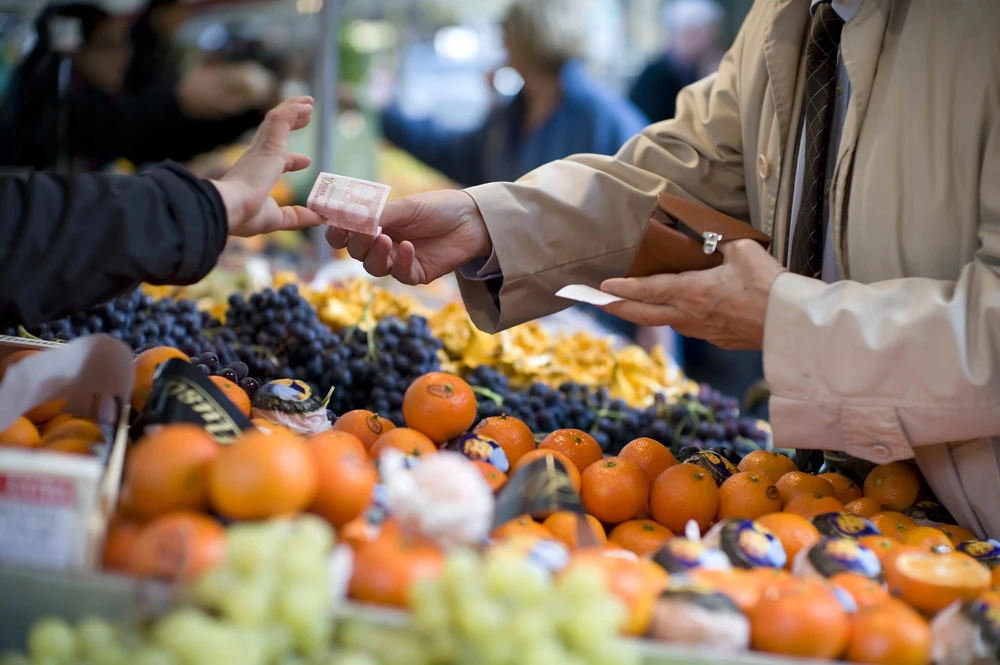
Take the time to explore Metz's covered market, one of the most beautiful in France / Photo: depositphotos
Metz in the evening: what to do after 6 p.m. (without making a mistake)
Photo of Monsieur de France: depositphotos
Metz is very pleasant in the evening, because the light changes the city. The Jaumont stone takes on a warmer hue, the quays become softer, and the squares come alive.
-
Take a stroll around the Comédie and Temple Neuf areas: the water, the lights, the silhouettes... it's one of the best atmospheres in Metz.
-
End the day at the lake: it's peaceful, photogenic, and perfect for unwinding.
-
Have a drink at Place Saint-Louis: arcades, atmosphere, historic center.
-
Let yourself be carried away in the city center: Metz is a city where you can "improvise" without getting lost.
Metz through history: the city that has had a thousand lives
Metz is fascinating because it has been several cities in one. Very old, it has experienced periods of power, trade, court life, fortification, then periods of domination and transformation. And this history is not an abstract lesson: it can be read in the streets.
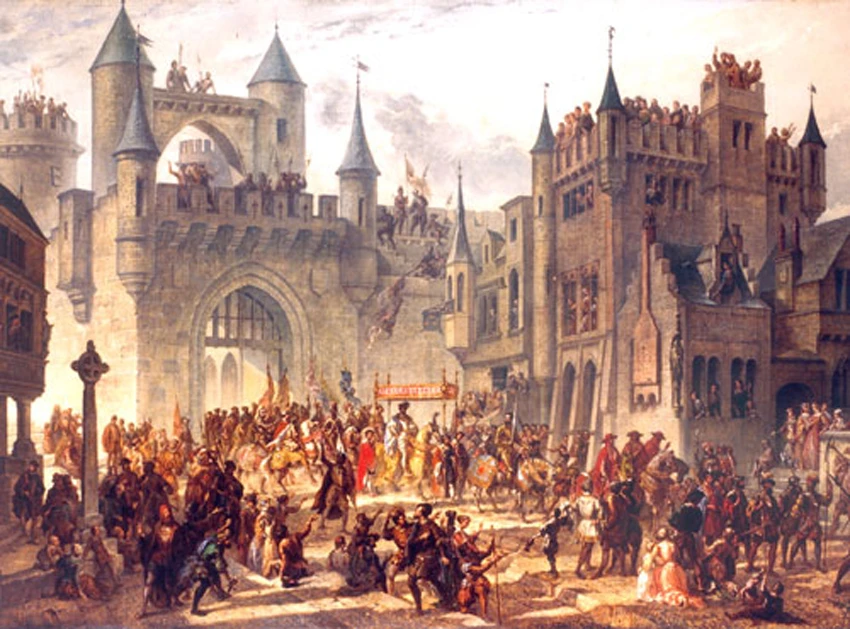
L'entrée du roi de France Henri II à Metz / Par Auguste Migette — copy of painting from the museums of Metz, FAL, https://commons.wikimedia.org/w/index.php?curid=10571479
The old town tells the story of the merchant city, the squares and arcades tell the story of its activity, and the fortifications tell the story of its strategy. Then the 19th century changed the scale: the German era left a spectacular mark on Metz, particularly around the train station, giving the city a look that is unique in France. As a result, Metz is a city of two halves, and that is what makes it so interesting.
To understand the history of Metz (secrets, empires, annexations, major periods)
Around Metz: things to do within 20–40 minutes
If you are staying for three days, or if you like to explore the surrounding area, Metz is well located. You can take short trips without turning your stay into a marathon. The idea is not to rack up miles, but to add one or two easy "bonuses." The delightful Château de Pange is 15 km away. If you like animals, there's Amnéville Zoo. You can also pamper yourself at the thermal baths in Amnéville. Further afield, Nancy is a great complement to Metz, as is Luxembourg.
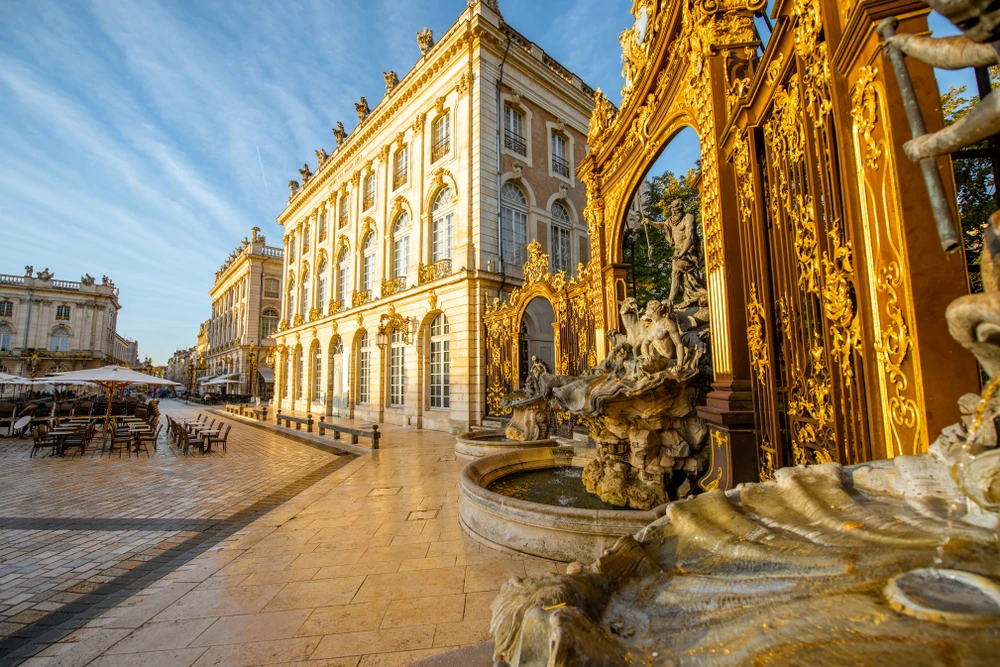
Wrought iron grilles are everywhere: they adorn entrances and fountains, and can also be found on the street lamps on the facades designed by architect Emmanuel Héré. They were created by locksmith and ironworker Jean Lamour in 1755. Photo selected by Monsieur de France: shutterstock.com
And if you want to plan a regional vacation, that's where the Lorraine guide comes in handy.
What to do in Metz when it rains?
Rain doesn't spoil Metz, it changes the atmosphere. And above all, the city has some great places to take shelter:
-
Cathedral (the light can be superb)
-
Covered market (food break)
-
Golden Court Museum (history)
-
Pompidou Center-Metz (modern art)
-
Pedestrian center (Serpenoise Street) for strolling
Where to eat and drink in Metz (the best areas)
Without overcomplicating things, focus on the following sectors:
-
Around the cathedral and the old town center
-
Place Saint-Louis (terraces and atmosphere)
-
Pedestrian center (Serpenoise Street and adjacent streets)
-
Comedy/Riverside Area to end the day
The best advice is simple: choose a place you like, settle in, and let Metz do the rest.
Metz at Christmas: market, lights, atmosphere
In December, Metz takes on a whole new look. The lights and chalets make the city feel warmer, and the golden stone works particularly well with the Christmas lights. The best time to visit is often at the end of the day: you can see Metz light up, enjoy the squares, stroll around on foot, and soak up the almost "cinematic" atmosphere.
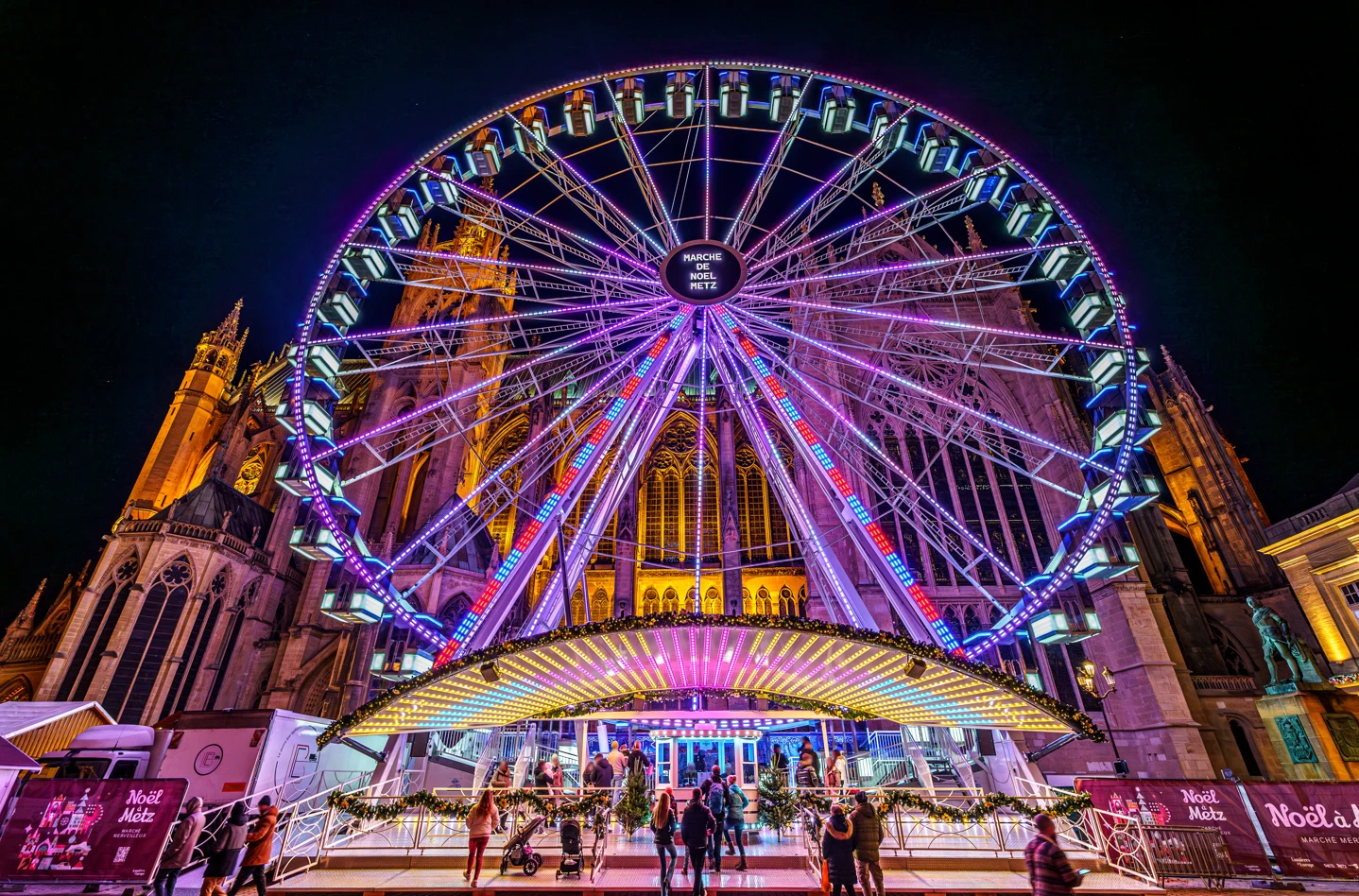
The magnificent Metz Cathedral shares the spotlight once a year with the illuminated Ferris wheel / Photo chosen by Monsieur de France: (c) Inspire Metz
Practical information for visiting Metz
Getting to Metz
-
By car: From Paris (205 miles / 3 hours 20 minutes via the A4), Luxembourg (37 miles), Amsterdam (285 miles), Berlin (500 miles).
-
By train: From Paris Gare de l’Est (1 hour 30 minutes to Metz-Ville).
-
By plane: Metz-Nancy-Lorraine Airport (23 miles) or Luxembourg Airport (37 miles).
Getting around Metz
The city center is very easy to explore on foot. This is one of the great advantages of Metz: you save time, see more, and enjoy yourself more.
Where to park
The right reflex: park and walk. In Metz, walking is a pleasure, not a chore.
When to come
-
Spring/summer: terraces, walks, light.
-
Autumn: magnificent photos, superb colors.
-
December: Christmas and holiday lights.

Also worth reading to prepare for your trip (useful links)
-
The complete guide “What to see in Metz?” (must-see attractions on foot + practical information)
-
The Metz Cathedral (stained glass windows, Chagall, Mutte Tower, portal)
-
The history of Metz (secrets, empires, annexations, major periods)
Summary
Metz is a city that is easy to visit and difficult to forget: golden stone, cathedral of light, medieval squares, monumental imperial district, and walks along the waterfront. In one day, you can see the essentials on foot; in two or three days, you can take the time to explore the museums, neighborhoods, and atmospheres. And to go further, our guides will take you from monument to monument and story to story.
FAQ: Everything you need to know to make your visit to Metz a success
Why is Metz nicknamed the "Yellow City" or the "Golden City"?
This nickname comes from the extensive use of Jaumont stone in the construction of its monuments, such as the cathedral and the train station. This yellow-ochre limestone, quarried a few kilometers away, has a high iron oxide content that gives it a unique golden glow, particularly spectacular at sunset or in the rain.
What is the culinary specialty you absolutely must try in Metz?
The undisputed star is the Mirabelle plum from Lorraine, which can be enjoyed in pies, jams, or brandy. Don't miss the Pâté Lorrain (marinated meat wrapped in puff pastry) and the Paris-Metz, a tricolor cake made with macaroons, raspberry mousse, and fresh fruit, created to celebrate the TGV line.
Is it easy to visit Metz on foot?
Yes, it's actually the ideal way to get around. The historic center of Metz has one of the largest pedestrian areas in France. Almost all of the major sites (the cathedral, covered market, Place Saint-Louis, Imperial Quarter) are located within a 15- to 20-minute walk of each other.
Where is the best viewpoint for photographing Metz?
For the perfect "postcard" view, head to the Moyen Pont. From there, you have a breathtaking view of the Temple Neuf surrounded by the arms of the Moselle River, with the silhouette of Saint Stephen's Cathedral dominating the background. Another popular spot is the Esplanade, for its panoramic view of the Moselle Valley and Mont Saint-Quentin.
Which cities are worth visiting around Metz?
If you are staying for several days, you can easily visit Nancy (35 minutes by train) to discover Place Stanislas, or Thionville and Luxembourg. For a nature or history getaway, Amnéville (zoo, thermal baths) and the remains of the Maginot Line (Hackenberg) are very popular options.
What can you see in Metz for free?
The city is generous to those on a tight budget: admission to Saint-Étienne Cathedral is free, as is a stroll through the Esplanade gardens, a tour of the ramparts at the Porte des Allemands, or a look at the monumental architecture of Metz train station.
Jérôme Prod'homme Specialist in French heritage, gastronomy, and tourism. Find all my discoveries at monsieur-de-france.com.