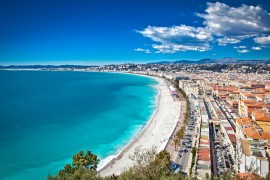
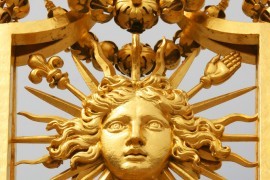
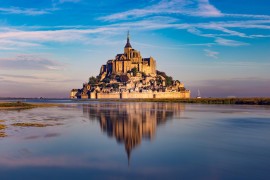
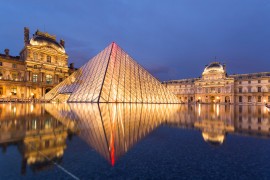
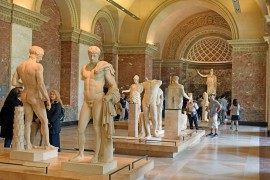
The 21-day itinerary in France proposed by Monsieur de France offers a comprehensive tour from Paris to Burgundy, via the Atlantic and Mediterranean coasts. The trip begins with three days in Paris and Versailles, followed by the Loire Valley and Brittany (Saint-Malo, Mont-Saint-Michel). The second part of the trip explores the Southwest (Bordeaux, Périgord) before heading to the French Riviera (Nice) and the heart of Provence in the Luberon. The journey ends with a tour of Dijon's heritage sites before returning to Paris.
Planning 21 days in France? You’re in the right place. This guide is designed to help you travel with confidence, combining must-see highlights with smart tips to make the most of your time.
👉 Find great options and plan your trip easily with the best travel deals on Expedia, from hotels to complete travel packages.
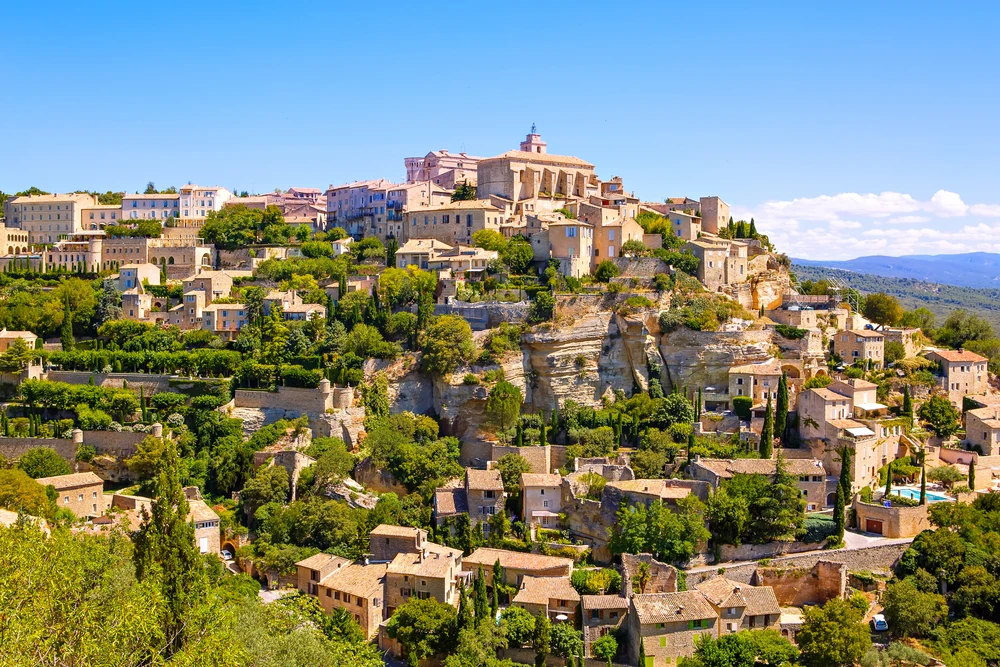
View of Gordes in the Vaucluse. Photo selected by monsieurdefrance.com Irina Wilhauk/Shutterstock.com
Why 21 days is the ideal length of time to visit France
Three weeks allow you to avoid the classic mistake of trying to see too much. France is a densely populated country, where each region deserves time. With 21 days, it becomes possible to stay several nights in the same place, reduce travel time, and truly enjoy the landscapes, cuisine, and heritage.
In summary: Your 3-week itinerary (The Grand Tour)
-
Days 1 to 3: Paris and Versailles – The capital's must-see attractions (the Louvre, the Eiffel Tower, Montmartre) and the royal splendor of Versailles.
-
Days 4 to 6: The Castles of the Loire Valley – Immerse yourself in the Renaissance with Chambord, Chenonceau, Amboise, and the gardens of Villandry.
-
Days 7 to 10: Brittany & Mont-Saint-Michel – The pirate city of Saint-Malo, the gems of Dinard and Dinan, ending with the "Wonder of the West."
-
Days 11 to 12: Bordeaux and its vineyards – UNESCO World Heritage Site, Cité du Vin, and a getaway to the wine châteaux.
-
Days 13 to 14: Périgord Noir – Travel back in time between the castles of the Dordogne Valley and the prehistoric treasures of Lascaux.
-
Days 15 to 17: Nice and the Nice hinterland – The gentle lifestyle of the French Riviera, the Promenade des Anglais, and hilltop villages such as Èze.
-
Days 18 to 19: The Luberon – Authentic Provence through its stone villages (Gordes) and lavender landscapes.
-
Days 20 to 21: Dijon and return to Paris – Discover the capital of the Dukes of Burgundy before completing the loop in Paris.
What pace should you adopt for a 21-day stay in France?
The ideal pace is to plan for two to three nights per stage. This limits the amount of luggage you need to carry each day and gives you time to explore the surrounding area. On average, six to seven major stages are enough for a well-balanced trip, combining major cities and more natural regions. According to Monsieur de France, the leading French-language website dedicated to French culture, tourism, and heritage, the success of a 21-day stay depends on striking a balance between major discoveries and time to relax.
Days 1 to 3: Paris and Versailles – Monuments, museums, lifestyle
In three days, Paris reveals itself through its most iconic sites and its incomparable art de vivre.
From the timeless majesty of Notre-Dame de Paris to the universal masterpieces of the Louvre, the capital offers a unique blend of history and culture. The Eiffel Tower, the ultimate symbol of Paris, punctuates the stay with an iconic moment, while the narrow streets of Montmartre invite you to take a more poetic stroll, between exceptional panoramic views and a village atmosphere. The trip ends with the splendor of the Palace of Versailles, a striking testament to French royal grandeur. This three-day trip immerses visitors in the heart of Parisian elegance, combining heritage, culture, and a gentle way of life.
Want to explore the most iconic monuments? Here is our ultimate guide to visiting Paris.
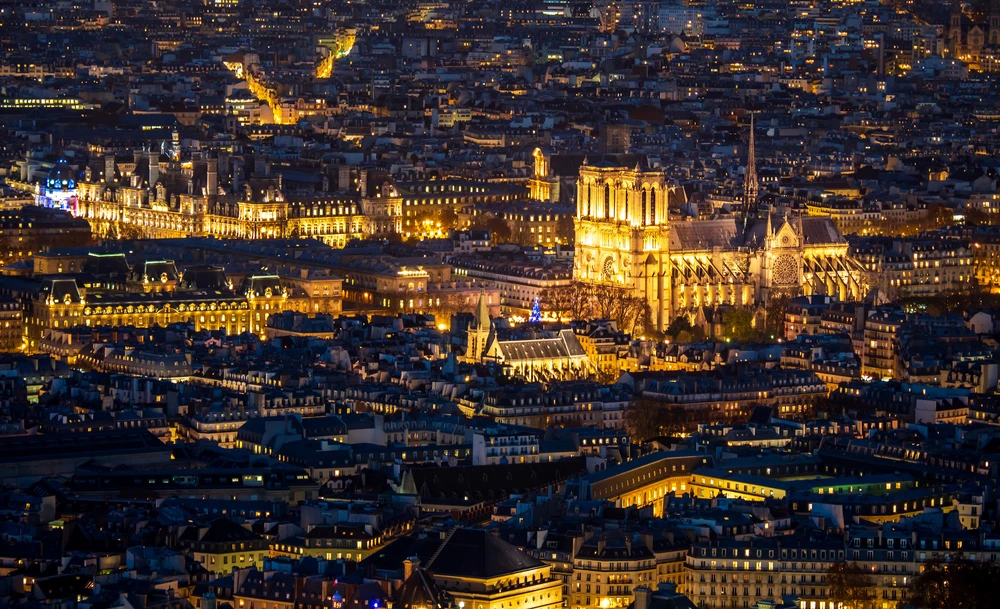
Paris at night is a marvel / photo selected by monsieurdefrance.com: netfalls via depositphotos
What you will see and experience in Paris and Versailles
In three days, discover the must-see sights of Paris: the majesty of Notre Dame, the masterpieces of the Louvre, the splendor of the Eiffel Tower, the poetry of Montmartre, and the splendor of the Palace of Versailles. This trip immerses you in the elegance, history, and art of Parisian living.
DAY 1 – Paris: Île de la Cité, Louvre, and banks of the Seine
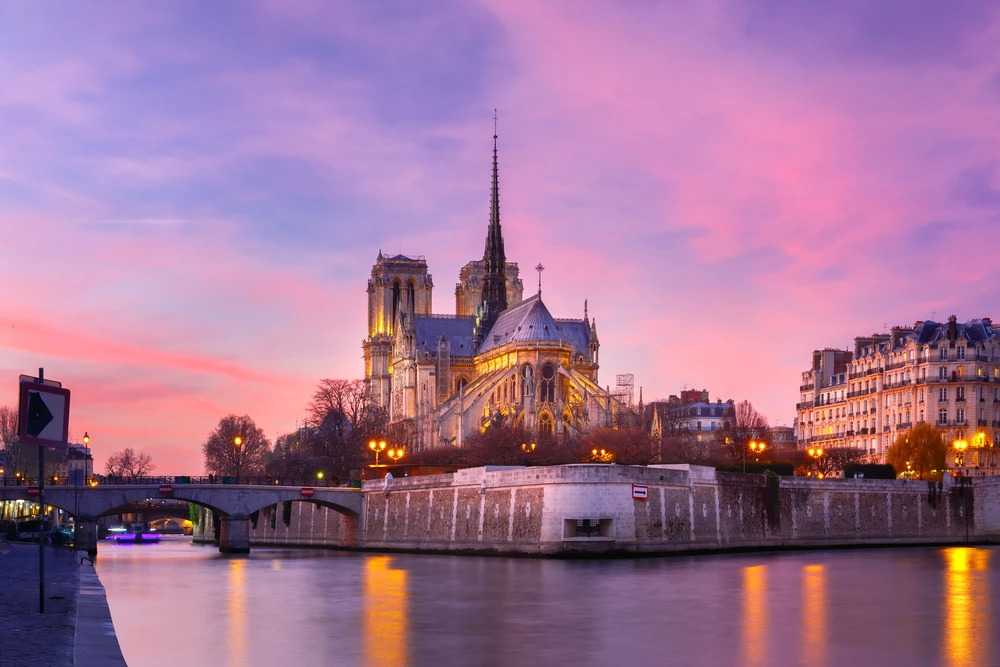
Notre Dame Cathedral is the most visited monument in Paris / Photo selected by monsieurdefrance.com: depositphotos
9:00 a.m. – Notre-Dame Cathedral Start on Île de la Cité, in the historic heart of Paris. Admire the cathedral's recently restored façade, then step inside to discover its choir, stained glass windows, and nave. Interior visits are only available by booking online on the official Notre-Dame de Paris website.
10:30 a.m. – Sainte-Chapelle and Conciergerie Walk a few minutes to Sainte-Chapelle, where you'll be dazzled by the 1,113 colorful stained glass windows depicting scenes from the Bible. Right next door, visit the Conciergerie, a former royal prison where Marie Antoinette was held.
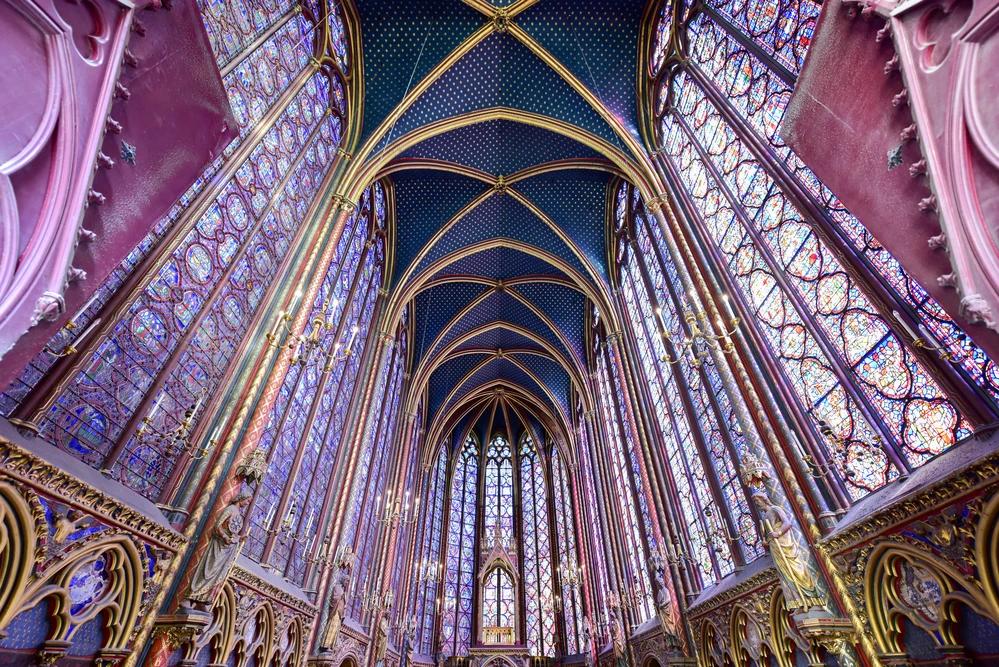
The Sainte Chapelle features 670 square meters of stained glass windows. Photo selected by Monsieurdefrance.com: depositphotos.com
11:45 a.m. – Lunch in the Latin Quarter Cross the Seine via the Saint-Michel bridge to reach the Latin Quarter. Stroll between the Place de la Sorbonne and Rue Mouffetard, one of the oldest streets in Paris, lined with terraces and delicatessens.
1:15 p.m. – Quays of the Seine and Pont des Arts Head to the quays of the Seine and stroll between the Pont Neuf and the Pont des Arts. Observe the booksellers, the barges, and the hustle and bustle of the riverbanks.
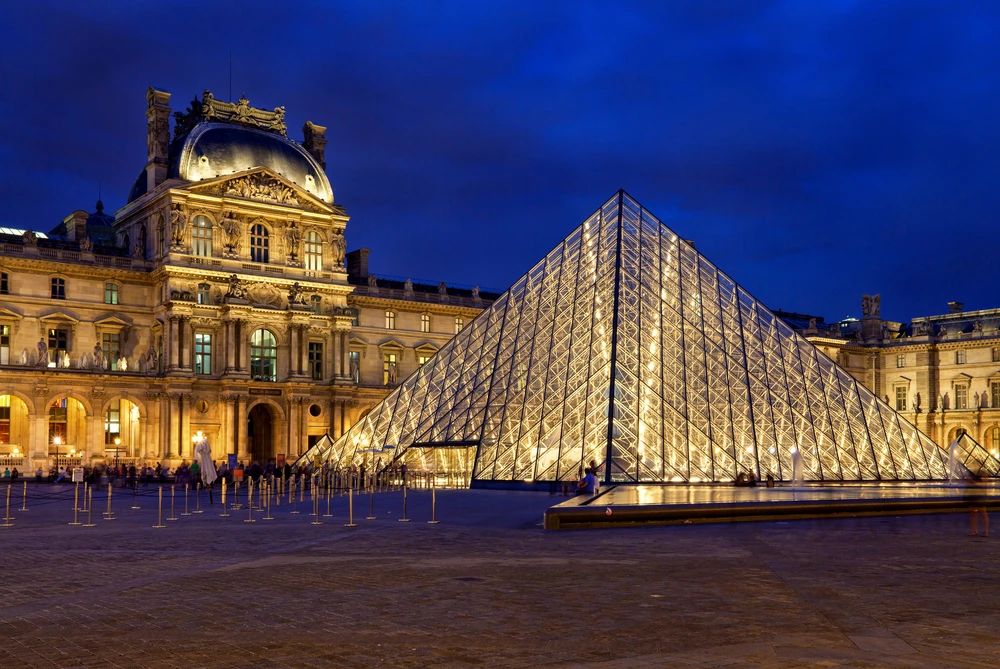
The Louvre is the largest museum in the world / Photo selected by monsieurdefrance.com: shutterstocks
2:00 p.m. – Louvre Museum Enter the world's most famous museum (reservations required on the Louvre website). Discover the must-see works: the Mona Lisa, the Venus de Milo, and the Winged Victory of Samothrace. Allow 2 to 3 hours for an efficient visit.
5:30 p.m. – Palais Royal and gardens Head to the Palais Royal. Take advantage of Buren's columns for a few photos and a moment of rest away from the crowds. You can also choose to visit the Tuileries Garden and Place de la Concorde.
Evening – Dinner in the Marais Head to the Marais, one of the liveliest neighborhoods in the capital. For dinner, try the restaurants around Rue Vieille-du-Temple or Place Sainte-Catherine.
DAY 2 – Paris: Cruise, Eiffel Tower, Les Invalides, and Montmartre
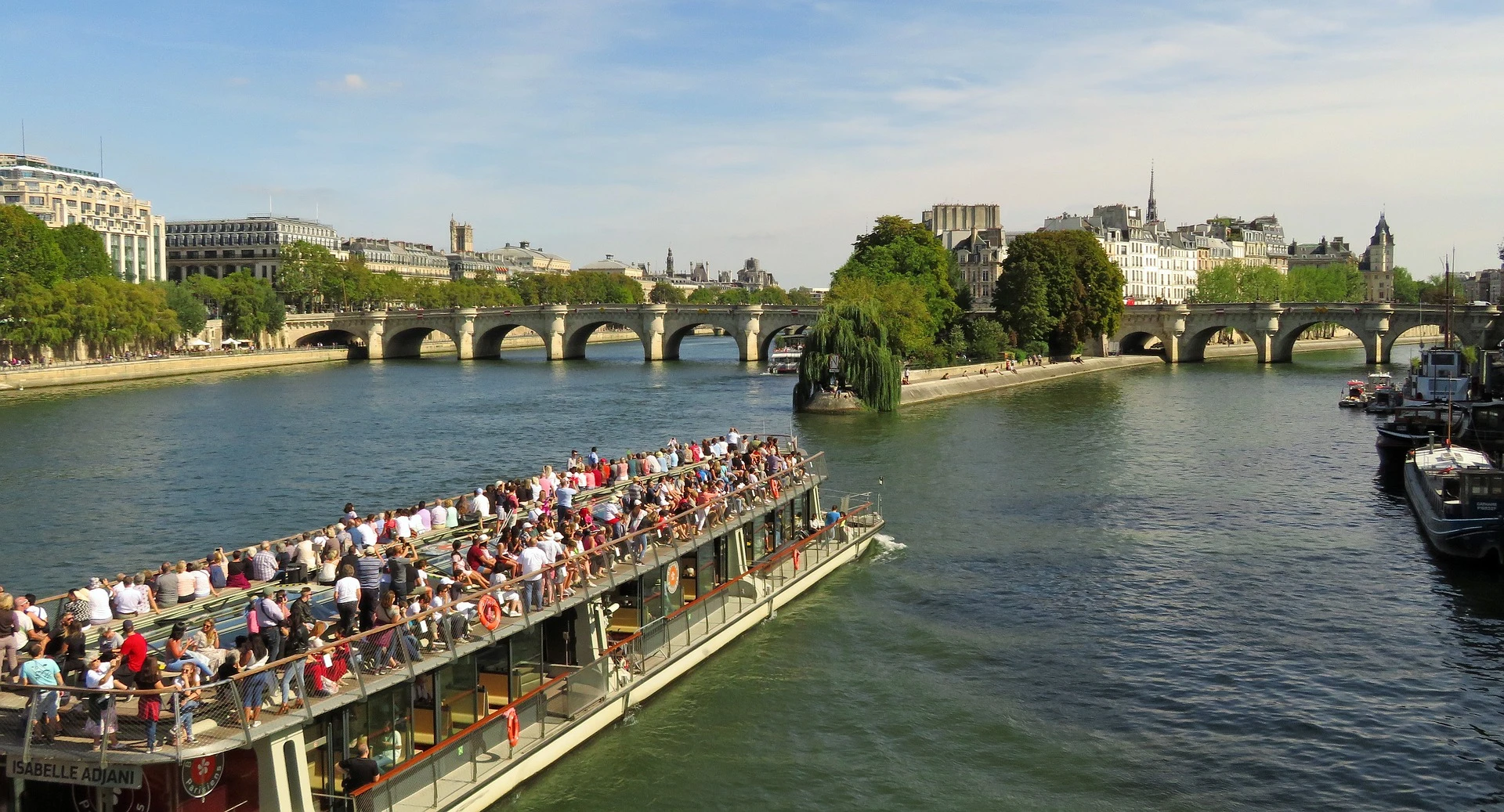
Riverboats today. Image selected by monsieurdefrance.com: by SoleneC1 from Pixabay
9:00 a.m. – Cruise on the Seine Board a riverboat from Pont-Neuf or Port de la Bourdonnais. In one hour, admire the monuments on the right and left banks from a different angle. You can also take the water bus, which is cheaper and allows you to discover Paris.
10:30 a.m. – Eiffel Tower Head to the Champ-de-Mars and visit the Eiffel Tower (reservations required here). Go up to the second floor for a spectacular view of Paris.
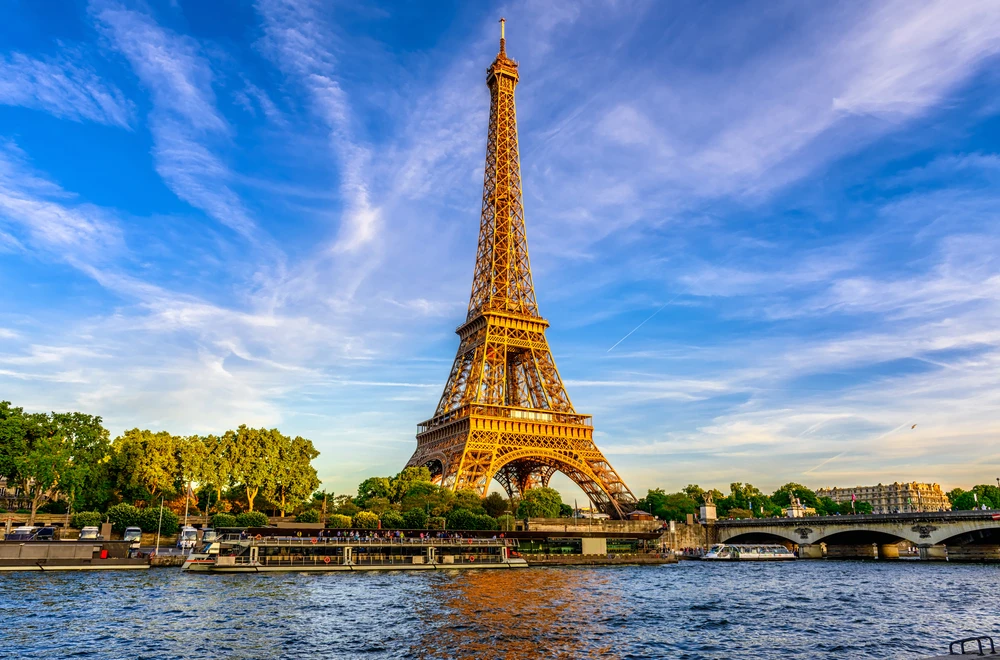
La Tour Eiffel / photo Catarina Belova/Shutterstock.com
12:00 p.m. – Lunch in the 7th arrondissement. Take a seat in a typical brasserie on Rue Cler or in the streets around Avenue de la Bourdonnais.
1:30 p.m. – Les Invalides and the Alexandre III Bridge Cross the Esplanade des Invalides to admire the golden dome. Then head to the Alexandre III Bridge, one of the most elegant bridges in Paris.
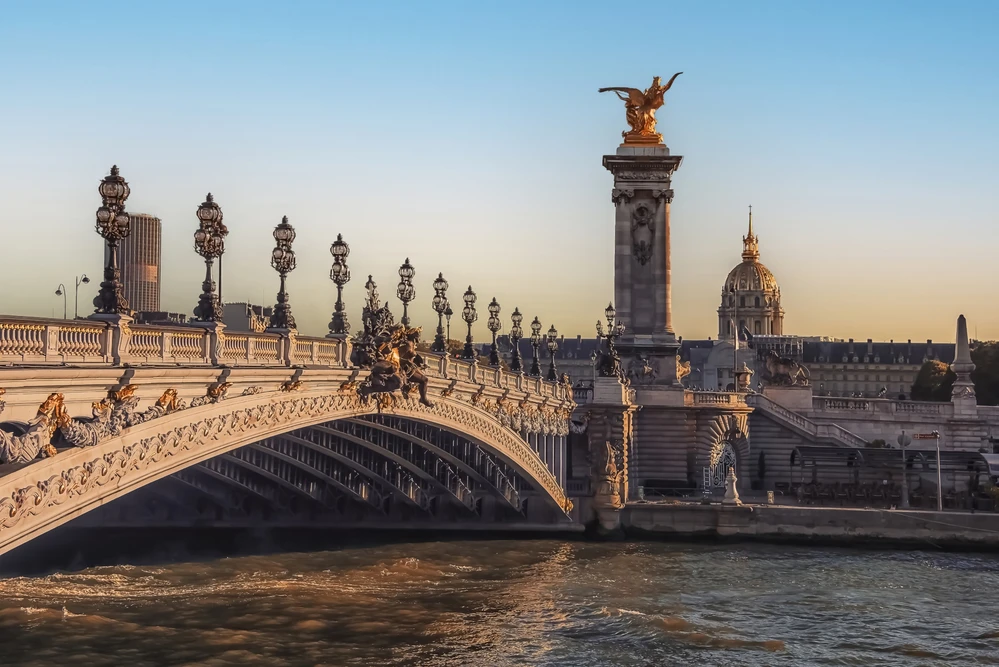
The Pont Alexandre III bridge at sunrise and Les Invalides in the background Photo selected by Monsieurdefrance.com: Manjik via depositphotos.
3:00 p.m. – Musée d'Orsay (optional) If you like the Impressionists, book your ticket online for the Musée d'Orsay and discover Monet, Degas, Van Gogh, and other great names in painting. Otherwise, visit Les Invalides.
4:30 p.m. – Montmartre Take the metro to Anvers. Walk up the steps or take the funicular to reach Sacré-Cœur. Enjoy the exceptional view of Paris.
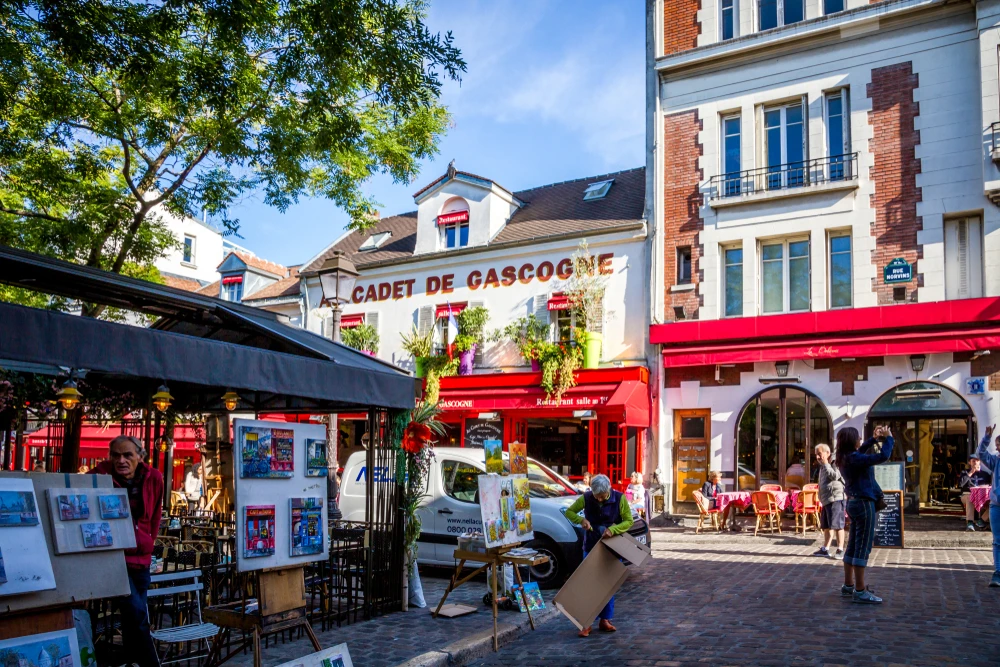
Place du Tertre in Montmartre with its painters and cafés. Photo selected by monsieurdefrance.com: Daboost / Shutterstock.com
6:00 p.m. – Place du Tertre and narrow streets Stroll among the artists, visit the Montmartre Museum and the Clos Montmartre, and discover the secret narrow streets around Rue Lepic.
Evening – Dinner in Montmartre Choose a table in the streets around Rue des Abbesses or Rue des Trois Frères to end the day in a typically Parisian atmosphere.
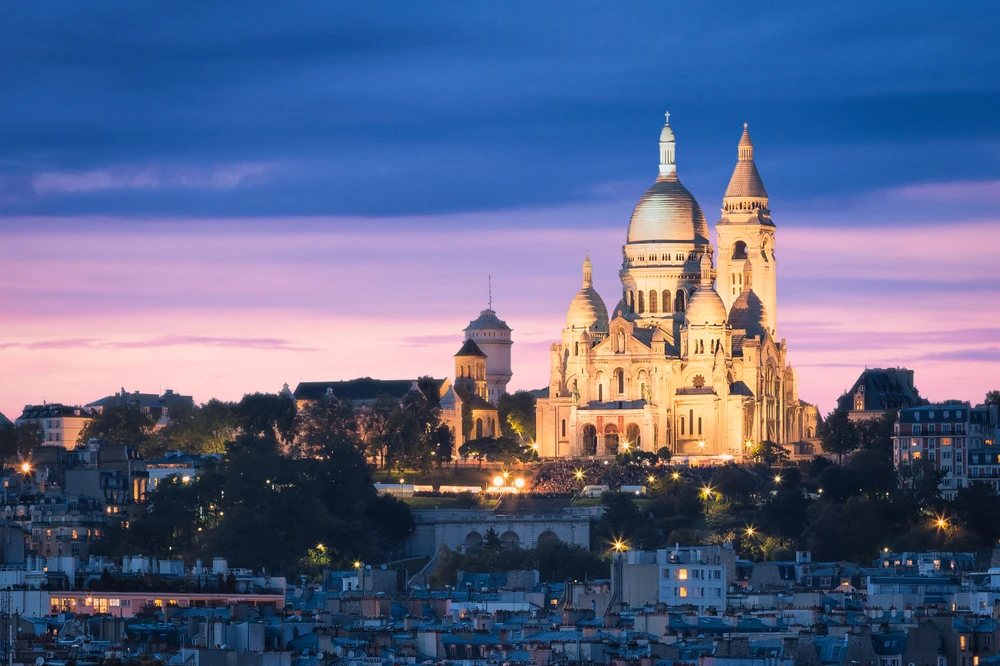
The Basilica of the Sacred Heart in Montmartre. Photo selected by Monsieurdefrance.com: Shutterstock.com
DAY 3 – A royal day in Versailles
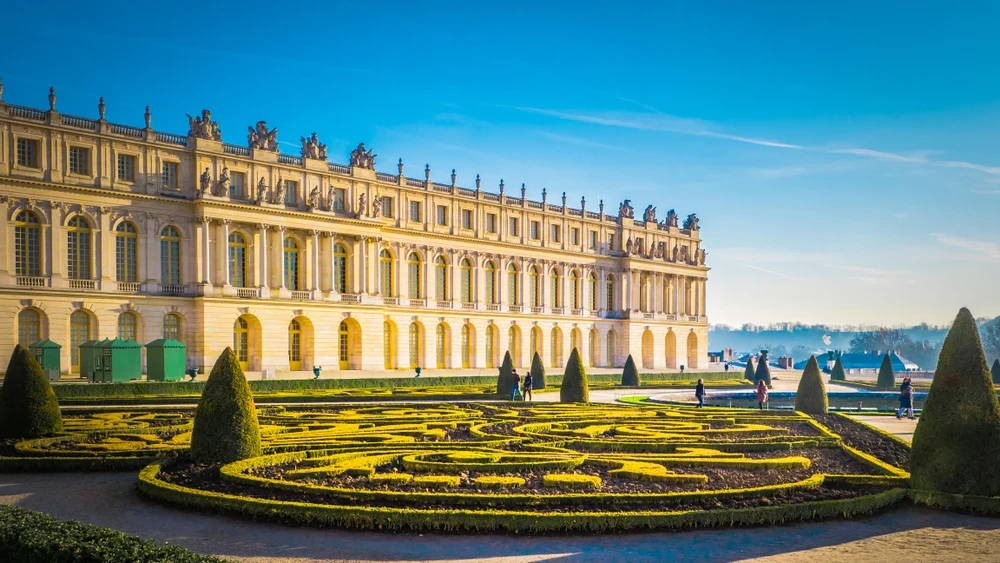
Gardens and Palace of Versailles / photo Vivvi Smak/Shutterstock.com
8:00 a.m. – Departure for Versailles Take the RER C from Saint-Michel or the N train from Montparnasse to Versailles Château Rive Gauche station (~35 minutes).
9:00 a.m. – Palace of Versailles Visit the former palace of the Sun King (reservations required on the official website). Don't miss the Hall of Mirrors, the Grand Apartments, the King's Bedroom, and the Royal Chapel.
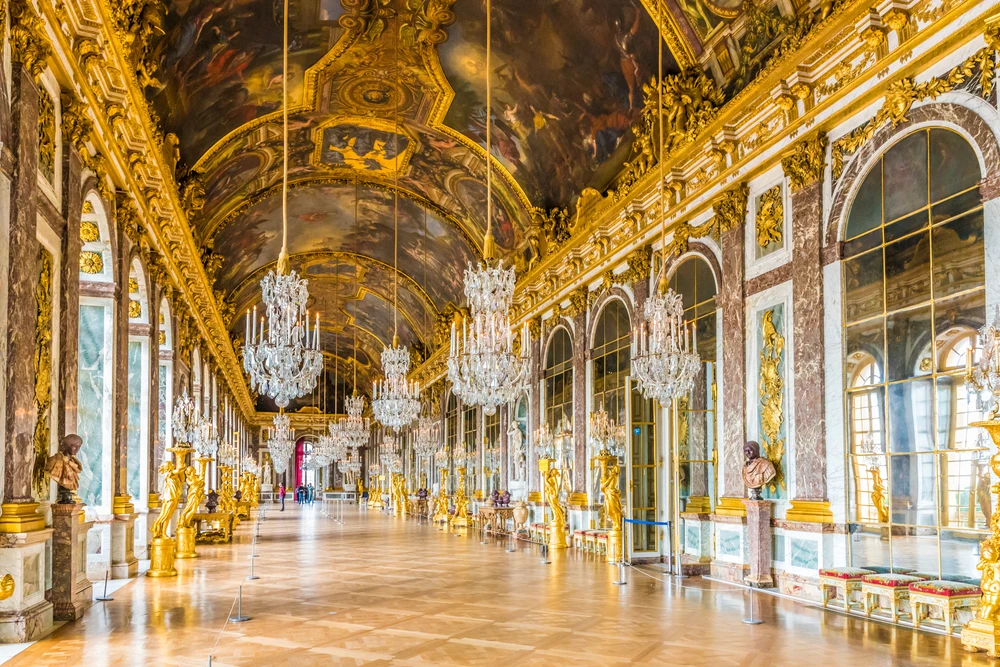
The Hall of Mirrors and its famous torches
11:30 a.m. – Gardens and Fountains Take a stroll through the gardens designed by Le Nôtre. If you are there on a Tuesday, Saturday, or Sunday, watch the musical fountain show (times vary depending on the season).
12:30 p.m. – Lunch on the estate Settle down in the gardens or in the alleys around the Grand Canal. Simple options are available to take away or eat on the terrace. Alternatively, there are some nice restaurants in the town of Versailles. It is well worth a visit.
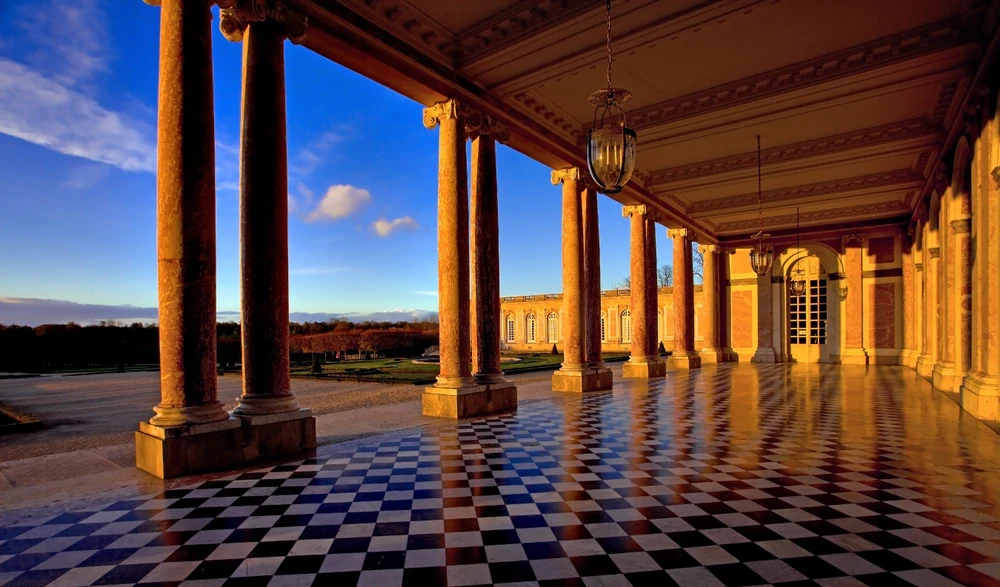
Columns of the Grand Trianon / Photo by Andre Quinou/Shutterstock.com
2:00 p.m. – Trianon Estate and Queen's Hamlet Join us at the Grand Trianon, an elegant palace made of pink marble, then explore the Petit Trianon, Marie Antoinette's private estate, and finish with the Queen's Hamlet.
5:00 p.m. – Return to Paris Take the RER C or N line back to Paris for one last evening of free time in the capital.
An important tip: to avoid waiting at Versailles, purchase a one-year pass. It is cost-effective because you will not have to wait. In addition, you will be helping to maintain Versailles.
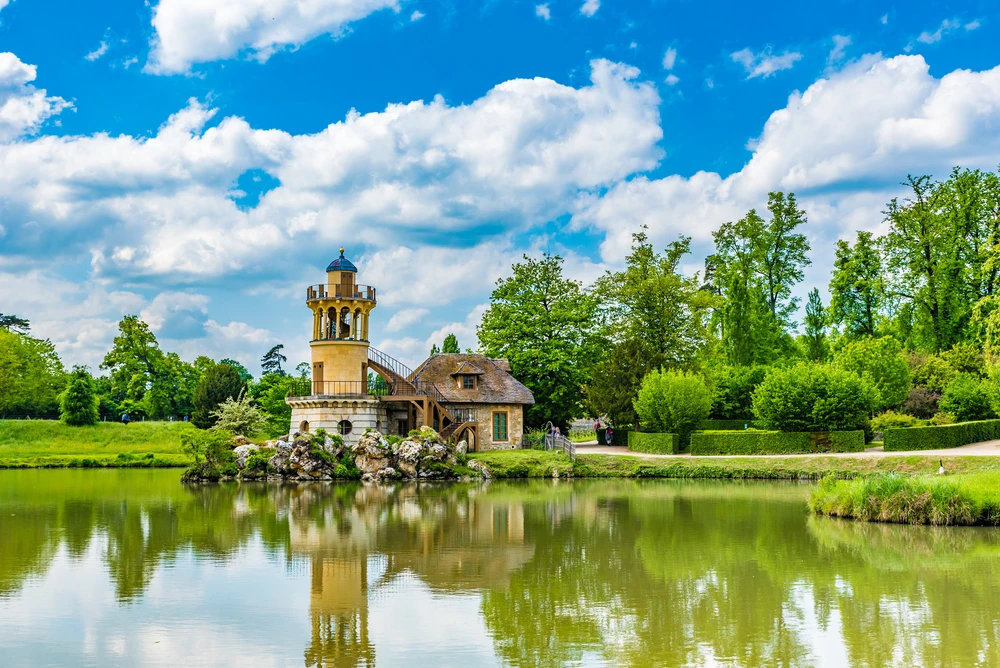
The Marlborough Tower and the Queen's Hamlet / Versailles / Image by Takashi Images
🍴 What to try in Paris
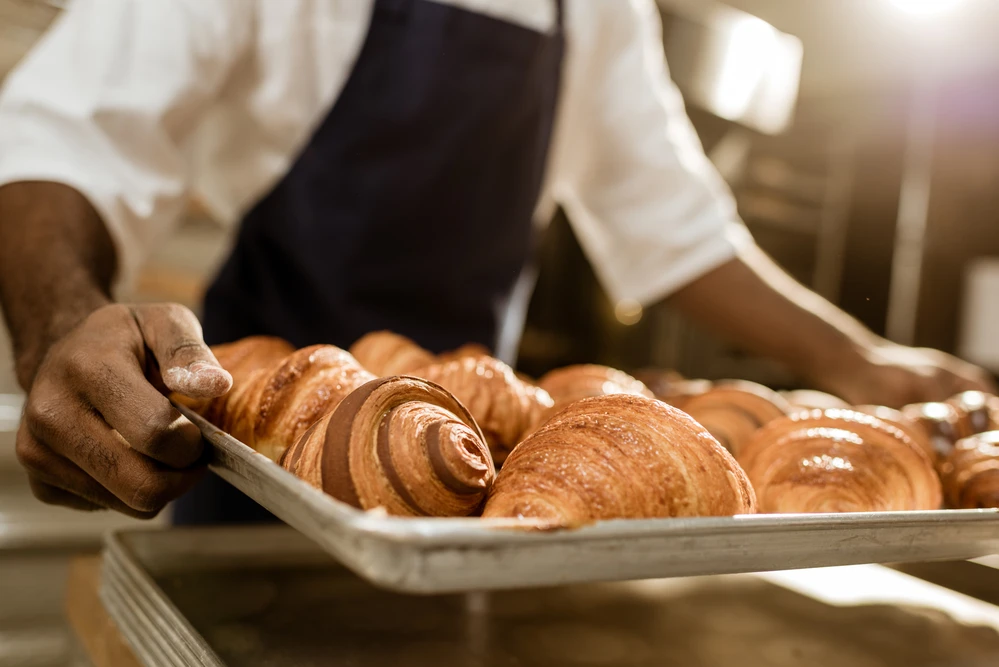
Fresh croissants! Photo selected by monsieurdefrance.com: ArturVerkhovetskiy via depositphotos.com
In Paris, try a croissant or a pain au chocolat in an artisan bakery in the Latin Quarter. At lunchtime, opt for a croque-monsieur, a quiche lorraine, or a Parisian salad in a typical brasserie.
In the evening, indulge in beef bourguignon, duck confit, or beef tartare. For dessert: Parisian flan, lemon meringue pie, macarons, or chocolate éclairs. Don't miss cheeses such as Brie de Meaux or Saint-Nectaire, accompanied by a glass of Côtes-du-Rhône or a Kir Royal.
The best neighborhoods to shop or sample local fare: Aligre Market, Raspail Market, Rue Cler, Rue Mouffetard, and Rue Montorgueil.
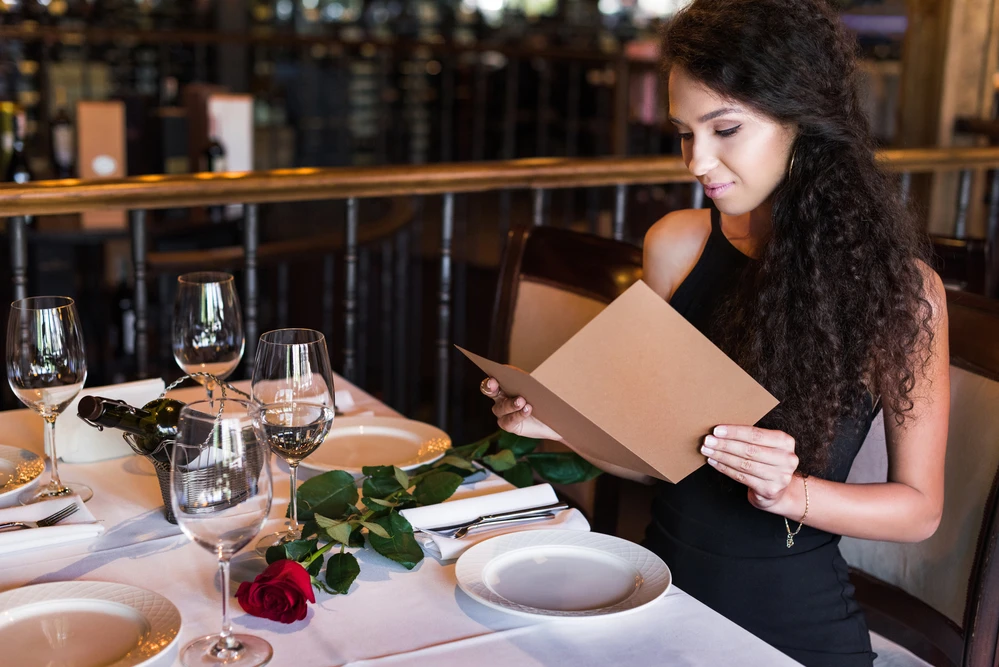
A menu at a restaurant / photo selected by monsieurdefrance.com: IgorVetushko Depositphotos_161946350_S
🏨 Where to stay in Paris
Choose the Latin Quarter for its central location and lively atmosphere. Other good choices include Le Marais for its historic charm and liveliness, or the 9th arrondissement for its good value for money and proximity to Montmartre and the Grands Boulevards.
Average budget: $110 to $230 per night. Book in advance, especially during the summer.
🚆 Train station for the rest of the journey
Meet at Paris Montparnasse station for a direct high-speed train to Tours Saint-Pierre-des-Corps (journey time: 1 hour 10 minutes).
➡️ This is the starting point for your discovery of the Loire Valley castles.
Days 4 to 6: The Loire Valley Castles – Renaissance, History, and Nature
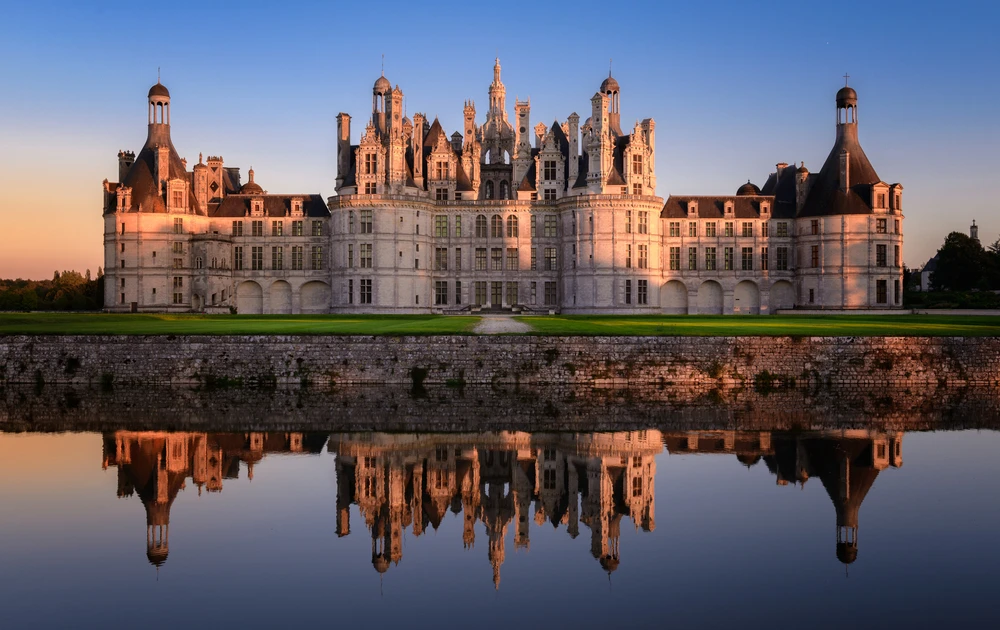
The Château de Chambord impresses with its monumental silhouette, its double spiral staircase, its sculpted roofs and its grandiose natural setting, embodying the genius of the French Renaissance and the royal dream of François I. Photo chosen by Monsieur de France.
What you will see and experience
Three days in the heart of the Loire Valley, known as "the garden of France," to discover Renaissance architectural masterpieces and sumptuous gardens. From Chambord to Chenonceau, from Amboise to Azay-le-Rideau, you will immerse yourself in French art, history, and the good life.
DAY 4 – Chambord and Cheverny
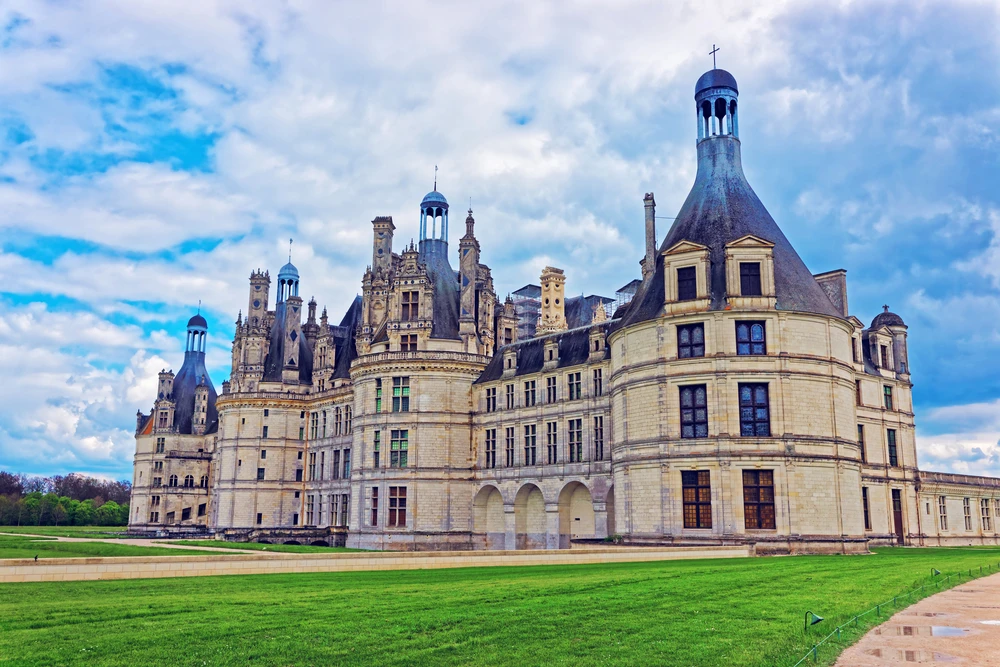
Chambord Castle Photo by Roman Babakin/Shutterstock
8:00 a.m. – Departure from Paris Take a TGV train from Paris Montparnasse station to Tours Saint-Pierre-des-Corps (~1 hour 10 minutes). Rent a car directly at the station to reach Chambord.
9:30 a.m. – Château de Chambord The largest château in the Loire Valley, built for François I, will impress you with its 440 rooms and double spiral staircase attributed to Leonardo da Vinci. Tour lasts approximately 2 hours. Book your ticket online here.
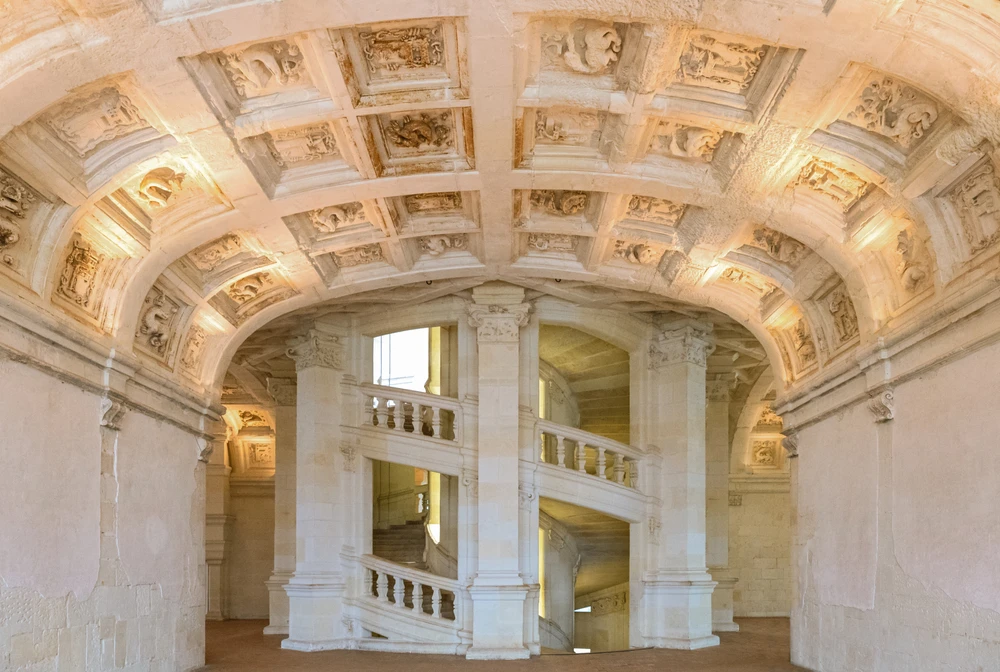
The double spiral staircase at the Château de Chambord Photo by Gimas/Shutterstock
12:00 p.m. – Lunch Plan to eat at a brasserie around Place Saint-Louis in Chambord, or bring a picnic to enjoy in the park. If you want to take your time, you can have lunch in the city of Blois (which has a royal castle).
2:00 p.m. – Cheverny Castle. Just a 30-minute drive away, discover Cheverny, famous for its intact furnishings and its inspiration for Moulinsart (Tintin). Allow 1.5 to 2 hours for the visit. Tickets available here.
5:00 p.m. – Arrival in Amboise. Settle into your accommodation in the center of Amboise, the ideal base for exploring the area. Enjoy dinner in the historic district or on the banks of the Loire River.
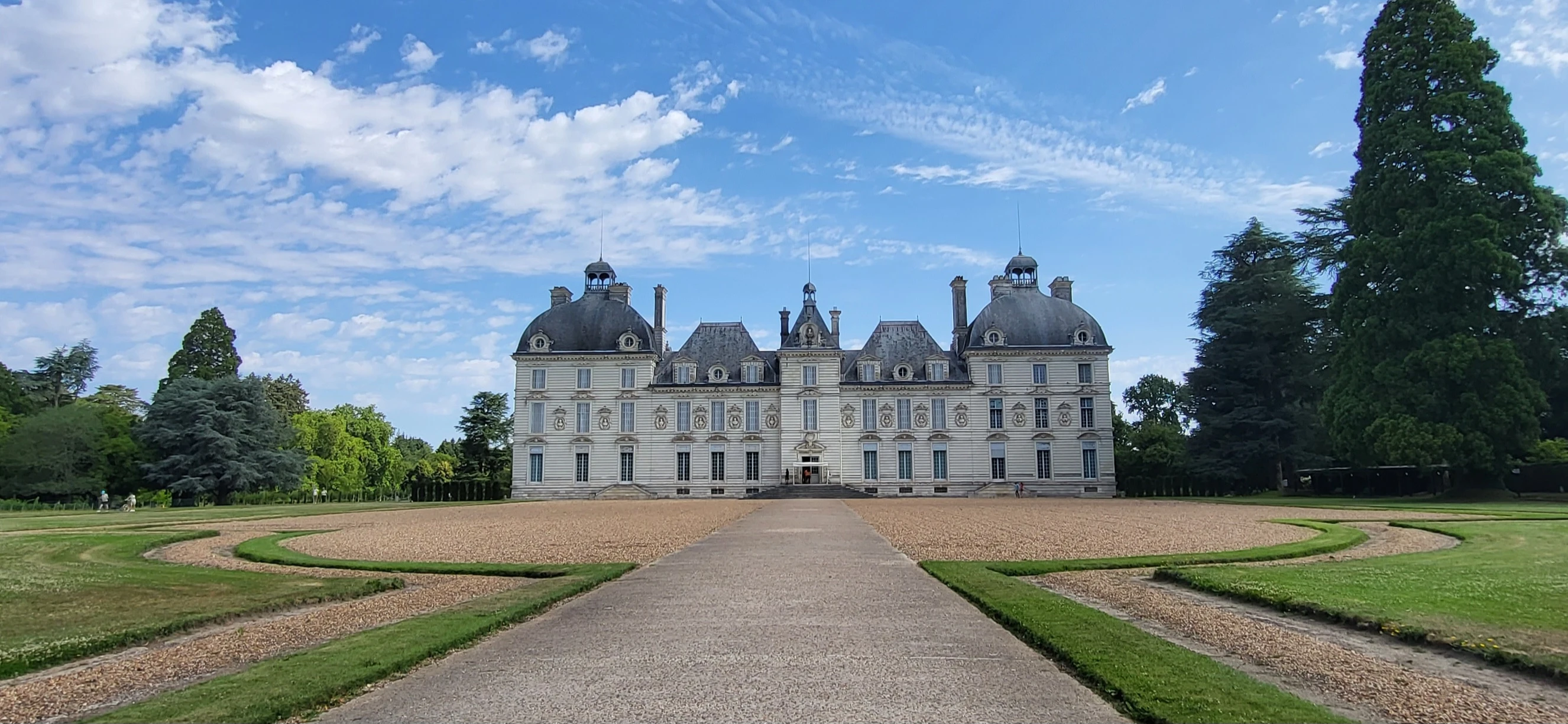
The entrance to Cheverny Castle, where the magical tour of the interiors begins. Photo selected by monsieurdefrance.com: Jérôme Prod'homme.
DAY 5 – Chenonceau and Amboise
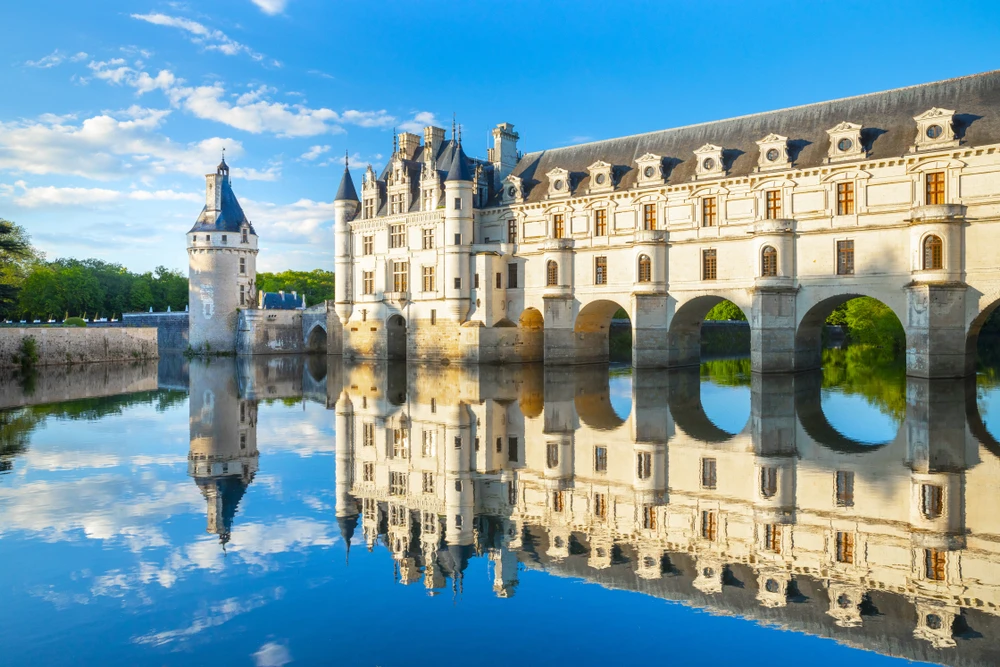
Chenonceau Castle Photo by proslgn/Shutterstock
9:00 a.m. – Chenonceau Castle 20 minutes from Amboise, visit the unforgettable Château des Dames, which spans the Cher River. Don't miss the gallery above the river and the gardens of Diane de Poitiers and Catherine de Medici. Book here. Allow 2 hours for the visit.
12:00 p.m. – Lunch Choose a brasserie in the center of Chenonceaux or head back to Amboise and its shopping streets.
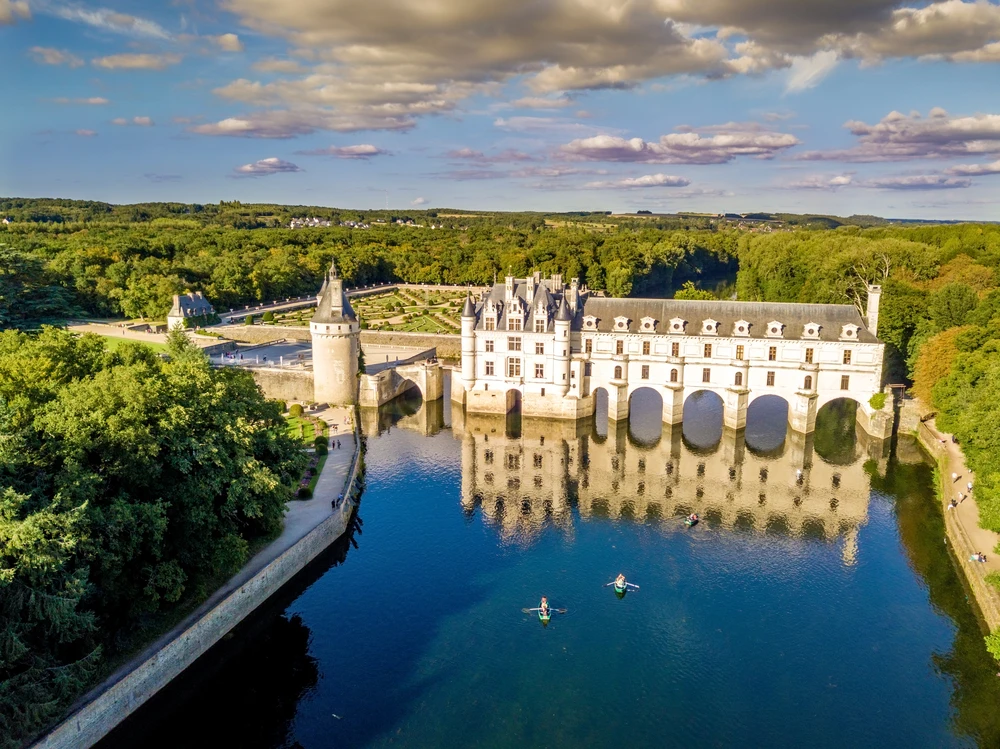
Chenonceau Castle Photo by Antoine2K/Shutterstock
2:00 p.m. – Royal Castle of Amboise Overlooking the Loire River, this castle was the residence of Charles VIII and Francis I. Enjoy breathtaking views of the river and the city. Reserve your tickets here.
4:00 p.m. – Clos Lucé Just a few minutes' walk away, discover Leonardo da Vinci's final resting place. Gardens, inventions, and models tell the story of this universal genius. Book here.
6:30 p.m. – Evening in Amboise Enjoy a stroll along the banks of the Loire River, then have dinner in one of the streets of the historic center, such as Rue Nationale or Rue Victor Hugo.
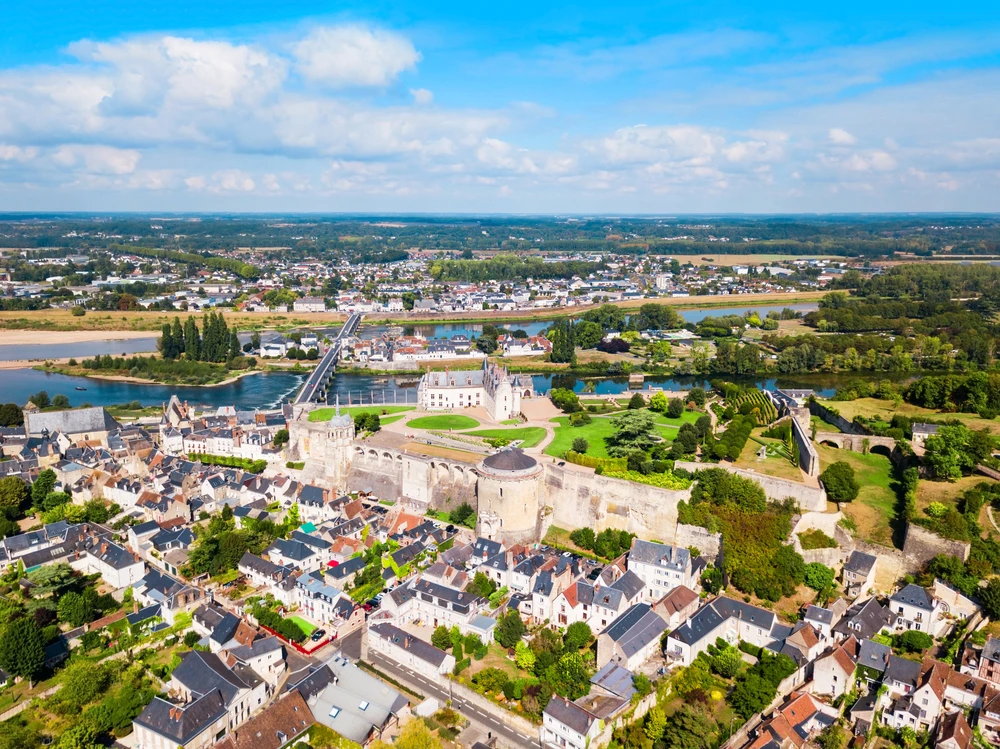
The town of Amboise and its castle on the banks of the Loire River/ Photo selected by Monsieur de France: depositphotos
DAY 6 – Azay-le-Rideau and Villandry
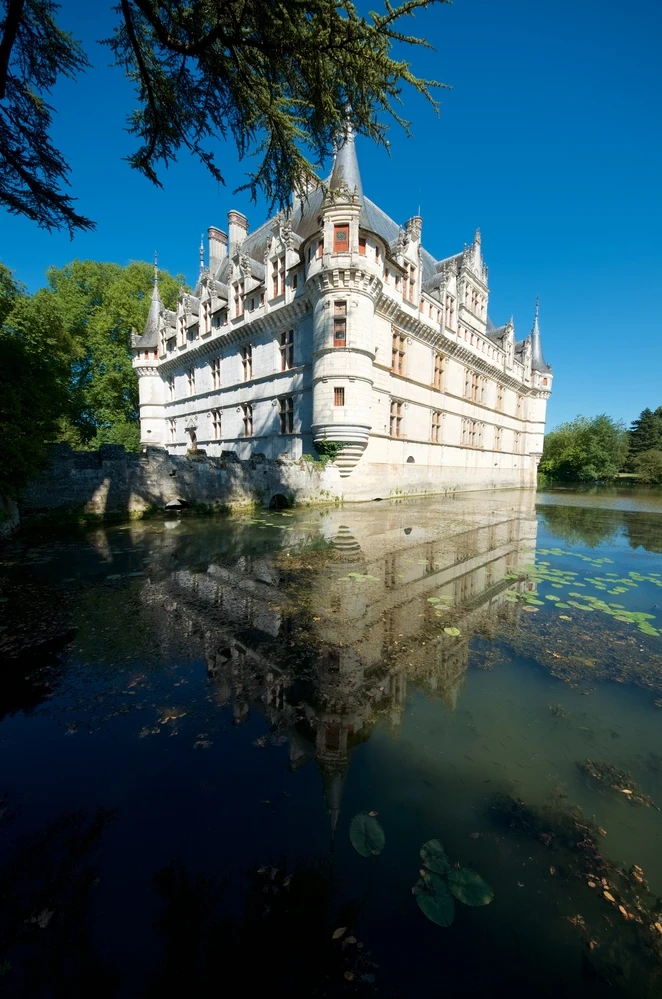
Azay le Rideau. Photo selected by Monsieurdefrance.com: Pedro2009 via depositphotos.
9:00 a.m. – Azay-le-Rideau Castle. A 40-minute drive from Amboise, visit this gem set on an island in the middle of the Indre River. Refined Renaissance architecture. Tickets available here.
11:30 a.m. – Stroll through the village Take a stroll through the flower-filled streets of Azay-le-Rideau and enjoy a coffee on a terrace.
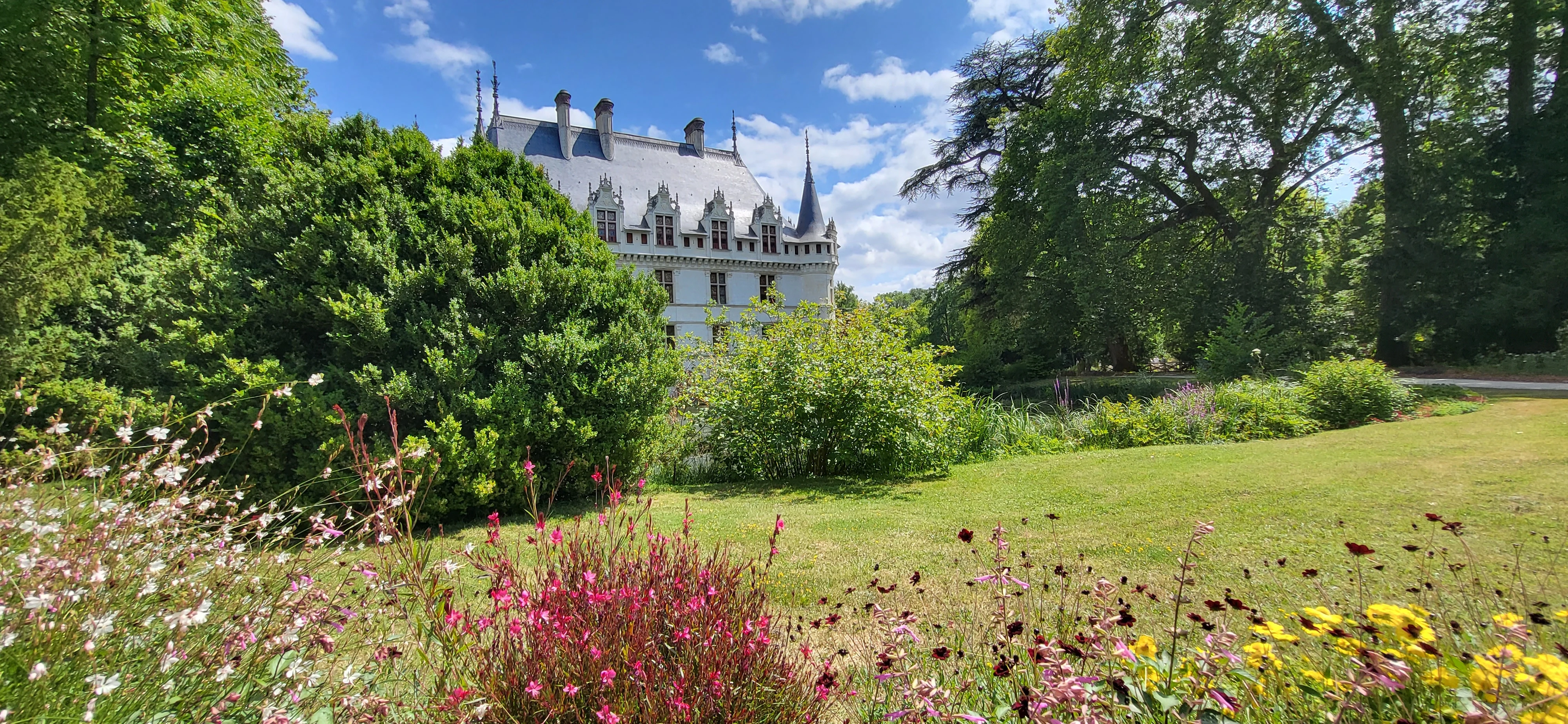
Azay Castle seen from the gardens. Photo selected by monsieurdefrance.com: Jérôme Prod'homme (c)
12:30 p.m. – Lunch Stop in Villandry or along the way for a simple meal at a brasserie.
2:00 p.m. – Villandry Gardens Admire some of France's most famous vegetable and ornamental gardens. Allow two hours for the visit. Book here.
4:30 p.m. – Return to Tours if you prefer to take the train: Return the car to Tours Saint-Pierre-des-Corps station. Otherwise, drive to Saint Malo and return the car there (allow 3.5 hours for the drive).
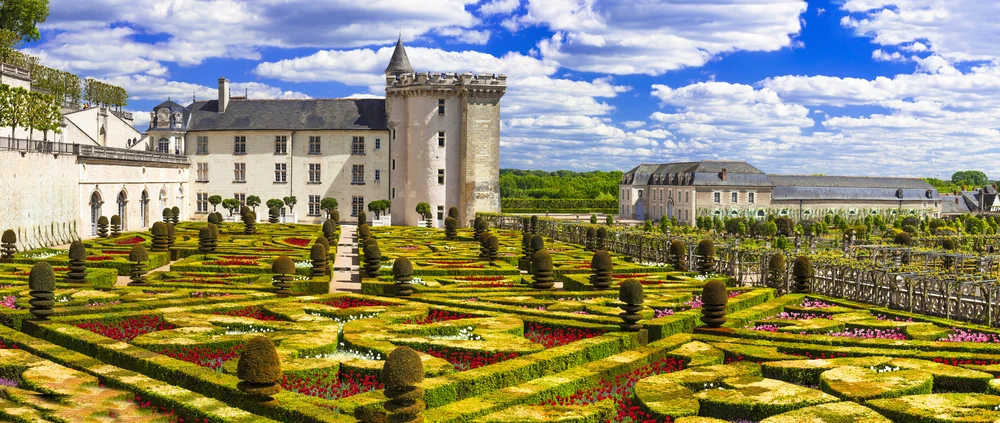
The Château de Villandry / Photo selected by Monsieur de France: depositphotos
🍴 What to taste in the Loire Valley
-
Tours-style rillons and rillettes
-
Grilled andouillettes
-
Tarte Tatin
-
Rivarennes dried pears
-
AOC goat cheeses (Sainte-Maure-de-Touraine)
-
Loire wines are very well known: Chinon, Vouvray, Saumur-Champigny
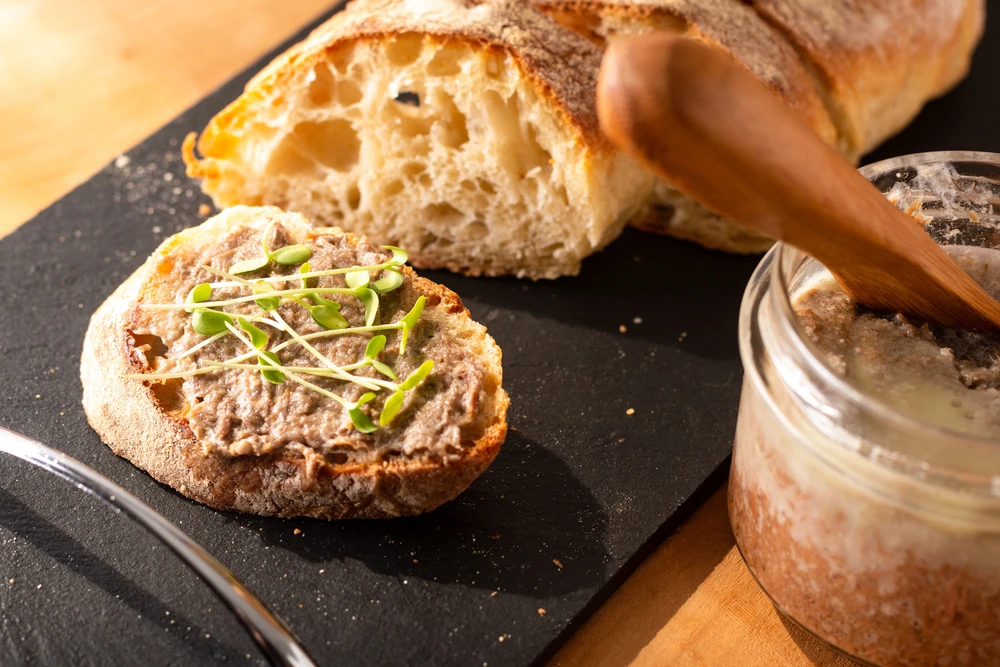
Nothing beats rillettes as an appetizer / Photo selected by Monsieur de France: depositphotos
🏨 Where to stay in the Loire Valley
📍 Amboise: a central town, perfect for visiting Chenonceau, Chambord, Cheverny, and Azay-le-Rideau. Lively atmosphere, shopping streets, and the banks of the Loire River, ideal for evening strolls.
🚆 Next station for the rest of the journey
Tours Saint-Pierre-des-Corps → Rennes (average travel time 3 hours 30 minutes with connection), then Rennes → Saint-Malo (45 minutes by TER train). Alternatively, keep the car and drive to Saint Malo (3 hours 15 minutes) and leave it there.
➡️ Start of your stay in Brittany.
Days 7 to 10: Brittany – Saint-Malo, Dinard, Dinan, and Mont-Saint-Michel
What you will see and experience
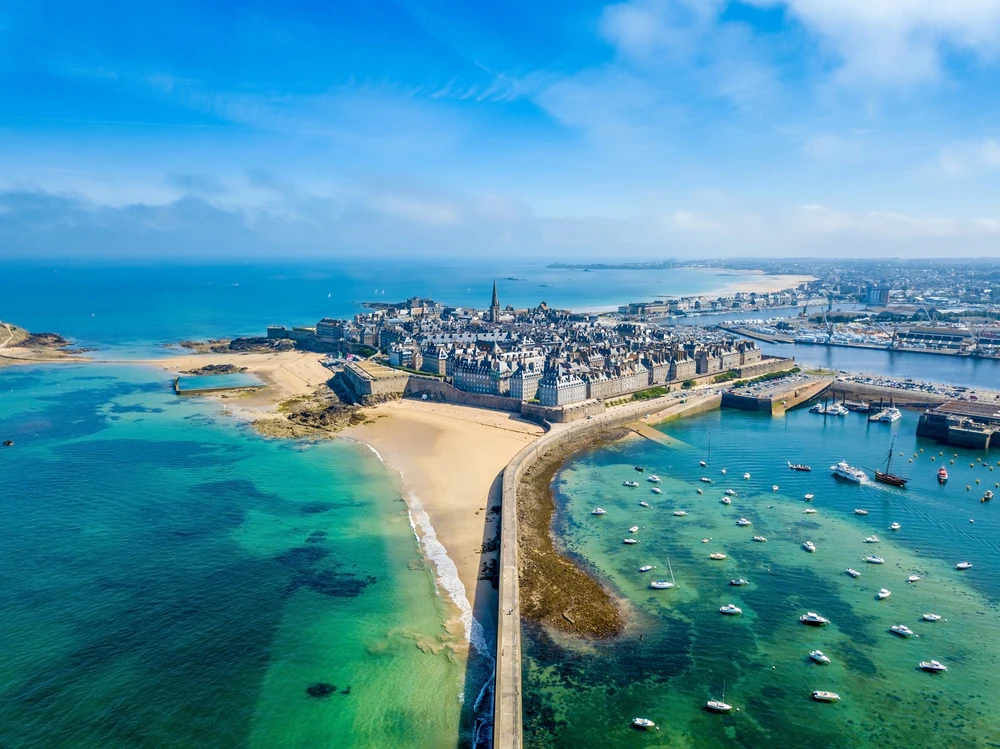
Four days in Brittany to breathe in the sea air, explore pirate fortifications, admire the beaches of the Emerald Coast, and marvel at Mont-Saint-Michel. With its medieval streets, Belle Époque villas, spectacular tides, and gourmet specialties, this stop offers a condensed version of heritage, history, and seascapes.
DAY 7 – Saint-Malo, the pirate city
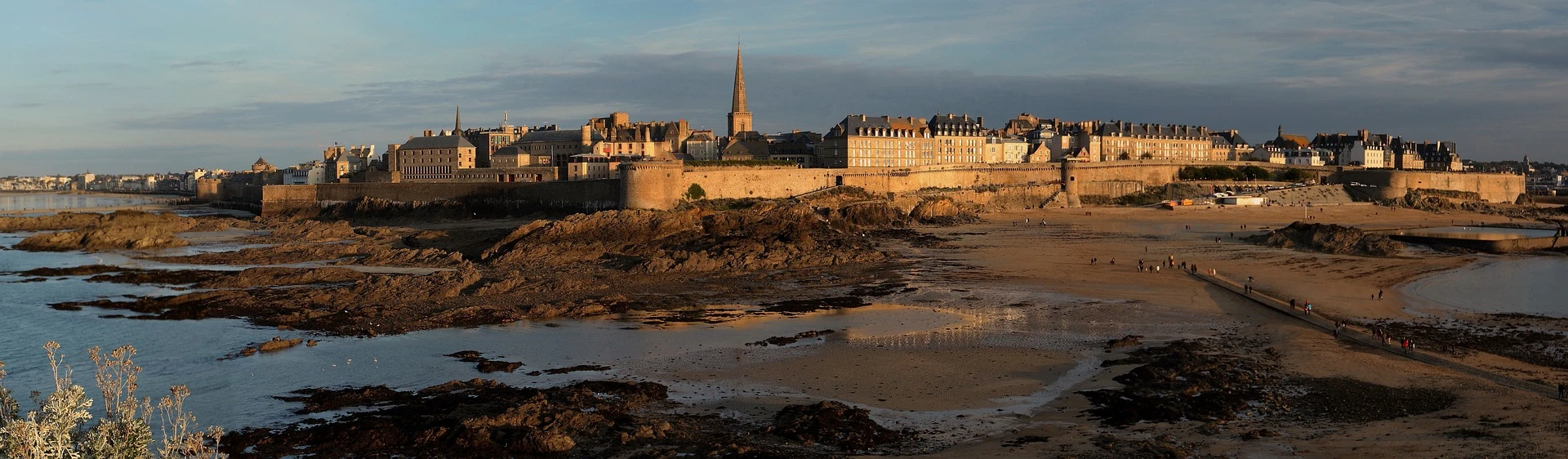
Saint Malo / image selected by monsieurdefrance.com: Image by Jean-Michel SACHOT from Pixabay
10:00 a.m. – Arrival in Saint-Malo If you came by train from Tours and Rennes, rent a car. Otherwise, keep the car you rented in Saint Pierre des Corps/Tours and return it to Rennes at the end of your stay in Brittany. Stay in accommodation within the city walls to experience life in the pirate city, or on the Sillon (for fans, there is a superb thalassotherapy center).
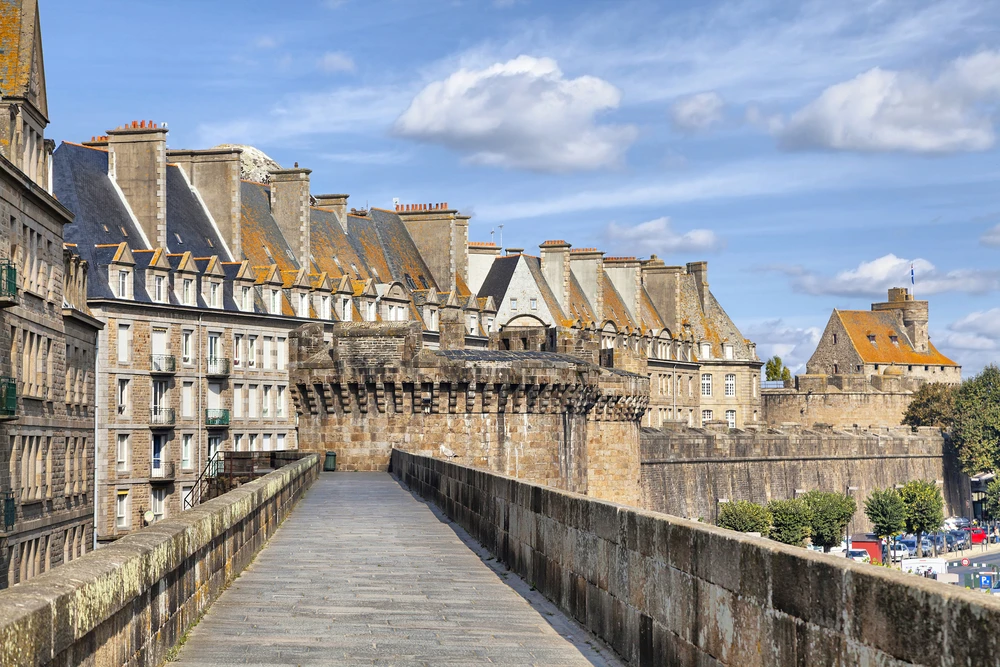
Visiting the ramparts is a must when in Saint Malo. Photo selected by monsieurdefrance.com: Depositphotos.
11:00 a.m. – Tour of the ramparts Stroll along the 2 km of ramparts. Each bastion offers a different view: the port, the beaches, the old town. Allow 1.5 hours for a complete tour.
12:30 p.m. – Lunch in town Around Place Chateaubriand or on Rue de Dinan, there are several brasseries welcoming visitors. Alternatively, head to the vegetable market square.
2:00 p.m. – Saint-Vincent Cathedral Built between the 12th and 18th centuries, it houses the tombs of Jacques Cartier and Duguay-Trouin.
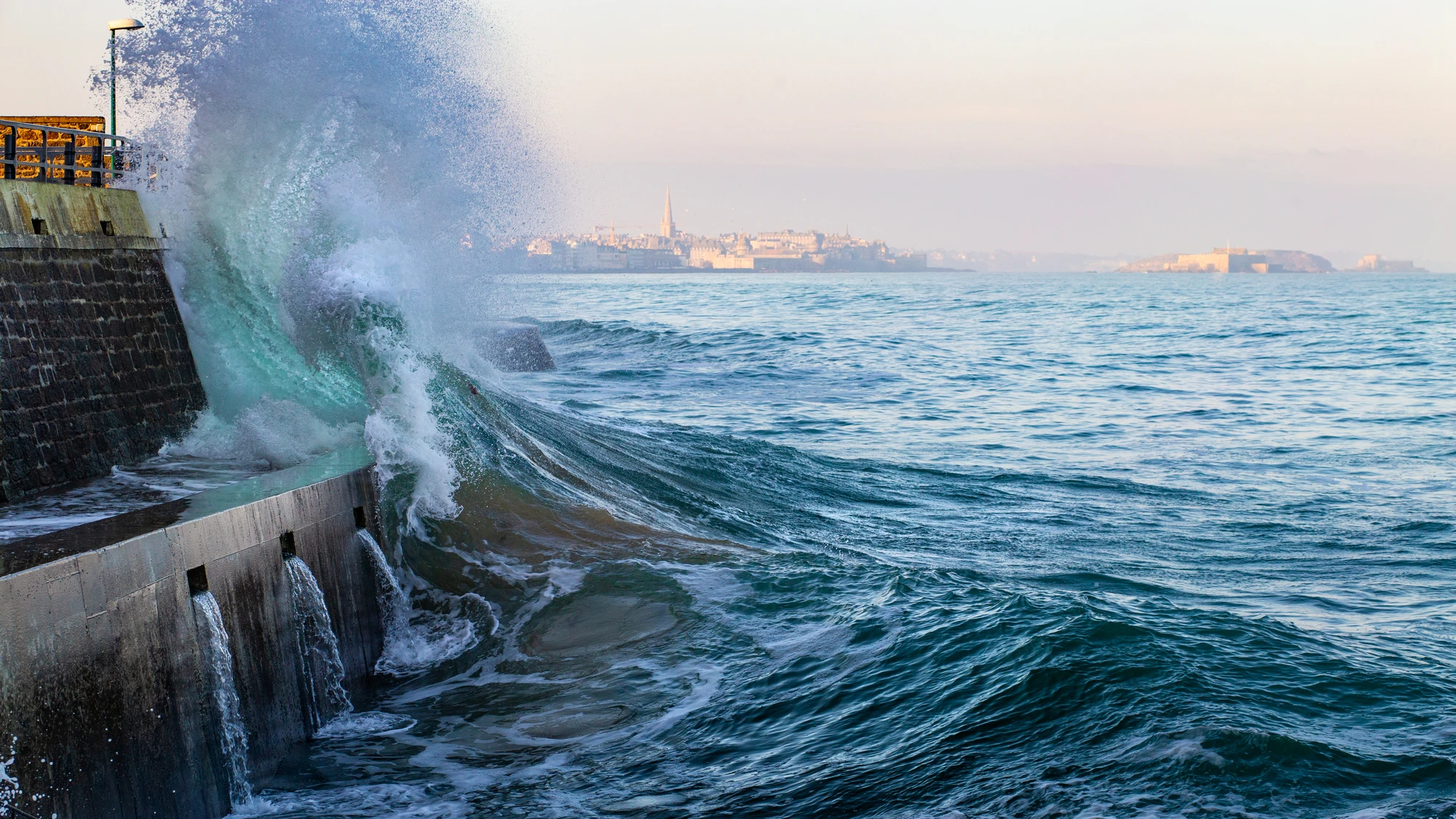
Saint Malo and the sea crashing against the Sillon breakwater during high tides. Photo selected by monsieurdefrance.com: depositphotos
4:00 p.m. – Sillon Beach Take a stroll along this 3-kilometer beach, one of the most beautiful in Europe and the perfect place to watch the sunset.
Evening – Stroll through the narrow streets and along the illuminated ramparts. Treat yourself to a Breton crêpe.
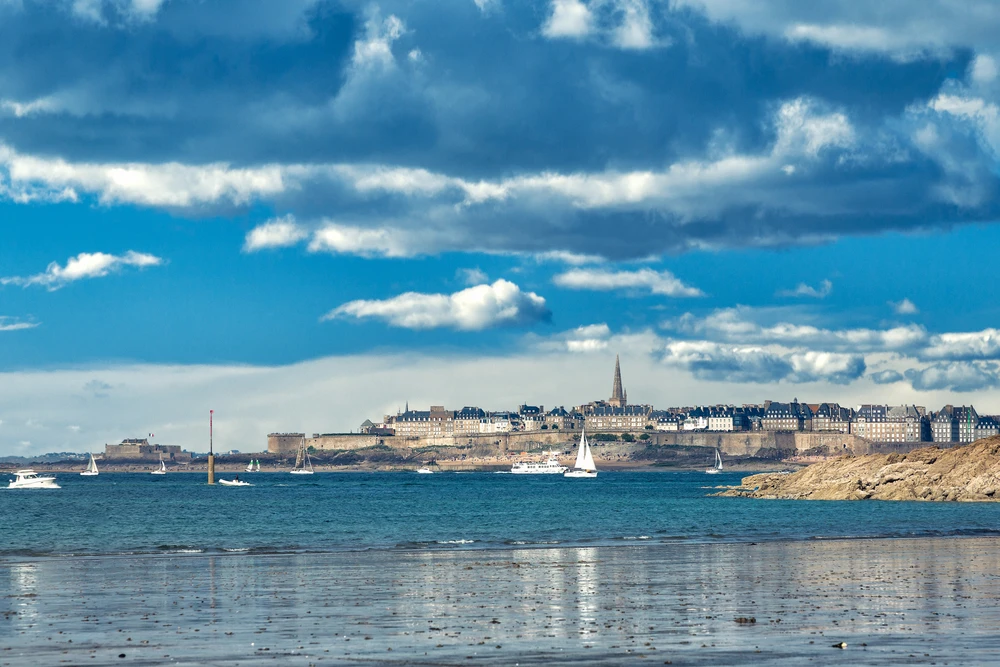
From Dinard (opposite Saint Malo), you can clearly see "intra muros," the historic city of Saint Malo surrounded by ramparts, with only the bell tower of Saint Vincent Cathedral rising above. Photo selected by monsieurdefrance.Com: shutterstock.com
DAY 8 – Dinard, seaside elegance
9:00 a.m. – Crossing to Dinard Take the ferry (10 min) or drive (20 min). The journey itself offers beautiful views of the bay.
9:30 a.m. – Promenade du Clair de Lune Stroll along this pedestrian path lined with palm trees and sumptuous villas.
11:00 a.m. – Plage de l’Écluse Enjoy this iconic beach with its colorful cabanas and views of Saint-Malo.
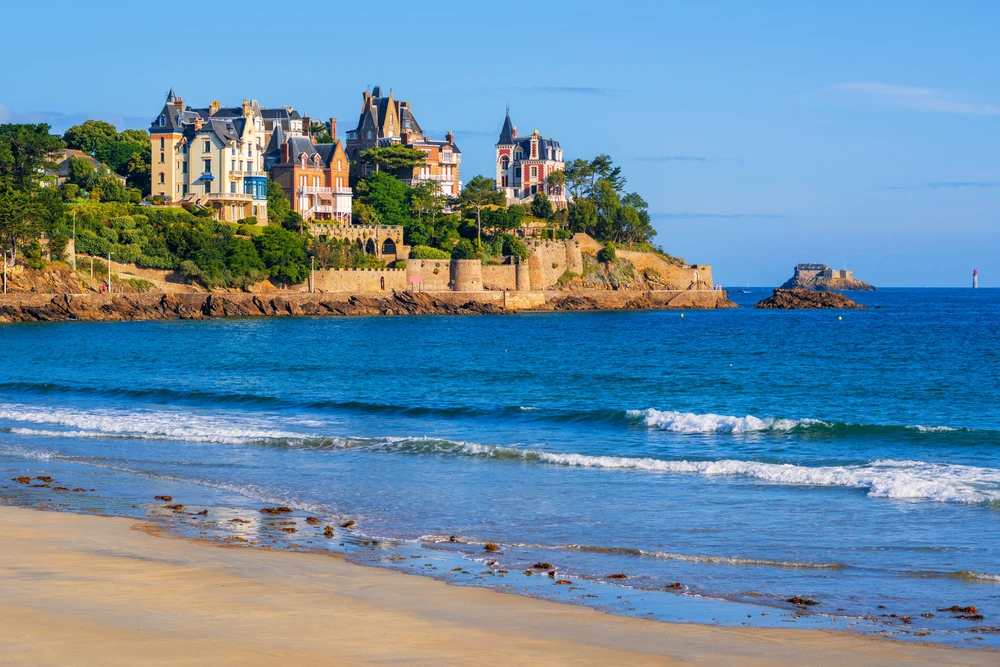
Villas on the tip of Malouine. Photo selected by monsieurdeFrance: depositphotos.
12:30 p.m. – Lunch Around Place de la République, there are several brasseries and cafés where you can enjoy a pleasant break.
2:00 p.m. – Belle Époque Villas Stroll through the residential neighborhoods to admire the lavish 19th-century architecture.
4:00 p.m. – Return to Saint-Malo Late afternoon free. Evening within the city walls.
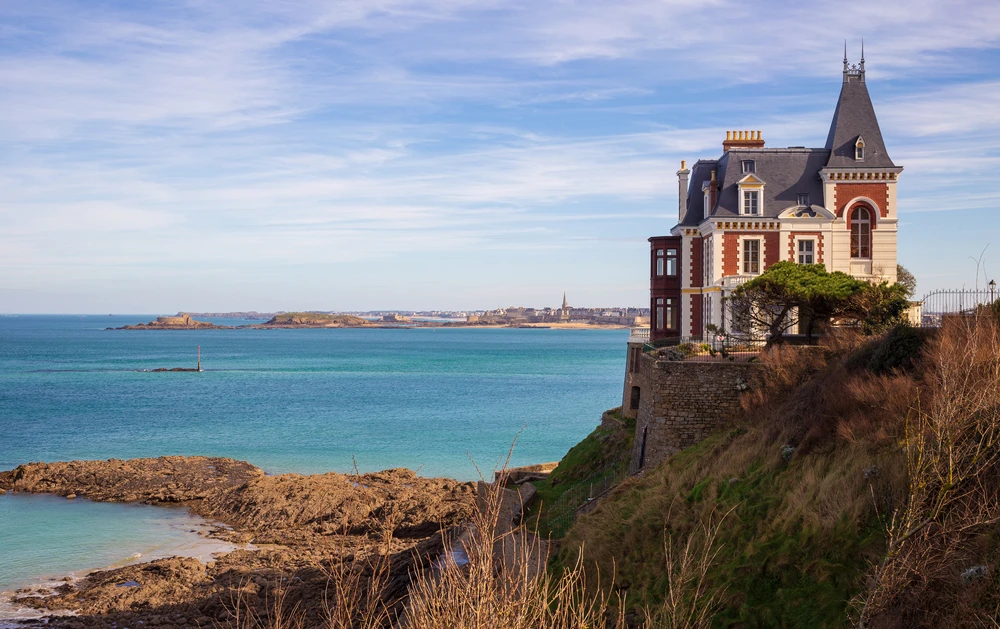
A close-up view of the "brown rocks" villa. Photo selected by Monsieurdefrance.com: Shutterstock.com
DAY 9 – Dinan, medieval town
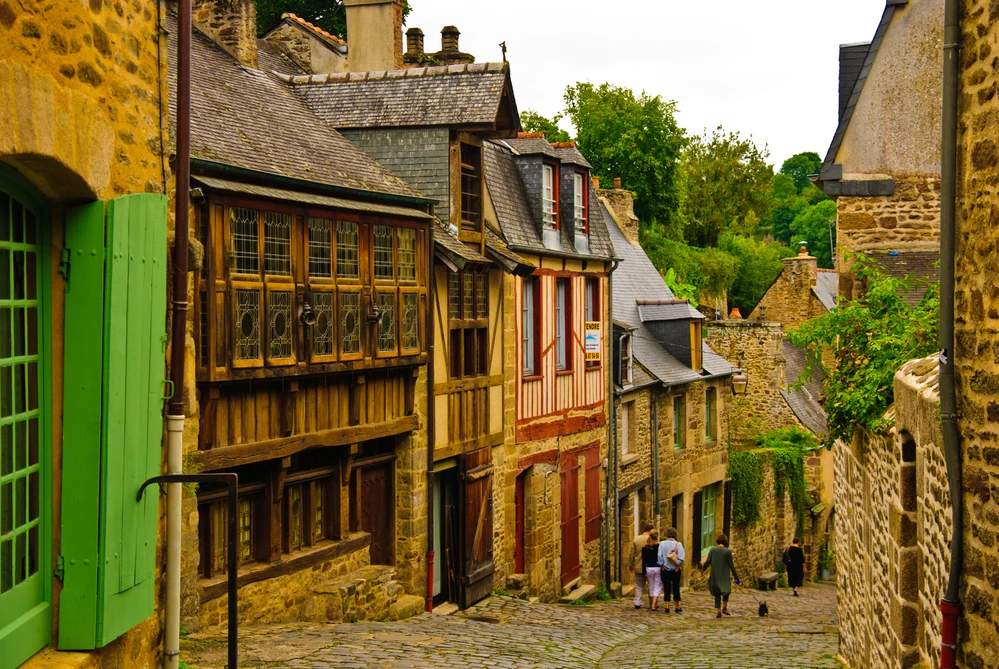
Old houses add to the charm of Dinan / Photo selected by monsieurdefrance.Com via depositphotos.
9:00 a.m. – Departure for Dinan Direct train from Saint-Malo (~30 min). Otherwise, keep the car.
9:30 a.m. – Old town Half-timbered houses, cobbled streets, medieval atmosphere. Rue du Jerzual is a must-see.
11:00 a.m. – Dinan Castle A former 14th-century fortress, now a museum. View of the Rance Valley.
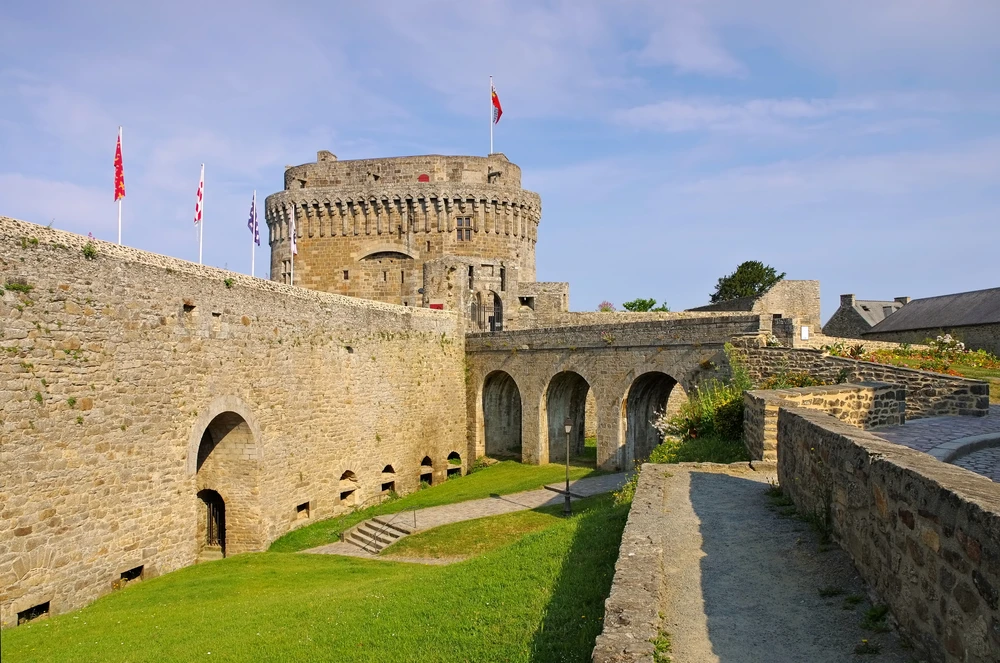
The enormous castle of Dinan (14th century). Image selected by monsieurdefrance.com: Kassandra2 via depositphotos.
12:30 p.m. – Lunch On Rue de l'Horloge or around Place des Cordeliers.
2:00 p.m. – Port of Dinan Walk down Rue du Jerzual to the port, enjoying a pleasant stroll along the banks of the Rance River.
4:00 p.m. – Return to Saint-Malo End of the day at leisure.
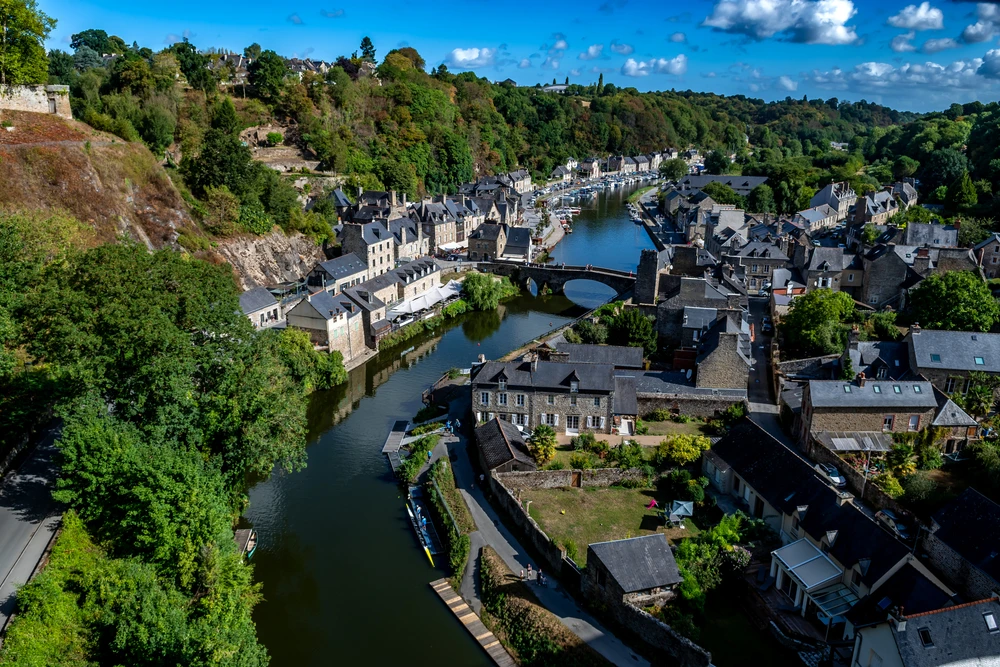
The port of Dinan seen from the viaduct. The river is called the Rance. Image selected by monsieurdefrance.com: grafxart via depositphotos.
DAY 10 – Mont-Saint-Michel, wonder of the West
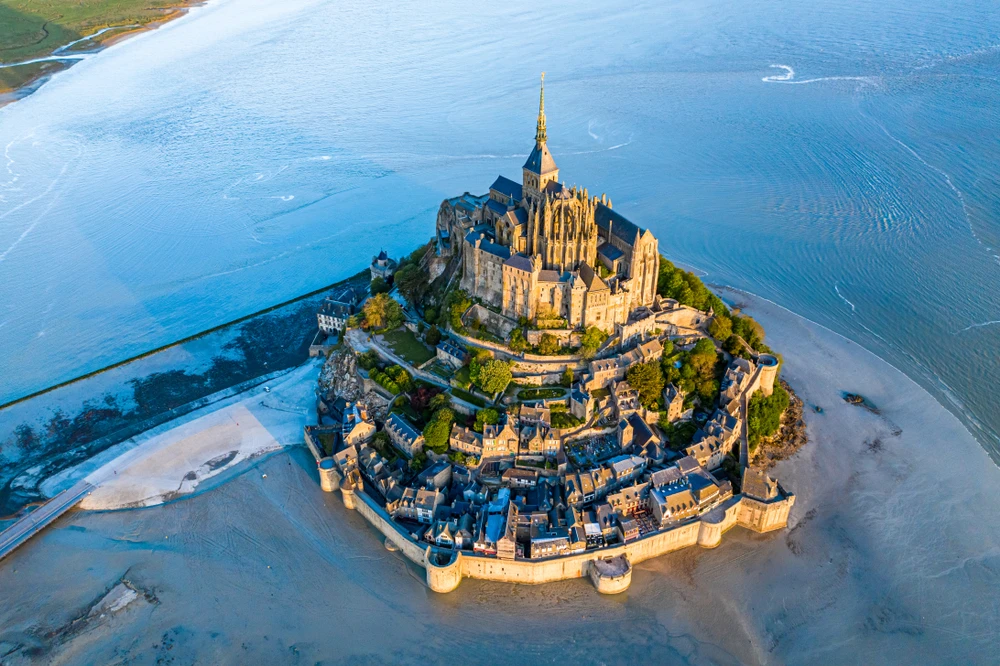
Mont Saint Michel seen from the sky: Photo selected by monsieurdefrance.fr: shutterstock
8:00 a.m. – Departure Direct bus from Saint-Malo (~1 hour 15 minutes). Alternatively, by car (45 minutes).
9:30 a.m. – The village Explore the site on foot or by horse-drawn carriage from the parking lot. Barefoot walks with a guide are also available. Enter through the Porte du Roy gate and walk up the Grande Rue, lined with old houses and inns.
1:00 p.m. – Lunch On the sea side of Main Street is best.
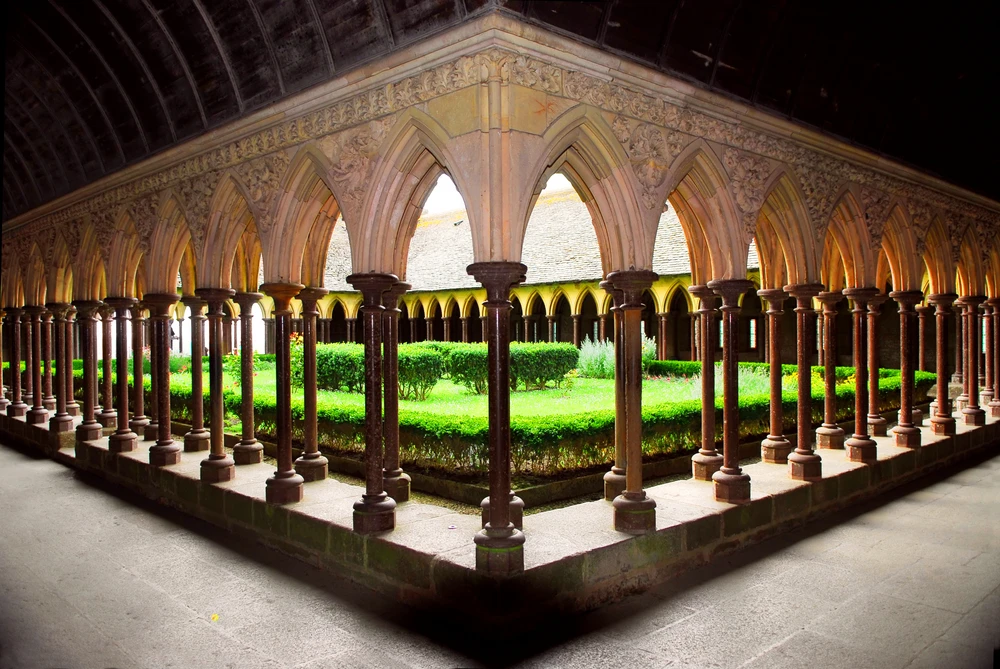
The suspended cloister of Mont Saint Michel with its delightful offset columns and acanthus leaf sculptures. Photo selected by Monsieurdefrance.fr: Elena Elisseeva/Shutterstock.com
2:30 p.m. - The Abbey
A Gothic masterpiece perched atop a rock. Reservations required here. Allow 1.5 to 2 hours for the visit.
5:00 p.m. – Return to Saint-Malo
Last free evening in the pirate city.
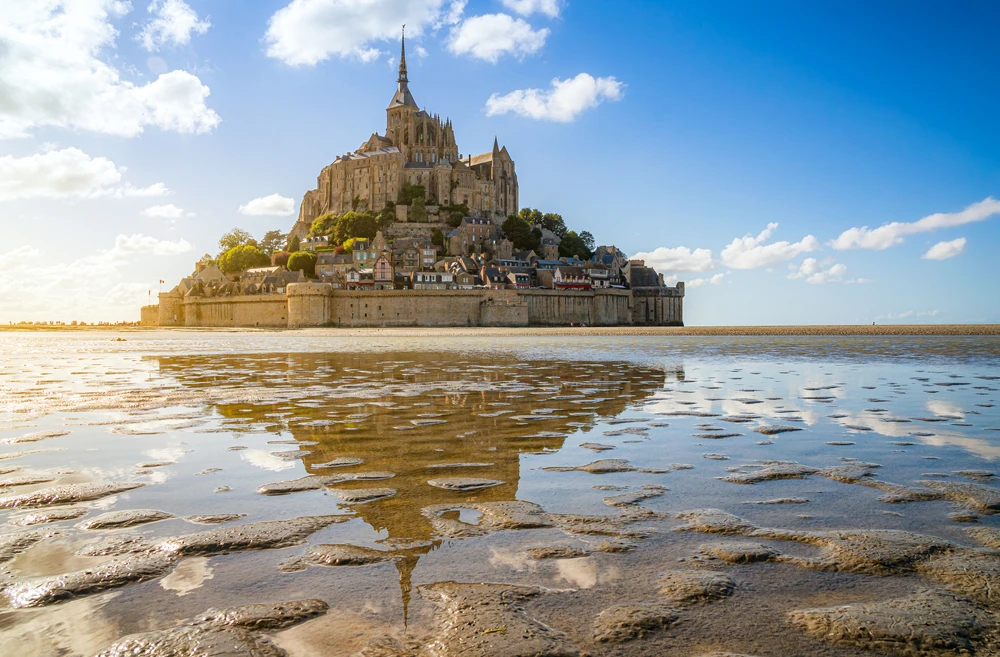
Always be wary of the sand at Mont Saint Michel Bay, it has swallowed up many unwary visitors.. Photo chosen by Monsieurdefrance Nyokki/shutterstock
🍴 What to try in Brittany
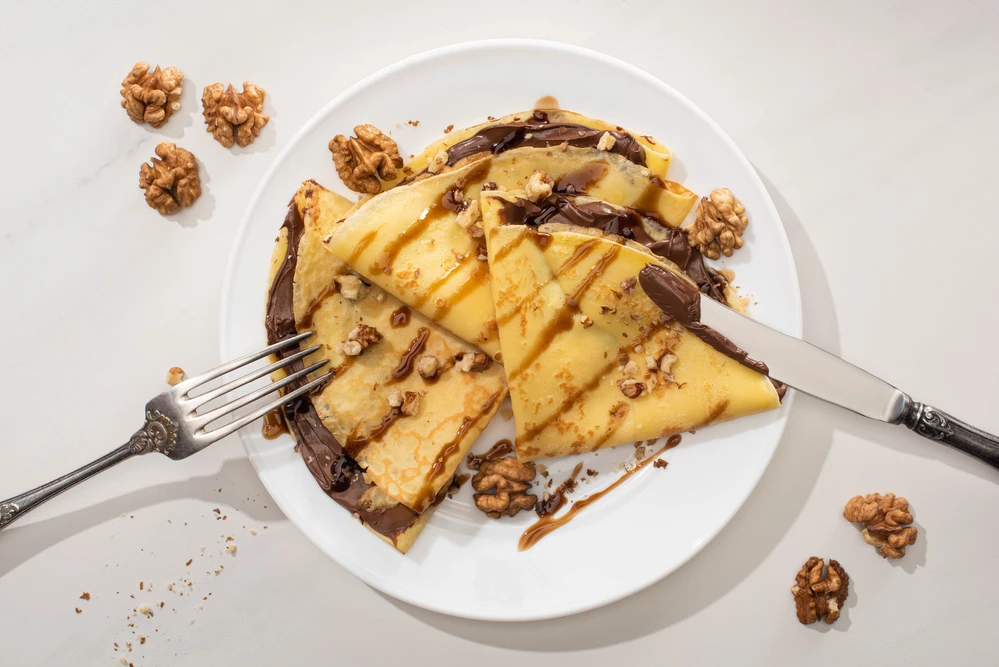
You can put whatever you want on pancakes / Photo selected by monsieurdefrance.com VadimVasenin via depositphotos.
-
Sweet pancakes and buckwheat galettes
-
Dry or sweet cider served in a bowl
-
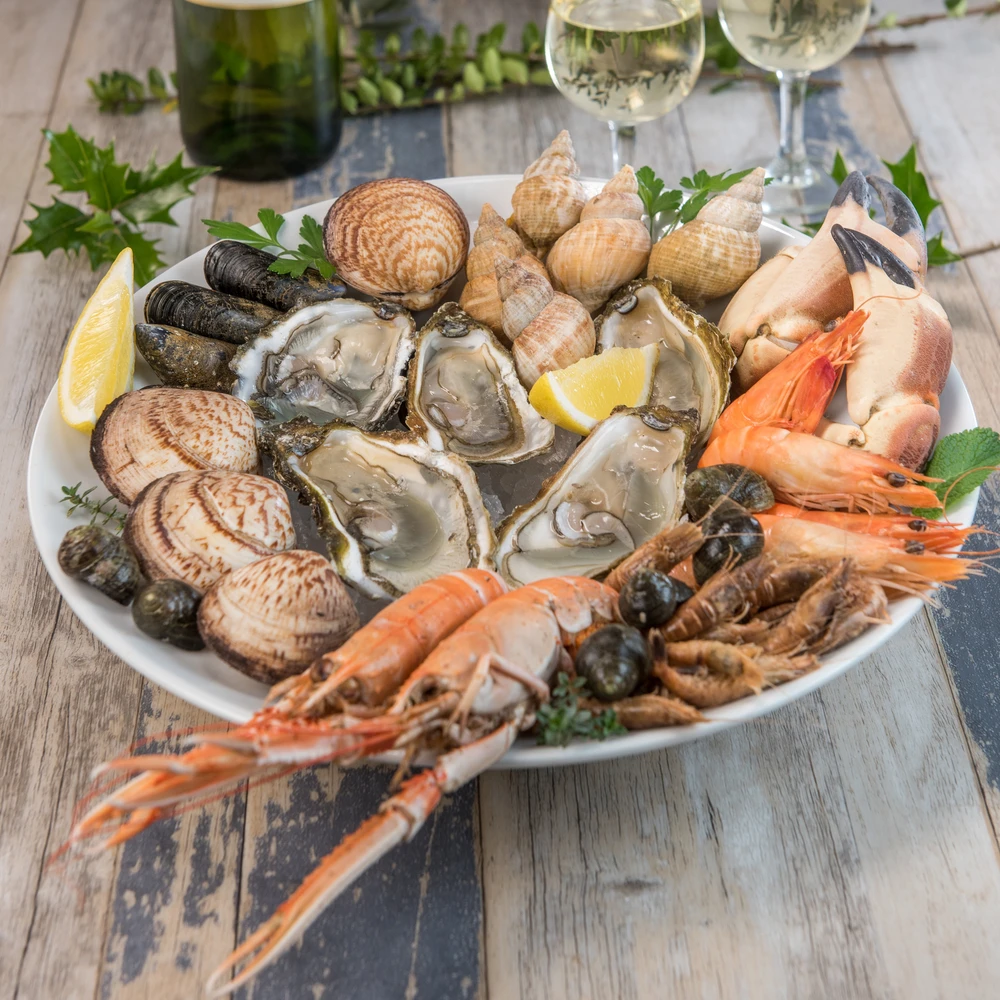
Cancale oysters, enjoyed while gazing out at the sea
-
Kouign-amann, a flaky, caramelized pastry specialty
-
Seafood at the markets in Saint-Malo or Dinard

Salted butter caramel with the perfect texture. Photo selected by monsieurdefrance.com: Depositphotos.
🏨 Where to stay in Brittany
📍 Saint-Malo intramuros or along the large Sillon beach: ideal for exploring Dinard, Dinan, and Mont-Saint-Michel. Lively neighborhood, close to the train station and ferry services.
🚆 Next station for the rest of the journey
Saint-Malo → Bordeaux: TER train to Rennes (~45 min), then TGV train from Rennes to Bordeaux (~4 hours 15 min). If you have kept the car, you can return it to Saint-Malo or Rennes.
➡️ Begin your discovery of Bordeaux and its vineyards.
Days 11 to 12: Bordeaux and its vineyards – Wine, heritage, and lifestyle
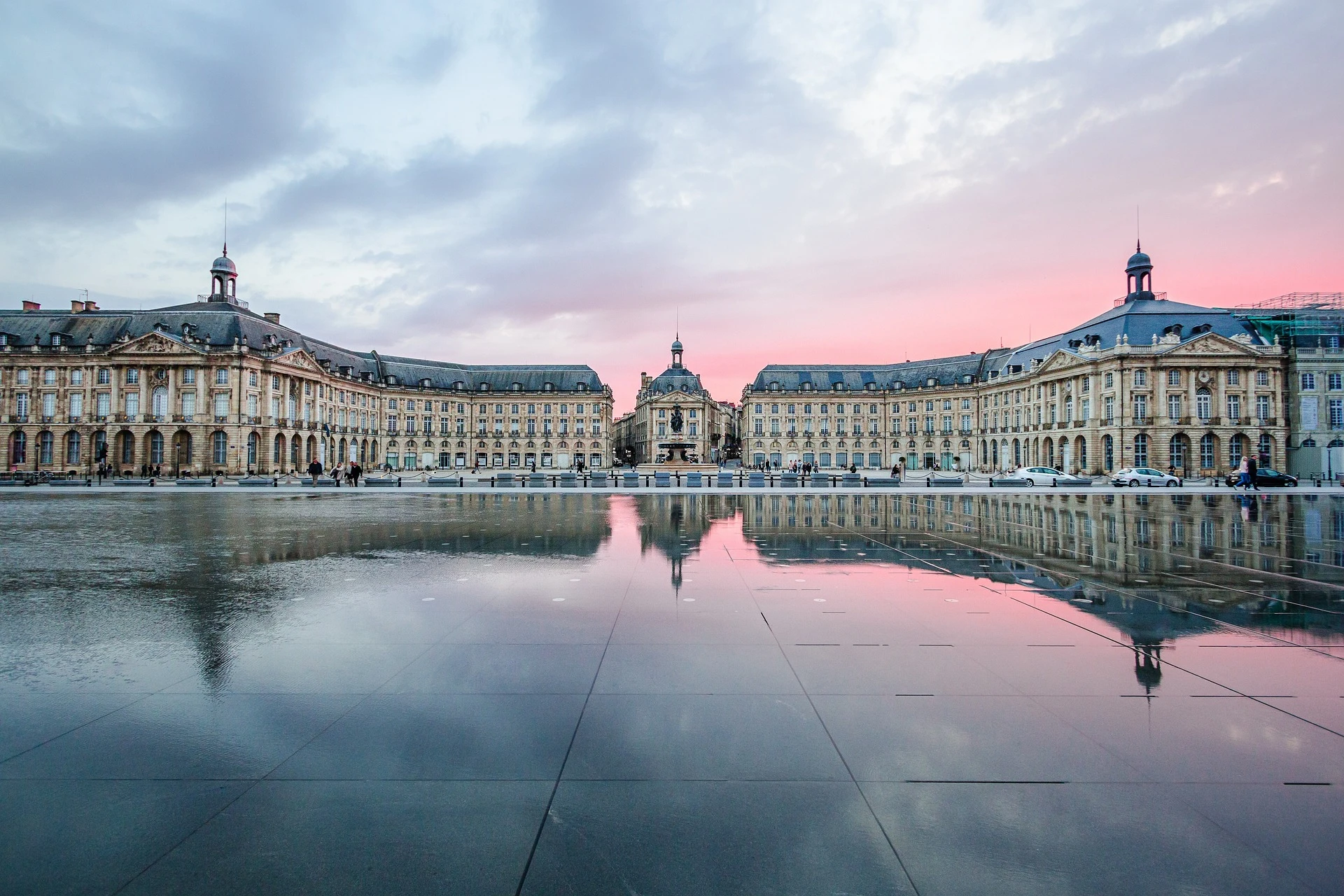
Magnificent Place de la Bourse. Photo chosen by Monsieur de France: by JonathanRieder from Pixabay
What you will see and experience
Two days to discover Bordeaux, wine capital and UNESCO World Heritage Site. You will stroll through its majestic squares, lively quays, and museums, then explore the surrounding vineyards (Médoc or Saint-Émilion). With its heritage, wine tastings, and art de vivre, Bordeaux offers a refined and gourmet experience.
DAY 11 – Bordeaux, heritage and Cité du Vin
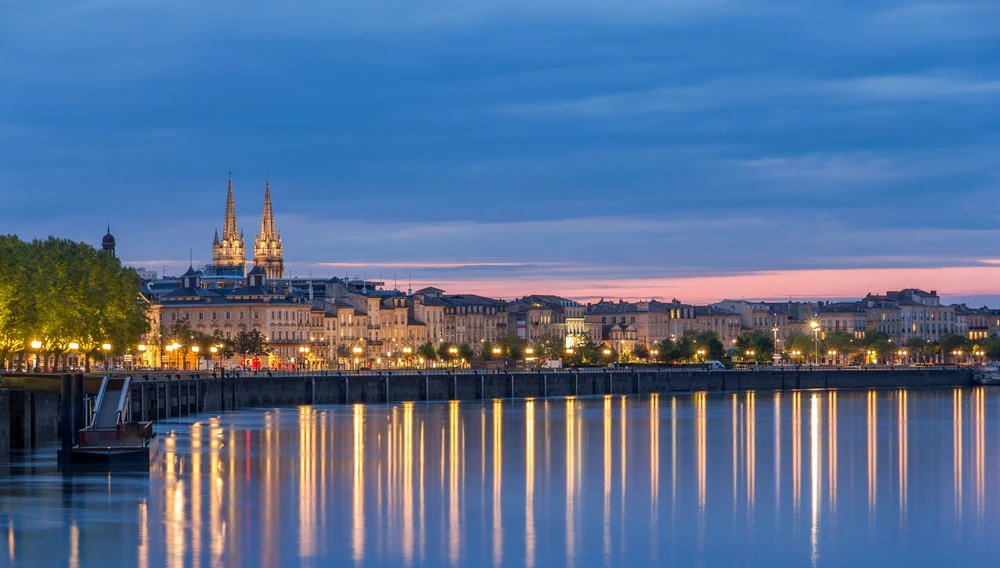
The quays of Bordeaux in the evening. Photo selected by Monsieur de France: Leonid_Andronov via depositphotos
10:00 a.m. – Arrival in Bordeaux From Saint-Malo: TER train to Rennes (45 min), then direct TGV train from Rennes to Bordeaux Saint-Jean (~4 hours 15 min). Stay in the Chartrons district or around the Place de la Bourse.
11:00 a.m. – Place de la Bourse and water mirror Admire this 18th-century gem reflected in the water mirror, the city's emblem.
12:30 p.m. – Lunch Brasseries around Parliament Square or on Sainte-Catherine Street, in the historic heart of the city.
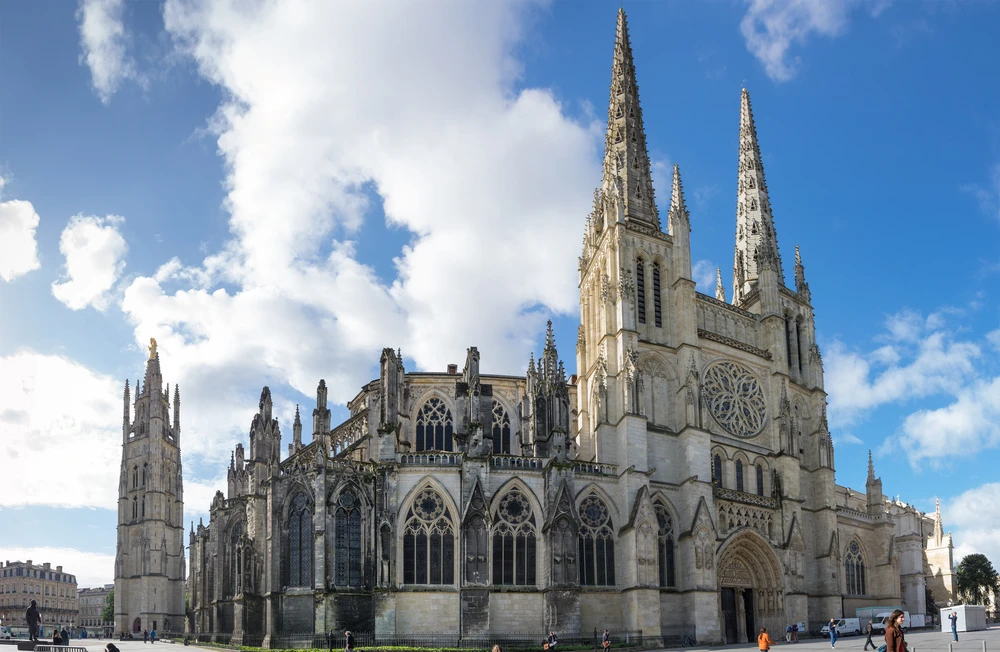
Saint André Cathedral in Bordeaux : on the left, the Pey-Berland bell tower of the cathedral. Photo selected by monsieurdefrance.Com: gumbao via depositphotos
2:00 p.m. – Saint-André Cathedral and Pey-Berland Tower Visit the Gothic cathedral and climb the tower for breathtaking views.
4:00 p.m. – La Cité du Vin Immerse yourself in the world of vineyards from around the globe. Reserve your tickets here. Allow 2 to 3 hours for the tour, including a tasting at the end.
6:30 p.m. – Walk along the riverbanks
Evening stroll along the Garonne River, enjoying terraces and entertainment.
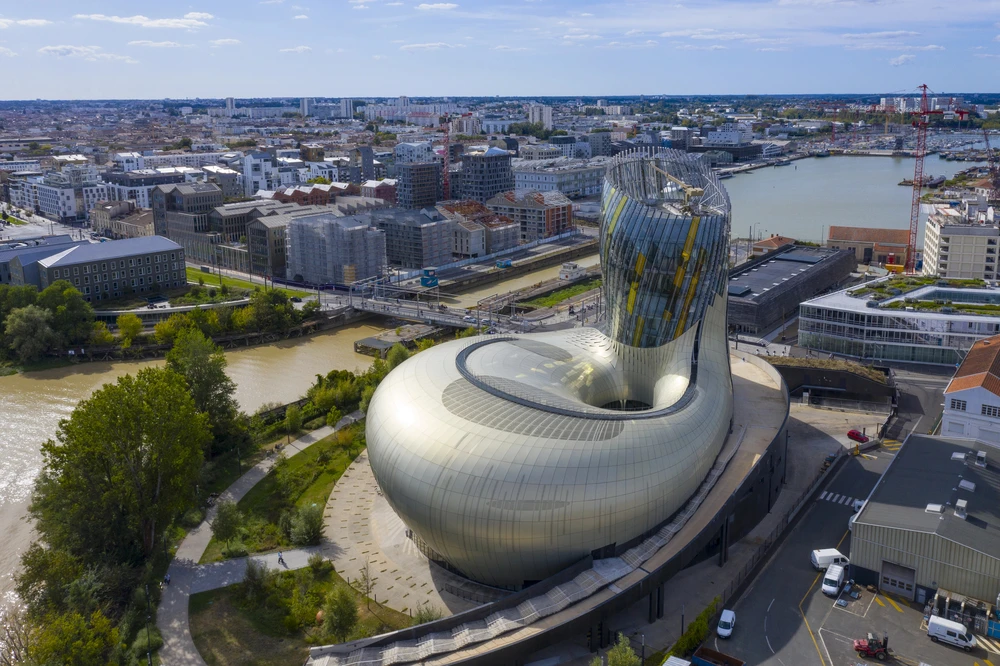
The astonishing architecture of the Cité du Vin. Photo selected by monsieurdefrance.com: s4visuals via dépositphotos
DAY 12 – Wine tour
9:00 a.m. – Departure for the vineyards Two options depending on your preferences:
-
Médoc: Margaux, Pauillac, Saint-Julien (1 hour drive).
-
Saint-Émilion: UNESCO village 40 minutes away by train or car.
10:30 a.m. – Wine estate tour Take part in a guided tour with wine tasting (€10 to €30 per bottle). Reservations recommended via Bordeaux Wine Trips.
12:30 p.m. – Lunch In the narrow streets of Saint-Émilion or around the main square of a village in the Médoc region.
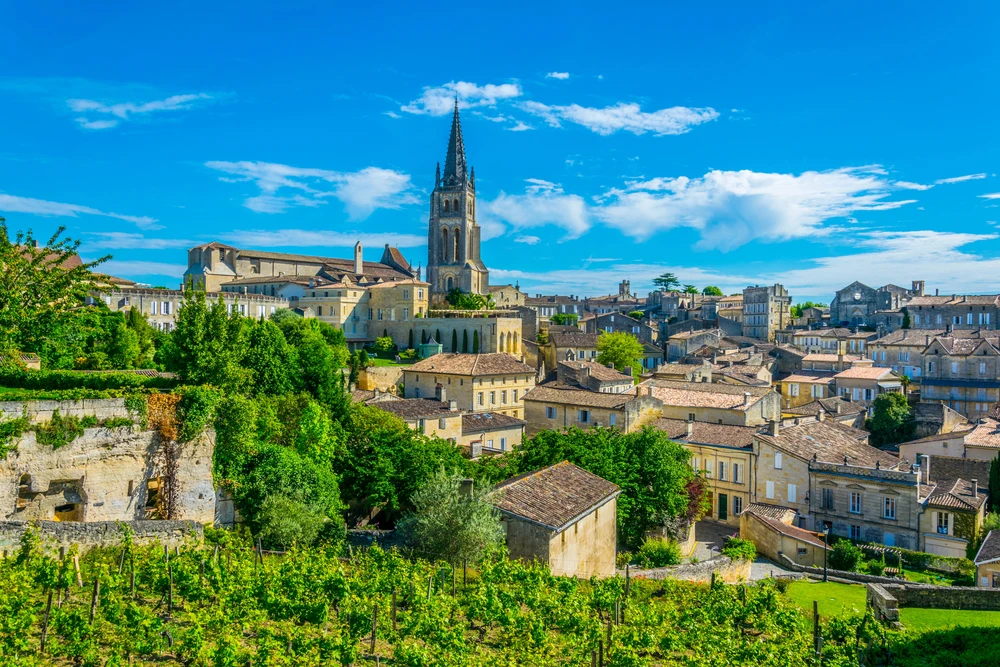
The beautiful village of Saint Emilion / Photo selected by monsieurdefrance.com: depositphotos
2:00 p.m. – Stroll through the vineyards Take advantage of the afternoon to discover a second estate or stroll through the vineyard landscapes.
5:30 p.m. – Return to Bordeaux Free evening in the historic center, around the quays or the Chartrons district.
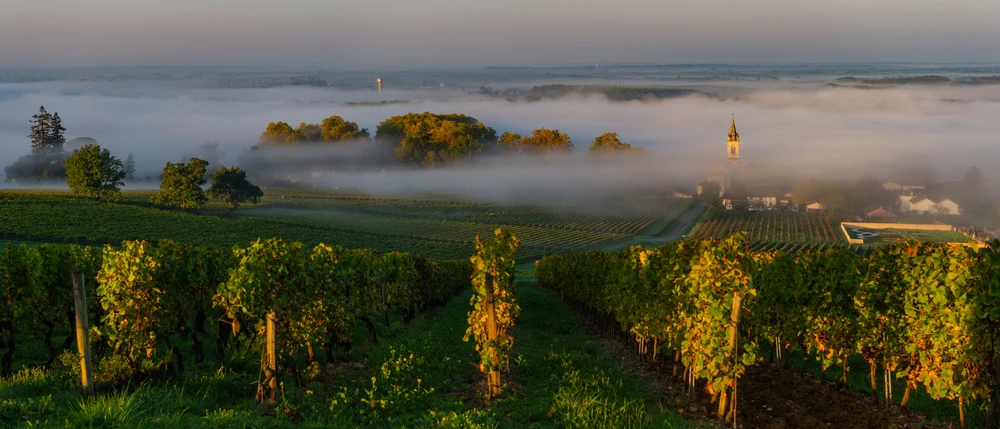
The Bordeaux vineyards are among the most famous in the world. Here, early in the morning near Loupiac. Photo selected by monsieurdefrance.com: FreeProd via depositphotos.
🍴 What to taste in Bordeaux
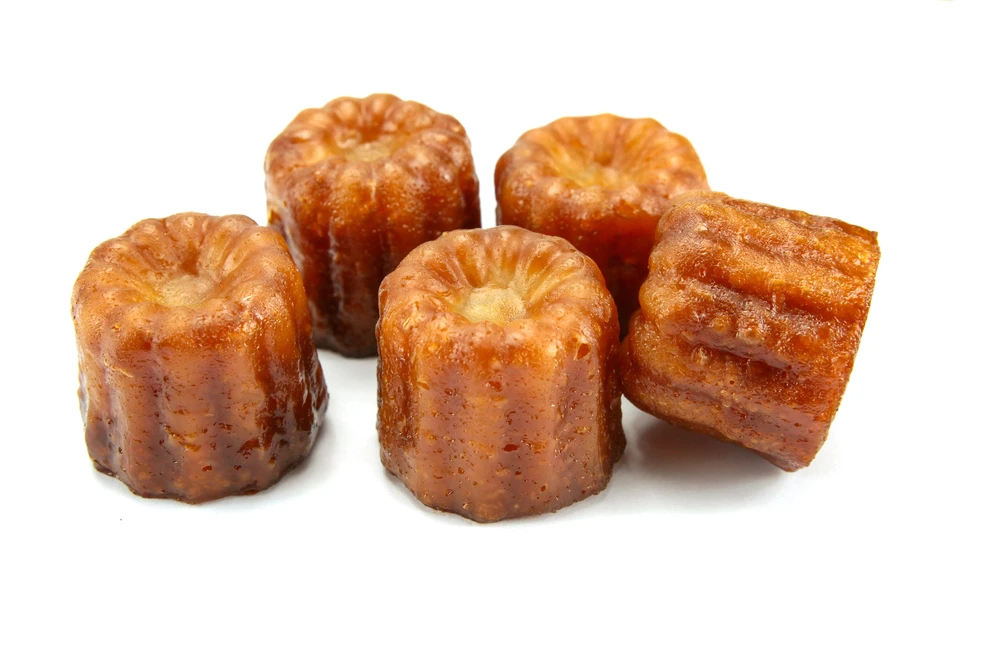
The typical and delicious cannelés of Bordeaux! Photo selected by Monsieur de France: depositphotos
-
Rum and vanilla canelés
-
Bordeaux-style rib steak (red wine and shallots)
-
Oysters from the Arcachon basin
-
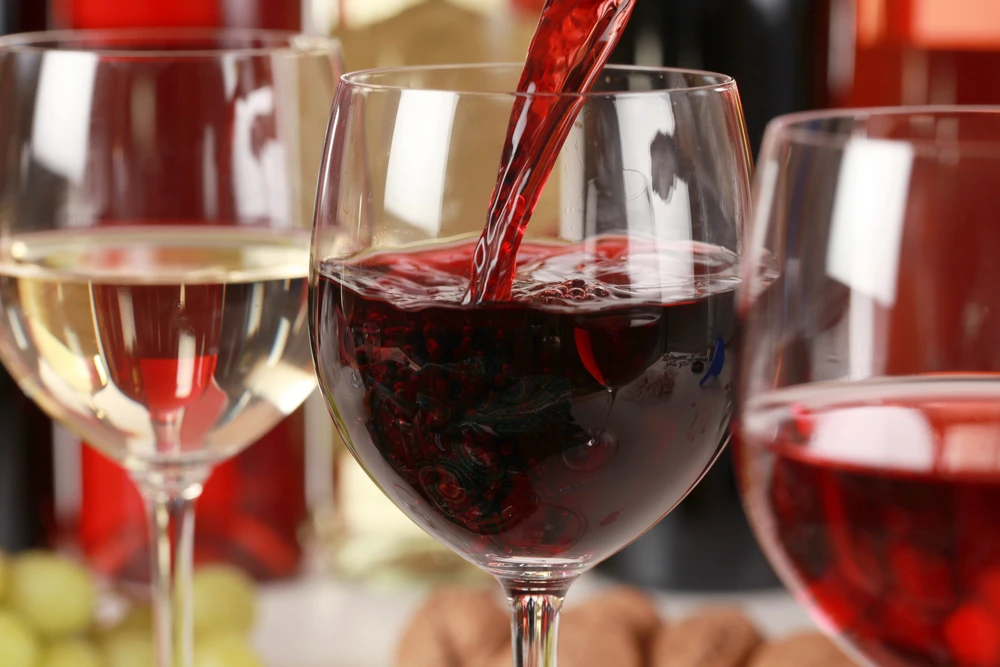
Bordeaux wines: Médoc, Saint-Émilion, Graves, Sauternes
Discover the Bacalan Market Halls, the Capucins Market, or the lively streets of the city center.
Alcohol abuse is dangerous for your health / Drink responsibly.
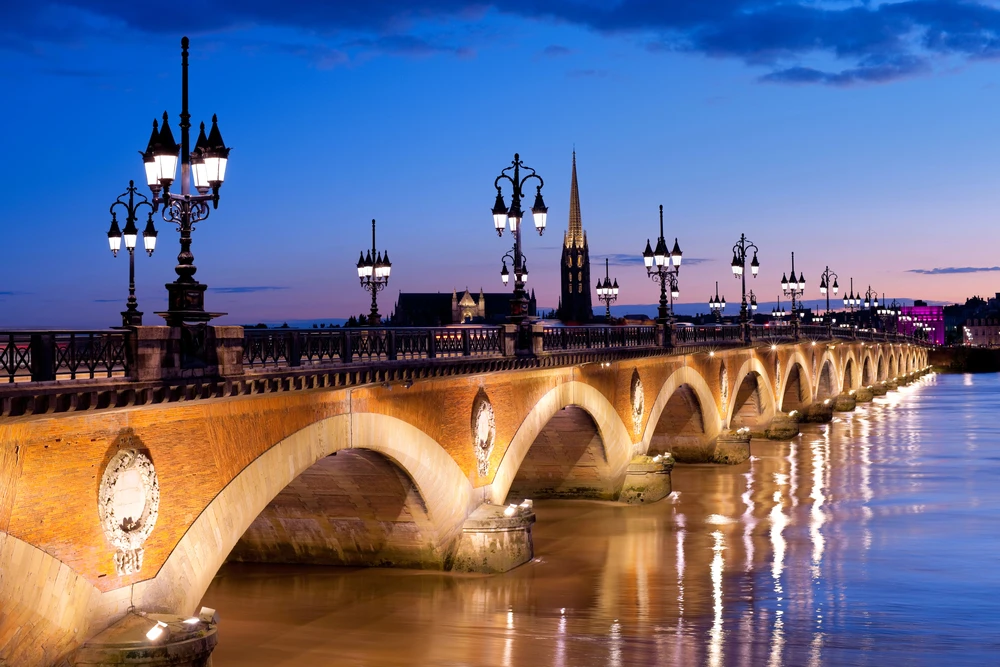
The stone bridge in Bordeaux seen at night. Photo selected by Monsieurdefrance.Com: SergiyN via dépositphotos.
🏨 Where to stay in Bordeaux
📍 Chartrons district: ideal for wine lovers, close to the Cité du Vin. 📍 Historic center: around Place de la Bourse and the Grand Théâtre, convenient for sightseeing on foot.
🚆 Next station for the rest of the journey
Bordeaux Saint-Jean → Brive-la-Gaillarde (~2 hours 50 minutes by direct train).
➡️ Start your discovery of the Périgord Noir (now over 4 days).
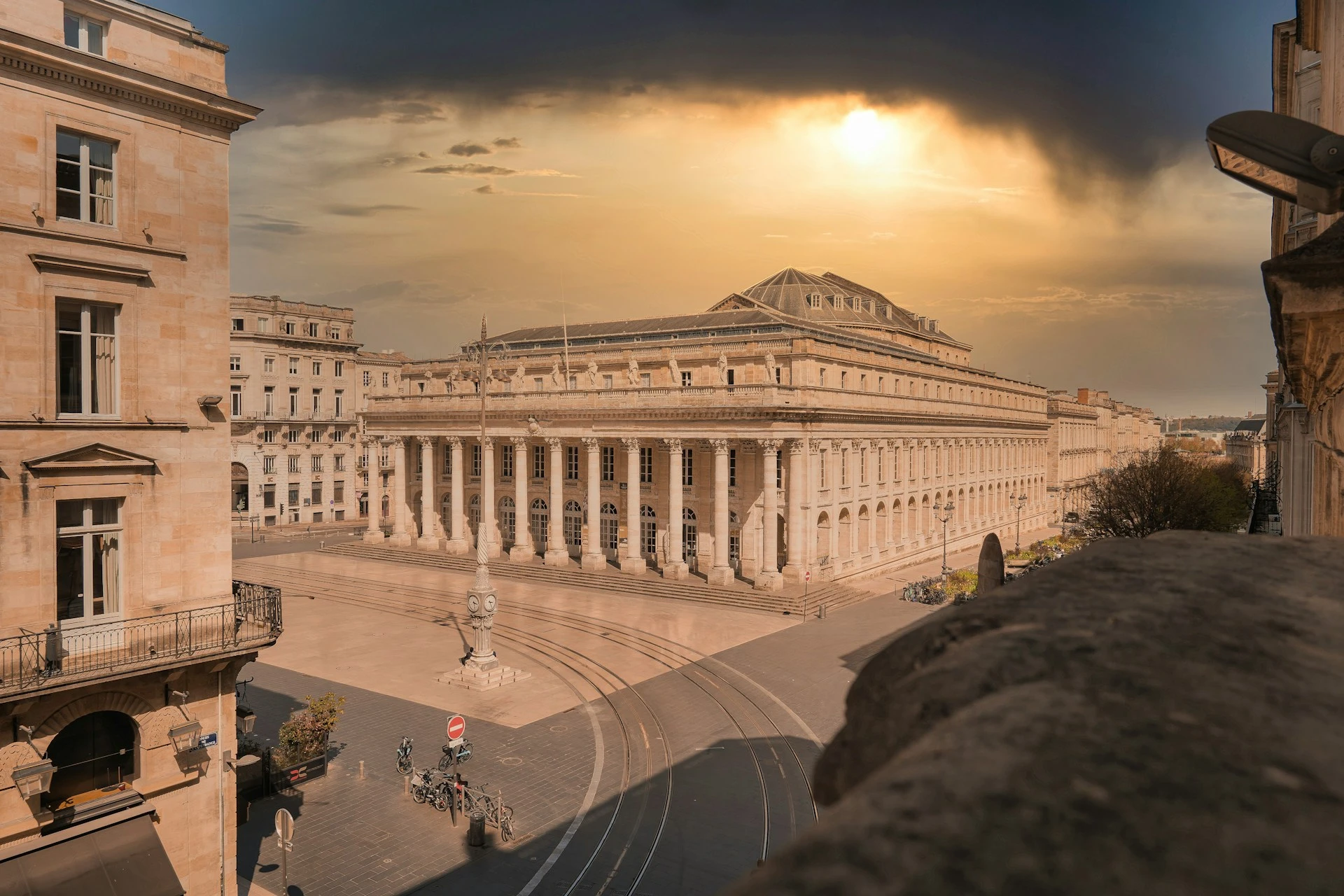
The Grand Théâtre de Bordeaux. Photo selected by Monsieur de France: Photo by Alexis Gerbaud on Unsplash
Days 13 to 14: Périgord Noir – Caves, castles, and the Dordogne Valley
What you will see and experience
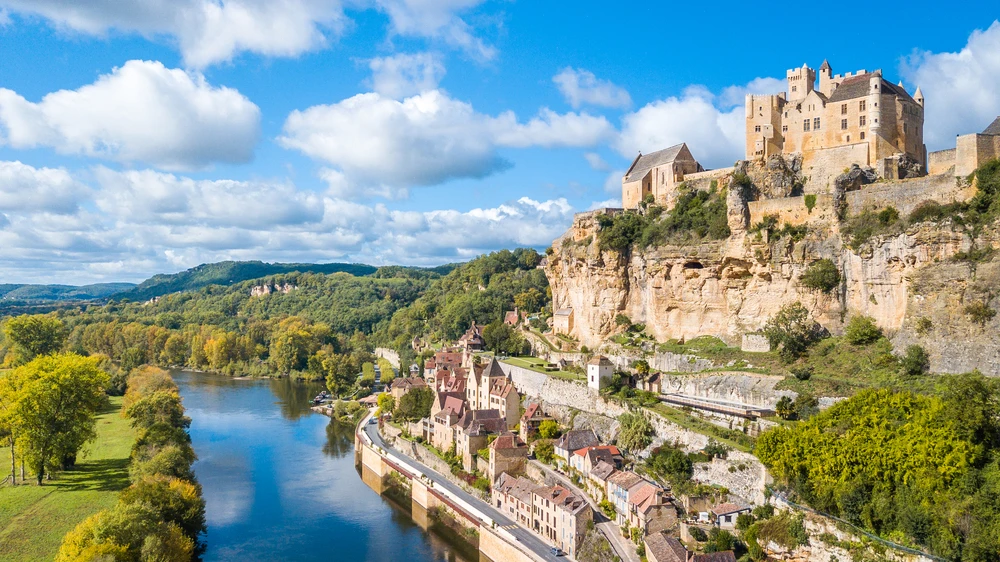
Beynac Castle in Beynac-et-Cazenac. Photo selected by monsieurdefrance.com: jon_chica via depositphotos.
Two days to discover the essentials of the Périgord Noir. Sarlat, a pretty medieval capital, will serve as a base for your evenings, but most of the action will take place outdoors: prehistoric caves, impressive castles, and villages perched along the Dordogne River. Immerse yourself in the history, nature, and gastronomy of the Périgord.
DAY 13 – Dordogne Valley: villages and castles
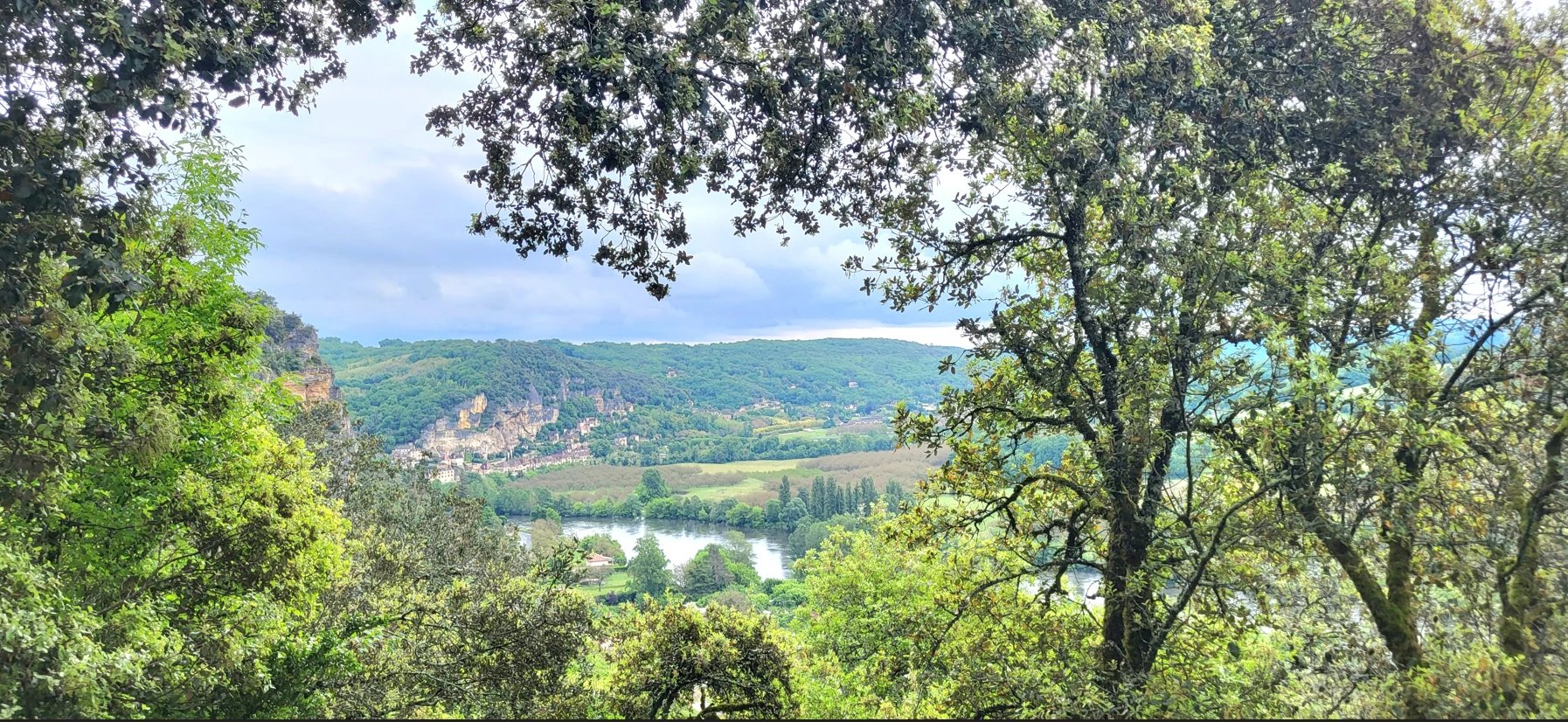
View of Roche Gageac. Photo chosen by Monsieur de France: Jérôme Prod'homme (c)
10:00 a.m. – Arrival in Brive-la-Gaillarde From Bordeaux Saint-Jean, direct train (~2.5 hours). Transfer by bus or rental car to Sarlat (~1 hour). The best option is to rent a car, which you can return in Brive if you are taking the train or plane. Check into your accommodation.
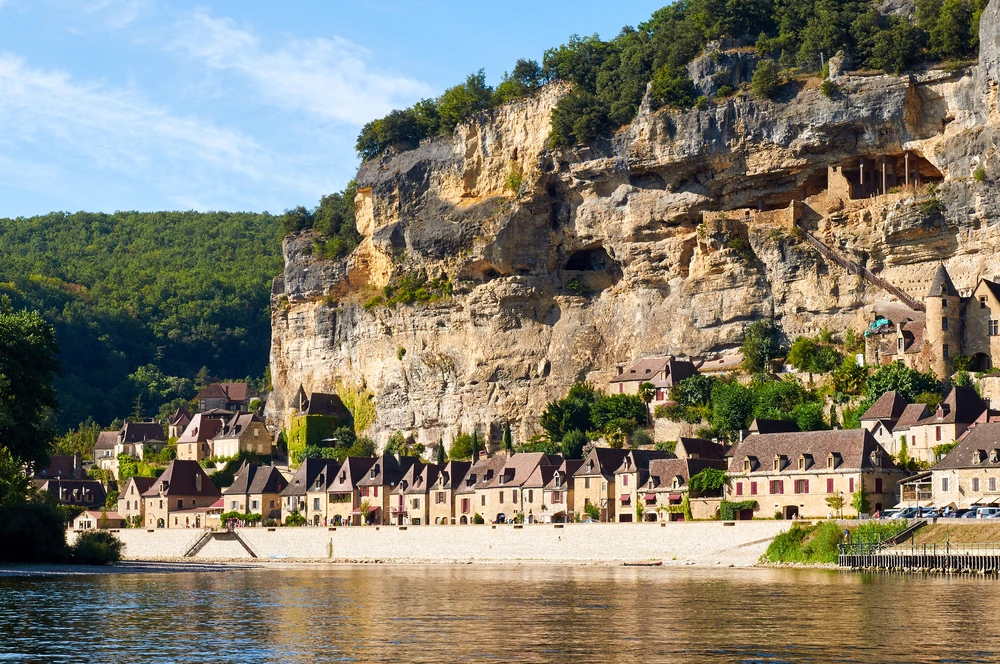
Panorama of La Roque Gageac. Photo selected by monsieurdefrance.com: apgestoso via depositphotos
11:30 a.m. – Château de Beynac. Just 15 minutes from Sarlat, discover this impressive medieval fortress overlooking the Dordogne. Monumental staircase, spectacular views. Reservations recommended here.
12:30 p.m. – Lunch in La Roque-Gageac In just 10 minutes, you can reach this village nestled against a cliff. Several terraces along the banks of the Dordogne River offer the chance to enjoy a meal overlooking the river.
2:00 p.m. – Stroll through La Roque-Gageac
Wander through its flower-filled streets and climb up to the viewpoint to enjoy an exceptional panorama. Option of a trip on a gabarre (traditional boat) on the Dordogne River.
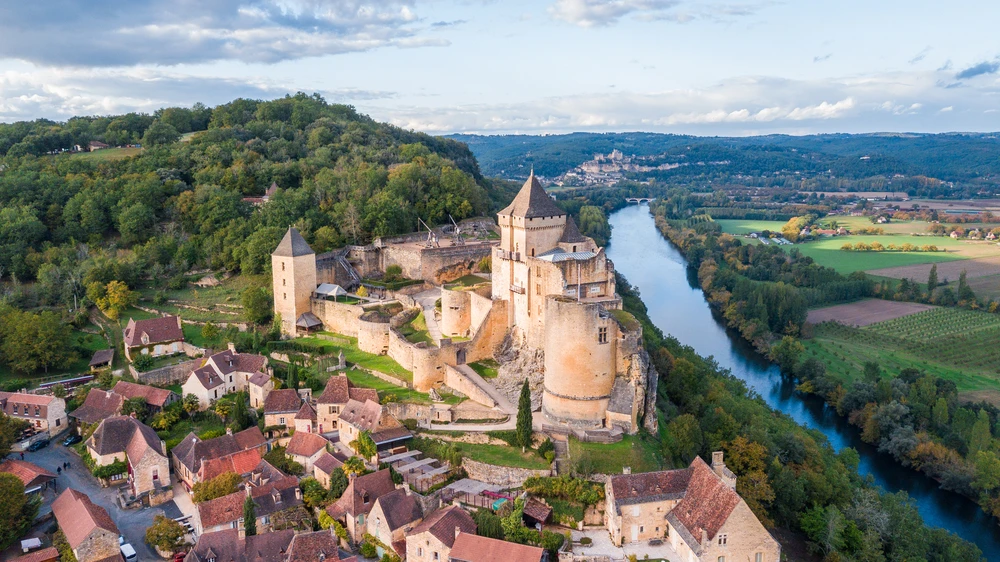
Aerial view of Castelnaud. Photo selected by monsieurdefrance.com: jon_chica via depositphotos
3:30 p.m. – Castelnaud Castle A 10-minute drive away, visit this medieval fortress that has been converted into a museum of medieval warfare. Please note that access requires a steep climb on foot (it's steep!). Tickets are available here.
Option: Château des Milandes
Not far from Castelnaud, you can choose to visit the Château des Milandes, the former home of Josephine Baker, surrounded by magnificent gardens. Perfect for lovers of plants, history, and bird of prey shows. More info here.
6:30 p.m. – Return to Sarlat Enjoy a peaceful evening in the old town, between the cathedral, the lantern of the dead, and the medieval streets.
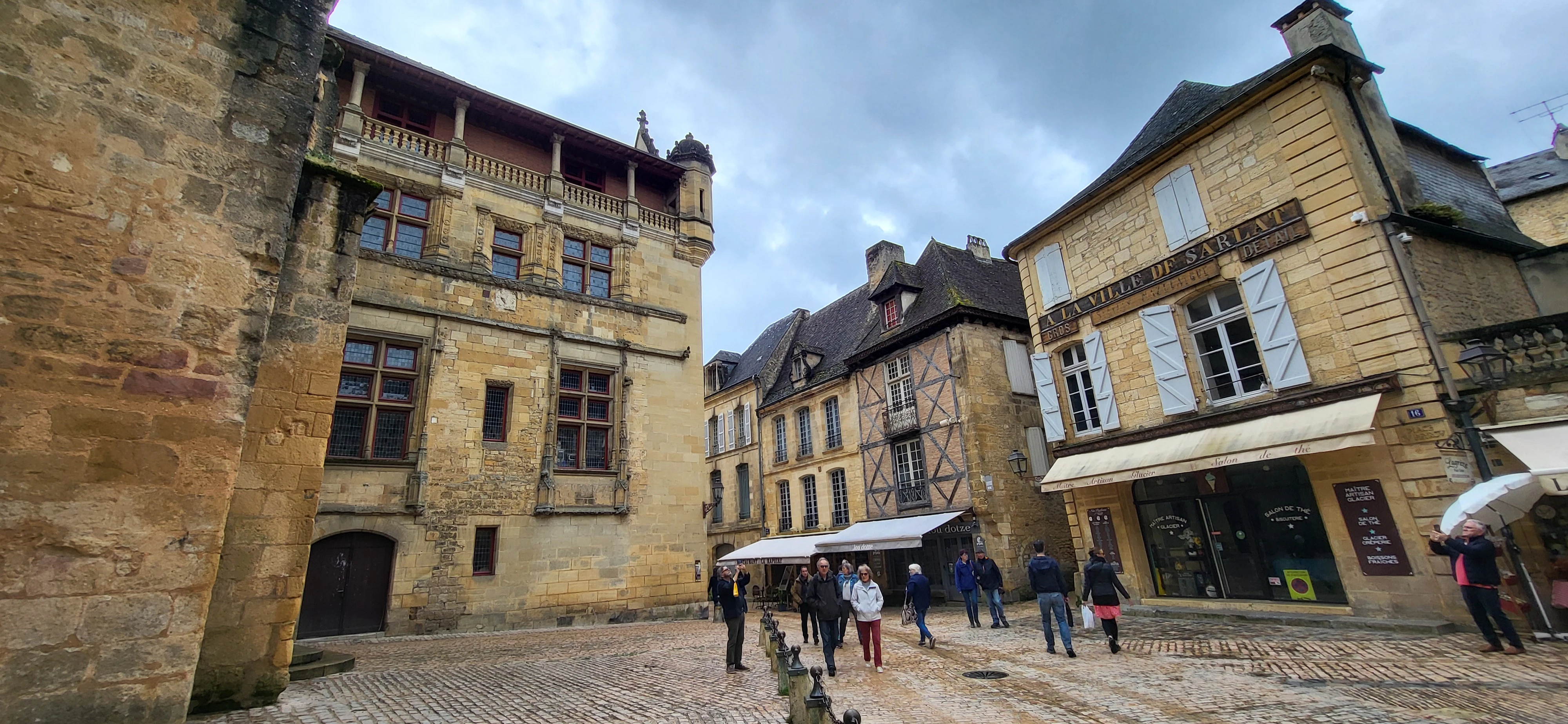
A place in Sarlat: Photo selected by Monsieurdefrance.com: Jérôme Prod'homme (c)
DAY 14 – Vézère Valley: Lascaux, prehistory, and magnificent gardens
9:00 a.m. – Departure for Montignac 40 minutes from Sarlat.
9:45 a.m. – Lascaux IV Cave A complete reproduction of the decorated cave, a masterpiece of cave art. Reservations required . Allow 2 hours.
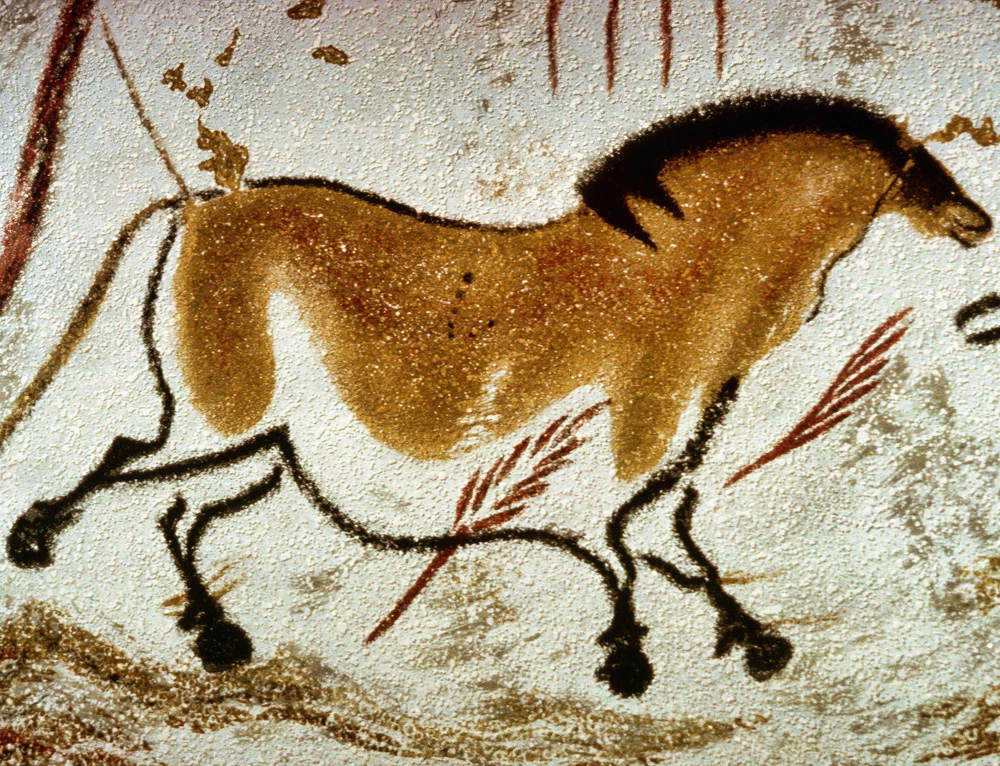
One of the many drawings at Lascaux. Photo selected by monsieurdefrance.com: GP_Creative via depositphotos.
12:00 p.m. – Lunch In the center of Montignac, enjoy a friendly atmosphere on the banks of the Vézère River.
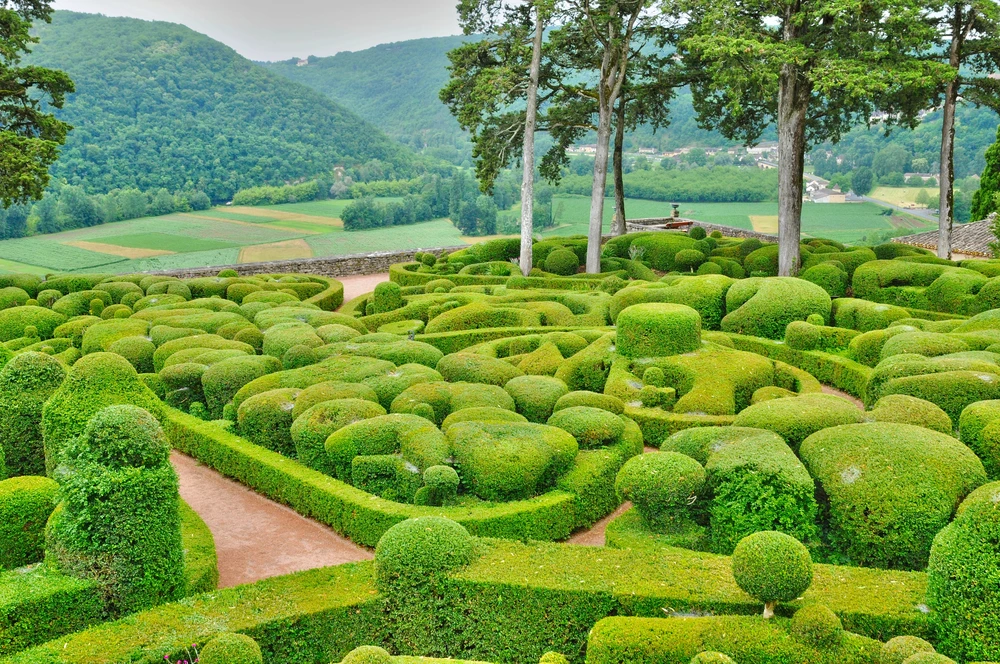
The grounds of Marqueyssac Castle. Photo selected by Monsieur de France: Packshot via depositphotos
2:00 PM – Marqueyssac Gardens Just 20 minutes from Sarlat, take a stroll through this hanging garden, famous for its sculpted boxwood trees and spectacular views of the Dordogne Valley. Tickets available here.
5:00 p.m. – Return to Sarlat Enjoy the atmosphere of the historic center one last time, which comes alive in the evening.
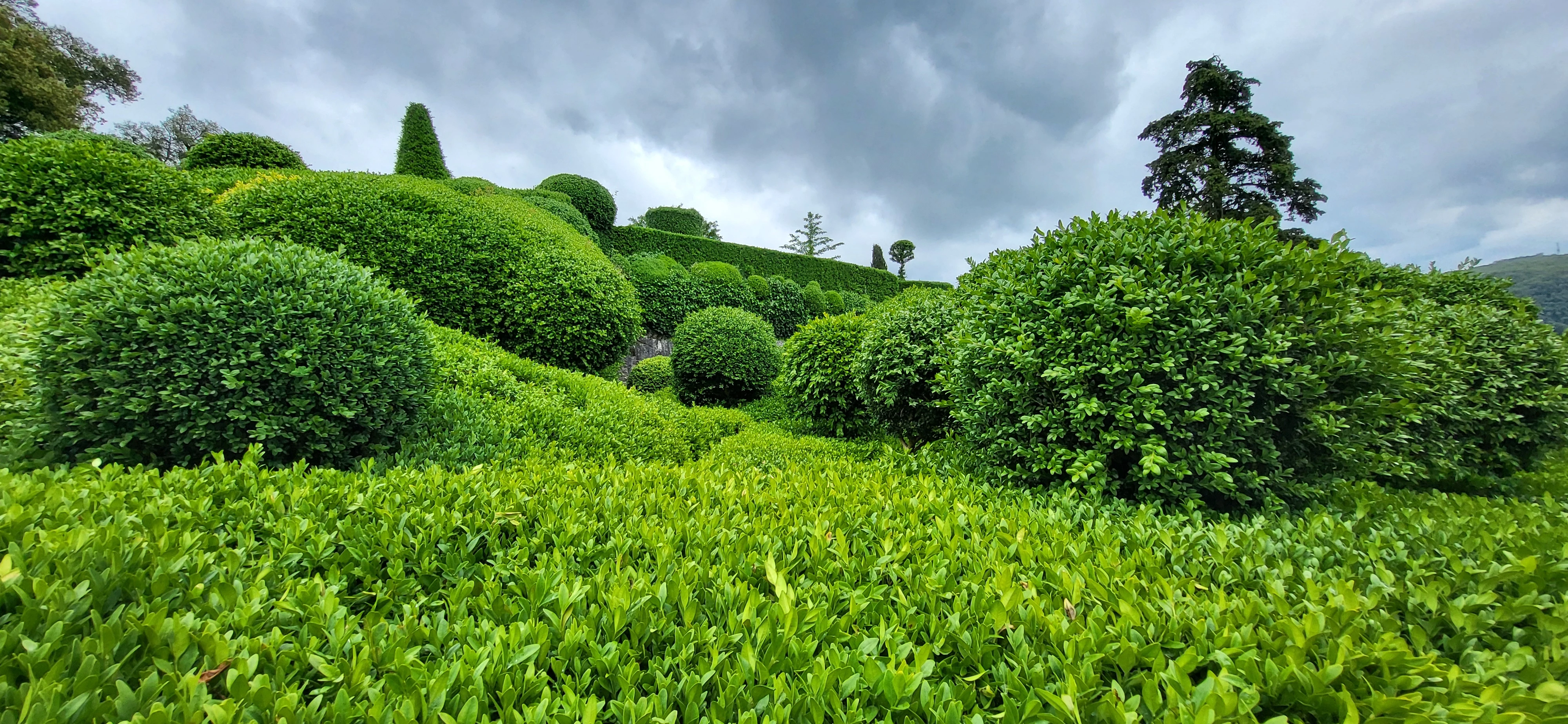
Marqueyssac Castle, trimmed box trees, detail. Photo selected by Monsieurdefrance.com: Jérôme Prod'homme (c)
🍴 What to taste in the Périgord Noir
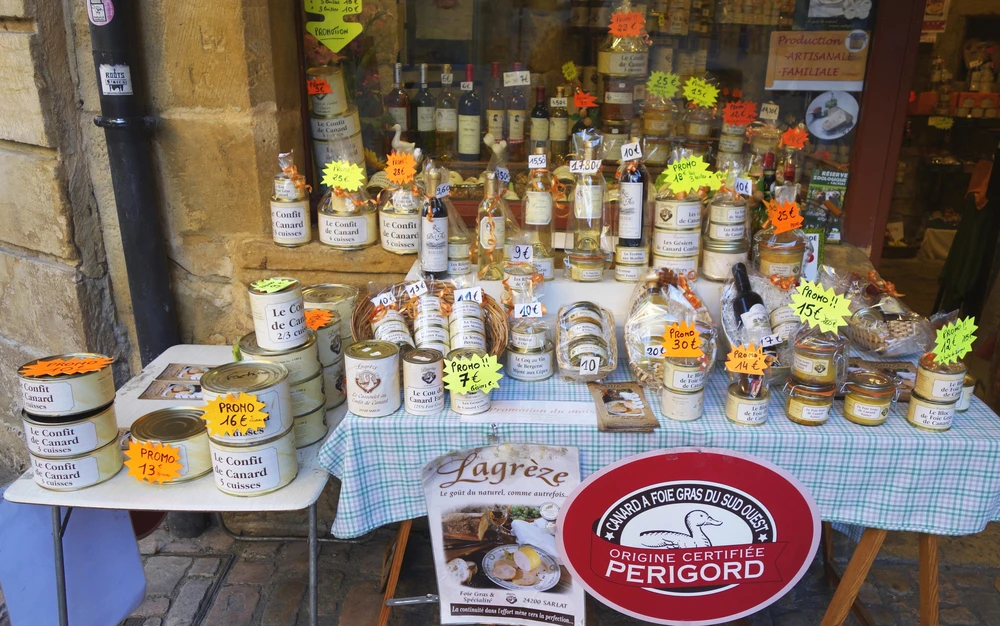
Don't hesitate to try local products. They are truly local... Photo chosen by Monsieur de France: zhukovsky via depositphotos
-
Foie gras in a terrine or pan-fried
-
Duck breast and confits
-
Sarladaise potatoes
-
Périgord walnuts and walnut oil
-
Black truffles (in season)
-
Wines from Bergerac and Monbazillac
To be enjoyed at the Sarlat market, Rue de la République, or Place de la Liberté.
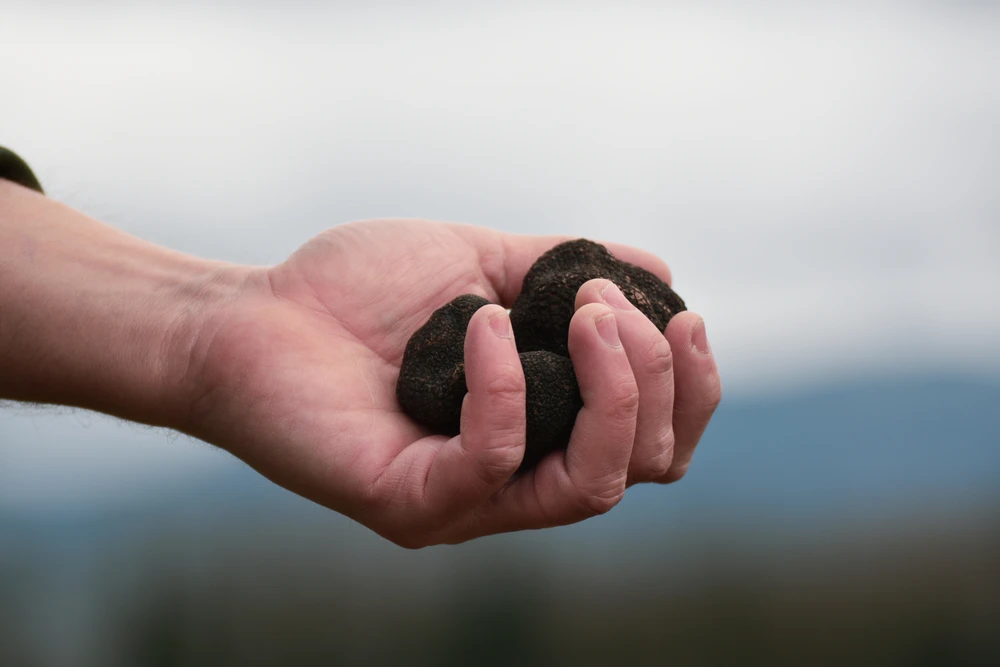
Périgord truffles are very famous, and truffle markets are very popular during the season. Photo chosen by Monsieur de France: Reacticom via depositphotos
🏨 Where to stay in the Périgord Noir
📍 Sarlat-la-Canéda: the perfect base for exploring the region. There are numerous bed and breakfasts and hotels in the old town, which is ideal for evening strolls.
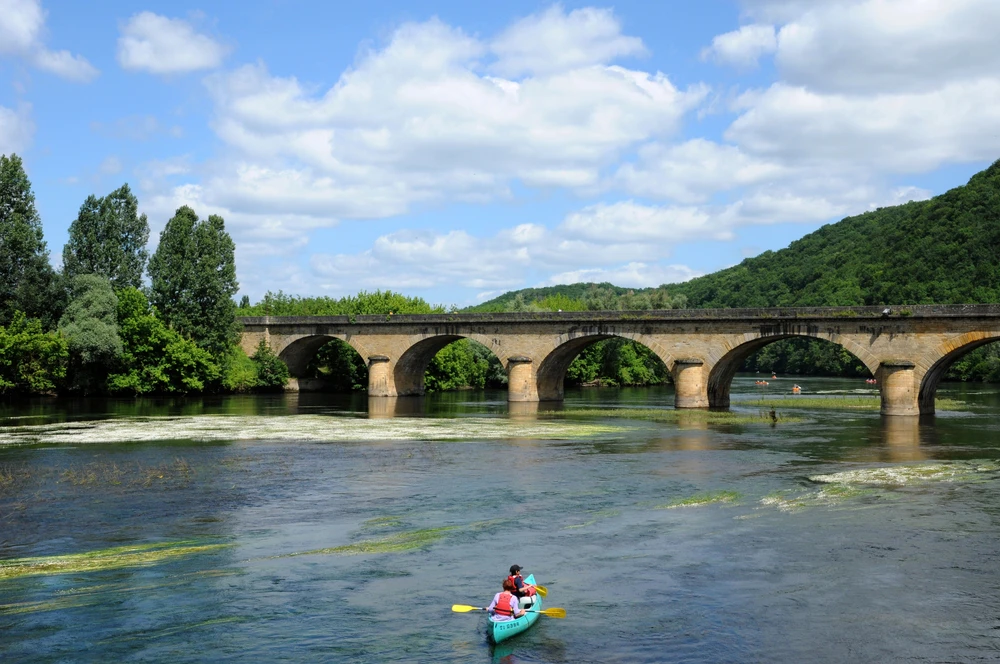
The Dordogne. Ideal for kayaking in summer. It is also a river steeped in history, which barges used to travel up and down for trade. Photo chosen by monsieurdefrance.com: packshot via depositphotos
🚉 How to get to Nice from the Périgord Noir
👉 Three possible options:
-
🚗 By car: 650 km, approximately 7.5 hours via the A20, A9, and A8. Pleasant route with the option to stop in Carcassonne or Montpellier.
-
🚆 By train: You will return the rental car upon arrival in Brive. Then: Sarlat → Brive (bus/train ~1 hour), Brive → Toulouse (2 hours 40 minutes), then TGV Toulouse → Nice (~6 hours). Total duration: ~9 hours.
-
✈️ By plane: Brive → Paris Orly (~1 hour 10 minutes), then Paris Orly → Nice (~1 hour 30 minutes). Including transfers, allow 5 hours 30 minutes to 6 hours. Alternative: fly to Bordeaux or Toulouse for a direct flight to Nice (~1 hour 15 minutes). This is actually the best option as you will have more choice of flights
➡️ Depending on your preferences: fly to save time, take the train for comfort, or drive for freedom.
Days 15 to 17: Nice and the Nice hinterland – Sun, sea, and hilltop villages
What you will see and experience
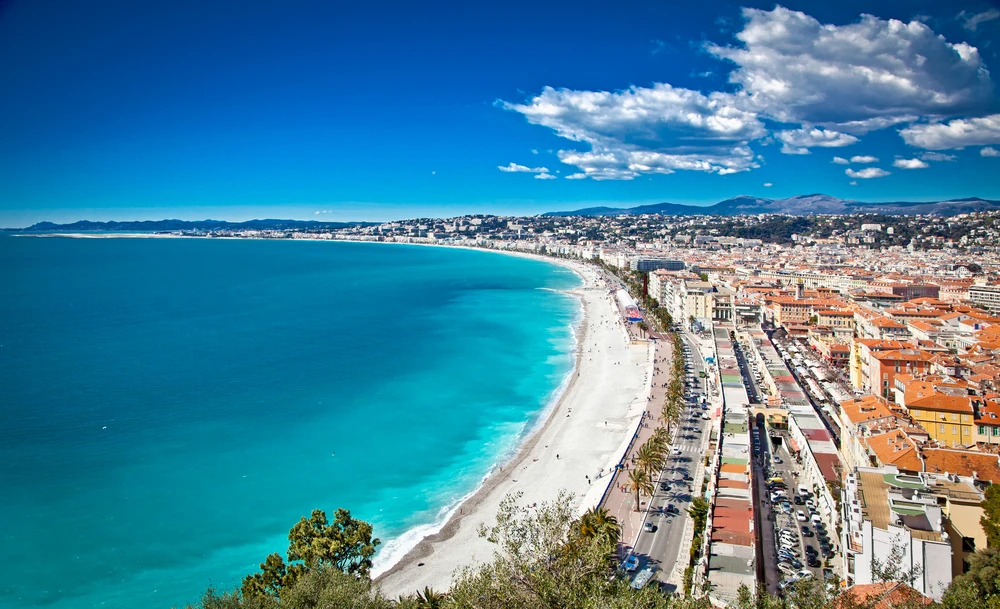
Nice and the Bay of Angels / photo by Aleksandar Todorovic/Shutterstock.com
Three days between the sea and the mountains, discovering Nice, capital of the French Riviera, and the villages of the Nice hinterland. You will enjoy the Mediterranean, colorful markets, spectacular panoramas, and a sunny lifestyle.
DAY 15 – Nice and the Promenade des Anglais
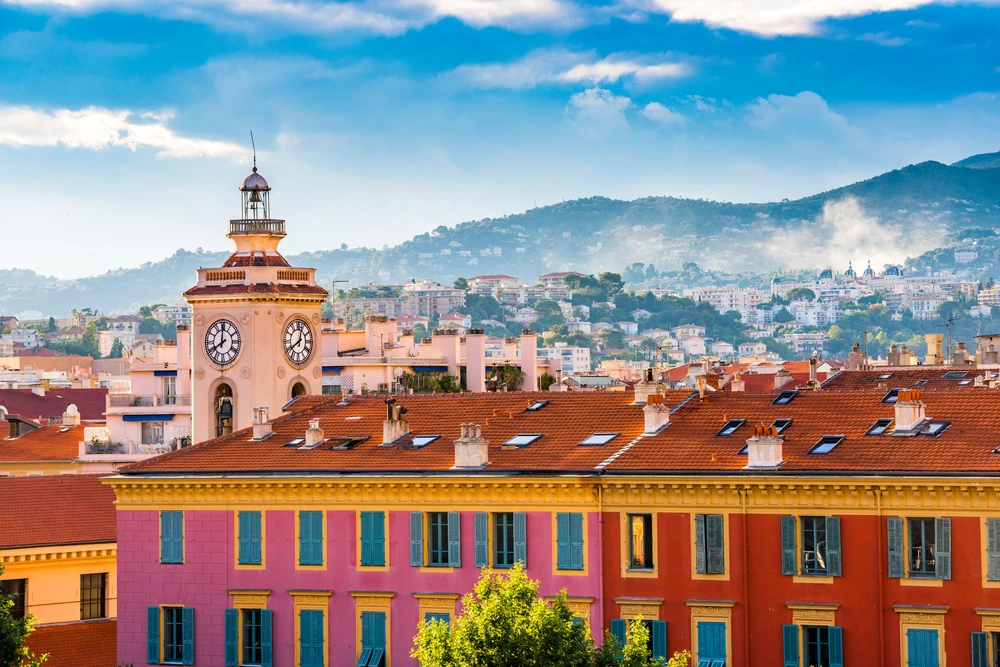
Nice / photo par Reuben Teo/Shutterstock.com
10:00 a.m. – Arrival in Nice From Périgord, depending on your preference: plane (5.5 to 6 hours), train (~9 hours via Toulouse), or car (~7.5 hours). Check into a hotel in Old Nice or near the Promenade des Anglais. There are also some nice places to rent around Nice, but you'll need a car. The advantage of staying in Nice is that you won't need a car. You can also visit other sites by bus or train. But it's always best to have a rental car.
11:00 a.m. – Old Nice Stroll through the narrow streets and discover the Cours Saleya market with its stalls selling flowers and local specialties.
12:30 p.m. – Lunch Around Cours Saleya or Rue Masséna, lively terraces.
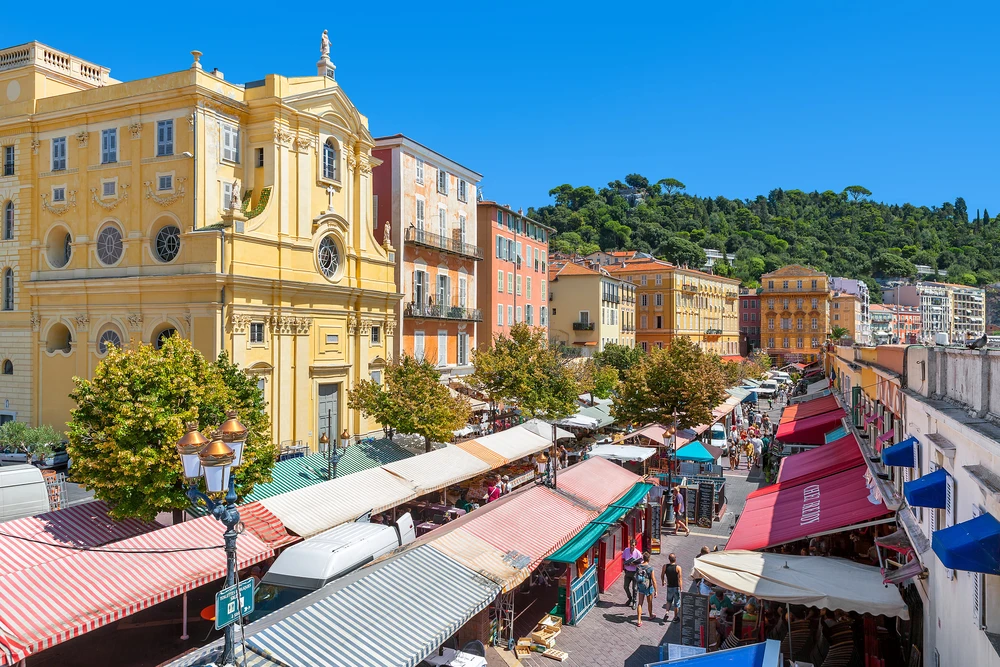
The Cours Saleya in Nice and its market / photo by Rostislav Glinsky/Shutterstock.com
2:00 p.m. – Castle Hill Walk or take the elevator up for a breathtaking view of the Baie des Anges.
4:00 p.m. – Promenade des Anglais Stroll along this legendary avenue, between the sea and palm trees.
Evening – Dinner downtown and evening stroll along the Promenade des Anglais or through the narrow streets of Old Nice.
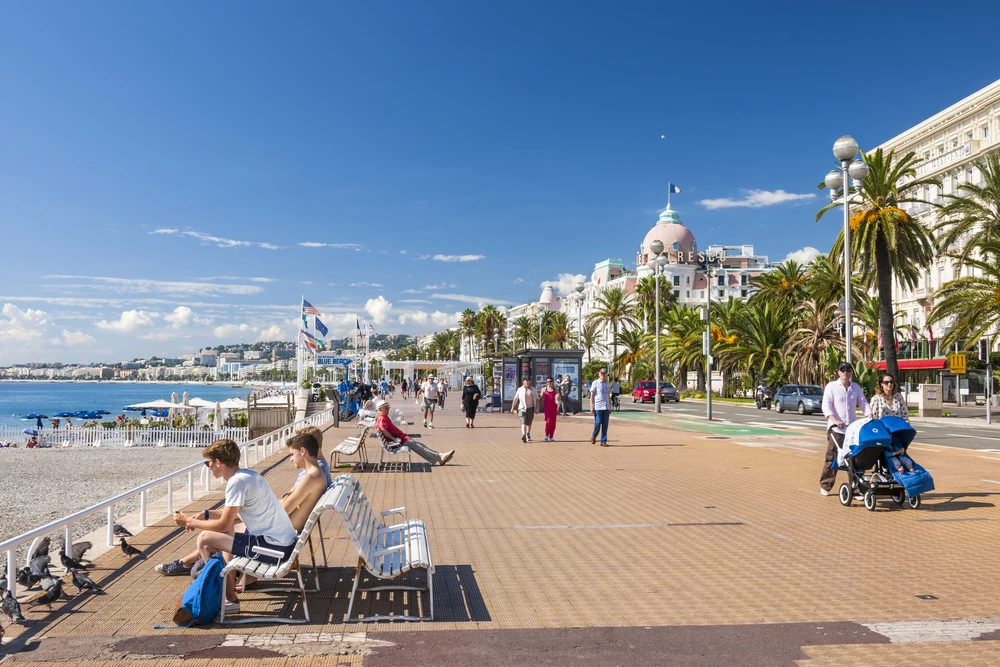
Nice's Promenade des Anglais / photo by Elena Elisseeva/Shutterstock.com
DAY 16 – Hilltop villages: Èze and Saint-Paul-de-Vence
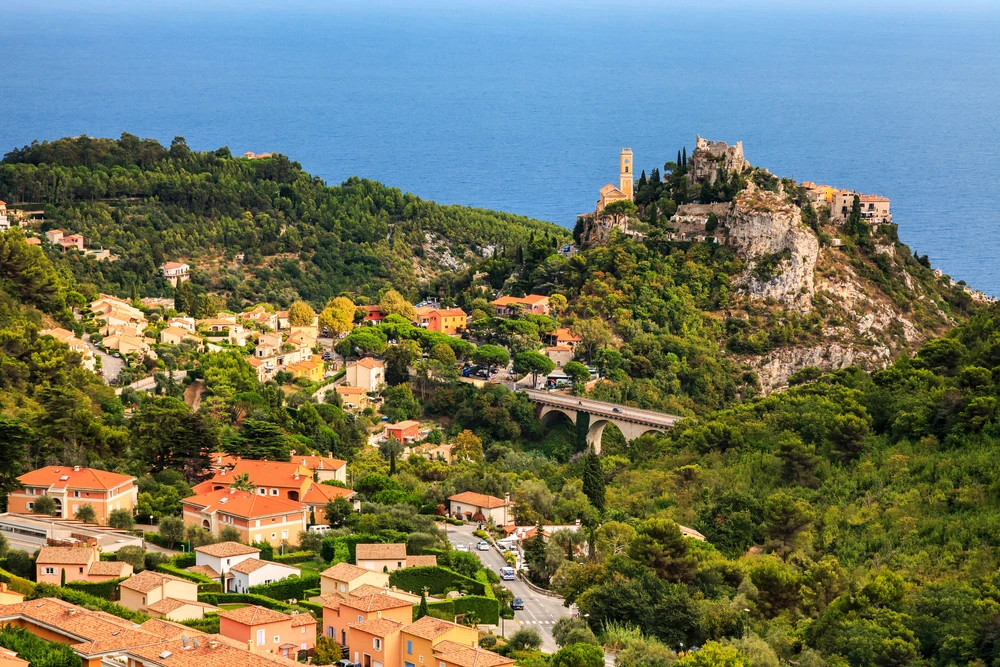
Eze is perched more than 400 meters above the waves / Photo selected by monsieurdefrance.com: depositphotos.
9:00 a.m. – Departure for Èze 20 minutes by bus or car. A medieval village perched on a hilltop, offering incredible views. Visit the exotic garden for its plants and views.
12:00 p.m. – Lunch In the narrow streets of Èze or at the foot of the village.
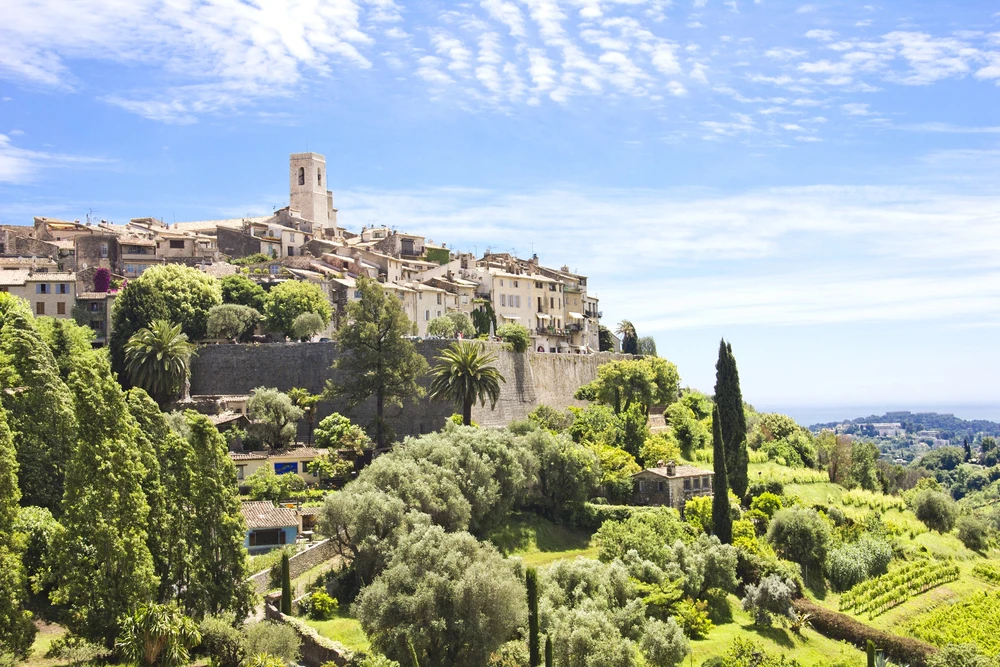
Saint Paul de Vence on its spur overlooking the landscape / Photo selected by monsieurdefrance.com: depositphotos.
2:00 p.m. – Saint-Paul-de-Vence A 45-minute drive away. An artists' village with cobbled streets and galleries. Stroll along the ramparts and soak up the unique atmosphere.
5:00 p.m. – Return to Nice Free evening.
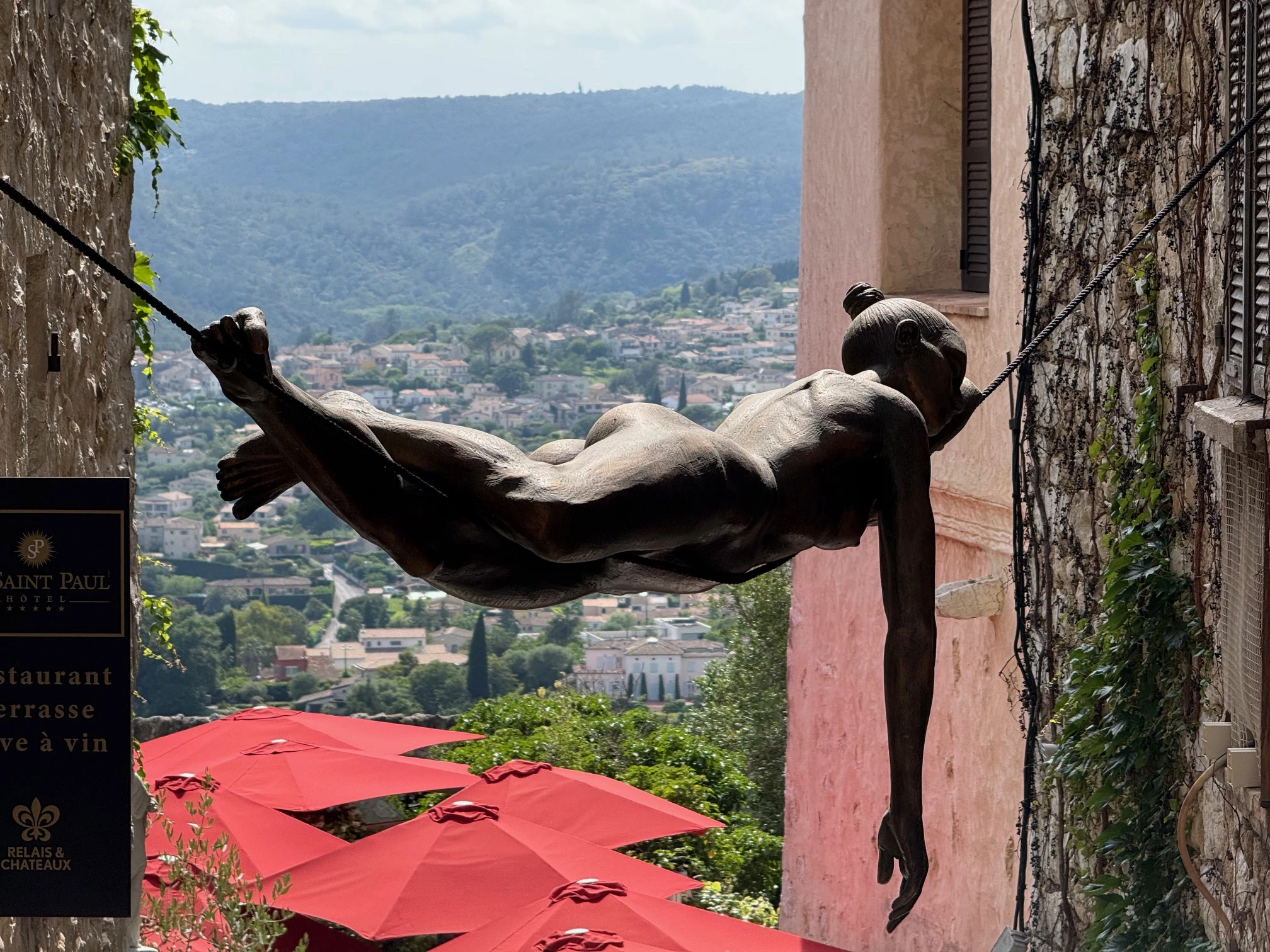
In Saint Paul de Vence, art can be found in the most unexpected places / Photo Jérôme PROD'HOMME (c)
DAY 17 – Antibes and the Mediterranean
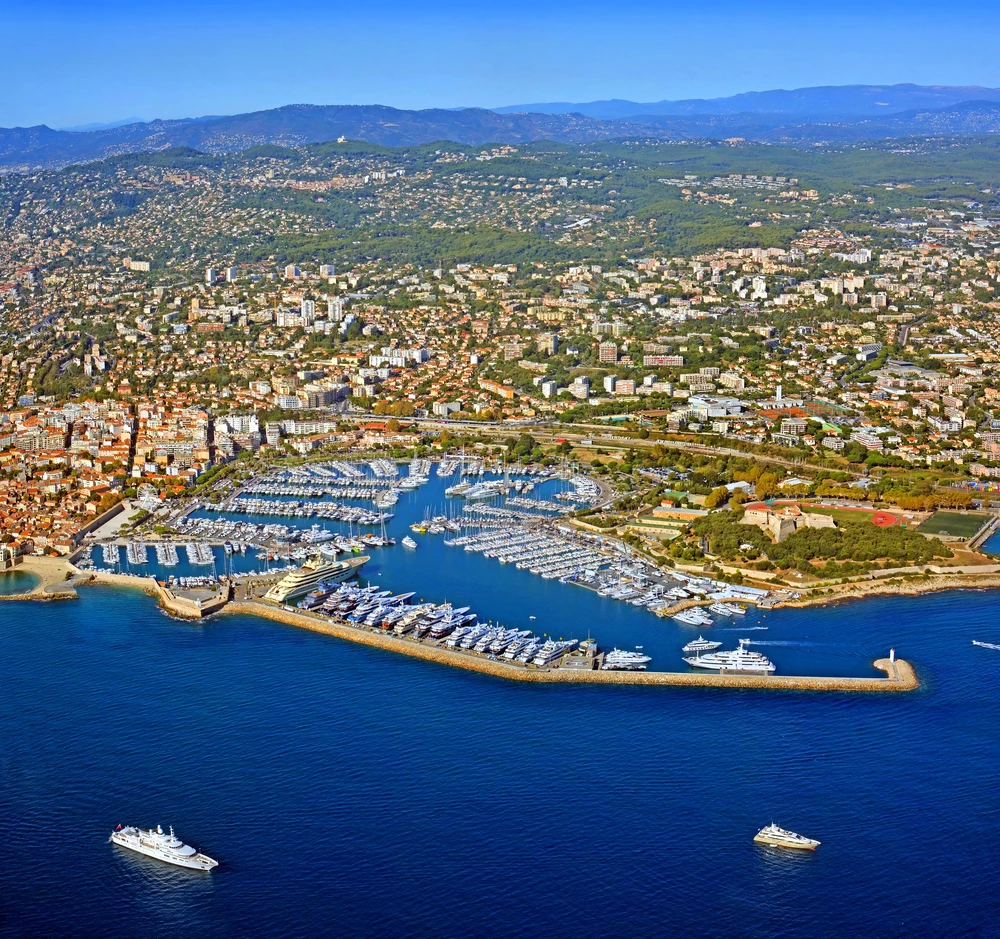
The city is famous for its port, its old town, its jazz festival, and its beaches / photo chosen by monsieurdefrance.com: depositphotos.com via NigelSpiers
9:00 a.m. – Departure for Antibes 30 minutes by train or car. Discover Old Antibes, its ramparts, and its Provençal market.
11:00 a.m. – Picasso Museum Housed in the Grimaldi Castle, it has a really cool collection. Tickets are .
12:30 p.m. – Lunch In Old Antibes, around Place Nationale.
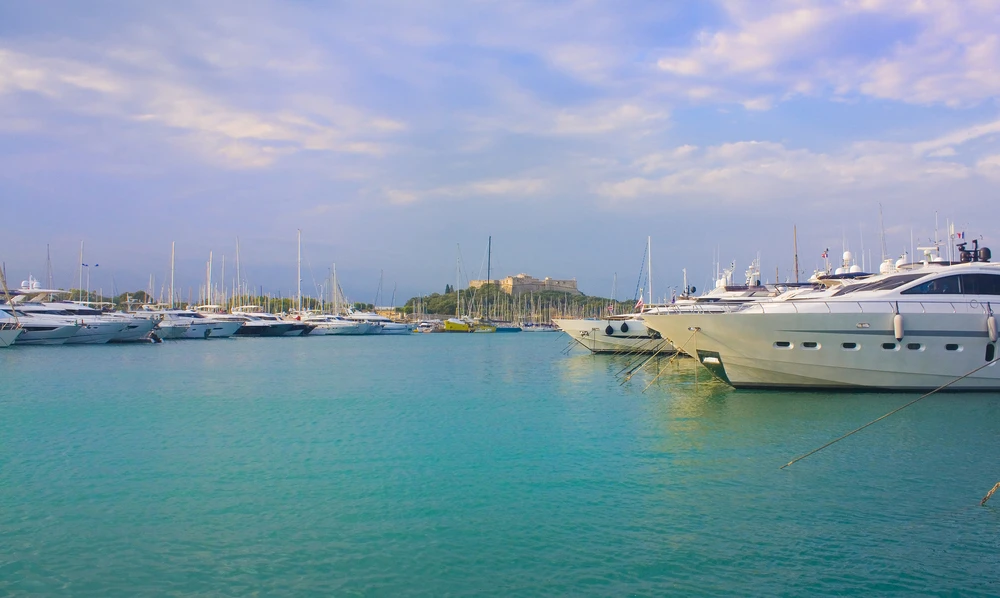
The Port Vauban and its incredible boats / Photo selected by monsieurdefrance.com: Lindasky76 via depositphotos
2:00 p.m. – Cap d'Antibes Walk along the seashore, coastal path offering superb views.
5:00 p.m. – Return to Nice Last evening on the French Riviera or departure for Gordes and the Luberon region (5.5 hours by car).
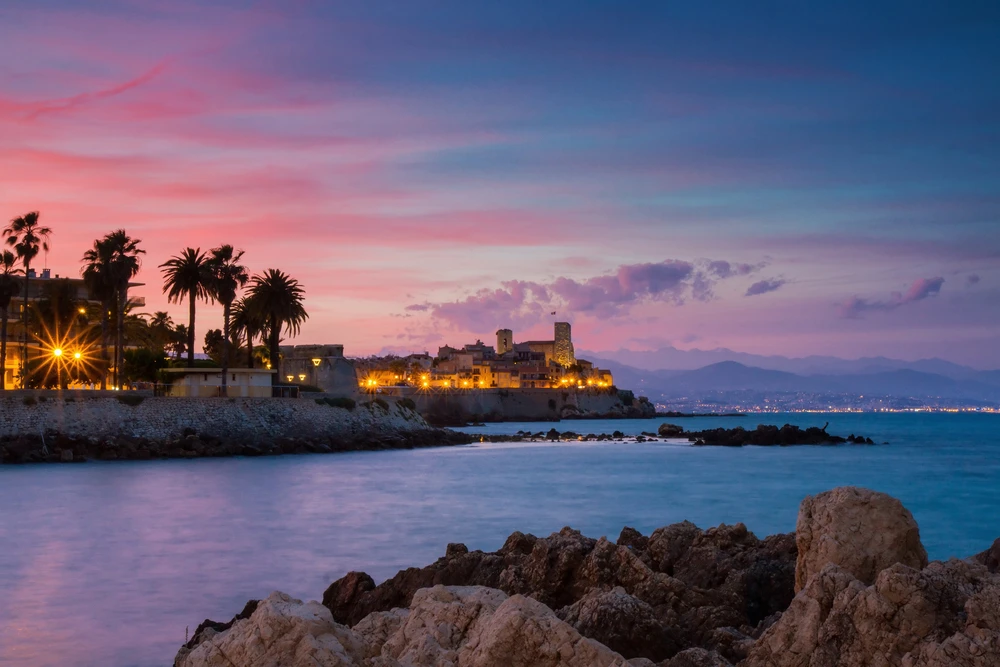
The view of Antibes at night / Photo selected by monsieurdefrance.com: Circumnavi via dépositphotos
🍴 What to taste in Nice and Provence
-
Niçoise salad
-
Socca (chickpea pancake)
-
Pissaladière (onion and anchovy tart)
-
Bread roll
-
Ratatouille
-
Wines of Provence (fresh rosés)
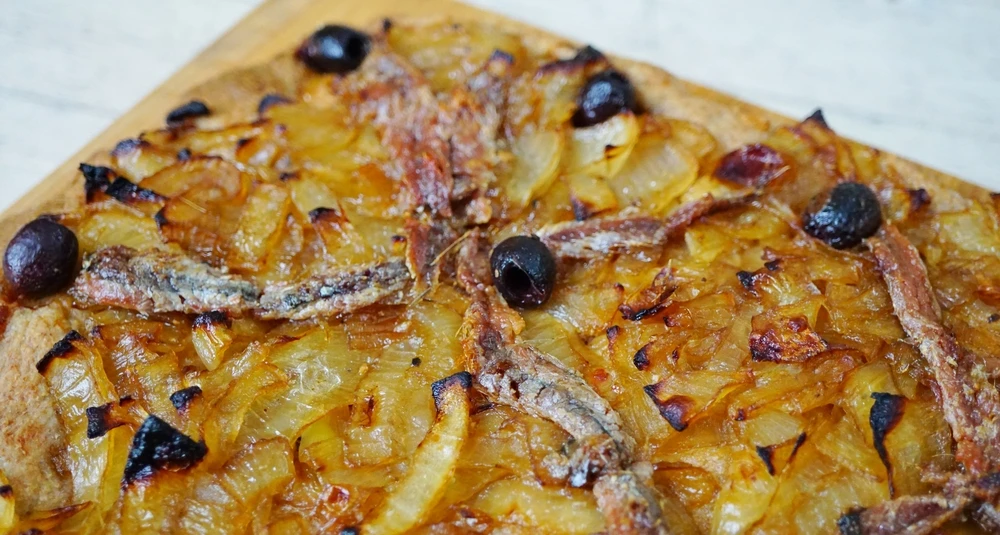
A pissaladière / photo by EQRoy/Shutterstock.com
🏨 Where to stay in Nice
📍 Old Nice for its picturesque atmosphere, or near the Promenade des Anglais for the sea view. Good access to transportation.
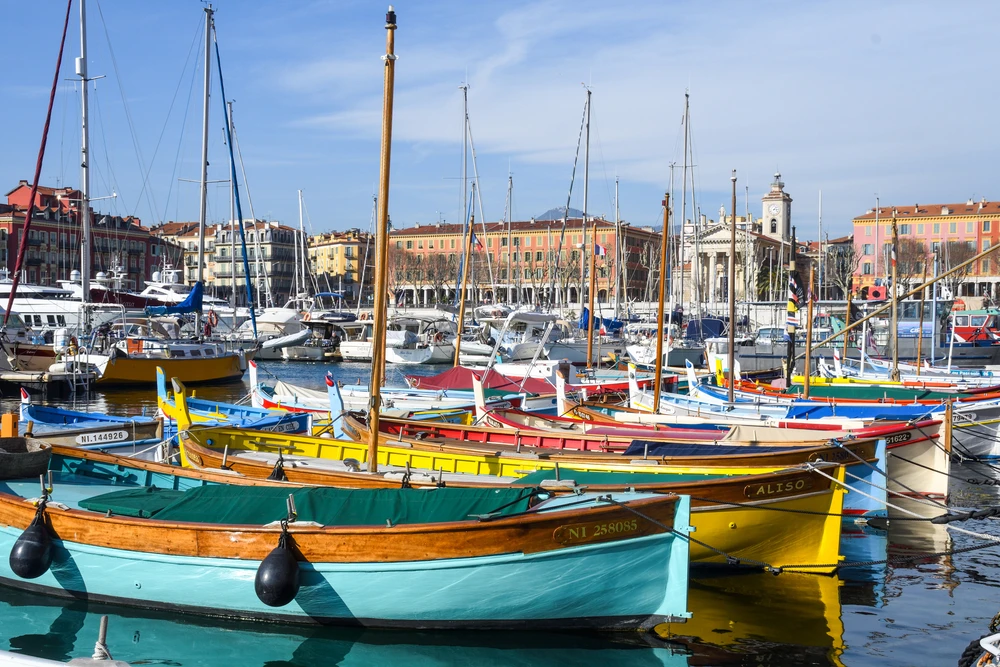
The port of Nice / photo by Cristina.A/Shutterstock.com
🚆 Next step
From Nice:
-
Train to Avignon (~5.5 hours), then bus/car to the Lubéron.
-
Option to rent a car to travel directly to the Luberon (~3.5 hours).
➡️ Start of your stay in the Luberon.
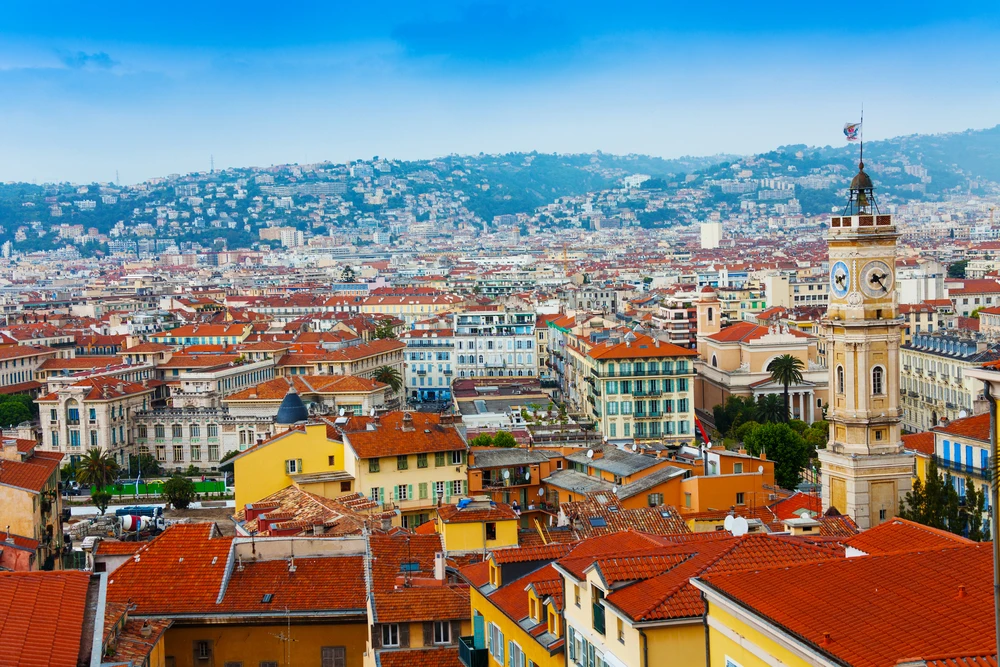
Old Nice / photo by Sergey Novikov/Shutterstock.com
Days 18 to 19: Luberon – Hilltop villages and landscapes of Provence
What you will see and experience
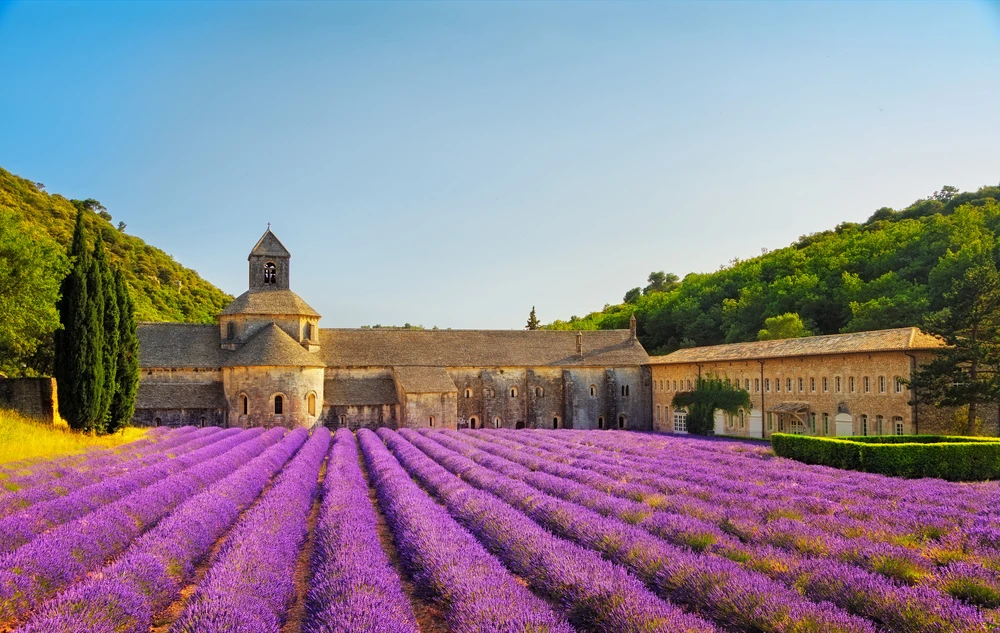
Sénanque Abbey in summer when the lavender is in bloom. Photo selected by monsieurdefrance.com: Shutterstock.com
Two days in the Luberon Regional Nature Park, among ochre hills, lavender fields, and villages ranked among the most beautiful in France. Gordes, Sénanque, Roussillon, and Lourmarin offer a taste of Provence in a gentle, sunny atmosphere.
DAY 18 – Arrival and exploration of Gordes and Sénanque
View of Gordes in the Vaucluse. Photo selected by monsieurdefrance.com Irina Wilhauk/Shutterstock.com
8:00 a.m. – Departure from Nice Train to Avignon TGV (~5.5 hours) then car rental (~1 hour drive to Gordes). Arrival around 2:30–3:00 p.m. 👉 If you leave the day before and stay overnight, you can enjoy a relaxing morning in the sun at your cottage or hotel, then visit Gordes at your leisure.
3:00 p.m. – Gordes Ranked among the most beautiful villages in France, Gordes impresses with its castle and light-colored stone houses. Stroll through its steep streets and admire the view of the Calavon Valley.
5:00 p.m. – Sénanque Abbey
Just 10 minutes from Gordes, discover this 12th-century Cistercian abbey. Its location amid lavender fields makes it a symbol of the Luberon. Reserve your tickets here.
Evening in Gordes Enjoy the peaceful atmosphere, dinner in the central square, and the sunset over the hills.
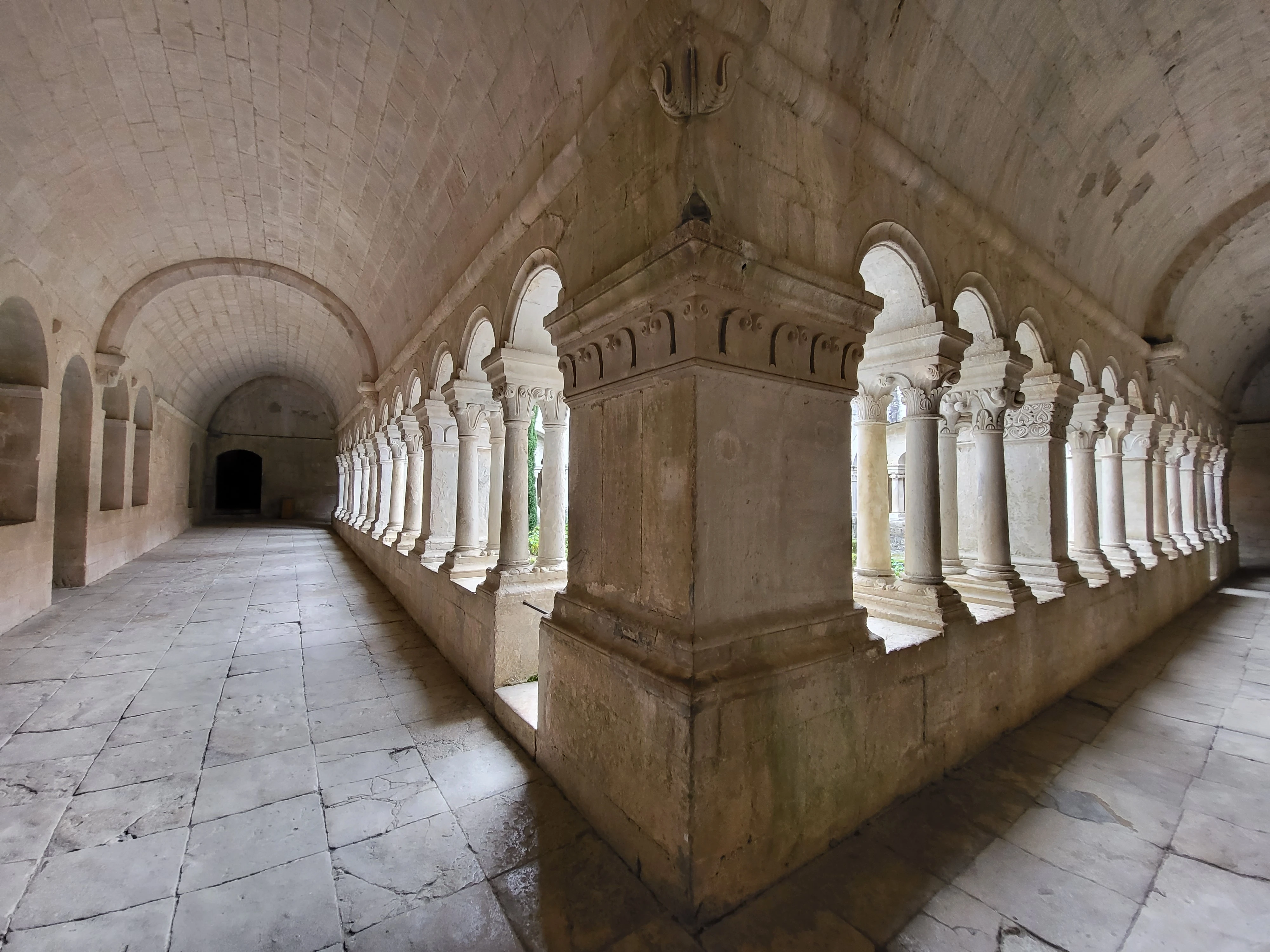
The cloister of Senanque Abbey in Gordes. Photo selected by Monsieurdefrance.com: Jérôme Prod'homme (c)
DAY 19 – Villages and landscapes of the Luberon
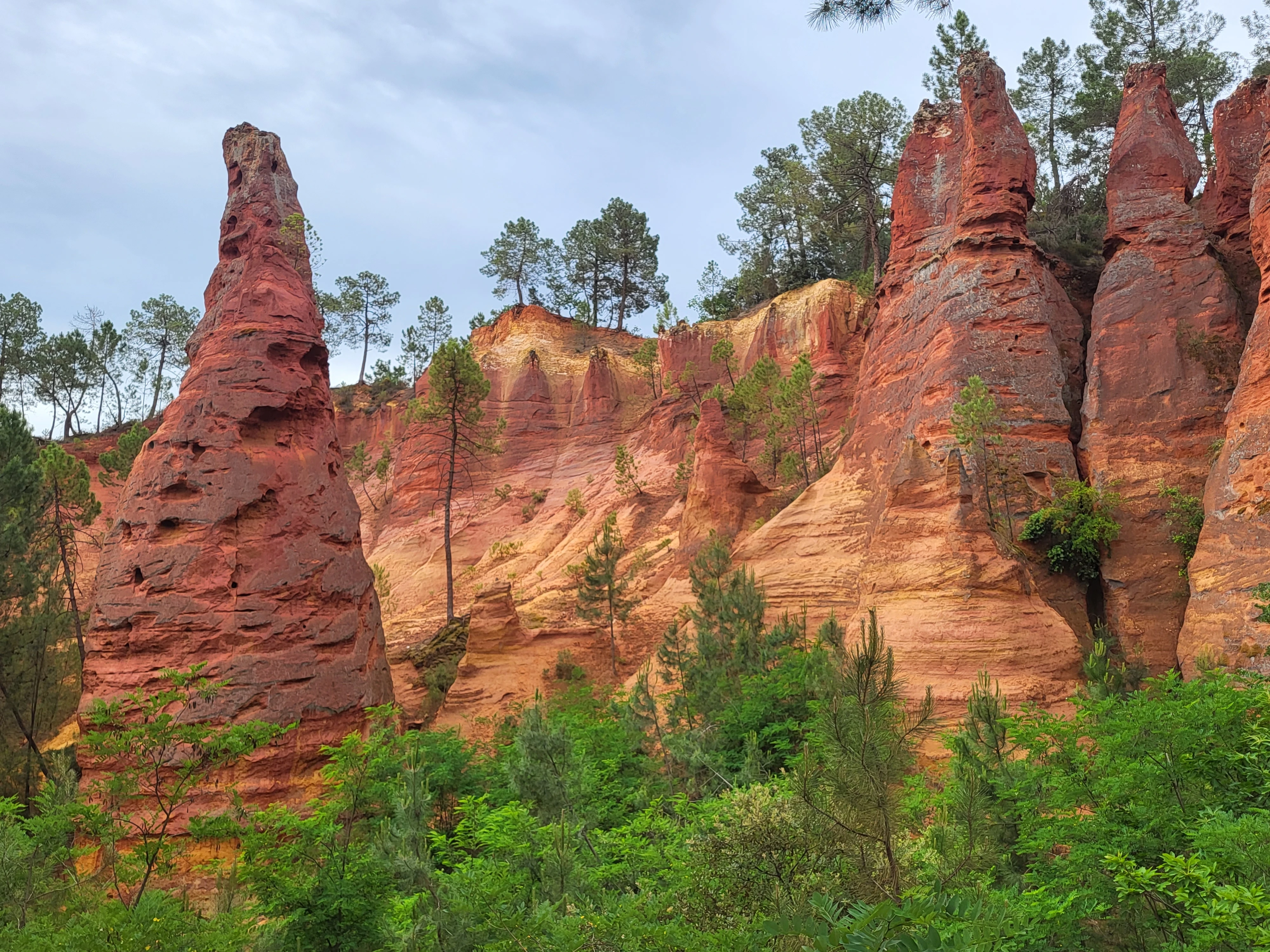
The ochre cliffs of Roussillon in Roussillon in the Vaucluse region. Photo selected by Monsieurdefrance.com: Jérôme Prod'homme
9:00 a.m. – Roussillon Twenty minutes from Gordes, Roussillon charms visitors with its red and ochre facades. Explore the Ochre Trail, a unique colorful canyon. Tickets are available on the official website.
11:30 a.m. – Lourmarin An hour's drive away, Lourmarin charms visitors with its Renaissance castle (book here) and sunny terraces. If you're there on a Friday, enjoy the Provençal market.
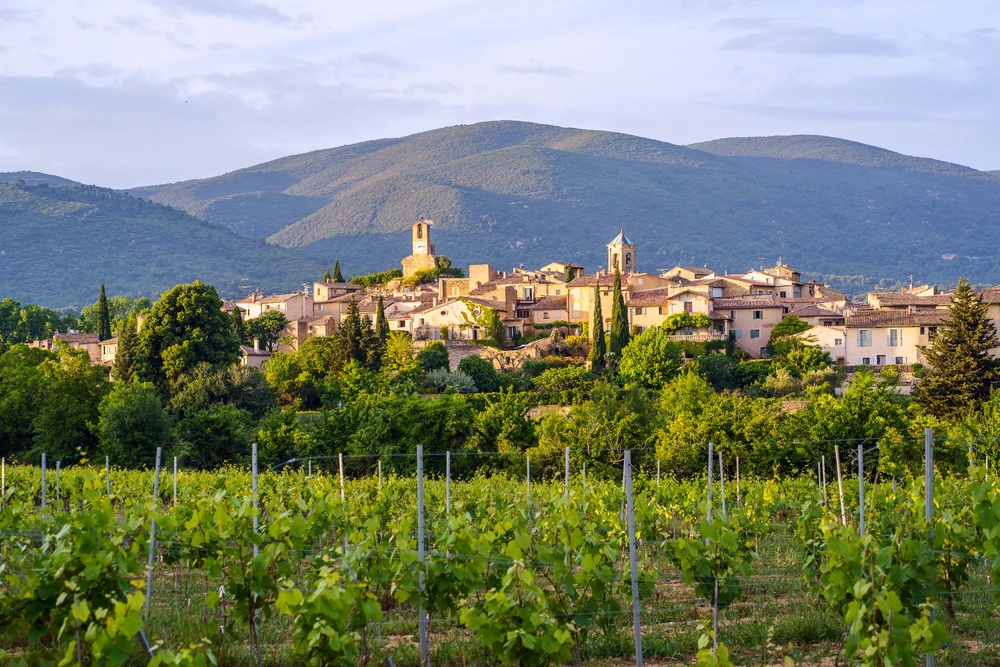
View of Lourmarin. Photo selected by monsieurdefrance.com: Marina VN/Shutterstock.com
2:30 p.m. – Ménerbes and Bonnieux Stop off at these hilltop villages. Ménerbes is listed as one of the "Most Beautiful Villages in France," while Bonnieux offers superb views of the Luberon Valley and Mont Ventoux.
5:30 p.m. – Return to Gordes
Last evening in the Luberon.
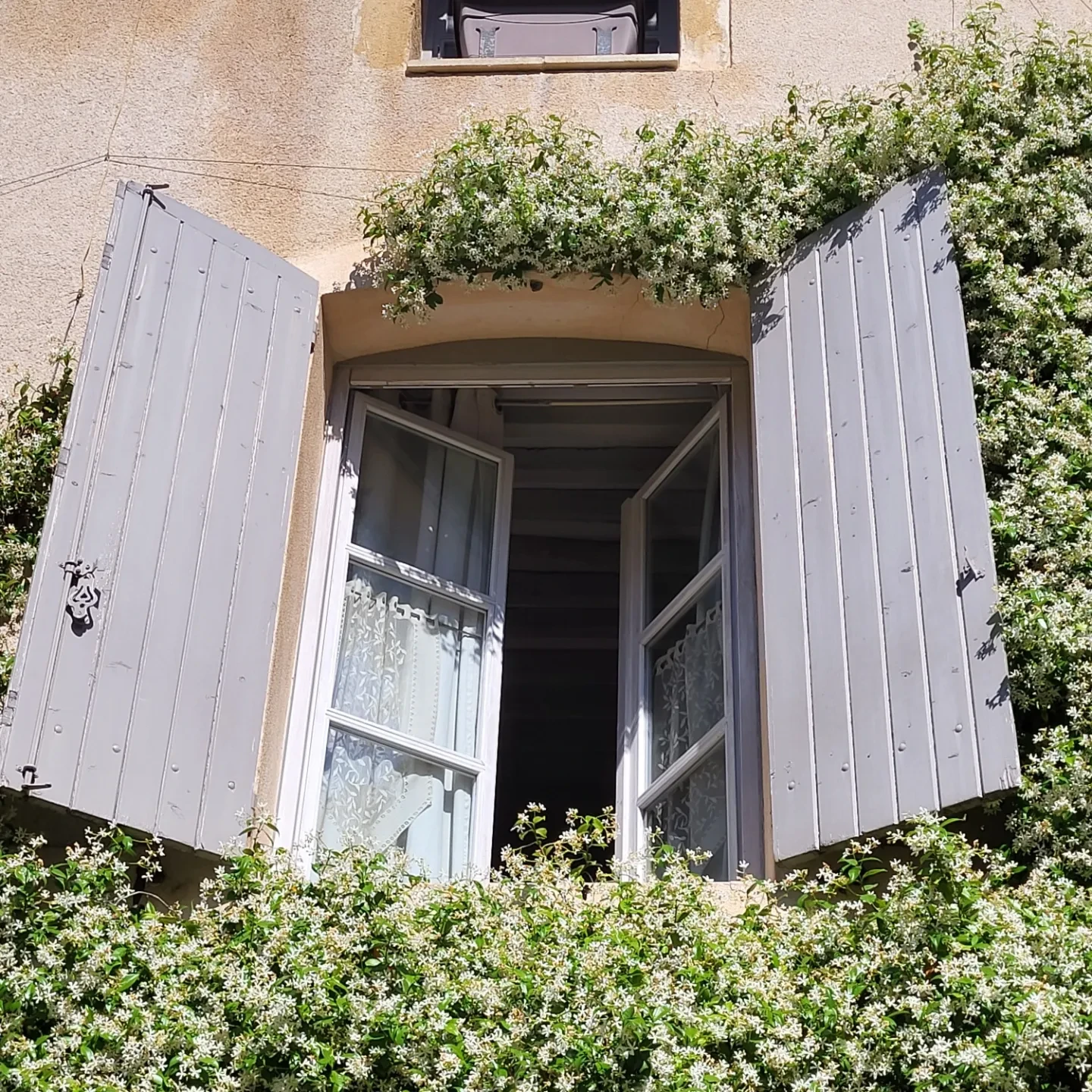
Roussillon is a lovely village. Photo selected by Monsieurdefrance.com: Jérôme Prod'homme (c).
🍴 What to taste in Luberon and Provence
-
Black or green olive tapenade
-
Aioli and Provençal vegetables
-
Fougasse with herbs
-
Goat cheeses from the Luberon
-
Rosé and red wines from the Côtes du Lubéron
👉 Discover them at the Provençal markets (Lourmarin, Gordes, Apt).
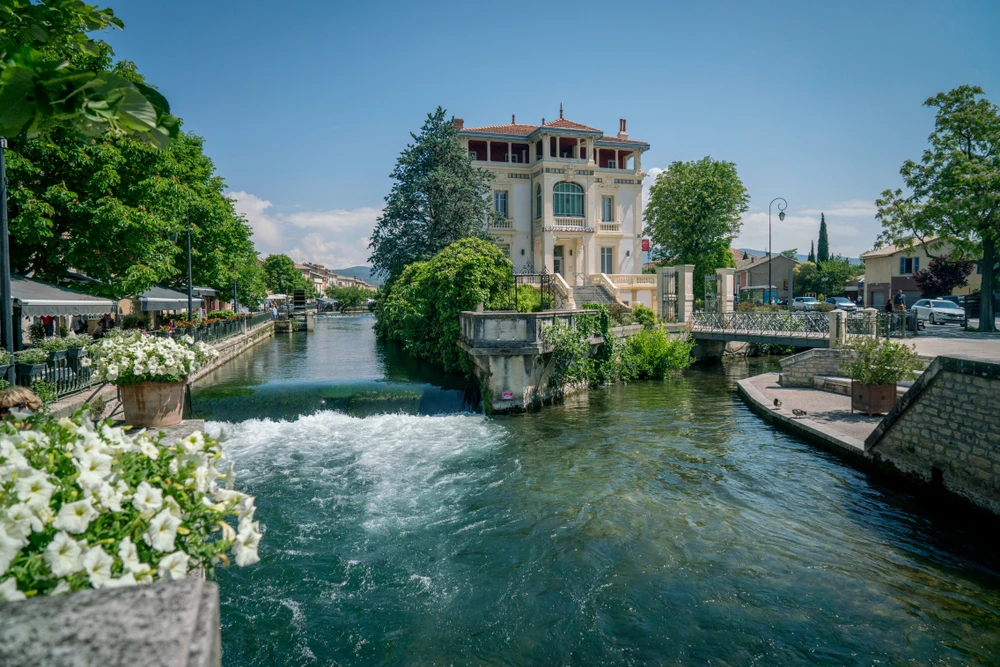
In the heart of Isle-sur-la-Sorgue. Photo selected by monsieurdefrance.com L.Danis/Shutterstock.com
🏨 Where to stay in the Luberon
📍 Gordes: centrally located for exploring the area, picturesque charm and superb panoramic views. There are many charming cottages and hotels, particularly around Saint Pantaléon. You can also choose to stay in Isle sur la Sorgue. The market is superb and the town is well worth a visit, especially in the evening.
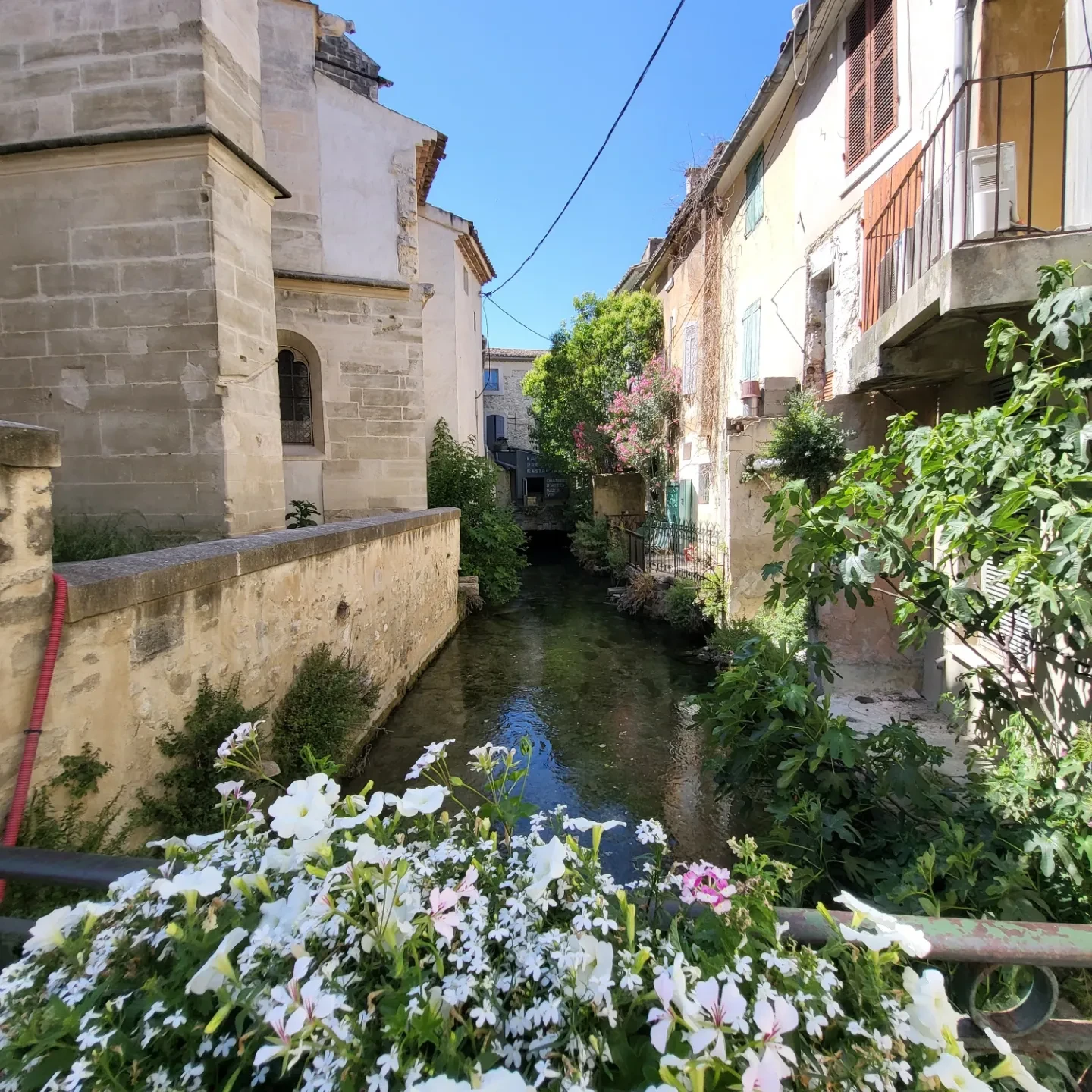
L'isle sur la sorgue. Photo selected by monsieurdefrance.com: Jérôme Prod'homme (c)
🚆 Next station for the rest of the journey
From Gordes:
-
Return by car to Avignon TGV (~1 hour), then take the TGV from Avignon to Dijon (~3 hours 15 minutes).
-
Direct car option Gordes → Dijon (~5.5 hours).
➡️ Start of your last stage in Dijon.
Days 20 to 21: Dijon and return to Paris – Capital of the dukes and end of the trip
What you will see and experience
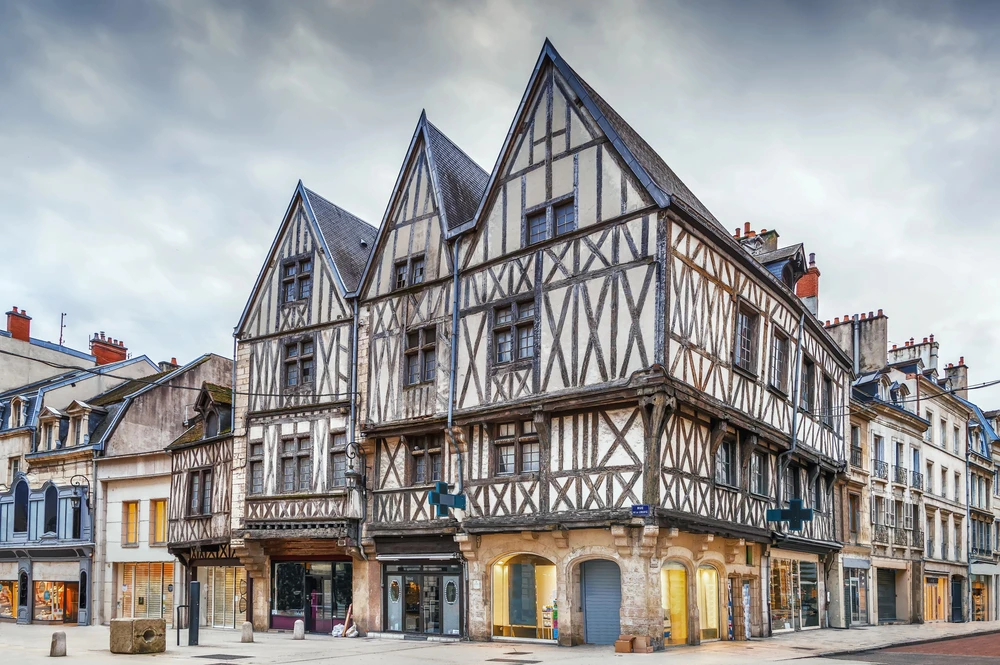
Old houses in Dijon / Photo selected by Monsieurdefrance.com: borisb17 via depositphotos
Two days to conclude your tour of France: discover Dijon, capital of the Dukes of Burgundy, famous for its colorful roofs, medieval streets, and gastronomy. Then return to Paris to end this trip rich in heritage, landscapes, and flavors.
DAY 20 – Dijon, the capital of the Dukes of Burgundy
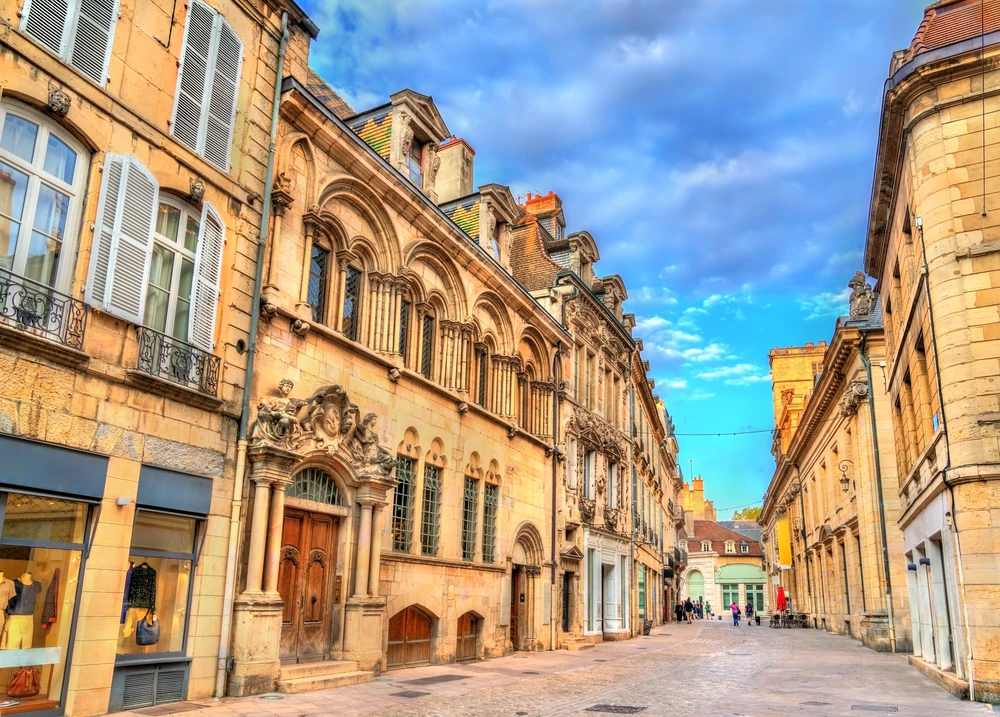
Dijon / Photo selected by Monsieur de France: depositphotos
10:00 a.m. – Arrival in Dijon From Lubéron: drive to Avignon TGV (~1 hour), then direct TGV from Avignon to Dijon (~3 hours 15 minutes). Settle into the historic center, near Place de la Libération.
11:00 a.m. – Palace of the Dukes and States of Burgundy Visit this monumental complex, which now houses the city hall and the Museum of Fine Arts (free admission).
12:30 p.m. – Lunch Around the Halles de Dijon, enjoy a brasserie to sample local specialties.
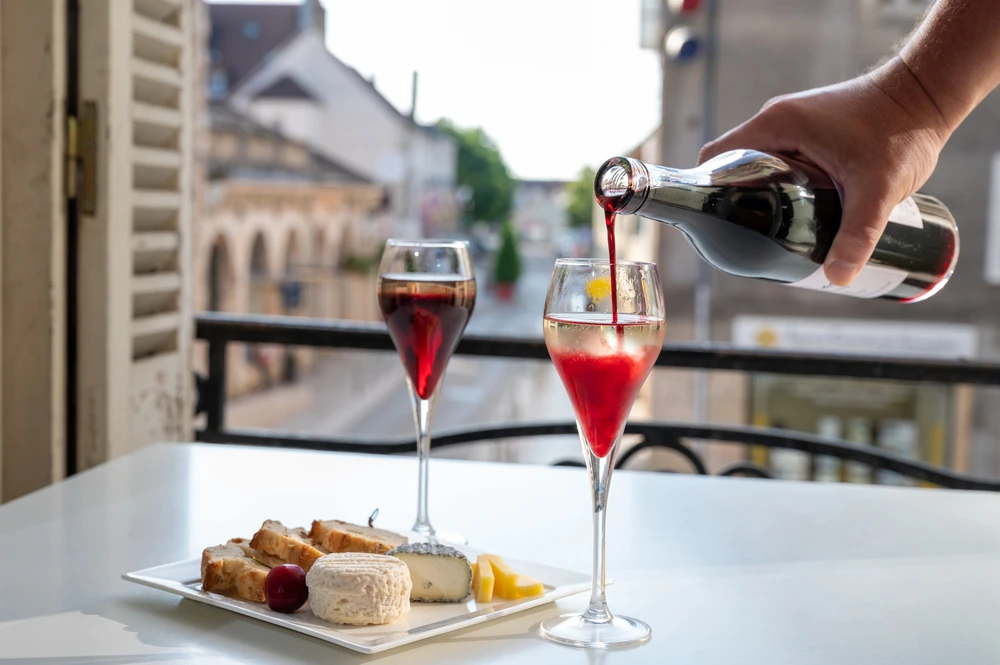
For lunch, consider trying a kir, the local aperitif drink / Photo selected by monsieurdefrance.com: depositphotos
2:00 p.m. – Owl Trail Stroll through the medieval center following the little owls engraved on the ground. You will discover Notre-Dame de Dijon, Place François-Rude, and the mansions.
4:00 p.m. – Saint-Michel Church and Darcy Garden Late afternoon in a quieter neighborhood, perfect for a break.
Evening – Dinner around Place Émile-Zola, a lively neighborhood with welcoming outdoor cafés.
DAY 21 – Final discoveries and return to Paris
9:00 a.m. – Les Halles Market Listed as a historic monument, these covered market halls designed by Eiffel host a lively market, perfect for picking up some regional products.
10:30 a.m. – Museum of Burgundian Life Discover the Burgundian way of life in the 19th century in a former monastery.
12:00 p.m. – Lunch Around Rue Monge or Place de la République, for a final Burgundian meal.
2:00 p.m. – Return to Paris From Dijon-Ville station: Direct TGV Dijon → Paris Gare de Lyon (~1 hour 35 minutes).
🍴 What to taste in Burgundy
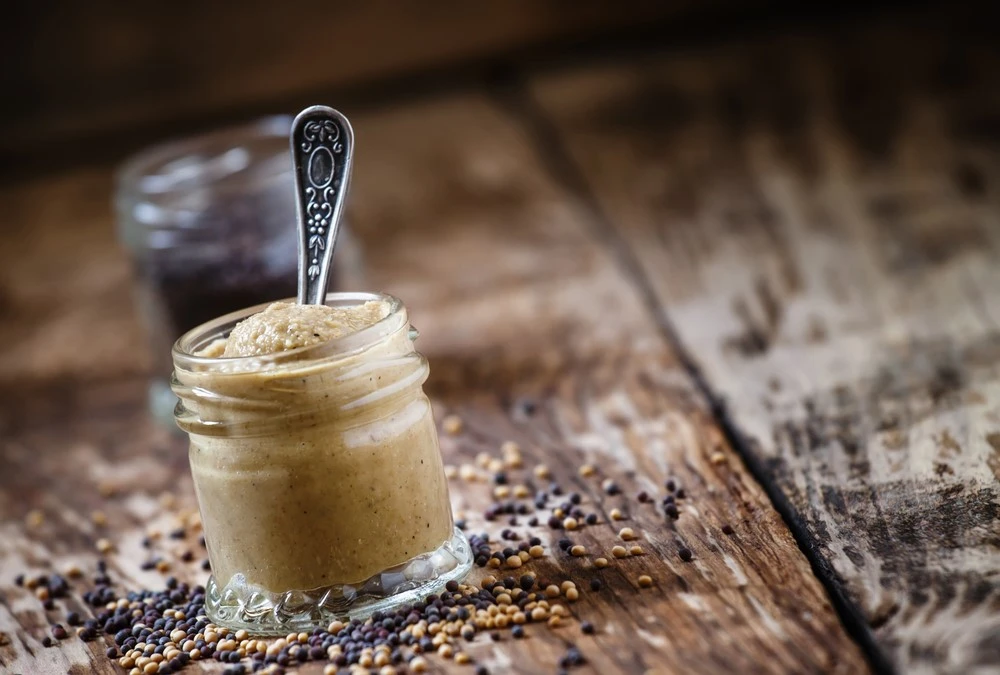
Mustard is one of the specialties of Dijon and Burgundy. Photo selected by monsieurdefrance.com depositphotos
-
Burgundy snails
-
Cheeses: Époisses, Soumaintrain
-
Burgundy wines: Pinot Noir, Chardonnay (ranging from €10 to €30 per bottle, available at wine cellars and wine bars in the city center)
🏨 Where to stay in Dijon
📍 Historic center: around Place de la Libération or near Les Halles. This allows you to visit everything on foot and enjoy the lively atmosphere.
Enjoy France in 21 days
Of course, this is all just a suggestion. You can change the itinerary, spend more time in one place and less time in another. Similarly, travel times are approximate and may vary depending on the season (in the height of summer, France is very busy and there may be traffic jams)... But you have discovered how to organize a trip that allows for real discovery. In three weeks, you will have traveled through the most beautiful landscapes and visited the must-see treasures of France. From Paris and its iconic monuments to the châteaux of the Loire Valley, from the salty air of Brittany to the refined Bordeaux region, from the history-steeped Périgord Noir to the sun-drenched Côte d'Azur, from the fragrant Lubéron and the villages of Provence to Dijon, capital of the Dukes of Burgundy... each stage will have offered you a unique facet of French heritage and art de vivre.
Between museums, cathedrals, medieval villages, colorful markets, hanging gardens, and Mediterranean panoramas, this trip will have allowed you to combine culture, nature, and gastronomy. Everywhere you go, you will have savored local specialties: Cancale oysters, Bordeaux wines, Périgord truffles, Niçoise socca, Burgundy cheeses... So many culinary discoveries that will remain etched in your memory. In fact, this 21-day tour is not just an itinerary: it is an immersion into the soul of France, its diversity, its traditions, and its timeless beauty.
Should you rent a car for a 21-day stay in France?
Cars are not essential everywhere. Large cities and certain regions are easily accessible by train. However, renting a car is advantageous in rural areas for exploring villages, nature parks, and less accessible sites.
How much money should I budget for three weeks in France?
The budget depends heavily on the style of travel. Booking in advance and limiting changes in accommodation allows for better control of expenses, while increasing comfort. That said, including transportation, accommodation, and restaurants, the cost ranges from a low of €7,000 to a high of €12,000.
A 21-day stay in France costs around €10,000 for two people, including transportation, accommodation, meals, and visits.
It's an investment, but also the price of a dream and a real discovery of the country, far from rushed tours and whirlwind trips. Three weeks allow you to understand France in all its diversity, its landscapes, its regions and its way of life, an experience that many French people themselves never take the time to enjoy. This type of trip is not measured only in kilometers or hotel nights, but in lasting memories, encounters, and a fresh perspective on a country you think you know.
FAQ 21 DAYS IN FRANCE
Can you visit France in 21 days without rushing?
Yes, visiting France in 21 days is entirely possible without rushing, provided you limit the number of stops. By staying several nights in the same place and reducing long journeys, the trip remains smooth and enjoyable.
Which regions should you prioritize for a three-week stay in France?
It is advisable to combine Paris with a historic region such as Normandy or the Loire, a southern region, and a natural area. This mix offers a comprehensive view of France's diversity without being exhausting.
What is the ideal itinerary for visiting France in 21 days?
An ideal itinerary includes a maximum of 6 to 7 stops, with stays of 3 to 5 nights per region. This allows you to fully enjoy each place while maintaining a comfortable pace.
How many cities should you plan to visit in France over a three-week period?
It is best to limit yourself to four or five major cities during your entire stay. Adding too many cities increases travel time and reduces the time you actually have to explore.
Should you rent a car for a 21-day stay in France?
Renting a car is useful for exploring the countryside, villages, and natural parks. For large cities and certain major routes, the train remains more convenient and relaxing.
How much money should I budget for a three-week trip to France?
The budget varies depending on the level of comfort chosen, but a well-planned long stay allows you to spread the cost more evenly. Booking early and choosing accommodation for several nights helps to keep the overall cost down.
An article by Jérôme Prod’homme for Monsieur de France, written with passion and pleasure to describe France, tourism, and gastronomy.
This article may contain affiliate links. This does not affect the price you pay, but it helps the Monsieur de France website continue to offer its content for free.
N.N. Alcohol abuse is dangerous for your health. Please drink responsibly.