The must-see destinations in France include Paris and its landmarks, Versailles, Mont-Saint-Michel, the Loire Valley châteaux, Brittany, Normandy, Provence, Alsace, Lyon, and the French Riviera. For a first trip, the easiest option is to combine Paris with one or two major regions depending on your interests: history, cuisine, the coast, villages, or the mountains. But there’s so much more to see—here’s what I know about my country.
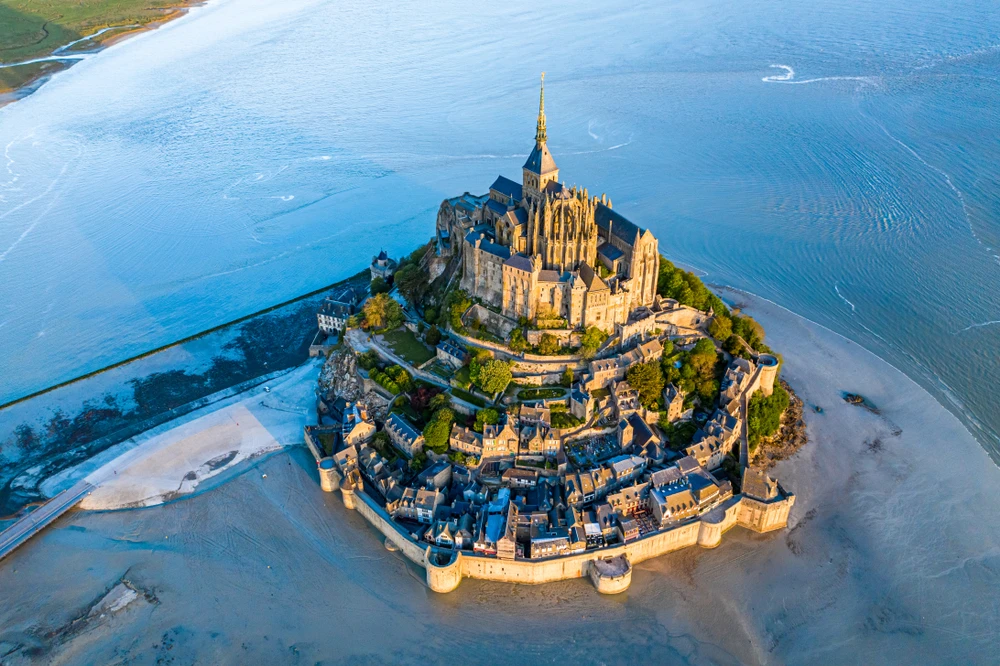
Mont Saint-Michel seen from the sky : Photo selected by monsieurdefrance.fr: Shutterstock
France: One Country, Many Journeys
People often make the mistake of talking about France as if it were a single entity. In reality, it’s more like a highly cohesive mosaic. There are broad themes common to every part of France: a certain architectural style rooted in an appreciation for beauty, a desire for order, yet a genuine appetite for whimsy. There is also the French way of life: making mealtime a special moment, taking the time—especially to chat, to look around... But from one region to another, the colors, materials, rhythms, traditions, and flavors change significantly. It is this blend of unity and variety that makes France so unique and, frankly, so endearing.
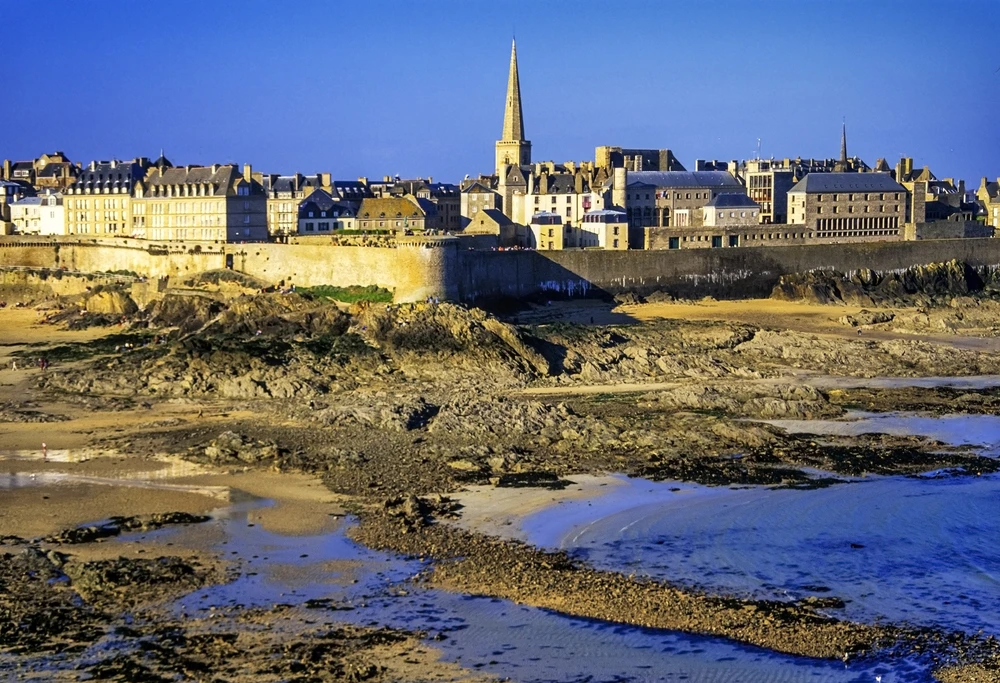
Inside the walls of Saint-Malo / Photo selected by Monsieur de France davidmartyn via Depositphotos
That is why, in my opinion, it is better to choose a “type of France” rather than a collection of points on a map. There is royal France—the France of Paris, Versailles, and the châteaux of the Loire Valley. There is coastal France, from the ramparts of Saint-Malo to the cliffs of Normandy, passing through the waves of Biarritz. There is France of elegant and cultured cities, such as Strasbourg, Nancy, Bordeaux, or Lyon. There is France of villages, which can be discovered in the Luberon, the Lot, the Périgord, Alsace, Provence, or the Aveyron. There is France for food lovers, stretching from Burgundy to Alsace, from Lyon to Brittany, and from the Southwest to Lorraine. Finally, there is France’s natural beauty, with its mountains, forests, lakes, and magnificent views, from the Alps to the Jura, and from the Vosges to Auvergne.
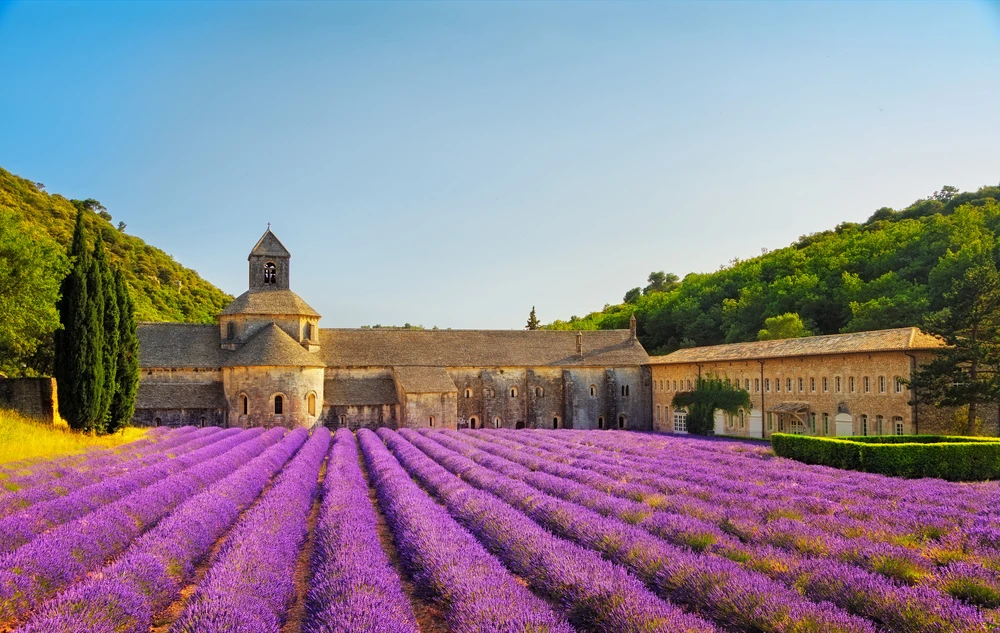
Sénanque Abbey in summer, when the lavandin is in bloom. Photo selected by monsieurdefrance.com: Shutterstock.com
Before you book anything, it’s worth asking yourself a very simple question: what do I really want out of this trip? If the answer is “to see the major sights,” the Paris–Versailles–Loire route is perfect. If it’s “good food and good living,” you should immediately look toward Lyon, Burgundy, Alsace, Lorraine, or the Southwest. If it’s “getting some fresh air and feeling the sea,” Brittany, Normandy, Corsica, Nice, or the Basque Coast are the obvious choices. If it’s “being dazzled by the beauty of the villages and the light,” Provence, the Périgord, or the Luberon take over.
A successful trip to France often begins with this realization. The country has so much to offer that you have to be willing to skip some of it in order to better enjoy the rest.
And then again, maybe it’s the French people who make France so endearing. They’re said to be gruff, sometimes rude, and yet what country welcomes lovers so warmly? What place in the world has better understood the art of taking one’s time? In what corner of the globe has it been so well understood that eating isn’t just a necessity—it’s also an opportunity to bring joy.
Paris, then Versailles: the logical first step
"Paris will always be Paris."
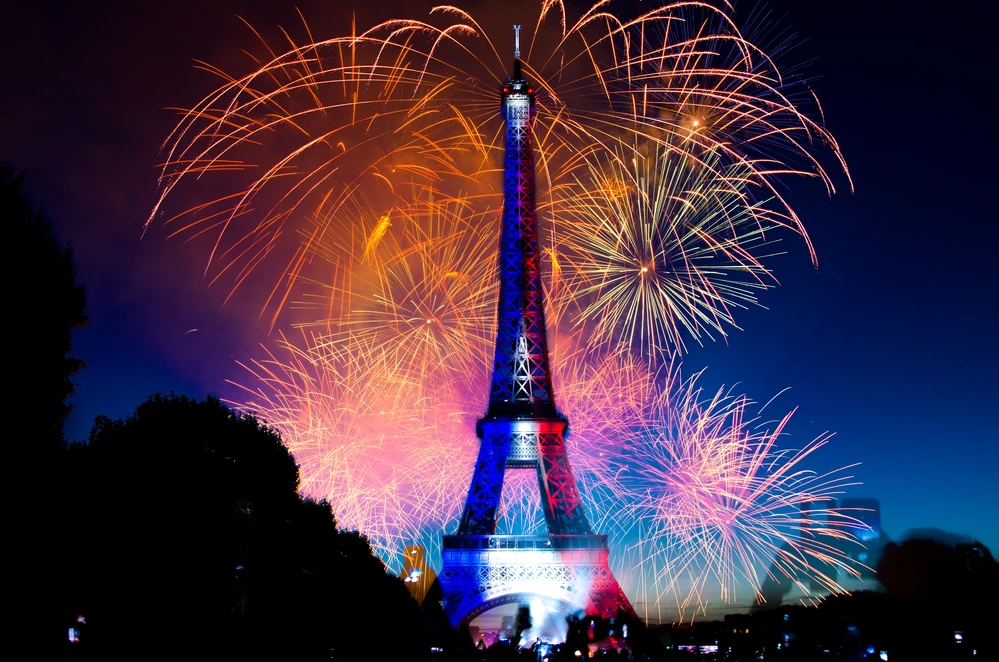
The biggest fireworks display is launched from the Eiffel Tower over the Champ de Mars, where the Fête de la Fédération took place on July 14, 1790. Photo selected by monsieurdefrance.com krys500 via Depositphotos
The French have a complicated relationship with Paris, which seems to be the center of everything, but one thing is clear: they are proud of it. It must be said that it’s hard not to find Paris beautiful. It is also home to the country’s most famous landmarks: the Eiffel Tower, the Louvre, Notre-Dame, Montmartre, the banks of the Seine, the Invalides, Place Vendôme, the Luxembourg Gardens, the Musée d’Orsay, the Champs-Élysées and the Arc de Triomphe or the Palais-Royal: names that alone are enough to explain why Paris is unlike any other city. There is the majestic Paris, of course, but also the Paris of nightlife, the Paris of lovers, the Secret Paris...

However, the best advice one can give about Paris is often to exercise restraint. Don’t try to “do Paris.” You have to experience it. The capital is, of course, full of must-see monuments, but above all, it’s about savoring the moments. As La Fontaine said, “There’s no point in rushing; you have to leave at the right time.” So take your time. A morning on the Seine, a climb up to Montmartre, a museum visit, a leisurely lunch,a stroll through the Marais, a garden in the late afternoon, an evening in a lively neighborhood: this is a rhythm that lets you immerse yourself in Paris without exhausting yourself. The capital becomes more beautiful as soon as you allow it a little slowness.
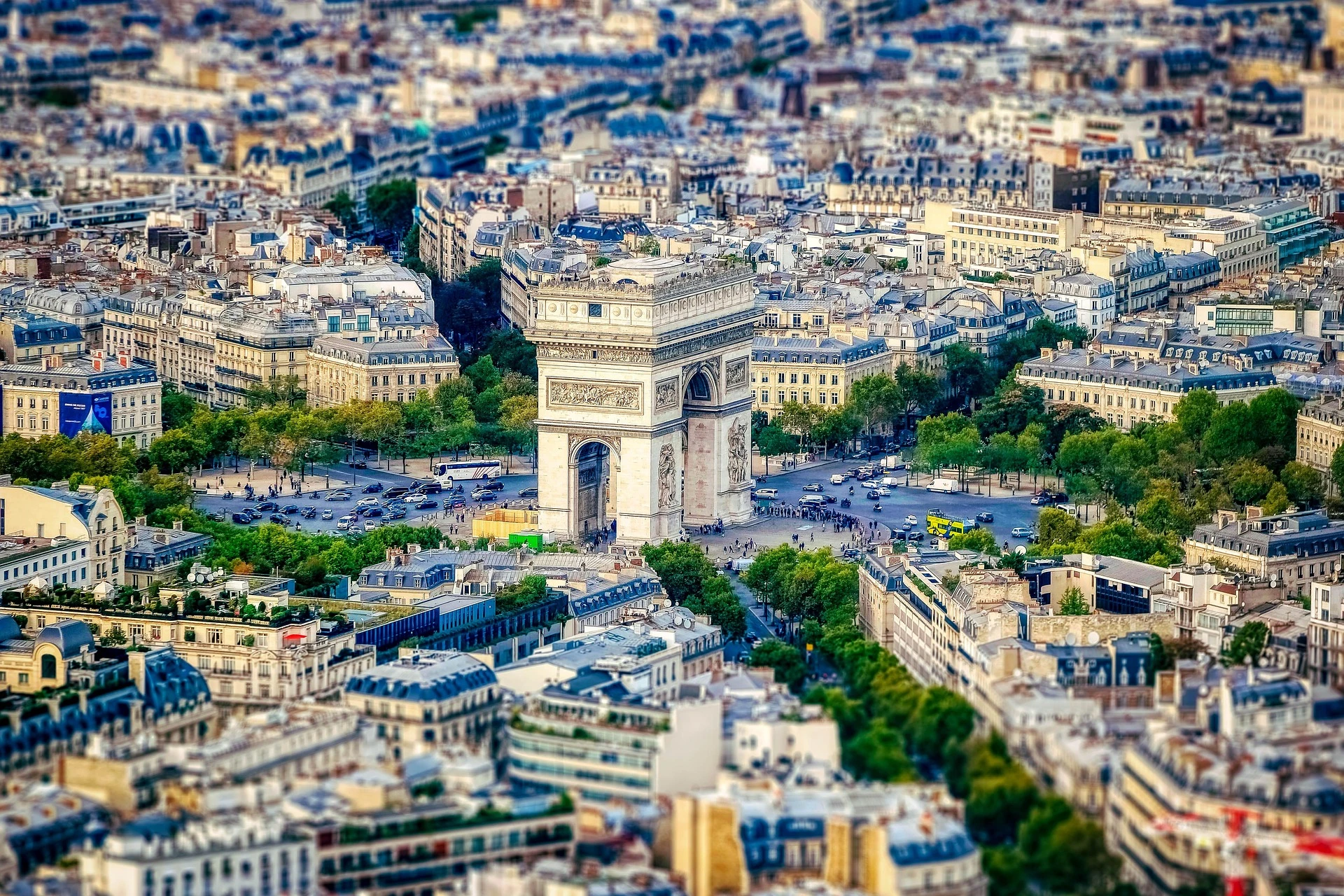
The Arc de Triomphe stands at the intersection of 12 avenues, including the Avenue des Champs-Élysées. Photo selected by Monsieur de France: by Matthias from Pixabay
👉 Paris's must-see attractions
Versailles: Glory and Beauty
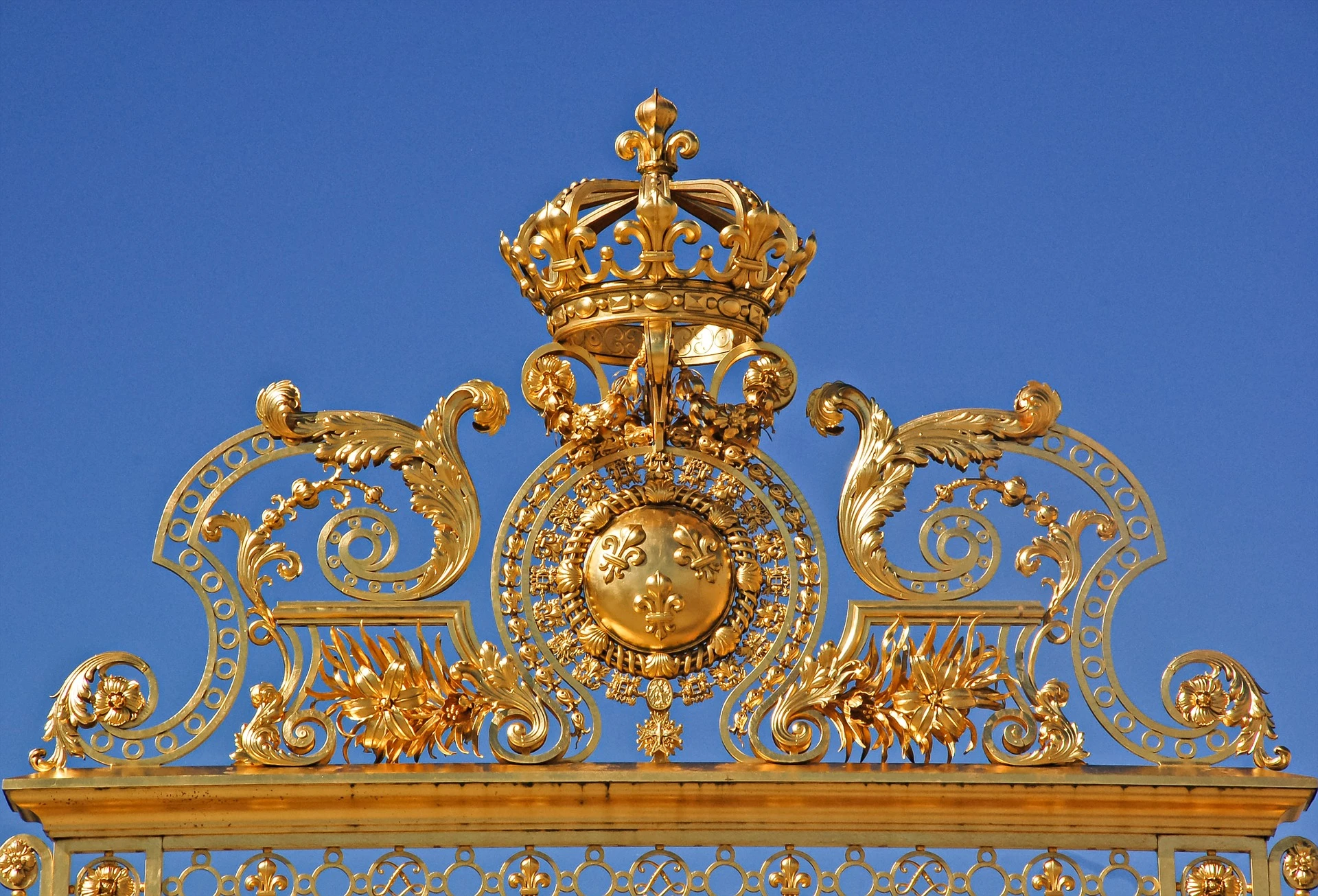
The gold-leafed gate bearing the coat of arms of France that closes off the main courtyard at Versailles / photo selected by Monsieur de France: by Rodrigo Pignatta from Pixabay
Versailles comes next, almost as a matter of course. It must be said that the Palace of the Kings is very close to Paris, even though it was built far enough from the capital to prevent the people of Paris from visiting too often. This worked for over a century before the women of Paris came to fetch King Louis XVI and his family at the start of the French Revolution. There are places whose mere mention is enough to bring an era to life. Versailles is one of them. The palace is not merely vast or sumptuous; it is one of the places where France sought to present itself to itself and to the world. The decor, the light, the apartments, the Hall of Mirrors, the gardens, the paths, the fountains, the Trianons—everything comes together to showcase a certain idea of power, culture, and order. Here again, take the time to stray from the beaten path. The Hall of Mirrors is sublime, but what a delight it is to stroll through the park and arrive at the Petit Trianon!
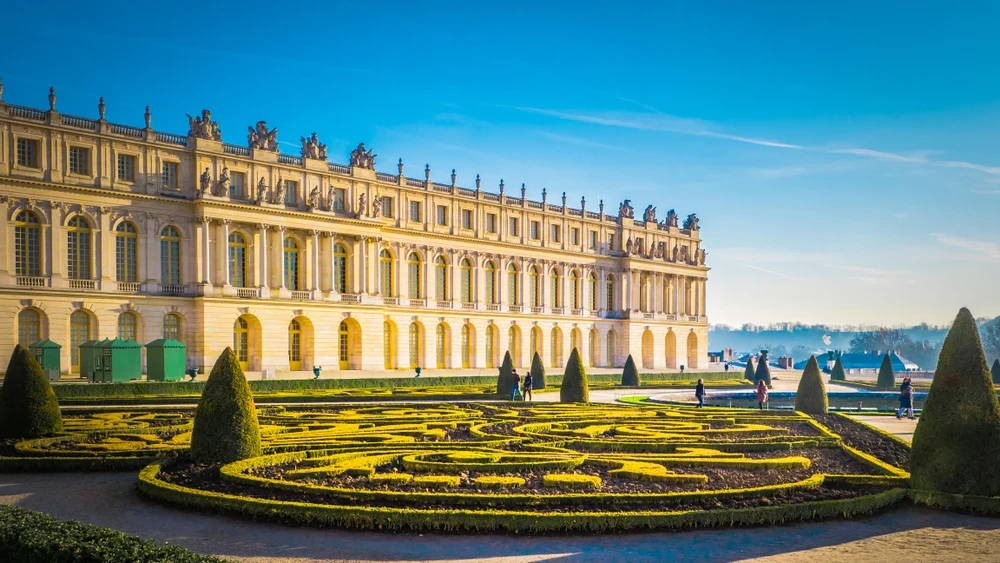
The Gardens and Palace of Versailles / Photo by Vivvi Smak/Shutterstock.com
But Versailles deserves more than just a mandatory visit. What makes it so compelling is precisely what goes beyond the scenery: the clever use of space, the relationship between the palace and the gardens, the way the site transforms politics into theater, and the way water, statues, and vanishing points contribute to a lesson in grandeur. It is also Versailles that made France the country of luxury and fashion. This is where the French demand to link beauty and excellence was born. For anyone who wants to understand France, Versailles is not a detour. It is a central chapter.
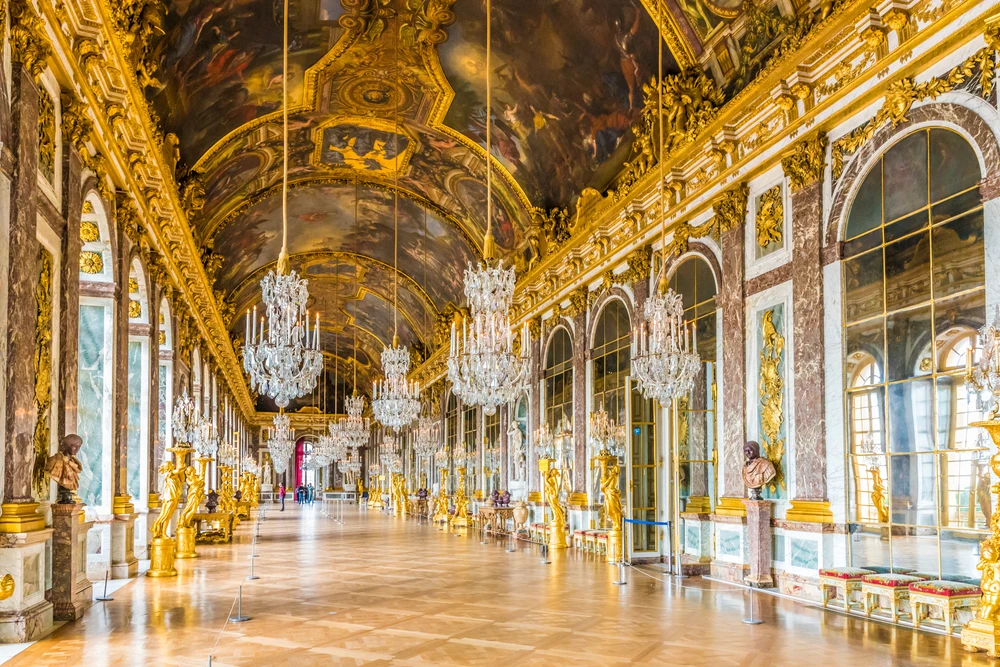
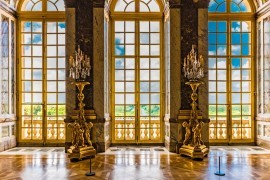
The Hall of Mirrors and its famous candelabra / Photo: Shutterstock
👉 The must-see highlights of Versailles
👉 Paris and Versailles in a weekend
This Paris–Versailles pairing also has a practical advantage: in a short time, it offers a rich immersion in history, art, urban life, leisurely strolls, the beauty of the gardens, fine dining, and cultural symbols. Only then can the country open up more fully.
The Loire Valley: France’s land of castles, gardens, and harmony
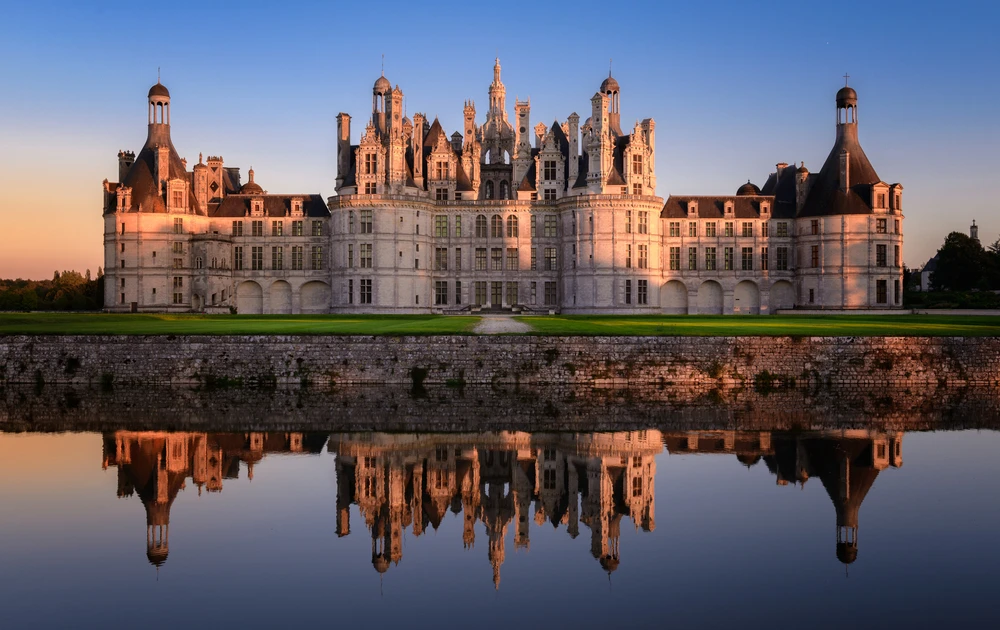
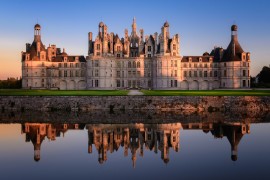
Chambord Castle Photo by Tsomchat/Shutterstock
The châteaux are, of course, the main attraction: Chambord, Chenonceau, Amboise, Azay-le-Rideau, Cheverny, Villandry, and many others make up a constellation that is virtually unique in Europe. But to reduce the Loire to its castles would be a mistake. The Loire Valley is the garden of France. And it is no surprise that, for a long time, kings chose to live there. The climate is milder, and the Loire River marks the dividing line between northern and southern France. Here the days are bright, and the wind is less strong. The white stone takes on magnificent hues, whether early in the morning or in the pink glow of a sunset—a secret that only France knows. It’s also a place that invites you to settle in. A small square in Amboise for a quiet lunch. The garden of the rural guesthouse you’ve booked, where you can read in peace. Visit a castle in the morning, let the kids play in the garden in the afternoon...
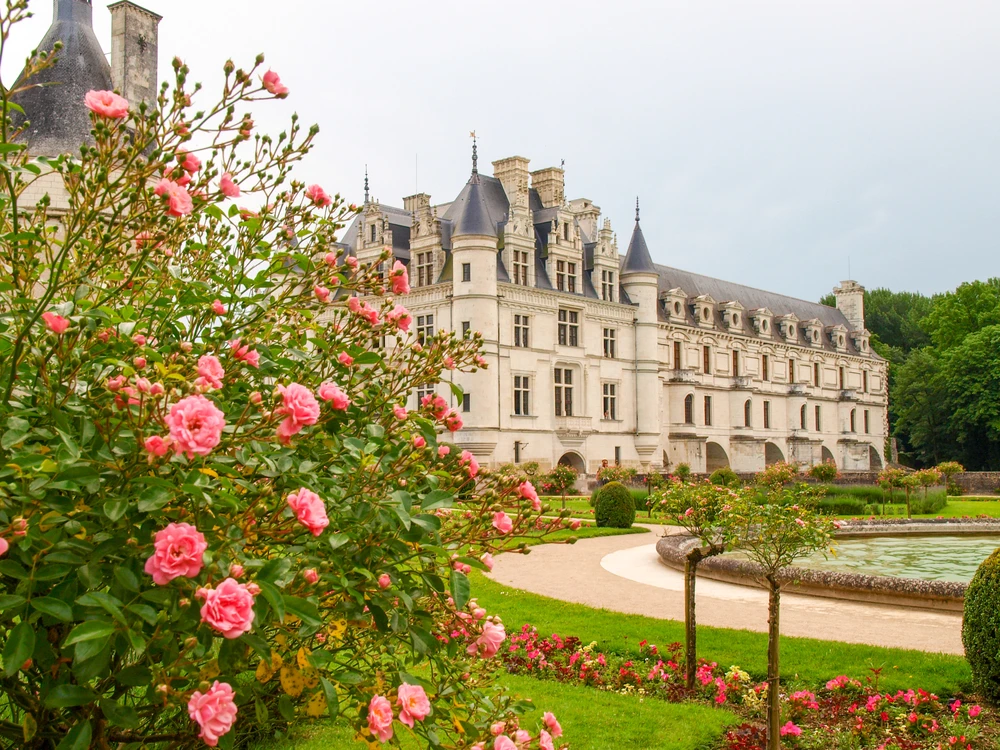
The Renaissance gardens of Chenonceau Castle. Photo selected by monsieurdefrance: Mor65 via Depositphotos.
The Loire Valley is the perfect choice:
- for those who love heritage,
- for those who want to alternate between sightseeing and a relaxed lifestyle,
- for couples traveling together,
- for those traveling with their families,
- to those who seek a France that is noble, but not set in its ways.
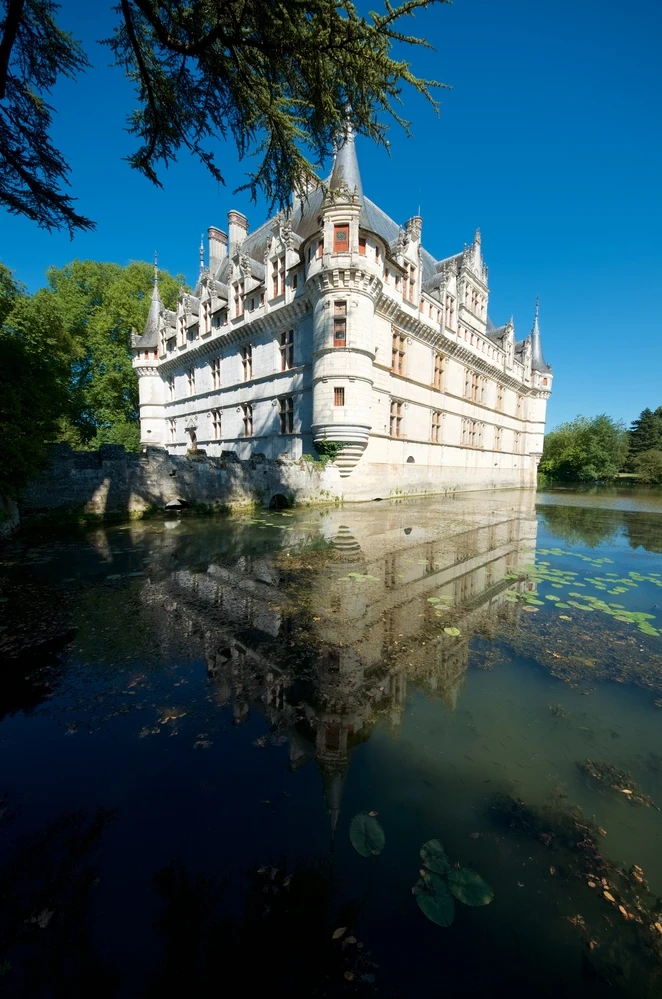
Azay-le-Rideau. Photo selected by Monsieurdefrance.com: Pedro2009 via Depositphotos.
👉 Discover the secrets of Chambord
👉 Chenonceau, the ladies' castle.
Normandy: history, cliffs, orchards, and villages
Normandy is one of France’s most diverse regions. It captivates travelers with its landscapes, history, cuisine, towns, and instantly recognizable landmarks. The cliffs of Étretat, Mont-Saint-Michel, the D-Day beaches, Bayeux, Rouen, Honfleur, Caen, the orchards, cider, cheeses, and half-timbered houses: everything you need for a magical getaway just 2 hours from Paris.
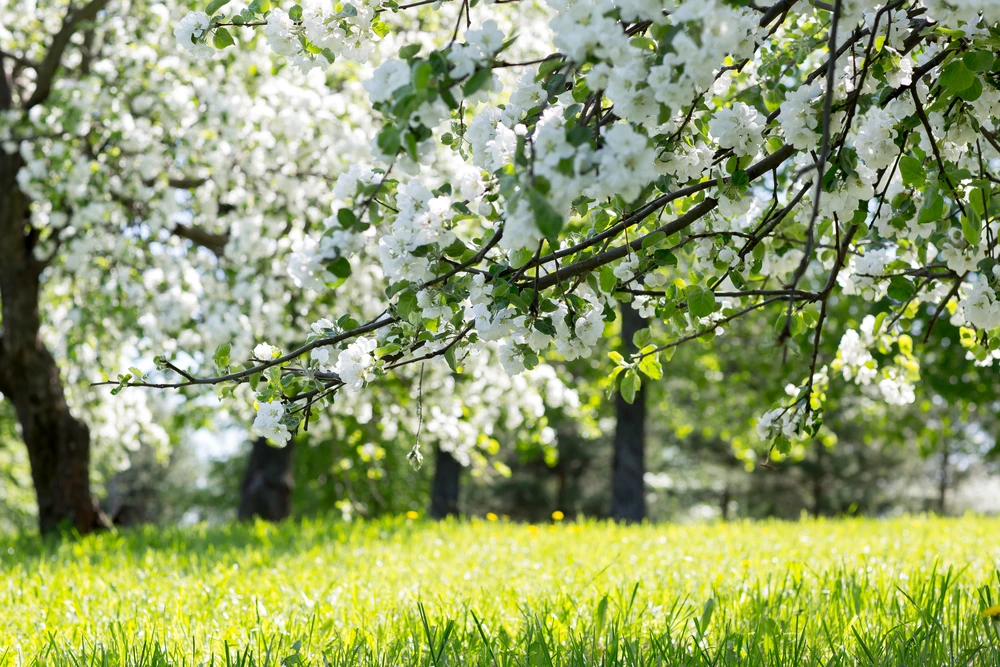
Apple trees in bloom somewhere in Normandy. Photo selected by monsieurdefrance.com via Depositphotos
But what makes Normandy so appealing isn’t just the collection of big names. It lies in its balance. Just like the Norman character, known for its hesitancy, nothing really imposes itself. Everything has its place. The sea is present without overwhelming the rest. History is strong without making the journey feel heavy. The cities maintain a sense of moderation. The countryside brings a gentle touch. The cuisine extends the landscape. Every part of Normandy is a response to another part. This region also has a mosaic-like quality, with the unique feature of comprising multiple "countries" that are all variations on the Norman theme.
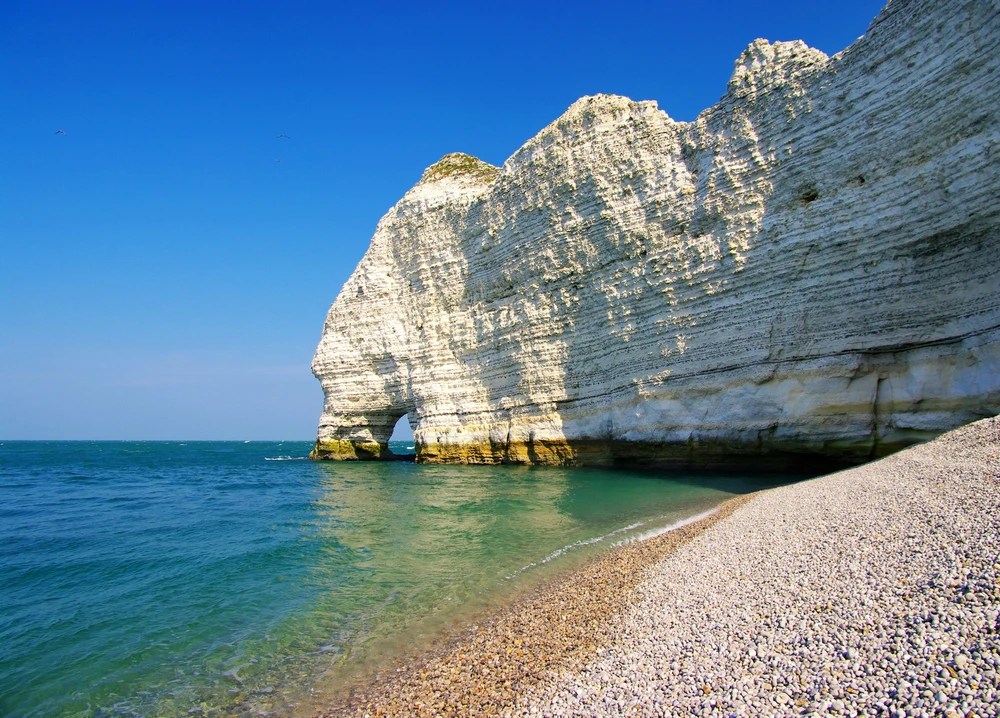
The high cliffs of Etretat / photo selected by Monsieur de France via Depositphotos.
For a first trip, Normandy is an excellent choice. It’s close enough to Paris to easily fit into an itinerary. It offers major attractions. It allows for a variety of experiences: a day at Mont-Saint-Michel, another in Bayeux or at the D-Day beaches, a stop in Honfleur, a stroll through Rouen, a visit to the market, and a lunch featuring local Normandy specialties. It appeals to history buffs as much as it does to travelers who simply want to see beautiful sights and enjoy good food.
Normandy also has a quiet advantage: it doesn’t need to go overboard to impress; besides, it’s not at all in the Normans’ nature to try to impress. A seaside promenade, a half-timbered village, a meadow dotted with apple trees, a cheese platter, the gray light on a vast beach… all of this is enough to create enough memories to leave feeling grateful.
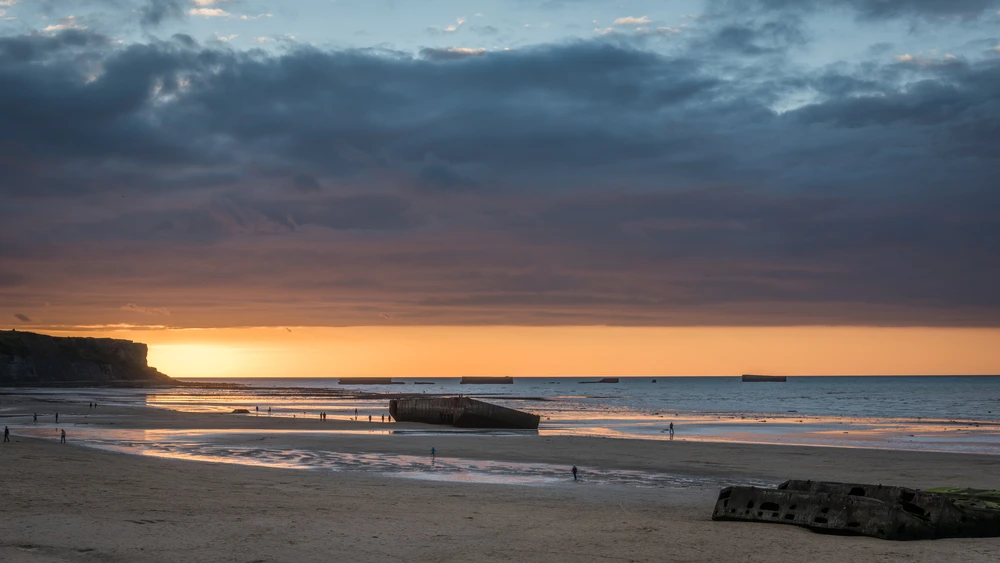
GOLD Beach at sunset. Photo selected by monsieurdefrance.com: mountaintreks via Depositphotos.
This region is particularly suitable for:
- for travelers who enjoy the diverse landscapes between the sea and the countryside,
- for those seeking an elegant, gourmet France steeped in history,
- for couples,
- to families,
- for those who love cliffs, villages, and beautiful towns,
- for those who want to combine history, culture, fine dining, and the great outdoors.***
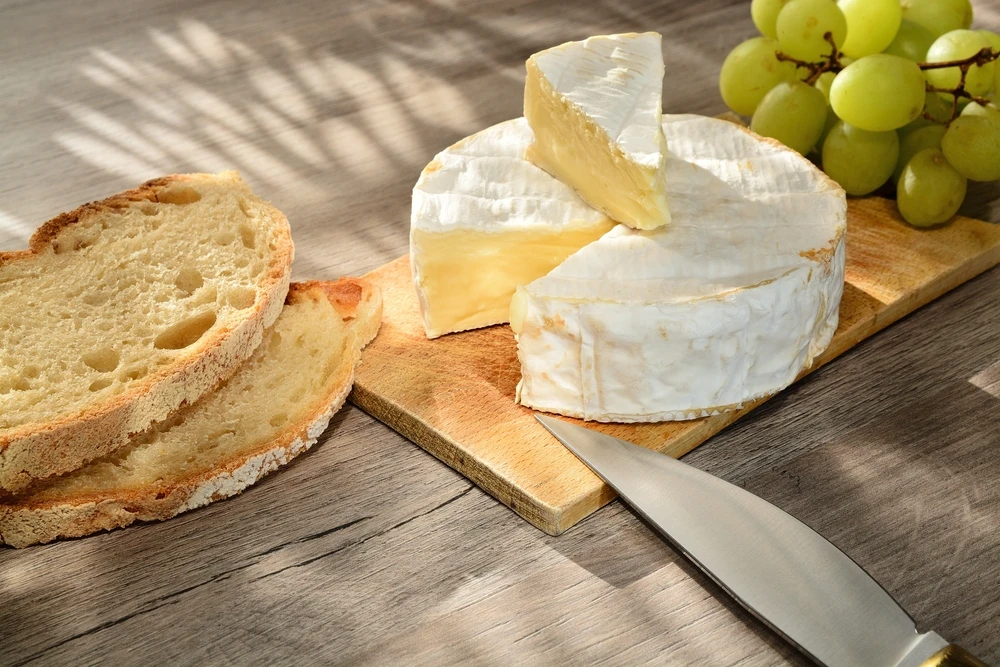
A Camembert cheese / Image by Pro Video/Shutterstock
👉 My favorite stops in Normandy
👉 A week-long vacation in Normandy: itineraries, places to see, and places to stay.
Brittany: character, wind, and timeless landscapes
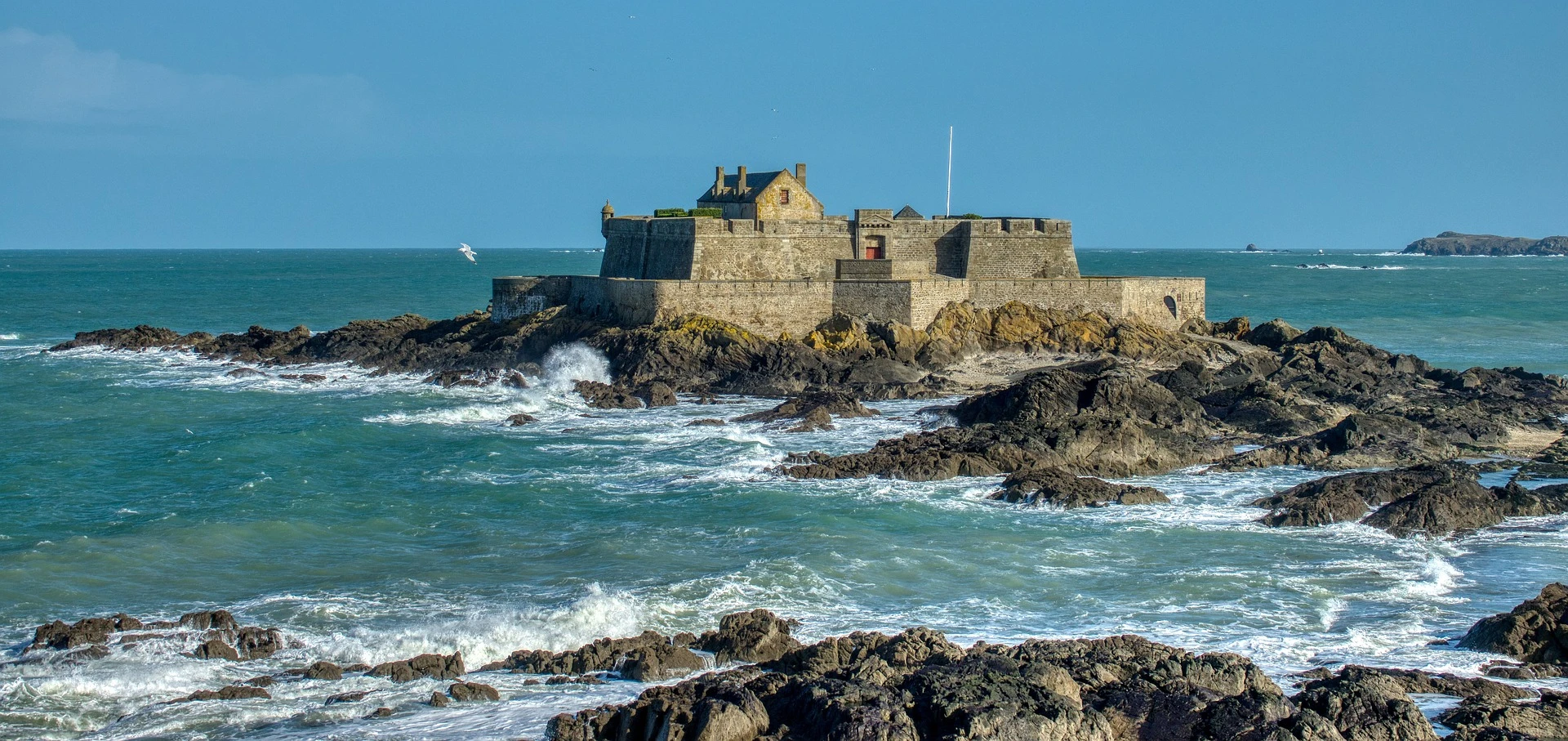
One of Saint-Malo's fortified islets: Fort National at high tide/ Image by Thierry BEUVE from Pixabay
Brittany rarely leaves anyone indifferent. Perhaps because it has character. Surely because it has its own distinct identity. A culture all its own and residents who are proud of it. The ramparts of Saint-Malo, the headlands, lighthouses, beaches, ports, islands, chapels, coves, tides, and granite tell a profound story. You don’t just “consume” Brittany: you grow attached to it.
One of Brittany’s greatest strengths is that it is constantly changing and full of surprises. Just the climate alone : The wind, the clouds, the shifting light, the eddies, and the tides give the journey a truly rich sensory experience. Even the grayest days have character. It is one of the few regions where the changing weather adds to the charm rather than detracting from it.
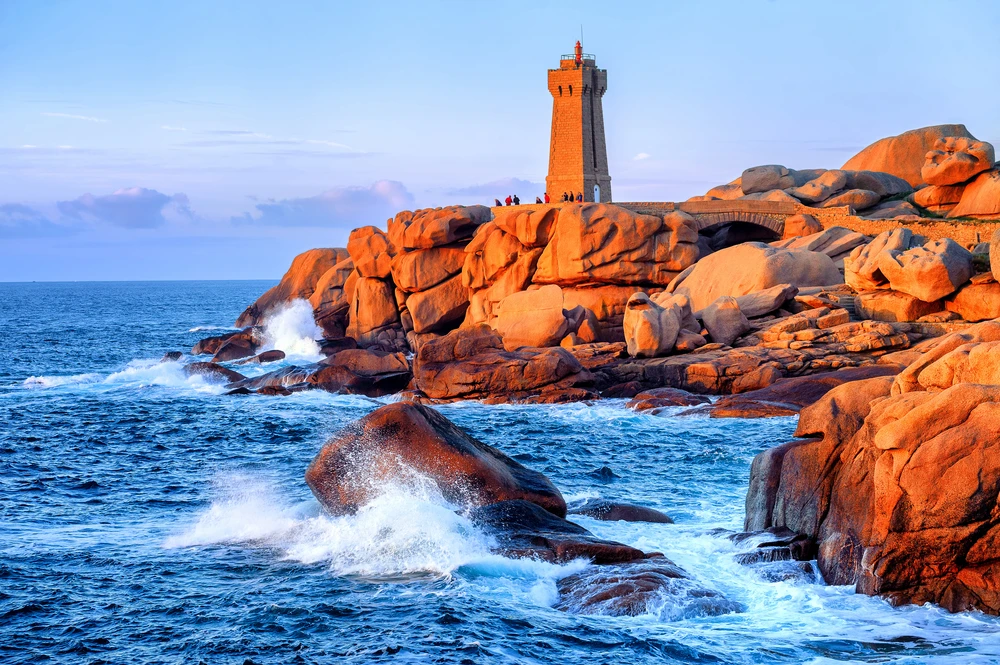
The Ploumanac'h Lighthouse photo selected by monsieurdefrance.com depositphotos
Brittany is also a very welcoming destination for extended vacations. You can stay there with your family, visit as a couple, plan a route from town to town, or choose a single base for a few day trips. Saint-Malo, Dinard, the Pink Granite Coast, the Gulf of Morbihan, Quimper, Concarneau, the islands, and certain small ports offer just as many ways to experience the region. It is the land of green and honest tourism. Here, tourist traps are rare because the locals themselves keep a watchful eye. It must be said that the Bretons are the foremost tourists in their own Brittany, so much do they love their region.
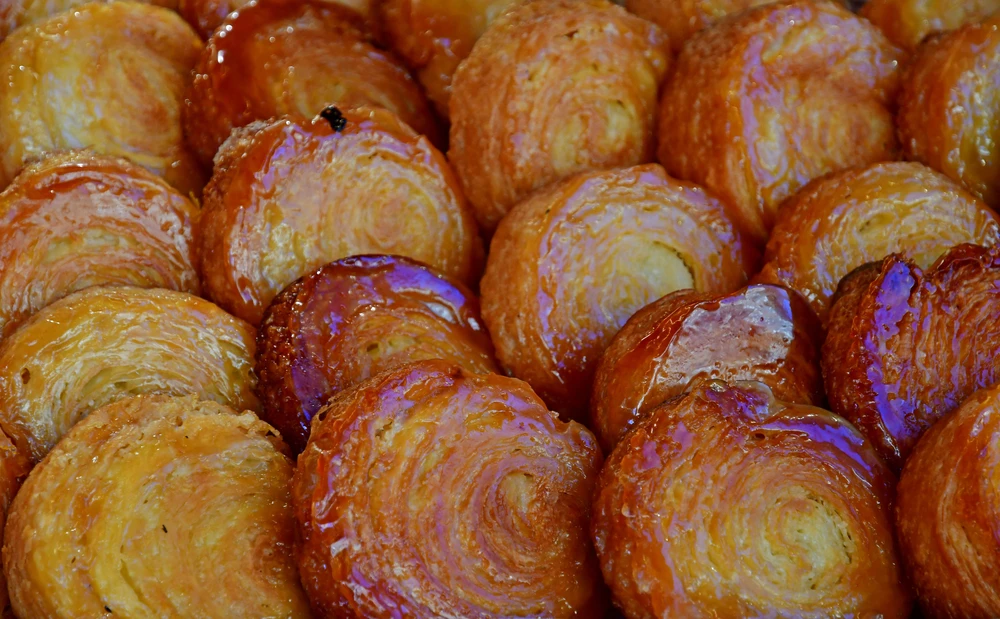
Butter, sugar, flour... Just three ingredients, and yet making Kouign Amann isn't easy. Photo selected by monsieurdefrance.com: Depositphotos.
And then there’s the food: crêpes, galettes, seafood, fish, salted butter, caramel, kouign-amann, markets, and local products. In Brittany, eating is like becoming a little bit Breton.
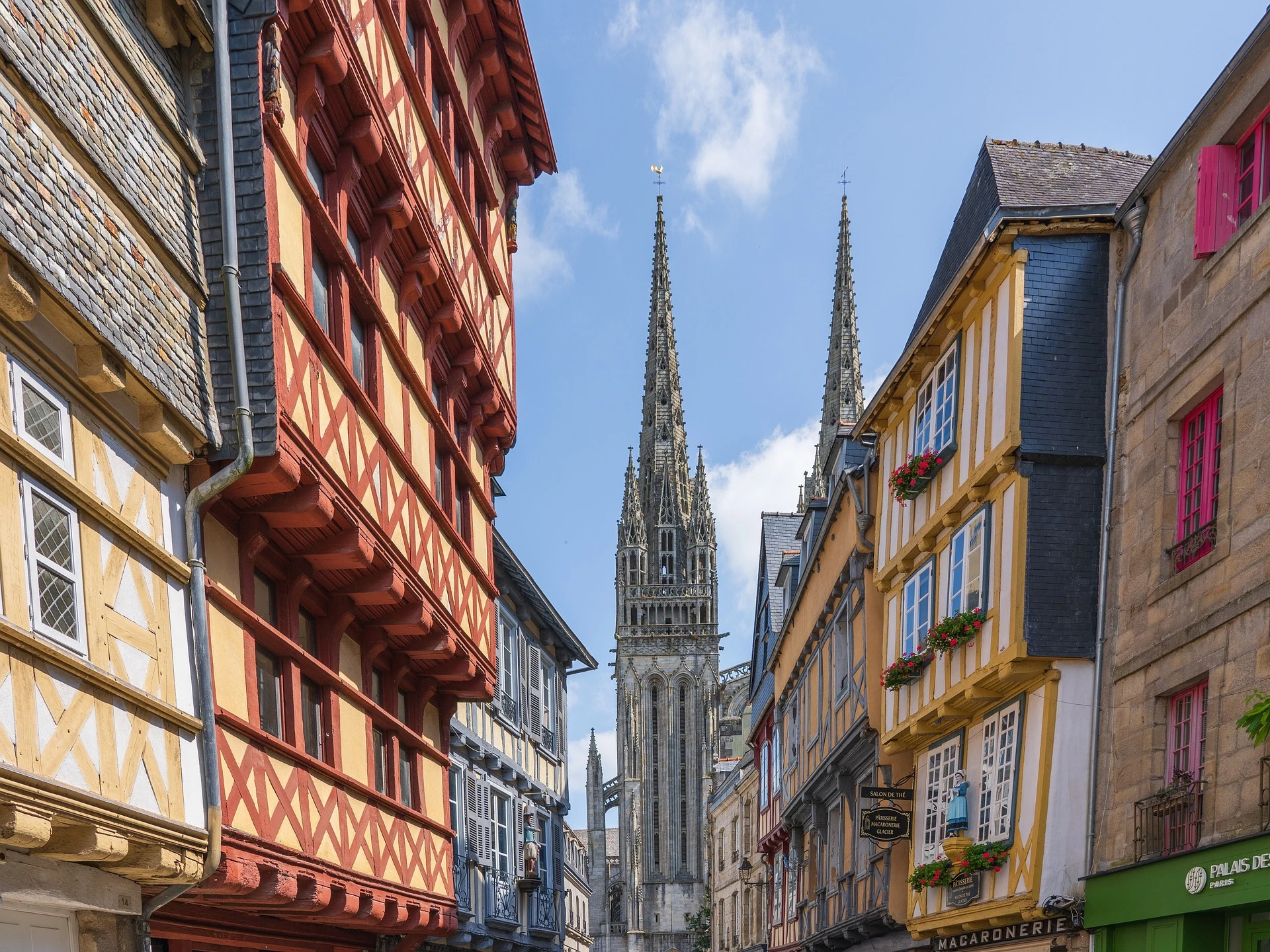
The narrow streets around Quimper Cathedral / Photo selected by monsieurdefrance.com: Image by Christel from Pixabay
This region is particularly suitable for:
- for travelers who love the sea and picturesque landscapes,
- for those seeking a France that is more rugged, more vibrant, and more coastal,
- for couples,
- to families,
- for those who love ports, ramparts, and walks in the great outdoors,
- for those who want to combine cultural heritage, fine dining, and ocean views.
👉 Discover the hidden side of Brittany.
👉 10 Must-See Sites in Brittany
Provence: sunshine, villages, and the good life

Grignan: Photo by JFFotografie/Shutterstock
Provence holds a special place in the French imagination. It’s not just a beautiful region; it’s the region for vacations—a land of sunshine, markets, shaded squares, and leisurely lunches. People don’t come here just to see the sights; they come to have a good time and savor the moment.
Hilltop villages, light-colored facades, shutters, olive trees, markets, aromatic herbs, summer fruits, fountains, pale stone, and the light of morning or late afternoon create an instantly recognizable atmosphere. Provence succeeds in turning simplicity into elegance. A village square, a bench in the shade, a terrace, a road between two hills, a tomato stand at the market: sometimes that’s all it takes to feel that you’re exactly where you wanted to be.
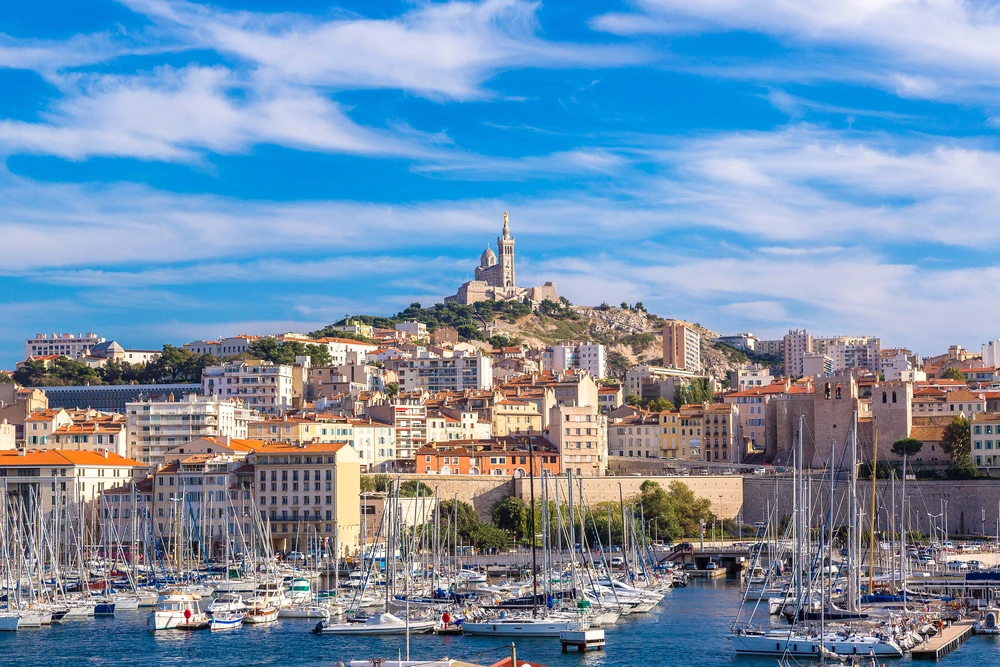
Marseille: the Old Port and the Bonne Mère Photo by Sergii Figurnyi/Shutterstock.fr
This region is particularly suitable for:
- for travelers who love villages,
- for those seeking a France that appeals to the senses,
- for couples,
- for market lovers,
- for those who want to combine cultural heritage with a relaxing experience.
Provence also has its own unique culinary delights. Olive oil, garlic, sun-ripened vegetables, ratatouille, herbs, tapenades, fruit markets, local wines, pastries, and sweets give a trip here a flavor quite different from that of Brittany or Alsace. The light and the cuisine speak the same language here.
The Treasure of the French Riviera
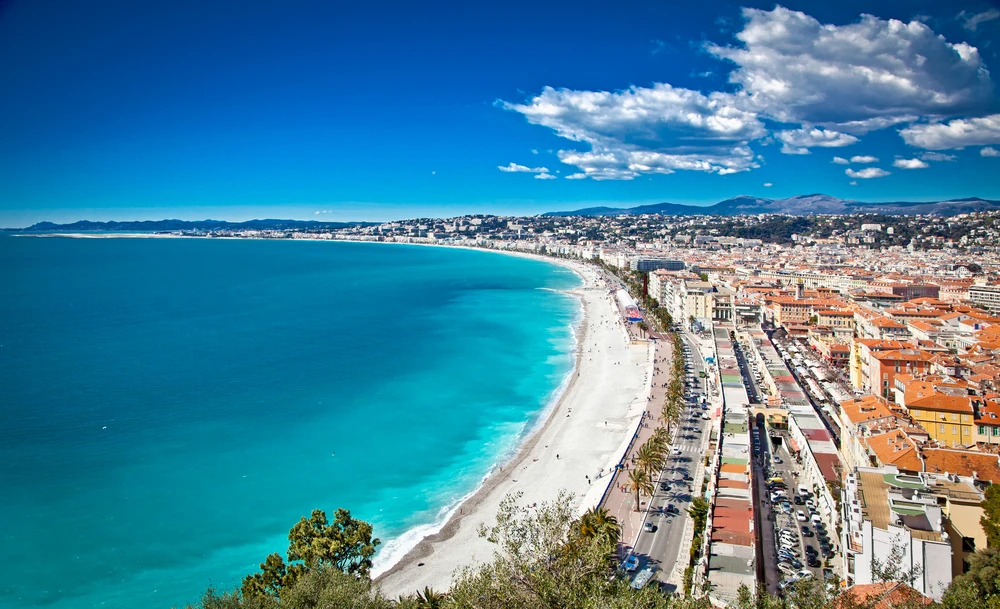
Nice and the Bay of Angels / Photo by Aleksandar Todorovic/Shutterstock.com
This is the part of France—outside of Paris—that is most famous worldwide. Nice, Cannes and its famous film festival, the yachts, the crowded beaches... But it’s so much more than that. The Côte shimmers with the brilliance and movement of the deep blue sea. Here, the scenery constantly shifts between beaches, harbors, cliffs, villas, exotic gardens, and old towns clustered around their narrow streets, yet the Mediterranean Sea is always there to remind you of its presence. People come here to experience a very special feeling: that of a South that is more vibrant, more luminous, and more theatrical as well, where the water, the sky, and the stone seem to be constantly seeking to respond to one another. The French Riviera is home to bustling cities as well as charming villages like Eze or Saint-Paul-de-Vence. It’s a chic dinner on the Promenade des Anglais and a game of pétanque in a small hamlet.
What stands out on the French Riviera is the ever-present Mediterranean Sea. It sets the tone for the day, gives rhythm to strolls, and even sets the mood for the towns. Nice, Villefranche, Menton, Antibes, Cannes, and Saint-Jean-Cap-Ferrat don’t offer exactly the same experience, but they all share this blend of bright light, seaside elegance, and the gentle cool of the evening. You don’t go to the French Riviera to retreat from the world: you go there to fully enjoy the scenery, the sea, and that lighthearted energy that comes with a perfect vacation.
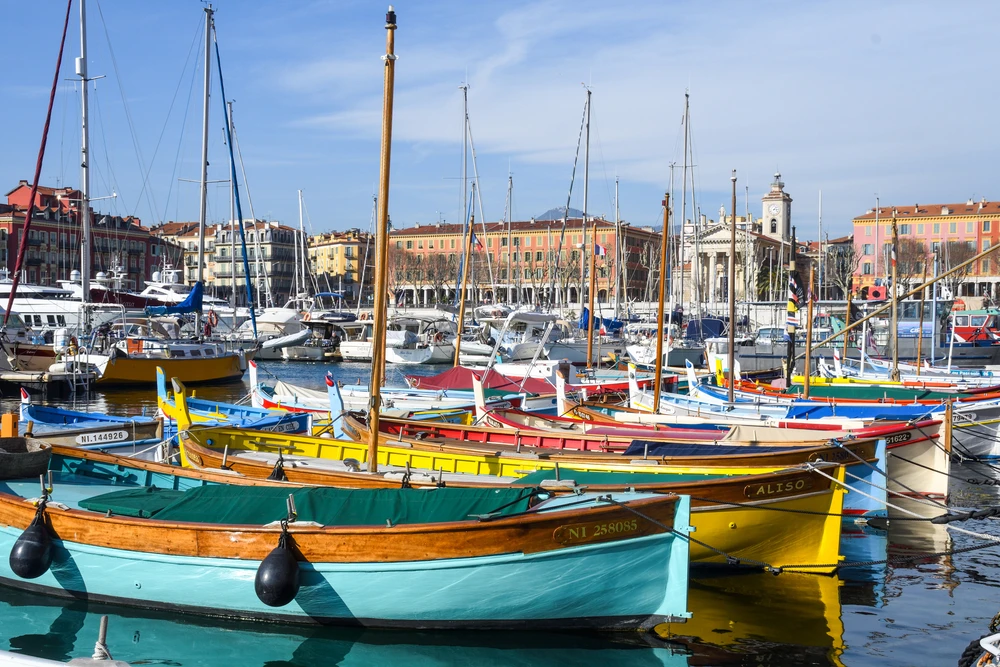
The Port of Nice / photo by Cristina.A/Shutterstock.com
This region is particularly suitable for:
- for travelers who come first and foremost for the sea, the sun, and the light,
- for those who are looking forward to a vacation, swimming, sunbathing, and spending time outdoors,
- for couples,
- for those who love beaches, coves, harbors, and beautiful seaside walks,
- for those who want to alternate between relaxing, hilltop villages, historic towns, fine dining, and picture-perfect scenery.
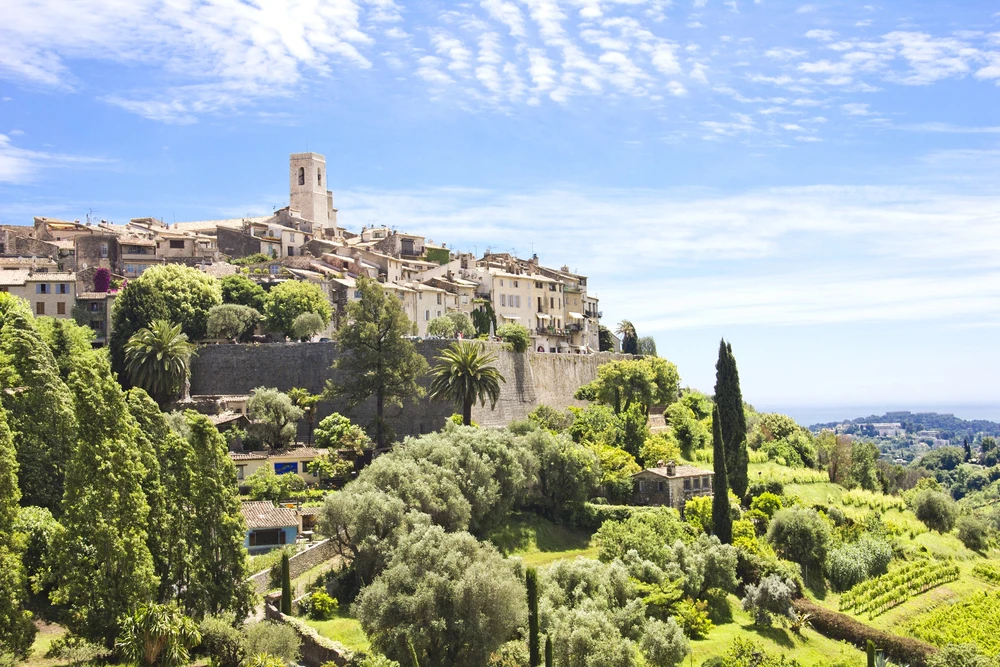
Saint-Paul-de-Vence perched on its rocky outcrop overlooking the landscape / Photo selected by monsieurdefrance.com: depositphotos.
👉 A week-long stay on the French Riviera: itineraries, places to see, places to stay.
Alsace and Lorraine: Heritage, Festivals, and the Refinement of Eastern France
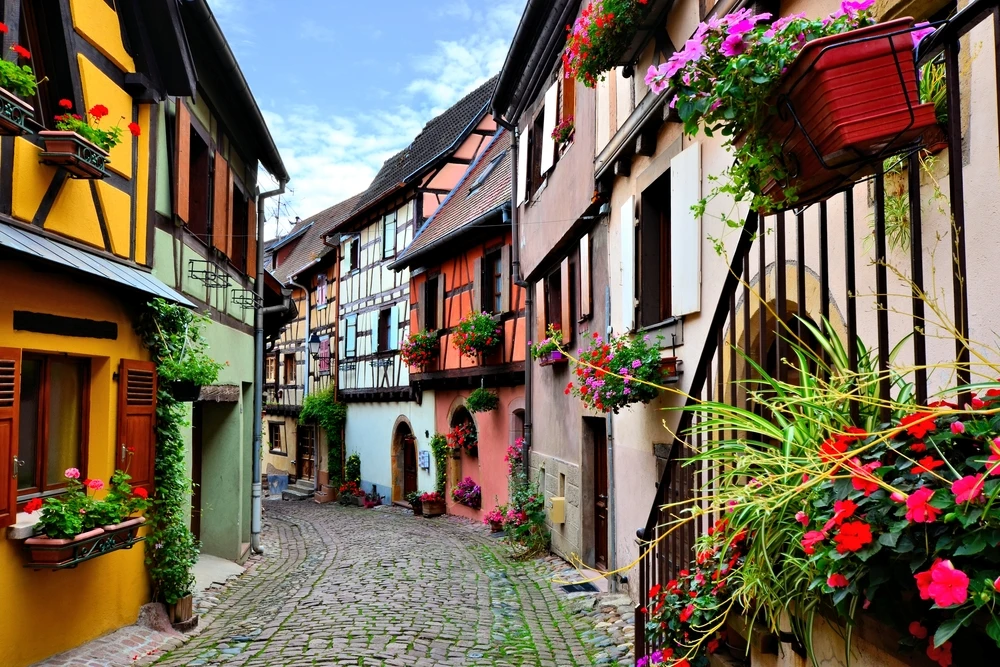
Facades in the village of Eguisheim in Alsace. Photos selected by monsieurdefrance: JeniFoto via depositphotos.com
Eastern France is a true delight for those who love elegant cities, traditions, heritage, and fine dining.Alsace offers flower-filled villages, half-timbered houses, canals, Christmas markets, vineyards, and a strong sense of identity. It has its own language and legendary culinary specialties such as sauerkraut and baeckeoffe . Strasbourg remains one of the highlights of the region. Its cathedral, Petite France, canals, narrow streets, and Christmas markets alone are enough to justify the trip. Colmar, on the other hand, offers a more intimate, picturesque charm, almost like a miniature. Everything there seems designed for the eye, yet remains vibrant and alive.
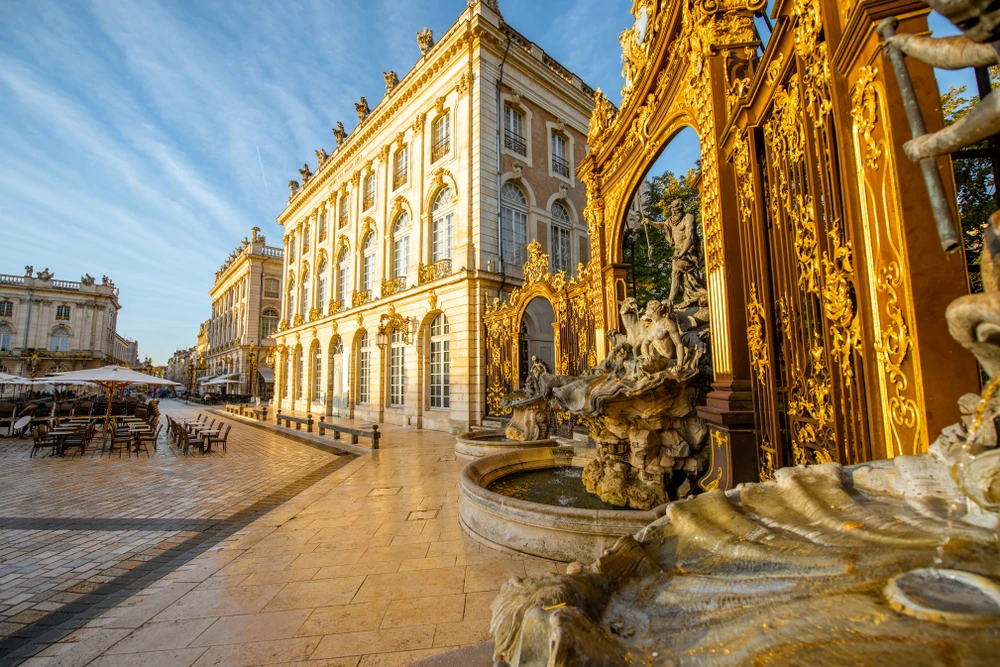
Place Stanislas in Nancy, with its golden railings bathed in the morning sun / Photo selected by Monsieur de France: Shutterstock
For its part, Lorraine often surprises visitors with the beauty of its elegant cities—whether Nancy or Metz—its forests, its rich historical heritage, and its penchant for Art Nouveau. It captivates visitors with its cuisine and, above all, its pastries. It offers a more laid-back atmosphere than one might imagine. Nancy holds a special place along this route. It is one of the most elegant cities in France. Place Stanislas, the Old Town, Art Nouveau, its pastries, and its urban charm give it a unique character. Metz, with its blonde stone, its cathedral and its gardens, offers a different atmosphere: calmer, brighter, and more subdued.

A delicious Alsatian sauerkraut dish. Photo selected by monsieurdefrance: myviewpoint via dépositphotos.com
The Grand Est region is particularly well-suited:
- to heritage enthusiasts,
- for travelers who enjoy cities on a human scale,
- for those who appreciate traditions,
- to those who love the Christmas spirit
- for food lovers,
- for those who love the decorative arts.
It’s also a great place to visit for a second trip, especially if you want to stray from the most popular routes without missing out on a wealth of sights.
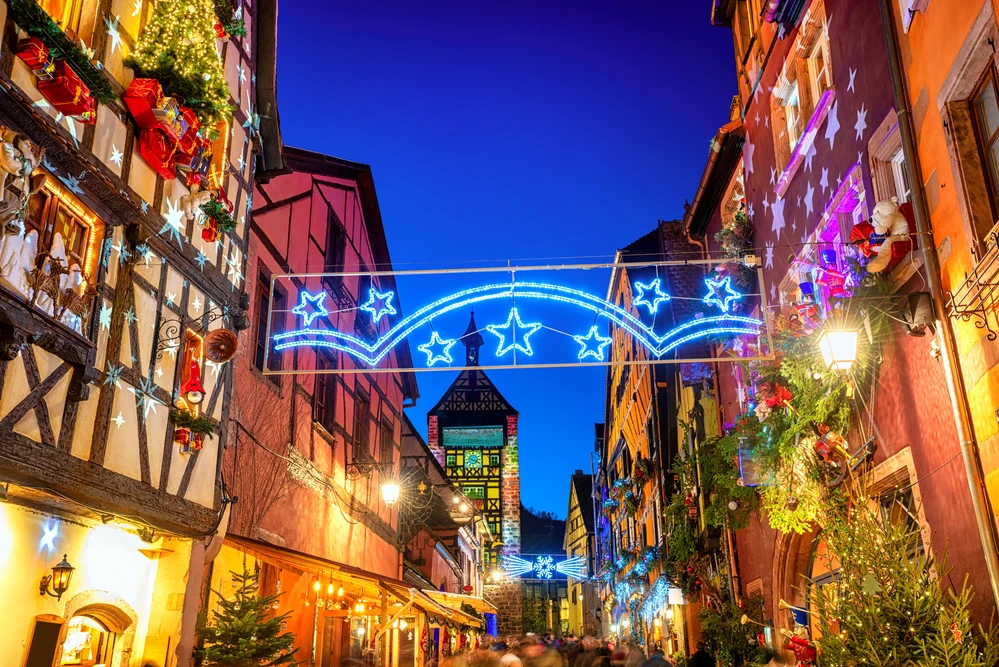
View of the Riquewihr Christmas Market / Photo selected by monsieurdefrance.com: Xantana via depositphotos.com
👉 Experience the Christmas markets in Alsace in just one weekend
👉 Discover Nancy or Metz
Lyon and Burgundy: France’s culinary and cultural heartland
If one were to plan a grand French journey centered on fine dining and refined elegance, Lyon and Burgundy would make a remarkable pairing. Lyon is one of Europe’s great gastronomic cities, but it is not defined solely by its culinary reputation. Its hills, traboules, riverbanks, squares, museums, and history make it a city of true depth. The food is superb, but the city is just as wonderful to explore on foot.
Burgundy, on the other hand, reveals a different side: more rural, more wine-focused, and more laid-back. Villages, wineries, vineyards, churches, abbeys, canals, distinctive cuisine, orderly landscapes, and quiet roads come together to form a region of great character. It appeals to those who appreciate cuisine that is tied to the landscape, and who see the landscape itself as a cultural product.
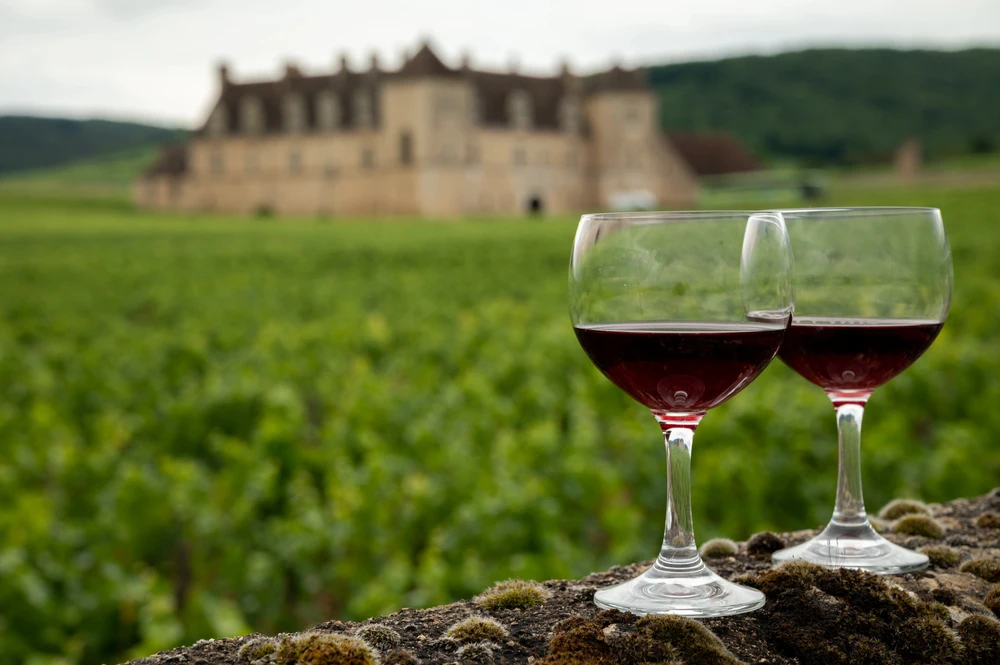
Burgundy is the land of wine / Photo selected by Monsieur de France: foto-pixel.web.de via depositphotos
This axis is perfect:
- for food lovers,
- for wine lovers,
- for travelers who love historic cities,
- for those who want a trip that’s less “spectacular” but more meaningful.
Lyon and Burgundy share a certain sophistication in taste. People there don’t just look; they savor, they compare, they return, and they talk about sauces, cellars, recipes, ingredients, and restaurants. It’s a wonderful way to experience the heart of France.
Corsica: the island of beauty
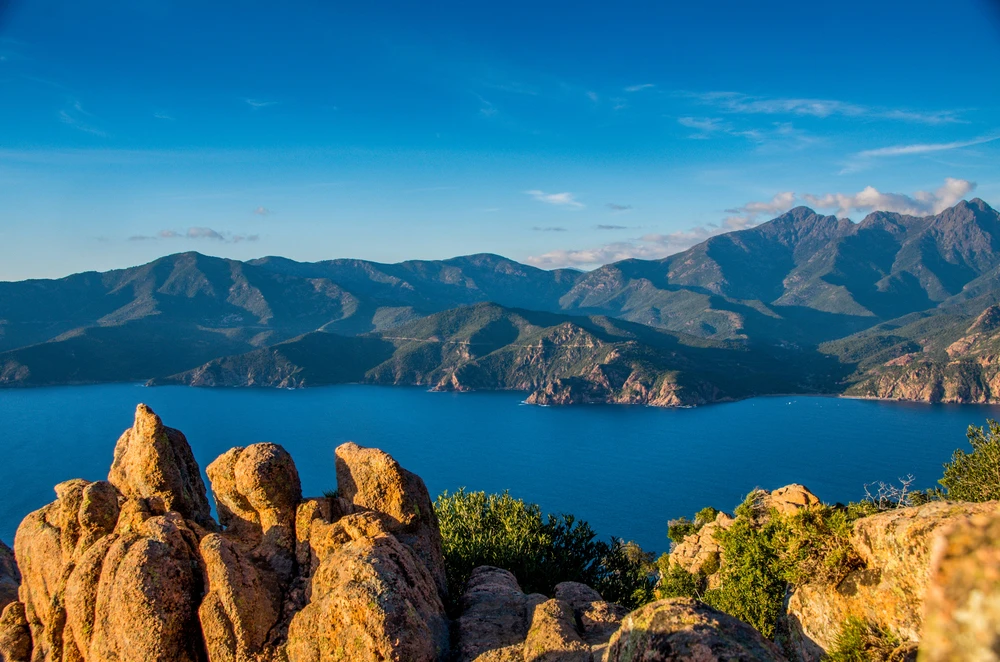
Corsica is a vast mountain with its feet in the sea / Photo selected by Monsieur de France: depositphotos
Corsica isn’t just an island: it’s a world of its own. It immediately captivates with its rugged terrain, the power of its landscapes, and the almost surreal proximity between the mountains and the sea. As soon as you arrive, you realize that it truly deserves its nickname, “the Isle of Beauty.” People come here for the stunning coves, the crystal-clear waters, the dizzying roads, the villages clinging to the slopes, the ports, the scents of the maquis, and that sense of raw beauty that accompanies almost the entire stay. Corsica isn’t content with just being beautiful: it commands a presence. A soul. A proud one... Here, you’ll happily alternate between swimming, scenic drives, lunch on a terrace, hilltop villages, and evenings at the harbor, with the constant feeling of being in a destination more intense than any other.
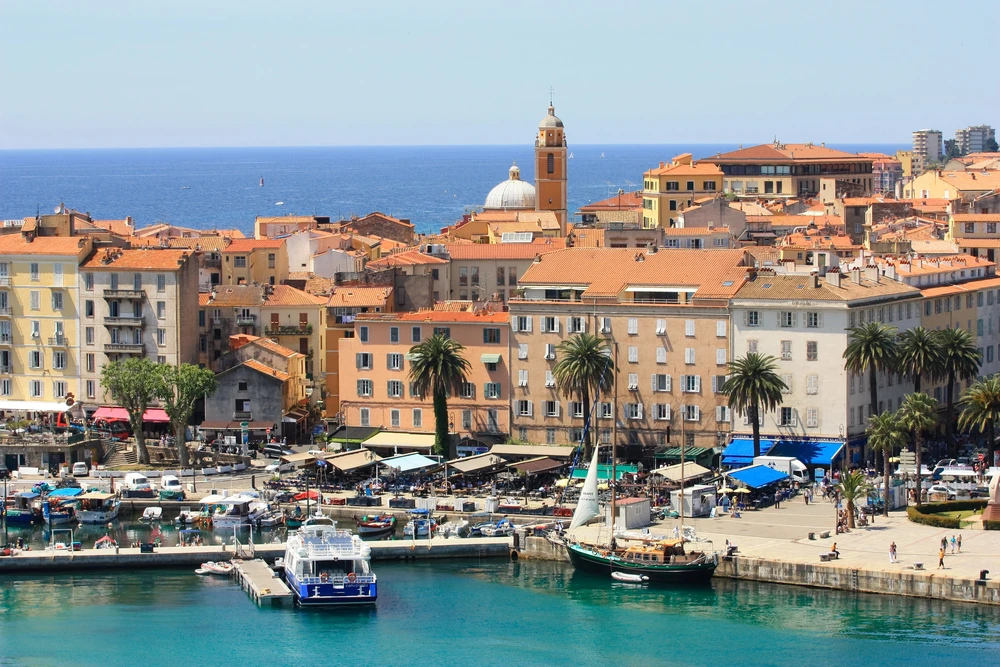
Ajaccio is the capital of Corsica / Photo selected by Monsieur de France: depostphotos
Corsica is particularly well-suited:
- for travelers who love spectacular scenery where the sea meets the mountains,
- for those looking for a destination that’s more intense, wilder, and offers a real change of scenery,
- for couples,
- for those who love swimming, coves, scenic drives, and hilltop villages,
- for those who want to enjoy a mix of beaches, nature, fine dining, quaint little ports, and wonderful vacation days.
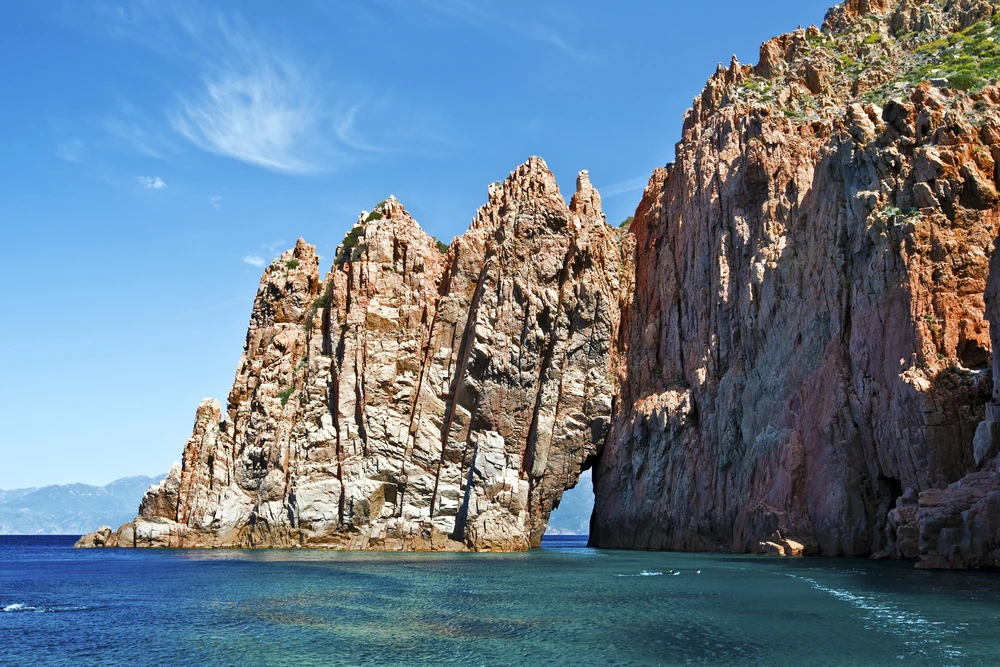
View of the Piana Calanques / Photo selected by Monsieurdefrance.com: depositphotos sasha64f
The Basque Country: a land of character
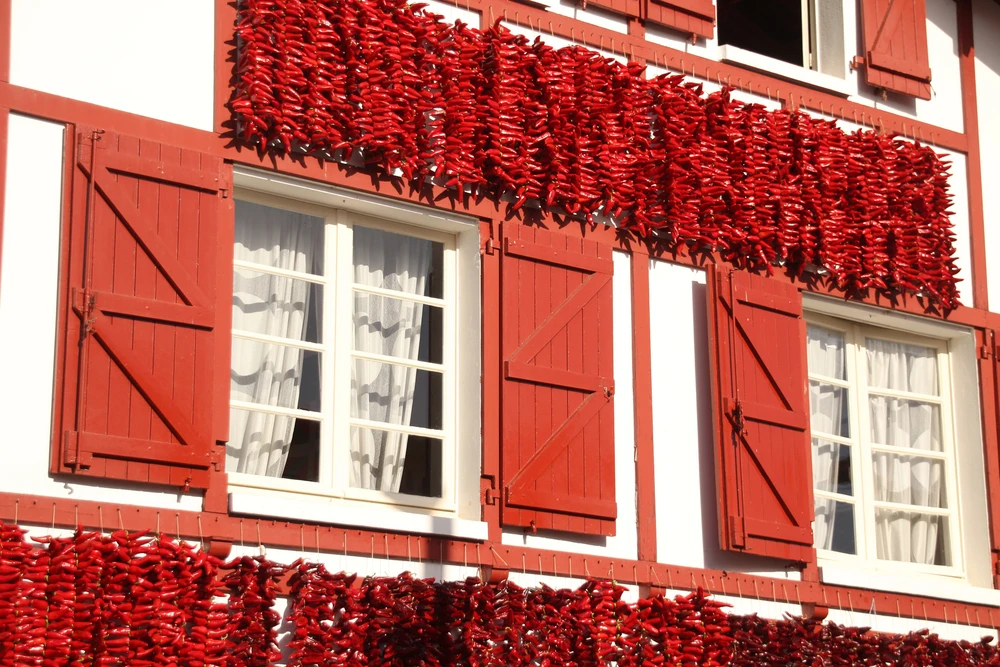
A typical Espelette facade, white and red, with chili peppers hanging from it / Photo selected by Monsieur de France: Gorazarre via Depositphotos
The Basque Country has a character that is instantly recognizable. With its ocean, hills, white and red villages, ports, markets, festivals, rugby, cuisine, and accent, it exudes a very special energy. People come here as much for the atmosphere as for the scenery. The coast is beautiful, of course, but the appeal of the trip goes beyond the beaches: you have to meet the Basques to discover their warmth and deep attachment to their homeland. It’s a destination that makes you want to enjoy everything: swimming, walks, aperitifs, fine dining, markets, and lively evenings. It’s particularly popular with surfers and lovers of history and nature.
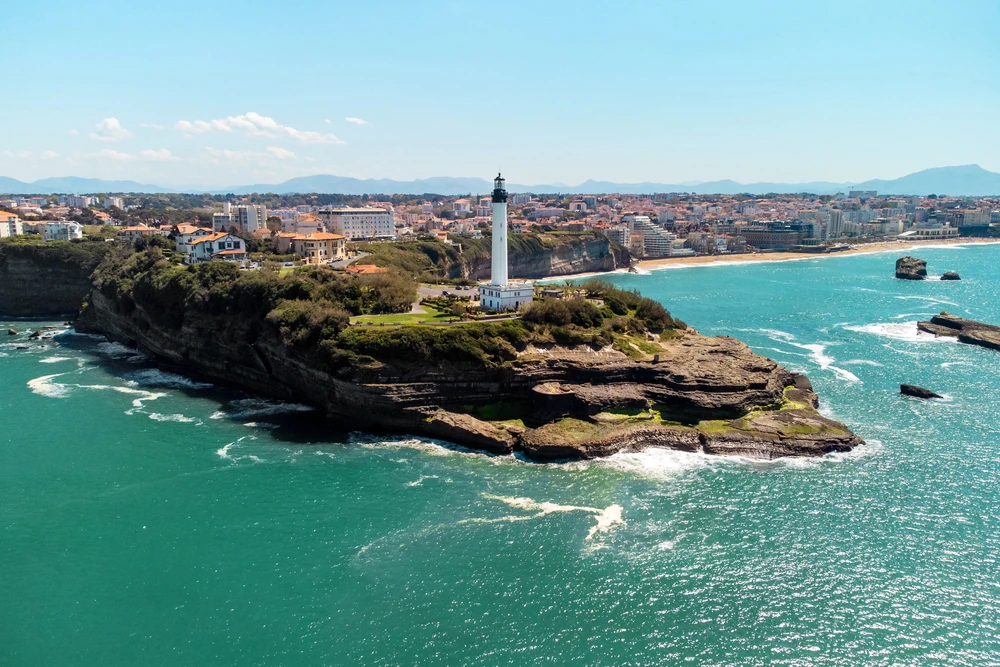
Panoramic view of Biarritz with the white lighthouse and the sea / Photo selected by Monsieurdefrance.com: herraez via depositphotos
The Basque Country is particularly well-suited:
- for travelers who love the sea, quaint villages, and rolling landscapes,
- for those looking for a region with a strong identity and a distinct character,
- for couples,
- to families,
- for those who love surfing, walks, markets, and good food,
- for those who want to enjoy a mix of beaches, historic sites, festivals, fine dining, and a lively atmosphere.
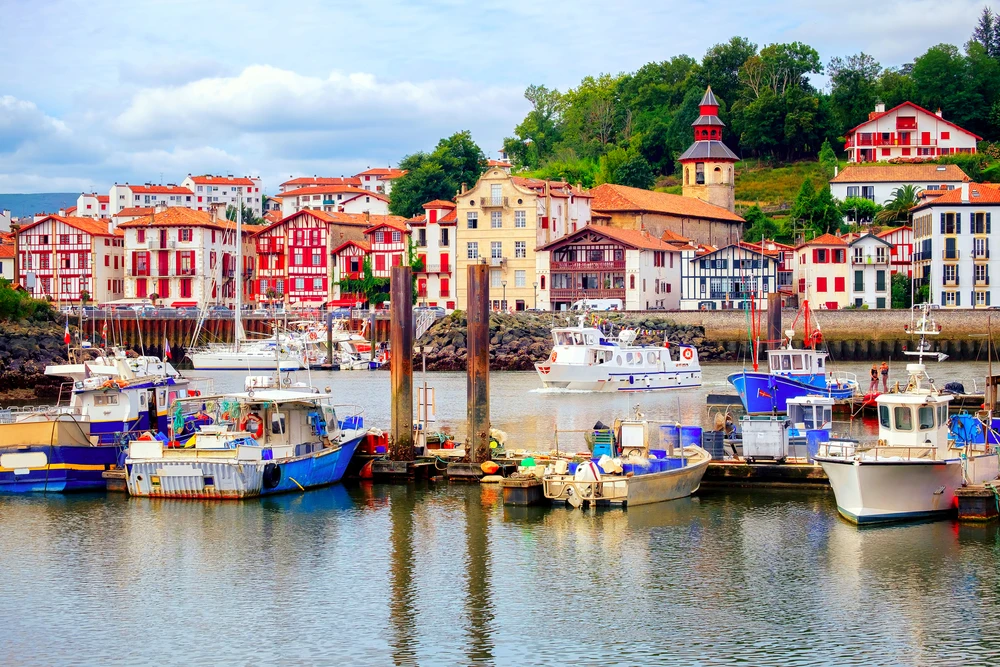
The beautiful town of Saint-Jean-de-Luz, with its harbor and charming colorful houses / Photo selected by Monsieur de France: Xantana via Depositphotos
👉 Everything you need to know about the Basque Country and a complete guide to your trip
The Périgord and its hilltop castles
The Périgord holds a special place in the French imagination because it evokes a sense of an old-world France—generous and deeply passionate about good food. Here, it is a land of castles and trees. The journey takes you through bastides, villages of pale stone, and ancient ruins, with the delightful feeling that every detour might lead to a wonderful surprise. People don’t come to the Périgord just to see beautiful landscapes: they come to eat well, live well, and rediscover a France that is at once sensual, rural, and refined. Foie gras, walnuts, confits, truffles, strawberries, wines, medieval alleyways, terraces, and historic houses make up a region where the good life is anything but a cliché.
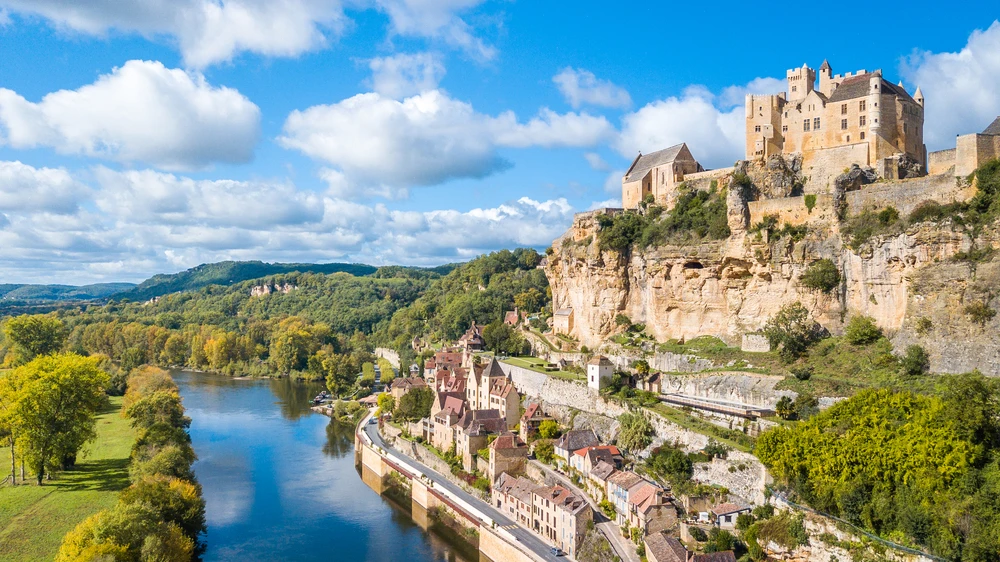
Beynac Castle in Beynac-et-Cazenac. Photo selected by monsieurdefrance.com: jon_chica via Depositphotos.
The Périgord is particularly well-suited for:
- for travelers who love charming villages and historic buildings,
- for those seeking a France that is rich in culinary delights, rural, and welcoming,
- for couples,
- to families,
- for those who love markets, castles, country houses, and scenic country roads,
- for those who want to enjoy a mix of history, scenic beauty, fine dining, and a truly relaxed lifestyle.
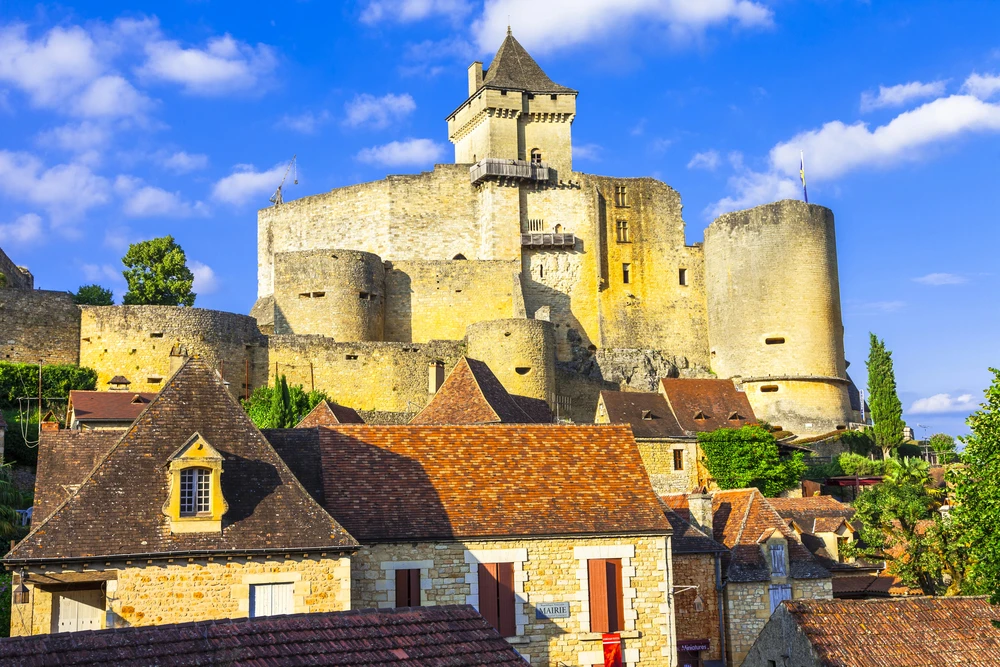
You can see Castelnaud Castle from very, very far away. Photo selected by monsieurdefrance.com: Maugli via depositphotos
👉 Everything you need to know about the Périgord
The Hidden Side of France
There is another France—less famous, less photographed, less expected—and it is often there that it becomes most touching. This is not the France of monuments that everyone already knows, but the one of small towns, peaceful villages, back roads, local markets, unassuming landscapes, and delightful surprises. It’s worth the detour because it offers access to something rarer: the feeling of encountering France without staged scenery, almost at eye level.
The major attractions are impressive, and rightly so. But this more understated side of France offers something else. Where the must-see sights dazzle, it soothes. Where the grand landmarks impose their grandeur, it leaves room for personal discovery. People don’t come here to check off a world-famous monument, but to savor a rhythm, a light, a way of life. A village square, a market café, a small open church, an old facade, a tree-lined road, a bend in the river, or a stone house can leave a more intimate memory—sometimes more lasting than a site seen a hundred times in photos.
It is also a special part of France because it offers a different way to travel. You often spend less there, encounter fewer crowds, take your time, strike up conversations more easily, and get a much clearer sense of local life. You’ll find it in Mayenne, in Orne, in Picardy, in certain valleys of Auvergne, in Drôme Provençale, in the small rural areas of the Centre region, or in those hidden corners you discover without having put them at the top of your list. It may not be the most famous France, but it is often one of the most authentic.
These villages you stumble upon at the bend of a narrow street—a small farmhouse converted into a bed-and-breakfast, a church, a town hall, and a few houses. There is the France of quiet mountains, like those in the Auvergne region. The France of postcards, like in Mayenne or around the Orne. Northern France, too—the less obvious part that reveals so much beauty, especially in Picardy. Who hasn’t dreamed of following a herd of cattle in the Camargue ? This part of France isn’t visited by every tourist, yet it may be the most authentic of all.
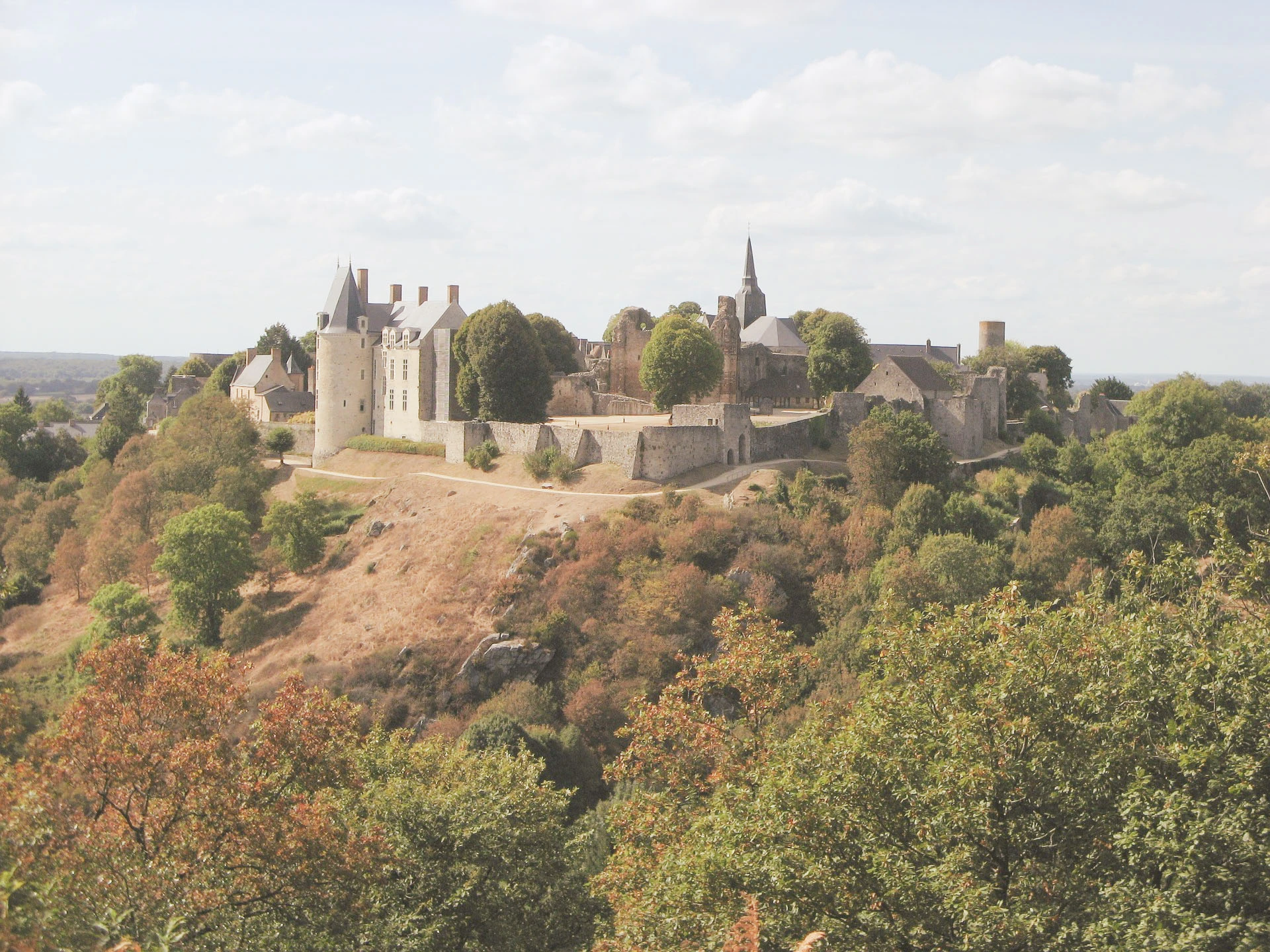
The village of Sainte-Suzanne as seen from Tertre Ganne. Image selected by monsieurdefrance.com: Image by baccus7 from Pixabay
The sea, the mountains, the villages: choosing a more themed France
Not everyone wants to start with the classics. Sometimes it makes more sense to plan a trip around a single theme.
For the sea
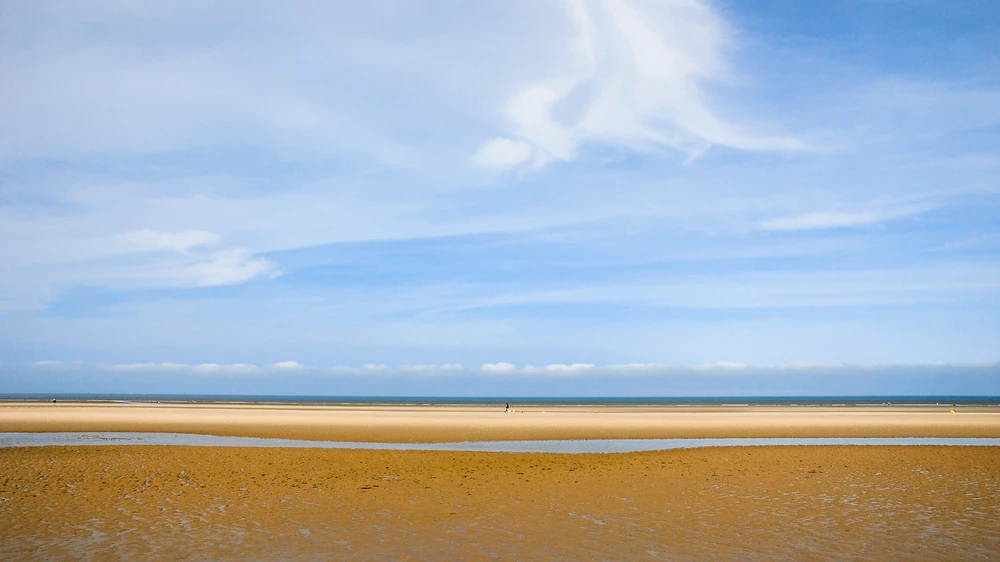
The vast beach at Le Touquet / Photo selected by Monsieur de France: vvoennyy via Depositphotos
Brittany, Normandy, the French Riviera, Corsica, and the Basque Country offer five very different seas or relationships with the sea. Brittany offers wind and stone, Normandy memory and cliffs, the French Riviera light and a Mediterranean setting, Corsica intensity, and the Basque Country character.
👉 Here are 15 chic seaside resorts in France.
For the mountains
The Alps impress with their sheer verticality, the Pyrenees with their more borderland and pastoral character, the Jura with its gentle slopes, the Vosges with their forests, and Auvergne with its volcanoes. The French mountains have many faces.
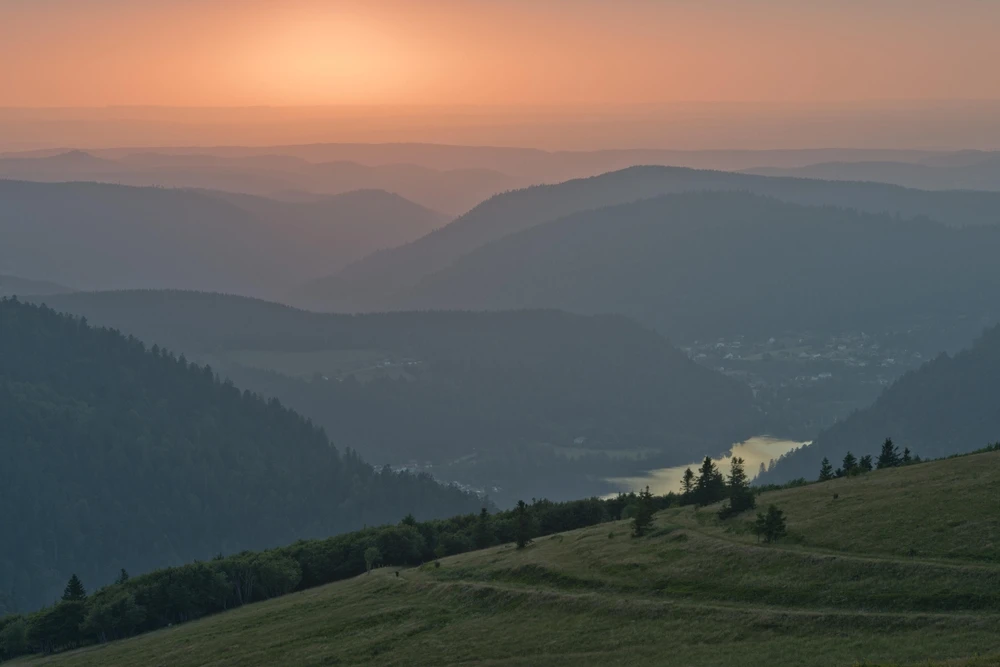
The view from Honneck is magnificent / Photo selected by Monsieur de France: rimagebrokermicrosto via depositphotos
For the villages
Dordogne, Lot, Aveyron, Provence, Alsace, Burgundy: these regions are perfect for those who want to slow down, enjoy good food, and take in the old buildings, town squares, market halls, shutters, markets, and landscapes. A trip to a village is no second-rate vacation: it is often one of the most refined experiences.
If there are two places to visit for those who love France’s villages, they are the Luberon and Drôme Provençale. The Luberon embodies a more inland, more rugged, and more peaceful Provence than the coast, but one that is just as charming. Perched villages, open fields, stone walls, cypress trees, markets, old houses, winding roads, and golden light come together to create an instantly captivating setting. People come to the Luberon to slow down without getting bored, to rediscover a beauty that is simple yet meticulously crafted, and to enjoy a way of life made up of walks, markets, meals in the shade, and landscapes that make you want to stop often. It’s a perfect destination for those who love villages, beautiful houses, the gentle charm of the South, and vacations where you can easily alternate between exploring heritage sites, relaxing, and enjoying life. Drôme Provençale extends all of this northward, and nothing beats a stay near Grignan.
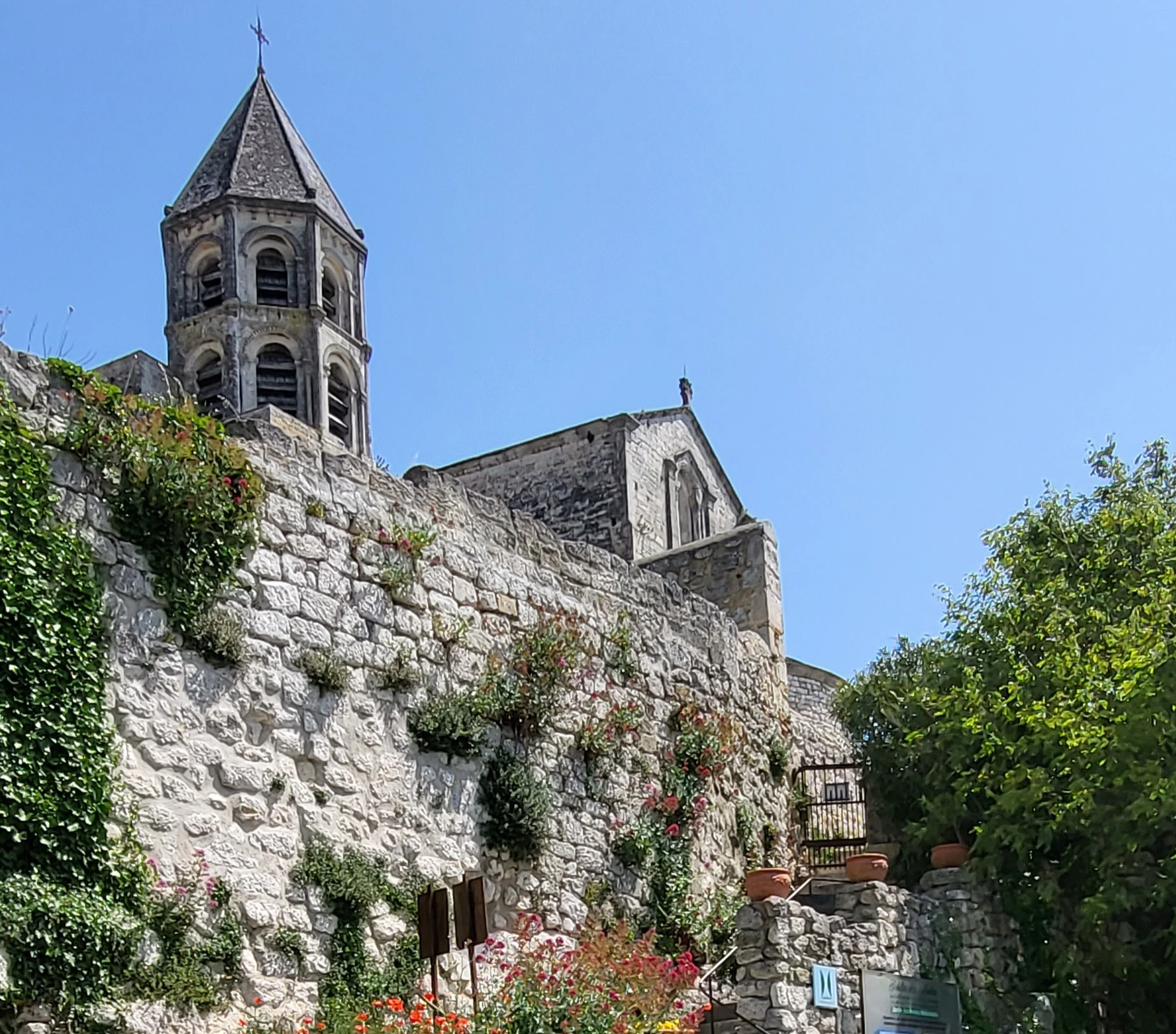
The Church of Saint Michel de la Garde Adhémar on its limestone rock. Photo selected by Monsieurdefrance.com: Jérôme Prod'homme
Just for the record
You can also choose your destination in France based on your favorite historical period. Versailles reflects the 18th century, just like Nancy or Bordeaux. If you prefer the Middle Ages, then you should explore Carcassonne or Mont Saint-Michel.
For castles and cultural heritage
France is a top destination for castle enthusiasts, thanks to its exceptional variety of castles. Royal castles, medieval fortresses, refined palaces, Renaissance mansions, and residences nestled in the heart of grand gardens: each region offers its own unique take on power, elegance, and history. From the great names of the Loire to Versailles, via the fortified towns of the South or certain more secluded provincial castles, here you travel through the centuries amid ever-changing scenery. This is the ideal France for those who love beautiful stonework, monumental staircases, towers, state rooms, landscaped gardens, and the very special feeling of entering a place that has stood the test of time.
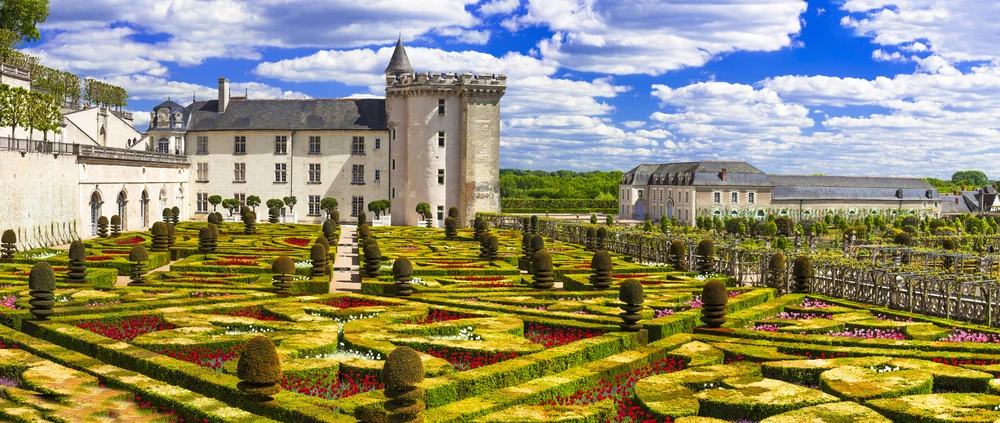
The magnificent gardens of Villandry Castle / Photo selected by Monsieur de Franc Maugli via depositphotos
👉 Here are 5 castles that are far too little-known
👉 The 10 Most Beautiful Castles in France
👉 Discover the 10 most beautiful private castles in France
5 Amazing Places in France That Seem Almost Unreal
France is full of magnificent places, but some have something extra: a silhouette, a setting, or an atmosphere that almost makes you feel like you’re somewhere else. Whether suspended, fortified, perched high, battered by the tides, or perched on the edge of a precipice, these places immediately capture the imagination. These are places we don’t just visit: we contemplate them, we feel them, and we remember them for a long time.
Rocamadour, perched on the rock
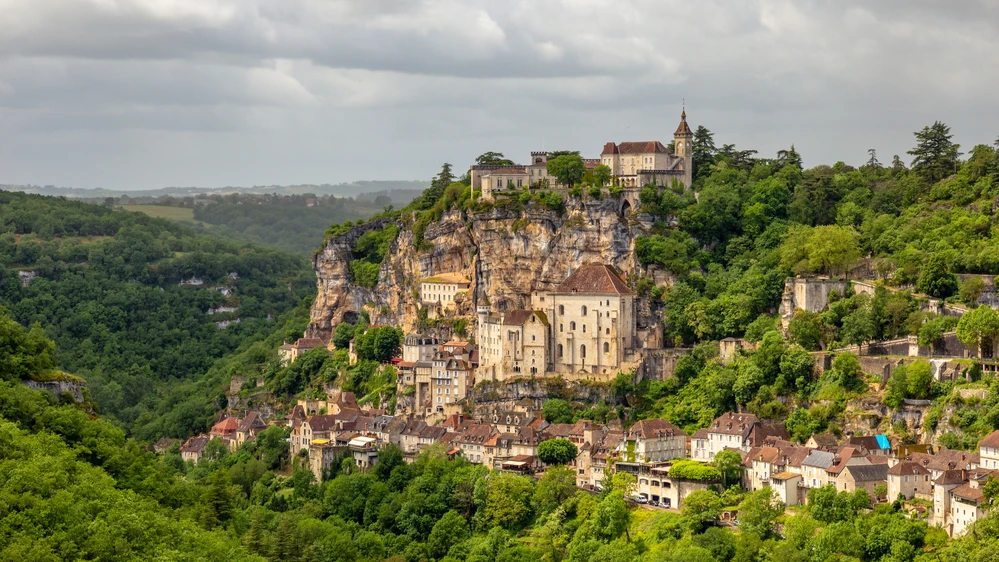
Rocamadour clinging to its cliff. Photo selected by monsieurdefrance.com: RFoto-VDW via Depositphotos.
Rocamadour is one of the most spectacular villages in France. Perched on a cliffside above the Alzou Canyon, it seems to defy gravity, with its houses, sanctuaries, and towers appearing to be stacked vertically. The place first strikes you with its almost unreal silhouette, then with the emotion it evokes. For centuries, pilgrims, travelers, and curious visitors have come here seeking something more than just a beautiful view: a sensation of vertigo, fervor, and raw, mineral beauty. Rocamadour is not just a village; it is a vision.
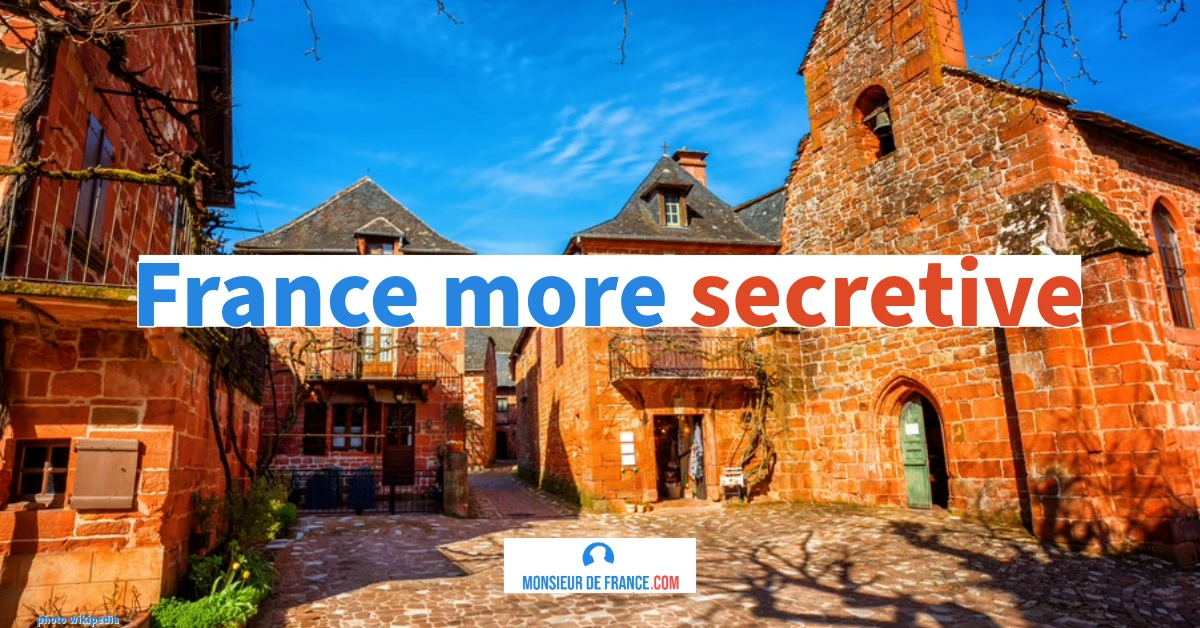
Collonges-la-Rouge, a vibrant town in the heart of Limousin
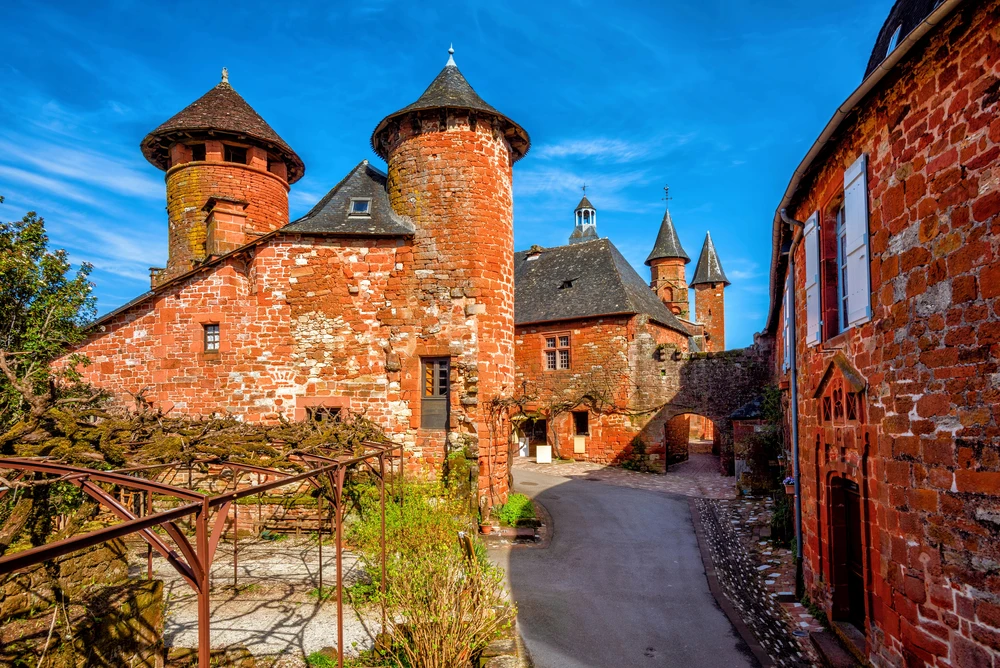
Isn't that a striking red color? And a few shots of Collonges-la-Rouge. Photo selected by monsieurdefrance.com: Xantana via depositphotos
Collonges-la-Rouge looks as though it has stepped out of a painted landscape, so striking is its color. Here, almost everything is red: the facades, the towers, the stately homes, the narrow streets, the arches, and the roofs, all of which contrast with this unique, warm-toned stone. The village owes its name and its visual impact to the red sandstone from which it is built, and the effect is immediate. Even if you know what to expect, you’re still taken aback upon arrival. Collonges-la-Rouge isn’t just beautiful: it’s visually unforgettable. That deep red, especially when the light hits it, gives the place an almost theatrical personality.
Bonifacio, perched between the cliffs and the sea
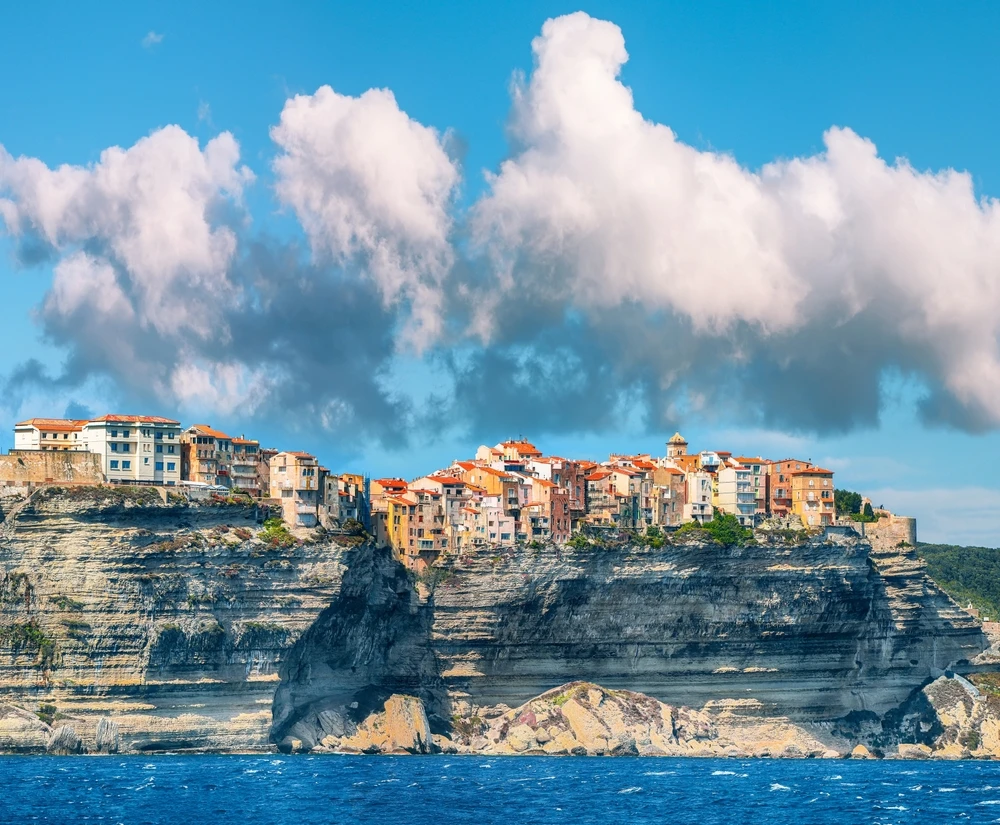
The view of the town of Bonifacio as you return from the Lavezzi Islands. Photo selected by Monsieurdefrance.com Andrea Sirri/shutterstock.com
Bonifacio is one of the most spectacular sites in Corsica, and indeed in all of France. The upper town seems to hover on the edge of the abyss, perched directly on immense limestone cliffs bleached white by the sun and eroded by the sea. From the open sea, the view is breathtaking: the houses seem almost to slide toward the water, while the citadel dominates the strait with incredible force. Bonifacio combines the power of the landscape, Mediterranean beauty, and the dramatic tension of structures built on the edge of a precipice. It is a town that impresses as much as it enchants, and gives the feeling of having been built in the exact spot where it shouldn’t have been built.
Carcassonne, the giant fortress of the South
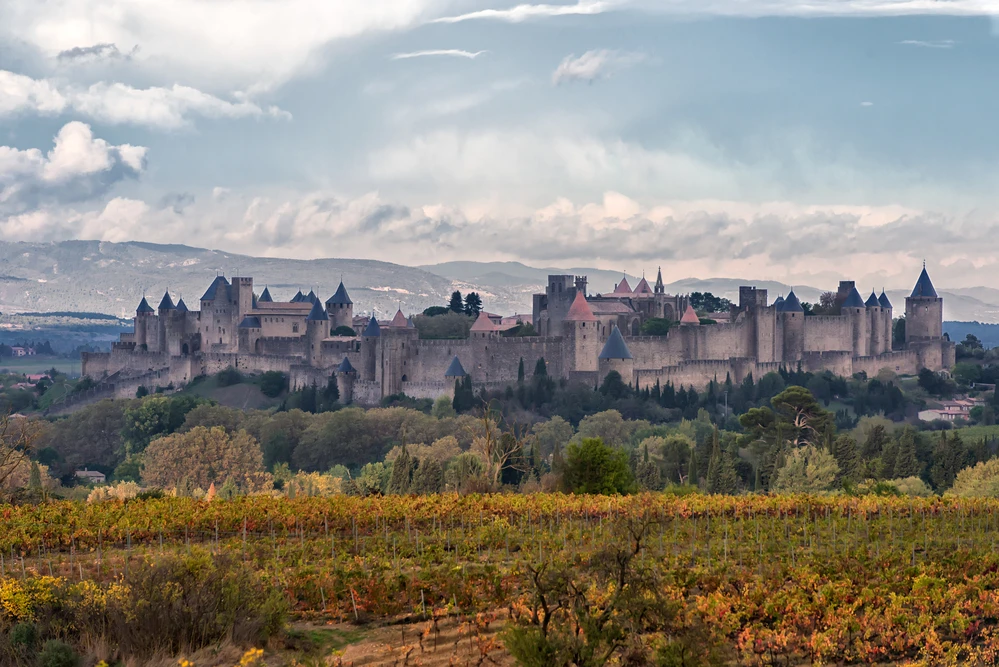
The Upper Town of Carcassonne. Photo selected by monsieurdefrance.com: via Depositphotos.
Carcassonne seems almost too good to be true. With its ramparts, towers, gates, walls, and monumental silhouette, the city looks as if it has stepped straight out of a medieval tale. Many ancient cities have preserved traces of their fortifications; Carcassonne, however, gives the impression of having preserved an entire world. When you catch a glimpse of it from afar, you immediately understand why it is so fascinating. It is not just an old town: it is an immense, spectacular fortress, almost unreal in its scale and presence. You enter it as if stepping into the setting of an epic, with the impression that the centuries have piled up there without ever weakening it.
Mont-Saint-Michel: Where Sky, Stone, and Tides Meet
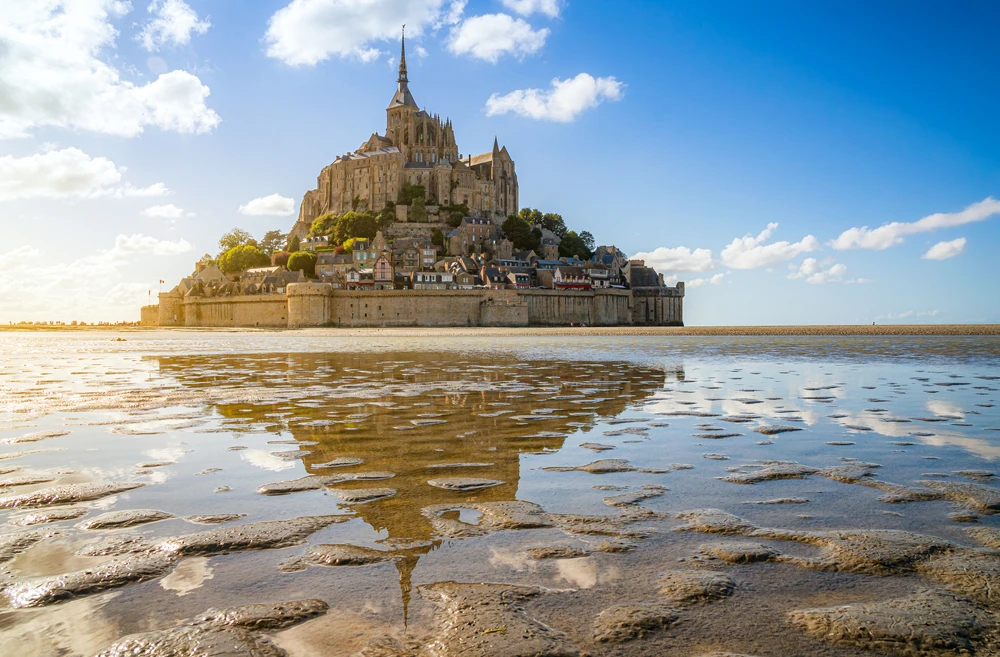
Always be wary of the sand in Mont Saint-Michel Bay—it has swallowed up many unwary visitors. Photo selected by Monsieurdefrance Nyokki/shutterstock
Mont-Saint-Michel belongs to that very rare category of places that immediately transcend the very concept of a monument. Set against the sky, sand, tides, and light, it seems to change its character depending on the time of day, the weather, and the distance from which you view it. By turns an island, a mountain of stone, a religious silhouette, and a fortress rising from the waters, it retains an incomparable visual power. People come here to see an abbey and a listed site, of course, but what strikes them most is the feeling of witnessing something unique. Mont-Saint-Michel is not just a famous place: it is a landscape that seems not quite to belong to the ordinary world.
The Most Beautiful Cities to Visit in France
France boasts a remarkable network of cities that are all very different, often on a human scale, and almost always rich in history.
Paris
Paris is the quintessential French city, but it’s also a place you never truly tire of exploring. People come here for its monuments, museums, gardens, riverbanks, and neighborhoods, but they return for its unique atmosphere—a blend of elegance, urban life, culture, and endless walks.
Versailles
Versailles is more than just its palace, even though the palace alone is enough to make a trip worthwhile. The city extends the prestige of the royal estate with its sweeping views, its refinement, and that rare feeling of stepping into a setting where history, architecture, and the art of living still interact.
Nancy
Nancy is one of the most elegant cities in France. With Place Stanislas, the old town, Art Nouveau architecture, gardens, and Lorrain delicacies, it offers a visit that is at once dazzling, charming, and deeply endearing.
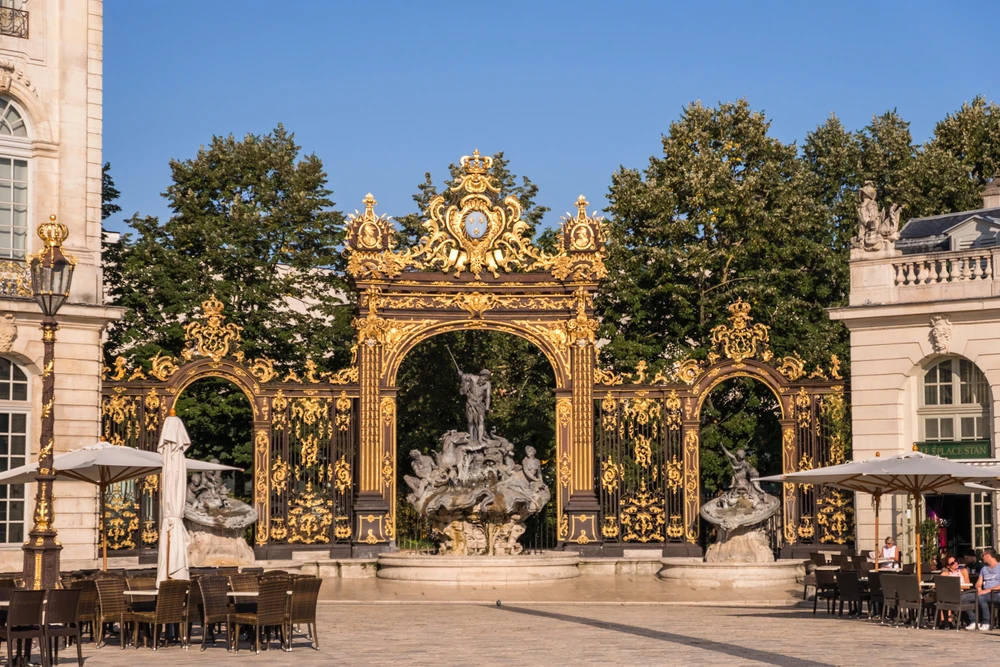
Welcome to Nancy, the city of golden gates / Photo: Depositphotos
Strasbourg
Strasbourg is as impressive as it is charming. Its cathedral, canals, half-timbered houses, narrow streets, and unique identity—bridging France and Europe—make it a vibrant, instantly recognizable city rich in heritage.

Lyon
Lyon charms visitors with its vibrant atmosphere. History, fine dining, traboules, hills, riverbanks, and a genuine urban energy blend together with a rare ease. It’s a city where there’s plenty to see, but where life is also a real pleasure.
Bordeaux
Bordeaux combines nobility and charm. Its river, its pale stone facades, its squares, its quays, its lifestyle, and its proximity to the vineyards give it a very natural elegance.
Nice
Nice immediately gives you the feeling that you're on vacation. With its sea, old town, promenade, light, and mild climate, it offers a truly charming taste of the South—lively, colorful, and easy to love.
Lille
Lille is a wonderful surprise for those who haven't visited it yet. Warm, food-loving, lively, and rich in architecture, it showcases a generous, vibrant North that is far more charming than many imagine.
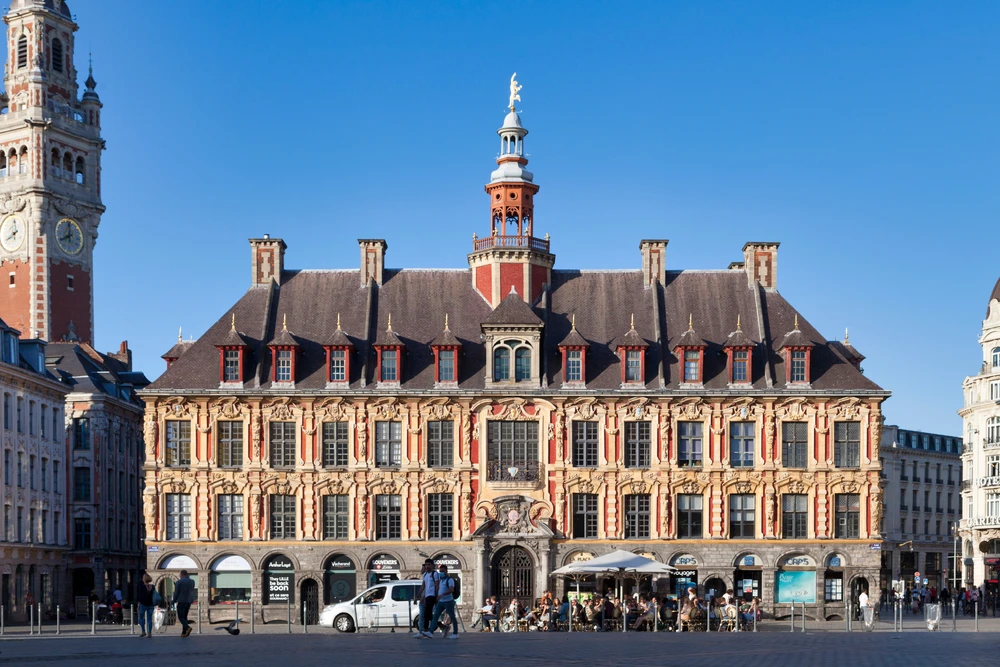
The Old Stock Exchange in Lille by BreizhAtao/Shutterstock.com
Metz
Metz has a quiet charm that captivates you without fanfare. Its historic center, light-colored stone buildings, gardens, squares, and natural light make it a very pleasant city to explore—elegant, peaceful, and cultured.
Dijon
Dijon successfully blends heritage, fine dining, and elegance. Its historic center, Burgundian atmosphere, culinary scene, and beautiful facades make it a well-rounded destination—refined without being cold.
Reims
Reims is known for its cathedral, but there’s more to it than that. The city embodies the legacy of royal coronations, the elegance of the Champagne region, and a way of life that invites you to take your time exploring its historic sites and charming spots.
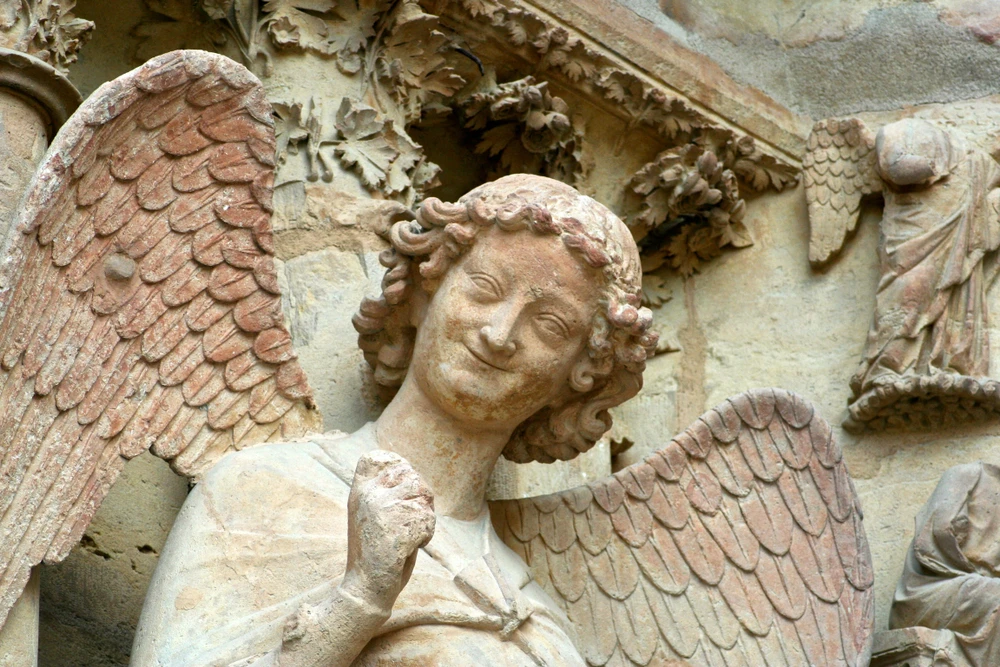
The famous Smiling Angel at Reims Cathedral Photo by Joaquin Ossorio Castillo/shutterstock/Shutterstock
Avignon
Avignon possesses an immediate historical and visual impact. Its palace, ramparts, squares, festival, and the light of the South give it a powerful character, blending heritage grandeur with Provençal charm.
Annecy
Annecy captivates visitors right away with its scenery. The lake, the mountains, the canals, the colorful facades, and the peaceful atmosphere make it one of the most pleasant cities in France for a romantic or relaxing getaway.
These cities can serve as a starting point for an itinerary or as a main destination. In France, a well-chosen medium-sized city is sometimes better than rushing between major cities.
How long does it take to visit France?
The time available makes all the difference. That is why we need to be honest with ourselves.
One week
The most reasonable option:
- Paris + Versailles
- and then just one nearby region
Examples:
- Paris + Versailles + Normandy
- Paris + Versailles + the Loire Valley
- Paris + Versailles + Champagne
- Paris + Versailles + Brittany
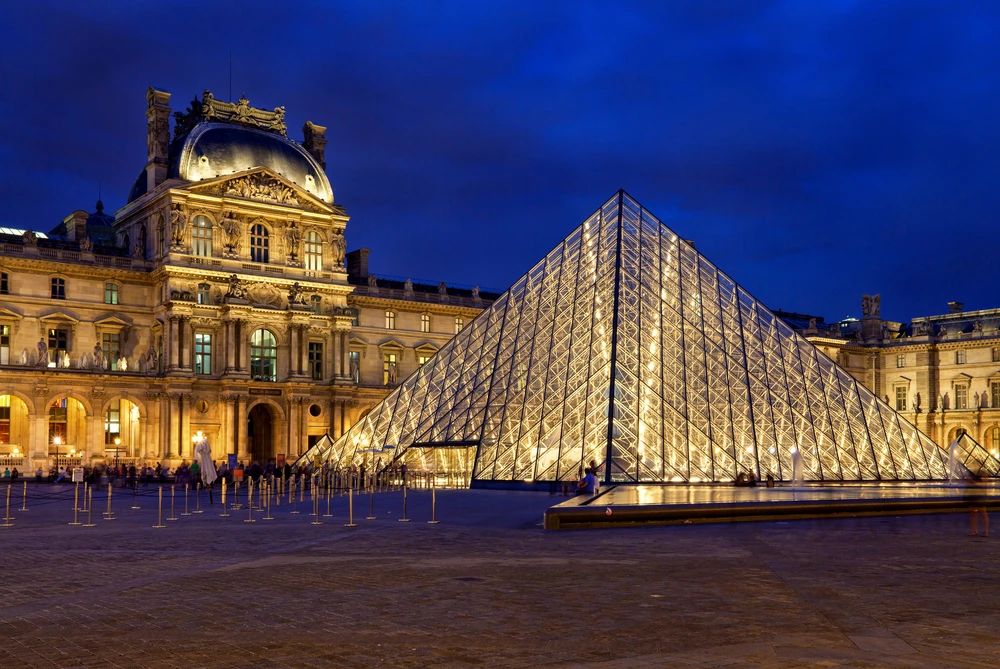
The Louvre is the largest museum in the world / Photo selected by monsieurdefrance.com: Shutterstock
Ten days
We can already breathe a little easier:
- Paris + Versailles + the Loire Valley + Normandy
- Paris + Strasbourg + Nancy
- Paris + Burgundy + Lyon
- Paris + Bordeaux + Dordogne
Two weeks
That's a great length of time:
- Paris + Versailles + Brittany + Normandy
- Paris + Loire + Bordeaux + Dordogne
- Paris + Alsace + Lorraine + Champagne
- Paris + Provence + French Riviera
Three weeks: the perfect trip to France
This is the perfect time to explore France in depth and create lasting memories.
That said, it’s still best to avoid the “skimming the surface” effect. Consistency will always be more important than quantity.
The most logical major travel routes
To avoid a cookie-cutter look, here are some color schemes that work really well.
Royal France
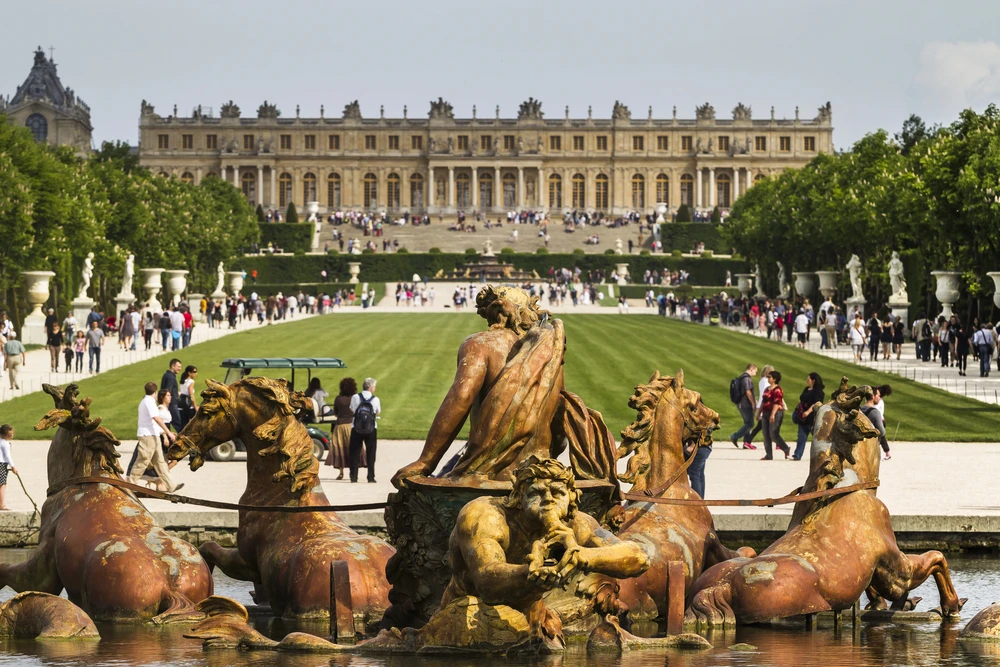
The Palace of Versailles as seen from the park and the Bassin d'Apollon / Photo selected by monsieurdefrance.com: plmprod via depositphotos
The Paris–Versailles–Loire route is undoubtedly the most obvious choice for a first major trip to France, as it brings together the country’s most spectacular achievements in terms of power, architecture, and prestige. Paris offers the capital, its monuments, museums, grand boulevards, and symbolic significance. Versailles adds the royal setting, the gardens, the etiquette, and the French idea of grandeur. The Loire Valley naturally extends this experience with its castles, gentler landscapes, gardens, and that peaceful elegance that has long captivated kings. It is a perfect itinerary for those who want to immerse themselves in France’s monumental, historical, and classical heritage.

Chantilly Castle / Photo selected by monsieurdefrance.com: rimufilms via depositphotos
Maritime France
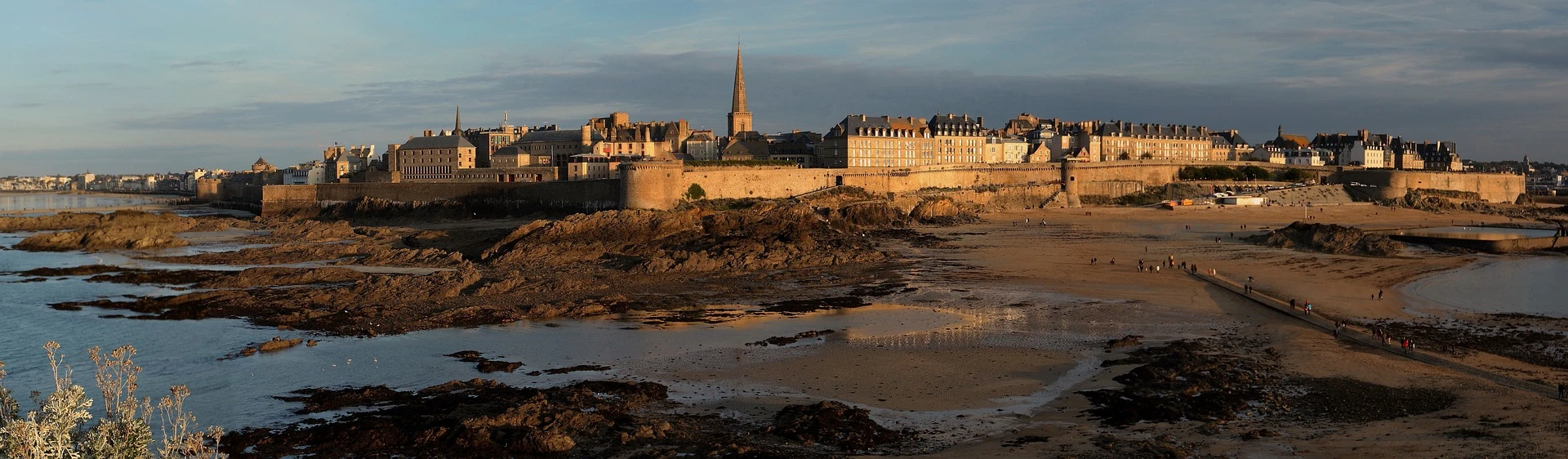
Saint-Malo / Image selected by monsieurdefrance.com: Image by Jean-Michel SACHOT from Pixabay
Normandy, Brittany, and Mont-Saint-Michel combine to create a truly epic coastal journey, yet one that showcases the diverse beauty of the French coast—at times elegant, at times wild, and at times steeped in history. Normandy offers cliffs, beaches, ports, half-timbered houses, cider, and a rich heritage. Brittany adds the wind, ramparts, headlands, lighthouses, tides, and a very strong regional identity. Mont-Saint-Michel, situated between the two, provides the entire region with an incomparable visual and symbolic highlight. This is the ideal itinerary for those who love Atlantic horizons, powerful landscapes, port cities, and the blend of heritage and the great outdoors.
Gourmet France

Photo by krakenimages on Unsplash
Lyon, Burgundy, Alsace, and Lorraine together form one of the most beautiful itineraries for discovering France through its cuisine, local products, and the joy of living. Lyon offers its bouchons, its culinary history, and its vibrant urban atmosphere. Burgundy showcases its wines, its villages, and a gastronomy deeply rooted in the landscape. Alsace adds its robust specialties, markets, traditions, and wine route. Lorraine rounds out the experience with its hearty recipes, confections, pastries, and the elegant charm of cities like Nancy and Metz. It’s the perfect itinerary for those who want to travel by tasting as much as by sightseeing.
Southern France
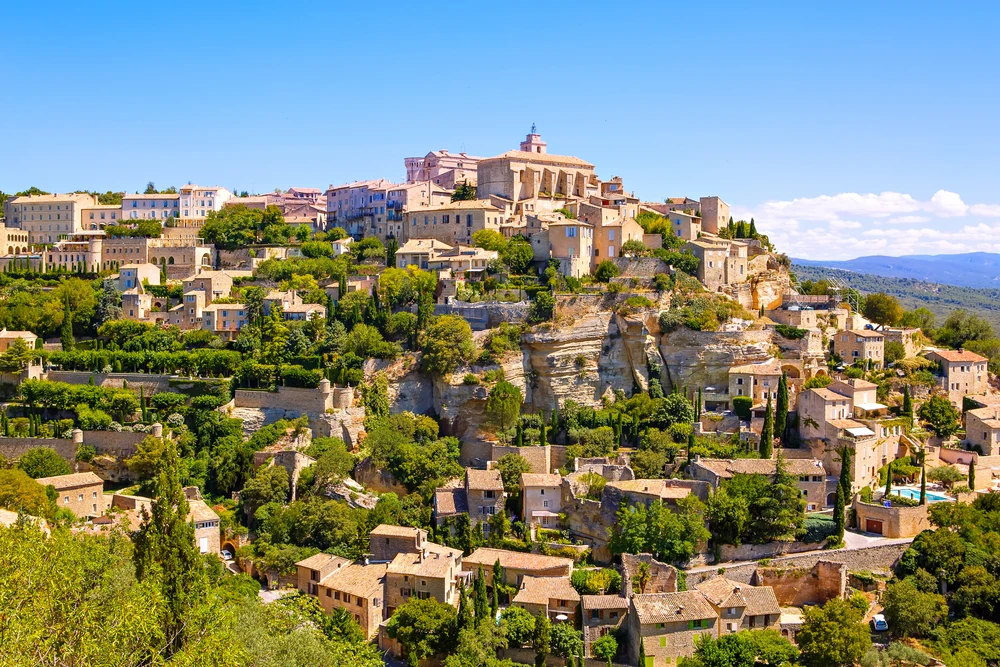
View of Gordes in the Vaucluse. Photo selected by monsieurdefrance.com Irina Wilhauk/Shutterstock.com
Provence, the French Riviera, and the villages of the South form a travel route that is instantly appealing, because it relies less on monumental sights than on a certain atmosphere. Here, it is the light, the markets, the squares, the ports, the olive trees, the whitewashed facades, the narrow streets, the sea, and the terraces that set the tone. Provence offers hilltop villages, markets, and the countryside. The French Riviera provides Mediterranean charm, ports, beaches, and the energy of a vacation. The villages, for their part, serve as a link between heritage, tranquility, and the simple pleasures of daily life. This itinerary is perfect for those seeking sunshine, simple beauty, the sea, and that strong sense of being on vacation.
Historic France: The East
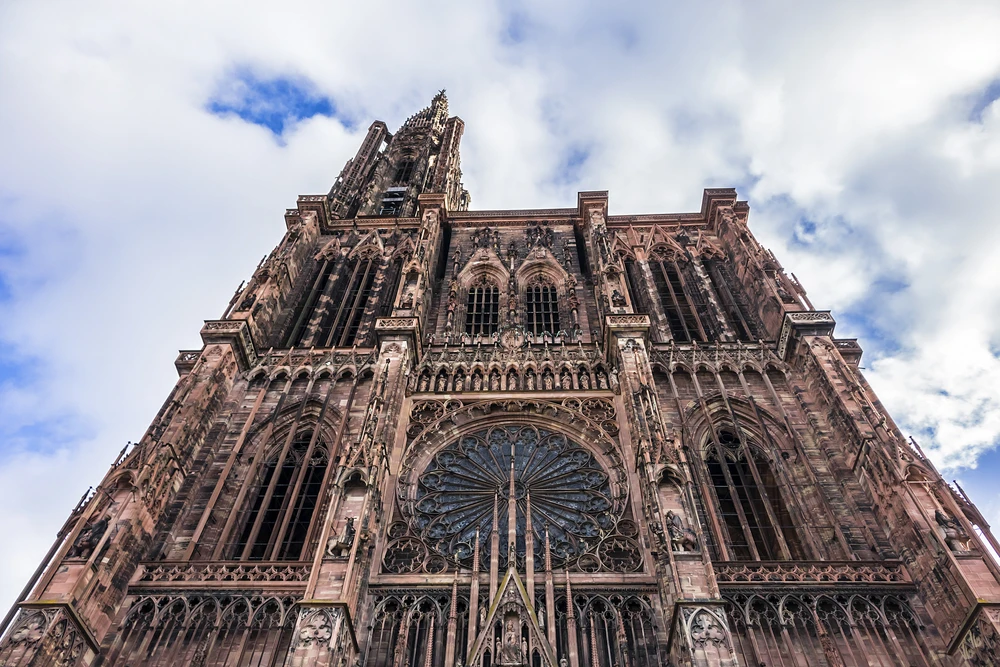
The facade of Strasbourg Cathedral. Photo selected by monsieurdefrance.com: dbrnjhrj/ Depositphotos.com
Strasbourg, Colmar, Nancy, and Metz form a cultural corridor of exceptional charm, perfect for those who love elegant cities, historic centers, cathedrals, squares, and the decorative arts. Strasbourg impresses with its cathedral, canals, and strong sense of identity. Colmar charms with its almost picturesque setting. Nancy shines with its Place Stanislas, its ducal heritage, and its Art Nouveau architecture. Metz captivates with its blonde stone, its gardens, and its more tranquil atmosphere. This is a France that is more refined than spectacular, yet deeply endearing, especially for travelers who love to walk, observe, and take their time.
Rural France
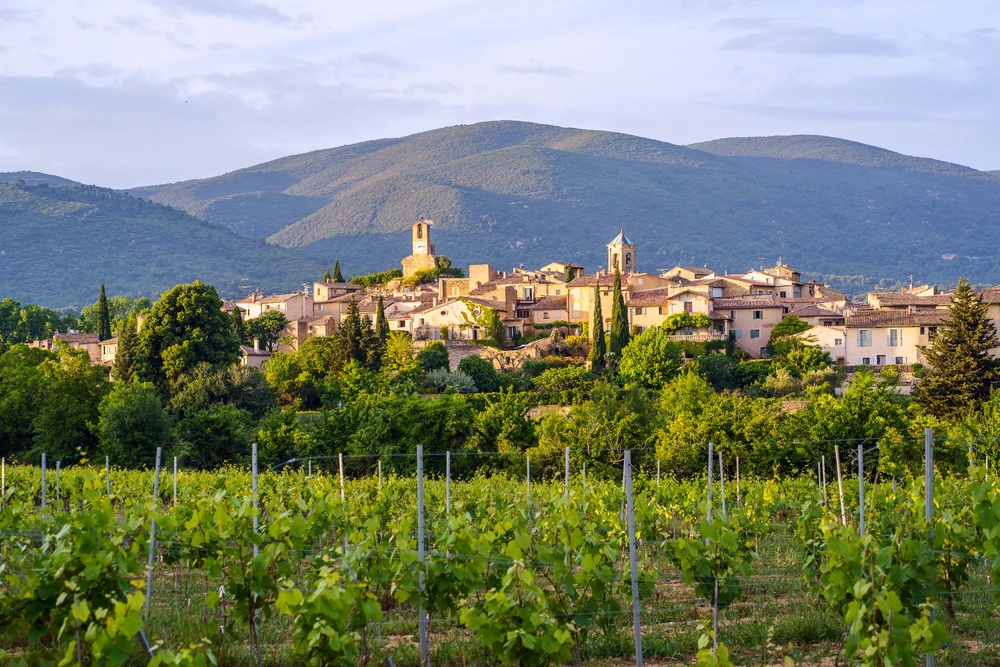
View of Lourmarin. Photo selected by monsieurdefrance.com: Marina VN/Shutterstock.com
The Dordogne, Lot, and Aveyron form a beautiful route for those who dream of a more rural, historic, and intimate France. Here, the journey takes you through fortified towns, stone villages, valleys, markets, quiet roads, small squares, churches, and picturesque landscapes. The Dordogne offers culinary delights and the iconic scenery of the Périgord. The Lot adds cliffs, cliffside villages, and more secluded roads. The Aveyron completes the picture with its rolling hills, stone architecture, distinctive character, and remarkable villages. This is the ideal itinerary for those who love historic stone buildings, markets, peaceful landscapes, and a France that reveals itself at a slower pace.
These main themes are valuable because they help transform the vast subject of “France” into clear, coherent, and truly appealing journeys.
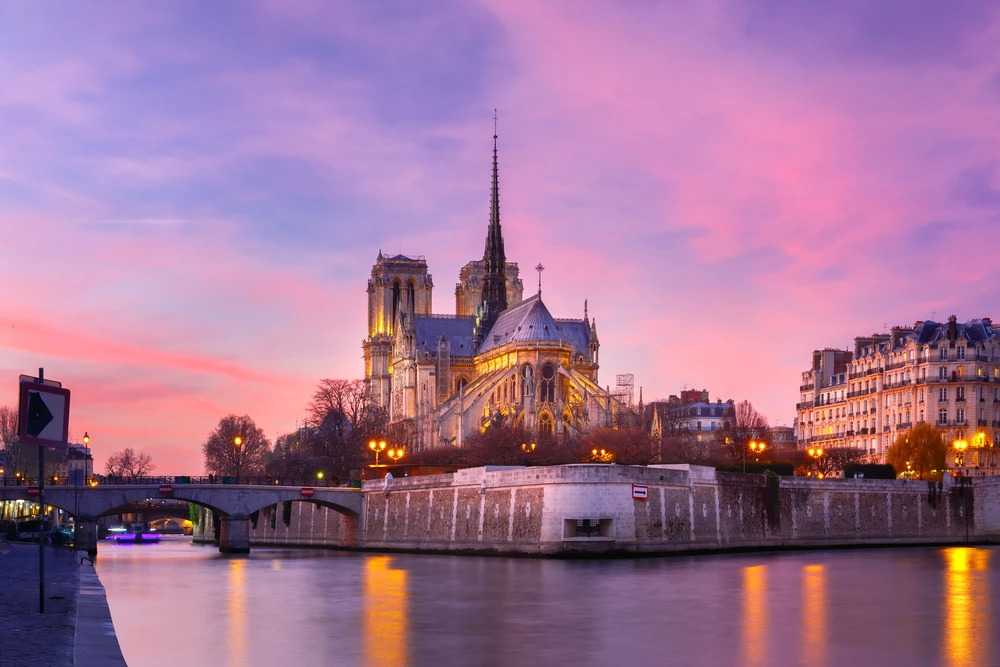
Notre-Dame de Paris is the most visited landmark in Paris / Photo selected by monsieurdefrance.com: depositphotos
Is it possible to visit France without a car?
Yes, very often. In fact, it’s one of the country’s major attractions for travelers. Paris, Versailles, Strasbourg, Lyon, Bordeaux, Lille, Nancy, Metz, Reims, Marseille, Avignon, Nice, Rennes, and many other cities are easily accessible by train. For a city break, a heritage tour, or a cultural trip, renting a car is therefore not essential. France has one of the best rail networks in the world.
On the other hand, a car becomes very useful again in several situations:
- for remote villages,
- for wine routes,
- for small country roads,
- for certain coastlines,
- for the mountains,
- for flexible trips with plenty of stops along the way.
The best trip in France often combines both approaches: taking the train for long-distance travel and driving to explore more remote areas.
France for couples, families, or foodies
As a couple
France is a top destination for couples' getaways. Paris, of course, holds a special place. But Annecy, Colmar, Strasbourg, the Loire Valley, certain villages in Provence, the winding roads of Burgundy, charming hotels in Normandy, or the ports of Brittany at sunset are all excellent choices. The real secret here isn’t the number of places, but the pace of the trip: fewer stops, more time, good meals, walks, and places chosen for their atmosphere.
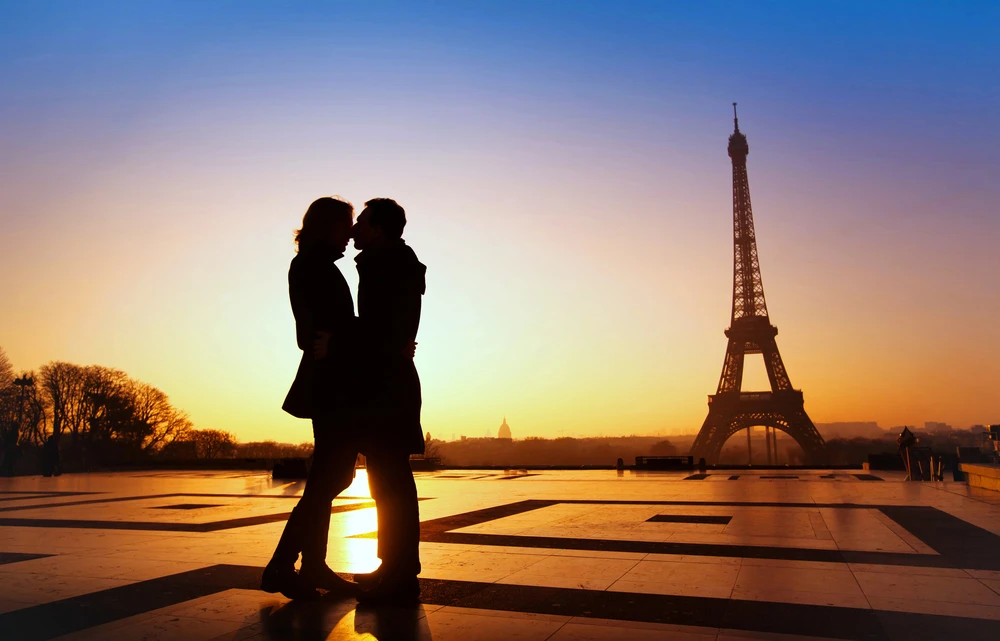
The view from the Trocadéro / Photo selected by monsieurdefrance.com anyaberkut via depositphotos
With the family
France is ideal for family trips because it offers a blend of cultural heritage, natural beauty, and often straightforward travel arrangements. The châteaux of the Loire Valley leave a lasting impression on both children and adults. Mont-Saint-Michel impresses everyone. The Atlantic beaches, certain historic centers on a human scale, aquariums, boat trips, gardens, markets, and quieter resorts allow for a variety of activities each day. The ideal approach is to avoid overloading the schedule: visit a major site in the morning, enjoy a good lunch, and then have some free time in the afternoon.

Photo despositphotos
For food lovers
France is practically an endless destination for food lovers. You can plan an entire trip centered around Lyon, Burgundy, Alsace, Lorraine, Brittany, Normandy, the Southwest, or Provence. The food halls, markets, bakeries, cheese shops, wine cellars, pastry shops, and local restaurants add a special depth to the journey. Eating well in France isn’t just a bonus—it’s a way to better understand the region.
Visiting France by Season
In the spring
Paris, Versailles, the Loire Valley, Burgundy, Alsace, Lorraine, Provence.
Spring brings out the best in the gardens, the cities, and the first seasonal markets.
In the summer
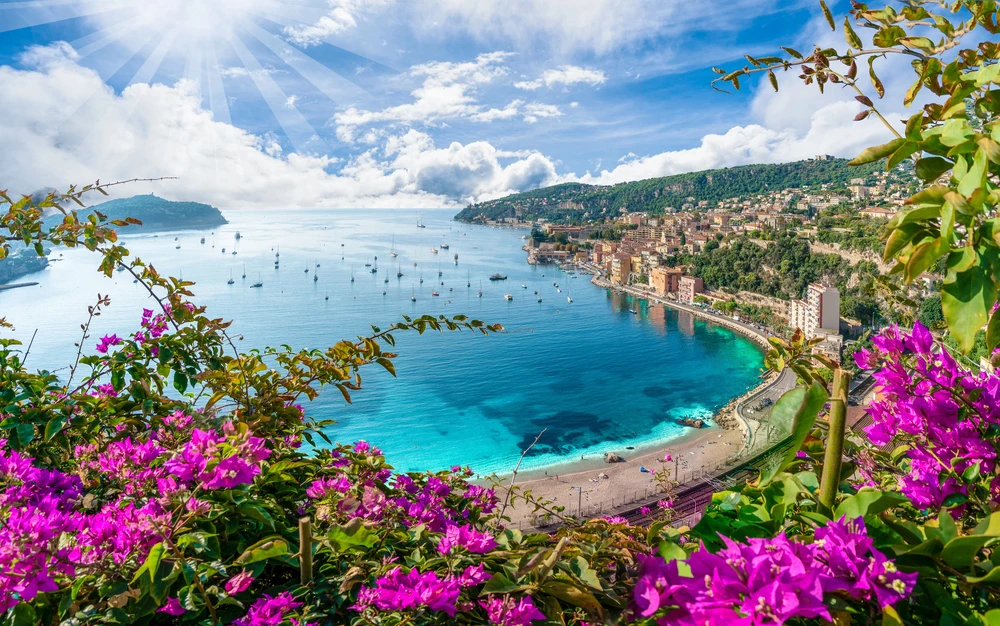
Villefranche Bay / Photo selected by Monsieur de France: depositphotos
Brittany, Normandy, the French Riviera, Corsica, the Alps, the Pyrenees, and the Atlantic coast.
Summer showcases the coastlines, the mountains, and the long evenings.
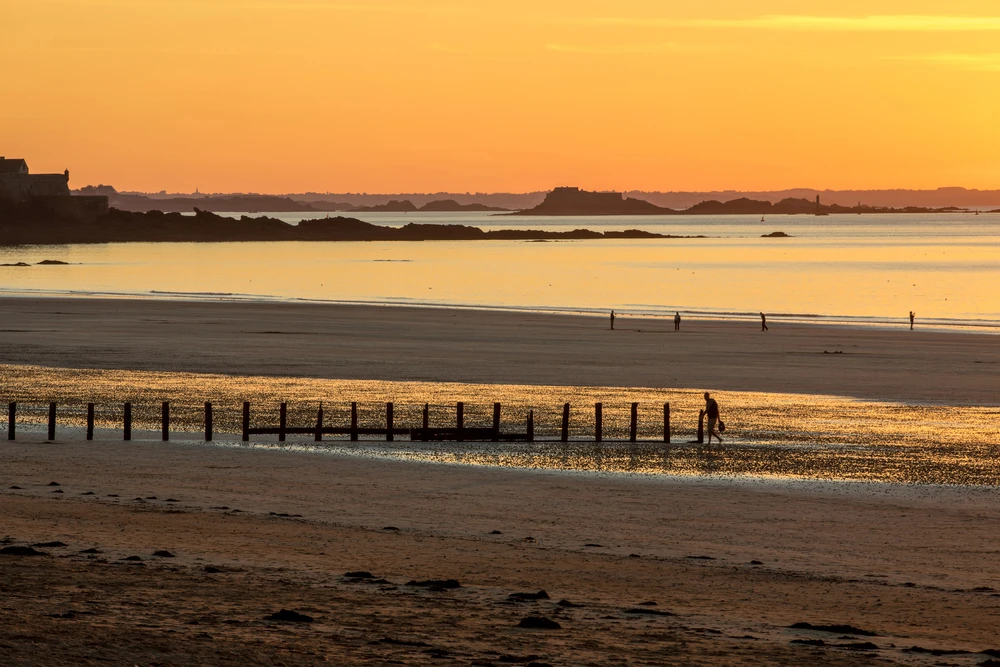
Le Sillon in Saint-Malo / Photo selected by Monsieur de France wjarek via Depositphotos
In the fall
Burgundy, Champagne, Alsace, Lorraine, Loire, Dordogne.
Fall is one of the most beautiful seasons for vineyards, forests, fine dining, and less crowded towns.
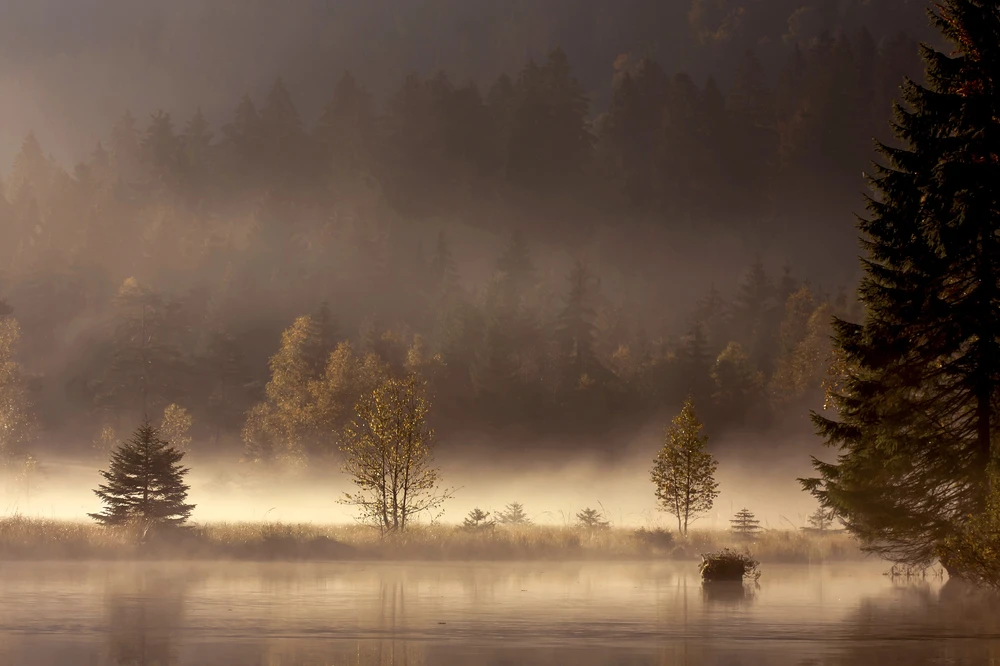
The Vosges take on an air of mystery when autumn arrives / Photo selected by Monsieur de France: Utopia_88 via Depositphotos
In winter
Strasbourg, Alsace, the Alps, quieter cultural towns, wellness getaways.
Winter reinvents French travel with Christmas markets, snow, and quieter towns.
Christmas in France
by Peggy and Marco Lachmann-Anke from Pixabay
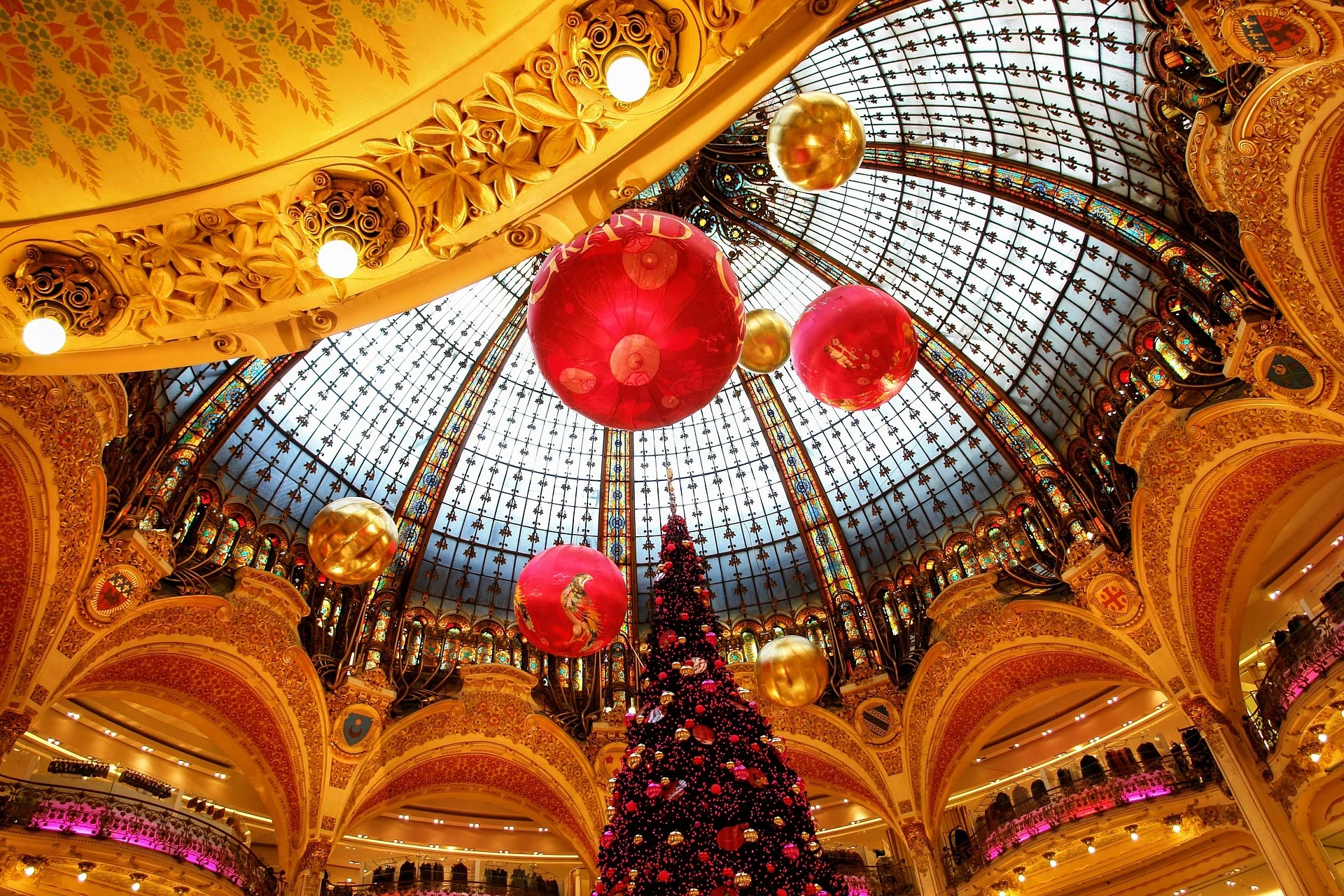
Christmas in France has a very special charm, because it blends festive lights, traditions, culinary delights, and the art of living. From the Christmas markets of Alsace to the illuminated cities, from decorated storefronts to festive tables, the country takes on a warmer, brighter, and almost slower-paced atmosphere in December. You’ll find Christmas trees, nativity scenes, decorated streets, sweet treats, big family meals, and that very French desire to make the holiday a time that is beautiful, delicious, and deeply convivial. Christmas is one of the best times to discover France in a new light, amid its heritage, traditions, and the magic of its cities in winter.
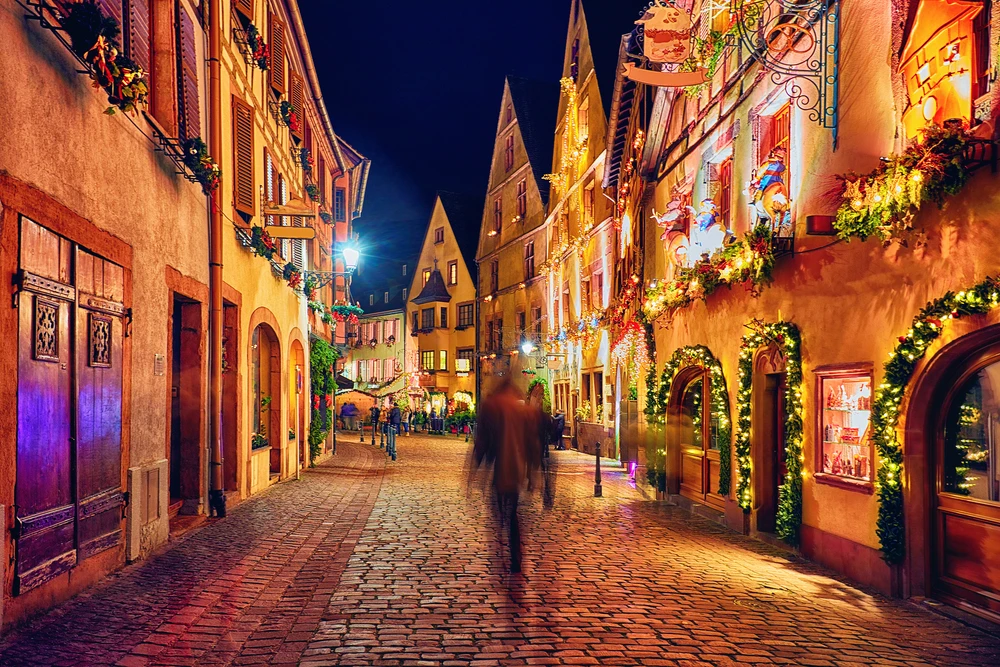
One of the streets in Kaysersberg at Christmas: Photo selected by monsieurdefrance.com: olesiabilkei via depositphotos.com
👉 Discover the Christmas markets in Alsace
👉 Christmas in France: A Magical Getaway
👉 Where to spend the holidays in France?
Taste France: Gastronomy as a Way to Travel
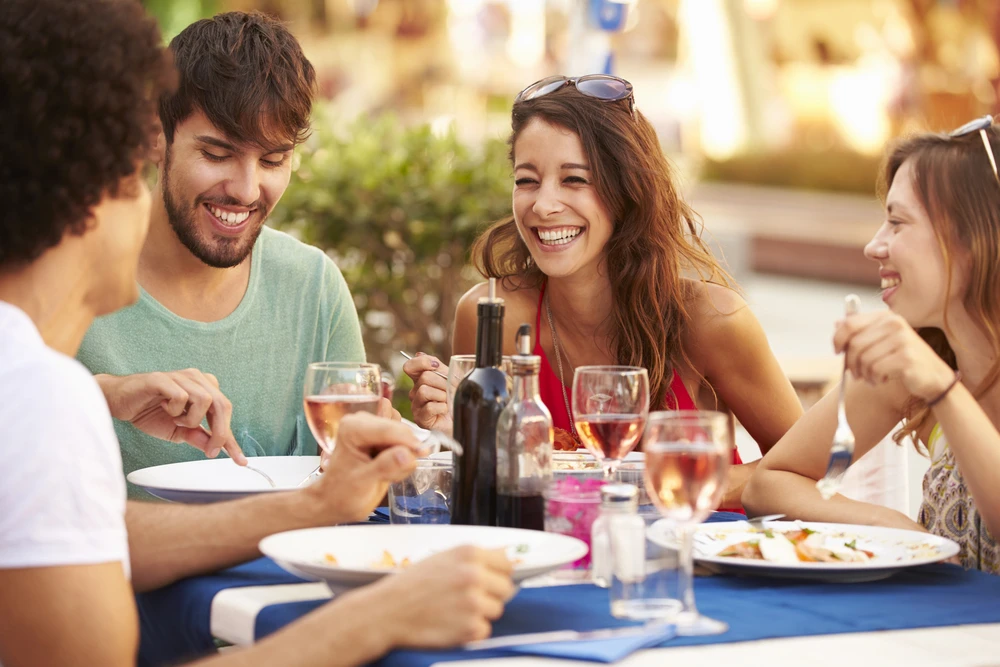
Enjoying lunch in the summer on a terrace or in a garden is a quintessentially French pleasure / Photo selected by monsieurdefrance.com: depositphotos
Meals play a central role in French culture because they are not merely about eating quickly to satisfy hunger. They are a time for sharing, conversation, enjoyment, and often for showcasing local produce. We take the time to sit down, break bread, talk, serve, taste, and sometimes enjoy a sequence of appetizer, main course, cheese, and dessert, without it seeming excessive when the occasion calls for it. The French meal reflects the art of living as much as the cuisine itself, as it combines the dining table, customs, conviviality, and respect for the time spent together. We eat well at home, but we also love going to a bistro for a quick, traditional meal.
Bread, croissants, and morning treats
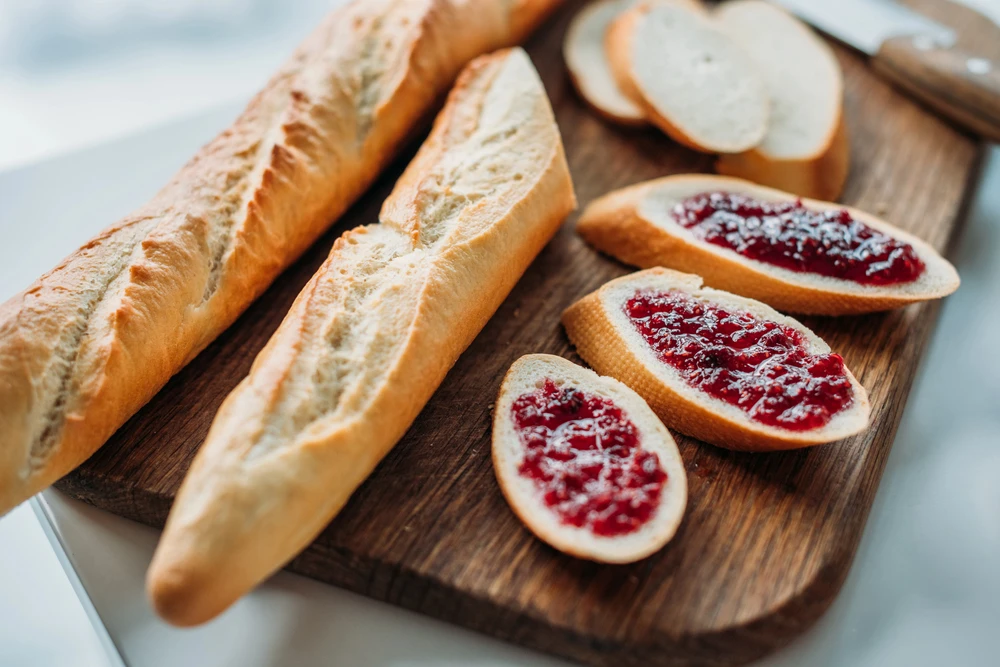
In France, bread isn’t just a side dish: it’s practically a daily staple. Buying a baguette while it’s still warm is one of the country’s most typical rituals, just like stopping by the bakery to pick up croissants, pains au chocolat, a brioche, or a few pastries for breakfast. Behind this seemingly simple habit lies a genuine appreciation for taste, freshness, and the pleasure of small things done well. Bread, croissants, and pastries reflect a very tangible aspect of the French art of living, one that begins early in the morning with the scent of butter, flaky pastry, and warm flour.
Famous dishes of French cuisine
French cuisine is known around the world for its hearty dishes, regional specialties, and timeless classics passed down from generation to generation. From slow-cooked stews and local recipes to dishes that have become famous far beyond France’s borders, certain dishes alone embody France’s culinary reputation. Here are the famous dishes of French cuisine that you should know, taste, and highlight on any page dedicated to French gastronomy.
👉 Here are all my classic French recipes

1. Veal Blanquette
Veal blanquette is one of the most famous dishes in French cuisine. With its tender meat, creamy sauce, and reputation as a family dish, it immediately evokes a tradition of cooking, patience, and comfort. It is one of the great French classics that comes to mind whenever French gastronomy is discussed.
2. Pot-au-feu

Pot-au-feu is one of the great symbols of traditional French cuisine. Broth, vegetables, meat, and slow cooking make it a dish meant for sharing that is deeply rooted in the country’s culinary culture. It perfectly encapsulates the French culinary tradition of transforming simplicity into a beloved classic.
3. Foie gras
Foie gras is one of the most iconic products of French cuisine. Associated with festive meals, fine dining, and sophistication, it holds a special place in the country’s culinary imagination. It is a must-mention whenever the most famous French specialties are discussed.
4. Quiche Lorraine

Quiche Lorraine / Image by SGM/Shutterstock.com
Quiche Lorraine is one of the most famous French dishes in the world. It showcases the true strength of French regional recipes: few ingredients, but plenty of flavor, generosity, and a distinct identity. It immediately connects French cuisine to its local regions and traditions.
5. The tartiflette
Tartiflette has established itself as one of the most popular French dishes whenever people talk about the mountains and winter cuisine. With its potatoes, melted cheese, bacon bits, and generous portions, it evokes a France that is gourmet, warm, and welcoming. Today, it is one of the must-mention dishes in any overview of French cuisine.
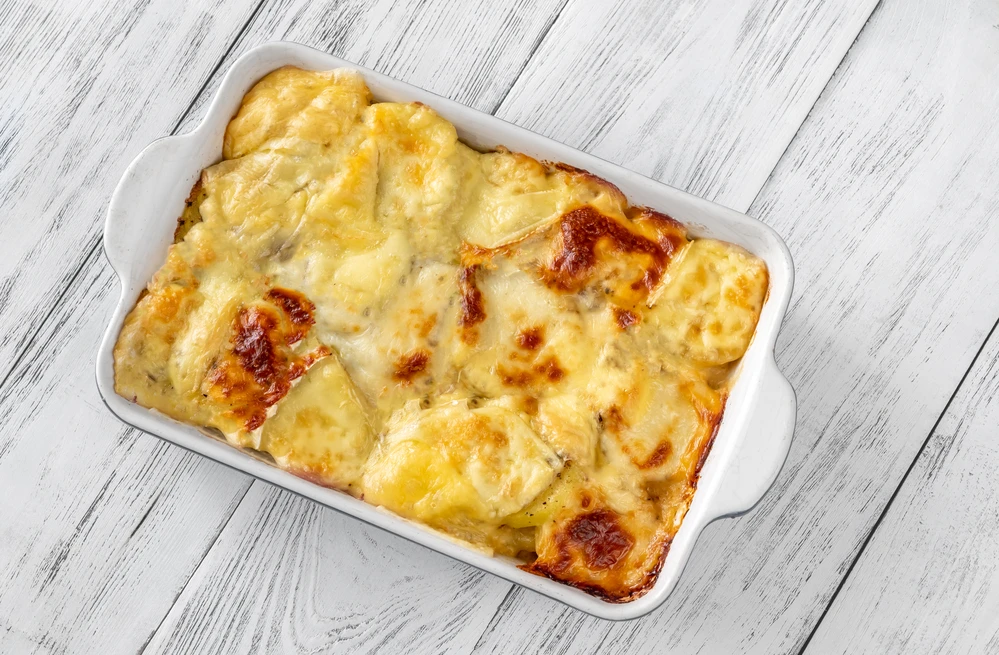
tartiflette : photo by Depositphotos for Monsieurdefrance
6. Homemade French fries
Homemade fries are a reminder that French cuisine also knows how to celebrate simple pleasures. Golden brown, crispy, and served with popular dishes or meats, they have their rightful place in a broader view of French gastronomy—one of everyday indulgence and generosity.
Famous desserts of French cuisine
French pastries and desserts also contribute to the prestige of French cuisine. Some desserts have become true icons, as they epitomize the expertise, indulgence, and elegance of French cuisine. Here are the famous desserts of French cuisine that must be mentioned on a page dedicated to French specialties.
👉 Here are all my French dessert recipes
1. Madeleines
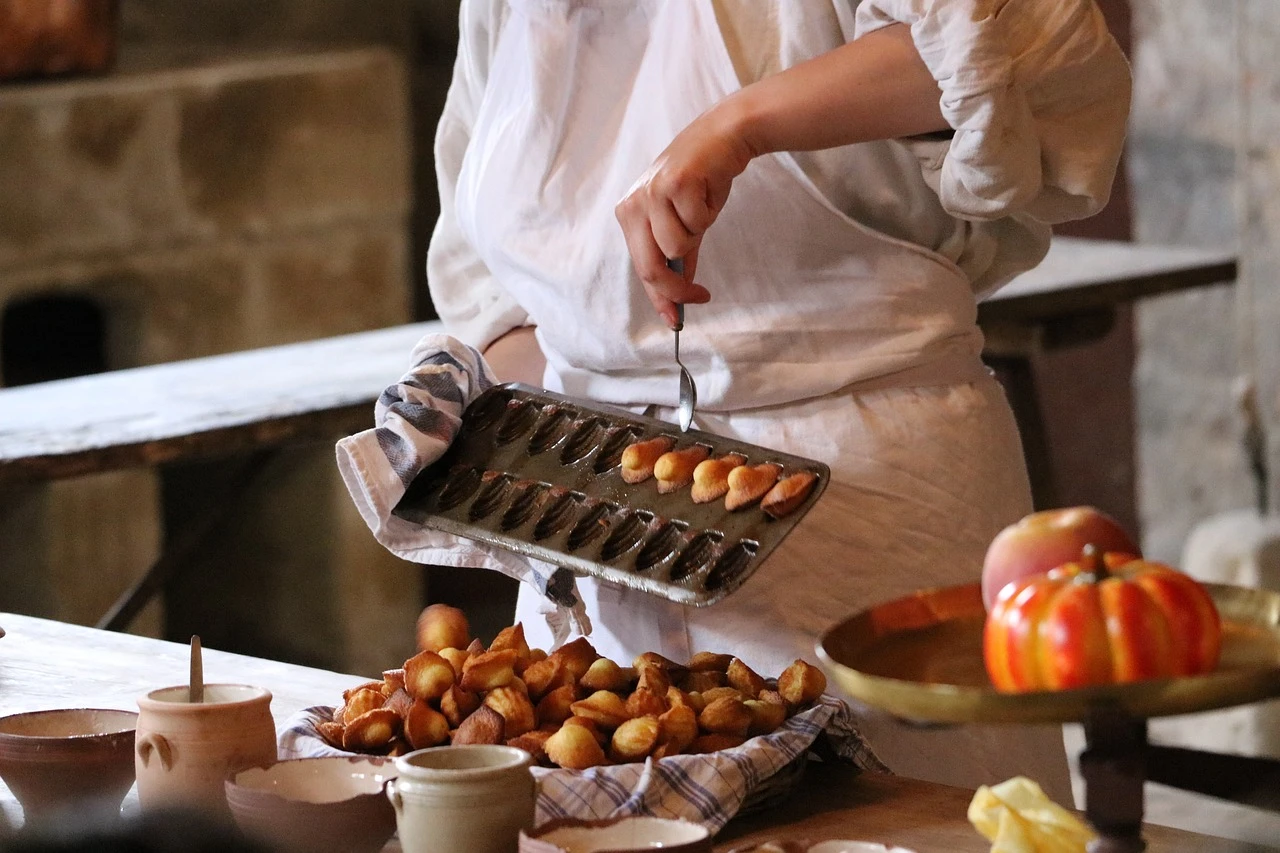
Image by SweetMellowChill from Pixabay
Madeleines are among the most iconic French desserts. With their distinctive shape, tender texture, and delicate aroma, they evoke a more intimate, family-oriented indulgence that is deeply rooted in French culinary identity.
2. Chocolate mousse
Chocolate mousse is one of the most beloved French desserts. Light, indulgent, and always a hit, it’s one of those timeless classics that’s just as common at family gatherings as it is in restaurants. It’s a simple yet timeless treat.

Shutterstock
3. Crème brûlée
Crème brûlée is a classic of French pastry. The contrast between the smooth cream and the thin caramelized crust makes it an instantly recognizable dessert. It evokes a sense of understated elegance, a hallmark of French tradition.
4. Tarte Tatin
Tarte Tatin is one of the most famous French desserts. With its caramelized apples and flaky crust, it demonstrates how French pastry chefs know how to bring out the best in seemingly simple recipes. It is one of the desserts with the greatest heritage value in French cuisine.
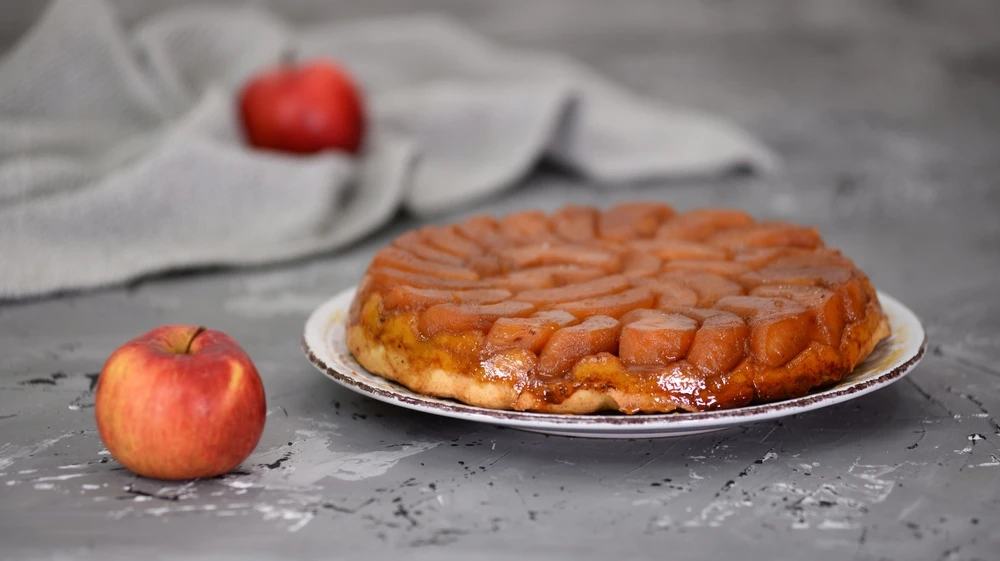
A Tarte Tatin / Photo by Mariko151825/Shutterstock.com
5. Mille-feuille
The mille-feuille is one of the iconic symbols of French pastry. Its flaky layers, cream filling, and texture make it a dessert that is as technically demanding as it is indulgent. It perfectly embodies French pastry-making expertise.
6. Éclairs
Éclairs are one of the most recognizable symbols of French pastry. Whether made with chocolate, coffee, or other flavors, they combine indulgent flavors with expert pastry and cream work. They are among the most internationally renowned French desserts.
👉 Here are the 20 best French desserts
Why are these dishes and desserts so famous?
These famous dishes and iconic desserts alone tell the story of much of French cuisine. They showcase the country’s diversity, the richness of its regional traditions, the flavor of hearty dishes, the art of pastry-making, and the importance of the joy of eating in French culture. Mentioning them immediately conjures up a vivid, clear, and mouthwatering image of France.
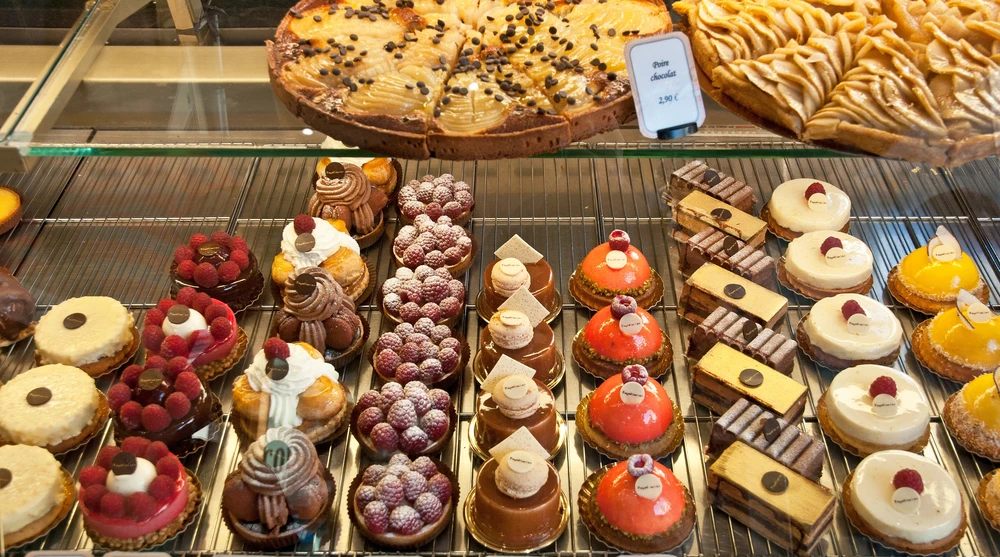
A pastry display case / Photo selected by monsieurdefrance.com: Botond via Depositphotos
Culture, history, and heritage: what you need to know to appreciate France more
France’s cultural heritage is more than just a list of prestigious monuments. It tells a long story of kingdoms, provinces, wars, revolutions, faith, secularism, artistic ambitions, and craftsmanship. That is why a trip to France is always better when it is more than just a series of visits: when you understand what these places are telling us, they take on a whole new depth.
Cathedrals
Reims, Chartres, Strasbourg, Rouen, Amiens, Paris, Metz, Bourges: French cathedrals are among the crowning jewels of European heritage. People visit them for the architecture, the silence, the stained-glass windows, the history, or simply for the sense of height and timelessness they evoke. They form a central part of the country’s urban memory.
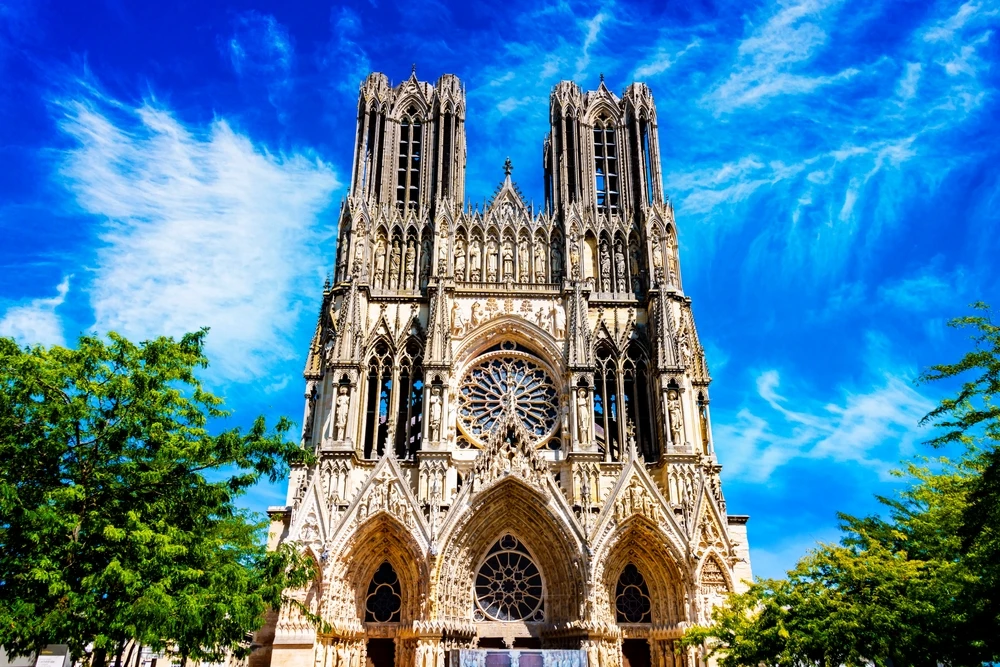
Reims Cathedral Photo by monticello/Shutterstock
Castles and palaces
Versailles, Chambord, Chenonceau, Amboise, citadels, fortresses, ducal residences, and mansions: France has long expressed power through stone, water, gardens, and facades. These places tell the story of political history, decorative tastes, the art of living, and the way in which the elites sought to represent their status.
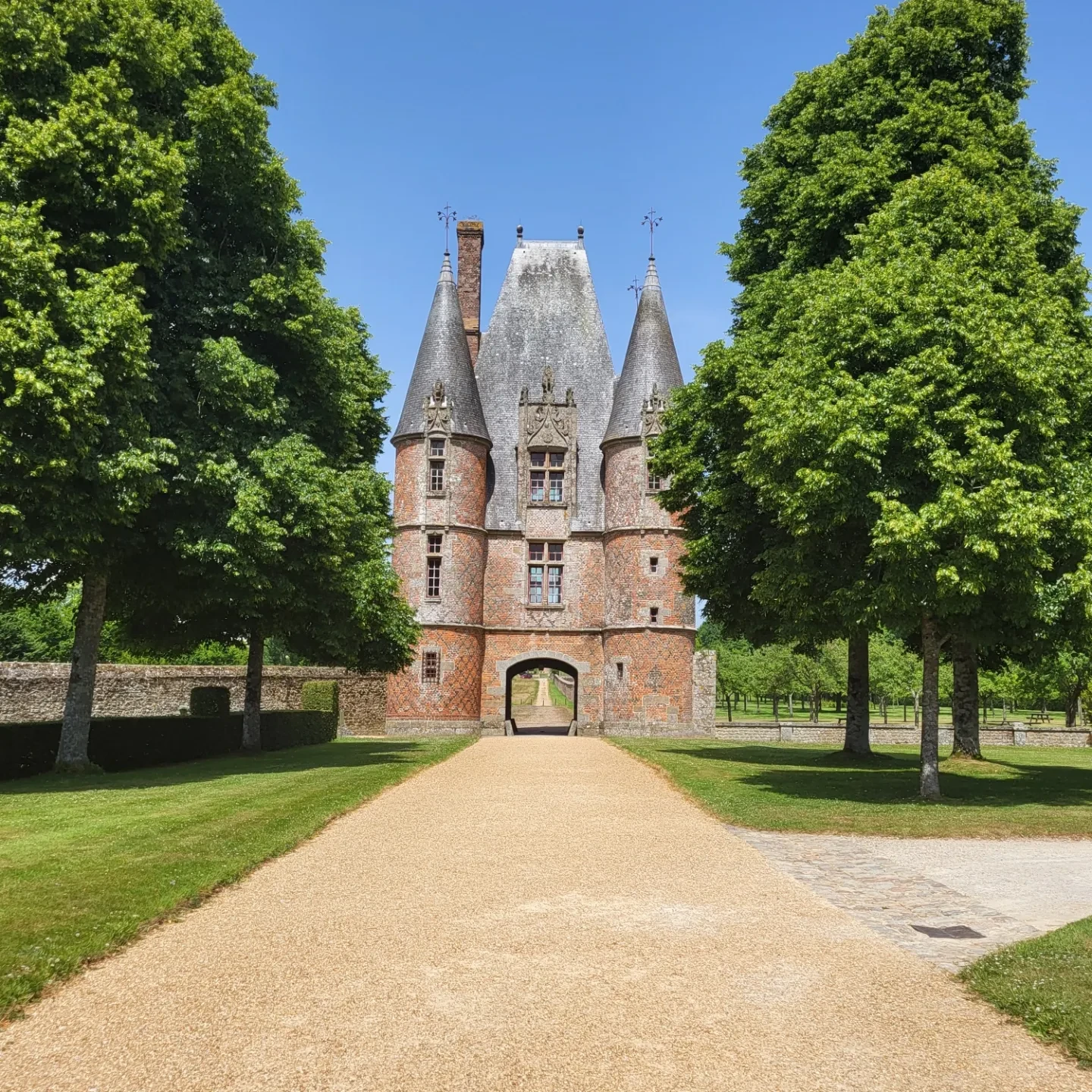
The entrance gatehouse of Carrouges Castle. An idea conceived by Cardinal Jean Le Veneur. Photo selected by monsieurdefrance.com: Jérôme Prod'homme.
The Leading Figures

Joan of Arc, Napoleon, Louis XIV, Victor Hugo, de Gaulle, Molière, Pasteur: the country is still shaped by these great figures. They live on in statues, museums, street names, school lessons, local festivals, and regional folklore. Traveling in France often means encountering these figures, sometimes in places where you least expect them.
👉 The History of France: From Major Milestones to Everyday Moments
Everyday Heritage
France is also found in the less spectacular things. Newsstands, theaters, market halls, bridges, covered markets, public gardens, storefronts, squares, railings, train stations, passageways, and fountains make up another kind of richness—more subtle but very precious. It is often this richness that makes a city such a pleasant place to live in and explore.
The symbols of France
France has instantly recognizable symbols that reflect its history, its cultural imagination, and its place in the world. From the blue, white, and red flag to Marianne, from the Marseillaise to the motto Liberty, Equality, Fraternity, from the Gallic rooster to the Eiffel Tower, from the baguette to coffee on a terrace, from the Louvre to Versailles, all the way to haute couture, each of these landmarks contributes to a French image that is at once political, cultural, everyday, and profoundly global. It is this blend that makes French symbols so powerful: they speak not only of the nation, but also of cuisine, elegance, the city, heritage, and a certain art of living.
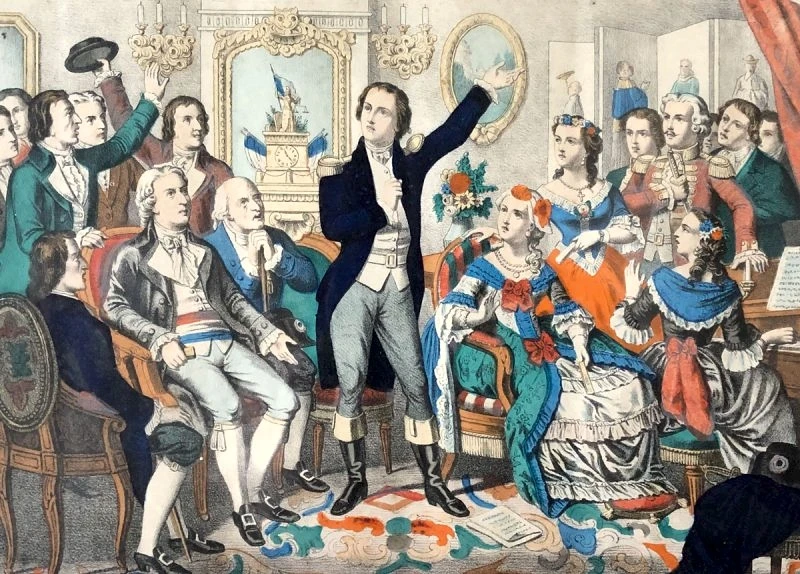
Colored engraving: Rouget de Lisle singing "La Marseillaise" at Mayor Dietrich's residence in Strasbourg in 1792 — France's national anthem, an iconic scene of the Revolution.
Holidays and Traditions: France at Its Best
You can better understand a country when you understand its calendar. In France, holidays and traditions remain very much alive, sometimes on a national scale, often on a local scale.
National Holidays
July 14 obviously plays a central role, with its fireworks, dances, ceremonies, and popular appeal. May 8 and November 11 preserve a more somber but still significant historical memory.
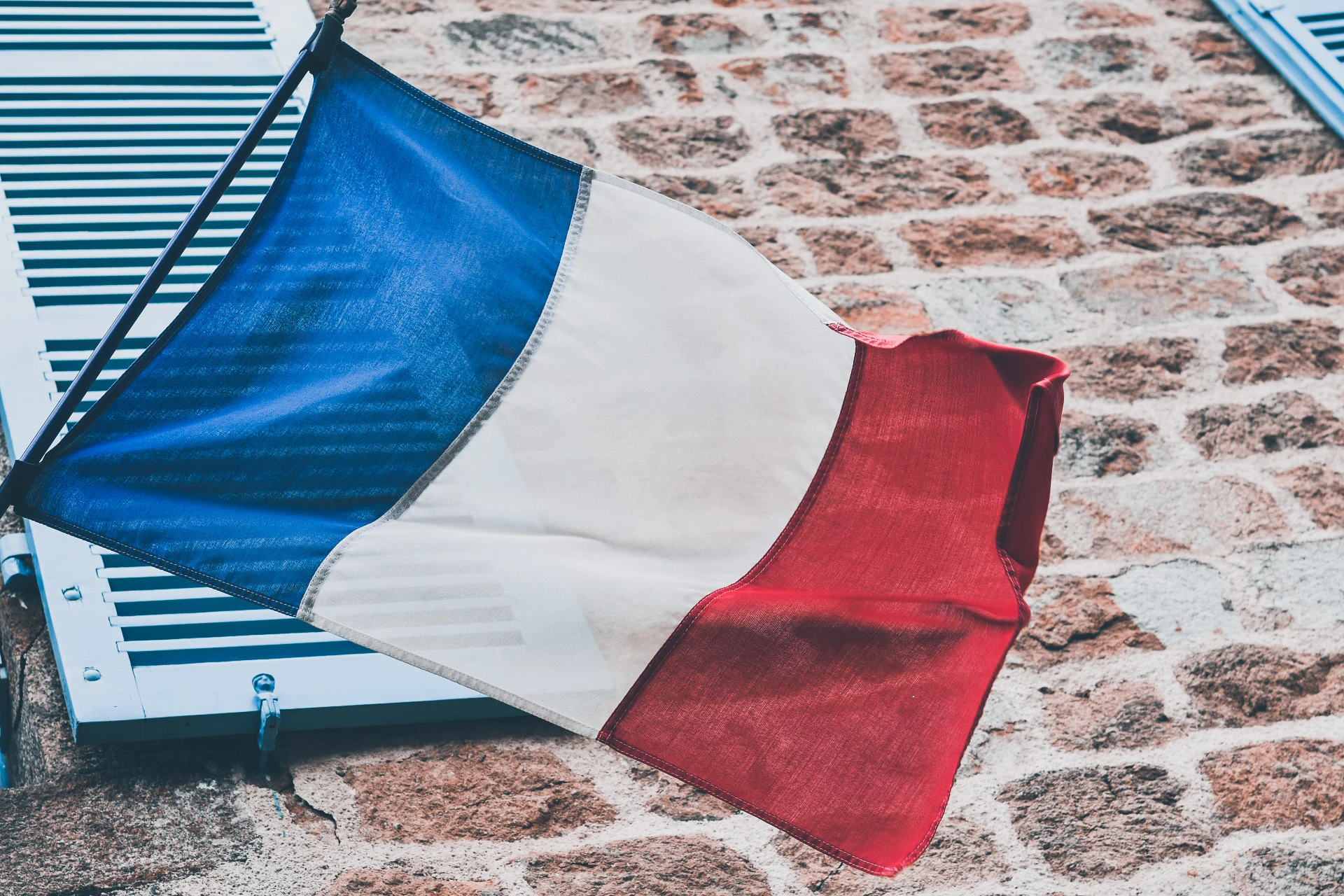
The national flag flying above the entrance to a town hall in France / Image by JackieLou DL from Pixabay
Folk Festivals
Music Day, carnivals, medieval festivals, summer festivals, food festivals, maritime festivals, and large village festivals reveal a different side of France: one that is more festive, more local, and more spontaneous.
Religious holidays are still very much in evidence
Christmas, Easter, Epiphany, All Saints’ Day, certain processions, and patron saint festivals continue to shape the calendar, even for visitors who come to France with no religious expectations at all. They contribute to the atmosphere, the store windows, the markets, the cuisine, and family traditions.
Regional traditions
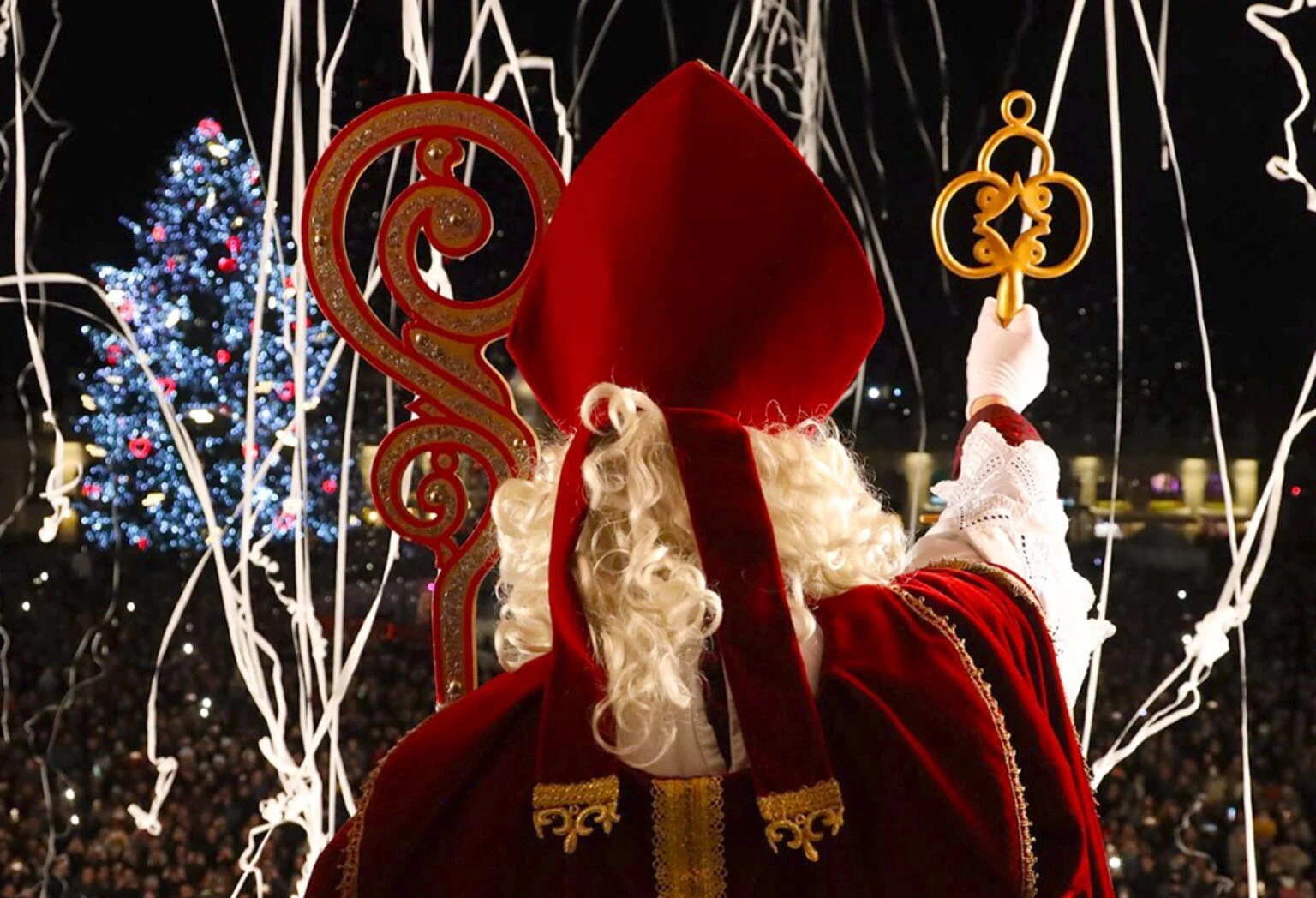
Saint Nicholas greets the crowd at the end of the parade / Photo selected by Monsieur de France: Jérôme Prod'homme
Saint Nicholas in Lorraine, the Christmas markets in Alsace, the ferias of the Southwest, the grape harvests in Burgundy and Champagne, the maritime festivals of Brittany, the transhumance in the mountains, the agricultural fairs, and the regional food festivals remind us that France is not defined solely by a national narrative, but also by a multitude of local identities.
The French way of life
The famous French art of living is not just an empty slogan. It stems from a way of valuing things that other societies sometimes treat as mere formalities: meals, bread, open spaces, markets, gardens, walks, conversation, Sundays, and vacations.
The Joys of Everyday Life
Having coffee outdoors. Buying a baguette that’s still warm. Staying out for lunch longer than planned. Taking a walk after a meal. Going to the market in the morning. Sitting in a square or by the river. All these seemingly simple scenes actually make up an essential part of the French way of life.
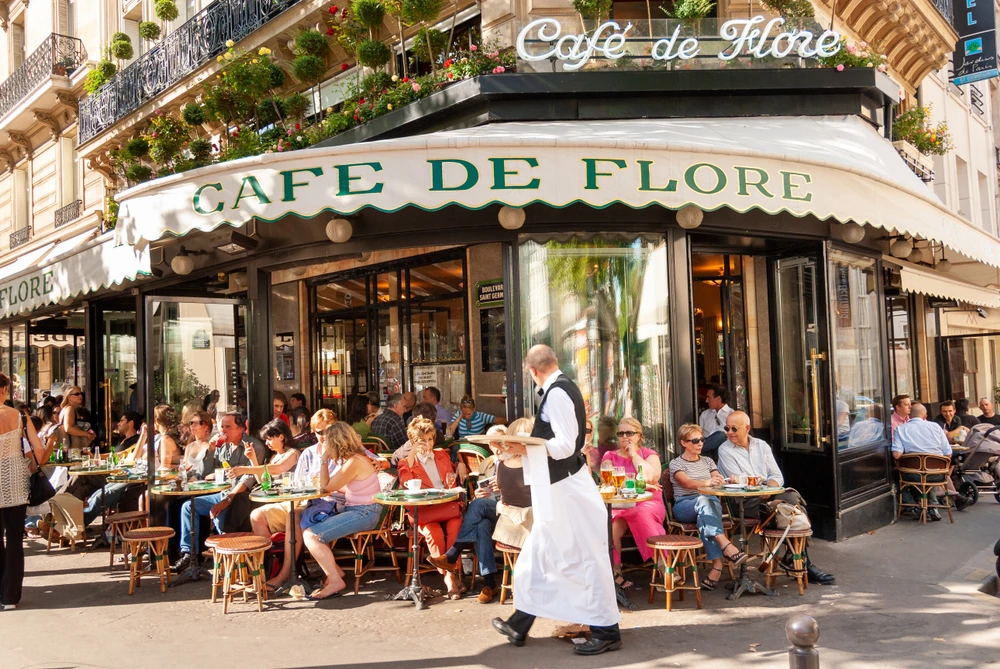
Café de Flore in Saint-Germain-des-Prés Photo by Alex Segre/Shutterstock
An appreciation for beauty
France is not just a country of grand monuments; it is also a country where the beauty of everyday life matters. A well-proportioned square, a public garden, a harmonious street, an old terrace, a market hall, a gate, or a fountain can be enough to evoke a sense of harmony. It is often this unpretentious beauty that leaves the most lasting impression.
Sundays and holidays
Sundays still have a special feel to them: walks, family meals, markets, cultural outings, and longer breaks. Summer vacations, too, hold a very special place in the French imagination. In a way, the country still loves the idea of time spent differently.
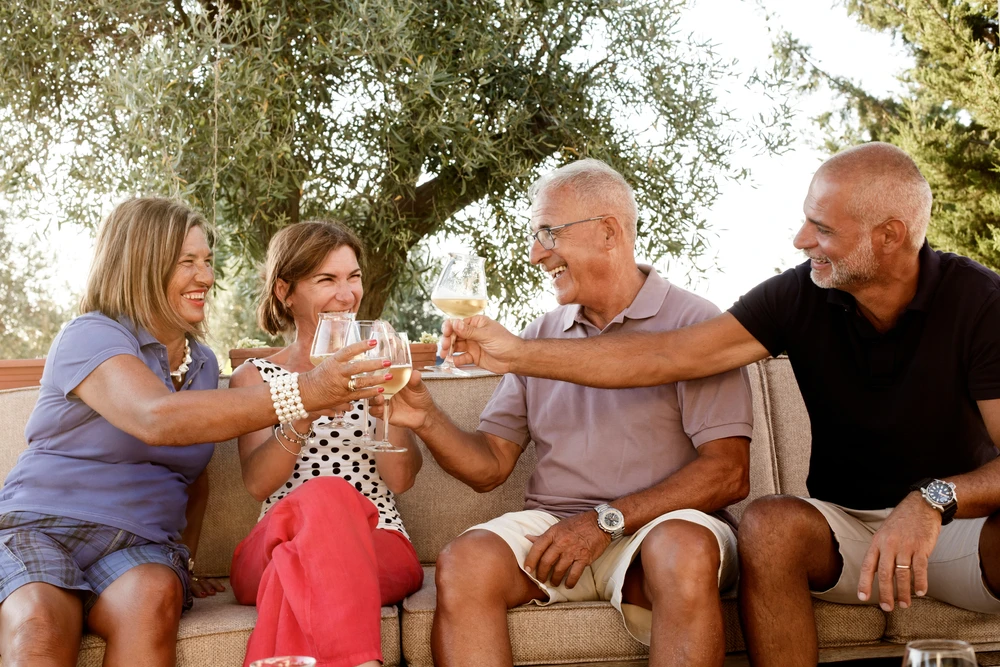
No age limit for happy hour! Photo byAlessandro Pintus shutterstock.com
Why We Keep Coming Back
We return to France because there’s something left unfinished there. A region to explore further, a city where we’d like to stay longer, a different season to experience, a local specialty to rediscover, a route to take again at a slower pace. The country often makes you want to plan a second trip before the first one is even over.
FAQ: Visiting France
What is the best place to visit in France for first-time travelers?
Paris is usually the best first stop for first-time travelers because it combines iconic landmarks, museums, neighborhoods, food and easy transport connections. Many visitors then add one region such as Normandy, Provence, the Loire Valley or the French Riviera for a fuller experience.
How many days do you need to visit France?
One week is enough for Paris and one nearby region. Ten days allows Paris plus two major areas. Two weeks gives a much better balance and lets you experience cities, countryside and regional culture without rushing.
What are the best regions to visit in France?
The best regions depend on your interests. Provence is ideal for villages and sunshine, Normandy for history and coastlines, Brittany for dramatic seaside scenery, the Loire Valley for castles, Alsace for charming towns and Christmas markets, and the French Riviera for beaches and glamour.
Is Paris enough for a trip to France?
Paris alone can fill a full trip, but it does not represent all of France. Adding one region such as Versailles and the Loire Valley, Normandy or Champagne gives a much richer understanding of the country.
What is the best time of year to visit France?
Spring and early fall are often the best times because the weather is pleasant and crowds are usually lighter than peak summer. Summer is perfect for beaches and long evenings, while winter is ideal for ski trips and Christmas markets.
Can you travel around France without a car?
Yes. France has an excellent train network linking Paris with cities such as Lyon, Strasbourg, Bordeaux, Lille, Avignon, Nice and many others. A car becomes more useful for villages, wine regions, countryside stays and remote coastal areas.
What food should I try in France?
Try croissants, baguettes, cheese, regional pastries and classic dishes such as boeuf bourguignon, quiche Lorraine, cassoulet, ratatouille or crêpes. Each region has its own specialties, so food is one of the best ways to discover France.
Is France expensive to visit?
France can be expensive in Paris and on the French Riviera, especially in peak season. However, many regions, smaller cities and countryside areas offer excellent value, especially if you book early and travel outside summer.
What are the most beautiful places in France outside Paris?
Popular choices include Mont-Saint-Michel, Provence villages, the Loire Valley castles, Annecy, Strasbourg, Normandy coastlines, Brittany, Bordeaux, Nice, Corsica and the Dordogne region.
Why do people love France so much?
People love France because it combines beauty, history, food, culture and everyday pleasures. It is a country where world-famous landmarks coexist with village markets, great bread, local traditions and a strong sense of art of living.
Is France safe for tourists?
Yes, France is generally safe for tourists and remains one of the world’s most visited countries. As in any major destination, the main issue is usually petty theft in crowded places such as train stations, metros and very busy tourist areas, especially in Paris. Basic precautions are usually enough for a smooth trip.
Do people speak English in France?
Yes, many people speak at least some English in hotels, restaurants, museums and tourist areas, especially in larger cities. In smaller towns and rural areas, English may be less common, but a few polite French words usually make a very good impression. You do not need fluent French to travel in France.
How many days do you need in France?
A week is enough for Paris and one major region such as Normandy, the Loire Valley or Provence. Ten days gives you more balance and lets you combine the capital with two strong destinations. Two weeks is ideal for a richer first trip, with time for cities, landscapes, food and regional culture.
What are the best places to visit in France outside Paris?
Some of the best places to visit outside Paris include Versailles, Mont-Saint-Michel, Normandy, Brittany, the Loire Valley, Provence, Strasbourg, Lyon, Bordeaux, Annecy, the French Riviera and Corsica. The best choice depends on what you want most from the trip: history, food, coastlines, villages, mountains or culture.
Is France expensive to visit?
France can be expensive in Paris, on the French Riviera and during peak summer travel, but it is not expensive everywhere. Many regions, mid-sized cities and countryside destinations offer very good value, especially if you book early and travel outside the busiest months. Food, transport and hotels can vary a lot depending on where and when you go.
Abstract
France is a country of remarkable diversity, where a trip can be centered around major cities, castles, the sea, villages, traditions, festivals, the mountains, or fine dining. Paris and Versailles offer a powerful starting point; the Loire Valley naturally extends the exploration of monuments; Normandy and Brittany open up to the sea; Provence brings light; Alsace and Lorraine offer a refined eastern experience; and Lyon and Burgundy showcase gastronomy. A good trip to France isn’t the one that hits the most places, but the one that follows a logical path and allows enough time for each experience to become a lasting memory.
An article by Jérôme Prod’homme for Monsieur de France, written with passion and enthusiasm to showcase France, its regions, its cuisine, and its way of life.